
Hobbies and interests
Swimming
Sports
Coaching
Babysitting And Childcare
Child Development
National Honor Society (NHS)
Sociology
Clinical Psychology
Psychology
Exploring Nature And Being Outside
Coffee
Advocacy And Activism
Church
Cognitive Science
Counseling And Therapy
Crafting
Environmental Science and Sustainability
Ethics
Exercise And Fitness
Gender Studies
Geocaching
Global Health
Human Resources
Kayaking
Mental Health
Public Health
Singing
Travel And Tourism
Sustainability
Video Editing and Production
Writing
Volunteering
Reading
Cultural
Historical
Adult Fiction
Adventure
I read books multiple times per week
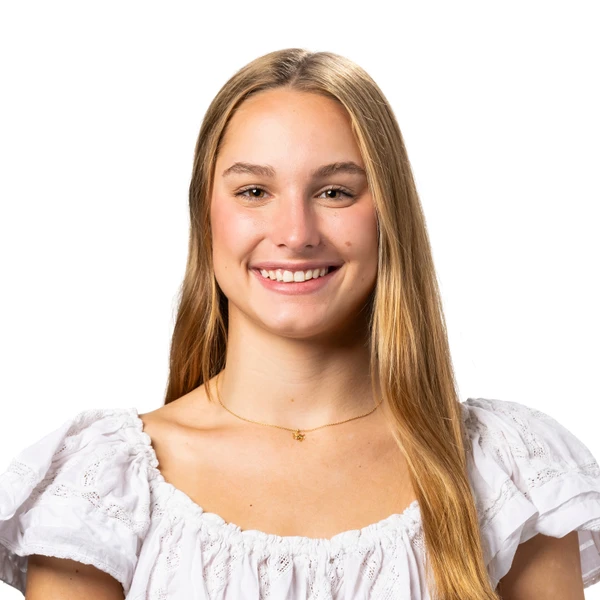
Lydia Sturgeon
1x
Finalist
Lydia Sturgeon
1x
FinalistBio
I’m a Psychology and Health Studies major at the University of Richmond and a lifelong competitive swimmer who has competed at the state level and now at the collegiate level. Years in the pool taught me discipline, consistency, and the importance of pursuing work you genuinely care about. I’m especially interested in developmental psychology, cognitive processes, and the ways family and environment shape wellbeing. I’m exploring career paths that blend mental health, education, and community support, and I’m seeking internships that allow me to apply my academic interests and that best set me up for my future career.
Education
University of Richmond
Bachelor's degree programMajors:
- Public Health
- Psychology, General
Miscellaneous
Desired degree level:
Master's degree program
Graduate schools of interest:
Transfer schools of interest:
Majors of interest:
Career
Dream career field:
- Mental Health Care
Dream career goals:
Lifeguard
Heath City Water Park2026 – Present8 monthsSwim Coach
Moundbuilders Country Club2021 – 20243 yearsLifeguard
Denison university2022 – 20253 years
Sports
Soccer
Varsity2012 – 202311 years
Soccer
Club2012 – 202210 years
Swimming
Varsity2010 – Present16 years
Public services
Advocacy
Student Athlete Advisory Committee — Participate in and help plan volunteer opportunities as well as advertising those events to my teammates2025 – PresentVolunteering
Habitat for Humanity — helping with construction of affordable homes for families in need2022 – PresentVolunteering
Feed the Dream — packing lunches to deliver to communities in need2021 – Present
Speed League Swimming: Rising Stars Scholarship
Swimming has taught me what no other experience could. Relentless dedication will take you far, but it won’t carry you all the way — and when that dedication begins to fade, you have to learn how to rebuild it. I’m still figuring that out as I enter my second year of college swimming.
I was thrown into the sport at a young age. My parents simply wanted my twin sister and me to be comfortable in the water, not knowing how deeply we would fall in love with it. Like many kids in my area, I started in summer league, then moved through YMCA club practices before joining a more competitive team. I vividly remember the bullpen years, recognizing the faces of swimmers I raced over and over. Before each race, I’d write a saying on my hand in Sharpie: “Start fast, turn hard, finish strong.” My dad repeated those words before nearly every event. He has always had a huge influence on my relationship with swimming, and it was difficult for both of us to learn how to balance support with grace for mistakes.
As I grew older, I began feeling pressure to perform, catching myself glancing at him before checking my times. I don’t remember feeling proud of my swims unless he was satisfied. Fortunately, things went well for a long time — I was dropping time, working hard, and pouring everything I had into the pool. My progress kept refilling my cup. Looking back, I didn’t hit a true plateau until my junior year.
In May 2024, everything changed. An accident no one could have predicted left me with seven pelvic fractures and a frightening uncertainty about my future in swimming — if I even had one. I had just qualified for the highest‑level meet of my career and recently committed to my collegiate team. Lying in a hospital bed, I tried to understand why this happened, but eventually realized how lucky I was that it wasn’t worse. A rotten tree fell on me while I was hammocking in the woods. It missed my head but pinned me to the ground. I remember very little until my dad rushed into my hospital room that night. I asked him for a hug, hoping it would make everything feel okay.
When the pain meds wore off, I began wondering whether I’d ever swim again. I asked myself that same question for days as I lay in bed unable to move without help. I longed for the water. I didn’t know who I was without swimming. By some miracle, exactly one week later, I slowly lowered myself into the cold lap pool I had taken for granted every weeknight. My legs dragged behind me as I took my first few strokes. When I looked up, I saw a face on my dad that I had never seen before — a pride deeper than any time I had ever dropped. In that moment, I realized it was never really about the scoreboard.
For three summers, I coached young swimmers on my local summer league team. Introducing kids to the sport that shaped my life was incredibly meaningful. I wanted them to fall in love with the water the way I did. I spent Wednesday nights corralling them to the bullpen and reminding them to touch with two hands in fly and breaststroke. After my little pre‑race speeches, I always told them to have fun. I never wanted them to feel the stress I carried behind the blocks at my high‑school championship meets.
My senior season didn’t end the way I hoped. Coming back from injury, all I wanted was to get close to my old times. I worked for that every single practice. At the state meet, I swam well and came close to my best time. I smiled, proud of my hard work— until I was told I had been disqualified for a false start. I broke down immediately. It was devastating. But that moment taught me something I hadn’t learned in all my years of racing: passion isn’t measured by medals or perfect races. It’s measured by how deeply you care, how hard you fight to return, and how willing you are to keep going even when the outcome isn’t what you hoped for.
Looking ahead, I want swimming to be a more positive sport for all. I would like to see more mental health support for athletes and a community that does not look down on those who utilize it. I would like to see younger swimmers not worried about how they perform but only focused on having fun and feeling self-gratification. I want athletes to have a spotlight where they feel comfortable developing further into not only better athletes but better people. I would contribute as a voice for swimmers who have overcome challenges they did not think they could. Athletes should feel supported and excited for what is to come.