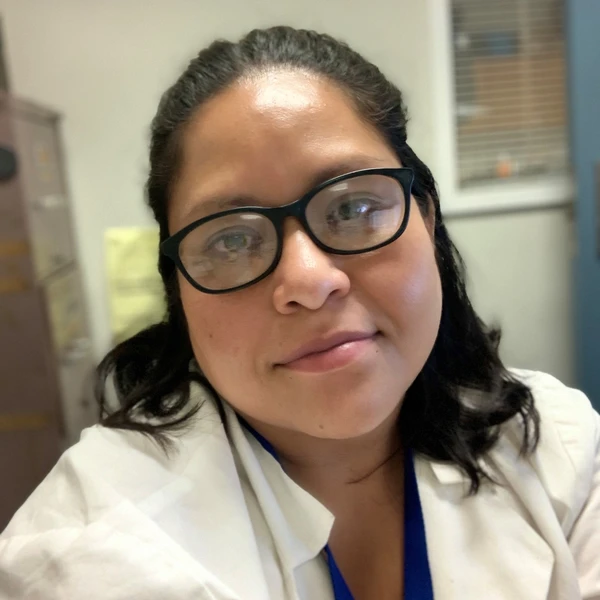
Living closely alongside chronic medical conditions within my immediate family has profoundly shaped the course of my adult life. I am the primary caregiver for my mother Bartola, who lives with end-stage cirrhosis caused by primary biliary cholangitis. Her condition requires constant monitoring, frequent medical appointments, and ongoing symptom management, she is currently on the list for a liver transplant from UCLA. I am also the mother of two sons with autism. My youngest son Robert has moderate to severe autism and complex medical needs, including epilepsy, which requires emergency preparedness, medication management, and endless advocacy. My oldest son Joseph, while higher-functioning, needs ongoing support with sensory regulation, learning accommodations, and developmental services. Caring for all three means balancing multiple specialists, individualized education plans, unexpected hospital visits, and daily therapeutic routines.
These responsibilities have reshaped how I view healthcare, education, and access. They have also tested me physically, mentally, and emotionally. There are days when I feel stretched thin, finishing work, completing doctoral coursework, and then rushing to take care of my son or manage my mother’s symptoms. Yet through these challenges, my determination has only grown stronger. I have learned resilience, precision, patience, and what it means to fight for the dignity and wellbeing of those I love.
Growing up as a Mexican American, first-generation college student raised in poverty, I witnessed how language barriers, financial hardship, and cultural stigma can make chronic illness even harder to navigate. Families like mine often don’t know where to start, who to ask, or how to advocate. Pursuing education later in life (now at the doctoral level in Education with a focus on Higher Education and Student Affairs) is my way of transforming lived struggle into systemic change.
Professionally, I serve students every day. I work full-time as a Senior Instructional Lab Technician at Rio Hondo College and as an Adjunct Professor of Chemistry at the University of La Verne. I mentor first-generation students, parenting students, undocumented students, and those who are quietly balancing medical or caregiving challenges. I lead workshops on navigating college systems, support STEM students academically, and volunteer with inclusion initiatives. Many students confide in me because they see a reflection of themselves, someone who didn’t take the traditional path, yet never gave up.
My experiences have shown me how urgently higher education needs to evolve. Colleges often assume students are healthy, financially stable, and unburdened by caregiving duties. When crises happen (hospitalizations, seizures, medical declines) students are forced to sacrifice grades, income, or progress. My long-term goal is to create equity-centered programs that expand access to disability accommodations, flexible course scheduling, emergency grants, and mental health support for caregivers and chronically ill students. I want institutions to view students as whole human beings, not just as academic outputs.
Instead of letting adversity shrink my dreams, I’ve allowed it to fuel them. Caring for two autistic sons (one with epilepsy) and supporting my mother through end stage liver disease has strengthened my advocacy, deepened my empathy, and sharpened my understanding of systemic barriers. Every appointment, phone call, and seizure has taught me something about urgency, precision, and compassion.
Receiving this scholarship would relieve financial strain associated with graduate tuition and ongoing medical needs in my household. More than that, it would serve as recognition that perseverance matters, that caregivers deserve a seat at the academic table.
Chronic illness does not diminish potential. With resources, empathy, and equitable opportunity, families like mine can not only survive, they can lead, advocate, and help transform the very systems that once excluded them.