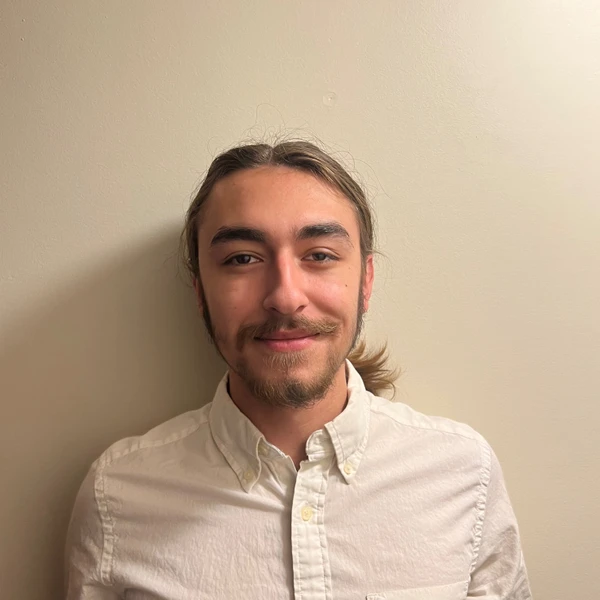
My name is Lucian Xavier Lopez, and I am from Cambridge, Ohio. My family consists of my mother, Hope, my older brother, Gavyn, and my younger sister, Amina. Out of the three of us, I was always the quiet and “nerdy” one because I was fascinated with the science behind our world. My mother gave me my first microscope for my eighth birthday, and from that moment on, I was captivated by biology and anatomy.
This interest grew rapidly, especially when Amina began experiencing what was believed to be an epileptic condition at the age of six. For years, my family lived with the stress and fear of not knowing what might happen to her, and as a young boy I felt completely helpless. As I got older, I realized that this feeling was not unique to me. Many siblings go through the same fear and helplessness when someone they love is sick. That understanding, along with my growing love for science, led me toward pursuing a degree in biological sciences. Amina eventually received the surgery she needed, but the long period of uncertainty made me certain that I wanted to help people as a doctor.
Empathy to me is the ability to step into another person’s shoes and truly try to understand what they are feeling and why, even when I have never experienced their situation myself. It requires actively listening without judgment and connecting with compassion rather than assumptions. It means recognizing the vulnerability that comes with asking for help and honoring the trust a person places in you by responding with kindness and respect.
In optometry, empathy is essential because vision is incredibly personal. How someone sees the world affects how they learn, work, communicate, and navigate their daily life. During an eye exam, a patient is not just asking for a prescription. They might be facing symptoms they don’t understand or changes in their vision that make them feel anxious or afraid. As a future optometrist, I want every patient to feel heard and respected, and to walk away knowing that I care not only about their eyes but also about their overall well-being.
The experiences with my sister helped show me the importance of patience and emotional awareness in healthcare. I saw how doctors would adjust their tone and body language depending on the patient, completely changing the atmosphere of an appointment. Spending so much time in hospitals with my sister made me realize that healthcare is not just science, but also a relationship built on trust.
Practicing through a human-centered lens begins with building trust. I plan to take the time to explain every procedure clearly, in language patients can easily understand, and to make sure they feel comfortable asking questions. To be the kind of optometrist I hope to become, I want to understand the daily challenges my patients face so I can personalize care to fit their lives. Human-centered care also means being mindful of each patient’s circumstances and meeting them with empathy so that no one feels overlooked or undeserving of help.
I have seen firsthand how small acts of kindness can change a patient’s experience. When Amina was young, she was terrified of her doctor visits, but her doctors always tried to brighten her mood with candy or small toys. She always left feeling happier and less afraid, and to this day I am grateful for how they made that time in her life a little easier. Kindness is not just for children, though. Every patient deserves a doctor who tries to make their experience as comfortable as possible.
Empathy means far more to me than simply noticing when someone is struggling. It means mentally placing yourself in their position, understanding the hardships they face, and responding with compassion rather than judgment. I believe that true empathy will lead to better experiences with healthcare professionals everywhere. In my future career, I know I will keep empathy at the center of my work every day with every patient.