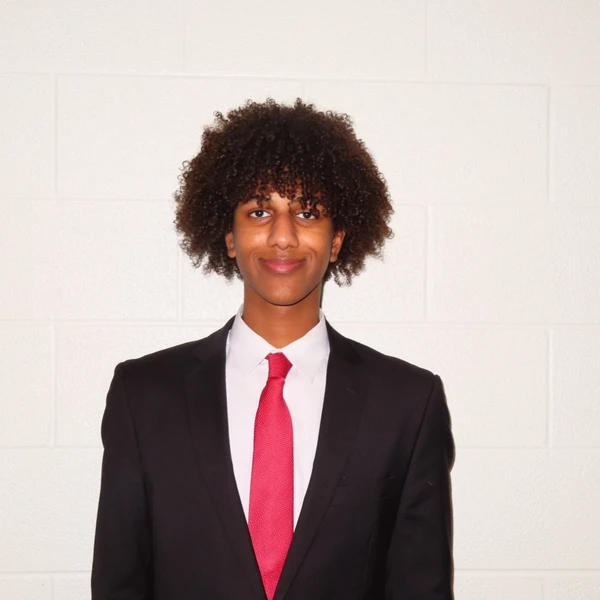
user profile avatar

Lucas Kibreab

1x

Finalist

1x

Winner

Bio

McLean High School Senior | Pre-Law path | Basketball Coach

Education

McLean High

High School
2022 - 2026

Miscellaneous

  • Desired degree level:

    Doctoral degree program (PhD, MD, JD, etc.)

  • Majors of interest:

    • Political Science and Government
    • Economics
  • Not planning to go to medical school
  • Career

    • Dream career field:

      Law Practice

    • Dream career goals:

    • Basketball Class Coach

      One on One Basketball, Inc.
      2025 – Present1 year

    Sports

    Cross-Country Running

    Junior Varsity
    2022 – 20231 year

    Arts

    • McLean High School Band / St. Mark Catholic School Band

      Music
      2017 – Present

    Public services

    • Volunteering

      CCNV Homeless Shelter — Volunteer
      2018 – 2023
    Curtis Holloway Memorial Scholarship
    Losing my mother to cancer at the age of fifteen reshaped my life in ways I am still learning to understand. Beyond the grief, what remains most vivid is her unwavering belief in my potential. She was not just a parent, but my strongest academic influence. Her constant encouragement to push myself, stay disciplined, and strive for excellence continues to guide me, even in her absence. My mother viewed education as a powerful tool for independence and growth. She held me to high standards, not out of pressure, but out of belief. She would often remind me that success was built through consistency and effort, not shortcuts. Whether it was staying up late to review for a test or revising an essay one more time, she made sure I understood that doing my best was always worth it. At times, I did not fully appreciate her persistence, but looking back, I see how it shaped my mindset. When she passed away, I was forced to navigate not only personal loss but also the challenge of maintaining the academic focus she had instilled in me. There were moments when it felt easier to fall behind, to let grief take over. However, I often found myself thinking about what she would expect of me. That thought became a source of motivation. I began to approach my work with a renewed sense of purpose, not just for myself, but in honor of her Her influence has extended beyond grades and assignments. She taught me resilience. Balancing school responsibilities while coping with loss required me to develop discipline, emotional strength, and time management skills at a young age. These qualities have allowed me to persevere through challenges and remain committed to my goals. As I grew up, I never knew what I wanted to do in the future. But by examining my mother's altruistic, selfless nature, I decided I wanted to spend the rest of my life honoring her legacy as a legal voice for those that cannot afford to defend themselves. Today, my academic drive is deeply connected to her legacy. Every achievement I earn feels like a reflection of the values she instilled in me. I strive not only to succeed, but to become the best version of myself, just as she always encouraged. While I no longer have her guidance in person, her voice remains present in my decisions and ambitions.
    Valerie Rabb Academic Scholarship
    “What do you know, you freaking monkey?!” The statement pierced deeper than any knife. What deepened the wound was that it came from my closest friend. Tears immediately welled up in my eyes, and it took all the energy I could muster to choke out, “What is wrong with you?” without bursting into tears. The person who had stood beside me since kindergarten now regarded me as some animal, all over a game of basketball. His cruel words echoed through my mind. Attending a Catholic, predominantly white institution as the only Black student in my grade, I heard countless remarks like this. As a child, I took pride in my Ethiopian heritage. Race was never an issue. But as I matured, my race became the basis for my degradation. Eventually, I lost my sense of self. The end of elementary school marked a crossroads for my peers and me. The colorblind lenses of my childhood friends shattered and the difference in our skin color became clear as day. Racial targeting began as middle school progressed. Initially, I brushed off the racist mistreatment as nothing more than a running joke, but it began to seep into my mind. My inability to accept myself began in small ways, like wanting to spike my curly hair to match my classmates. It intensified into nights of endless crying because my skin made me feel so alienated from my peers. The pride I’d once felt in my heritage was engulfed in the shadow of conformism. The others became only more vile, with venomous slurs rolling off their tongue like acid searing my skin. Their hatred slowly infiltrated my psyche. When my self-image was at its lowest, a single visit to my high school’s club fair changed everything. There, I found the club that would help me reinvent myself. Upon reading the poster for the Black Student Union, I realized the club was a community of students with similar backgrounds, and the thought of meeting people who could understand the struggles I faced electrified me. Discovering a club dedicated to Black empowerment was a shock, given my past experiences. But at the first meeting, I was welcomed with open arms. For the first time in years, I felt comfortable in my own skin. Sticking with the club was a no-brainer, and as time advanced, I yearned to discover more of my ancestors and the rich culture they passed down. As I learned more about the resilience of my forefathers, I began to feel pride where I had once felt shame. The Black Student Union instilled in me a level of racial identity that my younger self never could have fathomed. Without struggle, there is no success. If I had never faced these hardships, I would still be indifferent about my heritage. These experiences have motivated me to pursue a legal career, intent on aiding minorities facing racial injustice. I have always been interested in the law, and incorporating my loathing for racial injustice into my legal career would allow me to meaningfully combat it by representing indigent defendants pro bono, many of whom are Black. My experiences with racism destroyed my self image. By finding a community of people like me, I regained the sense of cultural pride I once lost. Now, I am determined to utilize my passion for the law and my hatred of bigotry to put an end to racial inequity in the criminal justice system.
    Simon Strong Scholarship
    “What do you know, you freaking monkey?!” The statement pierced deeper than any knife. What deepened the wound was that it came from my closest friend. Tears immediately welled up in my eyes, and it took all the energy I could muster to choke out, “What is wrong with you?” without bursting into tears. The person who had stood beside me since kindergarten now regarded me as some animal, all over a game of basketball. His cruel words echoed through my mind. Attending a Catholic, predominantly white institution as the only Black student in my grade, I heard countless remarks like this. As a child, I took pride in my Ethiopian heritage. Race was never an issue. But as I matured, my race became the basis for my degradation. Eventually, I lost my sense of self. The end of elementary school marked a crossroads for my peers and me. The colorblind lenses of my childhood friends shattered and the difference in our skin color became clear as day. Racial targeting began as middle school progressed. Initially, I brushed off the racist mistreatment as nothing more than a running joke, but it began to seep into my mind. My inability to accept myself began in small ways, like wanting to spike my curly hair to match my classmates. It intensified into nights of endless crying because my skin made me feel so alienated from my peers. The pride I’d once felt in my heritage was engulfed in the shadow of conformism. The others became only more vile, with venomous slurs rolling off their tongue like acid searing my skin. Their hatred slowly infiltrated my psyche. When my self-image was at its lowest, a single visit to my high school’s club fair changed everything. There, I found the club that would help me reinvent myself. Upon reading the poster for the Black Student Union, I realized the club was a community of students with similar backgrounds, and the thought of meeting people who could understand the struggles I faced electrified me. Discovering a club dedicated to Black empowerment was a shock, given my past experiences. But at the first meeting, I was welcomed with open arms. For the first time in years, I felt comfortable in my own skin. Sticking with the club was a no-brainer, and as time advanced, I yearned to discover more of my ancestors and the rich culture they passed down. As I learned more about the resilience of my forefathers, I began to feel pride where I had once felt shame. The Black Student Union instilled in me a level of racial identity that my younger self never could have fathomed. Without struggle, there is no success. If I had never faced these hardships, I would still be indifferent about my heritage. These experiences have motivated me to pursue a legal career, intent on aiding minorities facing racial injustice. I have always been interested in the law, and incorporating my loathing for racial injustice into my legal career would allow me to meaningfully combat it by representing indigent defendants pro bono, many of whom are Black. My experiences with racism destroyed my self image. By finding a community of people like me, I regained the sense of cultural pride I once lost. Now, I am determined to utilize my passion for the law and my hatred of bigotry to put an end to racial inequity in the criminal justice system.
    Forever90 Scholarship
    Through the car window, the reds and greens of garlands and wreaths flooded my eyes, acting as a gentle reminder of Christmas’s impending arrival. The morning of December 24, 2018, rather than being with family, my father took me to a homeless shelter, and we spent the whole morning serving hotdogs and sandwiches to the shelter's residents. This initial experience opened my eyes to how fortunate I was to have the luxury of having consistent access to clean water and good food. It was at this moment that I realized my purpose in my community is to serve those in need. As I peer into the countless possibilities for my future, I see myself serving others by helping everyone have the same opportunities for a life of success and prosperity. While connecting with residents of the CCNV shelter, I realized that once homelessness ensnares you, it’s almost impossible to escape. I learned in a conversation with a resident that he couldn’t support himself because the public encampment citations he received prevented him from finding work and, without work, he couldn’t pay for the associated fines. In this moment, I knew I wanted to help the underrepresented more in the future, but I wasn't sure of how to do so in the moment. As a victim of racial mistreatment throughout my childhood from my peers, I learned to hate myself for the color of my skin. For hours, I would ponder over why my heritage would make my classmates torment me merely for having a different skin color and hair type. But upon reading the poster for the Black Student Union at my high school's club fair, I realized the club was a community of students with similar backgrounds, and the thought of meeting people who could understand the struggles I faced electrified me. Discovering a club dedicated to Black empowerment was a shock, given my past experiences. But at the first meeting, I was welcomed with open arms. For the first time in years, I felt comfortable in my own skin. Sticking with the club was a no-brainer, and as time advanced, I yearned to discover more of my ancestors and the rich culture they passed down. As I learned more about the resilience of my forefathers, I began to feel pride where I had once felt shame. The Black Student Union instilled in me a level of racial identity that my younger self never could have fathomed. As both of these exepriences meshed in my mind, they motivated me to pursue a legal career, intent on aiding individuals facing racial or economic injustice. I plan to use university resources to gain a foundational understanding of how politics and socioeconomics enable and perpetuate racial discrimination and social inequality. I have always been interested in the law, and incorporating my loathing for racial and economic injustice into my legal career would allow me to meaningfully combat it by representing indigent defendants pro bono, many of whom are also Black. I hope to carry the lessons that I learned through my undergraduate years and law school, offering different perspectives to the ever-changing political climate of America. But beyond the classroom and beyond the courtroom, I hope to stand as a megaphone for those mistreated by the government, amplifying their silenced voices and pleas for reform.
    Robert F. Lawson Fund for Careers that Care
    “What do you know, you freaking monkey?!” The statement pierced deeper than any knife. What deepened the wound was that it came from my closest friend. Tears immediately welled up in my eyes, and it took all the energy I could muster to choke out, “What is wrong with you?” without bursting into tears. The person who had stood beside me since kindergarten now regarded me as some animal, all over a game of basketball. His cruel words echoed through my mind. Attending a Catholic, predominantly white institution as the only Black student in my grade, I heard countless remarks like this. As a child, I took pride in my Ethiopian heritage. Race was never an issue. But as I matured, my race became the basis for my degradation. Eventually, I lost my sense of self. The end of elementary school marked a crossroads for my peers and me. The colorblind lenses of my childhood friends shattered and the difference in our skin color became clear as day. Racial targeting began as middle school progressed. Initially, I brushed off the racist mistreatment as nothing more than a running joke, but it began to seep into my mind. My inability to accept myself began in small ways, like wanting to spike my curly hair to match my classmates. It intensified into nights of endless crying because my skin made me feel so alienated from my peers. The pride I’d once felt in my heritage was engulfed in the shadow of conformism. The others became only more vile, with venomous slurs rolling off their tongue like acid searing my skin. Their hatred slowly infiltrated my psyche. When my self-image was at its lowest, a single visit to my high school’s club fair changed everything. There, I found the club that would help me reinvent myself. Upon reading the poster for the Black Student Union, I realized the club was a community of students with similar backgrounds, and the thought of meeting people who could understand the struggles I faced electrified me. Discovering a club dedicated to Black empowerment was a shock, given my past experiences. But at the first meeting, I was welcomed with open arms. For the first time in years, I felt comfortable in my own skin. Sticking with the club was a no-brainer, and as time advanced, I yearned to discover more of my ancestors and the rich culture they passed down. As I learned more about the resilience of my forefathers, I began to feel pride where I had once felt shame. The Black Student Union instilled in me a level of racial identity that my younger self never could have fathomed. Without struggle, there is no success. If I had never faced these hardships, I would still be indifferent about my heritage. These experiences have motivated me to pursue a legal career, intent on aiding minorities facing racial injustice. I plan to use university resources to gain a foundational understanding of how politics and socioeconomics enable racial discrimination. I have always been interested in the law, and incorporating my loathing for racial injustice into my legal career would allow me to meaningfully combat it by representing indigent defendants pro bono, many of whom are Black. My experiences with racism destroyed my self image. By finding a community of people like me, I regained the sense of cultural pride I once lost. Now, I am determined to utilize my passion for the law and my hatred of bigotry to put an end to racial inequity in the criminal justice system.
    Hearts on Sleeves, Minds in College Scholarship
    “What do you know, you freaking monkey?!” The statement pierced deeper than any knife. What deepened the wound was that it came from my closest friend. Tears immediately welled up in my eyes, and it took all the energy I could muster to choke out, “What is wrong with you?” without bursting into tears. The person who had stood beside me since kindergarten now regarded me as some animal, all over a game of basketball. His cruel words echoed through my mind. Attending a Catholic, predominantly white institution as the only Black student in my grade, I heard countless remarks like this. As a child, I took pride in my Ethiopian heritage. Race was never an issue. But as I matured, my race became the basis for my degradation. Eventually, I lost my sense of self. The end of elementary school marked a crossroads for my peers and me. The colorblind lenses of my childhood friends shattered and the difference in our skin color became clear as day. Racial targeting began as middle school progressed. Initially, I brushed off the racist mistreatment as nothing more than a running joke, but it began to seep into my mind. My inability to accept myself began in small ways, like wanting to spike my curly hair to match my classmates. It intensified into nights of endless crying because my skin made me feel so alienated from my peers. The pride I’d once felt in my heritage was engulfed in the shadow of conformism. The others became only more vile, with venomous slurs rolling off their tongue like acid searing my skin. Their hatred slowly infiltrated my psyche. When my self-image was at its lowest, a single visit to my high school’s club fair changed everything. There, I found the club that would help me reinvent myself. Upon reading the poster for the Black Student Union, I realized the club was a community of students with similar backgrounds, and the thought of meeting people who could understand the struggles I faced electrified me. Discovering a club dedicated to Black empowerment was a shock, given my past experiences. But at the first meeting, I was welcomed with open arms. For the first time in years, I felt comfortable in my own skin. Sticking with the club was a no-brainer, and as time advanced, I yearned to discover more of my ancestors and the rich culture they passed down. As I learned more about the resilience of my forefathers, I began to feel pride where I had once felt shame. The Black Student Union instilled in me a level of racial identity that my younger self never could have fathomed. Without struggle, there is no success. If I had never faced these hardships, I would still be indifferent about my heritage. These experiences have motivated me to pursue a legal career, intent on aiding minorities facing racial injustice. I plan to use university resources to gain a foundational understanding of how politics and socioeconomics enable racial discrimination. I have always been interested in the law, and incorporating my loathing for racial injustice into my legal career would allow me to meaningfully combat it by representing indigent defendants pro bono, many of whom are Black. My experiences with racism destroyed my self image. By finding a community of people like me, I regained the sense of cultural pride I once lost. Now, I am determined to utilize my passion for the law and my hatred of bigotry to put an end to racial inequity in the criminal justice system.
    Sunshine Legall Scholarship
    “What do you know, you freaking monkey?!” The statement pierced deeper than any knife. What deepened the wound was that it came from my closest friend. Tears immediately welled up in my eyes, and it took all the energy I could muster to choke out, “What is wrong with you?” without bursting into tears. The person who had stood beside me since kindergarten now regarded me as some animal, all over a game of basketball. His cruel words echoed through my mind. Attending a Catholic, predominantly white institution as the only Black student in my grade, I heard countless remarks like this. As a child, I took pride in my Ethiopian heritage. Race was never an issue. But as I matured, my race became the basis for my degradation. Eventually, I lost my sense of self. The end of elementary school marked a crossroads for my peers and me. The colorblind lenses of my childhood friends shattered and the difference in our skin color became clear as day. Racial targeting began as middle school progressed. Initially, I brushed off the racist mistreatment as nothing more than a running joke, but it began to seep into my mind. My inability to accept myself began in small ways, like wanting to spike my curly hair to match my classmates. It intensified into nights of endless crying because my skin made me feel so alienated from my peers. The pride I’d once felt in my heritage was engulfed in the shadow of conformism. The others became only more vile, with venomous slurs rolling off their tongue like acid searing my skin. Their hatred slowly infiltrated my psyche. When my self-image was at its lowest, a single visit to my high school’s club fair changed everything. There, I found the club that would help me reinvent myself. Upon reading the poster for the Black Student Union, I realized the club was a community of students with similar backgrounds, and the thought of meeting people who could understand the struggles I faced electrified me. Discovering a club dedicated to Black empowerment was a shock, given my past experiences. But at the first meeting, I was welcomed with open arms. For the first time in years, I felt comfortable in my own skin. Sticking with the club was a no-brainer, and as time advanced, I yearned to discover more of my ancestors and the rich culture they passed down. As I learned more about the resilience of my forefathers, I began to feel pride where I had once felt shame. The Black Student Union instilled in me a level of racial identity that my younger self never could have fathomed. Without struggle, there is no success. If I had never faced these hardships, I would still be indifferent about my heritage. These experiences have motivated me to pursue a legal career, intent on aiding minorities facing racial injustice. I plan to use university resources to gain a foundational understanding of how politics and socioeconomics enable racial discrimination. I have always been interested in the law, and incorporating my loathing for racial injustice into my legal career would allow me to meaningfully combat it by representing indigent defendants pro bono, many of whom are Black. My experiences with racism destroyed my self image. By finding a community of people like me, I regained the sense of cultural pride I once lost. Now, I am determined to utilize my passion for the law and my hatred of bigotry to put an end to racial inequity in the criminal justice system.
    Williams Foundation Trailblazer Scholarship
    “What do you know, you freaking monkey?!” The statement pierced deeper than any knife. What deepened the wound was that it came from my closest friend. Tears immediately welled up in my eyes, and it took all the energy I could muster to choke out, “What is wrong with you?” without bursting into tears. The person who had stood beside me since kindergarten now regarded me as some animal, all over a game of basketball. His cruel words echoed through my mind. Attending a Catholic, predominantly white institution as the only Black student in my grade, I heard countless remarks like this. As a child, I took pride in my Ethiopian heritage. Race was never an issue. But as I matured, my race became the basis for my degradation. Eventually, I lost my sense of self. The end of elementary school marked a crossroads for my peers and me. The colorblind lenses of my childhood friends shattered and the difference in our skin color became clear as day. Racial targeting began as middle school progressed. Initially, I brushed off the racist mistreatment as nothing more than a running joke, but it began to seep into my mind. My inability to accept myself began in small ways, like wanting to spike my curly hair to match my classmates. It intensified into nights of endless crying because my skin made me feel so alienated from my peers. The pride I’d once felt in my heritage was engulfed in the shadow of conformism. The others became only more vile, with venomous slurs rolling off their tongue like acid searing my skin. Their hatred slowly infiltrated my psyche. When my self-image was at its lowest, a single visit to my high school’s club fair changed everything. There, I found the club that would help me reinvent myself. Upon reading the poster for the Black Student Union, I realized the club was a community of students with similar backgrounds, and the thought of meeting people who could understand the struggles I faced electrified me. Discovering a club dedicated to Black empowerment was a shock, given my past experiences. But at the first meeting, I was welcomed with open arms. For the first time in years, I felt comfortable in my own skin. Sticking with the club was a no-brainer, and as time advanced, I yearned to discover more of my ancestors and the rich culture they passed down. As I learned more about the resilience of my forefathers, I began to feel pride where I had once felt shame. The Black Student Union instilled in me a level of racial identity that my younger self never could have fathomed. Without struggle, there is no success. If I had never faced these hardships, I would still be indifferent about my heritage. These experiences have motivated me to pursue a legal career, intent on aiding minorities facing racial injustice. I plan to use university resources to gain a foundational understanding of how politics and socioeconomics enable racial discrimination. I have always been interested in the law, and incorporating my loathing for racial injustice into my legal career would allow me to meaningfully combat it by representing indigent defendants pro bono, many of whom are Black. My experiences with racism destroyed my self image. By finding a community of people like me, I regained the sense of cultural pride I once lost. Now, I am determined to utilize my passion for the law and my hatred of bigotry to put an end to racial inequity in the criminal justice system.
    Chris Ford Scholarship
    “What do you know, you freaking monkey?!” The statement pierced deeper than any knife. What deepened the wound was that it came from my closest friend. Tears immediately welled up in my eyes, and it took all the energy I could muster to choke out, “What is wrong with you?” without bursting into tears. The person who had stood beside me since kindergarten now regarded me as some animal, all over a game of basketball. His cruel words echoed through my mind. Attending a Catholic, predominantly white institution as the only Black student in my grade, I heard countless remarks like this. As a child, I took pride in my Ethiopian heritage. Race was never an issue. But as I matured, my race became the basis for my degradation. Eventually, I lost my sense of self. The end of elementary school marked a crossroads for my peers and me. The colorblind lenses of my childhood friends shattered and the difference in our skin color became clear as day. Racial targeting began as middle school progressed. Initially, I brushed off the racist mistreatment as nothing more than a running joke, but it began to seep into my mind. My inability to accept myself began in small ways, like wanting to spike my curly hair to match my classmates. It intensified into nights of endless crying because my skin made me feel so alienated from my peers. The pride I’d once felt in my heritage was engulfed in the shadow of conformism. The others became only more vile, with venomous slurs rolling off their tongue like acid searing my skin. Their hatred slowly infiltrated my psyche. When my self-image was at its lowest, a single visit to my high school’s club fair changed everything. There, I found the club that would help me reinvent myself. Upon reading the poster for the Black Student Union, I realized the club was a community of students with similar backgrounds, and the thought of meeting people who could understand the struggles I faced electrified me. Discovering a club dedicated to Black empowerment was a shock, given my past experiences. But at the first meeting, I was welcomed with open arms. For the first time in years, I felt comfortable in my own skin. Sticking with the club was a no-brainer, and as time advanced, I yearned to discover more of my ancestors and the rich culture they passed down. As I learned more about the resilience of my forefathers, I began to feel pride where I had once felt shame. The Black Student Union instilled in me a level of racial identity that my younger self never could have fathomed. Without struggle, there is no success. If I had never faced these hardships, I would still be indifferent about my heritage. These experiences have motivated me to pursue a legal career, intent on aiding minorities facing racial injustice. I plan to use university resources to gain a foundational understanding of how politics and socioeconomics enable racial discrimination. I have always been interested in the law, and incorporating my loathing for racial injustice into my legal career would allow me to meaningfully combat it by representing indigent defendants pro bono, many of whom are Black. My experiences with racism destroyed my self image. By finding a community of people like me, I regained the sense of cultural pride I once lost. Now, I am determined to utilize my passion for the law and my hatred of bigotry to put an end to racial inequity in the criminal justice system.
    Ryan T. Herich Memorial Scholarship
    “What do you know, you freaking monkey?!” The statement pierced deeper than any knife. What deepened the wound was that it came from my closest friend. Tears immediately welled up in my eyes, and it took all the energy I could muster to choke out, “What is wrong with you?” without bursting into tears. The person who had stood beside me since kindergarten now regarded me as some animal, all over a game of basketball. His cruel words echoed through my mind. Attending a Catholic, predominantly white institution as the only Black student in my grade, I heard countless remarks like this. As a child, I took pride in my Ethiopian heritage. Race was never an issue. But as I matured, my race became the basis for my degradation. Eventually, I lost my sense of self. The end of elementary school marked a crossroads for my peers and me. The colorblind lenses of my childhood friends shattered and the difference in our skin color became clear as day. Racial targeting began as middle school progressed. Initially, I brushed off the racist mistreatment as nothing more than a running joke, but it began to seep into my mind. My inability to accept myself began in small ways, like wanting to spike my curly hair to match my classmates. It intensified into nights of endless crying because my skin made me feel so alienated from my peers. The pride I’d once felt in my heritage was engulfed in the shadow of conformism. The others became only more vile, with venomous slurs rolling off their tongue like acid searing my skin. Their hatred slowly infiltrated my psyche. When my self-image was at its lowest, a single visit to my high school’s club fair changed everything. There, I found the club that would help me reinvent myself. Upon reading the poster for the Black Student Union, I realized the club was a community of students with similar backgrounds, and the thought of meeting people who could understand the struggles I faced electrified me. Discovering a club dedicated to Black empowerment was a shock, given my past experiences. But at the first meeting, I was welcomed with open arms. For the first time in years, I felt comfortable in my own skin. Sticking with the club was a no-brainer, and as time advanced, I yearned to discover more of my ancestors and the rich culture they passed down. As I learned more about the resilience of my forefathers, I began to feel pride where I had once felt shame. The Black Student Union instilled in me a level of racial identity that my younger self never could have fathomed. Without struggle, there is no success. If I had never faced these hardships, I would still be indifferent about my heritage. These experiences have motivated me to pursue a legal career, intent on aiding minorities facing racial injustice. I plan to use university resources to gain a foundational understanding of how politics and socioeconomics enable racial discrimination. I have always been interested in the law, and incorporating my loathing for racial injustice into my legal career would allow me to meaningfully combat it by representing indigent defendants pro bono, many of whom are Black. My experiences with racism destroyed my self image. By finding a community of people like me, I regained the sense of cultural pride I once lost. Now, I am determined to utilize my passion for the law and my hatred of bigotry to put an end to racial inequity in the criminal justice system.
    Patrick B. Moore Memorial Scholarship
    “What do you know, you freaking monkey?!” The statement pierced deeper than any knife. What deepened the wound was that it came from my closest friend. Tears immediately welled up in my eyes, and it took all the energy I could muster to choke out, “What is wrong with you?” without bursting into tears. The person who had stood beside me since kindergarten now regarded me as some animal, all over a game of basketball. His cruel words echoed through my mind. Attending a Catholic, predominantly white institution as the only Black student in my grade, I heard countless remarks like this. As a child, I took pride in my Ethiopian heritage. Race was never an issue. But as I matured, my race became the basis for my degradation. Eventually, I lost my sense of self. The end of elementary school marked a crossroads for my peers and me. The colorblind lenses of my childhood friends shattered and the difference in our skin color became clear as day. Racial targeting began as middle school progressed. Initially, I brushed off the racist mistreatment as nothing more than a running joke, but it began to seep into my mind. My inability to accept myself began in small ways, like wanting to spike my curly hair to match my classmates. It intensified into nights of endless crying because my skin made me feel so alienated from my peers. The pride I’d once felt in my heritage was engulfed in the shadow of conformism. The others became only more vile, with venomous slurs rolling off their tongue like acid searing my skin. Their hatred slowly infiltrated my psyche. When my self-image was at its lowest, a single visit to my high school’s club fair changed everything. There, I found the club that would help me reinvent myself. Upon reading the poster for the Black Student Union, I realized the club was a community of students with similar backgrounds, and the thought of meeting people who could understand the struggles I faced electrified me. Discovering a club dedicated to Black empowerment was a shock, given my past experiences. But at the first meeting, I was welcomed with open arms. For the first time in years, I felt comfortable in my own skin. Sticking with the club was a no-brainer, and as time advanced, I yearned to discover more of my ancestors and the rich culture they passed down. As I learned more about the resilience of my forefathers, I began to feel pride where I had once felt shame. The Black Student Union instilled in me a level of racial identity that my younger self never could have fathomed. Without struggle, there is no success. If I had never faced these hardships, I would still be indifferent about my heritage. These experiences have motivated me to pursue a legal career, intent on aiding minorities facing racial injustice. I plan to use university resources to gain a foundational understanding of how politics and socioeconomics enable racial discrimination. I have always been interested in the law, and incorporating my loathing for racial injustice into my legal career would allow me to meaningfully combat it by representing indigent defendants pro bono, many of whom are Black. My experiences with racism destroyed my self image. By finding a community of people like me, I regained the sense of cultural pride I once lost. Now, I am determined to utilize my passion for the law and my hatred of bigotry to put an end to racial inequity in the criminal justice system.
    Janisse Berry Memorial Scholarship
    Winner
    “What do you know, you freaking monkey?!” The statement pierced deeper than any knife. What deepened the wound was that it came from my closest friend. Tears immediately welled up in my eyes, and it took all the energy I could muster to choke out, “What is wrong with you?” without bursting into tears. The person who had stood beside me since kindergarten now regarded me as some animal, all over a game of basketball. His cruel words echoed through my mind. Attending a Catholic, predominantly white institution as the only Black student in my grade, I heard countless remarks like this. As a child, I took pride in my Ethiopian heritage. Race was never an issue. But as I matured, my race became the basis for my degradation. Eventually, I lost my sense of self. The end of elementary school marked a crossroads for my peers and me. The colorblind lenses of my childhood friends shattered and the difference in our skin color became clear as day. Racial targeting began as middle school progressed. Initially, I brushed off the racist mistreatment as nothing more than a running joke, but it began to seep into my mind. My inability to accept myself began in small ways, like wanting to spike my curly hair to match my classmates. It intensified into nights of endless crying because my skin made me feel so alienated from my peers. The pride I’d once felt in my heritage was engulfed in the shadow of conformism. The others became only more vile, with venomous slurs rolling off their tongue like acid searing my skin. Their hatred slowly infiltrated my psyche. When my self-image was at its lowest, a single visit to my high school’s club fair changed everything. There, I found the club that would help me reinvent myself. Upon reading the poster for the Black Student Union, I realized the club was a community of students with similar backgrounds, and the thought of meeting people who could understand the struggles I faced electrified me. Discovering a club dedicated to Black empowerment was a shock, given my past experiences. But at the first meeting, I was welcomed with open arms. For the first time in years, I felt comfortable in my own skin. Sticking with the club was a no-brainer, and as time advanced, I yearned to discover more of my ancestors and the rich culture they passed down. As I learned more about the resilience of my forefathers, I began to feel pride where I had once felt shame. The Black Student Union instilled in me a level of racial identity that my younger self never could have fathomed. Without struggle, there is no success. If I had never faced these hardships, I would still be indifferent about my heritage. These experiences have motivated me to pursue a legal career, intent on aiding minorities facing racial injustice. I plan to use the university’s resources to gain a foundational understanding of how politics and socioeconomics enable racial discrimination. I have always been interested in the law, and incorporating my loathing for racial injustice into my legal career would allow me to meaningfully combat it by representing indigent defendants pro bono, many of whom are Black. My experiences with racism destroyed my self image. By finding a community of people like me, I regained the sense of cultural pride I once lost. Now, I am determined to utilize my passion for the law and my hatred of bigotry to put an end to racial inequity in the criminal justice system.