Hobbies and interests
Carpentry
Lorilee Juntunen
1x
FinalistLorilee Juntunen
1x
FinalistBio
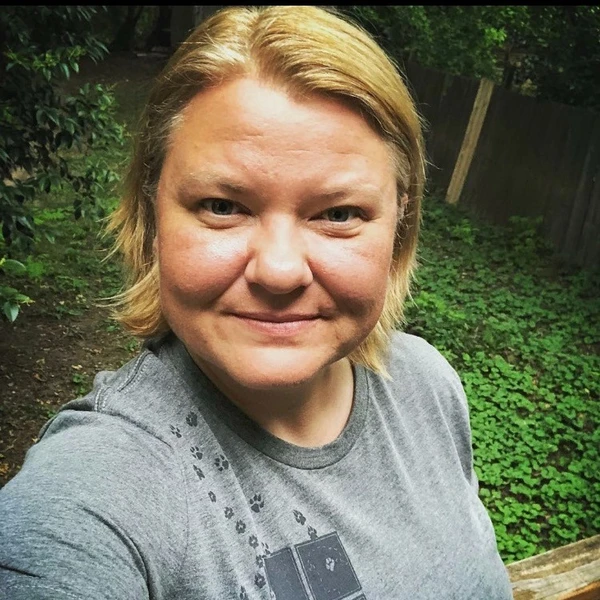
I am a 47-year-old BSW student at UNCW and a member of the LGBTQ community, committed to pursuing my MSW to specialize in substance use disorder treatment. With five years in recovery and a background in the restaurant industry, I bring resilience, empathy, and lived experience to my work. As an intern at The Healing Place of New Hanover County, I am dedicated to supporting individuals facing addiction, homelessness, and systemic barriers through compassionate, recovery-oriented care.
Education
University of North Carolina Wilmington
Bachelor's degree programMajors:
- Social Work
Brunswick Community College
Associate's degree programMajors:
- Social Work
Miscellaneous
Desired degree level:
Master's degree program
Graduate schools of interest:
Transfer schools of interest:
Majors of interest:
Career
Dream career field:
Mental Health Care
Dream career goals:
Intern
The Healing Place of New Hanover County2025 – Present1 year
Sports
Track & Field
Varsity1997 – 1997
Awards
- 3rd in ND state
Research
Social Work
The Healing Place of New Hanover County — Intern2025 – Present
Future Interests
Advocacy
Volunteering
Entrepreneurship
Women in Healthcare Scholarship
I chose to pursue a degree in healthcare because my life has been profoundly shaped by mental health challenges, addiction, and recovery, both within my family and within myself. Healthcare, particularly cognitive and behavioral health, is not an abstract career path for me. It is personal. I have experienced firsthand what happens when people do not receive timely, compassionate, and accessible care, and I have also seen the life-changing impact of treatment, support, and recovery-oriented services. These experiences have given me a clear sense of purpose and a strong commitment to serving others.
Growing up in a home affected by alcoholism, I learned early how untreated mental health and substance use disorders can impact entire families. As an adult, I faced my own long struggle with alcohol and the emotional toll that came with it. Recovery changed my life. It required professional care, mental health support, and a community that believed in my ability to heal. That process not only saved my life, but also showed me the power of healthcare when it is delivered with empathy and dignity. It inspired me to return to school later in life and pursue a degree focused on helping others navigate similar challenges.
As a woman entering the healthcare field, I hope to make a positive impact by bringing authenticity, compassion, and lived experience into my work. I am currently pursuing a degree in social work with a focus on mental health and substance use disorders, with plans to continue my education at the graduate level. My goal is to work directly with individuals and families affected by addiction and mental health challenges, particularly those who feel overlooked, stigmatized, or underserved. I want to help people feel seen, heard, and supported during some of the most vulnerable moments of their lives.
Women play a vital role in healthcare because of our ability to lead with empathy, resilience, and advocacy. As a woman in recovery and an adult learner, I bring a unique perspective shaped by persistence and growth. I understand how intimidating it can be to seek help and how powerful it is to encounter a professional who truly listens. In my future career, I hope to model trauma-informed, patient-centered care that values the whole person, not just their diagnosis. I also hope to advocate for expanded access to mental health and addiction services, particularly for those facing financial or systemic barriers.
Ultimately, I chose healthcare because it aligns with my values, my experiences, and my desire to give back. Recovery gave me a second chance, and education is giving me the tools to turn that second chance into service. As a woman in the healthcare field, I hope to contribute to a system that prioritizes healing, reduces stigma, and empowers individuals to rebuild their lives with dignity and hope.
Elijah's Helping Hand Scholarship Award
Mental health, addiction, and LGBTQIA+ identity have each shaped my life in profound and interconnected ways. Growing up in a home affected by alcoholism, I learned early to suppress my emotions, stay hyperaware of others, and prioritize survival over self-expression. As a young person beginning to understand my sexual orientation, I carried confusion and fear on top of the instability at home. There was little space to process my identity, my mental health, or my own needs. These layers of silence shaped the anxiety and emotional struggles that followed me into adulthood.
My mental health challenges deepened as I navigated a twenty-year struggle with alcohol. I used alcohol to quiet the noise of anxiety, trauma, and internal conflict. As a lesbian growing up in an environment where emotional expression was already limited, I often felt isolated. I did not see many examples of LGBTQIA+ adults living openly or joyfully, which made it even harder to understand myself. The combination of unresolved trauma, hidden identity, and emotional suppression contributed significantly to my long-term mental health struggles.
When I entered treatment in 2018 and later again in 2020, I began to understand how deeply intertwined my mental health, addiction, and identity had become. Recovery offered me the clarity to accept myself fully, both as a lesbian woman and as someone deserving of healing. My sobriety date, October 22, 2020, represents a turning point not just in my recovery from alcohol, but in reclaiming my identity, my truth, and my voice.
These experiences have had a lasting impact on how I view the world. They taught me the importance of mental health education, access to care, and safe spaces for LGBTQIA+ individuals. I know what it feels like to hide pain, hide identity, and hide struggle. I also know how transformative it is when someone feels seen, supported, and understood without judgment.
My lived experiences now guide my educational and professional goals. I am pursuing a Bachelor of Social Work at the University of North Carolina Wilmington and plan to continue into an MSW program. My long-term goal is to become a licensed clinical social worker specializing in addiction and behavioral health. I want to create safe, affirming spaces for individuals who feel unseen or unheard, particularly those in the LGBTQIA+ community and those experiencing addiction.
My journey has taught me resilience, empathy, and the value of authenticity. Mental health and LGBTQIA+ experiences shaped the person I am today, and they will shape the professional I become. I hope to use my career to ensure that others do not have to suffer in silence the way I once did, and that they can find safety, acceptance, and hope in their healing journey.
Ethel Hayes Destigmatization of Mental Health Scholarship
My mental health experiences have shaped every part of my identity, from the way I pursue my goals to how I build relationships to the way I understand the world around me. Growing up in a home affected by alcoholism, I learned to navigate fear, instability, and emotional responsibility at a very young age. As the third of four children, with a sister eleven years younger than me, I often acted as a protector and caretaker long before I had the emotional tools to support myself. Those early experiences shaped my anxiety, my sense of worth, and my understanding of relationships.
For many years, I coped with these internal struggles through alcohol. What began as a temporary escape turned into a twenty-year battle with addiction that intensified my anxiety, depression, and feelings of disconnection. My mental health declined as I tried to manage my emotions alone. When I entered treatment in 2018 and again in 2020, I began to understand how deeply my mental health and my substance use were intertwined. Learning to address both was the turning point in my life. My sobriety date, October 22, 2020, represents the moment I began healing mentally, emotionally, and spiritually.
These experiences reshaped my goals. Healing revealed strengths I did not know I had and inspired me to return to school after decades away. Today, I am pursuing my Bachelor of Social Work and plan to earn my MSW with a focus on addiction and behavioral health. My mental health journey gave me the clarity to recognize that I want to devote my life to helping others who feel lost, ashamed, or overwhelmed by their own struggles. My goal is to become a licensed clinical social worker who provides trauma-informed, empathetic care to individuals navigating recovery and mental health challenges.
My relationships have also transformed. In active addiction, I often withdrew or carried emotional burdens alone. Recovery taught me vulnerability, communication, and healthy boundaries. It showed me what it means to truly connect with others instead of simply functioning in survival mode. Today, my relationships are grounded in honesty, mutual support, and emotional presence. My mental health recovery strengthened the way I show up for others and helped me cultivate the kind of relationships I always wanted but never believed I deserved.
Perhaps the most significant impact of my mental health journey is how it changed my understanding of the world. I now see people through a lens of compassion rather than judgment. I understand that trauma, fear, and pain often shape behavior long before someone ever finds the language to explain it. I believe that healing is possible for anyone, regardless of their past, and that mental health support is essential for individuals, families, and communities.
My experiences shaped me into someone who believes deeply in resilience, recovery, and the power of meaningful connection. They guide my purpose and fuel my commitment to becoming a mental health professional who brings empathy, hope, and understanding into every interaction.
ADHDAdvisor Scholarship for Health Students
My experiences in recovery and my journey through social work education have allowed me to support others with their mental health in meaningful and authentic ways. As someone who has lived with anxiety, trauma, and a long history of substance use, I understand how overwhelming it can feel to navigate mental health challenges without support. Because of this, I make a point to meet people with empathy, patience, and genuine understanding.
In my internship at a residential substance use treatment facility, I help individuals who are in early recovery and often experiencing significant mental health struggles. I sit with them during difficult moments, help facilitate groups, and offer encouragement when they feel discouraged or isolated. Many of the people I work with carry deep trauma or shame, and my lived experience allows me to connect with them in a way that feels safe and nonjudgmental. Even small acts, such as listening, validating emotions, or helping someone identify coping tools, can make a powerful difference. I also support peers in my academic community by being open about my own mental health journey, which creates space for others to talk about their stress, anxiety, or challenges without fear of stigma.
My long-term goal is to become a licensed clinical social worker specializing in addiction and behavioral health. I plan to use my education, along with my personal recovery, to support individuals who feel lost, overwhelmed, or uncertain about their future. I hope to work in treatment settings where I can provide trauma-informed care, teach healthy coping strategies, and help people build emotional resilience. Beyond direct practice, I want to advocate for greater access to mental health services and reduce barriers to treatment, especially for individuals affected by poverty, stigma, or unstable housing.
Ultimately, my goal is to be the kind of support I once needed: someone who listens without judgment, believes in people before they believe in themselves, and helps them recognize their capacity for healing. My studies and future career will allow me to continue supporting others with compassion, hope, and the belief that mental health recovery is possible for everyone.
Learner Mental Health Empowerment for Health Students Scholarship
Mental health is essential to me as a student because it is the foundation that allows me to succeed academically, stay grounded in my recovery, and navigate the demands of school, work, and life. Returning to college in my forties, after decades away and after overcoming a long struggle with addiction, has made my mental well-being more essential than ever. I have learned firsthand that without a stable mental and emotional foundation, it becomes nearly impossible to focus, learn, or grow. My own anxiety, trauma history, and experiences with substance use disorder shaped my understanding of how deeply mental health influences every part of a person’s functioning. As a student, maintaining my mental health is not optional. It is the key that supports my ability to show up, stay motivated, and trust that I belong in higher education.
Because of my lived experience, I approach school with a strong awareness of my mental and emotional needs. I use my recovery tools daily, including grounding techniques, therapy, mindfulness practices, and healthy boundaries. These strategies help me balance my student responsibilities with my well-being. When I am emotionally regulated, I can engage more fully in class discussions, coursework, and my internship in the field of substance use treatment. I have learned that prioritizing mental health does not take time away from school but instead makes my academic success possible.
My commitment to mental health extends far beyond my personal well-being. I advocate for mental health in my community, both at school and in my work within the behavioral health field. As a social work student and an intern at a residential substance use treatment program, I support individuals who are navigating the emotional and psychological challenges of early recovery. I help facilitate groups, provide encouragement, and create a supportive environment where clients feel safe to share their struggles. Many of the people I work with feel unseen or misunderstood, and I strive to validate their experiences and remind them that mental health is central to healing.
I also advocate for mental health by reducing stigma through openness and education. I share parts of my recovery story when appropriate because I know how powerful it can be for others to see that healing is possible. Within my peer groups at school, I encourage conversations about stress, burnout, and emotional wellness. Many students feel pressure to appear strong or independent, and I try to model that it is acceptable to ask for help, take breaks, or seek support. I believe normalizing these conversations helps build a healthier academic culture.
At home and in my personal life, I support friends and loved ones by offering empathy, listening without judgment, and sharing what I have learned through both my recovery and my social work education. I encourage them to seek therapy, explore coping skills, or connect with support groups when they need help. My advocacy is rooted in the belief that mental health affects the entire community, not just individuals.
Ultimately, mental health is important to me as a student because it empowers me to pursue my degree with clarity, balance, and purpose. And it is important to me as a future social worker because I know that supporting mental health can change lives. My goal is to continue promoting emotional wellness, reducing stigma, and helping others feel seen, supported, and capable of healing.
Autumn Davis Memorial Scholarship
My experiences with mental health have shaped the way I understand myself, the world, and my purpose within it. Growing up in a home affected by alcoholism, I became accustomed to anxiety, hypervigilance, and the emotional responsibility of caring for others. As the third of four siblings, with a sister eleven years younger than me, I often acted as the stabilizing force in a home marked by unpredictability. These early experiences shaped my mental health long before I had the language to describe what I was feeling. I internalized stress, fear, and guilt, and I carried those patterns into adulthood.
My own mental health challenges became more visible during my twenty-year struggle with alcohol. Addiction was not only a behavioral issue; it was a response to anxiety, unresolved trauma, and emotional pain I had carried since childhood. Alcohol became a quick escape from feelings I did not know how to process. When I entered treatment in 2018 and again in 2020, I began to understand that my mental health and my substance use were deeply connected. My recovery date, October 22, 2020, marks the moment I began taking responsibility for both.
Through therapy, recovery groups, and mental health education, my beliefs changed in ways that transformed my life. I learned that mental health is not a flaw or a weakness. It is something that must be nurtured, understood, and tended to with compassion. I came to believe that healing is possible for anyone with the right support. These realizations helped me release the shame I carried for years and helped me grow into someone who could speak honestly about her struggles. This openness has strengthened my relationships. People who once saw me as guarded or overwhelmed now see me as grounded, present, and authentic. Recovery taught me how to build relationships based on mutual care rather than emotional survival.
These experiences directly shaped my career aspirations. Mental health and addiction treatment became not only areas of study but the space where I felt most connected to purpose. In 2021, I returned to school after decades away. I earned my associate’s degree and transferred to the University of North Carolina Wilmington to pursue my Bachelor of Social Work. I will graduate in May 2026, and my goal is to earn my MSW and become a licensed clinical social worker specializing in addiction and behavioral health.
What motivates me most is the hope of helping people who feel the way I once felt: overwhelmed, lost, ashamed, or convinced they are beyond repair. My lived experience allows me to meet people without judgment and offer compassion grounded in understanding. I want to work in treatment settings that prioritize trauma-informed care, recovery support, and expanded access to mental health services. I also hope to advocate for lower barriers to treatment and more culturally responsive, community-based programs, especially for populations that face stigma or lack of resources.
I plan to make a positive impact on the world by becoming the type of mental health professional I once needed: someone who listens with empathy, validates people’s experiences, and reminds them that healing is possible at any age. My journey through mental health challenges and recovery did not break me. It shaped me into a person with resilience, purpose, and a clear vision for the future. I want to dedicate my career to helping others find the same clarity and hope.
Deanna Ellis Memorial Scholarship
My experience with substance abuse has shaped every major part of my life, from the beliefs I hold about people and healing, to the relationships I build, to the career I am pursuing in the field of addiction and behavioral health. For more than twenty years, alcohol controlled my life. I used it as a way to cope with unresolved trauma from my childhood, particularly the instability and fear that came from growing up with an alcoholic father. I carried the emotional weight of my family for years, especially as the third of four siblings with a sister eleven years younger than me. What I did not understand then was that the pressure, fear, and responsibility I felt as a child laid the groundwork for the patterns that later contributed to my own addiction.
My beliefs changed dramatically through the process of recovery. Before I sought help, I believed that addiction was a personal failure, that I should have had the strength to stop on my own, and that asking for help meant weakness. Recovery challenged every one of those beliefs. I learned that addiction is rooted in trauma, mental health, and environment, and that it thrives in silence and shame. Treatment taught me to see addiction as a chronic, treatable condition, not a moral flaw. Today, I believe deeply in compassion, harm reduction, and the importance of meeting people where they are. I now understand that recovery requires time, support, and community. These beliefs guide how I show up for others and how I want to serve within the field.
My relationships have also transformed. For years, alcohol kept me disconnected from the people I loved and from the person I wanted to be. Recovery helped me rebuild trust, communicate honestly, and form healthier boundaries. It taught me to value vulnerability and to surround myself with people who support growth rather than enable old patterns. My relationships today are grounded in stability, accountability, and genuine connection. I have learned to give and receive support in ways that were not possible during active addiction. I also developed a stronger sense of empathy, particularly for people who feel lost, misunderstood, or stuck in cycles they want to escape. That empathy influences how I treat others and how I understand their pain.
These shifts in beliefs and relationships led directly to my career aspirations. Recovery inspired me to return to school after decades away, beginning with my associate’s degree, then transferring to the University of North Carolina Wilmington to pursue my Bachelor of Social Work. I will graduate in May 2026, and my long-term goal is to earn my MSW with a specialization in substance use disorders. I want to work directly with individuals in recovery and support them through the same vulnerable stages I once experienced. I also hope to advocate for increased access to treatment and reduced stigma around addiction. My lived experience gives me a level of authenticity that allows others to feel seen, heard, and understood.
Ultimately, my struggle with substance abuse became the turning point that reshaped my life. It strengthened my belief in second chances, improved my relationships, and gave me a clear sense of purpose. Instead of being defined by addiction, I am defined by recovery, resilience, and a commitment to helping others find hope. My past is not something I hide. It is the foundation of the work I am determined to do.
Susie Green Scholarship for Women Pursuing Education
The courage to go back to school did not arrive all at once. It came slowly, through the process of rebuilding my life after addiction and realizing that I was capable of more than I had ever allowed myself to believe. For most of my life, school felt out of reach. I carried the weight of a difficult childhood shaped by my father’s alcoholism, years of parentification as the third of four children, and the emotional responsibility of caring for a sister eleven years younger than me. Later, I faced my own twenty-year struggle with alcohol. By the time I reached my late thirties, I felt so far removed from the possibility of college that I assumed the opportunity had passed me by.
Everything changed when I entered recovery. My sobriety date, October 22, 2020, represents far more than the day I stopped drinking. It marks the moment I began reclaiming myself. Recovery pulled back the fog that had clouded my life and allowed me to see who I could become. As the days turned into months, I started to recognize a truth I had never let myself consider: I was capable of learning, growing, and contributing something meaningful to the world.
The courage to return to school grew from that truth. It came from choosing to believe that my past did not disqualify me from a future. It came from understanding that education could help me break generational cycles of addiction and trauma that shaped my family for years. It came from wanting to transform my lived experience into a source of strength for others.
Another source of courage came from the people who supported my recovery. Counselors, peers, and mentors reminded me that it is never too late to start over. Their belief in me helped build a belief in myself. When I enrolled in my first class in 2021, I was terrified. I had been out of school for decades, and I wondered if I would fit in or if I was too old to begin again. But each semester that followed strengthened my confidence. Earning my associate’s degree in 2022 became one of the proudest moments of my life. Transferring to the University of North Carolina Wilmington to pursue my Bachelor of Social Work confirmed that I was not only capable of succeeding, but thriving.
What ultimately gave me the courage to go back to school was purpose. I want to work in addiction treatment and behavioral health because I know what it is like to lose your way and fight for your life back. I know what it is like to be the child of an alcoholic and later the adult trapped in addiction. Today, I also know the power of recovery. The thought of helping others find the same hope I found gives meaning to every late-night study session, every challenge, and every sacrifice.
Going back to school was an act of courage, but also of healing. It is a reminder that it is never too late to rebuild, to learn, and to create a future rooted in purpose. Education is now part of my recovery, and it continues to push me toward the life I once believed I could never have.
Kerry Kennedy Life Is Good Scholarship
My career of choice is to become a licensed clinical social worker specializing in addiction treatment and behavioral health. This path is more than a profession to me. It is a calling shaped by my lived experience, my recovery, and the belief that people deserve compassionate and accessible support during their darkest moments. I am passionate about this work because addiction affected every part of my life, from my childhood to my early adulthood, and ultimately to my decision to return to school in my forties. I understand what it feels like to struggle, to seek help, and to rebuild a life that once felt out of reach. Today, I want to use my education and experience to help others find hope and healing.
Growing up in a home affected by alcoholism, I learned early about the chaos and instability substance use can bring to a family. My father struggled with addiction throughout my childhood, and those experiences shaped my understanding of fear, responsibility, and resilience. Later in life, I faced my own battle with alcohol, which lasted more than twenty years. It took treatment in 2018 and again in 2020 for me to begin healing. My sobriety date, October 22, 2020, represents the beginning of a life rebuilt with intention and purpose. During early recovery, I realized that my story, my strength, and my empathy could be used to help others who are navigating similar challenges.
When I returned to school in 2021, I did so with a clear goal: to work in the field of addiction and behavioral health. I began slowly, enrolling in one class at a time, and eventually earned my associate’s degree in 2022. I transferred to the University of North Carolina Wilmington to pursue my Bachelor of Social Work, and I will graduate in May 2026. My long term goal is to complete my MSW and earn clinical licensure so I can work directly with individuals in recovery and support their long term stability.
Pursuing this path required significant sacrifices. Returning to school in my forties meant reorganizing nearly every part of my life. I balanced work, coursework, recovery commitments, and home responsibilities. I had to develop new study habits, rebuild confidence in my academic abilities, and manage the financial strain of attending college as an adult. Social sacrifices were equally challenging. While many people my age were established in long-term careers, I was starting over. That reality was humbling at times, but it also strengthened my determination. I chose to give up comfort, predictability, and familiarity in exchange for growth, purpose, and the opportunity to serve others.
The greatest sacrifice I made was letting go of the person I once was. Recovery required me to confront painful memories, acknowledge the ways addiction harmed my life, and hold myself accountable for creating something better. Education required me to invest in a future I once feared I did not deserve. Both processes transformed me.
Today, every sacrifice feels worthwhile. I am committed to becoming a social worker who stands beside individuals struggling with addiction and helps them recognize their own strength and potential. My passion comes from lived experience, my education, and the belief that recovery changes families and communities. This career is not simply my choice. It is the purpose I fought to find.
Lost Dreams Awaken Scholarship
Recovery means far more to me than stopping alcohol use. It represents a complete transformation of my life, my identity, and the way I understand myself. Recovery is the moment when the fog lifts and you begin to see who you truly are underneath the pain, fear, and years of coping through addiction. It is the slow rebuilding of trust in yourself after decades of feeling lost. It is learning to feel emotions again, even the hard ones, without running from them.
For me, recovery also means breaking a generational pattern that shaped my childhood. It is refusing to repeat the same cycles I grew up in and choosing healing, clarity, and honesty instead. Recovery gave me the courage to go back to school, discover a new purpose, and rebuild relationships with stability and compassion.
Most importantly, recovery means hope. It is the proof that change is possible, that people are resilient, and that a meaningful life can begin at any age. Recovery is not easy, but it is the most valuable thing I have ever fought for.
Ella's Gift
My experiences with mental health and substance use have shaped every part of who I am, the life I have built, and the future I am working toward. Alcohol was a constant presence in my childhood. My father struggled with alcoholism for as long as I can remember, and the effects of his drinking shaped the emotional landscape of our home. I grew up in an environment filled with unpredictability, tension, and the need to stay alert. Like many children in homes affected by addiction, I stepped into the “Hero” role. I tried to keep the peace, take care of my mother and younger sisters, and hold everything together when my father came home drunk. Parentification became the norm, and I learned to take responsibility for the emotional well-being of others long before I learned how to understand my own.
My father died at the age of 66 from a massive stroke. I believe alcohol contributed significantly to his early death. Losing him forced me to face the lingering grief and unresolved pain that came from growing up in a family shaped by addiction. I had always promised myself that I would never become like my father, but addiction has a way of repeating itself when the wounds that shape us are left unaddressed. Over time, alcohol became my own coping tool. What started as occasional drinking slowly turned into something that consumed my life. I used alcohol to numb stress, silence emotions, and escape responsibilities. Looking back, I can see I was trying to manage the unprocessed trauma of my childhood.
I struggled with alcohol use for more than twenty years before I found the courage to seek help. In 2018, at the age of 39, I entered treatment for the first time. I began to understand the ways trauma, mental health, and addiction intertwine. Recovery was not a straight path. After a relapse, I returned to detox in 2020. My sobriety date is October 22, 2020, and that moment marked the beginning of a new life. Recovery required honesty, humility, and the willingness to rebuild myself from the inside out. It also required addressing my anxiety, grief, and emotional avoidance, all of which had fueled my drinking.
Healing changed not only my life but my sense of identity. Sobriety gave me clarity, purpose, and a desire to do something meaningful with the second chance I had been given. In 2021, I returned to school. I started with one class at a time, unsure of myself but determined to keep going. I earned my associate’s degree in 2022 and transferred to the University of North Carolina Wilmington to pursue my Bachelor of Social Work. I will finish my BSW in May 2026. My long-term goal is to complete an MSW with a concentration in substance use disorders. My dream is to work with individuals in recovery and help them navigate the same challenges I once faced.
Education has become part of my personal growth and part of my recovery. Through my coursework and my internship in a substance use treatment setting, I have deepened my understanding of addiction as a mental health issue, a trauma response, and a social problem shaped by structural inequality. I have learned to combine evidence-based practice with empathy and lived experience. I understand the courage it takes to enter treatment and the resilience required to maintain sobriety. I also understand the complex emotions that come with early recovery, including shame, fear, and uncertainty. These insights guide my approach to social work and strengthen my ability to support others.
Maintaining my recovery is not something I take lightly. I continue to prioritize my mental health through therapy, support groups, and a strong recovery community. I practice healthy coping strategies, including mindfulness, healthy routines, and open communication with my support system. I remain connected to people who understand the recovery process and who hold me accountable. I have also learned the importance of balancing school, work, and self-care. Recovery requires ongoing effort, self-awareness, and the ability to recognize when I need support.
My plan moving forward is to continue making choices that support my stability and well-being. I will stay connected to recovery programs, maintain regular mental health care, and surround myself with people who support my goals. Sobriety is the foundation of everything I have achieved, and it will remain the priority as I pursue my BSW, my MSW, and my future work in the field of substance use treatment.
My story is one of resilience, growth, and rebuilding. I am proud of the life I am creating, and I am committed to helping others see that recovery, healing, and new beginnings are possible at any age.
Greg Lockwood Scholarship
The change I want to see in the world is a substance use and mental health system where LGBTQ+ individuals can seek help without fear, judgment, or barriers. Too many LGBTQ+ youth and adults struggle with addiction in silence, carrying burdens that are often invisible to those around them. They face higher rates of rejection, trauma, depression, homelessness, and discrimination, and these experiences frequently lead to substance use as a way to cope with emotional pain. I know this struggle personally. As a member of the LGBTQ+ community, I spent years feeling shame about my identity, and that shame played a significant role in my own challenges with substance use. Recovery gave me clarity, stability, and purpose, but it also showed me how much work is still needed to support this vulnerable population.
I want to help create a world where LGBTQ+ individuals can access affirming, trauma-informed substance use treatment that recognizes both the challenges they face and the strengths they carry. Too often, treatment programs and mental health systems are not designed with LGBTQ+ people in mind. Many individuals fear being judged for their identity, misgendered, or misunderstood, so they avoid seeking help altogether. Others enter treatment but feel unsafe opening up because they worry about stigma from providers or peers. This creates a cycle where people suffer privately rather than receiving the support they deserve. The change I hope to see is a system that understands that identity and environment shape recovery, and that healing must happen in a space where people feel seen and valued.
As someone who has lived through addiction, recovery, and the emotional weight of hiding my identity, I understand how deeply these experiences can impact a person’s self-worth. Recovery taught me the power of compassion and the importance of having someone who listens without judgment. It also taught me that LGBTQ+ individuals need more than general treatment; they need providers who understand the unique intersections of identity, trauma, and addiction. This realization is what led me to pursue a Bachelor of Social Work and continue toward an MSW with a focus on substance use disorders.
My goal is to become a licensed clinical social worker who specializes in supporting LGBTQ+ individuals in recovery. I want to help young people and adults find healthier ways to cope, build confidence in who they are, and move toward their goals without relying on substances. I hope to create therapeutic environments where clients can speak freely about their identities, their experiences, and their fears without worrying about discrimination. I want to challenge the shame that so many LGBTQ+ individuals carry and replace it with empowerment, resilience, and hope.
The broader change I wish to see is a society that views LGBTQ+ individuals not as a population “at risk,” but as a community deserving of support, understanding, and celebration. I want to help build recovery spaces where people do not have to choose between being themselves and getting the help they need. Through my education, my lived experience, and my future work, I hope to contribute to a mental health system that is more inclusive, more compassionate, and more accessible for LGBTQ+ people. My vision is a world where no one feels alone in their recovery journey, and where everyone has the opportunity to heal and thrive.
Alexander Hipple Recovery Scholarship
My personal experience with substance use and recovery has shaped every part of who I am, especially my family relationships and the direction of my career. When I was struggling with addiction, I often felt disconnected from the people who meant the most to me. My relationships were strained, and I lacked the stability and emotional presence to show up in the ways my family needed. Entering recovery five years ago marked a turning point that allowed me to rebuild trust, reconnect with my values, and begin repairing the relationships that had suffered. Recovery taught me patience, accountability, and humility. It made me aware of the impact my actions had on others, and it gave me the clarity to approach my family with honesty rather than avoidance or fear.
One of the greatest gifts sobriety gave me was the ability to care for my mother during her end-of-life journey with cancer. Before recovery, I did not have the emotional regulation or stability to be fully present for someone facing such profound vulnerability. Sobriety allowed me to sit with her through fear, uncertainty, and physical decline without shutting down or turning to substances. I was able to support her, advocate for her, and simply be a steady presence during her final months. This experience strengthened my connection to my family and taught me the importance of being emotionally grounded when someone else is suffering. Caring for my mother during this time was one of the most meaningful experiences of my life, and I would not have been capable of it without my recovery.
These personal experiences have guided me toward a career centered on compassion, service, and healing. Recovery opened my eyes to how many people suffer in silence, how deeply stigma affects individuals with substance use disorders, and how few resources are available to those who need support the most. It showed me the transformative power of connection and the difference it makes when someone believes in your ability to change. This is what inspired me to pursue my Bachelor of Social Work and continue into an MSW program with a focus on substance use treatment. I want to be a clinician who creates a safe space for people who are overwhelmed, ashamed, or afraid. My own lived experience gives me a level of understanding and empathy that I hope to bring into every interaction with clients.
My internship at The Healing Place of New Hanover County has further confirmed that this is the work I am meant to do. Supporting individuals in long-term recovery, facilitating groups, and building rapport with residents has strengthened my commitment to becoming a licensed clinical social worker. I want to serve people who face overlapping challenges such as homelessness, trauma, discrimination, and systemic inequities. Many clients remind me of where I once was, and I feel honored to walk beside them as they rebuild their lives.
This scholarship would help me continue my education and move closer to my goal of becoming a clinical social worker who supports individuals and families through some of the hardest moments of their lives. My journey has shaped my values, strengthened my resilience, and given me a deep commitment to service. With this support, I can continue building the skills necessary to create meaningful change in my community and in the field of behavioral health.
Debra S. Jackson New Horizons Scholarship
My life journey has taken many turns, and it is those experiences that led me to pursue higher education at this stage in my life. I grew up in a rural community where mental health and substance use treatment were extremely limited. I saw early on how untreated struggles could affect families, relationships, and entire communities. As I entered adulthood, I spent many years working in the restaurant industry, where I witnessed the quiet battles coworkers faced with stress, poverty, burnout, and substance use. During that time, I also faced my own challenges with addiction. Entering recovery five years ago changed everything. It required honesty, resilience, and humility, but it also gave me purpose. It revealed how many people suffer without support and how powerful it can be when someone simply listens, validates, and offers guidance. Recovery helped me understand the value of compassion, dignity, and meeting people exactly where they are.
These experiences shaped my personal values and the direction of my career. I learned how shame, identity, and environment can create barriers to healing. As a member of the LGBTQ community and someone who has rebuilt her life through recovery, I understand how stigma impacts whether people seek help. My commitment to community service grew from witnessing the gaps in care that affect individuals who live in poverty, who lack transportation, who grew up in rural areas, or who are navigating recovery without support. When I decided to return to school at 47, I did so knowing that the next chapter of my life needed to focus on service, advocacy, and creating pathways to healing for others.
Pursuing my Bachelor of Social Work, and soon my MSW, has confirmed that I am exactly where I am meant to be. My internship at The Healing Place of New Hanover County has allowed me to work directly with individuals in long-term recovery. I have facilitated groups, helped clients regain confidence, advocated for resources, and supported people through difficult moments. Every day at my placement reinforces my belief that lived experience is one of the most powerful tools a future clinician can offer. My goal is to become a licensed clinical social worker specializing in treating substance use disorders. I want to serve people facing overlapping challenges such as homelessness, trauma, discrimination, and systemic barriers. Ultimately, I hope to contribute to a behavioral health system in North Carolina that is more accessible, more equitable, and more informed by the needs of rural and underserved communities.
This scholarship would make a meaningful difference in my ability to continue this work. Returning to school later in life while working and supporting myself has required significant financial sacrifice. Assistance with tuition would allow me to focus more fully on my coursework, my internship, and preparing for graduate school. Most importantly, it would support my long-term goal of becoming a clinician who helps individuals rebuild their lives and strengthens the communities I care deeply about.
I am committed to becoming a social worker who leads with empathy, integrity, and authenticity. With this scholarship, I will be able to continue developing the knowledge, skills, and experience needed to make a positive and lasting impact on individuals, families, and the broader community.
Therapist Impact Fund: NextGen Scholarship
My decision to pursue a career in mental health is rooted in my lived experiences, both as a person in long-term recovery and as someone who has faced stigma and limited access to services. I grew up in a rural community where mental health and substance use treatment were scarce, and I watched families struggle without adequate support. Later, during my years in the restaurant industry, I saw many coworkers silently battle addiction, depression, and stress while lacking safe, accessible places to ask for help. My own journey through recovery, now five years strong, changed the course of my life. It taught me resilience, humility, and the strength that grows from genuine human connection. These experiences are what guided me into social work, and they continue to influence the therapist I hope to become. I want to practice with compassion, strong clinical skills, and a trauma-informed perspective. I also want to serve people who have been overlooked, including individuals with substance use disorders, members of the LGBTQ community, people experiencing homelessness, and those who face systemic barriers to treatment.
If I could make one significant change to today’s mental healthcare system, it would be to remove the unequal access that is tied to insurance coverage, location, and financial status. Too often, the first question a person must answer is whether they can pay rather than whether they need help. In rural areas where I grew up, treatment options are limited, and transportation challenges make it even harder to reach care. For individuals in poverty or early recovery, navigating insurance rules and eligibility can be overwhelming. I believe mental health care should be treated as an essential service that is available to everyone, regardless of income or zip code. Expanding Medicaid-funded behavioral health services, increasing reimbursement rates for clinical social workers, building more community-based mental health hubs, and simplifying the insurance process would significantly improve access. These changes would help people seek care earlier, reduce crisis-driven treatment, and create more equitable pathways to healing. As a future licensed clinical social worker, I hope to be part of a movement that treats mental health care as a fundamental human right.
Teletherapy is one of the most promising ways to expand access, especially for individuals who cannot attend in-person appointments. It is particularly beneficial for people in rural communities, LGBTQ+ individuals who may not feel safe seeking care locally, working adults with limited time, and those with disabilities or chronic health challenges. Teletherapy offers flexibility, privacy, and comfort, and many clients open up more easily in their own environment. However, there are also challenges. Some individuals lack reliable internet access or a private space at home, making it challenging to participate in sessions. Others feel less connected when communicating through a screen. For people experiencing homelessness or living in communal settings, teletherapy may not be accessible at all.
To help teletherapy better serve diverse communities, we must continue to innovate. This includes expanding affordable broadband in rural and low-income areas, offering confidential telehealth rooms in shelters and community centers, and using hybrid models that allow clients to choose between in-person and virtual care. Clinicians also need training in building therapeutic relationships online, with a focus on clear communication, cultural humility, and trauma-informed practice.
As I work toward my MSW and clinical licensure, my goal is to contribute to a mental health system that is accessible, inclusive, and recovery-oriented. I hope to become a clinician who meets people where they are, honors their experiences, and helps create pathways to long-term healing and stability.