Hobbies and interests
Art
Drawing And Illustration
Gaming
Lindsey Porter
1x
FinalistLindsey Porter
1x
FinalistBio
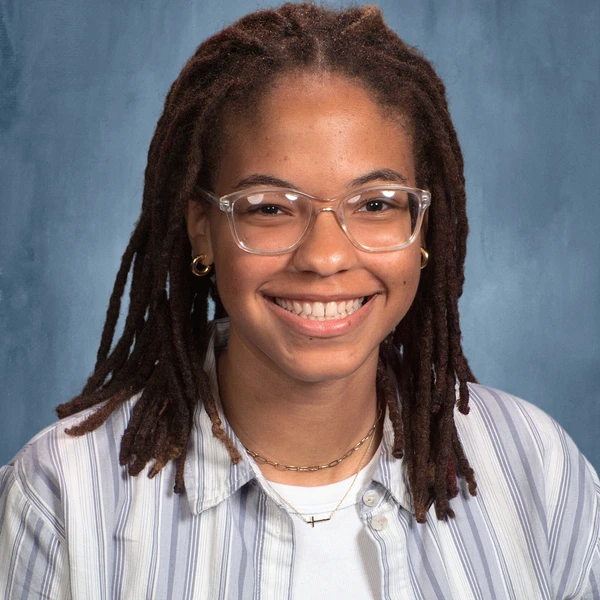
I am a member of the Class of 2026 at University High School of Indiana in Carmel, IN, where I maintain a weighted GPA of 4.17. My goal is to become an art educator, inspiring future students to discover and develop their creative voices.
At school, I balance academics, athletics, leadership, and community involvement. I have been part of Black Affinity since 2022, serving as Vice President in 2024–2025, where I planned the school’s first-ever Uni Expo to celebrate Black History Month and spoke at the Black Graduation Celebration. I now serve as President for 2025–2026. I am also a member of the National Honor Society and have represented my school as an Admissions Department Representative since freshman year.
As a varsity track & field athlete since 2023, I’ve earned Most Outstanding Awards in both 2024 and 2025, tied the school record in the 100M dash, and set three school records in the high jump, 4x100 relay, and 4x400 relay. I also ran varsity cross country and played JV soccer earlier in high school.
In 2025, I earned a competitive scholarship to study abroad in Lacoste, France, with the Savannah College of Art & Design (SCAD), where I expanded my portfolio and deepened my passion for art and teaching.
Outside of school, I volunteer at the Second Presbyterian Church food bank, participate in Teen Sunday School, and am a lifelong member of Eastern Star Church, where I’ve helped in the preschool Children’s Church.
Education
Indiana University High School
High SchoolMiscellaneous
Desired degree level:
Bachelor's degree program
Majors of interest:
- Teacher Education and Professional Development, Specific Subject Areas
- Fine and Studio Arts
- Visual and Performing Arts, General
- Visual and Performing Arts, Other
Career
Dream career field:
Arts
Dream career goals:
Veterinary Kennel Technician
The Paw Patch2024 – 2024
Sports
Track & Field
Varsity2022 – Present4 years
Awards
- May 2025: Most Outstanding Award, Girls Track & Field
- May 2024: Most Outstanding Award, Girls Track & Field
- April 2025: Tied track & field school record in 100M Dash of 13.1
- January 2024 - May 2024: Earned 3 school records in track and field (high jump, 4x100 relay, 4x400 relay)
Arts
University High School
Painting2022 – Present
Public services
Volunteering
Second Presbyterian Church — Volunteer2024 – 2024
Michael Thomas Waples Memorial Scholarship
One of the most meaningful projects I’ve pursued in the last two years was developing my portfolio in AP Art. When I first considered the class, I was hesitant. I didn’t see myself as an “AP student,” and I was intimidated by the level of work expected. But with encouragement from my mentor and art teacher, I decided to take on the challenge.
The focus of my portfolio was personal and reflective: I explored themes of identity, isolation, and transformation. Each piece required deep thought, experimentation with new techniques, and sometimes, starting over entirely. I spent hours sketching, reworking compositions, and pushing myself beyond my creative comfort zone. It wasn’t just about making art—it was about learning to communicate complex emotions visually and building discipline around a passion.
There were moments when I doubted my ability to finish, but I kept going. My teacher provided constant support, helping me refine my concepts and encouraging me to stay true to my voice. Completing the portfolio became one of my proudest accomplishments—I earned the highest possible score, a five.
This experience taught me what it means to follow through on something difficult, even when self-doubt creeps in. It showed me how to translate inner thoughts into something tangible and impactful. More importantly, it solidified my desire to pursue art and education in the future, so I can help others discover their own creative voices, just as I found mine.
Earning this scholarship will directly support my goal of becoming an art teacher by helping me pursue a degree in education and fine arts. As someone who dreams of guiding and inspiring future students through creative expression, I know that college will provide the technical skills, classroom experience, and mentorship I need to grow as both an artist and an educator.
To prepare for this path, I’ve taken proactive steps in both my academic and artistic development. One of the most meaningful was enrolling in AP Art, a class that challenged me to build a personal portfolio centered around themes of identity and growth. With encouragement from my mentor and art teacher, I completed the portfolio and earned the highest possible score—a five. That experience deepened my confidence and helped solidify my desire to teach art in the future.
In addition to my academic work, I’ve submitted my AP Art pieces to local contests and community art shows. These opportunities have allowed me to gain exposure, connect with other young artists, and pursue funding through small local grants and awards. Every submission reflects my commitment to finding creative ways to support my education.
This scholarship would ease the financial burden of college and allow me to focus on learning, creating, and preparing to give back. I hope to one day stand in front of a classroom, helping students discover their own voices—just as my teachers helped me discover mine. With your support, I’ll be one step closer to making that vision a reality.
CollectaBees, LLC Golden Hive Gallery Art Scholarship
As a Black LGBTQ+ individual, my identity has shaped how I see the world, how I move through it, and how I create. Growing up, I learned early that being myself sometimes meant navigating misunderstanding, silence, or the fear of not being fully accepted. There were moments when I questioned whether my voice, my art, or my presence truly belonged in certain spaces. However, these challenges also became sources of strength. They taught me resilience, empathy, and the importance of visibility—especially for young people who are still learning that they deserve to exist exactly as they are.
Art became my refuge and my language. When words felt unsafe or insufficient, creativity allowed me to express my identity, emotions, and experiences freely. Through visual storytelling, I learned that art has the power to affirm lives, challenge harmful narratives, and create space for healing. As a Black LGBTQ+ artist, my work is deeply connected to themes of identity, belonging, and self-acceptance. Creating art helped me embrace who I am, and it continues to remind me that authenticity is not only powerful—it is necessary.
My aspiration for higher education is to major in education with a focus on art. I want to become an art teacher who creates classrooms where every student feels seen, valued, and safe, no matter who they are, who they love, or how they identify. Too often, LGBTQ+ students feel invisible or unwelcome in school environments. I want to change that by fostering inclusive spaces where creativity is encouraged and individuality is celebrated. Representation matters, and I hope to be the kind of educator I once needed—someone who affirms students not just as artists, but as whole people.
Through my education, I plan to advocate for LGBTQ+ rights by integrating inclusive practices into my teaching and using art as a tool for social change. Art education has the unique ability to open conversations about identity, equity, and justice. I want my students to understand that their voices matter and that creativity can be a form of activism. Beyond the classroom, I hope to engage in community outreach, exhibitions, and advocacy initiatives that uplift LGBTQ+ stories and promote understanding at a broader societal level.
Receiving this scholarship would significantly alleviate the financial burdens associated with pursuing higher education. As a student passionate about both education and advocacy, financial stress can limit opportunities to fully engage in my studies, creative work, and community involvement. This scholarship would allow me to focus more deeply on my academic and artistic growth without the constant pressure of financial uncertainty. It would also enable me to access resources, materials, and experiences that are essential to becoming a well-prepared and impactful educator.
Ultimately, this scholarship is more than financial support—it is an investment in my ability to give back. With a college education, I will be better equipped to advocate for LGBTQ+ rights, support future generations of students, and use art to build more inclusive, compassionate communities. I am committed to using my education not only for personal success, but to help create a world where everyone is welcomed, affirmed, and empowered to be themselves.
Christal Carter Creative Arts Scholarship
As a Black LGBTQ+ individual, my identity has shaped how I see the world, how I move through it, and how I create. Growing up, I learned early that being myself sometimes meant navigating misunderstanding, silence, or the fear of not being fully accepted. There were moments when I questioned whether my voice, my art, or my presence truly belonged in certain spaces. However, these challenges also became sources of strength. They taught me resilience, empathy, and the importance of visibility—especially for young people who are still learning that they deserve to exist exactly as they are.
Art became my refuge and my language. When words felt unsafe or insufficient, creativity allowed me to express my identity, emotions, and experiences freely. Through visual storytelling, I learned that art has the power to affirm lives, challenge harmful narratives, and create space for healing. As a Black LGBTQ+ artist, my work is deeply connected to themes of identity, belonging, and self-acceptance. Creating art helped me embrace who I am, and it continues to remind me that authenticity is not only powerful—it is necessary.
My aspiration for higher education is to major in education with a focus on art. I want to become an art teacher who creates classrooms where every student feels seen, valued, and safe, no matter who they are, who they love, or how they identify. Too often, LGBTQ+ students feel invisible or unwelcome in school environments. I want to change that by fostering inclusive spaces where creativity is encouraged and individuality is celebrated. Representation matters, and I hope to be the kind of educator I once needed—someone who affirms students not just as artists, but as whole people.
Through my education, I plan to advocate for LGBTQ+ rights by integrating inclusive practices into my teaching and using art as a tool for social change. Art education has the unique ability to open conversations about identity, equity, and justice. I want my students to understand that their voices matter and that creativity can be a form of activism. Beyond the classroom, I hope to engage in community outreach, exhibitions, and advocacy initiatives that uplift LGBTQ+ stories and promote understanding at a broader societal level.
Receiving this scholarship would significantly alleviate the financial burdens associated with pursuing higher education. As a student passionate about both education and advocacy, financial stress can limit opportunities to fully engage in my studies, creative work, and community involvement. This scholarship would allow me to focus more deeply on my academic and artistic growth without the constant pressure of financial uncertainty. It would also enable me to access resources, materials, and experiences that are essential to becoming a well-prepared and impactful educator.
Ultimately, this scholarship is more than financial support—it is an investment in my ability to give back. With a college education, I will be better equipped to advocate for LGBTQ+ rights, support future generations of students, and use art to build more inclusive, compassionate communities. I am committed to using my education not only for personal success, but to help create a world where everyone is welcomed, affirmed, and empowered to be themselves.
Abigail O. Adewunmi Memorial Scholarship
In my family, teachers and educators are very essential. Many of my relatives are teachers, like my grandmother, who taught for 47 years until retiring during the pandemic. My mother is a business owner & DEI consultant. She teaches students, adults, other teachers, and police officers. I know a lot about teaching thanks to all the days I would spend in my grandma’s classroom with her first graders. I believe that teachers and educators are among the most important professions in a society. People need to learn to survive, and to learn, you need someone to teach. However, the people teaching have to be dedicated & special. The most impactful people in my life love what they do. The person who has impacted me the most throughout my educational journey is my mentor and also art teacher, Tasha.
Tasha is so much like me, but just older, wiser, and more experienced. She can play many different roles for me when I need them. In class, she helps me with my struggles with art by showing me new techniques, helping me see my work from a different perspective, and offering new challenges for me as an artist.
When I see her work as an artist, I see myself in her. I see the amount of work and effort she has put into her practice, and I appreciate it because I know that I can eventually become as great as her. I would also call her one of my good friends. Being friends with someone older than me seemed unusual, but it is easy with Tasha. Her advice is rooted in lived experience because even though we went to high school at different times, the problems and challenges are still the same. Knowing that I have an adult with me in school who always has my best interests in mind is all the motivation I need. She highly encouraged me to join AP Art in my junior year and work on my portfolio. I wasn’t a fan of AP classes. I believe that they often give overwhelming amounts of work when the desired outcome isn’t always guaranteed. However, after a good amount of convincing, I took AP Art, completed my portfolio, and received a five for it (the highest score possible).
Close to the end of my high school career, I was thinking about what I wanted to do in college. I had been saying that I wanted to be a graphic designer, but after further evaluation, that career path didn’t align with how I see myself in the future. When I really thought about what I wanted to do, I thought about my mentor. In my senior year, I solidified my idea of becoming an art teacher because I can truly see myself working with kids and doing art at the same time. She is my biggest inspiration for my career goals.
I have an immense respect for teachers and all that they do because I understand how much they do and sacrifice for their students.
Goellner Public Education Scholarship
In my family, teachers and educators are very essential. Many of my relatives are teachers, like my grandmother, who taught for 47 years until retiring during the pandemic. My mother is a business owner & DEI consultant. She teaches students, adults, other teachers, and police officers. I know a lot about teaching thanks to all the days I would spend in my grandma’s classroom with her first graders. I believe that teachers and educators are among the most important professions in a society. People need to learn to survive, and to learn, you need someone to teach. However, the people teaching have to be dedicated & special. The most impactful people in my life love what they do. The person who has impacted me the most throughout my educational journey is my mentor and also art teacher, Tasha.
Tasha is so much like me, but just older, wiser, and more experienced. She can play many different roles for me when I need them. In class, she helps me with my struggles with art by showing me new techniques, helping me see my work from a different perspective, and offering new challenges for me as an artist.
When I see her work as an artist, I see myself in her. I see the amount of work and effort she has put into her practice, and I appreciate it because I know that I can eventually become as great as her. I would also call her one of my good friends. Being friends with someone older than me seemed unusual, but it is easy with Tasha. Her advice is rooted in lived experience because even though we went to high school at different times, the problems and challenges are still the same. Knowing that I have an adult with me in school who always has my best interests in mind is all the motivation I need. She highly encouraged me to join AP Art in my junior year and work on my portfolio. I wasn’t a fan of AP classes. I believe that they often give overwhelming amounts of work when the desired outcome isn’t always guaranteed. However, after a good amount of convincing, I took AP Art, completed my portfolio, and received a five for it (the highest score possible).
Close to the end of my high school career, I was thinking about what I wanted to do in college. I had been saying that I wanted to be a graphic designer, but after further evaluation, that career path didn’t align with how I see myself in the future. When I really thought about what I wanted to do, I thought about my mentor. In my senior year, I solidified my idea of becoming an art teacher because I can truly see myself working with kids and doing art at the same time. She is my biggest inspiration for my career goals.
I have an immense respect for teachers and all that they do because I understand how much they do and sacrifice for their students.
Valerie Rabb Academic Scholarship
Serving others has always been an important part of my life, and many of my most meaningful experiences have come from opportunities to lead, teach, and encourage younger people in my community. I believe that the ability to connect with others, inspire confidence, and create a sense of belonging is just as important as teaching any academic subject—and it’s something I strive to practice now and hope to carry into my future career as an art teacher.
One way I have served is through volunteering at my church. As a lifelong member of Eastern Star Church, I grew up participating in Teen Sunday School and, starting in high school, began volunteering in the preschool Children’s Church class. Every week, I worked with young children to help them learn Bible stories, sing songs, and complete small art or craft projects. Over time, I realized this role was about much more than keeping the class running smoothly—it was about helping children feel seen, heard, and valued. I learned how important it is to listen patiently, encourage shy voices, and celebrate small achievements. Those moments reminded me that teaching is not just about the subject matter; it’s about building relationships that make students feel safe enough to learn and grow.
I’ve also served as a leader on my school’s track and field team, especially for younger athletes. As an upperclassman, I’ve taken time to guide new teammates through training routines, share tips on technique, and cheer them on during practices and meets. Track is physically demanding, but the mental side—dealing with setbacks, staying disciplined, and learning to push through challenges—is equally important. I’ve made it a point to model perseverance and sportsmanship, whether that means encouraging someone who is frustrated after a bad race or celebrating their personal best even if it isn’t a win. Being a leader on the team has shown me that the example you set can have a powerful impact on others’ confidence and motivation.
Both of these experiences have shaped how I see my future as a teacher. I want my classroom to be a place where students feel supported not only in their academic or artistic growth, but also in their personal development. I want them to know that it’s okay to make mistakes, to try new things, and to grow at their own pace.
Beyond academic knowledge, I hope my future students will gain resilience—the ability to keep going when things get hard. I also hope they will develop confidence in their own voices, learning that what they have to express matters. Most importantly, I hope they will learn empathy: to appreciate perspectives different from their own and to support others in their journeys.
Serving others in my community has taught me that teaching is about much more than delivering information. It’s about inspiring people to believe in themselves and to care for those around them. Whether I am helping a preschooler with a craft project or encouraging a teammate to run their best race, I’m reminded that the relationships we build are the true foundation for learning. My goal as a future educator is to bring that same spirit into my classroom every day.
Hester Richardson Powell Memorial Service Scholarship
Serving others has always been an important part of my life, and many of my most meaningful experiences have come from opportunities to lead, teach, and encourage younger people in my community. I believe that the ability to connect with others, inspire confidence, and create a sense of belonging is just as important as teaching any academic subject—and it’s something I strive to practice now and hope to carry into my future career as an art teacher.
One way I have served is through volunteering at my church. As a lifelong member of Eastern Star Church, I grew up participating in Teen Sunday School and, starting in high school, began volunteering in the preschool Children’s Church class. Every week, I worked with young children to help them learn Bible stories, sing songs, and complete small art or craft projects. Over time, I realized this role was about much more than keeping the class running smoothly—it was about helping children feel seen, heard, and valued. I learned how important it is to listen patiently, encourage shy voices, and celebrate small achievements. Those moments reminded me that teaching is not just about the subject matter; it’s about building relationships that make students feel safe enough to learn and grow.
I’ve also served as a leader on my school’s track and field team, especially for younger athletes. As an upperclassman, I’ve taken time to guide new teammates through training routines, share tips on technique, and cheer them on during practices and meets. Track is physically demanding, but the mental side—dealing with setbacks, staying disciplined, and learning to push through challenges—is equally important. I’ve made it a point to model perseverance and sportsmanship, whether that means encouraging someone who is frustrated after a bad race or celebrating their personal best even if it isn’t a win. Being a leader on the team has shown me that the example you set can have a powerful impact on others’ confidence and motivation.
Both of these experiences have shaped how I see my future as a teacher. I want my classroom to be a place where students feel supported not only in their academic or artistic growth, but also in their personal development. I want them to know that it’s okay to make mistakes, to try new things, and to grow at their own pace.
Beyond academic knowledge, I hope my future students will gain resilience—the ability to keep going when things get hard. I also hope they will develop confidence in their own voices, learning that what they have to express matters. Most importantly, I hope they will learn empathy: to appreciate perspectives different from their own and to support others in their journeys.
Serving others in my community has taught me that teaching is about much more than delivering information. It’s about inspiring people to believe in themselves and to care for those around them. Whether I am helping a preschooler with a craft project or encouraging a teammate to run their best race, I’m reminded that the relationships we build are the true foundation for learning. My goal as a future educator is to bring that same spirit into my classroom every day.
Julius Quentin Jackson Scholarship
There are moments that divide a life in two: before and after. For me, that moment came the day my mother collapsed and was rushed to the hospital. A sudden medical trauma nearly took her life, and with it, my sense of safety, certainty, and the normalcy I once took for granted.
I was a teenager then, caught between childhood and adulthood, but that day catapulted me into a world of adult responsibilities and emotional weight far beyond my years. I had no idea it was that bad until people kept telling my mom, “You’re lucky to be alive."
Watching someone you love fight for their life changes you. It shattered the illusion that life follows a predictable script. I stopped asking, “Why me?” and instead started asking, “What now?” That shift in mindset—painful, yes—was the beginning of my growth. I didn’t just survive that period of uncertainty and fear; I learned to lead through it.
In the months that followed, I became a quiet warrior. I sat in waiting rooms with a bravery I didn’t yet know I possessed, and comforted others when I could barely comfort myself. I also kept up with my studies, holding onto school not only as a responsibility, but as a lifeline to my future.
The strength I built through that season didn’t disappear when my mother healed. It became my foundation.
Now, as I pursue higher education, I do so not just with ambition, but with purpose. I want to use my education to make a meaningful difference in the lives of others who face crises—whether in healthcare, education, or community service. I’ve learned firsthand that hardship doesn’t always arrive with warning signs, and I want to be someone who shows up when it does.
I believe I deserve this scholarship not because I’ve had it harder than others, but because I’ve chosen to rise, to learn, and to lead from that hardship. I’ve developed empathy and emotional intelligence that no textbook can teach. I’ve learned how to function under pressure, how to advocate for those who cannot speak, and how to find light when the path forward is unclear.
This scholarship would not only lighten the financial burden of pursuing my goals—it would honor the journey that brought me here. It would invest in a future where I can pay forward the resilience, compassion, and strength that once held me up when I felt like falling.
In a world full of uncertainty, I’ve learned to become a steady presence. I am no longer defined by trauma, but by triumph. And with your support, I will continue turning pain into purpose—for myself, and for others.
Rev. and Mrs. E B Dunbar Scholarship
There are moments that divide a life in two: before and after. For me, that moment came the day my mother collapsed and was rushed to the hospital. A sudden medical trauma nearly took her life, and with it, my sense of safety, certainty, and the normalcy I once took for granted.
I was a teenager then, caught between childhood and adulthood, but that day catapulted me into a world of adult responsibilities and emotional weight far beyond my years. I had no idea it was that bad until people kept telling my mom, “You’re lucky to be alive."
Watching someone you love fight for their life changes you. It shattered the illusion that life follows a predictable script. I stopped asking, “Why me?” and instead started asking, “What now?” That shift in mindset—painful, yes—was the beginning of my growth. I didn’t just survive that period of uncertainty and fear; I learned to lead through it.
In the months that followed, I became a quiet warrior. I sat in waiting rooms with a bravery I didn’t yet know I possessed, and comforted others when I could barely comfort myself. I also kept up with my studies, holding onto school not only as a responsibility, but as a lifeline to my future.
The strength I built through that season didn’t disappear when my mother healed. It became my foundation.
Now, as I pursue higher education, I do so not just with ambition, but with purpose. I want to use my education to make a meaningful difference in the lives of others who face crises—whether in healthcare, education, or community service. I’ve learned firsthand that hardship doesn’t always arrive with warning signs, and I want to be someone who shows up when it does.
I believe I deserve this scholarship not because I’ve had it harder than others, but because I’ve chosen to rise, to learn, and to lead from that hardship. I’ve developed empathy and emotional intelligence that no textbook can teach. I’ve learned how to function under pressure, how to advocate for those who cannot speak, and how to find light when the path forward is unclear.
This scholarship would not only lighten the financial burden of pursuing my goals—it would honor the journey that brought me here. It would invest in a future where I can pay forward the resilience, compassion, and strength that once held me up when I felt like falling.
In a world full of uncertainty, I’ve learned to become a steady presence. I am no longer defined by trauma, but by triumph. And with your support, I will continue turning pain into purpose—for myself, and for others.
Individualized Education Pathway Scholarship
As an LGBTQ+ individual and a student with ADHD, my identity and learning experiences have deeply shaped who I am and how I navigate the world. Growing up, I often felt different—not only because of my sexual orientation and gender expression, but also because my brain worked in ways that were not always understood or accommodated. I faced moments of self-doubt, frustration, and the pressure to conform to systems that were not designed with students like me in mind. Over time, I learned that these challenges did not define my limitations, but rather strengthened my resilience, adaptability, and empathy for others.
Art became both a refuge and a focus point for my ADHD. Where traditional learning environments sometimes felt restrictive, creative spaces allowed me to channel my energy, curiosity, and hyperfocus into meaningful expression. As an LGBTQ+ artist, I use art to explore identity, belonging, and self-acceptance. Creating art gave me the freedom to communicate when words felt insufficient and helped me understand that differences—whether in identity or learning style—are not weaknesses, but powerful sources of creativity and innovation.
My aspirations for higher education include majoring in education with a focus on art. I want to become an art teacher who intentionally welcomes all students, no matter who they are, how they identify, or how they learn. I know firsthand how transformative it is to have an educator who recognizes both creative potential and individual needs. As someone with ADHD, I understand the importance of flexible teaching methods, encouragement, and environments that value neurodiversity. I aim to create classrooms where LGBTQ+ students and students with learning differences feel safe, supported, and empowered to express themselves authentically.
Through my education, I plan to advocate for LGBTQ+ rights and inclusive education by using art as a tool for dialogue, representation, and social change. Art classrooms have the power to foster understanding, challenge stereotypes, and build community. I want my students to see their identities reflected and respected, and to understand that creativity can be a form of activism. Beyond the classroom, I hope to engage in community projects, exhibitions, and advocacy efforts that amplify LGBTQ+ voices and promote equity in education.
Receiving this scholarship would significantly ease the financial burdens of pursuing higher education. As a student managing both academic demands and ADHD, financial stress can intensify challenges related to focus, time management, and access to resources. This scholarship would allow me to dedicate my energy to learning, creating, and advocating rather than worrying about financial limitations. It would also provide access to essential materials, accommodations, and experiences that will prepare me to be an effective and compassionate educator.
This scholarship is an investment not only in my education, but in my commitment to service. With higher education, I will be equipped to advocate for LGBTQ+ rights, champion neurodiversity, and create inclusive art spaces where every student is welcomed, valued, and inspired to be exactly who they are.
Rainbow Futures Scholarship
As a Black LGBTQ+ individual, my identity has shaped how I see the world, how I move through it, and how I create. Growing up, I learned early that being myself sometimes meant navigating misunderstanding, silence, or the fear of not being fully accepted. There were moments when I questioned whether my voice, my art, or my presence truly belonged in certain spaces. However, these challenges also became sources of strength. They taught me resilience, empathy, and the importance of visibility—especially for young people who are still learning that they deserve to exist exactly as they are.
Art became my refuge and my language. When words felt unsafe or insufficient, creativity allowed me to express my identity, emotions, and experiences freely. Through visual storytelling, I learned that art has the power to affirm lives, challenge harmful narratives, and create space for healing. As a Black LGBTQ+ artist, my work is deeply connected to themes of identity, belonging, and self-acceptance. Creating art helped me embrace who I am, and it continues to remind me that authenticity is not only powerful—it is necessary.
My aspiration for higher education is to major in education with a focus on art. I want to become an art teacher who creates classrooms where every student feels seen, valued, and safe, no matter who they are, who they love, or how they identify. Too often, LGBTQ+ students feel invisible or unwelcome in school environments. I want to change that by fostering inclusive spaces where creativity is encouraged and individuality is celebrated. Representation matters, and I hope to be the kind of educator I once needed—someone who affirms students not just as artists, but as whole people.
Through my education, I plan to advocate for LGBTQ+ rights by integrating inclusive practices into my teaching and using art as a tool for social change. Art education has the unique ability to open conversations about identity, equity, and justice. I want my students to understand that their voices matter and that creativity can be a form of activism. Beyond the classroom, I hope to engage in community outreach, exhibitions, and advocacy initiatives that uplift LGBTQ+ stories and promote understanding at a broader societal level.
Receiving this scholarship would significantly alleviate the financial burdens associated with pursuing higher education. As a student passionate about both education and advocacy, financial stress can limit opportunities to fully engage in my studies, creative work, and community involvement. This scholarship would allow me to focus more deeply on my academic and artistic growth without the constant pressure of financial uncertainty. It would also enable me to access resources, materials, and experiences that are essential to becoming a well-prepared and impactful educator.
Ultimately, this scholarship is more than financial support—it is an investment in my ability to give back. With a college education, I will be better equipped to advocate for LGBTQ+ rights, support future generations of students, and use art to build more inclusive, compassionate communities. I am committed to using my education not only for personal success, but to help create a world where everyone is welcomed, affirmed, and empowered to be themselves.
Lotus Scholarship
Many people inspire me, including my parents, coaches, teachers, and members of my church community, but one person stands out above the rest. At the beginning of freshman year, every student at my school is paired with a mentor— a teacher who supports them throughout high school. My mentor, Tasha, could not have been a better match for me.
Tasha is also my art teacher, and in many ways, she feels like an older, wiser version of myself. In class, she helps me work through artistic challenges by introducing new techniques, encouraging me to view my work from different perspectives, and pushing me to grow creatively. Beyond the classroom, she serves as a trusted source of advice and encouragement.
Seeing Tasha’s work as an artist inspires me because I recognize the effort and dedication she has put into her craft. Her example helps me believe that I can one day reach the same level of success. She is one of the main reasons I want to major in education and become an art teacher. Although being friends with an adult once seemed unusual, our relationship feels natural and meaningful because her advice comes from lived experience.
Tasha encouraged me to take AP Art during my junior year, even though I was hesitant about AP classes. With her support, I completed my portfolio and earned a score of five, the highest possible. Tasha reminds me that inspiring teachers may not have all the answers, but they lead with intention, compassion, and a genuine desire to uplift others.
Nabi Nicole Grant Memorial Scholarship
Resilience in the Face of the Unthinkable
There are moments that divide a life in two: before and after. For me, that moment came the day my mother collapsed and was rushed to the hospital. A sudden medical trauma nearly took her life, and with it, my sense of safety, certainty, and the normalcy I once took for granted.
I was a teenager then, caught between childhood and adulthood, but that day catapulted me into a world of adult responsibilities and emotional weight far beyond my years. I had no idea it was that bad until people kept telling my mom, “You’re lucky to be alive."
Watching someone you love fight for their life changes you. It shattered the illusion that life follows a predictable script. I stopped asking, “Why me?” and instead started asking, “What now?” That shift in mindset—painful, yes—was the beginning of my growth. I didn’t just survive that period of uncertainty and fear; I learned to lead through it.
In the months that followed, I became a quiet warrior. I sat in waiting rooms with a bravery I didn’t yet know I possessed, and comforted others when I could barely comfort myself. I also kept up with my studies, holding onto school not only as a responsibility, but as a lifeline to my future.
The strength I built through that season didn’t disappear when my mother healed. It became my foundation.
Now, as I pursue higher education, I do so not just with ambition, but with purpose. I want to use my education to make a meaningful difference in the lives of others who face crises—whether in healthcare, education, or community service. I’ve learned firsthand that hardship doesn’t always arrive with warning signs, and I want to be someone who shows up when it does.
I believe I deserve this scholarship not because I’ve had it harder than others, but because I’ve chosen to rise, to learn, and to lead from that hardship. I’ve developed empathy and emotional intelligence that no textbook can teach. I’ve learned how to function under pressure, how to advocate for those who cannot speak, and how to find light when the path forward is unclear.
This scholarship would not only lighten the financial burden of pursuing my goals—it would honor the journey that brought me here. It would invest in a future where I can pay forward the resilience, compassion, and strength that once held me up when I felt like falling.
In a world full of uncertainty, I’ve learned to become a steady presence. I am no longer defined by trauma, but by triumph. And with your support, I will continue turning pain into purpose—for myself, and for others.
Zedikiah Randolph Memorial Scholarship
When people ask how I stay motivated, I tell them about my grandmother. She’s a retired first-grade teacher who influenced the lives of 6-year-olds for 47 years.
She’s the youngest of 14 children, each of whom earned an advanced degree—doctors, educators, lawyers, scientists. They were born to Mississippi sharecroppers who worked long days under the sun and still believed, against all odds, that education could break the cycle of poverty and open doors that labor alone never would. My great-grandparents never attended college themselves, but they planted a legacy of learning that has stretched across generations.
Now, as I prepare to attend college, I am proud to continue that legacy as a third-generation HBCU student. That history means everything to me. It’s more than tradition—it’s a testament to the power of family support, and how it shapes not just academic outcomes, but entire lives.
From an early age, my family made it clear that education wasn’t optional—it was expected, nurtured, and celebrated. My grandmother, despite growing up in the Jim Crow South, earned a graduate degree and went on to become a fierce advocate for Black children in public education. My mother followed in her footsteps, always reminding me that knowledge is one thing no one can ever take from you.
Their belief in me has been a lifeline, especially when life has tested my strength. When my mother suffered a life-threatening medical trauma, my world tilted. I suddenly had to balance caregiving, school, and the emotional weight of not knowing if she would recover. But even in that darkness, my family’s support never wavered. My grandmother’s daily calls reminded me that I came from strong people. My cousins and aunts stepped in, not just to help at home, but to keep me encouraged and focused on the bigger picture: my future.
That steady presence is why I’ve stayed grounded academically. It’s why I push myself in every class, knowing that my success isn’t just mine—it belongs to everyone who came before me and everyone who sacrificed for me to have this opportunity. Family support is more than hugs and help; it’s the structure beneath every achievement. It’s the late-night phone calls to talk through an essay, the aunt who sends encouraging texts during finals week, and the legacy of resilience that whispers, Keep going, even when I’m tired.
Choosing to attend an HBCU isn’t just a nod to my family’s history—it’s a continuation of it. These institutions have shaped the minds and hearts of generations in my family, providing not just academic rigor, but a deep sense of identity, community, and purpose. I know I will be surrounded by faculty and peers who understand where I come from and where I’m going.
This scholarship would be a meaningful part of that journey. It would honor not only my academic achievements but the village that made them possible. It would help me continue a story that began in Southern cotton fields and has blossomed into something powerful, generational, and sacred.
My academic success is not a solo act—it’s a family performance, decades in the making. And with your support, I will carry that rhythm forward into the classroom, into my community, and into a future where I can one day be the support for someone else, just like my family was for me.
Shanique Gravely Scholarship
When people ask how I stay motivated, I tell them about my grandmother. She’s a retired first-grade teacher who influenced the lives of 6-year-olds for 47 years.
She’s the youngest of 14 children, each of whom earned an advanced degree—doctors, educators, lawyers, scientists. They were born to Mississippi sharecroppers who worked long days under the sun and still believed, against all odds, that education could break the cycle of poverty and open doors that labor alone never would. My great-grandparents never attended college themselves, but they planted a legacy of learning that has stretched across generations.
Now, as I prepare to attend college, I am proud to continue that legacy as a third-generation HBCU student. That history means everything to me. It’s more than tradition—it’s a testament to the power of family support, and how it shapes not just academic outcomes, but entire lives.
From an early age, my family made it clear that education wasn’t optional—it was expected, nurtured, and celebrated. My grandmother, despite growing up in the Jim Crow South, earned a graduate degree and went on to become a fierce advocate for Black children in public education. My mother followed in her footsteps, always reminding me that knowledge is one thing no one can ever take from you.
Their belief in me has been a lifeline, especially when life has tested my strength. When my mother suffered a life-threatening medical trauma, my world tilted. I suddenly had to balance caregiving, school, and the emotional weight of not knowing if she would recover. But even in that darkness, my family’s support never wavered. My grandmother’s daily calls reminded me that I came from strong people. My cousins and aunts stepped in, not just to help at home, but to keep me encouraged and focused on the bigger picture: my future.
That steady presence is why I’ve stayed grounded academically. It’s why I push myself in every class, knowing that my success isn’t just mine—it belongs to everyone who came before me and everyone who sacrificed for me to have this opportunity. Family support is more than hugs and help; it’s the structure beneath every achievement. It’s the late-night phone calls to talk through an essay, the aunt who sends encouraging texts during finals week, and the legacy of resilience that whispers, Keep going, even when I’m tired.
Choosing to attend an HBCU isn’t just a nod to my family’s history—it’s a continuation of it. These institutions have shaped the minds and hearts of generations in my family, providing not just academic rigor, but a deep sense of identity, community, and purpose. I know I will be surrounded by faculty and peers who understand where I come from and where I’m going.
This scholarship would be a meaningful part of that journey. It would honor not only my academic achievements but the village that made them possible. It would help me continue a story that began in Southern cotton fields and has blossomed into something powerful, generational, and sacred.
My academic success is not a solo act—it’s a family performance, decades in the making. And with your support, I will carry that rhythm forward into the classroom, into my community, and into a future where I can one day be the support for someone else, just like my family was for me.
Kayla Nicole Monk Memorial Scholarship
When people ask how I stay motivated, I tell them about my grandmother. She’s a retired first-grade teacher who influenced the lives of 6-year-olds for 47 years.
She’s the youngest of 14 children, each of whom earned an advanced degree—doctors, educators, lawyers, scientists. They were born to Mississippi sharecroppers who worked long days under the sun and still believed, against all odds, that education could break the cycle of poverty and open doors that labor alone never would. My great-grandparents never attended college themselves, but they planted a legacy of learning that has stretched across generations.
Now, as I prepare to attend college, I am proud to continue that legacy as a third-generation HBCU student. That history means everything to me. It’s more than tradition—it’s a testament to the power of family support, and how it shapes not just academic outcomes, but entire lives.
From an early age, my family made it clear that education wasn’t optional—it was expected, nurtured, and celebrated. My grandmother, despite growing up in the Jim Crow South, earned a graduate degree and went on to become a fierce advocate for Black children in public education. My mother followed in her footsteps, always reminding me that knowledge is one thing no one can ever take from you.
Their belief in me has been a lifeline, especially when life has tested my strength. When my mother suffered a life-threatening medical trauma, my world tilted. I suddenly had to balance caregiving, school, and the emotional weight of not knowing if she would recover. But even in that darkness, my family’s support never wavered. My grandmother’s daily calls reminded me that I came from strong people. My cousins and aunts stepped in, not just to help at home, but to keep me encouraged and focused on the bigger picture: my future.
That steady presence is why I’ve stayed grounded academically. It’s why I push myself in every class, knowing that my success isn’t just mine—it belongs to everyone who came before me and everyone who sacrificed for me to have this opportunity. Family support is more than hugs and help; it’s the structure beneath every achievement. It’s the late-night phone calls to talk through an essay, the aunt who sends encouraging texts during finals week, and the legacy of resilience that whispers, Keep going, even when I’m tired.
Choosing to attend an HBCU isn’t just a nod to my family’s history—it’s a continuation of it. These institutions have shaped the minds and hearts of generations in my family, providing not just academic rigor, but a deep sense of identity, community, and purpose. I know I will be surrounded by faculty and peers who understand where I come from and where I’m going.
This scholarship would be a meaningful part of that journey. It would honor not only my academic achievements but the village that made them possible. It would help me continue a story that began in Southern cotton fields and has blossomed into something powerful, generational, and sacred.
My academic success is not a solo act—it’s a family performance, decades in the making. And with your support, I will carry that rhythm forward into the classroom, into my community, and into a future where I can one day be the support for someone else, just like my family was for me.
Jimmie “DC” Sullivan Memorial Scholarship
Running Without a Track: How Sports Shaped My Persistence
When most people think of a track and field team, they picture athletes practicing on a full-sized, well-marked track with access to proper jumping pits and training equipment. My reality for four years of high school was very different—because my school doesn’t have a track at all.
As a freshman, I quickly learned that training for sprinting and high jumping without standard facilities was going to be an uphill challenge. We ran in the hallways during the winter. We sprinted across parking lots in the spring. We practiced high jumps in borrowed spaces at other schools or in whatever open area we could find. There were no starting blocks of our own, no track surface to measure every stride, no professional jump pits for soft landings. But what we lacked in resources, we made up for in creativity and determination.
Over the course of my high school career, I refused to let the absence of a track become the reason I didn’t excel. As a sprinter, I focused on refining my technique—paying attention to my starts, my drive phase, and my form—even when “practice” meant dodging cracks in the pavement. As a high jumper, I learned to adapt to less-than-ideal conditions, making every takeoff count no matter the surface. I set personal challenges each season, and I pushed myself to beat my own times and heights, one small improvement at a time.
The results of that persistence have been some of my proudest accomplishments. I earned a spot on the varsity track and field team all four years of high school. I hold my school’s records in both sprinting and high jumping, proving to myself and others that circumstances do not have to define outcomes. Every time I step on the starting line or approach the high jump bar, I carry the knowledge that my success comes from a mindset built on persistence, adaptability, and self-motivation.
Participating in sports under these conditions has shaped me far beyond athletics. It has taught me that obstacles—whether they are physical, like the lack of a track, or personal, like moments of self-doubt—can be opportunities to grow stronger. It has taught me to see possibility where others might only see limitations, and to focus on what I can control rather than what I can’t. These lessons apply directly to my academic life, where I approach challenges with the same mindset I bring to competition: preparation, problem-solving, and the determination to keep going when things get tough.
Perhaps most importantly, being a track athlete has given me the opportunity to lead and inspire others. Younger athletes on my team have watched me train in unconventional ways and still succeed, and I’ve made it my mission to encourage them not to let resources—or the lack of them—define their potential. I remind them that persistence is not about having perfect conditions; it’s about showing up, working hard, and making the most of what you have.
As I look ahead to college, I know that the grit I’ve built as a high school athlete will continue to serve me. Whether I am pursuing academic goals, training at a higher level, or supporting others in their own journeys, I will carry forward the lesson that began on a team without a track: success is not about where you start—it’s about how you run the race and how high you’re willing to jump to reach your goals.
Aserina Hill Memorial Scholarship
When most people think of a track and field team, they picture athletes practicing on a full-sized, well-marked track with access to proper jumping pits and training equipment. My reality for four years of high school was very different—because my school doesn’t have a track at all.
As a freshman, I quickly learned that training for sprinting and high jumping without standard facilities was going to be an uphill challenge. We ran in the hallways during the winter. We sprinted across parking lots in the spring. We practiced high jumps in borrowed spaces at other schools or in whatever open area we could find. There were no starting blocks of our own, no track surface to measure every stride, no professional jump pits for soft landings. But what we lacked in resources, we made up for in creativity and determination.
Over the course of my high school career, I refused to let the absence of a track become the reason I didn’t excel. As a sprinter, I focused on refining my technique—paying attention to my starts, my drive phase, and my form—even when “practice” meant dodging cracks in the pavement. As a high jumper, I learned to adapt to less-than-ideal conditions, making every takeoff count no matter the surface. I set personal challenges each season, and I pushed myself to beat my own times and heights, one small improvement at a time.
The results of that persistence have been some of my proudest accomplishments. I earned a spot on the varsity track and field team all four years of high school. I hold my school’s records in both sprinting and high jumping, proving to myself and others that circumstances do not have to define outcomes.
Participating in sports under these conditions has shaped me far beyond athletics. It has taught me that obstacles—whether they are physical, like the lack of a track, or personal, like moments of self-doubt—can be opportunities to grow stronger. It has taught me to see possibility where others might only see limitations, and to focus on what I can control rather than what I can’t. These lessons apply directly to my academic life, where I approach challenges with the same mindset I bring to competition: preparation, problem-solving, and the determination to keep going when things get tough.
Perhaps most importantly, being a track athlete has given me the opportunity to lead and inspire others. Younger athletes on my team have watched me train in unconventional ways and still succeed, and I’ve made it my mission to encourage them not to let resources—or the lack of them—define their potential. I remind them that persistence is not about having perfect conditions; it’s about showing up, working hard, and making the most of what you have.
As I look ahead to college, I know that the grit I’ve built as a high school athlete will continue to serve me. Whether I am pursuing academic goals, training at a higher level, or supporting others in their own journeys, I will carry forward the lesson that began on a team without a track: success is not about where you start—it’s about how you run the race and how high you’re willing to jump to reach your goals.
Palette & Purpose Scholarship
Discovering My Hidden Strength Through Art
AP Art was one of the many rigorous courses I chose to take in my junior year, and it pushed me in ways I didn’t expect. While working on our portfolios, my class received an assignment: create three pieces that worked together cohesively under a consistent theme. I decided to paint three portraits—myself, my mother, and my grandmother. On paper, this seemed straightforward, but for me, it was a leap. I had never painted women before, let alone a self-portrait. Still, I began with my grandmother’s portrait, working slowly and intentionally, section by section, refining every detail until it felt right.
Three weeks later, I finished my first piece and felt proud of its quality and realism. I was eager to begin the next two—until I learned I had completely misunderstood the deadline. I didn’t have three more weeks. I had only one. In that moment, panic set in. I had spent 21 days on the first painting and now had less than seven days to finish two more.
I had no choice but to adapt. I approached the second portrait with a level of focus I had never accessed before. My pace went from measured to almost frantic, yet I refused to compromise the integrity of my work. Two days later, it was done. I repeated the process for the third portrait, pushing through mental fatigue, and finished with hours to spare. Against all odds, all three paintings were completed on time.
Looking back, those pieces remain some of my favorites—not just because of how they look, but because of what they represent. That week revealed a strength and capacity I didn’t know I had: the ability to work under intense pressure while still producing work I was proud of. I realized that my limits were much further than I thought, and that discipline and dedication can close the gap between what feels impossible and what is achievable.
Since then, I have carried that lesson into other areas of my life, both academic and personal. I share it with peers who sometimes compare their artistic skills to mine and feel discouraged. I remind them that I was not “born” drawing like this—it is the result of years of daily practice, patience, and learning from mistakes. My “overnight” successes are really the sum of thousands of hours of effort.
As a leader and mentor in art spaces, I use this story to show others that mastery is built, not gifted. When someone doubts themselves, I encourage them to focus less on the gap between where they are and where they want to be, and more on the steps they can take each day to improve.
That AP Art assignment didn’t just teach me about deadlines or technique—it taught me about resilience, adaptability, and the quiet power of believing in my ability to rise to a challenge. Those are the qualities I now bring to every leadership role: showing others that their potential is often far greater than they think.
Terry Masters Memorial Scholarship
One of the most meaningful projects I’ve pursued in the last two years was developing my portfolio in AP Art. When I first considered the class, I was hesitant. I didn’t see myself as an “AP student,” and I was intimidated by the level of work expected. But with encouragement from my mentor and art teacher, I decided to take on the challenge.
The focus of my portfolio was personal and reflective: I explored themes of identity, isolation, and transformation. Each piece required deep thought, experimentation with new techniques, and sometimes, starting over entirely. I spent hours sketching, reworking compositions, and pushing myself beyond my creative comfort zone. It wasn’t just about making art—it was about learning to communicate complex emotions visually and building discipline around a passion.
There were moments when I doubted my ability to finish, but I kept going. My teacher provided constant support, helping me refine my concepts and encouraging me to stay true to my voice. Completing the portfolio became one of my proudest accomplishments—I earned the highest possible score, a five.
This experience taught me what it means to follow through on something difficult, even when self-doubt creeps in. It showed me how to translate inner thoughts into something tangible and impactful. More importantly, it solidified my desire to pursue art and education in the future, so I can help others discover their own creative voices, just as I found mine.
Diane Amendt Memorial Scholarship for the Arts
AP Art was one of the many rigorous courses I chose to take in my junior year, and it pushed me in ways I didn’t expect. While working on our portfolios, my class received an assignment: create three pieces that worked together cohesively under a consistent theme. I decided to paint three portraits—myself, my mother, and my grandmother. On paper, this seemed straightforward, but for me, it was a leap. I had never painted women before, let alone a self-portrait. Still, I began with my grandmother’s portrait, working slowly and intentionally, section by section, refining every detail until it felt right.
Three weeks later, I finished my first piece and felt proud of its quality and realism. I was eager to begin the next two—until I learned I had completely misunderstood the deadline. I didn’t have three more weeks. I had only one. In that moment, panic set in. I had spent 21 days on the first painting and now had less than seven days to finish two more.
I had no choice but to adapt. I approached the second portrait with a level of focus I had never accessed before. My pace went from measured to almost frantic, yet I refused to compromise the integrity of my work. Two days later, it was done. I repeated the process for the third portrait, pushing through mental fatigue, and finished with hours to spare. Against all odds, all three paintings were completed on time.
Looking back, those pieces remain some of my favorites—not just because of how they look, but because of what they represent. That week revealed a strength and capacity I didn’t know I had: the ability to work under intense pressure while still producing work I was proud of. I realized my limits were much further than I thought, and that discipline and dedication can close the gap between what feels impossible and what is achievable.
Since then, I have carried that lesson into other areas of my life. I share it with peers who sometimes compare their artistic skills to mine and feel discouraged. I remind them that I was not “born” drawing like this—it is the result of years of daily practice, patience, and learning from mistakes. My “overnight” successes are really the sum of thousands of hours of effort.
When I think about where that drive comes from, I see my grandmother. She is the youngest of 14 children born to Mississippi sharecroppers who believed in education and perseverance as a way forward. Her determination to rise above hardship runs through our family like a current, and I carry it with me in everything I do. That AP Art assignment wasn’t just about meeting a deadline—it was another chapter in a generational story of grit, adaptability, and pride in one’s work.
Now, as I lead and encourage others, I do so knowing that the resilience I found that week didn’t start with me—and it won’t end with me.
Big Picture Scholarship
Since I was a child, Spider-Man has been my favorite superhero, and the movies about him have shaped me in ways that go far beyond simple entertainment. From the original Spider-Man trilogy with Tobey Maguire to the more recent versions with Andrew Garfield and Tom Holland, and even the animated Spider-Verse films, each interpretation has given me a lesson that still influences how I view myself, my choices, and my future. If I had to choose one movie franchise that has had the greatest impact on my life, it would undoubtedly be the Spider-Man films.
The most powerful message that comes from every Spider-Man story is the idea that “with great power comes great responsibility.” While I don’t have superpowers, that lesson translates to the responsibility I do have in my own life—whether it’s being a leader on my track team, serving as a mentor in my church, or striving to be a role model for younger students. Spider-Man shows that even ordinary people can rise to meet extraordinary challenges if they use their talents and opportunities for good. Watching him juggle school, friendships, and his duty to protect others taught me that leadership is often about sacrifice and making the hard choice, even when it isn’t easy or popular.
I also connect deeply to the way Spider-Man struggles with identity and belonging. He is often caught between two worlds: his normal life and his role as a hero. As a student, athlete, and someone preparing for college, I sometimes feel that same tension between who I am in different spaces and what people expect of me. The movies remind me that it’s possible to embrace all parts of myself while staying true to my values. Just as Peter Parker learns to carry both his humanity and his responsibility as Spider-Man, I’ve learned that my strengths—whether in academics, athletics, or service—are not separate, but part of who I am becoming.
The Spider-Verse movies have been especially meaningful to me because they expand on the idea that anyone can wear the mask. Seeing characters like Miles Morales step into the role of Spider-Man shows that leadership and heroism are not limited to one background, appearance, or personality. That message inspires me to believe that my dreams, including becoming a high school art teacher, are possible and valuable. Just like Spider-Man uses his gifts to protect and uplift his community, I hope to use my creativity and passion for teaching to help students discover their own potential and voices.
What makes the Spider-Man movies so impactful is not just the action or the web-slinging—it’s the heart behind the character. They tell a story about resilience, compassion, and the courage to keep moving forward even after failure or loss. Those lessons stick with me whenever I face setbacks in school or athletics. Spider-Man’s story encourages me to get back up, keep striving, and remember why I started in the first place.
In the end, Spider-Man has taught me that being a hero isn’t about having superpowers. It’s about making choices that put others first, using your talents to make a difference, and staying true to who you are no matter the obstacles. That message has had a lasting impact on me, and it continues to guide the way I live and the future I hope to create.
Elizabeth Schalk Memorial Scholarship
Living with ADHD and test anxiety has shaped my journey as a student and an athlete in powerful ways. For as long as I can remember, I’ve had to work harder than many of my peers to focus, manage time, and demonstrate what I know in a traditional classroom setting. Standardized tests, timed exams, and long study sessions have often felt like uphill battles. My ADHD means my brain moves quickly, sometimes in too many directions at once, and my test anxiety can make it difficult to show the depth of my knowledge under pressure. Yet, these challenges have never defined me. Instead, they have motivated me to develop resilience, creativity, and perseverance in every area of my life.
One of the most important lessons I’ve learned is that success doesn’t always come from doing things the “traditional” way. It comes from finding strategies that work for me and having the courage to stick with them. I’ve learned to break down large tasks into manageable steps, use movement and exercise as a tool for focus, and advocate for myself when I need support from teachers. These strategies have allowed me to thrive academically, even when tests or traditional classroom measures make things difficult. My report cards may not always tell the full story, but they reflect hard work, determination, and the progress I’ve earned through persistence.
Sports have also been a crucial outlet and teacher in my journey. As a dedicated athlete, I’ve experienced firsthand how discipline, routine, and teamwork can help balance the challenges of ADHD and anxiety. Track, in particular, has given me a space to push myself physically and mentally, to set goals and chase them, and to experience the deep satisfaction of improvement. Athletics remind me daily that I am more than my challenges; I am strong, capable, and a leader for my teammates. On the track, I’ve learned how to channel my energy into focus, and those same lessons carry over into my studies.
Living with ADHD and test anxiety has also taught me empathy. I know what it feels like to struggle, to put in hours of effort and still feel unseen or misunderstood. Because of this, I strive to encourage others who may be facing their own hidden battles. Whether it’s offering support to a teammate who is frustrated or being kind to a classmate who seems discouraged, I try to use my own experiences as a way to lift others up.
I believe these challenges have ultimately made me a stronger student and person. They’ve forced me to grow in resilience, to find creative problem-solving skills, and to celebrate progress rather than perfection. They’ve also fueled my determination to pursue higher education, where I can continue to develop my talents both in the classroom and in athletics. I want to show that students with learning differences and anxiety are just as capable of excelling, leading, and making meaningful contributions to their communities.
Receiving this scholarship would not only help ease the financial pressures of pursuing my education, but it would also affirm the hard work I’ve put into overcoming obstacles. I am proud of the student, athlete, and person I have become—and I know that with continued determination, I will carry these lessons into college and beyond.
YOU GOT IT GIRL SCHOLARSHIP
Running Without a Track: How Sports Shaped My Persistence
When most people think of a track and field team, they picture athletes practicing on a full-sized, well-marked track with access to proper jumping pits and training equipment. My reality for four years of high school was very different—because my school doesn’t have a track at all.
As a freshman, I quickly learned that training for sprinting and high jumping without standard facilities was going to be an uphill challenge. We ran in the hallways during the winter. We sprinted across parking lots in the spring. We practiced high jumps in borrowed spaces at other schools or in whatever open area we could find. There were no starting blocks of our own, no track surface to measure every stride, no professional jump pits for soft landings. But what we lacked in resources, we made up for in creativity and determination.
Over the course of my high school career, I refused to let the absence of a track become the reason I didn’t excel. As a sprinter, I focused on refining my technique—paying attention to my starts, my drive phase, and my form—even when “practice” meant dodging cracks in the pavement. As a high jumper, I learned to adapt to less-than-ideal conditions, making every takeoff count no matter the surface. I set personal challenges each season, and I pushed myself to beat my own times and heights, one small improvement at a time.
The results of that persistence have been some of my proudest accomplishments. I earned a spot on the varsity track and field team all four years of high school. I hold my school’s records in both sprinting and high jumping, proving to myself and others that circumstances do not have to define outcomes. Every time I step on the starting line or approach the high jump bar, I carry the knowledge that my success comes from a mindset built on persistence, adaptability, and self-motivation.
Participating in sports under these conditions has shaped me far beyond athletics. It has taught me that obstacles—whether they are physical, like the lack of a track, or personal, like moments of self-doubt—can be opportunities to grow stronger. It has taught me to see possibility where others might only see limitations, and to focus on what I can control rather than what I can’t. These lessons apply directly to my academic life, where I approach challenges with the same mindset I bring to competition: preparation, problem-solving, and the determination to keep going when things get tough.
Perhaps most importantly, being a track athlete has given me the opportunity to lead and inspire others. Younger athletes on my team have watched me train in unconventional ways and still succeed, and I’ve made it my mission to encourage them not to let resources—or the lack of them—define their potential. I remind them that persistence is not about having perfect conditions; it’s about showing up, working hard, and making the most of what you have.
As I look ahead to college, I know that the grit I’ve built as a high school athlete will continue to serve me. Whether I am pursuing academic goals, training at a higher level, or supporting others in their own journeys, I will carry forward the lesson that began on a team without a track: success is not about where you start—it’s about how you run the race and how high you’re willing to jump to reach your goals.
Marcia Bick Scholarship
There are moments that divide a life in two: before and after. For me, that moment came the day my mother collapsed and was rushed to the hospital. A sudden medical trauma nearly took her life, and with it, my sense of safety, certainty, and the normalcy I once took for granted.
I was a teenager then, caught between childhood and adulthood, but that day catapulted me into a world of adult responsibilities and emotional weight far beyond my years. I had no idea it was that bad until people kept telling my mom, “You’re lucky to be alive."
Watching someone you love fight for their life changes you. It shattered the illusion that life follows a predictable script. I stopped asking, “Why me?” and instead started asking, “What now?” That shift in mindset—painful, yes—was the beginning of my growth. I didn’t just survive that period of uncertainty and fear; I learned to lead through it.
In the months that followed, I became a quiet warrior. I sat in waiting rooms with a bravery I didn’t yet know I possessed, and comforted others when I could barely comfort myself. I also kept up with my studies, holding onto school not only as a responsibility, but as a lifeline to my future.
The strength I built through that season didn’t disappear when my mother healed. It became my foundation.
Now, as I pursue higher education, I do so not just with ambition, but with purpose. I want to use my education to make a meaningful difference in the lives of others who face crises—whether in healthcare, education, or community service. I’ve learned firsthand that hardship doesn’t always arrive with warning signs, and I want to be someone who shows up when it does.
I believe I deserve this scholarship not because I’ve had it harder than others, but because I’ve chosen to rise, to learn, and to lead from that hardship. I’ve developed empathy and emotional intelligence that no textbook can teach. I’ve learned how to function under pressure, how to advocate for those who cannot speak, and how to find light when the path forward is unclear.
This scholarship would not only lighten the financial burden of pursuing my goals—it would honor the journey that brought me here. It would invest in a future where I can pay forward the resilience, compassion, and strength that once held me up when I felt like falling.
In a world full of uncertainty, I’ve learned to become a steady presence. I am no longer defined by trauma, but by triumph. And with your support, I will continue turning pain into purpose—for myself, and for others.
Pereira Art & Technology Scholarship
There are moments that divide a life in two: before and after. For me, that moment came the day my mother collapsed and was rushed to the hospital. A sudden medical trauma nearly took her life, and with it, my sense of safety, certainty, and the normalcy I once took for granted.
I was a teenager then, caught between childhood and adulthood, but that day catapulted me into a world of adult responsibilities and emotional weight far beyond my years. I had no idea it was that bad until people kept telling my mom, “You’re lucky to be alive."
Watching someone you love fight for their life changes you. It shattered the illusion that life follows a predictable script. I stopped asking, “Why me?” and instead started asking, “What now?” That shift in mindset—painful, yes—was the beginning of my growth. I didn’t just survive that period of uncertainty and fear; I learned to lead through it.
In the months that followed, I became a quiet warrior. I sat in waiting rooms with a bravery I didn’t yet know I possessed, and comforted others when I could barely comfort myself. I also kept up with my studies, holding onto school not only as a responsibility, but as a lifeline to my future.
The strength I built through that season didn’t disappear when my mother healed. It became my foundation.
Now, as I pursue higher education, I do so not just with ambition, but with purpose. I want to use my education to make a meaningful difference in the lives of others who face crises—whether in healthcare, education, or community service. I’ve learned firsthand that hardship doesn’t always arrive with warning signs, and I want to be someone who shows up when it does.
I believe I deserve this scholarship not because I’ve had it harder than others, but because I’ve chosen to rise, to learn, and to lead from that hardship. I’ve developed empathy and emotional intelligence that no textbook can teach. I’ve learned how to function under pressure, how to advocate for those who cannot speak, and how to find light when the path forward is unclear.
This scholarship would not only lighten the financial burden of pursuing my goals—it would honor the journey that brought me here. It would invest in a future where I can pay forward the resilience, compassion, and strength that once held me up when I felt like falling.
In a world full of uncertainty, I’ve learned to become a steady presence. I am no longer defined by trauma, but by triumph. And with your support, I will continue turning pain into purpose—for myself, and for others.
Dennis A. Hall Memorial Scholarship for the Creative Arts
AP Art was one of the many rigorous courses I chose to take in my junior year, and it pushed me in ways I didn’t expect. While working on our portfolios, my class received an assignment: create three pieces that worked together cohesively under a consistent theme. I decided to paint three portraits—myself, my mother, and my grandmother. On paper, this seemed straightforward, but for me, it was a leap. I had never painted women before, let alone a self-portrait. Still, I began with my grandmother’s portrait, working slowly and intentionally, section by section, refining every detail until it felt right.
Three weeks later, I finished my first piece and felt proud of its quality and realism. I was eager to begin the next two—until I learned I had completely misunderstood the deadline. I didn’t have three more weeks. I had only one. In that moment, panic set in. I had spent 21 days on the first painting and now had less than seven days to finish two more.
I had no choice but to adapt. I approached the second portrait with a level of focus I had never accessed before. My pace went from measured to almost frantic, yet I refused to compromise the integrity of my work. Two days later, it was done. I repeated the process for the third portrait, pushing through mental fatigue, and finished with hours to spare. Against all odds, all three paintings were completed on time.
Looking back, those pieces remain some of my favorites—not just because of how they look, but because of what they represent. That week revealed a strength and capacity I didn’t know I had: the ability to work under intense pressure while still producing work I was proud of. I realized that my limits were much further than I thought, and that discipline and dedication can close the gap between what feels impossible and what is achievable.
Since then, I have carried that lesson into other areas of my life, both academic and personal. I share it with peers who sometimes compare their artistic skills to mine and feel discouraged. I remind them that I was not “born” drawing like this—it is the result of years of daily practice, patience, and learning from mistakes. My “overnight” successes are really the sum of thousands of hours of effort.
As a leader and mentor in art spaces, I use this story to show others that mastery is built, not gifted. When someone doubts themselves, I encourage them to focus less on the gap between where they are and where they want to be, and more on the steps they can take each day to improve.
That AP Art assignment didn’t just teach me about deadlines or technique—it taught me about resilience, adaptability, and the quiet power of believing in my ability to rise to a challenge. Those are the qualities I now bring to every leadership role: showing others that their potential is often far greater than they think.
Kim Beneschott Creative Arts Scholarship
The Path Toward Art Education
Earning this scholarship will directly support my goal of becoming an art teacher by helping me pursue a degree in education and fine arts. Teaching is more than a career aspiration for me—it is a calling. I want to dedicate my life to guiding and inspiring future students through creative expression, showing them that art is not just about painting or drawing but about learning to see the world differently. College will provide me with the technical skills, classroom experience, and mentorship I need to grow as both an artist and an educator, but I know that scholarships such as this one will make the journey financially possible and emotionally sustainable.
My love for art began in childhood. I can still remember the first time I sat at the kitchen table with nothing but a box of pencils and a blank sheet of paper, and I sketched my grandmother’s face as she read a book. It was far from perfect, but I was captivated by the process of trying to capture her expression. That moment sparked a passion that grew stronger with every passing year. Unlike other subjects, art gave me freedom. It allowed me to take risks, experiment, and reflect parts of myself that I couldn’t always put into words. By middle school, I knew art was more than a hobby; it was part of who I was.
When I entered high school, I promised myself I would pursue art seriously. I pushed myself academically to take courses that challenged me, and one of the most meaningful was AP Art. This class required me to not only improve my technical abilities but also to think critically about what I wanted my work to communicate. Our portfolio assignment asked us to choose a theme and create a body of work that demonstrated cohesion, creativity, and personal vision. I chose to focus on identity and growth, creating portraits that reflected not just physical likeness but the emotional and cultural threads that connect generations in my family.
The process was far from easy. For one assignment, I decided to paint portraits of myself, my mother, and my grandmother—three women, three generations, three stories of resilience. It was daunting, especially since I had never painted women before, nor attempted a self-portrait. I spent weeks on my grandmother’s portrait, studying every detail and learning to capture not only her likeness but her quiet strength. When I realized I had misunderstood the deadline and had only one week to complete the other two portraits, I thought I had failed before I had even started. But instead of giving up, I doubled down. I painted with focus, determination, and intensity I didn’t know I had. To my surprise, I finished all three portraits on time, and they remain some of my favorite works today.
When my AP Art portfolio earned the highest possible score—a five—it wasn’t just validation of my artistic skills. It was confirmation that my persistence and ability to thrive under pressure could carry me through challenges far beyond the art room. It was the kind of moment that made me think seriously about teaching art to others. I want my future students to experience the same revelation I did: that creativity can reveal strength you didn’t even know you had.
Beyond the classroom, I’ve sought opportunities to share my art with the wider community. I’ve submitted pieces to local contests and community art shows, not only to gain exposure but also to learn how art can connect people. Every time my work is displayed publicly, I feel like I am opening a small window into my world while also honoring the influences—my family, my teachers, my mentors—who shaped me. These events have allowed me to meet other young artists, exchange ideas, and develop a network of peers who encourage me to keep pushing my craft. I’ve also applied for small grants and local awards to help cover art supplies and materials, reinforcing my belief that persistence and resourcefulness are just as important as talent in building an artistic career.
My community service has also shaped me. Volunteering in the preschool ministry at my church and assisting with children’s programming gave me my first glimpse into what it feels like to work with young learners. I saw how patience, creativity, and encouragement could make a difference in whether a child felt confident or uncertain. Those experiences confirmed that teaching was not just an interest for me—it was where my heart belonged.
This scholarship would play a critical role in supporting my path. The cost of higher education can be daunting, especially when considering the expenses of both studio art materials and teacher training courses. Receiving financial support would ease that burden, allowing me to focus on developing as an artist and future educator. More importantly, it would affirm the value of my goals and the belief that investing in future teachers—and the students they will one day impact—matters.
My vision for the future is clear. I want to stand in front of a classroom, surrounded by sketchbooks, paints, clay, and cameras, guiding students as they discover their own voices. I want to be the teacher who sees potential in the student who doubts themselves, the mentor who encourages experimentation, and the advocate who shows that art is not a luxury but a necessity for human expression. Just as my teachers saw in me the possibility of excellence, I want to pass that gift forward.
Art has taught me discipline, resilience, and empathy. It has given me a voice and a path. This scholarship will help ensure that I can continue walking that path all the way into the classroom, where I will devote myself to uplifting the next generation of artists and dreamers. With your support, I will be one step closer to making that vision a reality.
Sloane Stephens Doc & Glo Scholarship
The Role of Family Support in Academic Success
When people ask how I stay motivated, I tell them about my grandmother. She’s a retired first-grade teacher who influenced the lives of 6-year-olds for 47 years.
She’s the youngest of 14 children, each of whom earned an advanced degree—doctors, educators, lawyers, scientists. They were born to Mississippi sharecroppers who worked long days under the sun and still believed, against all odds, that education could break the cycle of poverty and open doors that labor alone never would. My great-grandparents never attended college themselves, but they planted a legacy of learning that has stretched across generations.
Now, as I prepare to attend college, I am proud to continue that legacy as a third-generation HBCU student. That history means everything to me. It’s more than tradition—it’s a testament to the power of family support, and how it shapes not just academic outcomes, but entire lives.
From an early age, my family made it clear that education wasn’t optional—it was expected, nurtured, and celebrated. My grandmother, despite growing up in the Jim Crow South, earned a graduate degree and went on to become a fierce advocate for Black children in public education. My mother followed in her footsteps, always reminding me that knowledge is one thing no one can ever take from you.
Their belief in me has been a lifeline, especially when life has tested my strength. When my mother suffered a life-threatening medical trauma, my world tilted. I suddenly had to balance caregiving, school, and the emotional weight of not knowing if she would recover. But even in that darkness, my family’s support never wavered. My grandmother’s daily calls reminded me that I came from strong people. My cousins and aunts stepped in, not just to help at home, but to keep me encouraged and focused on the bigger picture: my future.
That steady presence is why I’ve stayed grounded academically. It’s why I push myself in every class, knowing that my success isn’t just mine—it belongs to everyone who came before me and everyone who sacrificed for me to have this opportunity. Family support is more than hugs and help; it’s the structure beneath every achievement. It’s the late-night phone calls to talk through an essay, the aunt who sends encouraging texts during finals week, and the legacy of resilience that whispers, Keep going, even when I’m tired.
Choosing to attend an HBCU isn’t just a nod to my family’s history—it’s a continuation of it. These institutions have shaped the minds and hearts of generations in my family, providing not just academic rigor, but a deep sense of identity, community, and purpose. I know I will be surrounded by faculty and peers who understand where I come from and where I’m going.
This scholarship would be a meaningful part of that journey. It would honor not only my academic achievements but the village that made them possible. It would help me continue a story that began in Southern cotton fields and has blossomed into something powerful, generational, and sacred.
My academic success is not a solo act—it’s a family performance, decades in the making. And with your support, I will carry that rhythm forward into the classroom, into my community, and into a future where I can one day be the support for someone else, just like my family was for me.
Crowned to Lead HBCU Scholarship
AP Art is one of the many rigorous courses that I decided to take in my junior year. While in the process of making our portfolios, we were given an assignment. Create three pieces that all work together cohesively and have a consistent theme. I decided to create three portraits of myself, my mother, and my grandmother. While being fairly “simple”, this was a daunting task for me. I had never painted women, and I hadn’t painted a self-portrait. Despite these uncertainties, I began the paintings, starting with my grandmother. I took my time, going section by section, making sure that I created everything to my liking, and I was enjoying it. I liked the process and how I could make the painting look as realistic as possible, but still in my style. After about three in-school weeks of work, I was finished, and I was proud of what I created. Excited to start the next two portraits, I learned I misunderstood the deadline. My teacher informed me that I had about a week to complete the entire assignment, but I had only finished one of the three parts. I had no idea what I was going to do. I spent 3 weeks on the first one, now I have less than seven days for two paintings. I quickly started the second painting, needing to do each in about two days, and that was an insane pace for me. I had never been so focused before to complete a project in such a short amount of time. Despite the crazy circumstances, I finished all three pieces on time, finishing the last two in two days each. Those three pieces are my favorite pieces I’ve ever made so far, and I am so proud of them. This project has shown me that I am capable of things I underestimated about myself. A few days of dedicated work can give you the results you’re looking for, and I tell that to others as well. People often compare themselves to me when looking at my art and their art, putting themselves down because my work is so good comparatively. I’ve been working on something art-related most likely every day of my teenage life. I have experience. I want people to know that I wasn’t born drawing like this. It's a learned skill that I practice every day to get to where I am now. This insane assignment shows me this. There is no way in the world that I would be able to create what I did and how fast I did it 3 years ago. And that is what I hope others do with their respective skills. My success didn't just happen; it was learned, practiced, and then shared.
Kalia D. Davis Memorial Scholarship
Serving others has always been an important part of my life, and many of my most meaningful experiences have come from opportunities to lead, teach, and encourage younger people in my community. I believe that the ability to connect with others, inspire confidence, and create a sense of belonging is just as important as teaching any academic subject—and it’s something I strive to practice now and hope to carry into my future career as an art teacher.
One way I have served is through volunteering at my church. As a lifelong member of Eastern Star Church, I grew up participating in Teen Sunday School and, starting in high school, began volunteering in the preschool Children’s Church class. Every week, I worked with young children to help them learn Bible stories, sing songs, and complete small art or craft projects. Over time, I realized this role was about much more than keeping the class running smoothly—it was about helping children feel seen, heard, and valued. I learned how important it is to listen patiently, encourage shy voices, and celebrate small achievements. Those moments reminded me that teaching is not just about the subject matter; it’s about building relationships that make students feel safe enough to learn and grow.
I’ve also served as a leader on my school’s track and field team, especially for younger athletes. As an upperclassman, I’ve taken time to guide new teammates through training routines, share tips on technique, and cheer them on during practices and meets. Track is physically demanding, but the mental side—dealing with setbacks, staying disciplined, and learning to push through challenges—is equally important. I’ve made it a point to model perseverance and sportsmanship, whether that means encouraging someone who is frustrated after a bad race or celebrating their personal best even if it isn’t a win. Being a leader on the team has shown me that the example you set can have a powerful impact on others’ confidence and motivation.
Both of these experiences have shaped how I see my future as a teacher. I want my classroom to be a place where students feel supported not only in their academic or artistic growth, but also in their personal development. I want them to know that it’s okay to make mistakes, to try new things, and to grow at their own pace.
Beyond academic knowledge, I hope my future students will gain resilience—the ability to keep going when things get hard. I also hope they will develop confidence in their own voices, learning that what they have to express matters. Most importantly, I hope they will learn empathy: to appreciate perspectives different from their own and to support others in their journeys.
Serving others in my community has taught me that teaching is about much more than delivering information. It’s about inspiring people to believe in themselves and to care for those around them. Whether I am helping a preschooler with a craft project or encouraging a teammate to run their best race, I’m reminded that the relationships we build are the true foundation for learning. My goal as a future educator is to bring that same spirit into my classroom every day.
Evangelist Nellie Delores Blount Boyce Scholarship
Serving others has always been an important part of my life, and many of my most meaningful experiences have come from opportunities to lead, teach, and encourage younger people in my community. I believe that the ability to connect with others, inspire confidence, and create a sense of belonging is just as important as teaching any academic subject—and it’s something I strive to practice now and hope to carry into my future career as an art teacher.
One way I have served is through volunteering at my church. As a lifelong member of Eastern Star Church, I grew up participating in Teen Sunday School and, starting in high school, began volunteering in the preschool Children’s Church class. Every week, I worked with young children to help them learn Bible stories, sing songs, and complete small art or craft projects. Over time, I realized this role was about much more than keeping the class running smoothly—it was about helping children feel seen, heard, and valued. I learned how important it is to listen patiently, encourage shy voices, and celebrate small achievements. Those moments reminded me that teaching is not just about the subject matter; it’s about building relationships that make students feel safe enough to learn and grow.
I’ve also served as a leader on my school’s track and field team, especially for younger athletes. As an upperclassman, I’ve taken time to guide new teammates through training routines, share tips on technique, and cheer them on during practices and meets. Track is physically demanding, but the mental side—dealing with setbacks, staying disciplined, and learning to push through challenges—is equally important. I’ve made it a point to model perseverance and sportsmanship, whether that means encouraging someone who is frustrated after a bad race or celebrating their personal best even if it isn’t a win. Being a leader on the team has shown me that the example you set can have a powerful impact on others’ confidence and motivation.
Both of these experiences have shaped how I see my future as a teacher. I want my classroom to be a place where students feel supported not only in their academic or artistic growth, but also in their personal development. I want them to know that it’s okay to make mistakes, to try new things, and to grow at their own pace.
Beyond academic knowledge, I hope my future students will gain resilience—the ability to keep going when things get hard. I also hope they will develop confidence in their own voices, learning that what they have to express matters. Most importantly, I hope they will learn empathy: to appreciate perspectives different from their own and to support others in their journeys.
Serving others in my community has taught me that teaching is about much more than delivering information. It’s about inspiring people to believe in themselves and to care for those around them. Whether I am helping a preschooler with a craft project or encouraging a teammate to run their best race, I’m reminded that the relationships we build are the true foundation for learning. My goal as a future educator is to bring that same spirit into my classroom every day.
Ruth Jensen Scholarship for the Arts
Serving others has always been an important part of my life, and many of my most meaningful experiences have come from opportunities to lead, teach, and encourage younger people in my community. I believe that the ability to connect with others, inspire confidence, and create a sense of belonging is just as important as teaching any academic subject—and it’s something I strive to practice now and hope to carry into my future career as an art teacher.
One way I have served is through volunteering at my church. As a lifelong member of Eastern Star Church, I grew up participating in Teen Sunday School and, starting in high school, began volunteering in the preschool Children’s Church class. Every week, I worked with young children to help them learn Bible stories, sing songs, and complete small art or craft projects. Over time, I realized this role was about much more than keeping the class running smoothly—it was about helping children feel seen, heard, and valued. I learned how important it is to listen patiently, encourage shy voices, and celebrate small achievements. Those moments reminded me that teaching is not just about the subject matter; it’s about building relationships that make students feel safe enough to learn and grow.
I’ve also served as a leader on my school’s track and field team, especially for younger athletes. As an upperclassman, I’ve taken time to guide new teammates through training routines, share tips on technique, and cheer them on during practices and meets. Track is physically demanding, but the mental side—dealing with setbacks, staying disciplined, and learning to push through challenges—is equally important. I’ve made it a point to model perseverance and sportsmanship, whether that means encouraging someone who is frustrated after a bad race or celebrating their personal best even if it isn’t a win. Being a leader on the team has shown me that the example you set can have a powerful impact on others’ confidence and motivation.
Both of these experiences have shaped how I see my future as a teacher. I want my classroom to be a place where students feel supported not only in their academic or artistic growth, but also in their personal development. I want them to know that it’s okay to make mistakes, to try new things, and to grow at their own pace.
Beyond academic knowledge, I hope my future students will gain resilience—the ability to keep going when things get hard. I also hope they will develop confidence in their own voices, learning that what they have to express matters. Most importantly, I hope they will learn empathy: to appreciate perspectives different from their own and to support others in their journeys.
Serving others in my community has taught me that teaching is about much more than delivering information. It’s about inspiring people to believe in themselves and to care for those around them. Whether I am helping a preschooler with a craft project or encouraging a teammate to run their best race, I’m reminded that the relationships we build are the true foundation for learning. My goal as a future educator is to bring that same spirit into my classroom every day.
Fred Rabasca Memorial Scholarship
Serving others has always been an important part of my life, and many of my most meaningful experiences have come from opportunities to lead, teach, and encourage younger people in my community. I believe that the ability to connect with others, inspire confidence, and create a sense of belonging is just as important as teaching any academic subject—and it’s something I strive to practice now and hope to carry into my future career as an art teacher.
One way I have served is through volunteering at my church. As a lifelong member of Eastern Star Church, I grew up participating in Teen Sunday School and, starting in high school, began volunteering in the preschool Children’s Church class. Every week, I worked with young children to help them learn Bible stories, sing songs, and complete small art or craft projects. Over time, I realized this role was about much more than keeping the class running smoothly—it was about helping children feel seen, heard, and valued. I learned how important it is to listen patiently, encourage shy voices, and celebrate small achievements. Those moments reminded me that teaching is not just about the subject matter; it’s about building relationships that make students feel safe enough to learn and grow.
I’ve also served as a leader on my school’s track and field team, especially for younger athletes. As an upperclassman, I’ve taken time to guide new teammates through training routines, share tips on technique, and cheer them on during practices and meets. Track is physically demanding, but the mental side—dealing with setbacks, staying disciplined, and learning to push through challenges—is equally important. I’ve made it a point to model perseverance and sportsmanship, whether that means encouraging someone who is frustrated after a bad race or celebrating their personal best even if it isn’t a win. Being a leader on the team has shown me that the example you set can have a powerful impact on others’ confidence and motivation.
Both of these experiences have shaped how I see my future as a teacher. I want my classroom to be a place where students feel supported not only in their academic or artistic growth, but also in their personal development. I want them to know that it’s okay to make mistakes, to try new things, and to grow at their own pace.
Beyond academic knowledge, I hope my future students will gain resilience—the ability to keep going when things get hard. I also hope they will develop confidence in their own voices, learning that what they have to express matters. Most importantly, I hope they will learn empathy: to appreciate perspectives different from their own and to support others in their journeys.
Serving others in my community has taught me that teaching is about much more than delivering information. It’s about inspiring people to believe in themselves and to care for those around them. Whether I am helping a preschooler with a craft project or encouraging a teammate to run their best race, I’m reminded that the relationships we build are the true foundation for learning. My goal as a future educator is to bring that same spirit into my classroom every day.
Marie Humphries Memorial Scholarship
Many people come to mind when I think of who inspires me. What counts as inspiration? Someone who fills another with confidence and the will to do something. Coaches, my parents, people in my church community, teachers, are all great inspirations in my life, but I have a clear pick. Every student at my school is assigned a mentor at the beginning of their freshman year, a teacher with whom they will meet occasionally throughout high school. Each student is meticulously paired with a teacher who matches their interests the best, and my mentor couldn’t have been a better pick for me.
Tasha, also my art teacher, is so much like me, but just older, wiser, and more experienced. She can play many different roles for me when I need them. In class, she helps me with my struggles with art by showing me new techniques, helping me see my work from a different perspective, and offers new challenges for me as an artist.
When I see her work as an artist, I see myself in her. I see the amount of work and effort she has put into her practice, and I appreciate it because I know that I can eventually become as great as her. She is one of the reasons I want to major in education, and hopefully, become an art teacher. I would also call her one of my good friends. Being friends with someone older than me seemed unusual, but it is easy with Tasha. Her advice is from a place of lived experience, because even though we went to high school at different times, the problems and challenges are still the same. Knowing that I have an adult with me in school who always has my best interests in mind is all the motivation I need. She highly encouraged me to join AP Art in my junior year and work on my portfolio. I wasn’t a fan of AP classes. I believe that they often give overwhelming amounts of work when the desired outcome isn’t always guaranteed. However, after a good amount of convincing, I was in AP Art, completed my portfolio, and received a five for it (The highest score possible).
As children, we often think of adults as people who have all the answers, who aren’t scared of anything, and who lead us in the right direction. However, as I get older, I know that no one has all the answers to my questions. Everyone has something they are afraid of, and not everyone has your best interests in mind. The people who stand out the most to me, like Tasha, are the people who are intentional in touching the lives of every person they meet, despite not knowing and despite the fears, hoping that soon, those same people will want to do the same for others.
Hearts to Serve, Minds to Teach Scholarship
Serving others has always been an important part of my life, and many of my most meaningful experiences have come from opportunities to lead, teach, and encourage younger people in my community. I come from a family of educators and know the impact teachers have. I believe that the ability to connect with others, inspire confidence, and create a sense of belonging is just as important as teaching any academic subject—and it’s something I strive to practice now and hope to carry into my future career as an art teacher.
One way I have served is through volunteering at my church. As a lifelong member of Eastern Star Church, I grew up participating in Teen Sunday School and, starting in high school, began volunteering in the preschool Children’s Church class. Every week, I worked with young children to help them learn Bible stories, sing songs, and complete small art or craft projects. Over time, I realized this role was about much more than keeping the class running smoothly—it was about helping children feel seen, heard, and valued. I learned how important it is to listen patiently, encourage shy voices, and celebrate small achievements. Those moments reminded me that teaching is not just about the subject matter; it’s about building relationships that make students feel safe enough to learn and grow.
I’ve also served as a leader on my school’s track and field team, especially for younger athletes. As an upperclassman, I’ve taken time to guide new teammates through training routines, share tips on technique, and cheer them on during practices and meets. Track is physically demanding, but the mental side—dealing with setbacks, staying disciplined, and learning to push through challenges—is equally important. I’ve made it a point to model perseverance and sportsmanship, whether that means encouraging someone who is frustrated after a bad race or celebrating their personal best even if it isn’t a win. Being a leader on the team has shown me that the example you set can have a powerful impact on others’ confidence and motivation.
Both of these experiences have shaped how I see my future as a teacher. I want my classroom to be a place where students feel supported not only in their academic or artistic growth, but also in their personal development. I want them to know that it’s okay to make mistakes, to try new things, and to grow at their own pace.
Beyond academic knowledge, I hope my future students will gain resilience—the ability to keep going when things get hard. I also hope they will develop confidence in their own voices, learning that what they have to express matters. Most importantly, I hope they will learn empathy: to appreciate perspectives different from their own and to support others in their journeys.
Serving others in my community has taught me that teaching is about much more than delivering information. It’s about inspiring people to believe in themselves and to care for those around them. Whether I am helping a preschooler with a craft project or encouraging a teammate to run their best race, I’m reminded that the relationships we build are the true foundation for learning. My goal as a future educator is to bring that same spirit into my classroom every day.
David Foster Memorial Scholarship
Many people come to mind when I think of who inspires me. What counts as inspiration? Someone who fills another with confidence and the will to do something. Coaches, my parents, people in my church community, teachers, are all great inspirations in my life, but I have a clear pick. Every student at my school is assigned a mentor at the beginning of their freshman year, a teacher with whom they will meet occasionally throughout high school. Each student is meticulously paired with a teacher who matches their interests the best, and my mentor couldn’t have been a better pick for me.
Tasha, also my art teacher, is so much like me, but just older, wiser, and more experienced. She can play many different roles for me when I need them. In class, she helps me with my struggles with art by showing me new techniques, helping me see my work from a different perspective, and offers new challenges for me as an artist.
When I see her work as an artist, I see myself in her. I see the amount of work and effort she has put into her practice, and I appreciate it because I know that I can eventually become as great as her. She is one of the reasons I want to major in education, and hopefully, become an art teacher. I would also call her one of my good friends. Being friends with someone older than me seemed unusual, but it is easy with Tasha. Her advice is from a place of lived experience, because even though we went to high school at different times, the problems and challenges are still the same. Knowing that I have an adult with me in school who always has my best interests in mind is all the motivation I need. She highly encouraged me to join AP Art in my junior year and work on my portfolio. I wasn’t a fan of AP classes. I believe that they often give overwhelming amounts of work when the desired outcome isn’t always guaranteed. However, after a good amount of convincing, I was in AP Art, completed my portfolio, and received a five for it (The highest score possible).
As children, we often think of adults as people who have all the answers, who aren’t scared of anything, and who lead us in the right direction. However, as I get older, I know that no one has all the answers to my questions. Everyone has something they are afraid of, and not everyone has your best interests in mind. The people who stand out the most to me, like Tasha, are the people who are intentional in touching the lives of every person they meet, despite not knowing and despite the fears, hoping that soon, those same people will want to do the same for others.