user profile avatar

Lilia Ruch

1x

Finalist

1x

Winner

General information

Age
17
Gender
Female
Religion
Christian

Hobbies & Interests

  • Acting And Theater
  • Advocacy And Activism
  • Agriculture
  • Animals
  • American Sign Language (ASL)
  • Archery
  • Art
  • Baking
  • Bible Study
  • Birdwatching
  • Camping
  • Chinese
  • Church
  • Collecting
  • Choir
  • Costume Design
  • Conservation
  • Drawing And Illustration
  • Dungeons And Dragons
  • Environmental Science and Sustainability
  • Exploring Nature And Being Outside
  • History
  • Human Rights
  • Mandarin
  • Mental Health
  • Mythology
  • Playwriting
  • Poetry
  • Politics and Political Science
  • Reading
  • Social Justice
  • Screenwriting
  • Spending Time With Friends and Family
  • Theater
  • Zoology
  • Youth Group
  • Writing
  • Volunteering
  • Upcycling and Recycling
  • Travel And Tourism
  • digital art

Reading

  • Fantasy
  • Epic
  • Classics

I read books daily.

Bio

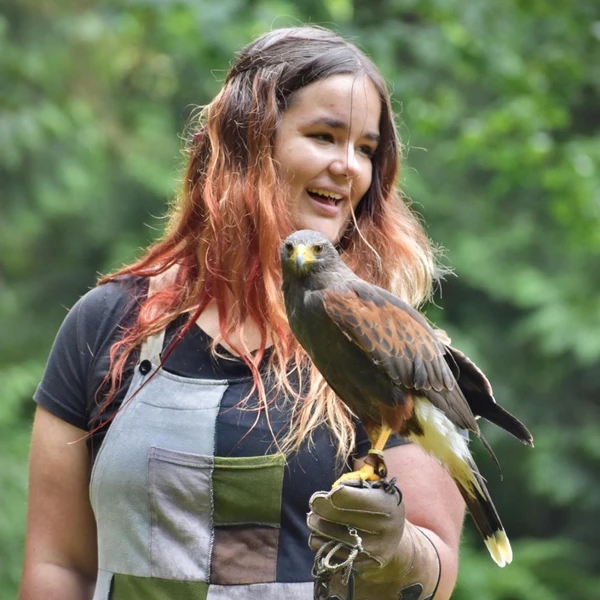
"There's good in this world and it's worth fighting for." - Samwise Gamgee Hi! I'm Lia! I'm a high school senior from a low-income family with a passion: to conserve and protect our planet. I have almost 1000 hours volunteering at my local zoo working directly with animals ranging from Secretary Birds to Coahuilan Box Turtles. I am extremely passionate, motivated, and dedicated to everything I do, whether it's volunteering at the zoo, working with special-needs children at my local church, or working my paying job as a lifeguard. Experience enough isn't alone; it's what I plan to do with it. In addition to my volunteering, every penny I earn at my lifeguarding job goes towards my dream of studying zoological & conservation science at Friends University. In my 17 years of life, I've lived all over the world, and the main thing I've learned is that the wild is disappearing. Fast. Nothing changes if nothing changes, so let's change things together. I appreciate you reading this!

Education

Friends University

Bachelor's degree program

2026 – 2031

Majors:
  • Zoology/Animal Biology
Minors:
  • Natural Resources Conservation and Research
Abilene High School

High School

2025 – 2027

GPA4.0 GPA

Miscellaneous

Desired degree level:
Master's degree program
Majors of interest:
Zoology/Animal Biology
Desired degree modality:
Full-Time
Medical school interest:
No
English as first language:
Yes
Homeschooled:
Yes

Career

  • Lifeguard

    Recreational Facilities and Services · ACU SRWC

    Jan 2024 – Present

Miscellaneous

Dream career field:
Animal Science, Zoology, Environmental Science, Research
Work experience:
3 years
Has nursing license:
No
Leadership experience:
Yes

Future Interests

  • Advocacy
  • Volunteering
  • Entrepreneurship
Women in STEM Scholarship
Jane Goodall once said, “What you do makes a difference, and you have to decide what kind of difference you want to make.” As a young woman pursuing Zoo & Conservation Science, Dr. Goodall has always been my ultimate role model. I grew up overseas in China, and my family was surrounded by wildlife. My parents taught me to treat animals with respect and care, to see them as something worth noticing and protecting. My belief is that the way we treat the smallest creatures reflects the kind of person we choose to be. Historically, the fields of wildlife biology and field conservation haven't always been the most welcoming places for women, but trailblazers like Goodall proved that a combination of scientific curiosity and deep empathy can change the world. If Jane Goodall can do that, then so can I. Since May 2025, I have volunteered at the Abilene Zoo, working with the wide variety of species that make up its Ambassador program. Over the almost 1,000 hours I have spent volunteering there, I have had many life-changing moments: the first time I held a bird on a glove, the first time I gave an animal enrichment, and countless others. These were moments where I truly realized that the work I am doing matters. As I learned and grew, I also asked a lot of questions. Animal communication and behaviour are so fascinating to me, and I'm more than certain that the keepers I work with were tired by my barrage of "how's" and "why's". All this led to my realization that, as a woman in STEM, one of my greatest strengths is science communication. Now when I go to volunteer, I spend time answering questions instead. Whenever I do keeper chats, I answer the same questions over and over, explaining why the animals my audience sees matter: why the tortoise I'm holding is valuable, even if he cannot speak the same way we can. I love watching children's eyes light up when they see the animals, and I especially love being a face of science for the young girls who visit. One of those moments was a day I was presenting Mikey, our Coahuilan box turtle, for a child's birthday. I was telling her about how few there are left in the wild (under two thousand mature adults at the time) and she looked up at me with the biggest eyes. "So he's one of the last ones." A child who learns to care, whether it's about a giraffe or something as small as a turtle, grows into someone who supports conservation in the future. As biodiversity falls more and more across our planet, it's up to my generation of scientists to step up. This scholarship will help me finish my degree and become a zookeeper and environmental scientist, but more importantly it will allow me to not only help animals thrive, but also to show other young women that we have a vital place at the scientific table and help create that community that women need. To make a difference, my generation needs to act now to protect our natural world. And as a woman in STEM, that's exactly what I'm going to do.
FIAH Scholarship
Jane Goodall once said, “What you do makes a difference, and you have to decide what kind of difference you want to make.” Looking back, my decision to study Zoo & Conservation Science makes a lot of sense. Growing up overseas in China, my family was surrounded by wildlife: geckos crawling across our ceiling, wild hedgehogs sniffing around our backyard, and toads croaking at night. My parents taught me to treat animals with respect and care: to see them as something worth noticing and protecting. My belief is that the way we treat the smallest creatures reflects the kind of person we choose to be. Since May 2025, I have volunteered at the Abilene Zoo, working with the wide variety of species that make up its Ambassador program. Over the 800 hours I have spent volunteering there, I have experienced many life-changing moments: the first time I held a bird on a glove, the first time I gave an animal enrichment, and countless others. These were moments where I truly realized that the work I am doing matters. When I volunteer, I spend a lot of time answering questions (often the same ones over and over) and explaining why the animals they see matter: why the tortoise I'm holding is valuable, even if he cannot speak the same way we can. I love watching children's eyes light up when they see the animals. A standout memory from one of those children was a day that I was presenting Mikey, our Coahuilan box turtle, for a child's birthday. I was telling her about how few there are left in the wild, under two thousand mature adults at the time, and she looked up at me with the biggest eyes. "So he's one of the last ones." A child who learns to care, whether it's about a giraffe or something as small as a turtle, grows into someone who supports conservation in the future. As biodiversity falls more and more across our planet, it's up to my generation to help change this problem. Becoming a zookeeper & environmental scientist will allow me not only to help animals thrive, but also to become an advocate for the species and ecosystems they depend on. I want to care for animals as individuals while helping people understand why their lives matter and why protecting wildlife matters to all of us. To make a difference, my generation needs to act now to protect our natural world. And that's exactly what I'm going to do.
Barbara Cain Literary Scholarship
"You again, really?" my local librarian, Pamela, likes to good-naturedly tease every time she sees me step through the library doors, book bag in hand. This year so far, I've checked out and read over 100 books at our library. In my free time, I read, because who wouldn't take advantage of the massive amounts of free knowledge that our libraries have to offer? But to tell the truth it isn't just about the knowledge. During COVID, books saved my life. I was trapped in a tiny apartment with my parents and siblings, and the only way to disappear from all the noise was into the cover of some classic novel that would sweep me off my feet and deposit me in a strange new world with no masks, no vaccines, and no shortage of beloved friends. I, as a shy eleven-year-old, had found the Lord of the Rings. I found this book in the darkest time in my life, and as I read pieces of it every night I rejoiced, I laughed, and I (quite melodramatically) wept. Trapped in a foreign country due to COVID, I related to Frodo, who had journeyed so far from his home and felt lost. Separated from my friends, I empathised with Sam, who yearned for the comfort and safety of the Shire. But the biggest lesson I took away from LOTR was hope, and during COVID, that was something I desperately needed. I was separated from everything I had ever loved, struggling with depression and extreme anxiety, and somehow a tiny Hobbit with a (not so tiny) burden made that feel better. "There's good in this world and it's worth fighting for," said Samwise Gamgee, and I took that statement to heart: it has strongly influenced my goals today. Because of this, I have decided to fight for the good. As an animal & conservation scientist, one of my main goals is education of the public with regard to the state of our beautiful planet. If the public only knew how precious most of the things we take for granted are, they would be much more inclined to protect it. Every summer, I check out books from my library on wildlife and bring them to a local camp, where I do read-aloud presentations for the young children to help them learn and inspire them to read and, most importantly, care. I want to be able to continue sharing this with the world, to help people find the "good worth fighting for" in literature and apply it to real life.
Michael Rudometkin Memorial Scholarship
I was surrounded by wildlife from an early age. Growing up as a missionary kid overseas in China, it was almost impossible not to notice the lizards crawling over our ceiling, the wild hedgehogs running through the garden at night, or the koi fish swimming gracefully through our local pond. My parents taught me to treat animals with respect, and with care: something worth noticing and protecting. My belief is that the way we treat the smallest creatures reflects the kind of person we choose to be. I have a strong background in community service. Since May 2025, I have volunteered at the Abilene Zoo as a Zoo Teen, where I have achieved the level of Senior Animal Care Expert. A lot of my work takes place before the zoo opens or behind the scenes: cleaning habitats, making diets, and building enrichment for the animals. It is very repetitive, sometimes physically demanding, and easy to overlook, but it is always essential. Caring about animals is never about the self; it's about so much more. Throughout my time with the Zoo Teens program, I've worked with a wide range of species, participating in handling, feeding, training, and enrichment. I have cared for mammals such as armadillos, opossums, and kangaroos; reptiles including woma pythons, dumeril's ground boas, and blue-tongued skinks; and bird ranging from macaws and ravens to owls and hawks. Each individual creature has different needs, but they all require patience and attention. I've had to learn to adjust almost constantly in order to respond to what the animal needs most, not what's most convenient. My job as a Zoo Teen also has me work with zoo guests, especially children. I spend a lot of time answering questions (often the same ones over and over), and explaining why the animals they see matter: why the tortoise I'm holding has a life with value, even if he can't speak the same way you and I can. I love to watch the kid's eyes light up when they see the animals. A young child who learns to care about a tortoise or macaw today will grow into someone who can support conservation in the future. Being a part of that process, even if my role is small, is meaningful to me. It's not always been easy, but remembering that I'm part of a bigger cause always helps. Balancing school, my job, and volunteering every chance I get takes time. Earning trust with animals takes time. Helping people understand conservation takes a lot of patience. Still, I've continued because I believe in the long term impact of what I'm doing. I plan to major in Zoo Science and pursue a career as a zookeeper. Through this path, I hope to continue improving animal welfare, expanding conservation education, and support efforts to protect wildlife in their natural habitats. The work I am most proud of is not usually the most visible. I find it in little, consistent actions: caring for my animals, taking time to teach others, and contributing to something vast: something much more important than myself. I often think about my "magic" little moments: the first time I held a bird on glove in my hands, my first animal presentation in front of a crowd, the first time I watched the porcupine I care for play with his enrichment. Those are the moments, though small, that shape who I am and the kind of impact I hope to continue making.
Dr. Howard Hochman Zoological Scholarship
My name is Lilia Ruch. I am a high school junior who grew up in China as a missionary child. Beginning from my childhood, I have had a strong passion for working with animals. We had all manner of wildlife in my backyard: hedgehogs, squirrels, lizards, and birds. My parents taught me respect and care for wild animals and so it makes sense that the first time I stepped into a zoo to volunteer, I knew I was home. I started volunteering with the Abilene Zoo as part of their Zoo Teens program last May, and not a week has gone by without me volunteering since then. So far, I have over 430 hours and plan to have 1000+ by the time I graduate, working directly in the care, training, and handling of animals. I truly found my spark and compassion for nature there. The first time I helped prepare macaw enrichment, I realized that conservation isn't just about donating money to some charity far away. While that can help, sometimes the most positive change starts right at home, and it isn't always loud or dramatic. Sometimes, I clean habitats before opening. Sometimes I explain to children why the tortoise I am holding in my hands matters: why its life has value, even if it can't speak the same way we can. Some species I've been honoured to work with include secretary birds, military macaws, prehensile tailed porcupines, and woma pythons. Caring for them has really helped show me how connected animal welfare/public awareness are. When I build enrichment, I'm not just filling time in my animal's day. I help encourage natural behaviours and keep them learning and entertained. (A bored macaw, for example, is truly something you never want to see.) When I talk to children about various different species, I am helping shape how they view our beautiful world. I make an impact on them, so they can make an impact on the world in the future. I am planning to major in Zoo Science with an Animal Biology focus. As I pursue my goal of being a zookeeper, I want to expand my impact in three ways. First, I want to research how different types of enrichment practices contribute to animal husbandry. The better care we provide our animals, the stronger our role in species survival programs and conservation efforts. Second, I want to be an advocate for conservation education. Zookeepers are the bridge between patrons and animals, and it's important translate the complex environmental issues we face every day into stories people will understand and care about. Third, and most importantly, I want to cooperate with initiatives beyond just the zoos I work at: I want to do everything I can to protect habitats in the wild. I plan to make a positive impact by being wholly dedicated to the wellbeing of animals worldwide. By becoming a zookeeper, not only am I going to help animals, I'm going to inspire people to see wildlife not as distant or replaceable, but as vital parts of our beautiful world. And as something we need to protect while we still have the chance.
Text-Em-All Founders Scholarship
My name is Lilia Ruch. I am a high school junior who grew up in China as a missionary child. Beginning from my childhood, I have had a strong passion for working with animals. We had all manner of wildlife in my backyard: hedgehogs, squirrels, lizards, and birds. My parents taught me respect and care for wild animals and so it makes sense that the first time I stepped into a zoo to volunteer, I knew I was home. I started volunteering with the Abilene Zoo as part of their Zoo Teens program last May, and not a week has gone by without me volunteering since then. So far, I have over 430 hours and plan to have 1000+ by the time I graduate, working directly in the care, training, and handling of animals. I truly found my spark and compassion for nature there. The first time I helped prepare macaw enrichment at my local zoo, I realised that conservation isn't just about donating money to some charity far away. While that can help, sometimes the most positive change starts right at home, and it isn't always loud or dramatic. Sometimes, I clean habitats before opening. Sometimes I explain to children why the tortoise I am holding in my hands matters: why its life has value, even if it can't speak the same way we can. Through my experience volunteering, I've learned that zoos aren't places for people to come gawk at animals. If it's well run, a zoo is a centre for education of the public, research, and most importantly conservation. Behind every single animal patrons see is an entire team of caretakers who work on enrichment, diets, medications, and everything else involved with animal care. The small daily tasks I get to participate in are part of a much larger mission: helping protect wildlife in a world where sadly habitats are disappearing faster than ever. Some species I've been honoured to work with include birds, reptiles, and many different small mammal species. Caring for them has really helped show me how connected animal welfare/public awareness are. When I build enrichment, I'm not just filling time in my animal's day. I help encourage natural behaviours and keep them learning and entertained. (A bored macaw, for example, is truly something you never want to see.) When I talk to children about various different species, I am helping shape how they view our beautiful world. I make an impact on them, so they can make an impact on the world in the future. As I pursue my goal of being a zookeeper, I want to expand my impact in three ways. First, I want to research how different types of enrichment practices contribute to animal husbandry. The better care we provide our animals, the stronger our role in species survival programs and conservation efforts. Second, I want to be an advocate for conservation education. Zookeepers are the bridge between patrons and animals, and it's important translate the complex environmental issues we face every day into stories people will understand and care about. Third, and most importantly, I want to cooperate with initiatives beyond just the zoos I work at: I want to do everything I can to protect habitats in the wild. I plan to make a positive impact not with fancy words or empty promises but by being wholly dedicated to the wellbeing of animals worldwide. By becoming a zookeeper, not only am I going to help animals, I'm going to inspire people to see wildlife not as distant or replaceable, but as vital parts of our shared, beautiful world.
Our Destiny Our Future Scholarship
The first time I helped prepare macaw enrichment at my local zoo, I realised that conservation isn't just about donating money to some charity far away. While that can help, sometimes the most positive change starts right at home, and it isn't always loud or dramatic. Sometimes, I clean habitats before opening. Sometimes, I help make sure an animal's day is more stimulating than the one before. Sometimes I explain to children why the tortoise I am holding in my hands matters: why its life has value, even if it can't speak the same way we can. Through my experience volunteering, I've learned that zoos aren't places for people to come gawk at animals. If it's well run, a zoo is a centre for education of the public, research, and most importantly conservation. Behind every single animal patrons see is an entire team of caretakers who work on enrichment, diets, medications, and everything else involved with animal care. The small daily tasks I get to participate in are ultimately for a much larger mission: helping protect wildlife in a world where sadly habitats are disappearing faster than ever. Some species I've been honoured to work with include macaws, reptiles of all different kinds, and many different small mammal species. Caring for them has really helped show me how connected animal welfare/public awareness are. When I build enrichment, I'm not just filling time in my animal's day. I help encourage natural behaviours and keep them learning and entertained. (A bored macaw, for example, is truly something you never want to see.) When I talk to children about various different species, I am helping shape how they view our beautiful world. I make an impact on them, so they can make an impact on the world in the future. As I pursue my goal of being a zookeeper in the future, I want to expand my impact in three ways. First, I want to do research on how different types of enrichment practices contribute to animal husbandry in any species i'm privileged to work with. The better care we provide our animals, the stronger our role in species survival programs and conservation efforts. Second, I want to be an advocate for conservation education. Zookeepers are a bridge between the public and the animals, and there is so much do be done to translate the complex environmental issues we face every day into stories people will understand and care about. Third, and most importantly, I want to cooperate with initiatives beyond just the zoos I work at: I want to do everything I can to protect habitats in the wild. I plan to make a positive impact not with fancy words or meaningless gestures but by being wholly dedicated to the wellbeing of animals worldwide. By becoming a zookeeper, not only am I going to help animals thrive, but I'm going to inspire people to see wildlife as something not distant or replaceable, but as vital parts of our shared, beautiful world.
Learner Math Lover Scholarship
I remember the first time my mum asked me to count as high as I could. She asked me if that was the biggest number, and in the tone only a ridiculously confident six-year-old can achieve, I said "yes, of course." "Add one." she responded. My tiny child's mind was absolutely flabbergasted, and I've loved math ever since then. To me, math symbolizes hope. You can always add one. Even when you think you've reached your limit, you think you've found infinity, you can always add one. My mum still says "add one" when she wants to remind me to be hopeful. Markings on animal bones indicate that humanity has been doing math since around 30,000 BC- that's 32,026 years of humans looking at the stars and wondering "can I count them?", looking up in hope. Being surrounded by the infinite. And always, adding one. As a future zookeeper, so much of my world is dominated by numbers. I watch the clocks of the animal species I care for tick slowly away, their species numbers decreasing day by day and with them the overall health of our planet. Earning this scholarship would help me find the education that I need to make an impact. To "add one" to the numbers of people working to help protect and conserve our planet, so that hopefully we can add more than just one to the populations of endangered species worldwide. From the Fibonacci sequence to the intricate dance of the planets in the heavens, to the curling spiral of infinity, stretched infinite before me, I've spent countless hours looking at problems. Turning them over in my head, analyzing every possible answer, and finally, reveling in that glorious feeling when a solution is found. I love math because math is the key to the universe and often, solving math problems is the only thing that makes my brain go quiet. And if things ever feel like they've reached rock bottom, I always hear my mum's voice in my head, whispering: "add one." What else could be more hopeful than that?
Lilia Ruch Student Profile | Bold.org