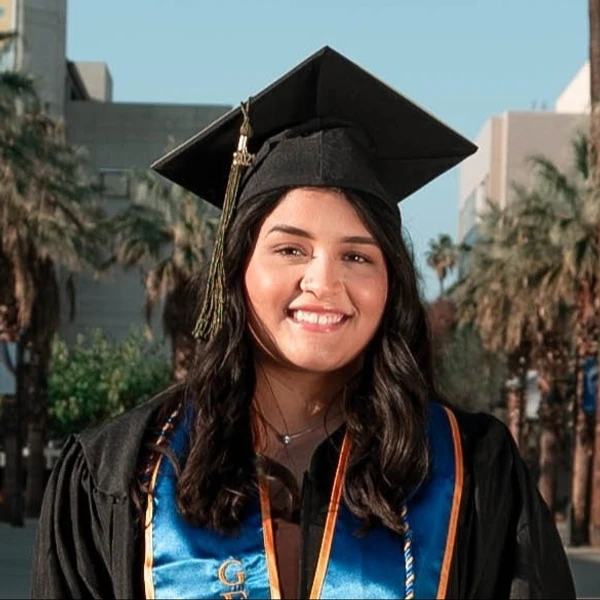
Once I graduate with my Doctor of Physical Therapy (DPT) degree, I hope to accomplish more than just a successful career—I want to become a compassionate and culturally competent healthcare provider who restores not only physical function, but hope and dignity in people’s lives. My ultimate goal is to work in acute care or inpatient rehabilitation settings, where I can directly support patients who are facing some of the most difficult physical and emotional challenges of their lives. I want to treat individuals recovering from surgeries, traumatic injuries, chronic illnesses, and medical emergencies—patients who need immediate care, encouragement, and someone who truly listens and understands.
I earned my Bachelor of Science in Kinesiology with a concentration in Exercise and Fitness in December 2021. When I began my undergraduate journey, I was unsure of my exact career path, but I was confident that I wanted to work in health and wellness. I used my undergraduate years to explore different career options through coursework, internships, and hands-on experience in various rehabilitation environments. These experiences helped me narrow down my focus and eventually led me to my true calling: physical therapy.
My passion for physical therapy stems from a very personal and deeply painful experience. I began playing soccer at the age of four. The sport quickly became a core part of my identity. I played year-round, traveled competitively, and was recruited by university coaches throughout middle and high school. My dream was to play professionally—it never felt like an unrealistic goal. However, everything changed when I was sixteen and underwent two knee surgeries.
The physical pain was one thing—but the mental toll was far greater. I went from training multiple days a week to being confined to a bed, unable to do something as simple as walk without assistance. Watching my teammates continue to play while I sat on the sidelines filled me with a sense of helplessness and loss. Every day, I asked myself who I was without the sport that had shaped every part of me. The isolation was heavy, and I struggled with feelings of inadequacy, depression, and anxiety. My confidence, once grounded in my athletic abilities, was shaken. I was forced to confront not only the physical reality of my injuries but also the emotional void that came from losing something I loved so dearly.
Yet, this devastating chapter ultimately led me to something greater. During my recovery, I developed strong, meaningful relationships with my physical therapy team. They supported me not just physically, but emotionally. My therapists didn’t just help me regain strength—they listened, they encouraged me, and they gave me space to grieve the loss of my athletic identity. Their ability to hold both my physical pain and emotional struggles created a safe, healing environment that deeply impacted me. I realized then that healing is about more than regaining mobility—it’s about restoring confidence and rebuilding self-worth. That experience planted the seed for my future career. If I could no longer be the athlete on the field, I could become the provider who helps others return to their passions, even after their worlds have been turned upside down.
Since that moment, I have worked tirelessly to make that dream a reality. Toward the end of my undergraduate career, I began working in outpatient physical therapy clinics. Over the course of three years, I worked in three different clinics, each offering a unique perspective on patient care. These positions were more than jobs—they were part of my healing process. I was finally able to see the other side of recovery, from the provider’s point of view. I was able to empathize with patients who, like me, were facing not only physical challenges but the emotional weight of lost function and independence. I often saw patients who were afraid, discouraged, or overwhelmed—and I recognized those feelings because I had lived them myself.
While I gained invaluable knowledge and skills in outpatient care, I felt called to explore more intensive environments. It was during my time at Stanford Hospital, a level-one trauma facility, that I found my true professional passion. There, I assisted patients recovering from critical surgeries, life-threatening illnesses, and traumatic injuries. Many of these individuals were encountering life-altering events for the first time—experiences that brought physical pain, emotional shock, and fear of the unknown. I witnessed people take their first steps again, regain the strength to sit up or walk, or simply move without pain. These were not just small physical wins—they were psychological triumphs. They were moments of renewed hope. These experiences reaffirmed that physical therapy is not just about physical rehabilitation; it is about emotional resilience, identity reconstruction, and healing the whole person.
Now, I am proud to say that I am pursuing my Doctor of Physical Therapy degree. As a first-generation Latina and the youngest of five siblings, I am the first in my family to pursue a doctoral degree. While my siblings were a support system during my undergraduate years, navigating graduate school is a new and often overwhelming experience. My family remains my emotional support, but I am largely learning to navigate this journey on my own.
Receiving this scholarship would ease one of the greatest burdens I currently face—financial strain. The demands of a DPT program are intensive. Between full-time coursework, clinical rotations, and the expectations of academic excellence, it is challenging to balance part-time work or find consistent income. This scholarship would allow me to dedicate more time and energy to my studies and clinical experiences without the looming stress of how I will cover tuition or living expenses. It would also allow me the flexibility to pursue volunteer opportunities, engage in community outreach, and seek additional certifications to enhance my skills.
My long-term career aspiration is to become a physical therapist who serves with empathy, cultural awareness, and a commitment to equitable care. I want every patient I treat to feel seen, heard, and valued—regardless of their race, gender, sexual orientation, language, or socioeconomic background. I hope to work in communities that are often underserved and overlooked, where access to quality healthcare is limited. These are the populations that need healthcare providers who not only look like them, but also understand their cultural experiences and challenges.
In addition to clinical care, I also plan to advocate for culturally competent practices within the physical therapy field. I want to contribute to research, training, and policy work that promotes diversity in healthcare education and improves health literacy in marginalized communities. My goal is to be more than a practitioner—I want to be a leader who uplifts my profession and brings systemic change.
My future plans include pursuing board certification in clinical specialties such as orthopedics or neurology, gaining experience in hospital-based rehabilitation, and eventually working in a nonprofit or community-based setting that serves vulnerable populations. I hope to lead outreach programs that provide free screenings, health education, and early intervention services in communities that traditionally lack access to care.
This scholarship will help me take meaningful steps toward these goals. It will provide financial relief, but more importantly, it will represent a vote of confidence in my potential to make a lasting impact. It will remind me that I am not alone in this journey—that there are people and organizations who believe in empowering students like me to bring positive change to the world.
In the end, my career is not just about rehabilitation. It’s about restoring hope, equity, and dignity through healthcare. It’s about using my education and lived experiences to be a provider who not only treats the body but also heals the whole person. With this scholarship’s support, I will continue working toward that mission with focus, resilience, and heart.