Hobbies and interests
Exercise And Fitness
Hiking And Backpacking
Camping
Reading
Cultural
Fantasy
Adventure
Health
Philosophy
I read books multiple times per week
Leslie Cisneros
1x
FinalistLeslie Cisneros
1x
FinalistBio
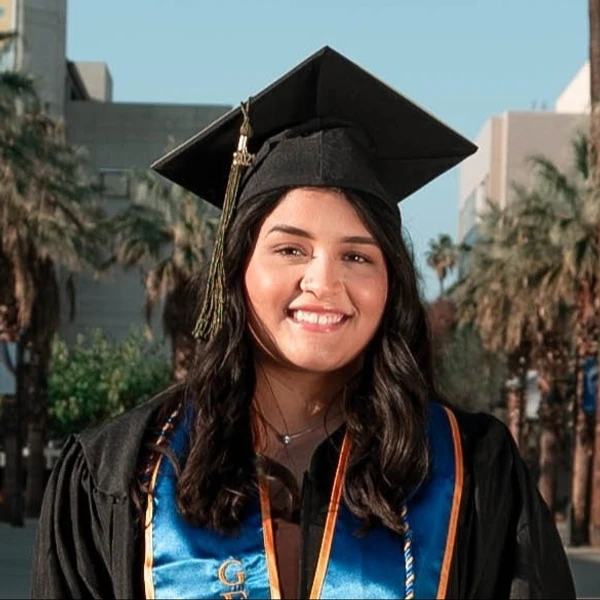
My name is Leslie Cisneros, and I am excited to begin my doctoral studies in Physical Therapy at Oregon State University Cascades in Fall 2025! My intended completion date is Spring 2028. I am the youngest daughter of five and a proud first-generation Latina student. In December 2021, I earned my Bachelor of Science in Kinesiology from San Jose State University. Since 2019, I have worked in various physical therapy clinics, including at Stanford Hospital, a Level I trauma facility. These hands-on experiences have solidified my commitment to pursuing a Doctor of Physical Therapy degree. I am motivated not only by the opportunity to become the first in my family to earn a doctoral degree, but also by a deep desire to provide individualized, holistic care to every patient I serve. My long-term goal is to work as a healthcare provider in underserved communities. I believe that access to quality healthcare is a fundamental right, and I am committed to helping bridge the gaps that prevent many from receiving the care they deserve.
Beyond my academic and professional aspirations, I enjoy spending my free time with friends, family, and my wonderful dog, Maddie! I’m an avid concert goer, traveling, and nature nature. I firmly believe that learning outside the classroom is just as important as formal education, and exploring the world firsthand is one of the most enjoyable ways to do so. I also try my best in strengthening my Spanish speaking skills usually by conversing with family members or even assisting patients during work!
Education
Oregon State University-Cascades Campus
Master's degree programMajors:
- Rehabilitation and Therapeutic Professions, General
- Sports, Kinesiology, and Physical Education/Fitness
- Medicine
- Health Professions and Related Clinical Sciences, Other
San Jose State University
Bachelor's degree programMajors:
- Sports, Kinesiology, and Physical Education/Fitness
Ann Sobrato High School
High SchoolMiscellaneous
Desired degree level:
Master's degree program
Graduate schools of interest:
Transfer schools of interest:
Majors of interest:
- Sports, Kinesiology, and Physical Education/Fitness
- Health Professions and Related Clinical Sciences, Other
Career
Dream career field:
Hospital & Health Care
Dream career goals:
Physical Therapy, Sports
Rehabilitation Aide
Stanford Hospital2022 – 20253 years
Sports
Soccer
Varsity2013 – 20163 years
Awards
- MVP
Public services
Volunteering
Bay Area Soccer League — athletic coach2015 – 2017Volunteering
Santa Clara University — Assistant trainer2021 – 2021
Future Interests
Advocacy
Politics
Volunteering
Philanthropy
Entrepreneurship
TRAM Panacea Scholarship
Health disparities in underserved communities, especially among populations of color and low-income neighborhoods, represent a pressing national and global health issue that I am deeply passionate about. These disparities are not just statistics, they are lived realities that shape people’s daily experiences with food access, healthcare, and overall well-being. Addressing these inequities is critical to improving major health outcomes like obesity, heart disease, and mental health disorders.
One of the starkest examples of health disparity is the prevalence of food deserts—areas where access to fresh, whole foods is severely limited or nonexistent. In many low-income communities, convenience stores and fast-food outlets dominate the landscape, offering cheap but highly processed, calorie-dense, and nutrient-poor options. The economic barriers to purchasing healthier whole foods, which tend to be more expensive, further exacerbate this problem. The result is a nutritional environment that promotes obesity and chronic illnesses.
Obesity itself is a complex health issue intertwined with heart and cardiovascular diseases, diabetes, and mental health challenges. These conditions often cluster in communities with poor access to nutritious food and safe spaces for physical activity. Without affordable, fresh foods and safe parks or trails to exercise, residents face systemic hurdles to maintaining health. It is no surprise that underserved communities see higher rates of these chronic illnesses compared to more affluent areas.
Moreover, the mental health toll of living in these environments is profound. Stressors related to financial insecurity, limited healthcare access, and systemic discrimination contribute to higher rates of anxiety, depression, and other mental health conditions. Yet, mental health resources such as counseling and psychiatric care, are often sparse or difficult to access in these same neighborhoods, perpetuating a cycle of neglect.
I care deeply about these issues because they highlight how inequity in one area of life cascades into broader health problems. If communities had equitable access to resources such as quality healthcare, mental health support, health education, and affordable fresh food, we could begin to break these cycles. Improvements in these social determinants of health would not only reduce obesity and cardiovascular diseases but would also foster better mental health outcomes, ultimately leading to healthier and more vibrant communities.
My passion for this issue stems from my work experiences in outpatient physical therapy clinics and at a level-one trauma hospital, where I observed firsthand the impact of these disparities on patient outcomes. Many individuals from underserved backgrounds faced avoidable complications or delays in recovery simply because of the systemic barriers they faced before ever walking into a clinic or hospital.
Addressing health disparities requires comprehensive, community-focused strategies. Reforming health education in public schools and underserved neighborhoods can empower children and families with knowledge about nutrition, physical activity, and mental wellness. Expanding access to healthcare providers like primary care, dental, physical and mental rehabilitation, and creating community programs like walking clubs and arts therapy can offer accessible avenues for health improvement.
By tackling the root causes of health inequity, we not only address immediate medical concerns but also create environments where people can thrive holistically. It’s about more than treating disease—it’s about nurturing wellness, hope, and equity.
Pastor Thomas Rorie Jr. Furthering Education Scholarship
Once I graduate with my Doctor of Physical Therapy (DPT) degree, I hope to accomplish more than just a successful career—I want to become a compassionate and culturally competent healthcare provider who restores not only physical function, but hope and dignity in people’s lives. My ultimate goal is to work in acute care or inpatient rehabilitation settings, where I can directly support patients who are facing some of the most difficult physical and emotional challenges of their lives. I want to treat individuals recovering from surgeries, traumatic injuries, chronic illnesses, and medical emergencies—patients who need immediate care, encouragement, and someone who truly listens and understands.
I earned my Bachelor of Science in Kinesiology with a concentration in Exercise and Fitness in December 2021. When I began my undergraduate journey, I was unsure of my exact career path, but I was confident that I wanted to work in health and wellness. I used my undergraduate years to explore different career options through coursework, internships, and hands-on experience in various rehabilitation environments. These experiences helped me narrow down my focus and eventually led me to my true calling: physical therapy.
My passion for physical therapy stems from a very personal and deeply painful experience. I began playing soccer at the age of four. The sport quickly became a core part of my identity. I played year-round, traveled competitively, and was recruited by university coaches throughout middle and high school. My dream was to play professionally—it never felt like an unrealistic goal. However, everything changed when I was sixteen and underwent two knee surgeries.
The physical pain was one thing—but the mental toll was far greater. I went from training multiple days a week to being confined to a bed, unable to do something as simple as walk without assistance. Watching my teammates continue to play while I sat on the sidelines filled me with a sense of helplessness and loss. Every day, I asked myself who I was without the sport that had shaped every part of me. The isolation was heavy, and I struggled with feelings of inadequacy, depression, and anxiety. My confidence, once grounded in my athletic abilities, was shaken. I was forced to confront not only the physical reality of my injuries but also the emotional void that came from losing something I loved so dearly.
Yet, this devastating chapter ultimately led me to something greater. During my recovery, I developed strong, meaningful relationships with my physical therapy team. They supported me not just physically, but emotionally. My therapists didn’t just help me regain strength—they listened, they encouraged me, and they gave me space to grieve the loss of my athletic identity. Their ability to hold both my physical pain and emotional struggles created a safe, healing environment that deeply impacted me. I realized then that healing is about more than regaining mobility—it’s about restoring confidence and rebuilding self-worth. That experience planted the seed for my future career. If I could no longer be the athlete on the field, I could become the provider who helps others return to their passions, even after their worlds have been turned upside down.
Since that moment, I have worked tirelessly to make that dream a reality. Toward the end of my undergraduate career, I began working in outpatient physical therapy clinics. Over the course of three years, I worked in three different clinics, each offering a unique perspective on patient care. These positions were more than jobs—they were part of my healing process. I was finally able to see the other side of recovery, from the provider’s point of view. I was able to empathize with patients who, like me, were facing not only physical challenges but the emotional weight of lost function and independence. I often saw patients who were afraid, discouraged, or overwhelmed—and I recognized those feelings because I had lived them myself.
While I gained invaluable knowledge and skills in outpatient care, I felt called to explore more intensive environments. It was during my time at Stanford Hospital, a level-one trauma facility, that I found my true professional passion. There, I assisted patients recovering from critical surgeries, life-threatening illnesses, and traumatic injuries. Many of these individuals were encountering life-altering events for the first time—experiences that brought physical pain, emotional shock, and fear of the unknown. I witnessed people take their first steps again, regain the strength to sit up or walk, or simply move without pain. These were not just small physical wins—they were psychological triumphs. They were moments of renewed hope. These experiences reaffirmed that physical therapy is not just about physical rehabilitation; it is about emotional resilience, identity reconstruction, and healing the whole person.
Now, I am proud to say that I am pursuing my Doctor of Physical Therapy degree. As a first-generation Latina and the youngest of five siblings, I am the first in my family to pursue a doctoral degree. While my siblings were a support system during my undergraduate years, navigating graduate school is a new and often overwhelming experience. My family remains my emotional support, but I am largely learning to navigate this journey on my own.
Receiving this scholarship would ease one of the greatest burdens I currently face—financial strain. The demands of a DPT program are intensive. Between full-time coursework, clinical rotations, and the expectations of academic excellence, it is challenging to balance part-time work or find consistent income. This scholarship would allow me to dedicate more time and energy to my studies and clinical experiences without the looming stress of how I will cover tuition or living expenses. It would also allow me the flexibility to pursue volunteer opportunities, engage in community outreach, and seek additional certifications to enhance my skills.
My long-term career aspiration is to become a physical therapist who serves with empathy, cultural awareness, and a commitment to equitable care. I want every patient I treat to feel seen, heard, and valued—regardless of their race, gender, sexual orientation, language, or socioeconomic background. I hope to work in communities that are often underserved and overlooked, where access to quality healthcare is limited. These are the populations that need healthcare providers who not only look like them, but also understand their cultural experiences and challenges.
In addition to clinical care, I also plan to advocate for culturally competent practices within the physical therapy field. I want to contribute to research, training, and policy work that promotes diversity in healthcare education and improves health literacy in marginalized communities. My goal is to be more than a practitioner—I want to be a leader who uplifts my profession and brings systemic change.
My future plans include pursuing board certification in clinical specialties such as orthopedics or neurology, gaining experience in hospital-based rehabilitation, and eventually working in a nonprofit or community-based setting that serves vulnerable populations. I hope to lead outreach programs that provide free screenings, health education, and early intervention services in communities that traditionally lack access to care.
This scholarship will help me take meaningful steps toward these goals. It will provide financial relief, but more importantly, it will represent a vote of confidence in my potential to make a lasting impact. It will remind me that I am not alone in this journey—that there are people and organizations who believe in empowering students like me to bring positive change to the world.
In the end, my career is not just about rehabilitation. It’s about restoring hope, equity, and dignity through healthcare. It’s about using my education and lived experiences to be a provider who not only treats the body but also heals the whole person. With this scholarship’s support, I will continue working toward that mission with focus, resilience, and heart.
A Man Helping Women Helping Women Scholarship
I am a first generation Latina, the youngest daughter of five, and the first in my family to pursue a doctoral degree. My father, an avid soccer fan, enrolled all five of us into the sport as soon as we turned four. For me, soccer became a core part of my identity. I played year round, travelled competitively, and played in school. My dream was to become a professional soccer player. I had various university coaches scout me throughout middle school and high school, so it did not feel like a farfetched idea at the time. Unfortunately, by the time I was sixteen, I underwent two knee surgeries. The sport I loved most suddenly became the thing that forced me to walk away. Losing my identity as an athlete was disorienting. I no longer knew who I was or what I was meant to become.
I attended physical therapy for nearly two years straight – having two knee surgeries fifteen months apart will do that for you. Through the relationships I built with my physical therapy team, I realized that this was the profession I needed to pursue. If I could no longer be that competitive athlete I once was, I could at least help others return to their passions. I was through my work experience in various inpatient and outpatient clinics where I realized that my true passion is helping patients in an acute care setting. Being able to witness patients who have gone through traumatic accidents, life-saving surgeries, cancer or other illnesses, regaining the strength to return home, walk, or even just get out of bed, offers such optimism and beauty during times of great struggle.
Growing up in a first-generation, Spanish-speaking household, I witnessed firsthand the barriers that members of my community face in accessing equitable healthcare. In my clinical settings, I’ve had countless conversations with patients from low-income backgrounds and communities of color who felt dismissed, overlooked, or uninformed. Many expressed that they just now decided to receive care months or even years after their initial trauma because of a lack of resources, fear of discrimination, or language barriers within their healthcare team.
I am committed to becoming a physical therapist who treats each patient with dignity, empathy, and a holistic mindset. I want every individual I work with to feel seen, heard, and supported—regardless of their background, gender, sexual orientation, or beliefs. As I continue my doctoral studies, I plan to advocate for more culturally competent care, expand access to health education, and work in underserved communities that need providers who reflect and understand them. My career is not just about rehabilitation—it’s about restoring hope, equity, and humanity in healthcare.
Douglass M. Hamilton Memorial Scholarship
I am a first generation Latina, the youngest daughter of five, and the first in my family to pursue a doctoral degree. My father is from El Salvador, a small country in Central America, where he immigrated by himself to the US, at the age of eighteen in order to be able to provide for his family back home. I grew up listening to his stories of his travels here and how his new life began. Back then, I took these stories as fun and adventurous with a side of danger. But as I got older, relistening to these stories began to hurt my heart and I sympathized with him and the thousands of others who left their home country for the betterment of their families.
I soon began to realize that my adolescence had significant cultural differences compared to my peers. I remember having to translate legal paperwork for my parents, having to communicate with store clerks who couldn’t understand my dad’s accent, and even checking for grammar and punctuation in my dad’s work emails all by the time I was in fifth grade. I thought this was normal. I thought they were asking for my help just to include me in their tasks or to pop quiz me on my spelling. I didn’t know it was because my dad didn’t start learning English until he was in his twenties and he was asking his ten year old daughter for help.
My father is an avid soccer fan, so obviously, he enrolled all five of his children into soccer as soon as we each hit the age of four. For me, I fell in love with the sport. I played year round, travelled competitively and played in school. My dream goal was to be a professional soccer player. I had various university coaches scout me throughout middle school and high school, so it did not feel like a farfetched idea at the time. Unfortunately, by the time I was sixteen, I underwent two knee surgeries due to soccer injuries. This had forced me to quit playing and rethink what my future would actually look like. I could no longer identify as an athlete, but I struggled to figure who I was or what I was to become.
I attended physical therapy for nearly two years straight – having two knee surgeries fifteen months apart will do that for you. Through the relationships I built with my physical therapy team, I realized that this was the profession I needed to pursue. If I could no longer be that competitive athlete, I could at least help others return to their sport. Throughout the years, I gained experience through various inpatient and outpatient clinics where I realized that my true passion is helping patients in an acute care setting.
Growing up as a first generation Latina, I have seen my community, and many others, struggle to find help or to be seen as equal. That is why I plan to become a healthcare provider who treats their patients with a holistic mindset. That every individual feels safe, welcome, and supported without worry of judgement of their socioeconomic status, gender, sexual orientation, or beliefs. My father’s story is not unfamiliar, but it is unique. It is the story of someone who puts their love and care for others before their own. It is a story of selflessness and strength. It is one that I will always carry with me to remind me why I strive to utilize my education to help those in need.
SnapWell Scholarship
By the time I was sixteen, I had undergone two knee surgeries within 15 months. My passion for soccer, a sport that had defined much of my identity, was replaced by frustration and uncertainty. For nearly two years, I attended physical therapy twice a week, facing not only physical weakness but also a significant decline in my mental strength. My original plan to attend university on an athletic scholarship disappeared, and with it, my confidence in both my abilities and my future. Losing that opportunity without any choice was one of the most difficult moments of my life. I felt defeated and unsure of what came next.
Yet, throughout my physical therapy journey, I found unexpected guidance and inspiration. I connected with the physical therapists who supported me and realized that while I might not continue playing soccer competitively, I could still be involved in sports by helping others recover and regain strength. This shift helped me prioritize my health not just physically, but emotionally and mentally and also sparked my interest in the physical therapy profession.
The experience of overcoming injury taught me resilience and patience, qualities that have shaped how I prepare for challenges in my life today. I learned that recovery is not always linear, and setbacks don’t define a person’s worth or potential. Instead, healing requires perseverance, adaptability, and the willingness to ask for help. These lessons have strengthened my ability to face uncertainty with confidence, a skill that I believe is essential both personally and professionally.
Working at physical therapy clinics during my undergraduate studies further solidified my commitment to this field. I witnessed firsthand the importance of addressing not only patients’ physical needs but also their emotional well-being. Many patients struggle with frustration, fear, and self-doubt during recovery, and I saw how critical it is to provide encouragement and understanding. My own journey through injury allows me to empathize deeply with those I assist. I know what it feels like to be physically limited and mentally discouraged, and I am motivated to help patients recognize their progress and believe in their ability to improve.
This perspective has prepared me to be a healthcare provider who approaches treatment holistically, valuing mental and emotional health as much as physical rehabilitation. I am committed to creating a supportive environment where patients feel empowered to take an active role in their healing process.
Personally, prioritizing my health during recovery taught me the importance of balance and self-care. I learned to listen to my body, seek support when needed, and celebrate small victories. These habits have helped me manage stress and maintain well-being while pursuing demanding academic and professional goals.
Ultimately, my injuries and recovery journey have been instrumental in shaping who I am today and who I aspire to become. They challenged me to redefine success and taught me invaluable lessons about strength, resilience, and compassion. As I continue my path toward becoming a physical therapist, I carry these experiences with me, confident that they have prepared me to support others through their own challenges, to help them not only heal physically but to thrive mentally and emotionally.
Dr. Tien Tan Vo Imperial Valley Healthcare Heroes Award
I have worked in three outpatient physical therapy clinics and one inpatient rehabilitation department for a total of six years. While working in the outpatient clinics, I maintained a caseload of three to five patients at all times during my eight hour shifts. I taught and corrected exercises for patients of all various cases. Ranging from acute chronic pain, post surgical procedures, and worker’s compensation cases. I also helped interpret for Spanish speaking patients and set up appointments. After working in outpatient for three years, I transitioned to working inpatient at Stanford Hospital, a level one trauma center. As an aide, I assisted Physical Therapists, Occupational Therapists, and Speech Language Pathologists. I worked with patients who are actively fighting cancer, who are waiting or have just received organ transplant(s), recent amputations, traumatic accidents, etc. I have learned, witnessed, and experienced so much in each setting that my passion in receiving my doctorate degree in Physical Therapy has strengthened even more.
When I was fifteen I underwent an ACL reconstruction and meniscectomy surgery. This would be my first exposure to physical rehabilitation in a healthcare setting. I found myself intrigued with what physical therapy entails and its role in assisting individuals. My recovery initially posed more interest in the “physical” part of physical therapy. I wanted to pursue this career to help athletes and other active individuals in returning to activity post injury. With the experience I now have, I now realize how much physical therapy can help individuals of all aspects of life. This career helps patients return to their former selves, adjust to their new lifestyle, maintain strength, and provide the mental and emotional security they need while enduring major life changes. What first began as a passion for exercise and fitness quickly transformed into a passion in helping patients realize the importance of moving little by little every day in order to maintain the strength to fight literal disease and increase functionality.
While my experience has increased my passion for physical therapy as a career, it has also solidified my goal in striving to aid people of underserved communities who may not have the same access to medical care. I am from the Bay Area in California; where I lived amongst a well diverse community of various ages, ethnicities, and socioeconomic statuses. I have witnessed friends and fellow community members choose to ignore medical issues or injuries due to a lack of resources and a lack of health education. I have had countless conversations with patients, both outpatient and inpatient, who have opened up about wishing they had seen a doctor quicker, assuming that what they were going through could have been resolved sooner. More often than not, this topic of conversation occurred when I was speaking to a person of color, someone of low socioeconomic status, or someone with very little support. These conversations have led me to want to pursue physical therapy where I can be the provider that can offer health education and resources for individuals who otherwise would continue to be isolated from help. My hope is to offer the support my patient will need as I am not only a part of their health care team, but as a member of their community.