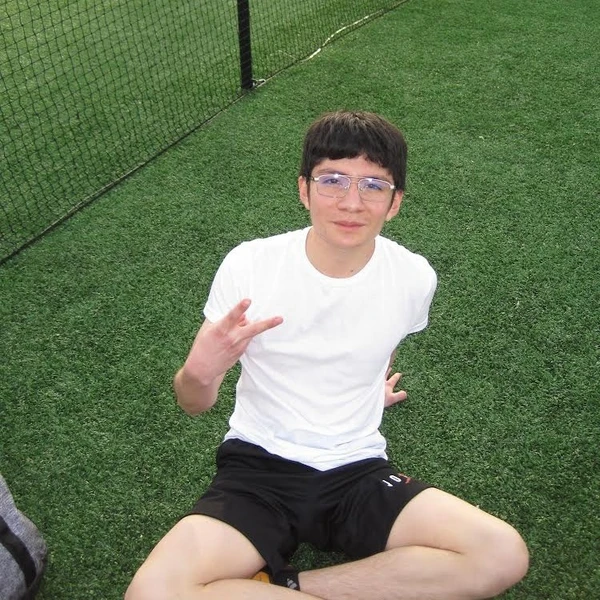
My desire to pursue a career in healthcare comes from deeply personal experiences with fear, vulnerability, and survival. From a young age, I learned what it feels like to be powerless, unheard, and in need of care. Those early experiences shaped my empathy and inspired me to pursue a path where I can offer others the safety, understanding, and support that I once needed. I was born in Piura, Peru, and raised in a humble neighborhood where access to healthcare and emotional support was limited. After my parents divorced, my life became unstable, and fear became a constant presence. As a child, I didn’t have the language to explain what I was feeling, and no one asked about my mental or emotional well-being. I learned early on that pain is not always visible, yet it can profoundly affect a person’s health. That realization stayed with me and later awakened my interest in both medicine and psychology.
When I moved to the United States, I faced new challenges, including language barriers and academic struggles. During this period, I experienced a lot of stress, fear, and sleep problems. I often felt exhausted and unable to rest. Over time, I began to understand how closely sleep, mental health, and physical health are connected. This insight sparked my interest in psychiatry and sleep medicine, particularly for patients whose symptoms are misunderstood or ignored.
In the future, I plan to pursue a career as a physician, with the goal of specializing in psychiatry or sleep medicine. I hope to improve the lives of people living with chronic illnesses, including lung disease and rare medical conditions. Many patients with respiratory disorders experience anxiety, depression, and sleep disturbances due to breathing difficulties and long-term treatments. These emotional struggles are often overlooked, despite their significant impact on quality of life.
I want to care for patients as real human beings, not just patients. For those with lung disease, a good amount of sleep is essential for recovery, immune function, and emotional well-being. I hope to help patients manage conditions such as sleep apnea, chronic respiratory disorders, and rare neurological or genetic conditions that affect breathing and sleep. By integrating mental health care with medical treatment, I aim to reduce suffering and help patients regain a sense of control over their lives.
Living with a rare medical condition often brings fear, isolation, and uncertainty. Many patients feel invisible within the healthcare system. Because I once felt invisible myself, I understand how powerful it can be when a healthcare provider truly listens. I want to advocate for patients who feel ignored, explain their conditions with clarity and compassion, and support them emotionally as they navigate complex diagnoses.
Beyond clinical care, I hope to educate patients and families about the connection between mental health, sleep, and physical illness. Knowledge can ease fear, and understanding can empower patients to take an active role in their healing. I also hope to contribute to research and community outreach efforts focused on underserved populations who lack access to specialized care.
My life has taught me that kindness, patience, and empathy can change someone’s path. A career in healthcare would allow me to transform my past struggles into something better. By serving patients with lung disease, rare conditions, and mental health challenges, I hope to provide not only medical treatment, but also dignity, understanding, and hope—one patient, one conversation, and one act of care at a time.