Hobbies and interests
Travel And Tourism
Reading
Reading
Business
I read books daily
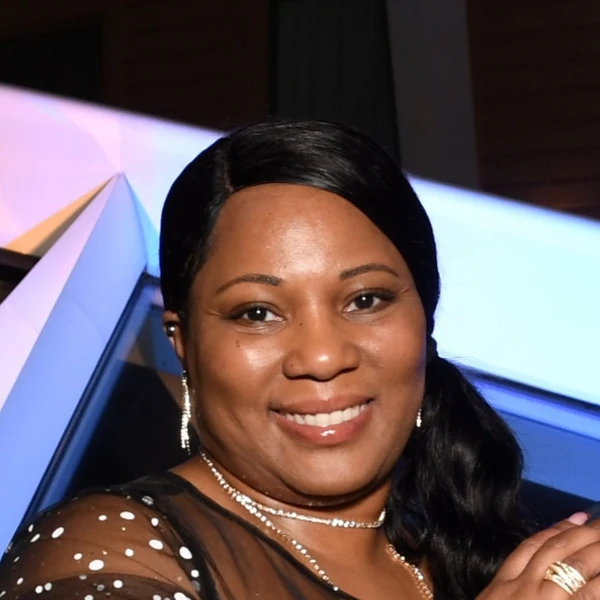
Misty Gardner Lee
1x
FinalistMisty Gardner Lee
1x
FinalistBio
My life goals center on empowerment, education, and equity. As a Doctor of Business Administration (DBA) candidate at Wilmington University, I aim to bridge the digital divide through leadership, research, and community-based innovation. My goal is to build sustainable systems that promote digital equity, psychological safety, and inclusive collaboration among government, corporate, and nonprofit sectors. I also plan to expand my ventures, Finesse Travel and WePrevail, a nonprofit focused on community empowerment, to create opportunities for underserved families and youth. Long-term, I hope to leverage my education, professional experience, and faith to influence national policy on technology access and education equity.
I am most passionate about empowering others through access and opportunity. Whether leading telecom teams, mentoring future leaders, or developing community programs, I find fulfillment in helping others realize their potential. I’m driven to ensure that all individuals, regardless of race, income, or zip code, have access to the tools and technology needed to thrive.
I am a strong candidate for this scholarship because my journey reflects resilience, leadership, and purpose. My background in program management, customer success, and digital transformation at Lumen Technologies and Comcast equips me to turn research into real-world solutions. This scholarship will help amplify my impact as I continue advancing equity, innovation, and community empowerment.
Education
Liberty University
Doctoral degree program (PhD, MD, JD, etc.)Majors:
- Business, Management, Marketing, and Related Support Services, Other
Wilmington University
Doctoral degree program (PhD, MD, JD, etc.)Majors:
- Business, Management, Marketing, and Related Support Services, Other
Wilmington University
Master's degree programMajors:
- Business Administration, Management and Operations
Wilmington University
Master's degree programMajors:
- Behavioral Sciences
Wilmington University
Bachelor's degree programMajors:
- Behavioral Sciences
Wilmington University
Bachelor's degree programMajors:
- Legal Professions and Studies, Other
Delaware Technical Community College-Stanton-Wilmington
Associate's degree programMajors:
- Health Professions and Related Clinical Sciences, Other
Miscellaneous
Desired degree level:
Doctoral degree program (PhD, MD, JD, etc.)
Graduate schools of interest:
Transfer schools of interest:
Majors of interest:
- Business/Managerial Economics
Career
Dream career field:
Philanthropy
Dream career goals:
Senior Manager Customer Success Program Management
Lumen Technologies2023 – 20241 yearTool Operations Manager
Comcast1999 – 202425 years
Sports
Track & Field
Varsity1993 – 19941 year
Field Hockey
Varsity1993 – 19941 year
Research
Psychology, Other
Liberty University — PHD Student2026 – PresentPsychology, General
Wilmington University — Researcher2024 – Present
Public services
Volunteering
WePrevail NonProfit — Managing Director2023 – PresentVolunteering
Prevailing Church International — Administrative Executive Assistant2024 – Present
Future Interests
Advocacy
Volunteering
Philanthropy
Entrepreneurship
Christian Fitness Association General Scholarship
You should consider me for this scholarship because I represent the kind of student who understands that education is not a casual milestone. For me, it is mission-critical. My academic journey has been shaped by perseverance, responsibility, leadership, and a deep commitment to using education not only to elevate my own life but also to create meaningful impact for my family, my profession, and my community. I am not pursuing higher education from a place of convenience. I am pursuing it from a place of purpose.
Returning to and continuing higher education reflects more than ambition. It reflects endurance. I have balanced school while building a demanding professional career, raising a family, and navigating life experiences that would have caused many people to step back. Instead, I kept moving forward. I have remained committed to my academic development because I understand that education strengthens not only knowledge but also influence, decision-making, and the ability to solve real problems. I view learning as a tool for transformation, and I have worked hard to make the most of every opportunity to grow.
One of my proudest accomplishments is pursuing advanced education while managing significant personal and professional responsibilities. That balancing act is not small. It requires discipline, time management, focus, and resilience. I have consistently demonstrated the ability to perform in rigorous academic settings while also carrying leadership responsibilities in the workplace and maintaining commitments to my family. My educational path reflects a serious investment in becoming a stronger leader, thinker, and contributor in my field. I have not approached my studies as a box to check. I have approached them as preparation for a larger calling.
My academic work has also been driven by substance and relevance. I am deeply interested in leadership, organizational effectiveness, equity, and creating environments where people and systems can function at their best. Those interests are not abstract to me. They are rooted in both lived experience and professional practice. I have pursued scholarship that aligns with real-world challenges, particularly around leadership, community impact, and improving systems that affect people’s lives.
I have built a career grounded in leadership, program management, customer success, operational excellence, and strategic problem-solving. I have worked in complex business environments where clear thinking, accountability, and execution matter. My experience has required me to lead teams, improve processes, support customers, manage cross-functional priorities, and contribute to organizational results. Those experiences have strengthened my practical skills, but higher education has helped me sharpen the strategic and analytical lens behind them. Together, my professional and academic experiences have created a strong foundation for continued leadership and impact.
Beyond academics and career, what is most noteworthy about me is the path I took to get here. I worked and attended school as a single mother of four children. That season of life required a level of sacrifice and persistence that shaped me permanently. I was responsible not only for my own future but also for creating stability and direction for my children at the same time. Despite the challenges, all four of my children graduated from high school, one went on to college, none have criminal records, none struggled with drug addiction, and all are productive members of society. My three sons are active fathers in their children’s lives. That is not luck. That is the result of intentional parenting, faith, consistency, and a refusal to let hardship define the outcome of our family.
That part of my story matters because it speaks to my character. It shows that I know how to build under pressure. It shows that I understand responsibility at a very real level. It also reflects a commitment to legacy. I have always believed that success should not stop with the individual. It should extend outward. Whether through family, work, service, or leadership, I want my efforts to create positive ripple effects that last beyond me.
My extracurricular and community-oriented contributions are rooted in service, mentorship, and leadership by example. It shows up in mentoring, advocacy, community engagement, faith-based support, professional guidance, or simply being the person who helps others keep going. I take that seriously. I understand what it means to need support, and I believe in becoming the kind of person who offers it.
Another noteworthy part of my journey is that I have continued to pursue excellence even through personal hardship. In April 2020, at the height of COVID-19, my mother was unexpectedly diagnosed with cancer, and we lost her within a week of learning it had metastasized. There was no time to process the diagnosis before we were planning her funeral while the world was shut down. That experience changed me deeply. It sharpened my perspective on time, purpose, and resilience. It reminded me that tomorrow is not promised and that the work we are called to do should not be delayed. Rather than allowing grief to stop me, I have tried to honor that loss by continuing to build, lead, and pursue the goals that matter most.
This scholarship would not simply reward academic achievement. It would invest in someone who has demonstrated perseverance, maturity, leadership, and a clear commitment to making education count. I bring more than grades or goals. I bring lived discipline, professional experience, a service mindset, and a record of continuing forward even when life has been difficult. I am committed to using my education to strengthen organizations, serve communities, and create opportunities for others.
You should consider me for this scholarship because I do not take education lightly, I do not quit easily, and I do not see success as something meant to be held alone. I am building a future grounded in purpose, resilience, and impact. This scholarship would help me continue that work and move one step closer to the difference I intend to make.
If you want, I can also write the second essay option, about a challenge you faced during school and how you overcame it, in the same scholarship-ready format.
Sandra West ALS Foundation Scholarship
ALS has impacted my life and educational journey by bringing me face to face with the reality of how quickly life can change and how deeply illness affects an entire family, not just the person diagnosed. Watching someone battle ALS, or walking alongside a family affected by it, changes your perspective on time, responsibility, resilience, and purpose. It teaches you that strength is not always loud. Often, it looks like showing up every day, adapting to new limitations, carrying emotional weight quietly, and continuing to move forward when the future feels uncertain.
That experience has influenced my educational journey in meaningful ways. It has required me to balance grief, caregiving responsibilities, emotional strain, and financial pressure while still remaining committed to my academic goals. There have been moments when the demands of family and health-related challenges could have easily delayed or derailed my progress. Instead, those experiences strengthened my determination. They reminded me that education is not simply a personal achievement for me. It is part of how I build stability, create opportunity, and honor the resilience I have witnessed through this journey.
ALS has also deepened my sense of empathy and sharpened my purpose. It has shown me the value of advocacy, compassion, and community support. When a family is affected by a disease like ALS, everyday life changes. Priorities shift. Time becomes more precious. Resources can become strained. Even simple routines can require emotional and practical adjustment. Living through that reality has made me more intentional about how I use my time, how I serve others, and why completing my education matters.
This scholarship would support my education by helping relieve some of the financial burden that comes with pursuing a degree while navigating the impact of ALS-related challenges. Educational costs can be difficult under any circumstances, but when a family is also managing medical, caregiving, or other related responsibilities, the pressure increases quickly. This scholarship would help me cover essential academic expenses and reduce the financial strain that can make it harder to stay focused on coursework and long-term goals. More importantly, it would provide support at a time when stability matters and every resource counts.
It would also help me overcome specific challenges related to balancing school with personal responsibilities. Whether that means managing time, covering tuition and books, or reducing the stress that comes from competing obligations, this scholarship would create room for me to continue pursuing my education with greater consistency and less disruption. It would not just be financial assistance. It would be an investment in my ability to keep going.
In terms of service, I have sought to contribute through support, advocacy, and awareness in ways that reflect both compassion and commitment. [Insert your ALS-related group, charity, walk, fundraiser, volunteer work, caregiving role, awareness campaign, or community support here.] My involvement has allowed me to give back, honor those affected by ALS, and be part of a broader effort to support families facing this devastating disease. Even when service is not highly visible, I believe it matters. Sometimes giving back looks like volunteering at events. Sometimes it looks like fundraising, sharing resources, offering encouragement, or standing beside families when they need support most.
Ultimately, ALS has shaped my journey by making me stronger, more compassionate, and more determined to use my education for meaningful impact. This scholarship would help me continue that journey and move closer to the future I am working hard to build.
Bulkthreads.com's "Let's Aim Higher" Scholarship
I want to build a legacy of access, leadership, and stability that reaches beyond my own household. At this stage of my life, I am not simply trying to earn a degree or advance my career. I am intentionally building a future that creates opportunity for my family, strengthens my community, and allows me to contribute in a more meaningful way to the world around me.
One of the most important things I am building is a stronger professional platform rooted in education, experience, and service. As someone who has balanced work, family, and school, I understand that progress is rarely handed to you neatly wrapped with a bow on top. You build it brick by brick, often while carrying responsibilities that do not pause just because your goals matter. I am pursuing higher education because I want to sharpen my leadership, expand my knowledge, and position myself to solve bigger problems in business and in the community. I want to build the kind of future where my life stands as proof that perseverance, discipline, and vision can change the trajectory of a family.
I also want to build spaces where people feel supported, seen, and equipped to succeed. Too many people, especially in underserved communities, face barriers to opportunity, education, technology, and economic mobility. I want to use my education and professional experience to help close those gaps. That means building stronger systems, supporting organizations that serve communities well, and helping create pathways for others who may not always have access to the resources they need. I do not believe success should stop at personal achievement. Real success should echo. It should create room for somebody else to rise too.
On a personal level, I am building a future defined by generational progress. As a mother, I understand that what I build today affects the people coming behind me. I want my children and grandchildren to inherit more than memories of struggle. I want them to inherit an example of resilience, responsibility, and purpose. I want them to see that even when life is demanding, it is still possible to build something meaningful with faith, focus, and hard work.
The positive impact of this future is both personal and communal. For me, it means growth, stability, and the ability to lead with greater confidence and influence. For my community, it means having someone committed to using education and leadership not just to advance professionally, but also to serve, mentor, advocate, and create opportunity. I am building a future that is not only about where I can go but also about how many people I can help bring with me. That is the kind of future worth building.
Poynter Scholarship
As a single parent, balancing education and family is not a new concept for me. It is a responsibility I have lived for years. I understand firsthand that earning a degree while raising children requires more than good intentions. It requires structure, discipline, sacrifice, and a clear sense of purpose. My family has always been my first priority, and pursuing my education is part of how I continue to honor that commitment. For me, these two responsibilities do not compete with each other. They work together.
I plan to balance my education with my family responsibilities by continuing to do what has sustained me through every demanding season of life: staying organized, managing my time intentionally, and remaining focused on the bigger picture. As a single parent, I learned early that success does not come from waiting for the perfect conditions. It comes from creating order in the middle of real life. That means keeping a structured schedule, setting clear priorities, and being intentional about how I use my time. I approach school the same way I approach work and parenting: with commitment, consistency, and the understanding that every decision matters.
One of the greatest motivators in my educational journey is my family itself. My children have been one of the main reasons I have continued to push forward. I want them to see that growth does not stop because life is difficult. I want them to understand that perseverance, education, and discipline can open doors and change outcomes. As a single parent, I have always believed that modeling determination is just as important as giving instruction. My pursuit of higher education is not only about personal achievement; it is also about showing my family what is possible through hard work and faith.
Balancing family and education also means being realistic and adaptable. Life does not always move according to plan, especially when children and family responsibilities are involved. I know there will be moments when unexpected needs arise, schedules shift, or demands increase. That mindset has helped me manage work, home, and academic responsibilities before, and it will continue to guide me as I complete my degree.
This scholarship would play a critical role in helping me achieve that goal. Financial support would reduce the burden that often comes with pursuing higher education as a single parent. It would help ease the pressure of educational expenses and allow me to focus more fully on my coursework, academic growth, and long-term professional goals. When you are raising a family and working toward a degree, every resource matters. This scholarship would not just provide financial relief; it would create greater capacity for me to continue moving forward with less strain and fewer barriers.
More importantly, this scholarship would be an investment in someone who understands the value of opportunity and does not take it lightly. I am pursuing this degree with intention, not convenience. I know what it means to juggle responsibilities, to keep going through challenges, and to stay committed to goals that require endurance. This support would help me continue that journey and bring me closer to earning my degree while maintaining my commitment to my family.
I plan to balance my education and family the same way I have balanced every major responsibility in my life: with determination, discipline, and purpose. This scholarship would help make that balance more manageable and bring me one step closer to achieving a degree that will strengthen not only my future, but the future of my family as well.
Minority Single Mother Scholarship
Working and going to school as a single mother of four children was not just a season of my life. It was a full-contact leadership lab. It required grit, sacrifice, structure, faith, and the kind of perseverance that does not get applause in real time. There were no easy lanes, no backup plan waiting in the wings, and no luxury of falling apart for long. My children needed stability, guidance, discipline, and love, and I had to provide all of it while also trying to build a better future through education and work.
Being a single mother meant carrying multiple roles at once. I was the provider, protector, encourager, disciplinarian, chauffeur, tutor, advocate, and problem-solver. At the same time, I was showing up to work and showing up to school, often exhausted but determined. My days were built around responsibility. I had to manage deadlines, bills, school assignments, household needs, and the emotional well-being of four children. It was survival mixed with strategy. But even in the hardest moments, I knew I was building something bigger than my immediate circumstances. I was building a foundation.
I made a decision early that my children would not be defined by struggle. I wanted my children to see consistency, accountability, and resilience modeled in real time. I wanted them to understand that hard work matters, education matters, and character matters. That meant I had to live those values, not just preach them. Children may not remember every speech, but they remember what you model. Mine saw a mother who kept going.
One of the accomplishments I am most proud of is that all four of my children graduated from high school. That happened through prayer, structure, expectations, sacrifice, and constant engagement. I stayed involved. I held the line. In a world where too many families are fighting cycles of instability, I do not take that outcome lightly. Graduation was not just a ceremony. It was evidence that perseverance, consistency, and love can produce real results.
I am also proud that one of my children went on to college. That milestone represented more than individual achievement. It represented possibility. The success of my children is not measured by education alone. It is seen in the kind of lives they are living. My children are all productive members of society. That matters deeply to me because it speaks to the values that were planted in them. It says that despite the odds, despite the stress, and despite the many pressures that could have pulled them in the wrong direction, they chose responsibility over recklessness.
My three sons being active fathers in their children’s lives is another part of that legacy that means everything to me. They are present. They are involved. In a society where fatherlessness has real consequences, seeing my sons step up and participate in raising their children tells me that what I poured into them took root. That is generational impact. That is how cycles get broken. That is how families change trajectory.
This journey shaped me into a stronger, wiser, and more intentional woman. Sometimes success looks like children who are safe, responsible, loving, and productive. Sometimes it looks like a mother who refused to quit.
My story is not just about hardship. It is about outcomes. It is about what can happen when determination meets discipline and love meets leadership. Working and going to school as a single mother of four children was difficult, but it produced something priceless: a family legacy grounded in resilience, responsibility, and hope.
Lotus Scholarship
Coming from a single-parent and low-income household taught me early that perseverance is not optional; it is survival. When resources are limited, you learn how to stretch what you have, adapt quickly, and keep moving even when life does not feel fair. I learned responsibility early, and with that came resilience, discipline, and a deep understanding of sacrifice. Watching my mom carry the weight of a household without much margin shaped the way I see work, commitment, and purpose. It taught me that strength is often built in private, long before anyone sees the results.
Those experiences also gave me a strong sense of empathy and accountability. I do not want success to stop with me. I want to use my life experience to create impact for others who may be navigating similar challenges. I plan to do that through leadership, mentorship, and service, especially by helping people feel seen, supported, and equipped to move forward. I want my work to contribute to stronger organizations and stronger communities, particularly for those who have been overlooked or underestimated.
I am actively pursuing these goals through higher education, professional development, and intentional service. I am continuing to build my education because I want the knowledge and credibility to lead at a higher level and make more strategic contributions in my field. I am also working to grow professionally in roles where I can influence systems, improve outcomes, and support others. At the same time, I remain committed to using what I have learned through hardship to encourage and uplift people around me.
My background did not make life easy, but it made me strong. It taught me how to persevere, how to lead with compassion, and how to turn struggle into purpose. That is the impact I intend to keep making.
Simon Strong Scholarship
One of the most defining periods of adversity in my life came in April 2020, when my mother was unexpectedly diagnosed with cancer at the height of COVID-19. What made the experience even more devastating was how quickly everything happened. Within a week of learning she had cancer, we lost her. By the time doctors discovered it, the cancer had already metastasized. There was no long period to prepare, no chance to fully process the diagnosis, and no time to make sense of what was happening before we were suddenly planning her funeral. While the world was shut down, my family was trying to absorb the unimaginable.
That experience was adversity in its rawest form. It was grief, shock, helplessness, and emotional exhaustion all at once. We were not given the space to ease into the reality of her illness. One moment we were trying to understand what metastatic cancer meant, and the next we were laying my mother to rest. There is no clean playbook for that kind of pain. It was made even harder by the circumstances of the pandemic. Hospitals had restrictions, normal family support systems were disrupted, and even grieving felt isolated. The world was already full of uncertainty, and then my family was hit by a loss so sudden that it felt unreal.
I lean on my faith, family, and the discipline of putting one foot in front of the other even when I do not feel strong. Some days overcoming adversity looked like handling responsibilities because I had no choice. Other days it looked like allowing myself to grieve honestly instead of pretending I was fine. I learned that surviving hard things is not always about being fearless. Sometimes it is about continuing despite the fear, sadness, and uncertainty.
This adversity shaped me in ways I carry with me every day. It taught me that life is fragile and that time is not promised. That truth changes you. It changes how you love, how you lead, and how you view people. I no longer take ordinary moments for granted in the same way. I understand more deeply the importance of presence, compassion, and saying what matters while there is still time to say it. Losing my mother also strengthened my resilience. It forced me to grow through pain I never would have chosen. I became more intentional, more grounded, and more aware that strength is often quiet. Strength is getting up when your heart is heavy. Strength is carrying grief without letting it destroy you.
It also shaped the way I approach adversity in general. I learned that pain can either harden you or deepen you. I chose to let it deepen me. It made me more empathetic toward others who are carrying burdens no one can see. I am more determined to live with purpose and to make my life count. When you go through something that shakes your foundation, you begin to understand what truly matters and what does not. A lot of noise falls away.
My advice to someone facing similar circumstances is this: give yourself permission to grieve honestly, and do not let anyone rush your healing. There is no corporate metric for how fast a broken heart should recover. Accept support when it is offered, and do not confuse vulnerability with weakness. Keep going, even if all you can manage is one small step at a time. Most importantly, understand that adversity may change you, but it does not have to end you. Sometimes the hardest seasons of life reveal just how strong, faithful, and capable you really are.
Sharra Rainbolt Memorial Scholarship
In April 2020, at the height of COVID-19, my family was shattered by my mother’s unexpected cancer diagnosis. What made it even more devastating was how quickly everything happened. Within a week of learning she had cancer, we lost her. By the time the diagnosis came, it had already metastasized. There was no time to process, no time to prepare, and no time to even fully understand what was happening before we were forced to say goodbye. One moment we were trying to make sense of the diagnosis, and the next we were making arrangements to lay her to rest. All of this happened while the world was shut down.
Cancer affected my family in a way that words still struggle to fully capture. It came like a storm, sudden and merciless. We were robbed of the chance to sit with the news, ask all the questions, or create the kind of final memories families hope for when facing the end of a loved one’s life. There was no runway. Just impact. We were not only mourning my mother; we were mourning the speed, the silence, and the cruelty of having her taken from us almost as soon as we learned how sick she was.
The timing made the pain even more surreal. COVID had already turned the world upside down. Hospitals had restrictions. Families were separated. Normal rituals of comfort and support were disrupted. The world felt cold, distant, and uncertain. Then, in the middle of that, my mother was diagnosed with metastatic cancer and gone within days. We were grieving in isolation during one of the most frightening moments in modern history. There was no normal way to gather, no normal way to comfort one another, and no normal way to honor such a profound loss. It felt as though the whole world had stopped, but our pain was still racing forward whether we were ready or not.
What I learned through that experience is that cancer does not only affect the person diagnosed. It tears through the entire family. It touches every conversation, every decision, every emotion, and every memory. It changes how you see time. It changes how you think about love, about presence, and about the fragile nature of life. My mother’s death taught me that life can change in an instant with no warning and no regard for your readiness. That is a hard truth, but it is a real one.
I also learned that grief is not neat, orderly, or convenient. It does not follow a corporate timeline, and frankly, it does not care about your plans. Losing my mother so suddenly taught me that heartbreak can leave you standing in disbelief while the world expects you to keep moving. Strength is not pretending you are fine. Strength is surviving what you never should have to endure. It is carrying the weight of loss and still finding a way to breathe, function, and honor the person you loved.
Most of all, I learned to never take time for granted. I learned that love should be expressed while people are here to hear it. I learned that family is not guaranteed tomorrow. My mother’s unexpected diagnosis and rapid passing left a wound that will never fully disappear, but it also left lessons I carry every day: life is fragile, time is short, and the people we love deserve to know what they mean to us now, not later. Cancer changed my family forever, and what I learned through that experience is simple and painful: tomorrow is not promised, so love deeply while you can.
Future Green Leaders Scholarship
Sustainability should be a priority in my field because business and operational leadership do not exist in a vacuum. Every decision an organization makes, from how it uses energy and manages technology to how it designs processes and serves customers, has an environmental footprint. In fields centered on business operations, customer experience, and strategic leadership, sustainability is no longer a side initiative or a public relations talking point. Organizations that ignore sustainability risk higher costs, operational inefficiencies, reputational damage, and long-term instability. The companies that will remain competitive are the ones that understand environmental responsibility and business performance are not opposing goals. They are increasingly tied together.
Operational processes, vendor choices, technology investments, supply chain decisions, travel practices, data management, and customer-facing policies all affect resource consumption and waste. When organizations fail to build sustainability into these systems, the result is often excessive energy use, avoidable waste, outdated infrastructure, and inefficient processes that hurt both the environment and the bottom line. Sustainability creates an opportunity to reduce inefficiency while building organizations that are more innovative, resilient, and accountable.
Sustainability should also be a priority because stakeholders now expect it. Customers, employees, investors, and communities are paying closer attention to how organizations operate and whether they are acting responsibly. Businesses are increasingly judged not only by the products and services they provide but also by how they source materials, manage emissions, support communities, and plan for long-term environmental impact. Anyone can put “green” on a slide deck. The real test is whether it shows up in budgets, processes, metrics, and decisions.
One of the most practical ways I can contribute is by identifying inefficiencies and helping organizations implement smarter, more sustainable systems. That includes streamlining processes to reduce waste, supporting digital transformation that lowers unnecessary paper and physical resource use, improving remote collaboration practices to reduce travel-related emissions, and promoting data-driven decision-making that helps organizations track and improve sustainability performance. Operational leadership has real leverage here because sustainability gains often come through process discipline, cross-functional alignment, and measurable accountability.
I see myself influencing vendor and partnership decisions with greater environmental awareness. Businesses often focus on cost and speed, but long-term value must also include sustainability considerations. I want to help organizations evaluate suppliers, technologies, and operating models not only on short-term efficiency but also on how they contribute to or reduce environmental harm. This means asking harder questions about life cycle impact, energy use, waste reduction, and sustainable sourcing. It also means advocating for business strategies that balance financial outcomes with social and environmental responsibility. If a process saves money today but creates bigger environmental and operational costs tomorrow, that is not strategy. That is delayed regret dressed up as efficiency.
Another way I hope to make an impact is by helping build a culture where sustainability is embedded in leadership thinking. Policies alone do not drive change; people do. I want to be the kind of leader who encourages teams to think beyond immediate results and consider the broader consequences of business decisions. By integrating sustainability into performance conversations, planning discussions, and operational goals, I can help make it part of how success is defined rather than an afterthought.
Sustainability should be a priority in my field because business leaders have the power to shape how organizations operate and what kind of future they help create. I want to use my profession to help build systems that are efficient, responsible, and forward-looking. I hope to contribute to organizations that not only perform well but also do less harm and create more lasting value for the communities and world they serve.
Michele L. Durant Scholarship
I am a lifelong learner, a leader, and someone who believes success means very little if it does not create room for others to rise too. At my core, I am driven by service, growth, and impact. I have spent much of my life balancing responsibility, ambition, and purpose while working to build a meaningful career and remain deeply connected to my family and community. Those experiences have shaped me into someone who values resilience, integrity, empathy, and action.
Professionally, I am passionate about leadership, strategy, and helping organizations operate more effectively. I have seen how strong leadership, thoughtful systems, and intentional decision-making can transform outcomes for employees, customers, and communities. I have also seen the opposite: how gaps in access, communication, and support can limit people’s opportunities. That contrast has had a major influence on the person I am today. It has made me more committed to using my voice, skills, and education to help solve problems that matter.
Life has a way of teaching lessons outside the classroom long before you can name them. Through personal and professional challenges, I have learned perseverance, adaptability, and how to keep moving forward even when the road is not smooth. Those experiences strengthened my belief that leadership is not about titles or recognition. It is about responsibility. It is about being willing to step in, build trust, solve problems, and create conditions where other people can succeed. The world has enough people collecting titles; we need more people willing to do the actual work.
The positive impact I plan to make starts with how I lead and how I serve. I want to use my education and professional experience to improve organizations, strengthen communities, and help create more equitable opportunities for others. I am especially interested in work that helps close gaps in access, whether that means access to resources, technology, education, or opportunity. I believe communities thrive when people are equipped with the tools, support, and confidence they need to fully participate and grow. My goal is to contribute to efforts that empower individuals and organizations rather than simply maintain the status quo.
I plan to make a positive impact through service, mentorship, and advocacy. I want to be someone who not only talks about change but also helps build it. That may look like supporting community-based initiatives, mentoring emerging leaders, contributing research that informs better decisions, or partnering with organizations that are already doing important work. I believe meaningful impact often happens in practical ways: helping people navigate systems, expanding access to information, strengthening local programs, and creating spaces where people feel seen and supported. Change does not always arrive with a spotlight. Sometimes it looks like showing up consistently and doing work that matters.
I hope to make a positive impact through leadership that is both strategic and human-centered. I want to bring together business knowledge, research, and lived experience to address real-world challenges in ways that are sustainable and community-focused. I believe the best leaders are not only results-oriented but also deeply aware of how decisions affect people. That perspective is important to me because I want my work to create outcomes that are measurable, meaningful, and lasting.
Ultimately, I am someone who wants my life and career to stand for something bigger than personal success. I want to make the world better by helping people, improving systems, and contributing to solutions that create opportunity and dignity for others. That is the impact I hope to make in my community and beyond, and that is the kind of work I intend to keep pursuing with purpose.
Debra S. Jackson New Horizons Scholarship
My decision to pursue higher education at this stage in my life is not the result of a sudden ambition. It is the outcome of a long journey shaped by responsibility, perseverance, leadership, service, and an unwavering belief that growth should never have an expiration date. Every season of my life has taught me something about resilience, purpose, and the kind of impact I want to have in the world. Those experiences have not only brought me back to higher education but have also given my educational journey a deeper meaning.
Throughout my life, I have learned how to lead through challenge. I have balanced work, family, personal setbacks, and professional demands while continuing to move forward. Those experiences taught me discipline, grit, and faith. They also taught me that success is not simply about personal advancement; it is about creating opportunities, solving problems, and making life better for others. I have seen firsthand how systems can either support people or leave them behind, and that awareness has shaped both my academic interests and my professional goals.
As I matured personally and professionally, I became increasingly drawn to work that sits at the intersection of leadership, strategy, and service. My career experiences have shown me the value of strong leadership, effective communication, and thoughtful decision-making. They have also shown me the consequences of inequity, limited access, and environments where people do not feel seen, supported, or empowered. These experiences shaped my personal values of integrity, empathy, accountability, and community-centered leadership. I do not believe leadership is about status. I believe it is about stewardship. It is about using your position, voice, and skills to remove barriers and help others thrive.
That belief is one of the primary reasons I chose to pursue higher education now. At this stage in my life, education is not just about earning a credential. It is about sharpening my ability to lead with greater effectiveness and broader impact. I want to deepen my knowledge, strengthen my research and analytical skills, and position myself to contribute meaningfully to my field and my community. Higher education is helping me translate lived experience into scholarly insight and practical solutions. It is equipping me to not only understand complex organizational and social challenges but also to respond to them with greater strategy and purpose.
My commitment to community service is rooted in the belief that success should never stop with the individual. I have always felt a responsibility to pour back into the communities that shape us. Whether through leadership, mentorship, advocacy, or service, I believe real impact happens when knowledge is used in service of others. My educational journey is directly connected to that commitment. I plan to use my education to help address issues that affect underserved communities, strengthen organizational leadership, and contribute solutions that create more equitable outcomes. I want my work to influence not only business results, but also the human experience within organizations and communities.
This scholarship would be a meaningful investment in that mission. Like many adult learners, I am pursuing higher education while managing significant personal and professional responsibilities. Financial support would ease the burden of educational costs and allow me to devote more energy to my studies, research, and community-focused goals.
My journey has taught me that it is never too late to build, to serve, or to become more. Higher education is the next chapter in that journey, and I intend to use it not only to elevate my own future but also to make a lasting difference in the lives of others.
Marilynn Walker Memorial Scholarship
Higher education will fuel my future in business by giving me the structure, knowledge, and strategic discipline to lead with greater impact. Real-world experience teaches resilience, adaptability, and execution, but higher education builds the deeper business acumen needed to move from managing day-to-day responsibilities to shaping long-term strategy. I see education as an investment that strengthens not only what I know, but also how I think, how I lead, and how I create value.
In business, success is no longer driven by instinct alone. Leaders are expected to interpret data, anticipate market shifts, manage complexity, and make sound decisions in environments that are constantly evolving. Higher education sharpens those capabilities. It provides a stronger foundation in leadership, finance, operations, organizational behavior, strategy, and innovation. These are not just academic subjects; they are practical tools that help leaders solve problems, improve performance, and build organizations that are both effective and sustainable. For me, higher education is helping transform experience into expertise.
Another way higher education will fuel my future in business is by strengthening my ability to think critically and make informed decisions. Business leaders face competing priorities every day: growth versus cost control, speed versus quality, short-term wins versus long-term sustainability. Education helps develop the discipline to analyze these tradeoffs with clarity rather than react emotionally or make assumptions. It teaches how to ask better questions, evaluate evidence, and approach challenges from multiple angles. That kind of thinking is essential for leading teams, driving strategy, and making decisions that produce measurable results.
Higher education also increases my credibility and expands my opportunities. In competitive business environments, qualifications matter. Advanced education signals commitment, capability, and readiness for greater responsibility. It shows that I am willing to do the work to deepen my knowledge and strengthen my leadership. More importantly, it prepares me to step into roles where I can influence systems, shape culture, and guide organizations through change. I do not want to remain limited to executing someone else’s vision. I want to help define vision, align people to it, and turn it into real outcomes.
Equally important, higher education helps me bridge the gap between theory and practice. What I learn in the classroom can be applied directly to real business challenges, whether that means improving processes, increasing customer satisfaction, managing organizational change, or developing stronger teams. The value of education is not in memorizing concepts; it is in applying them. That practical connection is what makes higher education a catalyst for future growth. It helps me operate with more confidence, precision, and intention.
Higher education will also fuel my future by developing me as a more effective and responsible leader. Business is ultimately about people as much as it is about profit. Strong leadership requires emotional intelligence, ethical judgment, communication skills, and the ability to create environments where others can succeed. Education strengthens those qualities by exposing me to diverse perspectives, challenging my assumptions, and teaching me how to lead with both competence and integrity. In a business world that demands innovation and accountability, that kind of leadership is not optional; it is a competitive advantage.
Ultimately, higher education is helping me prepare for more than a job title. It is preparing me for long-term influence. It is equipping me to contribute at a higher level, solve more complex problems, and create meaningful impact in business and in the communities I serve. That is why higher education is not just part of my future. It is the fuel that will help power it.
Tawkify Meaningful Connections Scholarship
A meaningful relationship that has shaped who I am at my core is the one I had with my mother, who has now gone home to be with the Lord. Her absence is deeply felt, but her influence is still active in my decisions, my character, and the way I move through the world. She did not just raise me, she built me.
My mother led with faith, strength, and quiet resilience. She did not always have ideal circumstances, but she never allowed limitations to become excuses. What she modeled daily was perseverance without complaint. When life was heavy, she leaned into prayer instead of panic. When resources were tight, she leaned into creativity instead of defeat. Watching her navigate challenges with steadiness shaped how I now approach adversity. I learned that pressure is not a signal to fold; it is a signal to focus.
One of the most defining aspects of our relationship was the way she balanced love and accountability. Her care was never passive. She celebrated my strengths, but she did not ignore my weaknesses. If my attitude was off, she addressed it. If my effort was lacking, she said so. But correction from her never felt like rejection; it felt like protection. She believed deeply in my potential, and she refused to let me settle beneath it. That foundation built both confidence and discipline. I grew up understanding that love and high standards can coexist.
Her faith was another pillar of her influence. She did not treat spirituality as something reserved for Sunday mornings; it was integrated into daily life. Decisions were prayed over. Gratitude was spoken out loud. Difficult seasons were framed as temporary, not permanent. Because of her, I learned to see life through a lens of purpose instead of randomness. That perspective now guides how I make decisions and how I support others. I lead with the belief that people are capable of more than their current circumstances suggest.
The relationship I had with my mother also shaped how I built connections. She had a way of making people feel seen without being performative. She listened carefully. She remembered details. She showed up when it mattered. From her, I learned that presence is one of the most powerful forms of love. Now, when I build relationships, I prioritize consistency. I follow through. I check in. I do not treat connection as transactional. People know when they matter, and she ensured people always knew.
Her life also taught me emotional strength. She felt deeply but did not allow emotions to dictate every decision. She would acknowledge pain, then move forward. That example helps me now in leadership and personal relationships. I can empathize without becoming overwhelmed. I can support others while remaining grounded. She demonstrated that compassion and strength are not opposites; they reinforce each other.
Losing her shifted my understanding of legacy. I no longer see legacy as something tied to status or titles. Legacy is what lives on in others. The patience I show, the faith I hold onto, the resilience I demonstrate, and the way I love people, those are continuations of her life through mine. Her voice still guides me in quiet moments. Her lessons surface when I face decisions. Her example reminds me who I am when life tries to blur that clarity.
That relationship shaped not only how I see myself, but how I see the world. I aim to build others the way she built me with belief, accountability, faith, and unwavering love. Because of her, I do not just try to succeed; I try to live in a way that reflects the strength, grace, and devotion she modeled every day.
Enders Scholarship
Losing my father at the age of two shaped the trajectory of my life before I ever had the chance to know him. He was a U.S. Army veteran who returned home to a world that did not provide the support, stability, or opportunity he deserved. Unable to find work and struggling to reintegrate into civilian life, he turned to drugs and alcohol. One night, after overdosing on heroin, the people with him left him outside a hospital instead of bringing him inside. At that time, Narcan was not widely available. He never made it through the doors. His life ended alone on a sidewalk, and his death left behind a two-year-old daughter and a six-month-old son.
That loss created a permanent imprint on my heart. Growing up without a father meant navigating grief before I could even name it. It meant growing up fast. It meant learning resilience early. I have carried anger, sadness, confusion, and longing but also an unshakable drive to build a life that honors his memory. His story taught me that systemic failure can be just as deadly as addiction. It taught me how fragile life can be. And it taught me that I am far stronger than I ever imagined.
Through this experience, I learned that I am a survivor. I learned that pain can either break you or build you. I chose to let it build me.
My faith and leaning on God as my source for everything in my life, along with meditation and journaling, are essential tools in my healing journey. Journaling gave me a place to release grief that had nowhere else to go. It allowed me to process emotions I carried silently for years. Meditation taught me how to sit with discomfort instead of running from it. Together, they helped me develop emotional discipline, clarity, and self-awareness. They gave me space to grieve, reflect, and grow. They also strengthened my faith and helped me find peace in the middle of unresolved pain.
My desire to pursue higher education is deeply rooted in my life story. Education represents stability, opportunity, and transformation. It is my pathway to breaking generational cycles and creating a future defined by purpose rather than tragedy. College is not just about career advancement for me; it is about legacy. It is about becoming the woman my father never had the chance to see. It is about building something lasting for my children and grandchildren. It is about turning pain into impact.
The biggest influences in my life are the strong women who raised me and the leaders who showed me what resilience looks like in action. My mother’s strength, perseverance, and faith taught me how to keep going even when life is heavy. I am inspired by women leaders who have turned adversity into purpose women like Oprah Winfrey, Maya Angelou, and Michelle Obama, who used their voices, intellect, and platforms to uplift others. I am also influenced by faith leaders who remind me that broken beginnings do not disqualify powerful destinies.
My father’s life was cut short, but his story fuels my determination. I carry him with me in everything I do. His absence created my purpose. His loss became my motivation. And his legacy lives on through the woman I am becoming.
DOME Journey Scholarship
My academic and professional journey has been shaped by a deep commitment to operational excellence, systems thinking, and data-driven decision-making. I hold a Master of Business Administration with a concentration in Organizational Leadership and am currently completing a Doctor of Business Administration with a focus on digital infrastructure, cross-sector collaboration, and operational capacity in complex service ecosystems. My doctoral training has strengthened my foundation in research design, econometrics, systems analysis, and organizational theory core competencies that align directly with the intellectual demands of Operations Management (OM). Through advanced coursework in operations strategy, supply chain analytics, process optimization, and performance management, I have developed a rigorous understanding of how operational systems drive enterprise value, customer outcomes, and societal impact.
I am fully committed to completing a 4–6 year in-person doctoral residency. I view immersive, campus-based doctoral training as essential for scholarly development, enabling sustained collaboration with faculty, participation in research labs, teaching apprenticeships, and integration into the academic community. A full-time residency is not merely a logistical commitment but a strategic investment in becoming a high-impact operations scholar.
My interest in operations management is grounded in both theory and practice. OM sits at the intersection of strategy, analytics, technology, and execution. It is the discipline that transforms organizational intent into measurable performance. My research interests center on service operations, digital infrastructure, public-private delivery systems, resilience engineering, and operational governance in large-scale networks. I am particularly interested in how organizations design scalable service systems under resource constraints and how operational architecture influences equity, access, and sustainability in infrastructure-dependent industries such as telecommunications, healthcare, and public services.
I possess a clear understanding of the structure and expectations of a PhD program. Doctoral training in OM requires mastery of stochastic modeling, optimization, econometrics, behavioral operations, and empirical research methods. It demands publication-oriented scholarship, conference participation, peer review, and continuous intellectual engagement. I am prepared for the rigor of comprehensive exams, dissertation research, teaching responsibilities, and the iterative nature of academic inquiry. My current doctoral research has already provided experience in qualitative and mixed-methods design, IRB protocols, theory development, and scholarly writing.
Post-PhD, I intend to pursue a research-focused academic career as a tenure-track professor at a research university. My goal is to contribute to top-tier OM journals while educating future leaders in operations strategy, analytics, and systems design. I also plan to engage in policy-relevant research and industry collaboration to ensure that scholarship informs real-world operational challenges.
Based on alignment with my research interests, methodological orientation, and faculty expertise, I have identified the following programs as strong fits for my doctoral training:
University of Michigan (Ross)
Stanford University
Liberty University
Carnegie Mellon University (Tepper)
University of Pennsylvania (Wharton)
Northwestern University (Kellogg)
Columbia University
University of Texas at Austin (McCombs)
University of Maryland (Smith)
Georgia Institute of Technology (Scheller)
These programs offer world-class faculty in service operations, digital systems, analytics, and operational strategy, along with strong placement records and interdisciplinary research environments.
In sum, my academic preparation, research agenda, and professional experience position me to contribute meaningfully to the operations management discipline. I am fully committed to the rigor, residency, and long-term scholarly impact that define the PhD journey and the academic career that follows.
Bick First Generation Scholarship
Being a first-generation student means I am learning how to navigate a world my family never had the opportunity to experience firsthand. It means carrying pride and pressure at the same time pride in being the first to pursue higher education at this level and pressure to make every sacrifice count. There was no roadmap handed to me, no inherited knowledge about applications, academic expectations, or how to move through institutions built without people like us in mind. Everything I’ve learned, I’ve learned by doing, by asking questions, and by refusing to quit when things felt unfamiliar or overwhelming.
Advocating for myself in spaces where expectations were often implicit rather than explained, I had to develop confidence through trial and error. I made mistakes, adjusted, and kept moving forward. Without family members who had walked this path before me, I relied on resilience, mentorship where I could find it, and an unwavering belief that I belonged even when imposter syndrome tried to convince me otherwise.
Balancing education with real-life responsibilities has also been a defining challenge. As a single parent, student, and working professional, there have been moments when the weight of responsibility felt heavy. I have faced financial strain, emotional exhaustion, and periods of self-doubt. Each obstacle sharpened my determination. I learned how to manage my time with discipline, how to ask for help without shame, and how to persevere even when progress felt slow. Being first-generation taught me that resilience is not a trait you’re born with; it’s built through necessity and commitment.
My dreams are deeply rooted in impact and legacy. I dream of building a life defined by purpose, stability, and service. I am driven by the desire to break cycles, to show my child and my community that circumstances do not determine destiny, and that access to education can transform lives across generations.
What drives me most is the understanding that my journey is bigger than me. Every milestone I reach opens doors for those who come after me. I want to be an example of what is possible when determination meets opportunity. I am motivated by the belief that hard work deserves support and that when people are invested in, they rise to the occasion.
This scholarship would be a critical bridge between where I am and where I am going. It would ease the financial burden that often forces first-generation students to choose survival over focus. By reducing that strain, this scholarship would allow me to devote more energy to my studies, remain present for my child, and continue building toward my long-term goals without constant financial anxiety. More than financial assistance, this scholarship represents belief in my potential and in the power of education to change lives.
I am not pursuing perfection. I am pursuing progress. With determination, faith, and support, I am committed to completing my education and using it to create lasting impact. This scholarship would help ensure that my journey continues forward strong, steady, and rooted in purpose.
Eden Alaine Memorial Scholarship
Losing my mother unexpectedly to cancer in 2020 reshaped my life in ways I am still discovering. She was my biggest cheerleader, my anchor, and the steady voice that reminded me who I was when the world felt uncertain. Her passing did not simply mark the loss of a parent; it marked the loss of a constant source of affirmation, wisdom, and unconditional belief. Grief arrived suddenly, without preparation, and demanded that I learn how to move forward while carrying a profound absence.
My mother was the person who celebrated every milestone, no matter how small. She believed deeply in my potential, often more fiercely than I believed in myself. When challenges arose, whether personal, academic, or professional, she was the one who reminded me that setbacks were temporary and purpose was permanent. Her encouragement was not abstract optimism; it was rooted in confidence that I could endure difficulty and emerge stronger. Losing that voice felt destabilizing, as though the emotional scaffolding I relied on had been removed without warning. She would tell me to keep going and go as far as I can go which is why I know that she would be so proud of me completing my Doctorate degree.
The unexpected nature of her illness and passing compounded the grief. There was little time to prepare emotionally for life without her. One moment, she was present, supportive, engaged, and hopeful, and the next, she was gone. The finality of cancer, especially when it moves quickly, forces a confrontation with fragility that cannot be intellectualized away. I was suddenly faced with the reality that life does not always grant closure or gradual transitions. That realization changed how I approach time, relationships, and priorities.
In the months following her death, I experienced grief not only as sadness but also as disorientation. I had to learn how to make decisions without the reassurance I had always known. Moments that once prompted a call with good news, hard days, and moments of doubt now ended in silence. That silence is painful; it has become instructive. It forced me to internalize the strength she had always reflected back to me. I recognize that the encouragement I miss is already planted within me.
Her loss reshaped my sense of responsibility. As a parent, I am aware of the legacy we leave behind in what we provide materially and how we affirm, support, and love. My mother modeled presence, sacrifice, and belief, and her absence strengthened my commitment to those same qualities in my life. I am more intentional about showing up fully, speaking encouragement, and prioritizing what truly matters.
This experience also deepened my resilience. Grief demanded that I continue forward even when motivation was low and energy was scarce. I learned how to function through sorrow without being consumed by it. That endurance has shaped how I face challenges today. I understand that pain and progress can coexist and that strength often reveals itself after loss, not before.
Losing my mother clarified my purpose. Her unwavering belief in me did not disappear with her passing; it became a responsibility I now carry forward. Her life and her loss reminded me that impact is measured not by longevity alone, but by how deeply we influence the lives of others.
Though grief remains a companion, it no longer defines me. It has refined me. My mother’s absence shaped me into someone more grounded, more intentional, and more determined to live fully. I carry her encouragement with me now, not as a voice I can hear, but as a strength I have learned to trust.
Susie Green Scholarship for Women Pursuing Education
The decision to go back to school did not come from a sudden surge of confidence or a perfectly aligned set of circumstances. It came from a quiet but persistent realization that staying where I was would require more courage than moving forward. What ultimately gave me the courage to return to school was a combination of responsibility, clarity of purpose, and faith anchored by the understanding that growth often demands discomfort before it offers reward.
At the time I made the decision, my life was already full. I was managing professional responsibilities, raising my child as a single parent, and carrying the weight of long-term goals that felt increasingly urgent. The idea of adding coursework, deadlines, and financial commitments to an already demanding schedule was daunting. Fear of failing, not having enough time, and stretching myself too thin were present. But alongside that fear was a deeper concern: the fear of stagnation.
Responsibility was a powerful motivator. I was not returning to school solely for personal fulfillment; I was doing so to change the trajectory of my family’s future. I wanted to build a life defined by agency rather than constraint, where choices were driven by intention instead of necessity. That sense of responsibility reframed fear into resolve. I understood that education was not a risk; it was a calculated investment in long-term security, credibility, and impact.
Clarity of purpose also gave me courage. I had become acutely aware of the gaps between potential and opportunity both in my own life and in the communities around me. I saw how leadership decisions shape access, equity, and outcomes, and I knew that I wanted to operate at a level where I could influence those decisions. Returning to school was not about accumulating credentials; it was about acquiring the language, frameworks, and authority to participate meaningfully in spaces where policy, strategy, and resources are determined. Purpose made the sacrifice feel necessary rather than optional.
Faith played an equally important role. Faith gave me the courage to act without guarantees. I did not have certainty that the path would be smooth or that every step would be rewarded immediately. What I had was trust that obedience to growth would produce fruit over time, even when the process was uncomfortable. Faith reminded me that timing matters and that delay can be as risky as action. It also grounded me during moments of self-doubt, reinforcing that courage is not the absence of fear but the decision to move forward despite it.
Another source of courage came from the example I wanted to set for my child. I wanted my child to see that education is not limited by age, circumstance, or adversity. I wanted them to witness resilience in action to understand that setbacks do not signal the end of possibility. Returning to school allowed me to model perseverance, discipline, and belief in oneself. That example became a source of strength during moments when the workload felt overwhelming or progress felt slow.
The courage to go back to school came from an honest assessment of what I was willing to endure. I realized that the temporary strain of returning to school was preferable to the long-term regret of not reaching my full potential. Courage, in this context, was not dramatic or impulsive. It was steady, deliberate, and grounded in vision.
Going back to school was an act of self-trust. It was a decision to believe that my future and my child’s future were worth the effort, the risk, and the sacrifice. That belief continues to carry me forward, one disciplined step at a time.
Nabi Nicole Grant Memorial Scholarship
Faith became more than a belief system for me during a season when persistence alone was no longer enough. I was navigating a convergence of challenges that tested my emotional endurance, spiritual grounding, and sense of direction all at once: advancing through a demanding graduate program, carrying the full responsibility of single parenthood, and facing professional uncertainty that threatened both financial stability and confidence. There were moments when logic, planning, and effort tools I rely on heavily were insufficient. What sustained me was faith: not as a passive hope that circumstances would change, but as an active discipline that anchored my decisions and steadied my resolve.
One of the most difficult obstacles during this period was continuing my doctoral studies while feeling stalled by institutional barriers and conflicting guidance. I had invested significant time, resources, and energy into my academic work, yet I found myself repeatedly revising, reworking, and second-guessing progress without clear forward momentum. The frustration was compounded by exhaustion. As a parent, I could not afford to disengage or pause. As a student, I could not afford to quit. The tension between responsibility and uncertainty created a quiet but persistent fear: that my efforts might not yield the outcome I was working so diligently toward.
During this time, faith shifted from something I carried quietly into something I leaned on intentionally. I began to structure my days differently, grounding them in prayer and reflection before engaging in work or responding to stress. This was not about waiting for answers to appear but about recalibrating my posture, choosing trust over panic, clarity over noise, and obedience over urgency. Faith reminded me that progress is not always linear and that delay does not equal denial.
One specific moment stands out. After receiving particularly discouraging feedback, I reached a point where continuing felt heavier than stopping. That evening, instead of trying to problem-solve immediately, I chose stillness. I prayed for discernment rather than relief, asking not for the obstacle to be removed but for the strength to navigate it wisely. In that moment, I felt a renewed sense of peace, not because the situation changed, but because my perspective did. I recognized that my worth was not contingent on timelines or external validation and that perseverance itself was an act of faith.
That shift altered how I approached the challenge. Rather than operating from frustration, I began to move with intention. I Faith gave me the emotional regulation to remain steady and the humility to accept redirection without losing confidence.
Faith also sustained me as a parent during this period. There were days when my child needed reassurance while I was quietly uncertain myself. My faith reminded me that modeling resilience, honesty, and trust was more powerful than pretending to have everything under control. I learned that faith is not about shielding children from struggle but about showing them how to walk through it with courage and integrity.
The obstacle did not resolve overnight. Faith transformed how I carried it. It replaced isolation with purpose and despair with endurance. I emerged from that season with deeper clarity, stronger resolve, and a renewed understanding that faith is not a substitute for effort; it is the force that sustains effort when outcomes are unclear.
Relying on my faith did not remove the challenge, but it refined me through it. It taught me patience without passivity, confidence without arrogance, and perseverance without bitterness. That experience continues to shape how I face obstacles today: grounded, intentional, and trusting that even difficult paths can lead to meaningful growth.
Jessie Koci Future Entrepreneurs Scholarship
I am currently pursuing advanced graduate study in business administration with a concentration in organizational leadership, strategy, and systems thinking. I chose this field because it sits at the intersection of people, process, and performance, where decisions directly shape organizational health, economic mobility, and community outcomes. Business education gives me the tools to understand how systems function, where they fail, and how they can be redesigned to create sustainable value rather than short-term gains.
I selected business and organizational leadership intentionally because I have seen firsthand how poorly designed systems, not lack of talent, hold individuals and communities back. In both corporate and community contexts, ineffective leadership, misaligned incentives, and inequitable access to resources create barriers that no amount of individual effort can overcome. Studying business at an advanced level allows me to operate upstream, influencing strategy, governance, and resource allocation rather than reacting to outcomes after harm has already occurred. This field equips me to translate values into operational decisions and measurable impact.
I have planned an entrepreneurial career because entrepreneurship offers agency, scalability, and autonomy. Traditional career paths often limit the scope of influence one individual can have, particularly when innovation must pass through rigid hierarchies or legacy constraints. Entrepreneurship allows me to identify unmet needs, design solutions, and deploy them with speed and accountability. It also enables me to align my work directly with my values, rather than fitting those values into preexisting structures that may not support them.
Entrepreneurship is not a rejection of structure or discipline; it is a commitment to ownership. I am drawn to building ventures that are both economically viable and socially responsible businesses that generate revenue while addressing real problems. An entrepreneurial path gives me the flexibility to diversify income streams, reduce dependency on a single employer, and create opportunities not only for myself but for others. It also allows me to adapt as markets change, rather than waiting for institutional permission to evolve.
I will be successful in my business endeavors because I approach entrepreneurship with preparation, not illusion. Many businesses fail because founders underestimate execution, overestimate speed, or ignore the unglamorous realities of operations, finance, and customer experience. I am disciplined about learning the fundamentals, validating demand, managing risk, and measuring performance. I do not rely on passion alone; I rely on planning, data, and adaptability.
Additionally, I lead with systems thinking and emotional intelligence, two capabilities that are often overlooked but critical to long-term success. I understand that businesses succeed when people feel psychologically safe, processes are clear, and leadership is consistent. I am not attached to being right; I am committed to learning quickly and adjusting when conditions change. Resilience, humility, and execution are what separate sustainable businesses from short-lived ones.
A successful life, to me, is not defined solely by income or titles. Success is having the freedom to make values-aligned choices, the capacity to support my family without constant financial strain, and the ability to contribute meaningfully to the world around me. It is stability paired with purpose, ambition balanced by integrity, and growth without burnout.
Ultimately, success means building something that lasts professionally, personally, and generationally. Through higher education and entrepreneurship, I am intentionally creating a life rooted in agency, impact, and resilience. Not because success is guaranteed, but because I have chosen a path that gives me the tools, responsibility, and opportunity to earn it.
Organic Formula Shop Single Parent Scholarship
The most challenging aspect of being both a student and a single parent is not time management alone, nor is it financial strain by itself. It is the constant responsibility of carrying two futures at once, my own and my child’s, while knowing that there is very little margin for error. Every decision I make must serve a dual purpose: advancing my education while protecting my child’s stability, security, and emotional well-being. There is no pause button, no option to “just focus on school,” and no safety net that absorbs the consequences if something goes wrong.
As a student, I am expected to engage deeply with complex material, meet rigorous academic standards, and perform consistently at a high level. As a single parent, I am responsible for being emotionally present, financially reliable, and physically available, often at the same time. The challenge lies in the collision of these demands. Deadlines do not pause when a child is sick. Tuition bills do not shrink when childcare costs increase. Academic focus competes with parental vigilance, and exhaustion becomes a familiar companion. The mental load is relentless, requiring constant prioritization, sacrifice, and recalibration.
What makes this combination particularly challenging is the absence of shared responsibility. In two-parent households, stress can often be distributed. As a single parent, the burden is singular. I am the planner, provider, motivator, disciplinarian, encourager, and safety net. When academic pressure intensifies, there is no one else to step in and absorb the overflow. This reality forces a level of discipline and resilience that is rarely visible from the outside but deeply felt on a daily basis.
Another significant challenge is the emotional tension that arises from divided attention. I am acutely aware that my time is finite, and every hour spent studying is an hour not spent directly with my child. Even when my academic work is done in service of building a better future for us both, the guilt can be persistent. At the same time, I carry the weight of knowing that abandoning or delaying my education would ultimately limit our long-term opportunities. Balancing presence with progress is a daily act of discernment, not a neatly solved equation.
Financial pressure compounds these challenges. Higher education is an investment, but it is one that often demands short-term sacrifice for long-term gain. As a single parent, I must navigate tuition, books, fees, childcare, and living expenses simultaneously, often with little room for unexpected costs. This pressure requires strategic planning and disciplined resource management, but it also introduces chronic stress that can affect focus, health, and emotional bandwidth. The challenge is not simply paying for school; it is sustaining momentum without compromising my child’s quality of life.
Despite these challenges, being both a student and a single parent has sharpened my sense of purpose. My education is not abstract or optional; it is mission-driven. I am pursuing advanced education not only to achieve personal fulfillment but also to build economic stability, professional credibility, and long-term opportunity for my family. Every paper I write, every exam I complete, and every milestone I reach is connected to a larger vision of breaking cycles and expanding what is possible for my child.
This scholarship represents more than financial assistance; it represents leverage. It would directly alleviate the pressure points that make this dual role so challenging. By reducing financial strain, the scholarship would free up mental and emotional capacity, allowing me to focus more fully on my academic work while remaining present and engaged as a parent. It would reduce the need to make tradeoffs between educational excellence and basic stability, enabling me to perform at my highest level without constant anxiety about resources.
More importantly, this scholarship would help pave the way for a future rooted in choice rather than survival. Education is the most powerful tool I have to change the trajectory of my family’s life. With it, I am positioning myself for leadership roles that offer stability, flexibility, and influence roles where I can contribute meaningfully to my field while modeling resilience, discipline, and ambition for my child. The impact of this scholarship would extend far beyond my academic journey; it would shape the environment in which my child grows, learns, and dreams.
For my child, seeing me persist through higher education as a single parent sends a powerful message: that obstacles do not define limits, and that perseverance paired with opportunity can transform circumstances. I want my child to grow up understanding that education is not just a pathway to employment but a vehicle for agency, confidence, and service. This scholarship would reinforce that lesson, demonstrating that when hard work meets support, doors open.
Looking ahead, my long-term goal is to use my education to contribute to systems that improve access, equity, and well-being, particularly for underserved communities and families navigating structural barriers. I intend to lead with empathy informed by lived experience and to advocate for environments where people are supported rather than penalized for their circumstances. The scholarship would help accelerate this journey, enabling me to move forward without being slowed by financial constraints that disproportionately affect single parents pursuing higher education.
In essence, the challenge of being both a student and a single parent is carrying responsibility without relief. This scholarship offers relief not in the form of charity, but in the form of partnership. It acknowledges effort, invests in potential, and helps transform persistence into progress. By supporting my education, this scholarship would not only shape my future but also help establish a foundation of stability, possibility, and hope for my child’s future as well.
Law Family Single Parent Scholarship
My pursuit of higher education has been deeply shaped by my experience as a single parent. Parenting while advancing academically required me to develop a level of discipline, clarity, and endurance that few traditional educational paths demand. I did not have the luxury of separating life from learning; every academic decision had to be intentional, strategic, and sustainable. I learned quickly that success would not come from perfection, but from consistency, adaptability, and a refusal to quit when circumstances were difficult.
Being a single parent sharpened my sense of responsibility beyond myself. Education became more than a personal aspiration; it became a commitment to stability, example, and long-term impact. I wanted my children to see that persistence matters, that learning is a lifelong pursuit, and that obstacles do not determine outcomes. Completing coursework late at night, balancing work demands, and managing family responsibilities taught me how to operate under pressure without losing focus. These experiences strengthened my time management, problem-solving, and leadership skills in ways that traditional settings rarely replicate.
Higher education also gave me language, frameworks, and credibility to address challenges I had already witnessed firsthand. I have seen how systemic barriers to economic inequality, limited access to resources, and a lack of institutional support affect families and communities. My academic journey allowed me to move from lived experience to informed action. Through advanced study, research, and professional application, I learned how to analyze systems, evaluate outcomes, and design solutions that are both practical and scalable.
My commitment to education is rooted in impact, not titles. I pursued advanced degrees to gain the tools necessary to create change, influence policy, and lead initiatives that address real needs. Education expanded my capacity to advocate effectively, collaborate across sectors, and translate data into decisions that improve outcomes for people who are often overlooked. It also reinforced the importance of integrity, evidence-based thinking, and service-oriented leadership.
Making a positive impact in my community is not a future goal; it is an ongoing responsibility. I plan to continue supporting initiatives that focus on access, equity, and empowerment, particularly for families, youth, and underserved populations. Through mentorship, nonprofit involvement, and community partnerships, I aim to help individuals navigate educational pathways, workforce opportunities, and systems that often feel inaccessible. I believe that sustainable change happens when people are equipped with both resources and confidence.
In addition, my work centers on strengthening community capacity through collaboration. By bridging education, nonprofit service, and organizational leadership, I seek to help build programs that are responsive, inclusive, and outcomes-driven. Whether through research, program development, or advocacy, my goal is to ensure that solutions are informed by the voices of those they serve. I am particularly committed to advancing initiatives that reduce barriers to opportunity and foster environments where individuals feel supported, valued, and capable of success.
Ultimately, my journey as a single parent pursuing higher education reflects resilience with purpose. I did not pursue education despite my circumstances; I pursued it because of them. Every step forward represents a commitment to my family, my community, and the belief that access to knowledge can transform lives. I intend to continue using my education not only to advance professionally, but to create pathways for others to thrive.
Debra S. Jackson New Horizons Scholarship
Education is important because education empowers individuals by providing them with knowledge, skills, and critical thinking abilities. It enables people to make informed decisions, solve problems, and take control of their lives. Education fosters personal growth and development. It exposes individuals to new ideas, cultures, and perspectives, encouraging them to broaden their horizons and become more well-rounded individuals. It is often a prerequisite for many career opportunities. It equips individuals with the skills and qualifications needed to pursue their desired professions and advance in their careers.
Education can be a powerful tool for social mobility. It allows individuals from diverse backgrounds to improve their socioeconomic status by acquiring skills and qualifications that open doors to better job prospects and higher income. Education promotes an understanding of global issues, cultures, and interdependence. It helps individuals become responsible global citizens who can contribute to solving global challenges and fostering peace and cooperation.
Education drives innovation and progress in society. It is the foundation for scientific advancements, technological breakthroughs, and improvements in various fields, from healthcare to environmental conservation.
Education has brought value to me and my entire life because was raised with the philosophy that knowledge is power. I feel valued and a part of the things that I possess knowledge. Education brings value to individuals and society in many ways, education can be personally fulfilling, as it allows individuals to pursue their passions and interests, whether that's in the arts, sciences, humanities, or any other field. Education provides the knowledge for economic prosperity in which a well-educated workforce is essential for economic growth and competitiveness. It leads to higher earning potential and a stronger economy. It promotes social cohesion by fostering understanding, tolerance, and respect for diverse perspectives and backgrounds. It contributes to a more inclusive and harmonious society. Education is correlated with better health outcomes. Educated individuals are more likely to make healthy choices and access quality healthcare.
Education is at the forefront of scientific and technological progress, driving innovation and improvements in various sectors. It helps preserve and pass down cultural heritage, traditions, and knowledge from one generation to the next.
Learning promotes a growth mindset and it cultivates innovation. As a lifelong learner, education continues to help me stay sharp and in tune with technology modern-day experiences, and learning.
In conclusion, education is considered important because it empowers individuals, promotes personal and societal growth, and contributes to various aspects of well-being and progress. It is a cornerstone of personal and societal development, enabling individuals to reach their potential and societies to thrive.
Dr. Jade Education Scholarship
Living the life of my dreams certainly includes financial freedom, a strong and intentional relationship with God, and the ability to focus on continuous learning and development. There are many times when I want to take a masterclass or attend a conference and money is the thing keeping from attending. So financial stability and security, include the ability to comfortably meet daily needs, save for the future, and pursue hobbies and interests without financial stress.
Fulfilling Career: A fulfilling career that aligns with one's passions and interests, provides financial stability and offers opportunities for personal and professional growth. This could involve meaningful work, entrepreneurship, or creative pursuits. A healthy lifestyle is very important because if you are not alive or well enough to enjoy the life of your dreams then it would all be for nothing so excellent physical and mental health with access to quality healthcare, a balanced diet, regular exercise, and opportunities for relaxation and self-care. Strong and supportive relationships with family and friends, including a loving and caring partner are necessary. These relationships are characterized by trust, understanding, and emotional connection.
Continuous personal growth and self-improvement through education, learning, and the pursuit of new skills and experiences. Traveling is my favorite holiday and it aligns with learning about new places and adventures. Opportunities to travel and explore the world, experiencing different cultures, cuisines, and landscapes. Adventures and new experiences are an integral part of life.
Time and resources to engage in creative pursuits, hobbies, and passions, whether it's art, music, writing, or any other form of self-expression. A sense of belonging to a supportive community and opportunities for giving back through volunteering or philanthropy. Making a positive impact on others and the world is important. A healthy work-life balance that allows for quality time with loved ones, leisure activities, and relaxation. Time is allocated to both personal and professional pursuits. Inner peace, contentment, and a sense of purpose in life. Living in the present moment and appreciating the journey rather than solely focusing on the destination.
It's important to remember that the concept of a dream life is individual and subjective. What constitutes a dream life varies greatly from person to person, reflecting their unique values, desires, and circumstances. Ultimately, the pursuit of a dream life is a deeply personal journey that involves setting and working towards one's own goals and aspirations.
It is important that we don't discount our dreams or simply write them off as a dream that is more of a fantasy than what is desired and what can be reality. We are who we say we are and we have what we say we have. I am H.E.R...Humble.Extraordinary.Resilient and this is my dream life!
Augustus L. Harper Scholarship
Education is important because education empowers individuals by providing them with knowledge, skills, and critical thinking abilities. It enables people to make informed decisions, solve problems, and take control of their lives. Education fosters personal growth and development. It exposes individuals to new ideas, cultures, and perspectives, encouraging them to broaden their horizons and become more well-rounded individuals. It is often a prerequisite for many career opportunities. It equips individuals with the skills and qualifications needed to pursue their desired professions and advance in their careers.
Education can be a powerful tool for social mobility. It allows individuals from diverse backgrounds to improve their socioeconomic status by acquiring skills and qualifications that open doors to better job prospects and higher income. Education promotes an understanding of global issues, cultures, and interdependence. It helps individuals become responsible global citizens who can contribute to solving global challenges and fostering peace and cooperation.
Education drives innovation and progress in society. It is the foundation for scientific advancements, technological breakthroughs, and improvements in various fields, from healthcare to environmental conservation.
Education has brought value to me and my entire life because was raised with the philosophy that knowledge is power. I feel valued and a part of the things that I possess knowledge. Education brings value to individuals and society in many ways, education can be personally fulfilling, as it allows individuals to pursue their passions and interests, whether that's in the arts, sciences, humanities, or any other field. Education provides the knowledge for economic prosperity in which a well-educated workforce is essential for economic growth and competitiveness. It leads to higher earning potential and a stronger economy. It promotes social cohesion by fostering understanding, tolerance, and respect for diverse perspectives and backgrounds. It contributes to a more inclusive and harmonious society. Education is correlated with better health outcomes. Educated individuals are more likely to make healthy choices and access quality healthcare.
Education is at the forefront of scientific and technological progress, driving innovation and improvements in various sectors. It helps preserve and pass down cultural heritage, traditions, and knowledge from one generation to the next.
Learning promotes a growth mindset and it cultivates innovation. As a lifelong learner, education continues to help me stay sharp and in tune with technology modern-day experiences, and learning.
In conclusion, education is considered important because it empowers individuals, promotes personal and societal growth, and contributes to various aspects of well-being and progress. It is a cornerstone of personal and societal development, enabling individuals to reach their potential and societies to thrive.