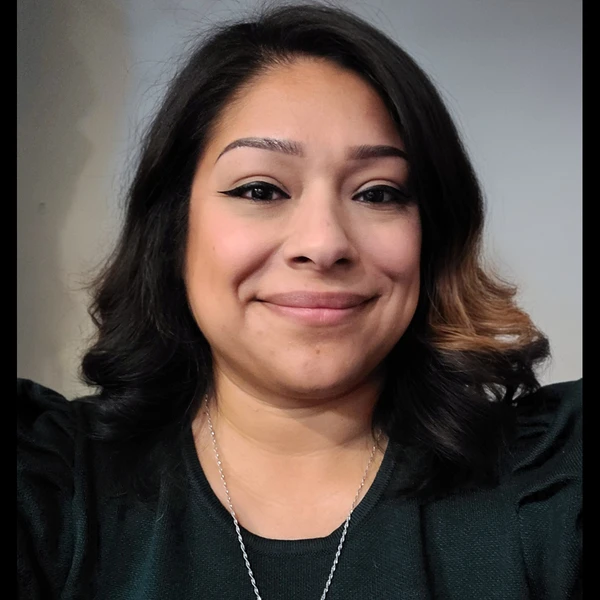
LaToya Mitchell
1x
FinalistLaToya Mitchell
1x
FinalistBio
I am a former foster youth, first-generation college graduate, and full-time graduate student at Pepperdine. I work full time, support a household of eight, and am pursuing my dream of becoming a licensed therapist for adolescents. My passion is rooted in personal experience with trauma, addiction, and recovery. Financial support would ease the burden so I can continue showing up for youth who, like me, need someone to believe in them.
Education
Pepperdine University
Master's degree programMajors:
- Psychology, General
Pepperdine University
Master's degree programMajors:
- Clinical, Counseling and Applied Psychology
University of Phoenix-California
Bachelor's degree programMajors:
- Psychology, General
Miscellaneous
Desired degree level:
Master's degree program
Graduate schools of interest:
Transfer schools of interest:
Majors of interest:
Career
Dream career field:
Mental Health Care
Dream career goals:
Counselor
Aegis Treatment Centers2013 – 20163 years
Sports
Softball
Junior Varsity1999 – 20001 year
Public services
Public Service (Politics)
The Bakersfield-Kern Regional Homeless Collaborative — Volunteer2016 – 2018
Future Interests
Advocacy
Volunteering
Entrepreneurship
Susie Green Scholarship for Women Pursuing Education
My journey into pursuing higher education began with my own life experiences. I entered foster care at age twelve after being removed from my mother’s care due to substance use. When my siblings and I were split up and placed with strangers, then being moved several times, my mental health stability began to crumble. I struggled with depression, suicidality, post-traumatic stress disorder, and substance use. Fortunately for me, I had the pleasure of starting therapy. Therapy helped me heal from the multiple traumas that I experienced in my short life. I learned how to cultivate a strong sense of resiliency and bond with other teenagers in similar situations. I knew since I was an adolescent that I wanted to become a therapist to help others just like me. Unfortunately, that journey has proven more challenging than I could imagine.
Despite multiple setbacks, I returned to college to earn a Bachelor of Science in Psychology degree at the age of twenty-nine. I was the first in my immediate and extended family to do so. I began working in substance use treatment and behavioral health. I quickly saw the impact I could have and developed a deep understanding of how addiction affects individuals and families. These roles allowed me to learn from licensed therapists and help people with complex struggles. I then became a Substance Use Navigator in a hospital emergency department. In that role, I helped patients get connected to treatment and find support in moments of crisis. Now I work for a statewide nonprofit, CA Bridge, where I train hospitals across California to improve how they respond to addiction. It has become apparent that our youth are largely impacted by the opioid epidemic and far more susceptible to trying substances in their adolescence. While I’ve grown in many ways through this work, I realized that it was time to return to my true passion of direct clinical care. I want to sit with young people and help them feel seen, heard, and supported as they navigate their behavioral health challenges.
My future work with adolescents in my community, especially low-income youth of color who are vastly under resourced when it comes to behavioral health, will be the result of my pursuit of a Master of Arts in Clinical Psychology degree. I’ve seen firsthand how addiction can take root in adolescence, and I’ve also seen how timely support can change a life’s trajectory. I’m returning to school not to chase credentials, but to fulfill a moral obligation to be the therapist I once needed. I carry with me not only lived experience but also the compassion, resilience, and cultural insight needed to serve young people navigating the very same challenges I once faced.
Soon to begin the year-long practicum this fall, this forty-one-year-old Hispanic American woman will be faced with juggling school studies, a full-time job, being the primary financial provider for a household of eight all while maintaining clinical intern hours. Financial assistance would provide essential support, allowing me to focus more fully on my education and the dual licensure for both LPCC and LMFT clinical training without accruing more school loan debt. Any financial support will be immensely appreciated.
Debra S. Jackson New Horizons Scholarship
My journey into pursuing higher education began with my own life experiences. I entered foster care at age twelve after being removed from my mother’s care due to substance use. When my siblings and I were split up and placed with strangers, then being moved several times after, my mental health stability began to crumble. I struggled with depression, suicidality, post-traumatic stress disorder, and substance use. Fortunately for me, I had the pleasure of starting therapy. Therapy helped me heal from the multiple traumas that I experienced in my short life. I learned how to cultivate a strong sense of resiliency and bond with other teenagers in similar situations. I knew from this experience that I wanted to become a therapist to help others just like me. Unfortunately, that journey has proven more challenging than I could imagine.
Despite multiple setbacks with housing and financial instability and becoming a new mom, I returned to college to earn a Bachelor of Science in Psychology degree at the age of twenty-nine. I was the first in my immediate and extended family to earn a degree higher than a high school diploma. I began working in substance use treatment and behavioral health. I quickly saw the impact I could have and developed a deep understanding of how addiction affects individuals and families. These roles allowed me to learn from licensed therapists and help people with complex struggles. I then became a Substance Use Navigator in a hospital emergency department. In that role, I helped patients get connected to treatment and find support in moments of crisis. Now I work for a statewide nonprofit, CA Bridge, where I train hospitals across California to improve how they respond to addiction. It has become apparent that our youth are largely impacted by the opioid epidemic and far more susceptible to trying substances in their adolescence. While I’ve grown in many ways through this work, I realized that it was time to return to my true passion of direct clinical care. I want to sit with young people and help them feel seen, heard, and supported as they navigate their behavioral health challenges.
My future work with adolescents in my community, especially low-income youth of color who are vastly under resourced when it comes to behavioral health, will be the result of my pursuit of a Master of Arts in Clinical Psychology degree. I’ve seen firsthand how addiction can take root in adolescence, and I’ve also seen how timely support can change a life’s trajectory. I’m returning to school not to chase credentials, but to fulfill a moral obligation to be the therapist I once needed. I carry with me not only lived experience but also the compassion, resilience, and cultural insight needed to serve young people navigating the very same challenges I once faced.
Soon to begin the year-long practicum this fall, this forty-one-year-old Hispanic American woman will be faced with juggling school studies, a full-time job, being the primary financial provider for a household of eight all while maintaining clinical intern hours. Financial assistance would provide essential support, allowing me to focus more fully on my education and the dual licensure for both LPCC and LMFT clinical training without accruing more school loan debt. Any financial support will be immensely appreciated.
Mireya TJ Manigault Memorial Scholarship
My name is LaToya Mitchell. I am a full-time graduate student at Pepperdine University, a mother of two, and the primary provider for a household of eight. I am also a first-generation college graduate and a full-time professional in the behavioral health field. For over a decade, I have worked to improve how we serve individuals with substance use and mental health challenges—but before I stepped into this work professionally, I lived through it personally.
At the age of twelve, I was placed in foster care after being removed from my mother’s custody due to her substance use. My siblings and I were separated and placed in different homes. Though my first foster home gave me a sense of stability, I experienced multiple placements before aging out at eighteen. Through faith and resilience, I returned to college at twenty-nine and became the first in my immediate and extended family to earn a Bachelor of Science in Psychology.
My professional journey began at a medication-assisted treatment clinic, where I worked as a counselor. Initially, I took the position out of necessity, but it quickly became a calling. Every day, I worked with individuals striving for sobriety, many of whom reminded me of my own family—or of myself. I was later promoted to clinic manager, where I mentored staff, developed clinical protocols, and supported patients during some of their most vulnerable moments. These experiences, along with guidance from licensed therapists, deepened my understanding of the behavioral health system and its gaps.
Later, I served as a Substance Use Navigator in a hospital emergency department, assisting patients who had overdosed or arrived under the influence. I helped them access treatment, housing, and recovery support. During this time, I also worked closely with teens and their families. It became painfully clear that youth services were inadequate and often reactive, rather than proactive. Far too often, young people didn’t receive support until the situation had become dire.
Today, I work at CA Bridge, a statewide nonprofit that helps hospitals implement compassionate, evidence-based addiction treatment programs. I lead training initiatives and support program development across California. This role has expanded my knowledge of public health systems, equity in care, and the policy barriers that prevent low-income patients from receiving proper treatment. While I’m proud of what I’ve contributed, I miss working directly with patients. I miss the moments when someone feels seen—when they begin to believe that healing is possible.
That is why I returned to school. My goal is to become a Licensed Professional Clinical Counselor, focusing on adolescents impacted by substance use and mental health challenges. I want to support young people who are struggling not only emotionally and academically, but spiritually and relationally. I aim to be the kind of therapist who can hold space for their full complexity—with compassion, empathy, and an unwavering belief in their potential.
This mission is deeply personal. I know what it feels like to be invisible. I’ve lived through instability and loss. But I also know what it means to be believed in by my first foster mother, by social workers, counselors, and teachers who didn’t give up on me. Their belief planted the seed for who I am today.
At home, I’m raising two children with my supportive partner and helping care for extended family. Our household of eight is full of love and responsibility. I study and work full time to build a better future for my family and the youth I hope to serve.