user profile avatar

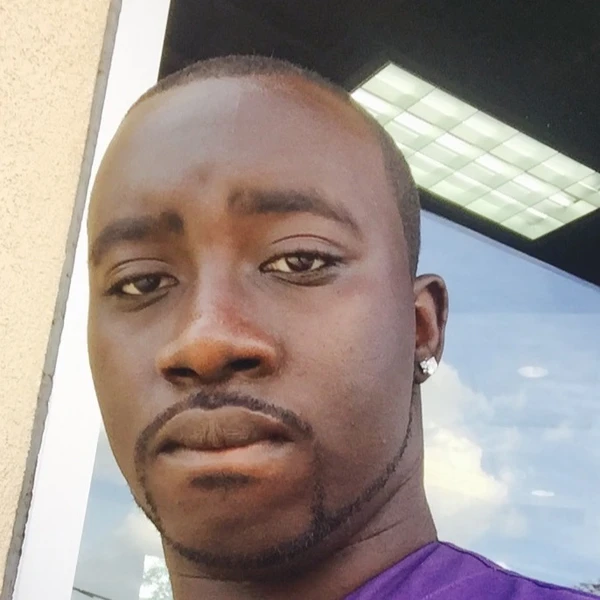
LaMonte Smith

1x

Finalist

Bio

I am passionate about creating impact through healthcare, leadership, and service. My long-term goal is to become a nurse and eventually pursue advanced practice, where I can combine clinical care with advocacy to improve patient outcomes, especially in underserved communities. My experience working in oncology has shown me how critical both research and compassionate care are, and it has strengthened my commitment to making a meaningful difference. What drives me most is the opportunity to serve others while also inspiring growth in the communities around me. Whether through patient care, clinical research, or community initiatives, I am focused on advancing equity and access in healthcare. I believe leadership is not just about position, but about action, consistency, and the ability to uplift others. I am a strong candidate because I bring both hands-on healthcare experience and a clear sense of purpose. I have learned how to navigate fast-paced environments, communicate effectively across teams, and remain dependable under pressure. I am disciplined, growth-oriented, and intentional about every step I take toward my goals. I am committed to not only achieving success for myself, but also using my journey to create opportunities, advocate for others, and leave a lasting impact.

Education

Old Dominion University

Bachelor's degree program
2025 - 2028
  • Majors:
    • Registered Nursing, Nursing Administration, Nursing Research and Clinical Nursing
Thomas Nelson Community College

Trade School
2018 - 2019
  • Majors:
    • Registered Nursing, Nursing Administration, Nursing Research and Clinical Nursing

Centura College-Norfolk

Associate's degree program
2015 - 2016
  • Majors:
    • Allied Health and Medical Assisting Services

Miscellaneous

  • Desired degree level:

    Doctoral degree program (PhD, MD, JD, etc.)

  • Graduate schools of interest:

  • Transfer schools of interest:

  • Majors of interest:

    • Registered Nursing, Nursing Administration, Nursing Research and Clinical Nursing
    • Chemistry
    • Medicine
  • Not planning to go to medical school
  • Career

    • Dream career field:

      • Hospital & Health Care
    • Dream career goals:

      CRNA

    • Clinical Research Specialist

      Virginia Oncology Associates
      2024 – Present2 years
    • Medical Assistant

      Virginia Oncology Associates
      2022 – 20242 years

    Sports

    Football

    Intramural
    2000 – 20066 years

    Research

    • Health Professions and Related Clinical Sciences, Other

      Virginia Oncology Associates — Clinical Research Specialist
      2024 – Present

    Arts

    • Orchestra

      Performance Art
      2000 – 2005

    Public services

    • Volunteering

      Way of Hope, Inc. — Secretary
      2021 – Present

    Future Interests

    Advocacy

    Volunteering

    Philanthropy

    Entrepreneurship

    Charles B. Brazelton Memorial Scholarship
    “Why do you talk like that?” As a child, that question almost always meant the same thing: someone had noticed my speech impediment, and there was a good chance a joke was coming next. While some kids were teased for being too tall, too short, or wearing glasses, I was teased for the way I spoke. At an age when fitting in felt incredibly important, having a speech impediment made me stand out in ways I did not always appreciate. I remember becoming very aware of every word I said. Before speaking in class, I would rehearse sentences in my head and worry about how they would sound. Sometimes classmates would imitate the way I talked or ask me to repeat myself. Other times, I avoided speaking altogether because I did not want to draw attention to myself. What seemed like harmless teasing to others often left a lasting impression on me. For a long time, I viewed my speech impediment as something that held me back. I preferred texting over phone calls and felt much more comfortable expressing myself in writing than speaking aloud. Looking back, however, I realize that the very thing that made me feel awkward also helped shape some of my greatest strengths. Because I knew what it felt like to be misunderstood, I became a better listener. Because I knew what it felt like to be judged, I became more compassionate toward others who felt different or excluded. Most importantly, I learned resilience. Every time I answered a question in class, introduced myself to someone new, or spoke in front of a group, I had to push past my own insecurities. Over time, those small moments built confidence. Today, I work as a Clinical Research Specialist in oncology and will begin the Bachelor of Science in Nursing program at Old Dominion University this fall. My career requires me to communicate with patients, healthcare providers, and research teams every day. If someone had told the younger version of me that I would choose a profession built on communication and human connection, I probably would not have believed them. Yet that is exactly what happened. My speech impediment still makes me stand out, but I no longer see it as something awkward or embarrassing. Instead, I see it as an important part of my story. It taught me empathy, perseverance, and the importance of treating people with kindness. It helped me understand that our differences do not diminish our potential; they often help define it. If there is one thing I have learned, it is that the qualities that make us feel awkward growing up often become the qualities that shape us into stronger adults. What once felt like my greatest weakness ultimately became one of my greatest sources of growth.
    Sloane Stephens Doc & Glo Scholarship
    "Don't worry about me. Just keep going." My grandmother said those words during one of her cancer treatments, even as she faced challenges that would have overwhelmed most people. She, along with my aunt and cousin, battled cancer with remarkable strength, resilience, and grace. Watching them navigate illness while continuing to encourage and support others changed the way I view service, leadership, and success. Their example shaped the impact I want to make on the world and the future I am determined to create. The people who inspire me most are my grandmother, aunt, and cousin. Despite experiencing fear, uncertainty, and hardship, they consistently demonstrated compassion and perseverance. They taught me that true strength is not measured by what we achieve for ourselves but by how we help others along the way. Their courage inspired me to pursue a life dedicated to service and to use my talents and education to improve the lives of those around me. The impact I want to make is centered on helping people overcome some of life's most difficult challenges. I currently work as a Clinical Research Specialist in oncology, where I support clinical trials that contribute to advancements in cancer treatment. Through this work, I have seen how healthcare professionals can change lives by providing knowledge, hope, and compassionate care. I want to expand that impact by working directly with patients and families, helping them feel supported during moments of fear and uncertainty. Education is the foundation that will allow me to turn that vision into reality. This fall, I will begin the Bachelor of Science in Nursing program at Old Dominion University. Through my nursing education, I will gain the clinical knowledge, leadership skills, and practical experience necessary to serve patients effectively. My long-term goal is to become a Registered Nurse and eventually a Certified Registered Nurse Anesthetist (CRNA). By continuing my education, I will be able to provide advanced, evidence-based care while advocating for patients and helping improve healthcare outcomes within my community. I also plan to use my education to give back beyond the healthcare setting. Through my volunteer work with Way of Hope, Inc., I have learned that communities become stronger when people invest their time and energy into helping others succeed. I intend to continue participating in outreach efforts that support families, provide resources to those in need, and create opportunities for community growth. Service will remain a central part of my life regardless of where my career takes me. As a first-generation college student, I understand how difficult it can be to pursue higher education without a clear roadmap. Because of this, I want to mentor and encourage other students who may doubt their ability to achieve their goals. I hope to demonstrate that perseverance, education, and service can create opportunities that once seemed impossible. By sharing my experiences and supporting others, I can help create a future where more students believe in their potential and pursue their ambitions. The future I want to help build is one where people have access to compassionate healthcare, strong community support, and opportunities to succeed regardless of their circumstances. Inspired by my grandmother, aunt, and cousin, I am determined to use my education not only to build a successful career but also to improve lives, strengthen communities, and create lasting positive change. That is the impact I hope to leave on the world.
    Our Destiny Our Future Scholarship
    The most impactful lesson of my life came from standing in the waiting room of the oncology practice where I worked and seeing my grandmother arrive for treatment. Until that moment, cancer was something I encountered professionally. Suddenly, it became personal. In the years that followed, my grandmother, aunt, and cousin all received cancer care through the same practice where I worked. Watching healthcare professionals care for the people I loved taught me that changing the world is not always about solving global problems. Sometimes it begins with helping one person through the hardest day of their life. That experience shaped how I plan to make an impact on the world. I want to improve lives through healthcare, service, and mentorship. Throughout my career, I have seen that compassionate care can reduce fear, restore hope, and improve a person's quality of life. I believe every patient deserves to feel respected, heard, and supported, and I want my life's work to be centered on providing that experience to others. I currently work as a Clinical Research Specialist in oncology, supporting clinical trials that contribute to the development of new cancer treatments. Through this work, I help advance research that may improve outcomes for patients facing serious illnesses. While I am proud of that contribution, I want to expand my ability to serve others by providing direct patient care. This fall, I will begin the Bachelor of Science in Nursing program at Old Dominion University with the goal of becoming a Registered Nurse and eventually a Certified Registered Nurse Anesthetist (CRNA). As a nurse and future CRNA, I plan to make an impact by caring for patients during some of the most vulnerable moments of their lives. I want to use my education, clinical skills, and compassion to help people navigate illness, surgery, recovery, and uncertainty. I hope patients will remember me not only for the care I provided but also for the respect, empathy, and reassurance I showed them when they needed it most. I also plan to make an impact outside of healthcare. Through my volunteer work with Way of Hope, Inc., I have learned that strong communities are built through service. I intend to continue supporting community outreach programs, assisting families in need, and participating in initiatives that create opportunities for others. Small acts of service may not make headlines, but they can change lives. In addition, I want to use my experiences as a first-generation college student to mentor others who may feel uncertain about pursuing higher education. I understand how difficult it can be to navigate college without a clear roadmap. By sharing my experiences and encouraging others to pursue their goals, I hope to help students recognize opportunities they may not have believed were possible. My plan to make an impact on the world is simple: improve lives wherever I have the opportunity to do so. Whether through patient care, medical research, community service, or mentorship, I want my actions to leave people healthier, more hopeful, and better supported than they were before. If I can help others overcome challenges, achieve their goals, and feel cared for during difficult moments, I will have made the kind of impact that truly matters.
    WCEJ Thornton Foundation Low-Income Scholarship
    I still remember staring at my computer screen at work after opening my acceptance email to Old Dominion University's Bachelor of Science in Nursing program. For a few moments, I simply sat there in disbelief. Years of balancing full-time employment, college coursework, financial responsibilities, and personal hardships had finally led to that moment. As a first-generation college student from a low-income background, I knew that acceptance represented more than admission into a nursing program; it represented access to opportunities that would allow me to create a better future for myself while making a meaningful difference in the lives of others. Higher education will facilitate what I hope to achieve by providing the knowledge, clinical training, and professional credentials necessary to advance my healthcare career. I currently work as a Clinical Research Specialist in oncology, where I support clinical trials that help improve treatment options for cancer patients. Through this role, I have witnessed the impact skilled healthcare professionals have on patients and families facing some of life's most difficult challenges. While I am proud of my contributions in research, higher education will allow me to expand my role and provide direct patient care. This fall, I will begin ODU's BSN program with the goal of becoming a Registered Nurse and eventually a Certified Registered Nurse Anesthetist (CRNA). Earning my nursing degree will give me the clinical foundation needed to care for patients safely and effectively. Continuing my education beyond the bachelor's level will allow me to develop advanced expertise in anesthesia, critical care, patient assessment, and clinical decision-making. Higher education is the pathway that will transform my passion for helping others into a career where I can make a direct and lasting impact on patient outcomes. My desire to pursue nursing has been shaped by both professional and personal experiences. While working in oncology, I watched my grandmother, aunt, and cousin receive cancer treatment through the same practice where I worked. Seeing healthcare through both the eyes of a professional and a family member reinforced my commitment to compassionate, patient-centered care. Those experiences taught me that excellent healthcare is not only about treating illness but also about supporting patients and families through uncertainty, fear, and hope. I plan to create a positive impact in three ways. First, I will provide compassionate, evidence-based care to patients and families during some of the most vulnerable moments of their lives. Second, I will continue my commitment to community service through volunteer efforts and outreach programs that support individuals and families in need. Third, I want to mentor and encourage other first-generation and low-income students who may not believe higher education is attainable. I understand how challenging it can be to navigate college without a roadmap, and I hope my experiences will help others pursue opportunities they may have once thought were beyond their reach. Higher education is more than a personal goal for me; it is a tool for service, advocacy, and leadership. By earning my nursing degree and continuing toward advanced practice nursing, I will gain the ability to improve patient outcomes, strengthen my community, and inspire others to pursue their own educational goals. My goal is not simply to earn a degree, but to use that degree to create a lasting positive impact on every patient, family, and community I have the privilege to serve.
    Henry Respert Alzheimer's and Dementia Awareness Scholarship
    "Who are you again?" When my paternal grandmother asked me that question, I felt a kind of heartbreak I had never experienced before. She had known me my entire life, yet dementia had slowly taken away the memories that connected us. In that moment, I realized that dementia is far more than forgetfulness. It is a disease that gradually changes relationships, challenges families, and affects every aspect of a person's life. Watching my grandmother's battle with dementia profoundly impacted my family and me and taught me lessons that I will carry with me forever. Before dementia, my grandmother was one of the strongest people I knew. She was independent, loving, and deeply involved in our family. She remembered birthdays, family stories, and details about everyone's lives. As her condition progressed, however, we began to notice changes. She repeated questions, struggled to remember recent conversations, and occasionally became confused about familiar people and places. Over time, those moments became more frequent. Watching someone who had always been a source of strength gradually lose pieces of her memory was incredibly difficult. The impact on my family was significant. Family members adjusted their schedules, took on caregiving responsibilities, and worked together to ensure my grandmother remained safe and supported. Everyday activities that once seemed simple required patience and planning. There were moments of sadness, frustration, and uncertainty as we learned how to navigate the challenges of dementia. At the same time, the experience brought our family closer together. We learned to support one another while focusing on providing the best possible care for my grandmother. The experience also changed me personally. Before my grandmother's illness, I viewed memory as something permanent. Dementia taught me how fragile memory can be and how important it is to cherish the time we have with the people we love. I learned that effective communication is not always about correcting someone or helping them remember facts. Sometimes it means listening, offering reassurance, and meeting people where they are. Even when my grandmother could not remember every detail, she still deserved respect, dignity, and compassion. One of the most important lessons I learned is that illnesses such as dementia affect entire families, not just individual patients. Caregivers often carry emotional, physical, and financial burdens while trying to support their loved ones. Watching my family navigate those challenges gave me a greater appreciation for the importance of support systems and compassionate healthcare providers. It also taught me that empathy is one of the most valuable qualities a person can possess. Although dementia gradually took away many of my grandmother's memories, it left me with lessons that will remain for a lifetime. I learned patience, resilience, compassion, and the importance of family. Most importantly, I learned that a person's value is not defined by their illness. Those lessons continue to shape how I interact with others and how I hope to serve people throughout my life.
    Hampton Roads Unity "Be a Pillar" Scholarship
    The first LGBTQIA+ person who taught me the importance of authenticity, resilience, and community was my father, Tomaris Ova. Since I became a member of the LGBTQIA+ community, I watched him navigate a world that was not always accepting while remaining true to who he was. Long before I understood the meaning of advocacy, he showed me what it looked like through his actions. His example helped shape my identity, strengthened my confidence, and continues to influence how I serve others today. As I grow older and begin my own journey within the LGBTQIA+ community, I have gained a deeper appreciation for the challenges my father faced. I realized that living openly and authentically is not something everyone feels safe or empowered to do. Watching him remain confident in his identity despite judgment and obstacles taught me the value of self-respect and perseverance. More importantly, he showed me that visibility matters. Simply being yourself can create opportunities for others to feel seen, accepted, and understood. My father's influence extends beyond our family. He consistently demonstrates compassion toward others and encourages me to treat people with dignity regardless of their background or identity. Through his example, I learned that meaningful change often begins with everyday actions by supporting someone who feels excluded, speaking up when others are treated unfairly, and creating spaces where people feel welcomed. Those lessons have stayed with me throughout my life and have influenced my involvement in both community service and LGBTQIA+ organizations. Because of his impact, I have become committed to serving my community and helping others feel represented. Through volunteer work, community engagement, and my involvement in LGBTQIA+ events and pageantry, I have seen firsthand the power of visibility and support. Many people simply need someone who understands their experiences and reminds them that they belong. I believe that representation can inspire confidence, create connections, and help individuals realize their full potential. My future activism will focus on building inclusive spaces and supporting LGBTQIA+ individuals who may feel isolated or underrepresented. As I pursue my nursing degree and future career, I also plan to advocate for equitable and affirming healthcare environments where all patients are treated with respect and compassion. Healthcare should be a place where people feel safe being themselves, and I hope to contribute to that vision through both my professional and community work. Tomaris Ova's influence has shaped not only who I am but also who I aspire to become. He taught me that authenticity is a strength, that service is a responsibility, and that one person's example can positively affect countless lives. Because of him, I am committed to using my voice, my education, and my experiences to create opportunities, support others, and help build a more inclusive future for the LGBTQIA+ community.
    Dashanna K. McNeil Memorial Scholarship
    "I wish there was more they could do." Hearing those words during my family's battles with cancer changed the course of my life. As a Clinical Research Specialist at Virginia Oncology Associates, I understood the science behind treatments and clinical trials. However, when my grandmother, aunt, and cousin became patients at the same practice where I worked, I experienced healthcare from a completely different perspective. I saw the fear, uncertainty, and hope that patients and families carry with them throughout treatment. Those experiences inspired me not only to pursue nursing but also to continue my education toward an advanced nursing role where I can have an even greater impact on patient care. The primary reason I am pursuing an advanced degree is that I want to combine direct patient care with a higher level of clinical expertise and responsibility. Through my work in oncology research, I have witnessed the importance of evidence-based practice, critical thinking, and skilled healthcare providers. While my current role allows me to contribute to advancements in treatment, I want to be directly involved in caring for patients during some of the most significant moments of their healthcare journeys. Pursuing advanced nursing education will provide me with the knowledge, skills, and leadership abilities necessary to make that impact. This fall, I will begin the Bachelor of Science in Nursing program at Old Dominion University. Being accepted into a competitive nursing program while working full-time in healthcare is one of my proudest accomplishments. As a first-generation college student, earning my BSN represents an important milestone. However, I view my nursing degree as a foundation rather than a final destination. My long-term goal is to continue my education and become a Certified Registered Nurse Anesthetist (CRNA). My goals within nurse anesthesia are clear. I want to provide safe, high-quality anesthesia care while helping patients feel informed, supported, and confident throughout surgical and procedural experiences. I am particularly drawn to the combination of advanced physiology, pharmacology, critical thinking, and patient advocacy that defines the CRNA role. I want to be the provider who not only ensures patient safety but also helps reduce fear and anxiety during vulnerable moments. In addition, I hope to mentor future nurses and contribute to improving healthcare access and outcomes within the communities I serve. My pursuit of advanced nursing education is motivated by a desire to make a greater difference in the lives of patients and families. The experiences I had watching my grandmother, aunt, and cousin battle cancer taught me that exceptional healthcare requires both clinical excellence and compassion. By becoming a nurse and eventually a CRNA, I hope to honor their memories while dedicating my career to serving others with skill, empathy, and professionalism. Advanced education is not simply the next step in my career path; it is the pathway that will allow me to maximize my impact as a healthcare provider. My goal is to use that education to improve patient experiences, advocate for those in need, and provide the highest standard of care throughout my nursing career.
    Adrin Ohaekwe Memorial Scholarship
    The first time I lost a chess game because I focused on one piece instead of the entire board, I learned a lesson that extended far beyond the game itself. I had spent several turns pursuing what looked like a winning move, only to realize too late that I had overlooked the bigger picture. That experience taught me a principle that continues to guide my life today: success comes from thinking ahead, adapting to challenges, and understanding how today's decisions affect tomorrow's opportunities. One of the most important skills chess develops is strategic thinking. Every move has consequences, and success requires evaluating multiple possibilities before making a decision. I have applied this mindset throughout my educational and professional journey. As a first-generation college student, I knew that earning a degree would require careful planning. While working full-time in healthcare, I mapped out my prerequisite courses, managed my finances, and developed a long-term plan to achieve my goals. Much like a chess player considers several moves in advance, I learned to make decisions that would position me for future success. Chess also teaches patience and discipline. Winning rarely happens because of a single brilliant move. More often, success comes from consistently making sound decisions over time. This lesson has been especially valuable as I prepare to begin the Bachelor of Science in Nursing program at Old Dominion University. Balancing work, academics, and personal responsibilities has required persistence and a willingness to stay committed even when progress felt slow. Chess taught me that meaningful goals are achieved through steady effort rather than immediate results. Another skill chess develops is adaptability. Even the best strategy must sometimes change when unexpected challenges arise. Throughout my life, I have faced obstacles that required resilience and flexibility. Working in oncology while supporting family members through cancer diagnoses and treatment taught me that life rarely unfolds exactly as planned. Just as a chess player adjusts to an opponent's moves, I learned to adapt to difficult circumstances while remaining focused on my long-term goals. Perhaps most importantly, chess teaches personal accountability. When a mistake is made on the board, there is no one else to blame. Success and failure depend on the decisions you make. This lesson has encouraged me to take ownership of my education, career, and future. It has helped me develop the confidence to pursue ambitious goals and learn from setbacks rather than be discouraged by them. In the future, I plan to become a Registered Nurse and eventually a Certified Registered Nurse Anesthetist (CRNA). The same skills that contribute to success in chess, strategic thinking, discipline, adaptability, patience, and accountability will continue to guide me throughout my career. Chess is more than a game; it is a framework for decision-making and personal growth. The lessons I have learned through chess have helped shape the person I am today and will continue to influence the impact I hope to make in the future.
    First Generation Scholarship For Underprivileged Students
    The email informing me that I had been accepted into Old Dominion University's Bachelor of Science in Nursing program represented more than an academic achievement. It represented a milestone that no one in my immediate family had reached before. As a first-generation college student, that acceptance letter was proof that years of hard work, perseverance, and belief in myself had paid off. I am a healthcare professional, community volunteer, and future nurse from Hampton Roads, Virginia. I currently work as a Clinical Research Specialist in oncology while pursuing my educational goals. Balancing full-time employment with college coursework has not always been easy, but it has taught me discipline, resilience, and the importance of staying focused on long-term goals. Throughout my journey, I have learned how to navigate financial aid, degree planning, scholarship applications, and academic challenges largely on my own. While my family has always supported and encouraged me, there was no blueprint for how to successfully navigate college. I had to create that path for myself. My experiences in healthcare have strengthened my commitment to higher education. Working in oncology has shown me the importance of service, compassion, and lifelong learning. This fall, I will begin ODU's BSN program with the goal of becoming a Registered Nurse and eventually a Certified Registered Nurse Anesthetist (CRNA). Earning a college degree is not simply about career advancement for me; it is about creating opportunities that can positively impact my family, my community, and future generations. One of the most important lessons I have learned as a first-generation student is that representation matters. Many students from underrepresented backgrounds do not lack talent or ambition; they lack examples of people who have successfully navigated the same challenges they face. I plan to inspire other first-generation students by being visible, sharing my experiences honestly, and demonstrating that success is possible even when the path is unfamiliar. I want to mentor students who may feel overwhelmed by the college process, encourage them to apply for scholarships, and help them understand that asking questions is a strength rather than a weakness. I also hope to use my story to show that setbacks and obstacles do not have to define a person's future. If a student sees someone who worked full-time, faced personal challenges, and still earned a college degree, they may begin to believe that they can do the same. Being a first-generation college student means more than being the first in my family to earn a degree. It means creating a new legacy. By pursuing my education and sharing what I learn with others, I hope to open doors for students who come after me and inspire them to pursue opportunities they may have once thought were out of reach.
    Pay It Forward Scholarship
    When my grandmother's name appeared on the patient schedule at the oncology practice where I worked, I froze. Until that moment, cancer was something I encountered professionally. Suddenly, it became deeply personal. In the years that followed, my grandmother, aunt, and cousin all became patients at Virginia Oncology Associates during their battles with cancer. Watching people I loved navigate treatment while working in the same organization that cared for them changed my life and ultimately led me to pursue a career in nursing. I chose nursing because I witnessed the profound impact healthcare professionals can have on patients and families during some of their most difficult moments. While my loved ones received excellent medical treatment, what stood out most were the nurses who provided reassurance, answered questions, and treated them with compassion and dignity. They were often the people who spent the most time with patients and families, helping them navigate uncertainty and fear. Their example showed me that nursing is not only about clinical skills but also about advocacy, empathy, and human connection. My professional experiences have strengthened my passion for healthcare. I currently work as a Clinical Research Specialist in oncology, where I support clinical trials that help advance cancer treatment. Through this role, I have gained experience working with patients, providers, and research teams while learning the importance of accuracy, communication, and patient-centered care. I am also a Registered Medical Assistant with Basic Life Support certification. These experiences have given me a strong foundation in healthcare and confirmed that I want to play a more direct role in caring for patients. This fall, I will begin the Bachelor of Science in Nursing program at Old Dominion University. Being accepted into a competitive nursing program while working full-time is one of my proudest accomplishments and an important step toward achieving my long-term goals. As a first-generation college student, earning a bachelor's degree represents not only personal success but also an opportunity to create a lasting impact for my family and community. In the future, I plan to use my nursing degree to become a Registered Nurse and eventually a Certified Registered Nurse Anesthetist (CRNA). I want to provide exceptional care to patients facing serious illnesses, complex procedures, and life-changing diagnoses. I hope to use my education and experience to advocate for patients, support families, and help ensure that every person feels heard, respected, and cared for. I also want to serve as a role model for other first-generation students by demonstrating that challenges can be overcome through perseverance, education, and service. My experiences as a healthcare professional, volunteer, student, and family member have all led me to the same purpose: helping others. The Pay It Forward Scholarship would help me continue my nursing education and move closer to a career dedicated to compassion, excellence, and service. By becoming a nurse and eventually a CRNA, I hope to honor the memories of my grandmother, aunt, and cousin while making a meaningful difference in the lives of countless patients and families.
    Bright Lights Scholarship
    The first time I watched a loved one receive cancer treatment at the same oncology practice where I worked, I realized that healthcare was more than a profession; it was a calling. Over the years, my grandmother, aunt, and cousin all became patients at Virginia Oncology Associates during their battles with cancer. Experiencing those journeys as both a healthcare professional and a family member shaped my future in ways I never expected and inspired me to dedicate my life to caring for others. This fall, I will begin the Bachelor of Science in Nursing program at Old Dominion University. As a first-generation college student, earning my degree represents more than personal achievement; it represents the opportunity to create a better future for myself and to make a meaningful difference in the lives of others. My goal is to become a Registered Nurse and eventually a Certified Registered Nurse Anesthetist (CRNA). I am passionate about combining advanced clinical knowledge with compassionate patient care, and I hope to support patients and families through some of the most challenging moments they will ever face. My professional experiences have strengthened my commitment to this path. As a Clinical Research Specialist in oncology, I help support clinical trials that contribute to advancements in cancer treatment. Every day, I see the resilience of patients and the dedication of healthcare professionals working to improve outcomes and quality of life. These experiences have reinforced my belief that healthcare is one of the most meaningful ways to serve others. In addition to my professional work, I am committed to giving back to my community through volunteer service with Way of Hope, Inc. Whether helping with community outreach efforts, donation drives, or programs that support families in need, I have learned that even small acts of kindness can have a lasting impact. As a nurse, I hope to continue serving others both inside and outside of the healthcare setting. This scholarship would help make my goals possible by reducing the financial burden of pursuing a nursing degree. Like many students, I must balance educational expenses with everyday responsibilities. Assistance with tuition, books, clinical supplies, and other educational costs would allow me to focus more fully on my studies and clinical training. More importantly, this scholarship would be an investment in my ability to serve others through a career dedicated to compassion, advocacy, and excellence in patient care. My future plans are rooted in service. By becoming a nurse and eventually a CRNA, I hope to honor the memories of my grandmother, aunt, and cousin while making a positive difference in the lives of countless patients and families. This scholarship would help me continue that journey and move one step closer to achieving those goals.
    Sara Jane Memorial Scholarship
    The first time I saw a family member's name on the patient schedule at the oncology practice where I worked, I gained a new understanding of healthcare. As an employee at Virginia Oncology Associates, I was accustomed to seeing cancer from a professional perspective. When my grandmother, aunt, and cousin later became patients there during their battles with cancer, I experienced the reality of cancer through the eyes of a family member as well. Those experiences shaped my desire to become a nurse and reinforced my commitment to caring for others during some of the most difficult moments of their lives. The nursing profession interests me because nurses are often the healthcare providers who spend the most time with patients and their families. They educate, advocate, comfort, and support people through uncertainty. Watching healthcare professionals care for my loved ones showed me the tremendous impact a compassionate nurse can have. I want to be that source of reassurance and support for patients facing challenges similar to those my family experienced. My career goal is to earn my Bachelor of Science in Nursing from Old Dominion University and become a Registered Nurse before pursuing certification as a Certified Registered Nurse Anesthetist (CRNA). I am passionate about combining advanced clinical knowledge with compassionate patient care. As a future nurse, I hope to make a difference by advocating for patients, supporting families, and helping improve health outcomes in my community. Several accomplishments have helped prepare me for these goals. This fall, I will begin ODU's competitive BSN program as a first-generation college student. Balancing full-time employment while completing my prerequisite coursework required discipline, perseverance, and effective time management. Throughout my academic journey, I have remained committed to excellence while continuing to develop professionally in healthcare. My medical experience extends beyond the classroom. I currently work as a Clinical Research Specialist in oncology, where I help support clinical trials that contribute to advancements in cancer treatment. Through this role, I have gained valuable experience working with patients, providers, and research teams while learning the importance of accuracy, communication, and empathy. I am also a Registered Medical Assistant and hold a Basic Life Support (BLS) certification. In addition, my volunteer work with Way of Hope, Inc. has allowed me to serve families and individuals in my community, reinforcing my belief that healthcare is ultimately about helping people. The experiences I have had as a healthcare professional, volunteer, student, and family member have all strengthened my desire to become a nurse. The memories of my grandmother, aunt, and cousin continue to motivate me to pursue a career dedicated to service and compassion. Nursing is more than a career choice for me; it is an opportunity to honor their legacy while making a meaningful difference in the lives of others.
    Jennifer Kelley Memorial Scholarship
    The first time I saw my grandmother's name on the patient schedule at the oncology practice where I worked, I was not prepared for how personal cancer would become. In the years that followed, my grandmother, aunt, and cousin would all receive care through the same oncology practice where I built my career. Experiencing cancer from both sides, as a healthcare professional and as a family member, has shaped my life more than any other experience and has inspired my commitment to serving others. I currently work as a Clinical Research Specialist in oncology, where I support clinical trials that help advance cancer treatment. Watching my loved ones navigate appointments, treatments, and uncertainty gave me a deeper understanding of the impact healthcare professionals have on patients and their families. Those experiences taught me that compassion is just as important as clinical knowledge. They also strengthened my determination to pursue a career where I can directly care for patients during some of the most vulnerable moments of their lives. Outside of work, I am passionate about serving my community. Through my involvement with Way of Hope, Inc., I have participated in outreach efforts that support families and children in need. Whether helping with donation drives, holiday programs, or community events, I have learned that positive change often begins with simple acts of service. These experiences have shown me the importance of giving back and have reinforced my belief that everyone deserves support, encouragement, and opportunity. I am also passionate about leadership and creating inclusive spaces where people feel valued. Through community involvement, volunteer service, and workplace initiatives, I have worked to help others feel welcomed and supported. I believe that meaningful leadership is rooted in empathy, service, and a genuine desire to help people succeed. This fall, I will begin the Bachelor of Science in Nursing program at Old Dominion University. As a first-generation college student, earning my degree represents more than personal achievement; it represents the opportunity to create a better future for myself and my family. My long-term goal is to become a Certified Registered Nurse Anesthetist (CRNA), allowing me to combine advanced clinical expertise with compassionate patient care. I hope to make a positive impact by supporting patients through challenging healthcare experiences and serving as an advocate for those who need someone in their corner. Of all the people who have motivated me, my grandmother has had the greatest influence. Even while facing cancer, she demonstrated remarkable strength, faith, and compassion. She taught me to persevere through adversity and to treat others with kindness and dignity. Her example continues to guide my decisions, inspire my goals, and remind me why service to others matters. The experiences that have shaped my life, as a healthcare professional, volunteer, student, and family member, have all pointed me toward the same purpose: helping others. By combining education, service, and compassion, I hope to honor the legacy of those I have lost and make a meaningful difference in the lives of others.
    Bick First Generation Scholarship
    The halls of Virginia Oncology Associates hold some of my most painful memories and my greatest source of motivation. I began working there as a Clinical Research Specialist before my grandmother, aunt, and cousin became patients during their battles with cancer. Experiencing cancer from both sides, as a healthcare professional and as a family member, gave me a perspective that few people have. Being a first-generation college student means navigating unfamiliar territory without a roadmap. My family has always encouraged me to pursue my dreams, but there was no one who could explain college applications, financial aid, degree planning, or the challenges of balancing higher education with adult responsibilities. Every step of my educational journey has required determination, self-advocacy, and a willingness to learn through experience. My path has not been easy. While working full-time in healthcare, I balanced coursework, financial responsibilities, and the grief of losing loved ones to cancer. Seeing my grandmother, aunt, and cousin receive care at the same practice where I worked was both heartbreaking and inspiring. Their experiences showed me the importance of compassionate healthcare providers who care for the person behind the diagnosis. I learned that every patient has a story, a family, and people who are hoping for more time with them. Today, I continue working in oncology research, helping support studies that may improve treatment options and outcomes for future patients. The memories of my grandmother, aunt, and cousin remind me why this work matters and strengthen my commitment to a career dedicated to caring for others. This fall, I will begin the Bachelor of Science in Nursing program at Old Dominion University, becoming the first person in my family to earn a bachelor's degree. My long-term goal is to become a Certified Registered Nurse Anesthetist (CRNA), combining advanced clinical expertise with compassionate patient care. I hope to serve as an example to others who may feel that higher education is out of reach and demonstrate that perseverance can overcome obstacles. Receiving the Bick First Generation Scholarship would help reduce the financial burden of tuition, books, clinical expenses, and other educational costs. More importantly, it would allow me to devote more time and energy to becoming the healthcare professional I aspire to be. Being a first-generation student means more than earning a degree; it means creating a legacy. I am determined to honor the memories of my grandmother, aunt, and cousin through a career dedicated to caring for others. This scholarship would help me continue that journey and transform personal loss into meaningful service.
    Losinger Nursing Scholarship
    Over the past few years, my interest in nursing became personal in a way I did not expect. I lost my aunt, grandmother, cousin, and stepfather to cancer, and being there through those experiences changed how I see healthcare. I was not just hearing updates or sitting on the outside. I was in the room with my family, trying to understand what was happening and what it all meant. During that time, I started noticing the nurses more than anyone else. They were the ones who made things feel a little less overwhelming. They explained things in a way we could actually understand, checked in without being asked, and helped create some sense of calm even when everything felt uncertain. It was not just what they did, but how they treated people. That stayed with me. At the same time, my work in oncology and clinical research gave me another perspective. I saw how much goes on behind the scenes, but I also saw how easy it is for patients to feel lost in the process. What stood out to me was that the moments people remembered most were not always clinical. They were the moments where someone took the time to listen or just be present. Those experiences helped me realize that I want to be more directly involved in patient care. Nursing feels like the right path because it allows me to support people in real time and be part of the moments that matter. It gives me the opportunity to make a difference not just in outcomes, but in how patients experience their care. To me, human touch in healthcare is about how you treat people when they are at their most vulnerable. It is not just about physical contact. It is about presence, patience, and the way you make someone feel in a situation that is often overwhelming. I have seen how much this matters through my work in oncology. Patients are often dealing with a lot at once, and it can be easy for them to feel like they are just moving through a system. What makes a difference is when someone slows down and takes the time to connect with them. A simple conversation, a clear explanation, or even just checking in can change how a patient experiences their care. Human touch also builds trust. When patients feel comfortable, they are more likely to ask questions, share concerns, and stay involved in their care. That connection helps them feel more in control, even when they are facing something difficult. Without it, the experience can feel isolating. It also affects families. I know from my own experience how much it means when someone takes a moment to acknowledge what you are going through. When a nurse takes the time to explain something or simply shows understanding, it makes a difficult situation feel a little more manageable. Those moments may seem small, but they stay with you. As a future nurse, I want to bring that same approach into my work. I want to be someone who pays attention to both the clinical side of care and the human side. Human touch is what turns care into something more than just treatment. It helps people feel supported, respected, and understood. At the end of the day, people may not remember every detail of their care, but they will remember how they were treated. That is why human touch is such an important part of patient care.
    Eric Maurice Brandon Memorial Scholarship
    Over the past few years, my interest in nursing has grown from both my personal experiences and the work I do every day. Losing my aunt, grandmother, cousin, and stepfather to cancer changed how I see healthcare. It is one thing to understand illness from a distance, but it feels completely different when it affects the people closest to you. Sitting in hospital rooms and watching everything unfold made me realize how much patients and families depend on the people caring for them. What stood out to me most during those moments was the role of the nurse. They were the ones who made everything feel a little less overwhelming. They explained things in a way that actually made sense, checked in even when they did not have to, and created a sense of calm in situations that felt anything but calm. That stayed with me. It made me realize that nursing is not just about knowing what to do, but about how you treat people while you are doing it. Working in oncology and clinical research has only made that clearer. I have seen how much patients are expected to process at once and how easy it is for them to feel lost in the system. At the same time, I have seen how much it matters when someone slows down, listens, and takes the time to make sure patients understand what is happening. Being in that environment helped me realize that I want a more direct role in patient care. I do not want to be on the outside of those moments. I want to be part of the care patients actually experience. Nursing stands out to me because it brings together everything I care about. It allows me to work closely with patients, support them through difficult moments, and continue learning and growing in the process. It is a field where I can build real connections while also making a difference in how people experience healthcare. What draws me to nursing the most is the impact it has in everyday moments. It is not always something big or dramatic. Sometimes it is just taking the time to listen or explain something clearly. I have seen how much those small moments matter, and I want to be someone who creates them. I am pursuing nursing with a clear sense of purpose. My experiences have shown me how important this work is, and they have prepared me to approach it with focus and care. I want to be someone patients can rely on, someone who listens, and someone who helps make difficult situations feel more manageable. Nursing is not just something I am interested in. It is something I feel strongly about because of what I have experienced and the kind of difference I want to make.
    GD Sandeford Memorial Scholarship
    Over the past three years, cancer has taken several people from my family, including my aunt, grandmother, cousin, and stepfather. Going through those losses changed the way I see healthcare. I saw how much families carry in those moments and how confusing and overwhelming the process can be. What stood out to me the most was how much of a difference it made when someone took the time to explain things, to listen, and to simply be present. Those experiences are a big part of why I am pursuing nursing and why I want to give back to my community. As a future nurse in the Hampton Roads area, I want to be someone patients and families can rely on. I have seen how hard it can be to navigate appointments, understand treatment plans, and figure out what comes next. Not everyone feels comfortable asking questions or knows where to turn. I want to help change that. I want to make sure people feel informed, supported, and respected throughout their care. Working in oncology and clinical research has shown me how important that kind of support really is. Patients are not just dealing with a diagnosis. They are trying to process everything that comes with it. I have seen how much it matters when someone slows down, explains things clearly, and makes space for patients to feel heard. That is the kind of care I want to provide. I also want to give back outside of the clinical setting. In a community like Hampton Roads, access to care and information is not the same for everyone. I want to be involved in outreach and education that helps people better understand their health and the resources available to them. Whether that is through local programs or simply taking the time to guide someone in the right direction, I believe those small moments can make a real difference. My goal is not just to treat illness, but to help people feel supported through the entire experience. I want to be part of creating a healthcare environment where people feel comfortable, informed, and cared for from start to finish. Earning my degree will give me the tools to do this, but my motivation comes from what I have experienced. I know what it feels like to sit on the other side of healthcare, and I know how much it matters when someone truly shows up. That is the kind of nurse I plan to be, and that is how I plan to give back to my community.
    Mighty Memorial Scholarship
    In the past three years, I have lost my aunt, grandmother, cousin, and stepfather to cancer. Each loss hit differently, but what stayed the same was the feeling of watching someone you love face fear, pain, and uncertainty. I remember sitting in hospital rooms and realizing how much the atmosphere could shift based on who walked in. The nurses were the ones who made the biggest difference. They did more than provide care. They brought calm into overwhelming moments and made patients and families feel like they were not alone. That is when I realized I did not just want to work in healthcare. I wanted to become a nurse. Working in oncology has only deepened that feeling. I have seen how strong patients can be, but I have also seen how heavy a diagnosis can feel. Patients are not just going through treatment. They are trying to make sense of everything that comes with it. What stood out to me the most was how nurses show up in those moments. They take time to explain, to reassure, and to advocate when patients need it most. They become a steady presence in situations that feel anything but steady. That kind of impact is what continues to draw me toward nursing. My experience in clinical research has given me a different perspective as well. I have worked with protocols, timelines, and data, but I have also learned that behind every number is a real person. Research is important because it improves outcomes, but it is not everything. The way a patient feels during their care matters just as much. I want to be part of both. I want to support patients directly while also contributing to the kind of work that moves healthcare forward. Losing people so close to me has changed how I see care. It made this path personal. It made me think about the kind of presence I want to be for someone else. I want patients to feel heard, supported, and cared for in a way that goes beyond just treatment. Everyone deserves that, no matter their situation. I am pursuing nursing with purpose and discipline. My background has taught me how to stay organized, communicate clearly, and handle pressure without losing focus. More importantly, it has taught me how to lead with empathy and to stay grounded in moments that matter. Nursing is more than a career to me. It is a way to turn everything I have experienced into something meaningful. It is about showing up for people when they need it most and being the kind of support that truly makes a difference.