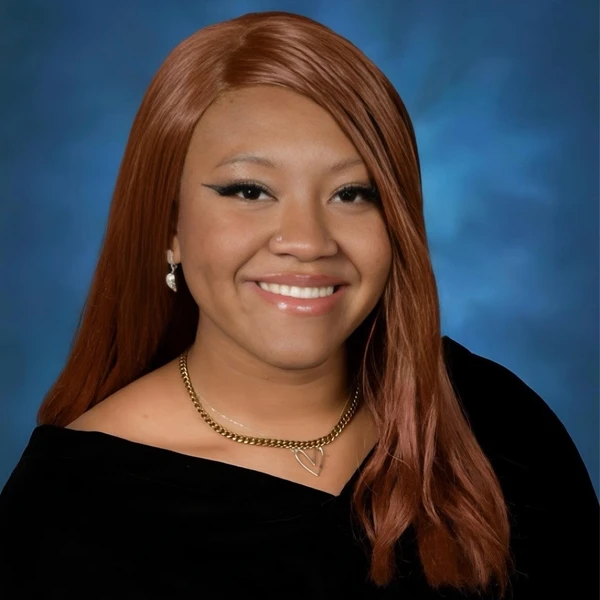
user profile avatar

Lacey Taylor

1x

Finalist

Bio

Future Registered Nurse | Type 1 Diabetic | Turning resilience into impact through service I was diagnosed with Type 1 diabetes at nine years old, and that experience shaped my resilience, discipline, and passion for helping others. Managing a chronic condition taught me how to advocate for myself and gave me a deep understanding of the importance of compassionate healthcare. I also grew up watching my mother care for patients in the hospital while caring for both my father and me as we live with Type 1 diabetes. Watching her balance strength and compassion showed me the true impact a nurse can have—not just on patients, but on entire families. That example inspired my goal to become a Registered Nurse. I am passionate about diabetes education and empowering others to take control of their health. I hope to support patients by providing not only clinical care, but also encouragement, education, and advocacy. In addition to my academic goals, I am committed to giving back to my community. Through volunteering, including helping pack meals for children in underserved countries who may not otherwise have access to food, and seeing how those efforts directly impact lives. I am committed to turning my experiences into purpose and using my voice and care to make a lasting difference in the lives of others.

Education

Oak Cliff Faith Family Academy

High School
2022 - 2026

Miscellaneous

  • Desired degree level:

    Bachelor's degree program

  • Majors of interest:

    • Registered Nursing, Nursing Administration, Nursing Research and Clinical Nursing
  • Not planning to go to medical school
  • Career

    • Dream career field:

      Hospital & Health Care

    • Dream career goals:

      My long-term goal is to become a Registered Nurse and give back to my community through compassionate care. Living with Type 1 diabetes since age nine has given me firsthand understanding of managing a chronic condition and the importance of supportive healthcare. I also grew up watching my mother care for patients while caring for both my father and me as we live with Type 1 diabetes. Her strength and compassion inspired me to pursue nursing. I want to provide both medical care and emotional support, especially to patients with chronic conditions. My goal is to advocate for others, educate patients, and help them feel seen, valued, and supported. Through nursing, I will turn my experiences into purpose and dedicate my life to helping others.

      Sports

      Dancing

      Varsity
      2011 – 202413 years

      Awards

      • All Star Performer (4 years) and Rising Star recipient demonstrating consistent excellence and performance growth. 2nd Place Soloist and Superior rating in Marching Auxiliaries (2 years) Selected to perform with the University of Florida Little Gators Hip Hop Group. Selected to perform in the Macy’s Thanksgiving Parade for 6 years.

      Rugby

      Junior Varsity
      2024 – Present2 years

      Awards

      • Captain – Led and motivated teammates. Demonstrated leadership and accountability. Strong communication skills on and off the field.

      Basketball

      Junior Varsity
      2023 – 20241 year

      Awards

      • 2nd Team All-District Played both JV and Varsity as a first-time basketball player Demonstrated adaptability and determination Strong work ethic while earning All-District recognition

      Volleyball

      Junior Varsity
      2022 – 20242 years

      Awards

      • Competed at the Junior Varsity level for 2 years Developed teamwork and communication skills through competitive play Demonstrated discipline and consistency as a team player

      Research

      • Health Professions and Related Clinical Sciences, Other

        University of Florida — Clinical Research Participant
        2008 – 2019

      Arts

      • Faith Family Academy & Grand Prairie Fine Arts Academy

        Drawing
        Portfolio development, Classroom exhibitions, Fine arts showcases
        2019 – Present
      • Faith Family Academy

        Music
        Annual school performances and ensemble showcases.
        2023 – 2025

      Public services

      • Volunteering

        Faith Family Academy- Early Childhood Center — Classroom Assistant for Kindergarten & 1st Grade — Supported teachers with instruction, student engagement, and daily classroom activities.
        2022 – Present
      • Volunteering

        Feed My Starving Children — Volunteer Food Packer — Prepared and packaged meals while collaborating in a team to support large-scale hunger relief efforts.
        2023 – 2025

      Future Interests

      Advocacy

      Volunteering

      Philanthropy

      Julia Elizabeth Legacy Scholarship
      The first time I learned how to save a life, I was still learning how to understand my own. Sitting in a hospital room after being diagnosed with diabetes, I felt overwhelmed. My world had shifted overnight. Numbers, needles, and nutrition suddenly defined my daily life. But what stayed with me most wasn’t the fear—it was the people who met me in that moment. A nurse sat beside me and patiently showed me how to check my blood sugar and inject insulin. She didn’t rush or assume. She made sure I understood—not just the “how,” but the “why.” In that moment, she gave me confidence and control over my own body. But my journey with diabetes began years earlier—when I was nine. While other kids were focused on recess and sleepovers, I was learning how to manage a condition that required constant attention and precision. Over time, technology became essential to my life. A continuous glucose monitor (CGM) became my eyes when I couldn’t see what was happening inside my body. An insulin pump became a lifeline, delivering what I needed to function and grow. These tools didn’t just support my life—they expanded it. They allowed me to show up in school, sports, and everyday moments with confidence. They showed me that STEM is not abstract—it is personal, precise, and lifesaving. That realization shaped how I see my future. I have experienced the impact of compassionate, patient-centered care—and the consequences when care lacks understanding. Those moments don’t just affect comfort—they affect outcomes. Diversity in STEM, especially in healthcare, is not about checking a box. It is about improving lives. It is about ensuring that the next patient sitting in a hospital bed, confused and afraid, is met with patience, clarity, and respect. It is about designing solutions that reflect the needs of all communities and building trust where it is often missing. My journey has shown me that representation doesn’t just impact patients—it shapes future professionals. Learning to manage my diabetes didn’t just teach me how to survive—it inspired me to pursue nursing. I want to be the nurse who takes the extra time, who explains instead of assumes, and who empowers patients to understand and trust their care. At home, that responsibility became even more real. After my grandmother’s surgery, I helped manage her TPN feedings through a PICC line for three months. I learned how to operate an infusion pump, maintain sterile technique, and step in during late nights so my mom could rest. In those moments, I wasn’t just helping—I was becoming. I was becoming someone who understands responsibility, precision, and compassion. I was becoming someone who belongs in healthcare. That is why representation matters—not just for access, but for belief. When students see themselves reflected in STEM careers, it expands what they believe is possible. It sends a clear message: you are not an outsider—you are essential. Because the first life I learned to help save was my own. And through STEM, I am committed to making sure others don’t have to navigate that journey alone.
      Sara Jane Memorial Scholarship
      At nine years old, I wasn’t just learning math and reading—I was learning how to keep myself alive. Living with Type 1 diabetes since childhood has shaped how I see the world and how I care for others. Managing my condition daily has required discipline, awareness, and resilience—but more importantly, it has shown me the power of compassionate, knowledgeable care. Nurses have been the people who helped me understand my body, encouraged me through difficult moments, and reminded me that I am more than a diagnosis. That experience didn’t just influence me—it gave me purpose. That purpose became even clearer during one of the most challenging seasons my family has faced. After my grandmother underwent major open abdominal surgery, she was discharged home requiring total parenteral nutrition (TPN) through a PICC line. As a single parent and only child, my mom carried the responsibility of her care—but I stepped in to help carry it with her. Every day for three months, I helped connect my grandmother’s TPN feedings. I learned how to operate the infusion pump, flush the PICC line, and, most importantly, “scrub the hub” before and after each connection and disconnection to prevent infection. When the infusion pump beeped in the middle of the night or early morning, I stepped in—allowing my mom to rest so she could continue to work and provide for our family. What began as helping my family quickly evolved into something more meaningful. I wasn’t just completing tasks—I was actively participating in someone’s healing. There is a quiet responsibility that comes with that level of care. It requires precision, consistency, and trust. I understood that even the smallest detail could have serious consequences, and I approached each step with focus and intention. That experience gave me confidence in my ability to learn clinical skills, but it also deepened my understanding of the emotional support patients and families need during vulnerable moments. In addition, I have helped care for my father, who also lives with Type 1 diabetes, while continuing to manage my own condition. Navigating these shared experiences has strengthened my empathy and broadened my perspective. I understand the frustration, fear, and daily commitment that comes with chronic illness. Because of that, I am driven to become a nurse who not only provides excellent clinical care but also builds meaningful connections with patients—meeting them with both skill and compassion. Beyond my personal experiences, I have continued to serve others through volunteering. Working at my school’s Early Childhood Center taught me patience, attentiveness, and the importance of creating a safe, supportive environment. Volunteering with Feed My Starving Children reinforced my belief that even small acts of service can create meaningful impact across communities. I plan to earn my Bachelor of Science in Nursing and become a registered nurse, with long-term goals of advancing into leadership where I can advocate for patients and improve care delivery. I want to contribute to a healthcare system that prioritizes both clinical excellence and genuine human connection—where patients feel seen, heard, and valued. Sara Jane’s legacy reflects the kind of nurse I aspire to be—dedicated, compassionate, and committed to putting patients first. This scholarship is more than an opportunity; it is a responsibility to carry forward that standard of care. Nursing is not just the path I’ve chosen—it is the life I have already been preparing for.
      Hines Scholarship
      For me, going to college means more than earning a degree—it means gaining the opportunity to give back in the same way others have poured into me. I was nine years old when I was admitted to the hospital and diagnosed with Type 1 diabetes. Although my dad also lives with Type 1 diabetes, and I had seen moments where his blood sugar dropped so low that he became unresponsive, nothing could have prepared me for what it meant to live with it myself. What I had once witnessed from the outside, I was now facing from the inside—a lifelong condition that would require constant attention, responsibility, and resilience. Everything felt overwhelming—new words, new routines, and a reality I didn’t yet understand. But in the middle of that uncertainty, there were people who made all the difference. I remember one nurse in particular who was incredibly patient as she taught me how to inject insulin and check my blood sugar. She didn’t rush me or overwhelm me. Instead, she walked me through each step with calm reassurance until I felt confident enough to do it on my own. I also remember a nutritionist who came into my room and helped me understand how the food I eat directly affects my body. She didn’t just tell me what to do—she explained why it mattered. In that moment, my fear began to shift into understanding. I realized that while I couldn’t change my diagnosis, I could learn how to manage it and still live a full life. Those experiences changed me. Living with Type 1 diabetes since that day has required discipline, resilience, and constant awareness. But more importantly, it introduced me to the power of compassionate, patient-centered care. Over the years, I’ve encountered many healthcare professionals, but the ones who impacted me most were those who took the time to teach, to listen, and to empower me. They helped me see that I was capable—not just of managing my condition, but of thriving. That is the kind of nurse I aspire to be. Going to college represents the next step in turning that purpose into action. I plan to pursue a Bachelor of Science in Nursing so I can provide care that goes beyond treatment. I want to be the nurse who slows down, who explains, and who makes patients feel seen and supported—just like I was. I want to help patients feel less afraid and more in control of their health, especially during moments that feel uncertain. As a minority student, I also understand the importance of representation in healthcare. I want to be part of a system where patients from all backgrounds feel understood and respected. I believe that connection and trust are just as important as clinical skill, and I am committed to bringing both into my future career. My long-term goal is not only to become a registered nurse, but to grow into a leader who helps improve patient care and advocate for better healthcare experiences. I want to contribute to a system where education, empathy, and excellence are the standard—not the exception. College is more than a milestone for me—it is a bridge. A bridge between the care I once received and the care I am determined to give.
      Charles B. Brazelton Memorial Scholarship
      If you meet me, one of the first things you might notice isn’t my smile—it’s the devices on my body. A small sensor on my arm. A pod on my leg. Always both. Always there. My “awkward” thing is that I wear a continuous glucose monitor (Dexcom) and an insulin pump (Omnipod) 24/7—most often on my arms and legs—to manage my Type 1 diabetes, a condition I’ve lived with since I was nine years old. These devices constantly track my blood sugar and deliver insulin, allowing me to live a more normal life without pricking my finger or injecting insulin before everything I eat. But while they give me freedom, they also make me visibly different. And not everyone understands that. I’ve had peers make assumptions—that I must have diabetes because I “eat too much.” I’ve had people laugh, stare, and ask questions that weren’t always kind. One time, someone even asked what would happen if they ripped my device off—as if it were something insignificant instead of something I rely on every day. In those moments, I felt exposed. Different. Awkward. But those moments also shaped me. Instead of shrinking, I learned to stand in who I am. I’ve learned how to educate others, correct misconceptions, and advocate for myself with confidence. Living with Type 1 diabetes has forced me to develop a level of maturity, awareness, and resilience that most people my age don’t have to think about yet. I don’t get to take breaks from managing my health—but I’ve learned how to handle that responsibility with strength. Wearing my devices every single day has become a symbol of that strength. My Dexcom and Omnipod are not limitations—they are tools that allow me to live fully, stay active, and show up in every space I choose to be in. They represent discipline, consistency, and the ability to adapt in real time. Managing my condition has also shaped how I see others. I understand what it feels like to be misunderstood. I know how important it is to feel supported, respected, and cared for. That perspective has made me more compassionate and more intentional in how I treat people. I strive to be someone who makes others feel safe and seen—because I know what it feels like when you don’t. Charles B. Brazelton’s story is a reminder that life is fragile and meaningful. It challenges me to live with purpose and to use my experiences to make a difference. What once made me feel different has now become what sets me apart. Because standing out isn’t something I try to avoid anymore.
      Wieland Nurse Appreciation Scholarship
      The moment I truly understood the power of nursing was not in a classroom—it was in a hospital room, where I was the patient. Living with diabetes has shaped my life in ways both visible and invisible. It has taught me discipline, resilience, and the importance of listening to my body. More importantly, it introduced me to nurses who became more than caregivers—they became advocates, educators, and a steady source of comfort during moments when I felt overwhelmed and uncertain. One of the most defining moments of my life came when my body began to shut down, and I found myself in the hospital unable to move or speak. I was fully aware of what was happening around me, but I could not respond. It was terrifying—being trapped in my own body, unsure of what would happen next. In that moment, the nurses became my voice and my reassurance. They spoke to me even when I couldn’t answer, explained what they were doing, and treated me with compassion that made me feel seen despite my silence. Their presence turned one of the scariest moments of my life into one where I felt cared for and safe. Watching how they balanced clinical precision with genuine compassion changed me. They didn’t just treat my condition—they cared for me as a person. In those moments, I realized nursing was not just a profession—it was a calling. My experiences have given me a unique perspective on healthcare. I understand what it feels like to rely on someone else’s knowledge and to hope they truly care. That perspective drives my decision to pursue a career in nursing. I want to be the nurse who not only provides care but also builds trust, especially for patients navigating chronic conditions like mine. My commitment to service has continued through my involvement in my community. Volunteering at the Early Childhood Center at my school allowed me to support young children in their learning and development. Through Feed My Starving Children, I helped package meals for families around the world, gaining a deeper appreciation for the impact of compassion and teamwork. These experiences reinforced my belief that service is about consistently showing up for others. As I prepare to attend the University of Texas at Arlington to pursue my nursing degree, I carry both personal and community-driven motivation. I am passionate about patient education, especially in areas like nutrition and chronic disease management, because I know how life-changing that knowledge can be. Nursing, to me, is about empowering patients while ensuring they never feel alone. Choosing nursing is not just about a career—it is about purpose. It is about being present during life’s most vulnerable moments and making a meaningful difference. My journey has prepared me to step into this role with empathy, dedication, and a deep commitment to care. I found this scholarship on Bold.org, a platform that opens doors for students committed to making a meaningful impact—exactly the kind of future I am working toward in nursing.
      Tawkify Meaningful Connections Scholarship
      The trauma bay was loud, but I remember silence. Machines beeped steadily around me, voices moved quickly, and yet I couldn’t respond. I was there—fully aware—but trapped inside a body that refused to move. Diabetes had already been a constant battle in my life, but this moment was different. My body was no longer just fighting one condition. It was fighting everything at once—diabetes, depression, anxiety—until it finally gave out. And through it all, my mom never left my side. I could not speak to her. I could not reach for her hand. But I knew she was there—sitting beside me in that trauma bay, advocating for me, praying over me, holding onto hope when my body could not. For nearly 24 hours after slipping into a coma, I remained alert but unable to move or communicate. It was one of the most terrifying experiences of my life. Yet even in that stillness, I felt something stronger than fear. I felt connection. Living with diabetes had already taught me discipline, awareness, and resilience. But that moment taught me something deeper: that healing is not just physical—it is relational. It is built through the presence of people who refuse to let you face your hardest moments alone. The most meaningful relationship in my life is the one I share with my mom. She has been my constant through every high and low—both medically and emotionally. She has seen me at my weakest and never let me believe I was anything less than strong. In that trauma bay, she wasn’t just my mother; she was my voice when I didn’t have one, my strength when my body shut down, and my reminder that I was still here, still fighting. Because of her, I learned that connection is not just about being present when life is easy. It is about showing up—fully, consistently, and selflessly—when it matters most. That lesson has shaped the way I connect with others. As a volunteer at my school’s Early Childhood Center, I worked with young children who needed patience, encouragement, and understanding. I realized quickly that connection is not built through instruction, but through trust. Sitting beside a child as they struggled, celebrating their small victories, and simply being present taught me that meaningful relationships are formed in the quiet, consistent moments. Volunteering with Feed My Starving Children reinforced this on a larger scale. Surrounded by people working together for a shared purpose, I saw how connection extends beyond individual relationships—it can unite communities and impact lives across the world. Even when we may never meet the people we are helping, the intention behind our actions still creates a powerful bond. These experiences, combined with my own journey, have shaped my goal of becoming a nurse. I know what it feels like to be a patient who cannot speak, who relies entirely on others not just for care, but for understanding. The healthcare professionals who made the greatest impact on me were not only knowledgeable—they were compassionate. They took the time to see me, not just my condition. They reminded me that even in moments of vulnerability, I was not alone. That is the kind of nurse I aspire to be. In a world that often prioritizes speed over sincerity, I believe genuine human connection is one of the most powerful forms of healing. Whether it is holding a patient’s hand, listening without interruption, or simply being present in their most difficult moments, these connections can change lives. The relationship that shaped me—especially with my mom—taught me that connection is intentional. It requires empathy, patience, and a willingness to show up, even when it is hard. As I pursue my education and future career in nursing, I carry that lesson with me. I am committed to building meaningful relationships with every patient I encounter, understanding that behind every diagnosis is a person who deserves to feel seen, heard, and supported. Because I know what it feels like to be on the other side. Unable to speak. Unable to move. But still hoping someone understands. And sometimes, the most powerful healing doesn’t come from medicine. It comes from connection.
      500 Bold Points No-Essay Scholarship
      Learner Mental Health Empowerment for Health Students Scholarship
      There was a time in my life when simply getting through the day felt like an accomplishment. Today, I stand not just as someone who survived that season, but as someone who understands the importance of mental health and is committed to helping others find their way through it. As a naturally social person, I have always drawn energy from connection—laughing with friends and feeling a sense of belonging. When the COVID-19 pandemic forced isolation, that part of my life disappeared almost overnight. What started as loneliness gradually became something heavier. I struggled with depression and anxiety in ways I had never experienced before, often feeling overwhelmed and disconnected. That season challenged me deeply, but it also introduced me to the importance of mental health care. Through therapy, support systems, and the courage to ask for help, I began to heal. It was not easy, but over time I learned how to manage my emotions and rebuild stability. Today, I am in a healthier place mentally and emotionally. While I still carry reminders of that time, I now see them as evidence of resilience and growth. Mental health is important to me because I understand how easy it is to struggle in silence. Because of that, I have made it a priority to be intentional about how I show up for others. One of the most meaningful ways I advocate for mental health is through my volunteer work at the Early Childhood Center at my school. Working with young children has given me the opportunity to encourage confidence and resilience early on. I remind them that it is okay not to be perfect and that struggling does not mean they are not capable. I encourage them to keep trying, believe in themselves, and never give up. These moments may seem small, but I know how powerful encouragement can be. Sometimes, all it takes is one person believing in you to change your mindset. By creating a supportive environment for these children, I hope to help build confidence that will carry them through challenges later in life. I also advocate for mental health by being open about my experiences. I believe that reducing stigma starts with honest conversations. When we normalize talking about mental health, we create space for others to seek help without fear. As a future Registered Nurse, I plan to encourage and empower others in the same way I once needed. I understand that physical health challenges can take a significant toll on mental health, sometimes causing individuals to lose hope. Because of this, I am committed to providing holistic care—treating the mind, body, and spirit. I want my patients to feel seen, heard, and supported throughout their healing. My journey has shaped not only who I am, but who I strive to be. I once questioned my ability to keep going. Now, I am committed to helping others find their reason to keep going too.
      David Foster Memorial Scholarship
      Some teachers teach lessons. Ms. Curtis changed the way I see my life. Although she was my English teacher in 11th grade, her impact didn’t end when the school year did. Even now, during my senior year, she continues to guide and support me in ways that go far beyond the classroom. Her influence has shaped how I approach my future, my education, and the role I want to play in my community. When I first entered Ms. Curtis’ classroom, I expected a typical English class—reading assignments, essays, and PowerPoint presentations. Instead, I found a teacher who brought learning to life. Ms. Curtis didn’t just stand in front of the class and read from slides. She connected every lesson to real life. I remember one class discussion where she paused in the middle of analyzing a text and asked us how the themes applied to decisions we were already facing as young adults. That moment shifted everything for me. It made me realize that what we were learning wasn’t just for a grade—it was preparation for life. Because of her teaching style, the lessons didn’t just stay in my notebook; they stayed with me. What makes Ms. Curtis truly exceptional is that her mentorship didn’t end after 11th grade. During my senior year, a time filled with important decisions and uncertainty, she has continued to be someone I can turn to. Whether I have questions about college, need advice, or simply need encouragement, she shows up. That consistency has shown me what it means to truly invest in others. One of the most impactful ways Ms. Curtis has influenced me is by helping me prepare for life after high school. College once felt overwhelming, especially when it came to understanding what to expect and how to pay for it. She took the time to walk me through the process—explaining how to navigate funding, encouraging me to apply for scholarships, and reminding me that opportunities exist if I am willing to pursue them. Because of her, something that once felt intimidating now feels achievable. Beyond academics, Ms. Curtis taught me what it means to be a contributing member of society. She emphasized that success is not just about personal accomplishments, but about how we impact others. She challenged us to think long-term—to consider how we can use our education to give back, uplift our communities, and create meaningful change. That perspective has reshaped how I define success. Her belief in me has also made a lasting difference. She consistently pushed me to go beyond what was comfortable and to hold myself to a higher standard. She saw potential in me that I was still learning to see in myself, and because of that, I began to believe in my own abilities more fully. Ms. Curtis did not just teach me English—she taught me how to think, how to prepare, and how to show up in the world with purpose. Because of her, I am not just ready for college—I am ready to make an impact.
      Forever90 Scholarship
      Service, to me, is not a single act—it is a way of living. It is found in the quiet, consistent choices to show up for others with compassion, patience, and understanding. My life has taught me that service is most powerful when it is rooted in empathy, and my journey with diabetes has shaped that perspective in a deeply personal way. Living with diabetes has required me to be disciplined, resilient, and intentional about my health every single day. What many people don’t see are the constant decisions behind the scenes—the monitoring, the adjustments, the moments of uncertainty, and the responsibility of managing a condition that never takes a day off. But within those challenges, I discovered something greater: a sense of purpose. With the help of my continuous glucose monitor and Omnipod insulin pump, I have been given the tools to live a full and active life. These advancements in science and technology have not only improved my health but have also given me hope—hope for a longer, healthier future and hope that innovation will continue to change lives. More importantly, they have inspired me to become part of that change for others. My experience has led me to pursue a career in nursing, where I can turn my personal understanding into meaningful service. I want to care for patients not only with clinical knowledge but with genuine empathy. I know what it feels like to be a patient—to rely on both people and technology, to navigate uncertainty, and to find strength in support. Because of this, I am committed to being the kind of nurse who listens, advocates, and uplifts. Beyond healthcare, I strive to embody a life of service through my actions in my community. I have volunteered with the Early Childhood Center at my school, where I supported young children in their learning and development, and with Feed My Starving Children, helping package meals for families in need around the world. These experiences have shown me that service is not just about giving time—it is about being present, compassionate, and intentional. Whether I am helping a child learn or contributing to a global effort to fight hunger, I have learned that even small acts of kindness can create a meaningful and lasting impact—an impact I am committed to expanding through my future career in nursing. Through my education, I plan to expand my ability to serve others on a greater scale. Nursing will allow me to combine science, compassion, and purpose to improve the lives of individuals and communities. I want to be part of a healthcare system that not only treats illness but also empowers people to take control of their health and their future. Receiving this scholarship would not only support my educational journey but also bring me one step closer to fulfilling my purpose. It would allow me to focus on becoming a nurse who is equipped to make a meaningful difference in the lives of others. Diabetes taught me how to take care of myself—but nursing will allow me to dedicate my life to taking care of others.
      VNutrition and Wellness Nursing Scholarship
      Living with diabetes has taught me that nutrition is not just about food—it is about control, balance, and overall health. Every meal I eat directly affects my blood sugar, my energy levels, and how I feel throughout the day. Because of this, I have developed a deep understanding of how nutrition impacts the body, and it has inspired me to pursue a career in nursing where I can help others build healthier lives through education and support. Managing diabetes requires constant awareness and decision-making. With the help of my continuous glucose monitor and Omnipod insulin pump, I am able to track how my body responds to different foods in real time. I have learned that even small choices—what I eat, when I eat, and how I balance nutrients—can make a significant difference in my health. This experience has shown me that nutrition is one of the most powerful tools in preventing complications and improving overall wellness. As a future nurse, I plan to use this knowledge to help patients understand the connection between nutrition and their health. Many people struggle with making healthy choices, not because they don’t care, but because they lack education or feel overwhelmed. I want to meet patients where they are, providing realistic, practical guidance that fits their lifestyle. By breaking down complex information into simple, manageable steps, I can help patients feel more confident and in control of their health. One of the first steps I will take is prioritizing patient education. I plan to teach patients how to read nutrition labels, understand portion sizes, and recognize how different foods affect their bodies. For individuals with chronic conditions such as diabetes, this knowledge can be life-changing. I also want to encourage healthier eating habits by promoting balance rather than restriction—helping patients see that small, consistent changes can lead to long-term success. In addition, I aim to lead by example and create a supportive environment where patients feel empowered rather than judged. Living with diabetes has taught me that managing health is not about perfection—it is about consistency and making informed choices. I want my patients to feel supported in their journey, knowing that progress is possible with the right tools and guidance. Beyond individual patient care, I hope to contribute to improving community health by advocating for better access to nutritional education and resources. Many communities lack access to healthy food options and reliable information, which can lead to preventable health issues. As a nurse, I want to be part of initiatives that promote wellness, prevention, and education at a broader level. My personal experience with diabetes has given me both knowledge and purpose. It has shown me how critical nutrition is in maintaining overall health and has inspired me to help others take control of their well-being. Nursing will allow me to combine my lived experience with clinical knowledge to make a meaningful difference in people’s lives. Receiving this scholarship would help support my journey toward becoming a nurse dedicated to improving health through education, compassion, and practical guidance. I am committed to using my experiences to empower others to make healthier choices and live fuller lives. Diabetes taught me that every choice matters—but nursing will give me the opportunity to help others realize that those choices can change their lives.
      Women in STEM Scholarship
      Living with diabetes has taught me that a single number can shape an entire day. But it has also shown me how powerful science and technology can be in changing that reality. What once felt overwhelming has become manageable, not because the condition disappeared, but because innovation made it possible for me to live beyond it. With the help of my continuous glucose monitor and Omnipod insulin pump, I no longer have to rely on guesswork. These technologies allow me to track, respond, and adjust in real time, giving me both independence and confidence. More importantly, they have given me freedom—the freedom to focus on being a student, a daughter, and a young woman planning her future, rather than being defined by my diagnosis. Technology didn’t just help me manage my diabetes—it gave me the ability to live fully. Experiencing this transformation firsthand is what inspired me to pursue nursing. Nursing is where compassion meets science, where knowledge becomes action, and where small decisions can have life-changing outcomes. I am drawn to the critical thinking, adaptability, and technical skill required in this field, as well as the opportunity to make a meaningful difference in people’s lives every day. Through my journey, I have developed a deep appreciation for how evidence-based practice and advancing technology improve patient care. I understand what it feels like to rely on both people and innovation for daily health, and that perspective has given me a strong sense of purpose. I want to be part of a field that continues to evolve, creating better outcomes and better lives for patients like me. As a woman entering a STEM field, I am motivated to contribute to a future where opportunity, leadership, and innovation are accessible to all. While progress has been made, there is still work to be done in ensuring equal representation and support for women in STEM. I want to be part of that progress—not only by succeeding in my career, but by encouraging and uplifting others along the way. My goal is to become a nurse who provides both clinical excellence and genuine empathy. I am especially passionate about supporting individuals with chronic conditions, offering care that goes beyond treatment to include understanding, education, and encouragement. I know firsthand how impactful it is to feel seen, heard, and supported, and I strive to provide that same experience to my future patients. Receiving this scholarship would help ease the financial burden of my education and allow me to stay focused on achieving my goals. More importantly, it would support my journey toward becoming a healthcare professional who uses both science and compassion to make a difference. Nursing is more than a career for me—it is a calling shaped by both personal experience and purpose. I am committed to using my story, my knowledge, and my voice to contribute to a future where innovation continues to empower individuals to live healthier, fuller lives.
      Dream BIG, Rise HIGHER Scholarship
      I didn’t always know exactly where I was going—but I’ve always known I was meant to do something meaningful. For me, education has never just been about grades, tests, or checking boxes. It has been my way forward—my way out of limitations, my way into purpose, and my way toward becoming someone who can make a difference in the lives of others. Every class I’ve taken and every challenge I’ve faced has shaped not just what I want to do, but who I want to be. Growing up, I was surrounded by strength, resilience, and responsibility. Watching my mom build a career in healthcare while raising me and my brother showed me what determination really looks like. I saw firsthand that success comes from consistency, sacrifice, and showing up even when it’s hard. That example didn’t just inspire me; it set the standard for the life I want to create. Education became my foundation early on. I began taking challenging pre-AP classes in sixth grade, which required discipline, focus, and a willingness to push myself beyond expectations. Because of that early commitment, I entered my senior year with 28.5 credits already completed—something I’m proud of because it reflects years of consistency and hard work. I also committed to four years of Spanish, not only to meet requirements but to better communicate with and support diverse patient populations in the future. These experiences strengthened my ability to manage my time, stay focused under pressure, and remain committed even when things felt overwhelming. One of the most personal challenges I have faced has been learning to manage my diabetes and the highs and lows of my blood sugar, especially when those changes affected my energy, focus, and academic performance. There were times when I had to work harder just to stay present and keep up with my responsibilities. That experience taught me discipline in a way few things can. It forced me to understand my body, advocate for myself, and continue showing up even on difficult days. Through that challenge, I learned how to adapt instead of give up. I learned that strength is not always loud—sometimes it looks like quiet consistency and perseverance. Managing my health while maintaining my academic responsibilities has shaped my resilience and strengthened my sense of purpose. My decision to pursue a career in nursing comes from both inspiration and intention. I have always been drawn to helping others, but nursing represents something deeper to me. It’s about being present in people’s most vulnerable moments and providing not just care, but comfort and understanding. My background, including my Spanish education and my own health journey, has prepared me to connect with patients in a meaningful way. I understand how important it is to feel heard, supported, and cared for during difficult moments. Education has given me direction. It has shown me that my goals are not just about building a career—they’re about making an impact. Through my experiences, I’ve developed a strong work ethic, critical thinking skills, and the ability to stay focused under pressure. These are qualities I will carry with me into my future as a nurse. I have also learned that growth requires balance. As someone who values independence, I had to learn that asking for help is not a weakness—it’s part of becoming stronger. That lesson has allowed me to grow both academically and personally. As I look toward the future, my goals are clear. I plan to pursue my nursing degree and build a career rooted in compassion, excellence, and service. Beyond that, I want to inspire others—especially young women—to believe in their potential and understand that their circumstances do not define their future. I hope to give back in ways that extend beyond myself. Whether through patient care, mentorship, or community involvement, I want my education to create a lasting impact. I want it to be something that not only changes my life, but positively affects others as well. This scholarship would not just support my education—it would be an investment in my future and in the impact I hope to make. It would allow me to focus more fully on my goals and continue working toward becoming the best version of myself. I am not defined by where I started, but by where I am going—and by who I am becoming along the way. Because my dream isn’t just to succeed. It’s to reach a point in my life where I can truly make a difference in the lives of others—and know that every challenge I faced helped shape me into someone capable of doing exactly that. And when that moment comes, I won’t just be proud of what I’ve achieved. I’ll be proud of the person I had to become to get there.
      Simon Strong Scholarship
      Adversity didn’t introduce itself gently into my life—it arrived when I was nine years old, the day I was diagnosed with Type 1 diabetes. At that age, I didn’t fully understand what was happening, only that life suddenly required more discipline, awareness, and responsibility than most kids my age had to carry. While my peers worried about homework or sports tryouts, I was learning how to monitor my blood sugar, count carbohydrates, and recognize the warning signs of something going wrong inside my own body. There were moments when it felt unfair. Moments when I felt different. But over time, that adversity became something else—it became my foundation. Living with a chronic condition taught me resilience in a way nothing else could. I learned how to adapt, how to stay calm under pressure, and how to advocate for myself. More importantly, it taught me empathy. I understand what it feels like to be vulnerable, to rely on others for care, and to need reassurance during uncertain moments. But I didn’t face this journey alone. I watched my mother navigate her own challenges—working full-time while advancing her nursing career and caring for me without ever making me feel like a burden. Her strength showed me that adversity doesn’t define you; how you respond to it does. Instead of allowing my diagnosis to limit me, I chose to grow from it. I stayed active in sports, participating in rugby, volleyball, basketball, and years of competitive dance. Each of these experiences pushed me mentally and physically, reinforcing the discipline and perseverance I had already begun to develop. I also committed myself to serving others through volunteering—working with young children at my school’s Early Childhood Center and helping provide meals for families in need through Feed My Starving Children. These experiences shaped not only who I am, but who I am becoming. Overcoming adversity wasn’t about a single moment—it was about choosing, every day, to keep going, to stay positive, and to find purpose in the challenges I’ve faced. It’s what inspired me to pursue a career in nursing. I want to be the person who helps others navigate their hardest moments, just like the nurses who once cared for me. If I could give advice to someone facing adversity, it would be this: don’t let your struggle convince you that you’re weak. The very fact that you’re facing it means you’re stronger than you realize. It’s okay to feel overwhelmed, but don’t stay there. Lean on the people who care about you, trust the process, and keep moving forward—even if it’s one small step at a time. Adversity will challenge you, but it will also shape you into someone capable of more than you ever imagined. For me, it already has.
      Dashanna K. McNeil Memorial Scholarship
      Some people choose nursing. For me, nursing chose me long before I fully understood what it meant. At nine years old, I was diagnosed with Type 1 diabetes. While most kids were focused on school and sports, I was learning how to count carbs, monitor blood sugar, and trust a care team with my life. But what stayed with me most wasn’t just the medical side—it was the nurses. They didn’t just treat me; they reassured me, educated me, and gave me confidence in moments that felt overwhelming. They made something scary feel manageable. That impact never left me. At the same time, I watched my mom—my biggest inspiration—work full-time while advancing her own nursing career from LPN to RN to BSN. She showed me what resilience, discipline, and compassion look like in real life. No matter how demanding her schedule was, she always made sure I was cared for, supported, and never felt like a burden because of my condition. Watching her balance her career, my health, and our family taught me that nursing isn’t just a profession—it’s a calling rooted in strength and selflessness. As I’ve grown, I’ve carried those lessons into everything I do. Through years of competitive dance, as well as playing rugby, volleyball, and basketball, I’ve developed teamwork, accountability, and mental toughness. Whether on the field or on stage, I’ve learned how to push through challenges and support others—skills that directly translate into patient care. Beyond athletics, I’ve dedicated time to serving others in my community. For four years, I volunteered at the Early Childhood Center at my school, helping kindergarten and first-grade students with their learning and daily activities. I’ve also volunteered with Feed My Starving Children, contributing to efforts that provide meals to children around the world. These experiences strengthened my desire to make a meaningful difference in people’s lives—whether in my community or beyond. I want to become a registered nurse because I understand, firsthand, the power of compassionate care. I know what it feels like to be the patient who needs reassurance, education, and advocacy. My goal is to work in pediatric nursing or endocrinology, where I can support children navigating chronic conditions like diabetes. I want to be the nurse who not only provides clinical care but also empowers patients and families to feel confident, informed, and supported. Nursing is where my experiences, passions, and purpose align. It’s not just about what I want to do—it’s about who I want to be. And I am committed to becoming a nurse who leads with empathy, strength, and a genuine desire to make a difference.
      Our Destiny Our Future Scholarship
      I don’t want to change the entire world at once—I want to change the moments that change people. My plan to make an impact on the world begins with something simple but powerful: helping people feel seen, understood, and capable of taking control of their lives. Living with Type 1 diabetes has shown me how overwhelming life can feel when you don’t have the knowledge, tools, or support you need. It has also shown me how transformative it is when someone takes the time to guide you, educate you, and truly care. That is where my impact begins. Through my future career in nursing, I plan to make a difference by combining clinical care with education and advocacy. I want to do more than treat symptoms—I want to empower people. I want patients to leave my care not just feeling better physically, but feeling confident in their ability to manage their health. Too often, patients are given instructions without understanding, leaving them overwhelmed and unsure. I want to change that by creating an environment where questions are encouraged, understanding is prioritized, and patients feel supported every step of the way. Because knowledge doesn’t just inform—it transforms. Beyond individual patient care, I plan to make a broader impact by advocating for better access to healthcare resources, especially for those living with chronic conditions like diabetes. I have experienced firsthand how life-changing technology such as continuous glucose monitors and insulin pumps can be. My goal is to be part of initiatives that work to make these tools more accessible to everyone, regardless of their financial situation. No one should have to struggle to access what they need to stay alive and healthy. I also plan to continue giving back to my community through education and service. Whether it’s volunteering, mentoring younger students, or simply using my own story to raise awareness, I believe impact happens in everyday moments. It happens in conversations, in small acts of kindness, and in the willingness to show up for others consistently. My experiences in athletics, volunteering, and managing my health have taught me resilience, discipline, and empathy—qualities I will carry into every space I enter. They have shown me that impact is not always loud or visible, but it is always meaningful. And it always starts with one person choosing to care. The world doesn’t just need more professionals—it needs more people who lead with compassion, who listen with intention, and who act with purpose. That is the kind of person I strive to be. Because if I can change even one life for the better, and then another, and another—eventually, I will have changed the world in the only way that truly matters: one human being at a time.
      Beverly J. Patterson Scholarship
      Some people discover their purpose in quiet moments of reflection—mine found me in the middle of constant alarms, calculations, and the quiet determination to keep going anyway. Living with Type 1 diabetes has shaped not only my life, but the direction of my future. From a young age, I learned that my health depended on knowledge, discipline, and quick decision-making. I had to understand my body in ways most people never have to—monitoring blood sugar levels, adjusting insulin, and navigating the unpredictability of a chronic condition. But through those challenges, I also experienced something powerful: the impact of compassionate, knowledgeable healthcare professionals who didn’t just treat me—they empowered me. That is why I am passionate about nursing. Nursing, to me, is more than a profession. It is the opportunity to meet people in their most vulnerable moments and help guide them back to strength—physically, emotionally, and mentally. I want to be the nurse who takes the extra time to explain, to reassure, and to truly connect. I know how overwhelming it can feel to live with a condition you don’t fully understand, and I want to be the person who helps transform that fear into confidence. Through my career, I hope to gain not only clinical expertise, but also the ability to educate and advocate for my patients. I want to specialize in caring for individuals with chronic conditions, particularly those like diabetes, where daily management can feel isolating and exhausting. My goal is to ensure that patients leave my care not just treated, but equipped—with knowledge, tools, and the belief that they are capable of managing their health. Because education is power—and in healthcare, it can be life-changing. The impact I hope to make in my specialty is rooted in both understanding and innovation. I want to contribute to improving patient education, increasing access to life-saving technology, and advocating for better resources for individuals living with chronic conditions. I have seen firsthand how access to tools like continuous glucose monitors and insulin pumps can dramatically improve quality of life, and I am committed to being part of a future where those resources are more accessible to everyone. More importantly, I want to impact how patients feel. I want them to feel seen, heard, and supported. I want them to walk away from their care knowing that someone truly understands what they are going through. That human connection—the ability to comfort, educate, and empower—is what defines great nursing. My journey has not been easy, but it has been purposeful. Every challenge has prepared me to step into a role where I can give back in a meaningful way. Nursing is not just what I want to do—it is who I am becoming. And one day, I will be the steady voice in someone else’s storm—the reminder that even in their hardest moments, they are not alone, and they are stronger than they know.
      1000 Bold Points No-Essay Scholarship
      Richard Neumann Scholarship
      The difference between surviving and living can sometimes come down to access—access to knowledge, support, and the right tools at the right time. Living with Type 1 diabetes has shown me firsthand how critical those tools are. Managing this condition is not just about taking insulin—it is a constant balancing act of monitoring blood glucose levels, adjusting doses, predicting fluctuations, and making decisions that can impact my health within minutes. Early on, I realized that technology like continuous glucose monitors (CGMs) and insulin pumps are not luxuries—they are lifelines. Yet, not everyone who needs them has access to them. That realization led me to create something simple, but impactful. I began using my own experiences to educate others—whether it was explaining how my CGM works, helping peers understand the importance of monitoring, or guiding others who were newly diagnosed. I turned everyday conversations into opportunities to solve a bigger problem: lack of awareness and understanding. By sharing my story, I helped reduce fear and confusion for others navigating similar challenges. But education alone is not enough when access is the real barrier. If I had the resources, I would develop a nationwide initiative to ensure that every person diagnosed with diabetes receives a continuous glucose monitor at the time of diagnosis—and that every individual with Type 1 diabetes has access to both a CGM and an insulin pump. This program would partner with healthcare providers, insurance companies, and medical device manufacturers to eliminate financial barriers and streamline access from day one. The plan would include three key components. First, automatic enrollment: upon diagnosis, patients would be immediately enrolled in a program that provides essential devices, eliminating delays and reducing the risk of mismanagement early on. Second, education and training: patients and families would receive hands-on guidance to ensure they understand how to use the technology effectively. Third, ongoing support: access to healthcare professionals and digital resources to help individuals adapt and maintain long-term success. The impact would be life-changing. Providing these tools would improve blood sugar control, reduce emergency complications, and significantly enhance quality of life. It would also reduce long-term healthcare costs by preventing severe complications, making it not only compassionate, but practical. Most importantly, it would give people the confidence to live fully—not in fear of their condition, but in control of it. Because I know what it feels like to have that control—and what it feels like when it’s out of reach. This idea is more than a solution—it is a mission rooted in my own life experiences. It reflects how I approach challenges: not by accepting them, but by asking how they can be improved. As I pursue a career in nursing, I plan to continue developing solutions that combine compassion with innovation, ensuring that patients are not only cared for, but truly supported. Because no one should have to fight for access to the very tools that keep them alive—and I intend to be part of the change that makes sure they don’t have to.
      Maxwell Tuan Nguyen Memorial Scholarship
      The first time I realized that strength wasn’t just physical—it was invisible, constant, and quietly relentless—was the day I understood my life would always require me to fight a little harder than everyone else. Living with Type 1 diabetes has shaped my perspective on healthcare in a way that is both deeply personal and profoundly motivating. From a young age, I have had to monitor my body, understand complex medical information, and make critical decisions daily to maintain my health. What others may see as routine, I have learned to see as life-sustaining. Through this experience, I have developed not only resilience, but also a deep appreciation for the medical professionals who dedicate their lives to helping others navigate similar challenges. That is what inspired me to pursue a career in the medical field. I want to become a nurse not just to treat patients, but to truly care for them—to educate them, empower them, and support them beyond their diagnosis. I know firsthand how overwhelming it can feel to manage a condition, especially when you don’t fully understand it. I also know how life-changing it is when someone takes the time to explain, guide, and reassure you. That “human touch” is what turns healthcare into healing, and it is the kind of care I am committed to providing. My experiences have also shown me that healthcare is not just about treating illness—it is about restoring confidence. When people understand their condition and feel supported, they begin to take control of their lives again. As a future nurse, I want to be the person who helps make that shift happen. I plan to focus on patient education and chronic disease management, ensuring that individuals leave not only cared for, but equipped with the knowledge and confidence to continue caring for themselves. Beyond clinical care, I want to make a difference in my community by increasing awareness and access to health education. I have already begun doing this in small ways—whether it’s explaining how my insulin pump works, answering questions about diabetes, or helping others better understand what living with a chronic condition truly looks like. These moments may seem small, but they create understanding, break down stigma, and inspire others to take their health seriously. And that impact matters. My journey has taught me that challenges are not barriers—they are opportunities to grow stronger, wiser, and more compassionate. It has shown me that even in difficult moments, there is purpose. Every experience I’ve had has prepared me to step into a role where I can give back in a meaningful way. Because for me, this career is not just a goal—it is a calling. I am not just pursuing a future in medicine—I am committing to a lifetime of turning knowledge into healing and compassion into lasting change.
      Peter and Nan Liubenov Student Scholarship
      I don’t measure my impact by how loud my voice is, but by how deeply it reaches others. I see myself as a positive force in society through the way I show up for people—with empathy, resilience, and a commitment to helping others grow stronger, especially in moments when they feel uncertain or alone. Living with Type 1 diabetes has shaped not only my perspective, but also my purpose. It has taught me discipline, patience, and the importance of knowledge. More importantly, it has shown me how powerful it is when someone takes the time to truly care—not just physically, but emotionally and mentally. That is the kind of impact I strive to make every day. Whether I am helping younger students at the Early Childhood Center, volunteering to support families in need through food distribution, or simply answering questions about my insulin pump and continuous glucose monitor, I use every opportunity to educate and uplift others. I believe being a positive force is not about grand gestures—it is about consistency. It is about choosing kindness, choosing integrity, and choosing to be someone others can rely on. In the future, I plan to expand that impact through a career in nursing. I want to do more than treat patients—I want to empower them. I want to provide people with the knowledge, tools, and confidence to take control of their health and their lives. Too often, patients leave healthcare settings feeling confused or overwhelmed. I want to change that experience by ensuring they feel seen, heard, and informed. My goal is to touch not only their physical health, but also their mindset, helping them believe in their ability to overcome challenges. Because I know what it feels like to face one. Current social norms have played a significant role in shaping how I think about my purpose. In today’s world, there is increasing awareness around mental health, chronic illness, and health disparities, yet there is still a gap in understanding and access. As someone who lives with a chronic condition, I have seen how easily people can feel misunderstood or overlooked. These realities have pushed me to think beyond myself and recognize the importance of advocacy, representation, and education. At the same time, social norms around independence and self-sufficiency have taught me the importance of balance. While it is important to be strong and self-reliant, it is equally important to ask for help, to lean on others, and to create communities where support is normalized. This understanding has shaped my desire to be both a leader and a listener—someone who guides, but also someone who learns from others. I believe true impact comes from connection. Every experience I’ve had—whether through athletics, volunteering, or managing my own health—has reinforced my belief that I am capable of making a difference. Not by changing the entire world at once, but by changing someone’s world in a single moment. And if I can do that, again and again, then I know I’m exactly where I’m meant to be.
      Doing Hard Things My Way: Adaptive Athlete Scholarship
      I didn’t choose to learn resilience early—life chose it for me, and I decided to rise anyway. From a young age, I have balanced life as both an athlete and someone living with Type 1 diabetes. While other athletes focused only on performance, I had to focus on survival first—monitoring my blood sugar, adjusting insulin, fueling my body correctly, and still showing up ready to compete. There were moments when my body felt like it was working against me, when exhaustion hit harder, and when I questioned if I could keep up. But quitting was never an option. I learned how to adapt. Sports became more than competition—they became my proving ground. As a multi-sport athlete participating in rugby, basketball, volleyball, and dance, I pushed myself to perform at a high level while managing a chronic condition that doesn’t take breaks. There were games where I had to step off the field to stabilize my glucose, practices where I had to fight through fatigue, and days when I had to mentally reset faster than anyone around me. These experiences didn’t weaken me—they sharpened me. They taught me discipline, self-awareness, and how to trust my body while also challenging it. Being an adaptive athlete means redefining limits. It means understanding that the path may look different, but the destination is still mine to reach. My “adaptation” is not a disadvantage—it is my strength. I have learned how to listen to my body, advocate for myself, and make real-time decisions under pressure. These are skills that extend far beyond sports—they shape how I show up in life. One of the biggest challenges I’ve faced was learning how to compete without fear. Managing Type 1 diabetes while playing high-intensity sports requires constant attention and carries real risks. But instead of letting fear control me, I turned it into focus. I prepared more, learned more, and became more in tune with myself. That mindset shift allowed me to not only continue competing, but to thrive. Sports have built my confidence, but more importantly, they’ve built my mindset. They’ve taught me that hard things are not meant to stop me—they are meant to shape me. Every challenge I’ve faced has reinforced one truth: I am capable of more than I think. That belief carries into every area of my life, including my future career in nursing, where adaptability, resilience, and quick decision-making are essential. As I move into college, I plan to continue pushing forward—not in spite of my challenges, but because of them. I want to inspire others, especially those living with chronic conditions, to see that their circumstances do not define their limits. I will continue to compete, grow, and lead by example, proving that strength is not just physical—it is mental, emotional, and deeply personal. I don’t just do hard things—I redefine what’s possible every time I refuse to quit.
      Sunshine Legall Scholarship
      My goals are not just about what I want to achieve—they are about who I want to impact. My primary academic and professional goal is to pursue a degree in nursing and build a career centered on patient care, education, and advocacy. Living with Type 1 diabetes has shaped my understanding of healthcare in a deeply personal way. I have learned how important it is not only to treat a condition, but to educate and empower individuals to manage their own health with confidence. That experience has inspired me to become a nurse who goes beyond clinical care—one who ensures patients feel informed, supported, and capable. Long-term, I hope to specialize in patient education and chronic disease management. I want to work closely with individuals and families navigating life-changing diagnoses, helping them understand their conditions and equipping them with the tools they need to take control of their health. My goal is to bridge the gap between medical knowledge and real-life application so patients leave not just treated, but empowered. Giving back to my community has been an important part of my journey. Through volunteer work and everyday interactions, I have made it a priority to educate others about Type 1 diabetes. I am often asked about the insulin pump and continuous glucose monitor I wear, and instead of viewing those moments as uncomfortable, I use them as opportunities to teach. I explain how the devices work, why they are important, and what living with diabetes truly looks like. These conversations help break misconceptions and create awareness, especially among those who may not understand chronic illnesses. Additionally, my involvement in activities such as working with younger students at the Early Childhood Center and volunteering through organizations like Feed My Starving Children has allowed me to serve others directly. Whether I am helping children learn, supporting food distribution efforts, or simply showing up for my community, I strive to make a positive and meaningful impact. These experiences have reinforced my belief that small actions can create lasting change. They have also inspired me to think bigger. I want to use my education and career not only to care for individuals, but to advocate for broader community health. I hope to contribute by promoting health education, increasing awareness around chronic conditions, and ensuring that people—especially those from underserved communities—have access to the resources they need to thrive. Because I have seen firsthand how knowledge can transform fear into confidence. My journey has shown me that impact doesn’t always come from grand gestures—it often comes from consistency, compassion, and a willingness to serve others. That is the mindset I will carry with me into my education and future career. I am not just working toward a degree—I am working toward becoming someone who leaves every person, and every community, stronger than I found them.
      Community Health Ambassador Scholarship for Nursing Students
      Some people want to help others—I want to leave them stronger than I found them. My decision to pursue a career in nursing is rooted in both personal experience and a deep desire to make a lasting impact on people’s lives. Growing up, I was surrounded by healthcare in a very real way. My mom is a nurse, and I watched her care for others with compassion, patience, and strength. At the same time, I learned what it meant to be a patient myself. Living with Type 1 diabetes has shaped who I am. It has taught me discipline, resilience, and responsibility at a young age. Managing my condition requires constant awareness, problem-solving, and self-advocacy. Through this journey, I’ve gained not only medical knowledge, but also a deep understanding of what patients experience physically, mentally, and emotionally. That perspective is what drives me toward nursing. I don’t just want to help people physically—I want to connect with them, educate them, and empower them. I want to be the nurse who takes the extra time to explain, to listen, and to make sure patients truly understand their health. Because when people understand what’s happening in their bodies, they feel more in control, less afraid, and more confident in their care. To me, nursing is not just about treating symptoms—it’s about touching lives in a way that stays with people long after they leave the hospital or clinic. As a future nurse, I plan to contribute to my community by focusing on education and empowerment. I want to provide people with the tools, resources, and knowledge they need to care for themselves effectively. Too often, patients leave healthcare settings feeling confused or overwhelmed. I want to change that. I want to create an environment where patients feel informed, supported, and confident. Whether it’s teaching someone how to manage a chronic condition like diabetes, helping families understand a new diagnosis, or simply being a source of encouragement during difficult times, I want my impact to extend beyond the moment. Because true care doesn’t end when the appointment does—it continues in the knowledge and confidence patients carry with them. I believe that small moments—explaining something clearly, offering reassurance, showing genuine compassion—can create lasting change. Those are the moments that build trust, inspire confidence, and ultimately improve outcomes. That is the kind of nurse I am committed to becoming. Not just one who cares for patients—but one who empowers them to care for themselves long after I’m gone.
      Losinger Nursing Scholarship
      Before I ever understood what it meant to care for others, I was already living a life that required it. My inspiration to pursue a career in nursing did not come from a single moment—it was built through lived experiences that shaped how I see strength, compassion, and human connection. Growing up, I watched my mother, a nurse, dedicate her life to caring for others. She showed me that nursing is more than a profession—it is a calling rooted in empathy, patience, and trust. At the same time, I experienced healthcare from a different perspective: as a patient. I was diagnosed with Type 1 diabetes at nine years old, but my journey began long before that. As an infant, I participated in the TEDDY clinical research study and was found to carry all four autoantibodies indicating I would likely develop the disease. I was monitored for years before my diagnosis, giving me a unique awareness of my condition early in life. I also witnessed the impact of diabetes through my father, who struggled to manage his condition, often experiencing severe highs and lows that led to unconsciousness. These moments were frightening, but they shaped my understanding of how critical proper care and education truly are. Living between my mother’s strength as a nurse and my father’s challenges as a patient gave me clarity—I want to be the difference in someone else’s life. I want to pursue nursing so I can provide not only clinical care, but also reassurance, education, and advocacy for patients navigating difficult diagnoses. I understand what it feels like to sit in uncertainty, and I want to be the person who brings calm, clarity, and confidence into those moments. To me, “human touch” is the part of healthcare that cannot be measured—but is often remembered the most. Human touch is not just physical—it is emotional presence, intentional listening, and genuine compassion. It is the nurse who takes an extra moment to explain something in a way a patient can understand. It is the calm voice during fear, the reassuring presence during uncertainty, and the quiet strength patients lean on when they feel most vulnerable. As someone living with Type 1 diabetes, I have experienced firsthand how meaningful those moments are. The healthcare providers who stood out to me were not just knowledgeable—they were present. They made me feel seen, not just treated. They understood that behind every diagnosis is a person who needs reassurance as much as care. Human touch has the power to transform patient outcomes. It builds trust, reduces fear, and creates an environment where patients feel safe enough to ask questions, be honest, and fully engage in their care. It turns clinical interactions into meaningful connections, and those connections often make the difference between compliance and confidence. I strive to embody that same approach in my own life. Whether through volunteering or simply answering questions about my insulin pump and continuous glucose monitor, I take every opportunity to educate others with patience and kindness. I believe that even small interactions can have a lasting impact. Nursing, at its core, is not just about treating conditions—it is about caring for people in the moments they need it most. And I am committed to becoming the kind of nurse whose knowledge heals—but whose presence is never forgotten.
      Brian Moore Memorial Scholarship
      Some people find their purpose in a classroom. I found mine in hospital rooms, late-night blood sugar checks, and watching the people I love fight to stay healthy. Originally from Florida, my family relocated to Texas in 2019, but no matter where we’ve lived, one thing has remained constant—healthcare has always been at the center of my life. My mom is a nurse, and from a young age, I watched her show up for others with compassion, strength, and unwavering dedication. But my inspiration didn’t just come from what I saw her do—it came from what I lived through myself. I was diagnosed with Type 1 diabetes at nine years old, but my journey with the disease began long before that. As a baby, I participated in the TEDDY clinical research study, where doctors discovered I carried all four autoantibodies indicating I would likely develop Type 1 diabetes within five to seven years. I was monitored closely through an oral insulin versus placebo study, and although my diagnosis was expected, I made it to nine years old before it became my reality. Even with that preparation, nothing fully prepares you for the moment it becomes real. I had already witnessed the seriousness of diabetes through my dad, who also lives with Type 1 diabetes. I saw the consequences of unmanaged blood sugars—moments where he became unconscious due to extreme highs and lows. Those experiences were frightening, but they also became defining. They showed me both what could happen and what needed to be done differently. At the same time, I had my mom—my example of what strength, knowledge, and compassion in healthcare truly look like. She balanced caring for patients with caring for me, showing me that healthcare is not just about treatment—it’s about connection, advocacy, and trust. Living between those two realities shaped me. Managing Type 1 diabetes requires constant discipline, awareness, and resilience. There are no breaks, no shortcuts—just daily decisions that directly impact my health and future. But instead of seeing it as a limitation, I began to see it as preparation. Preparation for something bigger than myself. Through my journey, I’ve developed a deep desire to pursue a career in healthcare. I want to be the person who helps others navigate difficult diagnoses, just like I did. I want to advocate for patients, educate families, and provide the same level of care and reassurance that meant so much to me and my family. Because I know what it feels like to sit on both sides—as the patient and as the one being cared for. Brian Moore’s story reflects a deep appreciation for both innovation and compassion in healthcare, and that balance is exactly what I strive to embody. I want to combine empathy with knowledge, strength with service, and resilience with purpose. My story didn’t just inspire me to pursue healthcare—it prepared me to change lives through it.
      Carolyn Craddock Memorial Scholarship
      My body tried to rewrite my story at birth—but I refused to let it hold the pen. Before I ever felt a symptom, my future had already been predicted. As a newborn, I participated in the TEDDY clinical research study, where doctors discovered I carried all four autoantibodies that strongly indicated I would develop Type 1 diabetes within five to seven years. My life became part of a larger mission—monitored through an oral insulin versus placebo study, watched closely by researchers, and defined by a condition that hadn’t even appeared yet. But I didn’t follow the timeline they expected. I made it to nine years old before my diagnosis—years filled with movement, growth, and moments untouched by limits. And when diabetes finally arrived, it didn’t arrive as a surprise—it arrived as something I had been preparing for my entire life. Still, knowing it was coming didn’t make it easy. I had already seen what unmanaged diabetes could do. My dad also lives with Type 1 diabetes, and I witnessed moments where his blood sugar dropped or spiked so severely that he lost consciousness. Those experiences stayed with me. They shaped my understanding early on that this condition demands respect, discipline, and accountability. So I made a decision: I would do better. I would take control. Living with Type 1 diabetes means there are no days off. It’s constant—calculating, adjusting, monitoring, and responding. It’s choosing responsibility over convenience, even when no one is watching. But instead of letting it limit me, I chose to rise through it. I competed in rugby, volleyball, and basketball, refusing to sit on the sidelines. Rugby, in particular, tested everything in me—my strength, my endurance, and my mindset. When I suffered a Lisfranc injury in my left foot that required surgery, I faced a new kind of challenge: starting over. Recovery wasn’t just physical—it was mental. It forced me to rebuild my confidence, my patience, and my determination. That experience didn’t break me—it sharpened me. And through it all, I learned that resilience is only part of the story—how you treat others matters just as much. I’ve been asked countless times about the devices on my body—my insulin pump and continuous glucose monitor. Instead of shrinking in those moments, I step forward. I explain. I teach. I advocate. What could be seen as different, I choose to make powerful. In those conversations, I’m not just answering questions—I’m changing perspectives and helping others understand what living with diabetes really looks like. That is how I embody kindness. Through my volunteer work and everyday interactions, I strive to be someone who uplifts, educates, and leads with compassion. Because I know what it feels like to face something overwhelming—and I know the impact of having someone meet you with patience instead of judgment. Type 1 diabetes was written into my story before I could even speak—but I am the one who chose how that story would be told. I wasn’t just predicted to live with diabetes—I was built to rise above it, redefine it, and inspire through it.
      Sewing Seeds: Lena B. Davis Memorial Scholarship
      At nine years old, I was handed a responsibility most adults struggle to manage—my own life. When I was diagnosed with Type 1 diabetes, everything changed overnight. What once felt simple—eating, playing, going to school—suddenly required constant calculation, awareness, and discipline. But what made it even more real for me was what I had already seen growing up. My dad also lives with Type 1 diabetes, but he struggled to manage it. I witnessed moments no child should have to see—times when his blood sugar dropped or spiked so severely that he lost consciousness. Those moments were scary, confusing, and unforgettable. They taught me early on that this condition is not something you can ignore. I made a decision then, even as a child—I would not let diabetes control my life the way I had seen it control his. With the support of my mom and grandmother, I began learning how to manage my condition. They taught me how to check my blood sugar, understand my body, and stay disciplined even when it felt overwhelming. At first, it was hard. I was young, and the responsibility felt heavy. But over time, what once felt like a burden became a goal: to take full ownership of my health. That goal became something I worked toward every single day. Managing Type 1 diabetes is not something you “master” once—it requires constant effort. It means making the right decisions even when it’s inconvenient, staying aware even when you’re tired, and holding yourself accountable in ways most people don’t have to think about. But through that process, I developed resilience, discipline, and a level of self-control that shaped who I am today. Reaching that goal didn’t happen all at once. It happened in small, consistent choices—choosing to check my levels, choosing to stay prepared, choosing to take care of myself even when no one was watching. And now, I’m working toward something even bigger. I plan to pursue a career in nursing so I can help others manage their health, just as I learned to manage mine. I want to educate, support, and empower patients—especially those who feel overwhelmed or uncertain after a diagnosis. I understand what that fear feels like, and I want to be the person who helps turn that fear into confidence. Because managing my condition didn’t just teach me how to take care of myself—it showed me how I can help others. I wasn’t just given a diagnosis at nine years old—I was given a purpose, and I’ve been rising to meet it ever since.
      Hester Richardson Powell Memorial Service Scholarship
      Some battles don’t leave visible scars—but they shape you in ways the world may never fully see. I have spent much of my life fighting a battle within my own body. Living with Type 1 diabetes means there are no breaks, no pauses, no days where I can forget. Every moment requires awareness, discipline, and strength. While others could simply show up to practice or performances, I had to first make sure my body was ready to keep up with my goals. But I refused to let my condition define my limits. Instead, I chose to push beyond them. Throughout high school, I immersed myself in dance, volleyball, basketball, and rugby, while also expressing myself through music, art, and fashion design. Each space challenged me differently. Athletics demanded physical endurance and mental toughness, while creativity allowed me to process, express, and reclaim control over my experiences. Whether I was on the court, on the field, on stage, or creating something from nothing, I showed up fully—despite the constant balancing act my health required. Basketball taught me discipline and quick decision-making. Volleyball strengthened my ability to trust and rely on a team. Dance gave me confidence and emotional expression. Music, art, and fashion design became my outlets—spaces where I could turn challenges into creativity and transform pressure into purpose. But rugby tested my resilience in ways nothing else could. Rugby is intense, physical, and unforgiving. It demands both strength and fearlessness, and every time I stepped onto the field, I carried more than just the expectations of the game—I carried the responsibility of managing my health in real time. Then came one of the hardest moments of my journey—a Lisfranc injury in my left foot that required surgery. In an instant, everything changed. I went from competing at a high level to relearning how to walk. The sport that had become an outlet for my strength was replaced with pain, uncertainty, and long days of recovery. There were moments I felt defeated—moments where I questioned if I would ever return to who I was before. But resilience isn’t built in comfort—it is forged in moments like these. So I chose to fight again. I committed to healing, to physical therapy, and to rebuilding my strength step by step. Managing my diabetes alongside recovery made the process even more challenging, but it also made me stronger. I learned patience. I learned discipline on a deeper level. I learned that strength isn’t just physical—it’s mental, emotional, and spiritual. Through it all, I didn’t just persevere—I inspired. My teammates saw my determination. My peers saw my consistency. Even when I struggled, I continued to show up. I demonstrated that resilience isn’t about never falling—it’s about rising every single time you do. These experiences have shaped not just my character, but my purpose. They’ve given me a deep understanding of perseverance, empathy, and inner strength. They’ve also inspired my desire to pursue a career in nursing, where I can support others navigating their own battles—both seen and unseen. Because I know what it feels like to fight quietly and still keep going. And if my journey proves anything, it’s that resilience isn’t about having an easy path—it’s about creating your own strength, again and again, until nothing can break you.
      Patricia Lindsey Jackson Foundation-Mary Louise Lindsey Service Scholarship
      Impact doesn’t always arrive loudly—sometimes it looks like a small pair of hands helping, a quiet moment of patience, or a single act of kindness that changes someone’s day. I learned this through my service at Feed My Starving Children and the Early Childhood Center at Faith Family Academy. While these experiences were different, both showed me that meaningful impact is created through consistency, compassion, and a willingness to serve others without expecting anything in return. At Feed My Starving Children, I worked with a team to pack meals for children facing hunger across the world. At first, the work felt routine—scoop, measure, seal, repeat. But as I learned more about the children receiving these meals, everything changed. Each bag we packed became more than food; it became hope. It became survival. I realized that something as simple as my time and effort could directly impact someone’s life in a way I might never see—but would always matter. What inspired me most was the unity in the room. People from all walks of life came together with a shared purpose: to serve. That experience taught me that compassion is powerful, especially when people come together to act on it. The challenge wasn’t the work itself—it was understanding how great the need truly is. But instead of feeling overwhelmed, I felt called to keep showing up. At the Early Childhood Center, my service became more personal. Over four years, I worked with kindergarten and first-grade students, helping them learn, grow, and believe in themselves. Some needed academic support, while others simply needed patience and encouragement. I quickly realized that the smallest moments—helping a child understand a lesson, offering reassurance, or celebrating their progress—could make a lasting difference. There were challenges. Not every day was easy, and working with young children required adaptability, patience, and leadership. But those moments taught me how to lead with empathy, communicate effectively, and meet people where they are. I learned that service isn’t about control—it’s about connection. These experiences shaped my understanding of service as something deeper than volunteer hours. Service is about intention. It’s about showing up fully, even when it’s not convenient. It’s about choosing to care. They also strengthened my faith. Serving others reminded me that we are called to love selflessly and act with humility. True leadership is not about being seen—it is about being present, consistent, and willing to uplift others in both big and small ways. As I pursue a career in nursing, I will carry these lessons with me. I want to continue making a difference by educating, supporting, and advocating for others—especially in their most vulnerable moments. My goal is to serve not just with knowledge, but with compassion and purpose. Because I’ve learned that changing the world doesn’t start with something big—it starts with someone willing to care, and I choose to be that someone.
      Be A Vanessa Scholarship
      Before I ever stepped into a hospital as a patient, I was already learning how to be one. Some of the most important lessons I’ve learned didn’t come from a classroom—they came from living through challenges that shaped who I am today. Growing up, I watched my family navigate health struggles that required strength, patience, and resilience. My dad lives with Type 1 diabetes, and from a young age, I saw firsthand what it takes to manage a chronic condition every day. I helped where I could, learning the importance of consistency, awareness, and care. Later, my grandmother was diagnosed with cancer. Watching her fight, and ultimately losing her, showed me both the fragility of life and the power of compassion during someone’s most difficult moments. At the same time, I was learning how to manage my own Type 1 diabetes. Balancing my health, school, and life wasn’t always easy, but it taught me discipline, responsibility, and self-advocacy. It also gave me a deeper understanding of what patients go through—not just physically, but emotionally. I know what it feels like to be overwhelmed, to need guidance, and to rely on others for support. Through all of this, one constant source of strength in my life has been my mom. As a single mother, she worked full-time while continuing her education and raising my brother and me. Watching her persevere, sacrifice, and never give up showed me what true determination looks like. She taught me that no matter how hard life gets, you keep moving forward—and you do it with purpose. These experiences have shaped my desire to pursue a career in nursing. I plan to use my education to make a meaningful difference by helping others through both education and empowerment. I want to help prevent illness by teaching patients how to care for their bodies, recognize warning signs, and make informed health decisions. For those already diagnosed, I want to be a source of guidance and support—helping them manage their conditions with confidence and dignity. To me, healthcare is not just about treating illness; it’s about equipping people with the tools and knowledge to take control of their lives. I also want to be the kind of nurse who connects with patients on a personal level. My experiences have taught me that compassion matters just as much as clinical skill. A kind word, patience, and understanding can change how someone experiences their entire healthcare journey. The adversity I have faced has not defined me—it has strengthened me. It has given me clarity about my purpose and the kind of impact I want to have in the world. I am committed to using my education to serve others, uplift my community, and be a source of strength for those who need it most. Because I’m not just studying healthcare—I’m living it, and I’m determined to turn that lived experience into healing for others.
      Philippe Forton Scholarship
      At nine years old, my life changed in a way I didn’t fully understand—I was diagnosed with Type 1 diabetes. I remember the fear, the confusion, and the overwhelming feeling that my world had suddenly become complicated. But what I remember most clearly isn’t the diagnosis itself—it’s the nurse who helped me through it. She didn’t just explain what diabetes was; she made it make sense. With patience and kindness, she showed me how to check my blood sugar, give myself insulin, explained why it mattered, and reassured me that I could still live a full and active life. Her voice was calm, her presence was warm, and in a moment that felt uncertain and scary, she made me feel safe. She treated me not just as a patient, but as a person. That experience stayed with me. As I grew older, managing diabetes became part of my daily routine, but so did reflecting on that moment. I began to understand that compassion in healthcare isn’t just about knowledge—it’s about how you make someone feel during their most vulnerable moments. That nurse didn’t just teach me a skill; she gave me confidence, comfort, and a sense of control over my life. Because of her, I want to do the same for others. Pursuing a Bachelor of Science in Nursing (BSN) is more than just a career path for me—it is a calling. I want to be the kind of nurse who combines clinical excellence with genuine compassion. I want patients, especially children facing diagnoses like mine, to feel seen, understood, and supported. I want to be the calm voice in a moment of fear, the steady hand guiding someone through uncertainty, and the person who reminds them that they are stronger than they think. My experiences have shaped not only my career goals but also who I am as a person. Living with diabetes has taught me discipline, resilience, and empathy. It has shown me the importance of advocacy—both for myself and for others. These qualities have carried over into my academics, athletics, and community service, where I strive to lead with both strength and compassion. Compassion is not just a feeling—it is an action. I witnessed that firsthand at nine years old, and it continues to inspire me today. As I pursue my nursing degree, I am committed to carrying that same level of care and humanity into every patient interaction. One day, I hope a patient remembers me the way I remember her.
      East Harris County Impact Scholarship
      I may never meet the children whose lives were impacted by the meals I helped package, but I know that in some small way, I was part of something that mattered. One of the most impactful ways I have served my community has been through my volunteer work with Feed My Starving Children. During each session, I worked alongside other volunteers to measure ingredients, seal meal bags, and pack boxes that would be shipped to children and families facing food insecurity around the world. The work was repetitive, but the purpose behind it made every moment meaningful. Each bag we filled represented more than just food—it represented hope, nourishment, and the chance for a child to grow, learn, and thrive. Knowing that something as simple as a few scoops of rice and nutrients could make such a life-changing difference shifted my perspective. It made me realize that impact is not always about grand gestures, but about consistent effort and a willingness to contribute. What made this experience even more meaningful was receiving follow-up updates showing how many children were fed by the meals we helped prepare. Seeing the direct impact of our work turned what felt like a small act into something much greater. It reinforced the idea that collective effort has the power to reach far beyond what we can see. This experience taught me that service is not about recognition—it is about responsibility. It is about showing up, working together, and understanding that even the smallest actions can contribute to solving larger problems. It also strengthened my appreciation for teamwork, as every volunteer played a role in making the mission successful. In addition to this global impact, I have also served locally by volunteering at the Early Childhood Center at Faith Family Academy, where I supported younger students with classroom activities and learning. Both experiences have helped me develop patience, empathy, and a deeper understanding of how to support others in meaningful ways. Living with Type 1 diabetes has also shaped my perspective on service. Managing a chronic condition has taught me discipline, resilience, and the importance of having access to the right resources and support. It has inspired my desire to pursue a career in healthcare, where I can help others navigate their own challenges and improve their quality of life. Through my experiences, I have learned that making a difference is not about the size of the action, but the intention behind it. Whether I am helping package meals, supporting students, or caring for future patients, I am committed to serving with purpose and compassion. Even if I never see the faces of those I help, I know that what I do matters—and that is what will continue to drive me to serve others for the rest of my life.
      Aserina Hill Memorial Scholarship
      Service has never felt like an obligation to me—it has always felt like purpose. From a young age, I learned that showing up for others, even in small ways, can make a lasting difference. Throughout high school, I have actively sought opportunities to grow academically, creatively, and within my community. I have participated in music, art, dance, and sports, all of which have helped shape my discipline, creativity, and teamwork. Alongside these activities, I have remained committed to serving others in meaningful ways. For four years, I volunteered at the Early Childhood Center at Faith Family Academy, working with kindergarten and first-grade students. I helped with daily classroom activities, supported their learning, and encouraged them to believe in themselves. Being a consistent presence in their lives taught me patience, responsibility, and the importance of leading with kindness. I also volunteered with Feed My Starving Children, where I helped package meals for individuals and families facing food insecurity around the world. That experience reminded me that service extends beyond our immediate surroundings and that collective effort can create meaningful global impact. My passion for helping others is deeply personal. I was diagnosed with Type 1 diabetes at a young age, and managing this condition has shaped my life in many ways. It has required discipline, resilience, and a deep understanding of my health. Through this journey, I have also seen how difficult it can be for individuals and families who may not have access to the resources they need to properly manage diabetes. If given the opportunity to start a nonprofit organization, I would create one dedicated to supporting individuals living with diabetes. My organization would provide essential supplies such as insulin, diabetes testing equipment, continuous glucose monitors, and insulin pumps—life-saving tools that many individuals cannot afford but rely on to maintain their health and quality of life. In addition to providing supplies, the nonprofit would focus on education, prevention, and hands-on support. Volunteers would perform services such as health screenings, including blood sugar checks, hemoglobin A1C testing, and blood pressure monitoring. They would also assist individuals in evaluating their medications and connecting them with the resources needed to effectively manage their condition. My goal is not only to provide immediate support, but to empower individuals with the knowledge and tools to take control of their long-term health. This organization would also create a sense of community through support groups and mentorship opportunities, ensuring that no one feels alone in their journey with diabetes. The Aserina Hill Memorial Scholarship represents a legacy of generosity, sacrifice, and service to others. Aserina Hill gave what she could to help others succeed, and that is a legacy I deeply admire. I am committed to carrying that same spirit forward in my own life. This scholarship would help ease the financial burden of my education, allowing me to focus on my academic and career goals while continuing to serve my community. More importantly, it would support my long-term goal of creating a nonprofit that makes a meaningful and lasting impact. I want my life’s work to reflect a simple but powerful belief: that helping others is not just something we do—it is who we become.
      DAC Rugby Scholarship
      Rugby didn’t just enter my life—it revealed the strength, resilience, and leadership that had been building within me all along. I began playing rugby my sophomore year of high school on my team at Faith Family Academy, quickly realizing that it was unlike any other sport I had experienced. I have also participated in volleyball, basketball, and dance, but rugby challenged me in a completely different way. It demanded not only physical strength, but also mental toughness, discipline, and trust in my teammates. From my very first season, I learned that success in rugby is never about one person—it is about the collective effort of the entire team. Over time, I grew into a leadership role and eventually became a team captain. That experience taught me accountability, communication, and how to lead by example. I learned that leadership is not about being the loudest voice, but about being consistent, encouraging others, and showing up even when things are difficult. My rugby journey was tested during one of the most challenging moments of my life. Last year, I suffered a Lisfranc injury in my left foot that required surgery, including the placement of a plate and screws. Suddenly, I went from competing on the field to watching from the sidelines. The recovery process was long and physically demanding. As someone living with Type 1 diabetes, healing required even more discipline and attention to my health. There were moments when I questioned whether I would return to the same level I had been before. However, rugby had already instilled something in me—resilience. I committed myself to the recovery process, attending every rehab session, pushing through setbacks, and staying mentally focused on my goal of returning to the game I love. When I was finally cleared to play again, I didn’t hesitate. I returned to the field stronger, more determined, and more appreciative of every opportunity to compete. That experience changed me—not just as a player, but as a person. I learned how to overcome adversity, how to stay disciplined in the face of challenges, and how to trust the process even when progress felt slow. Rugby has also strengthened my sense of teamwork and connection. The bonds I have built with my teammates go beyond the field. We support each other, hold each other accountable, and celebrate each other’s growth. That sense of community has been one of the most meaningful parts of my experience. Through rugby, I have developed confidence, resilience, leadership, and discipline—qualities that extend far beyond sports. These lessons have shaped how I approach my academics, my future goals, and my role in my community. Rugby didn’t just teach me how to play a sport—it taught me how to face challenges, lead with strength, and keep going even when things get hard. And that is the kind of player—and person—I will continue to be long after I step off the field.
      Kalia D. Davis Memorial Scholarship
      Excellence has never been optional in my life—it has been modeled, expected, and lived every day. I am a high school senior, student-athlete, and aspiring healthcare professional who has learned how to balance discipline, resilience, and purpose at a young age. As a multi-sport athlete, I have participated in rugby, volleyball, basketball, and dance, each experience shaping my work ethic and teaching me the value of commitment, teamwork, and perseverance. Rugby, in particular, has become a defining part of who I am. Over the past two years, I have grown not only as a player but as a leader. The sport has pushed me physically and mentally, teaching me how to stay strong under pressure and how to show up for my team no matter the circumstances. Last year, I faced one of my greatest challenges when I suffered a Lisfranc injury that required surgery with plates and screws in my foot. The recovery process was long and demanding, especially as someone living with Type 1 diabetes, but I refused to let that setback define me. Through discipline and determination, I returned to the field and stepped into a leadership role as a captain, stronger and more focused than before. Beyond athletics, I am deeply committed to serving others. I have volunteered for four years at an Early Childhood Center, assisting young students with their academic development, and I have also contributed to global hunger relief efforts by helping package meals for children in underserved communities. These experiences have strengthened my passion for helping others and reinforced my desire to pursue a career in healthcare. Academically, I strive to maintain excellence while preparing for my future. My experiences as both a patient managing a chronic condition and as the daughter of a nurse have inspired me to pursue a path where I can make a meaningful impact in people’s lives. I understand the importance of compassion, advocacy, and resilience, and I am committed to bringing those qualities into my future career. This scholarship would not only provide financial support but also allow me to focus more fully on my education and continued growth. As I prepare to transition into college, I am determined to continue excelling academically, staying active in sports, and giving back to my community. Reducing the financial burden of higher education would give me the opportunity to invest more time and energy into becoming the best version of myself—both as a student and as a future healthcare professional. More importantly, this scholarship represents something deeper to me. It reflects the values of hard work, ambition, and excellence that I strive to embody every day. To be selected would mean being recognized not only for what I have accomplished, but for the drive I have to keep going, improving, and making a difference. I am committed to living a life defined by purpose, resilience, and impact—and this scholarship would help me continue that journey.
      Anderson Women's Rugby Scholarship
      Rugby didn’t just give me a team—it gave me a family that taught me how to fight, fall, and come back stronger. When I first stepped onto the field two years ago, I knew rugby would challenge me physically, but I didn’t yet understand how deeply it would shape me mentally and emotionally. Rugby demands trust, accountability, and resilience. Every practice and every match is shared, and through that, my teammates became more than players beside me—they became my support system and my second home. That sense of family was tested in one of the hardest moments of my life. Last year, I suffered a Lisfranc injury to my left foot that required surgery with plates and screws. In an instant, everything changed. I went from competing on the field to watching from the sidelines, facing pain, uncertainty, and a long recovery. As someone living with Type 1 diabetes, healing required even more discipline, patience, and determination. There were moments when it would have been easy to quit. But rugby had already taught me something important: you don’t leave your team behind, and you don’t give up on yourself. So I did the work. I showed up to every rehab session. I pushed through the frustration of starting over. I leaned on my teammates, just as they leaned on me. And the moment I was medically cleared, I didn’t hesitate—I returned to the field. Coming back wasn’t just about playing again—it was about leading. As a captain, I learned that leadership isn’t about being the strongest player; it’s about setting the tone, showing resilience, and lifting others up. My journey back became a reminder to my team that setbacks don’t define us—how we respond to them does. Rugby family means knowing that no matter how hard you fall, you have people beside you ready to help you stand back up—and the responsibility to do the same for them. As I look toward college, my hope is to continue being part of that kind of environment—whether through a competitive team or recreational play. I want to stay connected to the sport that has shaped my resilience, leadership, and discipline. Rugby has given me confidence, strength, and a sense of belonging, and I hope to carry those qualities with me into the next chapter of my life while continuing to grow both on and off the field. Rugby has taught me that strength is not just physical—it’s the ability to keep going when things are difficult, to push through challenges, and to come back stronger than before. I didn’t just return to rugby after my injury—I returned stronger, more focused, and more determined than ever. And wherever rugby takes me next, I’ll carry my team, my journey, and that unbreakable sense of family with me every step of the way.
      Women in Healthcare Scholarship
      I didn’t choose healthcare from a distance—I grew up inside it. At nine years old, I was diagnosed with Type 1 diabetes. Overnight, my life became a routine of blood sugar checks, insulin doses, and constant awareness of a condition that never takes a day off. But I wasn’t navigating it alone. I watched my mother—an OR nurse—work full-time, continue her education, and still show up for me every single day. Whether it was managing my care, attending my activities, or simply reassuring me during difficult moments, she showed me what strength, compassion, and resilience truly look like. Living with a chronic condition gave me more than just challenges—it gave me perspective. I understand what it feels like to be a patient, to rely on healthcare professionals not just for treatment, but for comfort, reassurance, and trust. That experience is the foundation of why I want to pursue a career in healthcare. Beyond my personal journey, I have actively sought opportunities to grow and contribute. I have participated in multiple research studies focused on Type 1 diabetes, helping advance understanding of the disease. I have volunteered in my community, assisting young students in their educational development and helping provide meals for children in underserved communities worldwide. These experiences have strengthened my commitment to service and reinforced my desire to make a meaningful impact. As a woman entering the healthcare field, I recognize both the progress that has been made and the barriers that still exist. Women bring empathy, adaptability, and strength to healthcare, yet leadership opportunities and equitable representation continue to be areas for growth. I want to be part of that change—not only by providing exceptional patient care, but by becoming a leader who advocates for inclusivity, equity, and innovation within healthcare systems. My goal is to become a nurse who bridges the gap between clinical excellence and genuine human connection. I want my patients to feel seen, heard, and valued—not just treated. I also hope to use my voice to advocate for individuals with chronic conditions, ensuring they receive the support, education, and resources they need to live full, healthy lives. Healthcare is more than a career to me—it is a calling shaped by lived experience, guided by resilience, and driven by purpose. I may have started as a patient, but I am determined to become the kind of healthcare professional who changes what that experience feels like for others.
      Ava Wood Stupendous Love Scholarship
      The moment I realized kindness could change someone’s entire world wasn’t loud or dramatic—it was quiet, steady, and deeply personal. I was nine years old when I was diagnosed with Type 1 diabetes. Overnight, my life became a balance of insulin, monitoring, and discipline. For a long time, I tried to make it invisible. Checking my blood sugar in public felt embarrassing, like a spotlight on what made me different. I would turn away, rush through it, and hope no one noticed. As I began wearing an insulin pump and continuous glucose monitors on my arms, legs, and abdomen, hiding became impossible. At first, the questions and stares made me feel even more self-conscious. But over time, my perspective shifted. I realized these devices weren’t something to hide—they were something to be proud of. They represented strength, access to life-changing technology, and the ability to take control of my health. Instead of shrinking, I began answering questions confidently and embracing my story without apology. That growth shaped how I show up for others. Through four years of volunteering at the Early Childhood Center at Faith Family Academy, I worked with kindergarten and first-grade students who needed both academic and emotional support. One student in particular struggled with confidence. I saw a reflection of my younger self in him—uncertain and overwhelmed. I encouraged him, celebrated small wins, and created a space where he felt safe to try. Over time, I watched him grow more confident and engaged. My understanding of kindness deepened even more through my work with Feed My Starving Children. As a volunteer, I helped hand-pack nutritious meals that are shipped to children in other countries who may not have access to food at all. Each shift, we worked together to measure, pack, seal, and box meals that could help fight hunger across the world. What made this experience especially meaningful was receiving follow-up emails showing how many children were fed from the meals we prepared. Knowing that my hands played a small part in providing what might be a child’s only meal that day changed how I view service and impact. Living with Type 1 diabetes has given me a unique understanding of resilience and empathy. Today, I no longer hide any part of who I am. I lead with authenticity and use my experiences to support others. Because kindness isn’t just something I believe in—it’s something I actively live, one action at a time.
      Sola Family Scholarship
      I didn’t learn strength from a textbook—I learned it by watching my mom carry everything, and still make it look like love. Growing up in a single-parent household meant I saw, up close, what sacrifice really looks like. My mom didn’t just work full-time—she was constantly building a better future for us. While raising my brother and me on her own, she pushed herself through school, earning her LPN, then her ASN to become a registered nurse, and eventually her BSN. She did all of this while making sure we never felt like we were missing anything. But one of the most defining moments in my life came when I was diagnosed with Type 1 diabetes at just nine years old. At an age when most kids are worried about homework and friends, I was learning how to check my blood sugar, count carbs, and give insulin. It was overwhelming—but my mom never let me face it alone. No matter how long her workday had been or how much she had on her plate, she showed up for me in every way. She managed my care, learned everything she could about my condition, and made sure I felt safe, supported, and capable. At the same time, she never allowed my diagnosis to define me. I was still encouraged to pursue what I loved—especially dance. I trained and competed competitively, which required intense physical and mental discipline. Managing my diabetes while dancing meant constantly monitoring my body, adjusting, and pushing through challenges that most people couldn’t see. And through it all, my mom was there—balancing her career, her education, and my health—while cheering me on at every competition, rehearsal, and performance. Watching her navigate all of this shaped me in ways I’m still discovering. I learned resilience not just from my diagnosis, but from her response to it. I learned discipline from balancing my health with my passions. I learned responsibility early, understanding that my actions directly impacted my well-being. And I learned what it truly means to show up for the people you love—even when you’re tired, even when it’s hard. There were nights she studied after we went to bed, mornings she left before we woke up, and days when she carried more than most people could handle. But she never complained—she just kept going. And because of that, I learned to keep going too. Being raised by a single mother didn’t limit me—it strengthened me. It taught me how to adapt, how to lead, and how to push through challenges with confidence. My mom didn’t just tell me I could succeed—she showed me, every single day. If there’s one lesson she’s given me, it’s this: strength isn’t about having an easy life—it’s about rising anyway. And because of her, I know I can.
      Finance Your Education No-Essay Scholarship
      Julie Adams Memorial Scholarship – Women in STEM
      The first time I realized that strength and science could exist in the same moment, I was a child watching someone I love fight for their life—and still choose to keep going. I didn’t understand all the medical terms at the time, but I understood this: behind every diagnosis, every machine, every number on a screen, there is a person fighting to live, and there are people working tirelessly to help them. That realization planted something in me that has only grown stronger with time—a desire to be part of that impact. My passion for pursuing a degree in STEM, specifically in healthcare, is rooted in both personal experience and purpose. Growing up, I witnessed my family navigate serious health challenges, including my grandmother’s battle with cancer and the daily realities of managing Type 1 diabetes within my household. These experiences didn’t discourage me—they sharpened my curiosity. I wanted to understand the “why” behind what was happening, the science behind the treatments, and how I could one day be part of the solution instead of just the observer. At nine years old, I was diagnosed with Type 1 diabetes. Instead of seeing it as a limitation, I began to see it as a responsibility—to learn, to adapt, and to take control of my health. Managing diabetes requires constant attention, critical thinking, and discipline. It taught me how to analyze patterns, problem-solve in real time, and stay calm under pressure—skills that directly align with the demands of a career in STEM. More importantly, it gave me empathy for others navigating their own health journeys. Beyond my personal experiences, I have actively sought opportunities to serve and grow. For four years, I volunteered at the Early Childhood Center at Faith Family Academy, working with kindergarten and first-grade students. Helping young children develop foundational skills reminded me that education—especially in STEM—begins with encouragement and exposure. I also volunteered with Feed My Starving Children, where I helped package meals for children around the world. That experience reinforced a powerful truth: science and service go hand in hand. Innovation means nothing if it doesn’t reach the people who need it most. My involvement in sports—rugby, basketball, volleyball, and dance—has also shaped my mindset. Rugby, especially, has taught me resilience, teamwork, and how to push forward even when things get tough. In many ways, it mirrors the journey of pursuing a STEM degree. It’s not always easy, but growth happens when you commit, stay disciplined, and trust the process. As a young woman pursuing a future in STEM, I am also driven by representation. I understand the importance of women being present, leading, and innovating in these spaces. Julie Adams’ legacy as an educator who uplifted young women resonates deeply with me. I want to carry that same spirit forward—not only by succeeding in my field but by encouraging others to believe they belong there too. My long-term goal is to become a nurse and eventually take on leadership roles where I can influence patient care, improve healthcare systems, and advocate for those who may not have a voice. STEM is not just about knowledge to me—it’s about impact. It’s about being able to walk into a room and make a difference in someone’s life when it matters most. Every challenge I’ve faced has strengthened my determination. Every experience has reinforced my purpose. I am not just passionate about pursuing a degree in STEM—I am committed to using it to serve, to lead, and to create meaningful change. Because for me, this path is not just a career choice—it’s a calling.
      Valerie Rabb Academic Scholarship
      Some of my greatest lessons didn’t come from a classroom—they came from learning how to keep going when life felt anything but easy. My name is Lacey, and I am a student, an athlete, and a servant leader shaped by both adversity and opportunity. Through my involvement in rugby, dance, volleyball, and basketball, I have learned discipline, teamwork, and resilience. These experiences have taught me how to push through challenges, support others, and stay committed to growth—even when things get difficult. One of the most defining challenges in my life has been being diagnosed with Type 1 diabetes at a young age. Managing this condition requires constant attention, responsibility, and mental strength. There are no breaks—it is something I must actively manage every single day. Balancing my health with academics and athletics has not always been easy, but it has taught me how to be disciplined, adaptable, and determined. There have been moments of frustration, especially when my body did not cooperate with my goals, whether on the field or in the classroom. However, these challenges strengthened me rather than discouraged me. Rugby taught me how to persevere through discomfort. Dance gave me confidence and focus. Volleyball and basketball helped me develop communication and leadership skills. Each experience has contributed to who I am today—someone who refuses to give up. Beyond athletics, I have dedicated myself to serving others. For the past four years, I have volunteered at the Early Childhood Center at Faith Family Academy, where I assist kindergarten and first-grade students with their educational needs and daily activities. Working with young children has taught me patience, compassion, and the importance of creating a supportive learning environment. I strive to be someone they can look up to, encouraging them to believe in themselves and enjoy learning. In addition, I have volunteered as a food packer with Feed My Starving Children, where I helped prepare meals for children in other countries who may not have access to consistent food. This experience opened my eyes to the realities many people face and reinforced my desire to make a meaningful difference in the world. It reminded me that even small acts of service can have a global impact. These experiences have shaped my future goals. I plan to pursue a career in nursing, where I can combine my personal experiences with my passion for helping others. Living with diabetes has given me a unique understanding of what patients go through—not just physically, but emotionally. I want to be a nurse who provides not only excellent care but also empathy, reassurance, and support. I hope to make a positive impact by advocating for patients, especially those with chronic illnesses, and by helping individuals feel empowered in their healthcare journey. I want to educate, uplift, and serve communities in a way that creates lasting change. Adversity has not defined me—it has refined me. It has taught me resilience, strengthened my character, and fueled my purpose. Whether I am on the field, in the classroom, or serving my community, I carry these lessons with me. I am committed to continuing this journey of growth, service, and impact—and to making a difference wherever I am called to serve.
      Lexi Nicole Olvera Memorial Scholarship
      The first time I helped save a life, I wasn’t in scrubs—I was a child holding my breath and learning how to be strong. Growing up, healthcare was never just a concept to me—it was part of my everyday life. I watched my family navigate chronic illness with resilience, faith, and determination. My grandmother battled cancer, and although I was young, I remember the weight of watching someone you love fight so hard. At the same time, I helped care for my father, who lives with Type 1 diabetes, learning early on how critical attention, compassion, and consistency are in managing health. At just nine years old, I was diagnosed with Type 1 diabetes myself. Instead of letting it define my limitations, it shaped my purpose. I quickly learned discipline, responsibility, and how to advocate for my own health—skills that now fuel my desire to care for others. Living with a chronic condition has given me a unique perspective: I understand not just the physical challenges patients face, but the emotional and mental ones too. These experiences didn’t discourage me—they inspired me. I want to pursue a career in nursing because I have seen firsthand how impactful a compassionate, knowledgeable nurse can be. Nurses are more than caregivers; they are advocates, educators, and a source of comfort during some of life’s most vulnerable moments. I aspire to be the kind of nurse who not only provides excellent clinical care but also makes patients feel seen, heard, and supported. My goal is to contribute meaningfully to the nursing field by combining empathy with excellence. I plan to advocate for patients with chronic illnesses, especially those who, like me, must navigate daily challenges that are often invisible to others. I want to educate patients and families so they feel empowered, not overwhelmed, by their diagnoses. Additionally, I hope to serve my community by promoting health awareness and prevention. I believe that access to education and support can transform outcomes, and I want to be part of that change. Whether it’s helping a patient understand their treatment plan or simply offering reassurance during a difficult moment, I know that small actions can create lasting impact. Resilience has been a constant theme in my life. From managing my own health to supporting my family, I have learned how to adapt, persevere, and lead with compassion. Nursing is not just a career choice for me—it is a calling rooted in my lived experiences and my desire to make a difference. I am ready to turn my challenges into purpose and my passion into action. Through nursing, I will not only care for others—I will empower them to keep going, just as I have.
      300 Bold Points No-Essay Scholarship
      $25,000 "Be Bold" No-Essay Scholarship
      Big Picture Scholarship
      The moment a father took a hospital hostage to save his son’s life, something in me shifted forever. Watching John Q was more than just watching a movie—it was seeing the raw reality of what happens when love collides with a broken system. It forced me to confront difficult questions about access to care, compassion, and the role of healthcare professionals in life-or-death moments. That impact felt deeply personal, because I have lived in spaces where healthcare was not just a system—but a lifeline. When I was younger, I watched my grandmother battle cancer of an unknown origin. By the time it was discovered, it had already spread throughout her body. I remember the helplessness in the room—the quiet fear, the unanswered questions, and the realization that sometimes care comes too late. That experience planted the first seed in me: the understanding that healthcare is not just clinical—it is emotional, urgent, and deeply human. At the same time, I was helping care for my father, who lives with Type 1 diabetes, while also managing my own diagnosis. Living with this condition has taught me discipline, resilience, and responsibility at a young age. It has also given me a unique perspective—I understand what it feels like to be both the patient and the caregiver. Like John Q, I’ve seen firsthand what it means to fight for the health and well-being of someone you love, even when the odds feel overwhelming. What stood out to me most in John Q was not just his desperation, but his determination. He refused to accept a system that failed his child, and that courage inspired me. While I would never condone his actions, I deeply understood his “why.” That understanding fuels my passion to be part of the solution—to become a nurse who advocates, listens, and leads with both competence and compassion. As a student, I strive to embody these values daily. Whether it is supporting my peers, staying committed to my academics, or managing my health, I approach challenges with persistence and purpose. I have learned that leadership is not about titles—it is about impact. It is about showing up, even when things are difficult, and choosing to make a difference anyway. After graduation, my goal is to become a Registered Nurse who not only provides excellent patient care but also serves as an advocate for those who feel unheard. I want to be the person who bridges the gap between patients and the healthcare system—someone who ensures that no family feels as powerless as John Q’s did, or as mine once felt. John Q did not just entertain me—it awakened me. It helped me see that my experiences, though challenging, have prepared me for a purpose greater than myself. I am not just pursuing a career in nursing; I am answering a calling to serve, to lead, and to care for others with the same strength and compassion that shaped me.
      Kristie's Kids - Loving Arms Around Those Impacted By Cancer Scholarship
      Living with Type 1 diabetes has taught me resilience, but losing my grandmother to cancer showed me my purpose. My name is Lacey, and I am a high school senior with a strong passion for healthcare, service, and making a meaningful difference in the lives of others. I plan to pursue a career as a Registered Nurse, where I can care for patients not only during illness, but also through education and preventative care. My experiences, both personal and academic, have shaped my desire to serve others with compassion and purpose. One of the most impactful experiences in my life was losing my grandmother to cancer. She was a strong, hardworking, and independent woman who played an important role in my life. Her diagnosis came suddenly, and by the time doctors discovered the cancer, it had already spread throughout her body. They were unsure of its origin, though it was believed to have started in her uterus. Her condition declined quickly, and she was placed on hospice care at home. Within just a few weeks, she passed away. Watching her transition from a vibrant, independent woman to someone who needed help with basic activities of daily living was incredibly difficult. It was painful to see someone I loved lose her strength so quickly, and it made me realize how fragile life truly is. However, through that experience, I also gained a new perspective. I learned that life is short and that we should never take our time with loved ones for granted. It taught me the importance of showing love, being present, and appreciating every moment we have with the people who matter most. While losing my grandmother was heartbreaking, it also influenced my life in a meaningful way. It strengthened my desire to pursue a career in healthcare, where I can support patients and families during some of their most vulnerable moments. I want to be a nurse who not only provides medical care, but also offers comfort, empathy, and reassurance. Seeing the care my grandmother received, especially during hospice, showed me how important it is to treat patients with dignity and compassion. In addition to my personal experiences, I have been actively involved in my community. I have served as a student teacher assistant at the Early Learning Childcare Center at Faith Family Academy for four years, helping young children with their assignments and daily activities. I have also volunteered with Feed My Starving Children, where I helped pack meals for children in need around the world. These experiences have strengthened my commitment to service and my desire to make a positive impact. By attending college, I hope to gain the knowledge, skills, and clinical experience necessary to become a Registered Nurse. More importantly, I want to grow into a healthcare professional who makes patients feel seen, valued, and cared for. I plan to use my education to not only treat illness, but also to advocate for patients and support families through difficult times. My grandmother’s journey with cancer changed my perspective on life, love, and service. Although her loss was painful, it gave me a greater sense of purpose. I am committed to honoring her memory by living with compassion, serving others, and making a difference in the lives of those I care for in the future.
      Sammy Ochoa Memorial Scholarship
      Resilience has been a defining part of my life for as long as I can remember. As a high school senior preparing to begin my journey toward becoming a Registered Nurse, I carry with me not only my goals, but also the experiences that have shaped who I am and who I aspire to be. Living with Type 1 diabetes has given me a unique perspective on strength, discipline, and perseverance. Watching my father manage the same condition has also shown me what it means to push forward despite daily challenges. Together, we have faced the physical and emotional demands that come with this diagnosis—monitoring blood sugar levels, making constant adjustments, and staying vigilant every day. These experiences have not defined our limits; instead, they have strengthened our resilience and deepened my passion for helping others facing similar struggles. My journey has also been shaped by adversity beyond my diagnosis. As a rugby player, I have always embraced the physical and mental challenges of the sport. During a pre-season game last year, I sustained a severe Lisfranc injury to my foot that required surgery, leaving me with a plate and screws. The recovery process was long and difficult, testing my patience and determination. There were moments of frustration and uncertainty, but I refused to let the injury define me. I stayed focused on healing, remained committed to my goals, and as soon as I was medically cleared, I returned to the field stronger and more determined than before. These experiences have taught me that setbacks are not the end of the journey—they are opportunities to grow. Whether managing a chronic illness or recovering from a serious injury, I have learned how to adapt, stay disciplined, and keep moving forward. These lessons have shaped my character and strengthened my desire to make a positive impact on others. My passion for service is reflected in both my career goals and my community involvement. I plan to pursue a career as a Registered Nurse, where I can care for individuals who are sick while also focusing on preventative care and education. I am especially passionate about diabetes education, as I understand firsthand how overwhelming it can be to manage this condition. I want to help others feel empowered, supported, and capable of taking control of their health. In addition to my future career, I have already begun giving back to my community. For four years, I served as a student teacher assistant at the Early Learning Childcare Center at Faith Family Academy, helping young children with their assignments and daily activities. I also volunteered with Feed My Starving Children, where I helped prepare meals for children in need around the world. These experiences have reinforced my belief that even small acts of service can make a meaningful difference. I plan to continue serving others throughout my life by combining my personal experiences with the knowledge I gain in nursing school. My goal is not only to treat patients, but to educate, advocate, and inspire them. I want to be someone who turns challenges into purpose and uses those experiences to uplift others. The trials my family and I have faced have not held me back—they have prepared me. They have taught me resilience, compassion, and the importance of never giving up. I am committed to using these lessons to make a positive impact on the world, one patient, one family, and one community at a time.
      Abigail O. Adewunmi Memorial Scholarship
      Living with Type 1 diabetes has shaped my purpose and fueled my passion for serving others through healthcare. My future goals are centered on leadership, service, and making a meaningful impact in the lives of others. While in college at the University of Texas at Arlington, I plan to actively contribute to my peers by serving as a Residential Learning Community (RLC) member. I look forward to building connections, fostering a supportive environment, and encouraging academic and personal growth among fellow students. Being part of the RLC will allow me to develop leadership and mentorship skills while supporting others in their transition to college life. At the same time, I will remain focused on my academic journey toward becoming a Registered Nurse. As a Type 1 diabetic, my passion for healthcare is deeply personal. I have experienced firsthand the challenges of managing a chronic illness, which has given me a unique perspective on patient care. I understand the importance of not only treating illness, but also educating individuals on how to manage their health and prevent complications. My goal is to empower patients with the knowledge and confidence to care for themselves. After graduation, I plan to serve my community as a Registered Nurse by providing compassionate, high-quality care. I want to care for individuals who are sick while also focusing on preventative care and education. I am especially passionate about diabetes education and hope to support and empower others living with diabetes by helping them access resources, understand their condition, and take control of their health. I want to be a nurse who advocates for patients and makes them feel seen, heard, and supported. My commitment to service is reflected in my community involvement throughout high school. For the past four years, I have served as a student teacher assistant at the Early Learning Childcare Center at Faith Family Academy. In this role, I helped kindergarten and first-grade students with their class assignments and daily activities, supporting their learning and development. This experience strengthened my patience, communication skills, and passion for helping others grow. Additionally, I volunteered for two years as a food packer with Feed My Starving Children, where I helped prepare meals for children in countries with limited resources. This experience reinforced my desire to serve others and contribute to a greater purpose beyond myself. As I move forward into college and beyond, I am committed to continuing my service to others. Through my nursing education, I will gain the knowledge and skills needed to make a lasting impact in my community. Living with Type 1 diabetes has shaped my resilience, discipline, and compassion, and I plan to use my experiences to connect with and support others. Service is not just something I do—it is a part of who I am, and I will carry that commitment with me throughout my career as a nurse.