Hobbies and interests
Writing
Tennis
Gardening
Research
Reading
Science
Young Adult
Romance
I read books multiple times per week
Kyrsten Tyler
6x
Nominee1x
FinalistKyrsten Tyler
6x
Nominee1x
FinalistBio
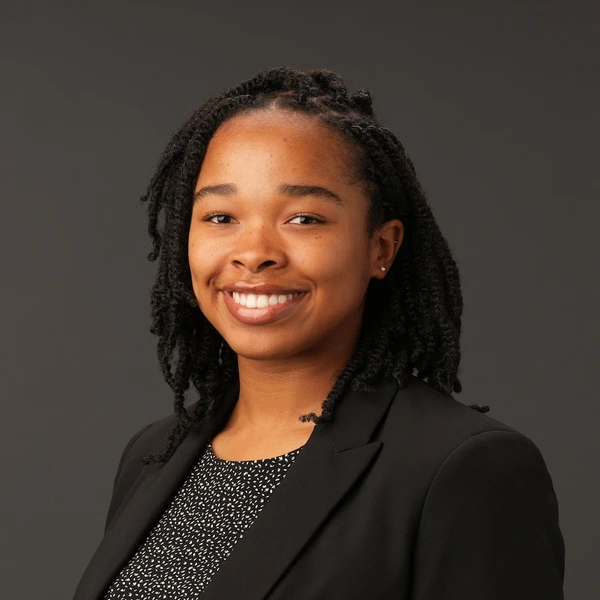
Currently, an upcoming undergraduate pursuing a Biochemistry B.A. degree, I am committed to merging my passion for science with a drive for community service. With a solid foundation built on years of volunteer service during high school, I now serve as a board member of the student government at my university, actively engaging in campus leadership initiatives. My ultimate career aspiration is to earn a PharmD degree, enabling me to make a meaningful difference in my community through healthcare.
Education
California State University-Dominguez Hills
Bachelor's degree programMajors:
- Biochemistry, Biophysics and Molecular Biology
Los Angeles Valley College
Associate's degree programMajors:
- Chemistry
John Burroughs School
High SchoolMiscellaneous
Desired degree level:
Doctoral degree program (PhD, MD, JD, etc.)
Graduate schools of interest:
Transfer schools of interest:
Majors of interest:
- Biological/Biosystems Engineering
- Pharmacology and Toxicology
- Computational Science
Career
Dream career field:
Pharmaceuticals
Dream career goals:
Hospital pharmacy
Pharmacy intern
Kaiser Permanente2024 – 20251 yearIntern
CSUDH2024 – Present2 yearsIntern
UCLA2021 – 20221 year
Sports
Tennis
Varsity2017 – 20225 years
Research
Cell/Cellular Biology and Anatomical Sciences
CSUDH — Intern2024 – PresentAllied Health Diagnostic, Intervention, and Treatment Professions
UCLA — Data Entry2021 – 2022
Arts
David Starr Jordan Middle School
ChoirWinter and Spring Show, Disneyland competition and Family Night2014 – 2017
Public services
Volunteering
John Burroughs High school — Volunteer2017 – 2020Volunteering
The Potter House at One LA — Speecher2016 – 2018
Future Interests
Advocacy
Politics
Volunteering
Philanthropy
Entrepreneurship
CF Boleky Scholarship
I met my best friend Mika on the first day of my physics class. I heard her before I saw her. There was this confident “click-click” echoing down the hallway, and when I turned, there she was wearing a bright pink winter coat and heels. Yes, heels. On the first day of physics. I remember thinking, “Who wears heels to a three hour lab?” But that is just Mika. From that day on, the sound of her heels became my unofficial attendance cue. I can tell when she is in the room without even turning around.
We bonded immediately. As a biochemistry major and chemistry major duo, we were often two of the only women in our classes. We became inseparable, partners in problem sets, matcha runs, and the kind of existential crisis that only happens before midterms. Mika quickly became my campus family. Whenever we walked together, we always linked arms because she claimed I walked too fast. She is really short, though she insists that “the world is too tall.” Apparently, our constant arm-linking made such an impression that people started assuming we were dating. For half a semester, we were the couple everyone on campus thought was inseparable. All because she can't walk fast enough.
One of the most serious times in our friendship came when she and her boyfriend went on a break. Instead of letting her mope in bed, I dragged her out of the dumps by signing us up for a yoga class, even though neither of us had an ounce of upper body strength. We made a pact that every time we showed up, we would reward ourselves with hot pot afterward. It was completely counterproductive, but we did not care. Our only rule was that she could not talk about her boyfriend over dinner. To this day, we still joke that yoga and hot pot were cheaper than therapy.
Even though we never had another class together, Mika and I still make it a point to meet after lectures for what we call our lunch dates. We talk about everything, the latest chemistry lab disasters, which new hot pot place we want to try, or our ongoing attempts at self-improvement. Recently, we joked that we should have read The 48 Laws of Power sooner, not because we are plotting world domination but because it might have helped us navigate group projects more strategically. Despite our busy schedules, those small moments of connection keep us grounded and remind us why our friendship matters so much.
Mika is not just my best friend. She is my mirror, my motivator, and my favorite person to laugh with when life feels overwhelming. She has taught me that even during the most stressful times, you have to find joy in the little things, whether it is hot pot after yoga or laughing about people’s assumptions.
College can be chaotic and lonely at times, but Mika has made it brighter. She reminds me that friendship is not about grand gestures. It is about showing up, listening, and occasionally dragging your best friend out of bed when she needs it most. She is loyal, hilarious, and as ambitious as she is stylish. I cannot imagine my college experience without her or the sound of her heels clicking down the hallway, the same sound that first made me turn around and unknowingly meet my best friend before class.
Our friendship has made me more confident, more balanced, and more grateful. Mika isn’t just my best friend; she’s family...even if she still refuses to wear sneakers in lab.
Leading Through Humanity & Heart Scholarship
During my undergraduate years, I learned what perseverance truly means. When my father became seriously ill, my family’s financial situation changed overnight. As the oldest child, I began working part-time to help my family while taking a full course load as a biochemistry major. Some days I went straight from caring for my grandmother to work, then to late-night study sessions. Those years were exhausting, but they shaped my values of resilience, balance, and empathy.
At first, I struggled to manage everything. My grades slipped, and I often felt overwhelmed. Over time, I learned to set boundaries, seek help when I needed it, and manage my time more effectively. I discovered that strength does not come from doing everything perfectly but from continuing to show up even when things are difficult. These experiences changed the way I view health and wellness. I understand that illness affects not only the patient but also their family, their stability, and their sense of hope. That understanding inspired my passion for pharmacy and my belief that care must always extend beyond prescriptions and diagnoses.
Empathy, to me, means taking the time to see life from another person’s perspective and responding with compassion and purpose. It is not just feeling for someone but feeling with them. I learned empathy not from textbooks but through lived experience by seeing my father’s health struggles, my family’s financial stress, and the exhaustion of balancing school and work. Those moments taught me to listen first, to withhold judgment, and to treat every person with dignity.
Empathy is essential in healthcare because medicine is never only about science; it is about people. As a future pharmacist, I want to ensure that every patient I encounter feels heard and understood. Whether adjusting a dosage, explaining side effects, or collaborating with physicians and nurses, empathy allows me to keep the patient at the center of every decision. It builds trust, strengthens adherence, and creates space for open communication, all of which improve health outcomes.
My leadership experiences at California State University, Dominguez Hills, deepened this understanding. Serving in Associated Students, Inc. taught me to advocate for others and lead with compassion. I represented thousands of students and learned that behind every policy issue was a person or community affected by it. Listening to those stories changed my definition of leadership. It became less about authority and more about service. That mindset continues to guide how I approach healthcare.
To ensure my work remains human-centered, I will always begin by listening. I want to know who my patients are before discussing their treatment plans, to ask questions that reveal the social or financial barriers that might affect their care, and to collaborate with interdisciplinary teams to address those needs holistically. I believe that pharmacists can play a powerful role in bridging gaps in healthcare access and education, especially for vulnerable communities.
My own experiences have shown me how lack of access can shape health outcomes. During my internship with Kaiser Permanente’s Apothecary Circle program, I learned about pharmacy deserts, communities with limited access to pharmacy care. I realized that the same families I served on campus were facing those same barriers in their neighborhoods. That realization solidified my desire to work in underserved communities and to use empathy, advocacy, and science to create real change.
In my future as a pharmacist, I will carry these lessons with me. I want my patients to leave every encounter not only with the right medication but also with the sense that someone truly cares about their well-being. My journey has taught me that health and healing are deeply human experiences, and empathy is what connects science to the heart of care.
Mohamed Magdi Taha Memorial Scholarship
Growing up in the suburbs, I lived in a comfortable but sheltered environment. My schools were strong yet lacked the diversity and representation that reflect the world we live in. When it came time to transfer to a university, I wanted more than a degree. I wanted to understand the experiences of people whose challenges were different from my own. That desire led me to California State University, Dominguez Hills, a campus founded in response to the Watts Riots to expand access to higher education for underserved communities.
My grandmother was deeply involved in the civil rights movement, and her stories instilled in me a belief that change begins with those willing to speak up. At CSUDH, surrounded by students from every background including first-generation college students, working parents, and immigrants, I began to understand what it means to put those beliefs into action. Their experiences reshaped my perspective and taught me that awareness is only the first step toward progress. To make a difference, I needed to use my voice.
I joined Associated Students, Inc. (ASI), our student government, to advocate for student needs and strengthen the community that welcomed me. Through this role, I learned to listen, lead, and collaborate with empathy. Representing thousands of students, I met with university administrators and local officials to address food insecurity, mental health resources, and campus equity. I discovered that leadership is not about authority but about amplifying voices and creating spaces where others feel heard.
My advocacy deepened during my internship with Kaiser Permanente’s Apothecary Circle program, where I learned about pharmacy deserts, neighborhoods with limited access to pharmacy care. I realized that the same families and students I supported on campus were facing these inequities in their own communities. This connection pushed me to act. I met with university staff and Los Angeles city officials to discuss these healthcare disparities and explore partnerships to expand access to care.
These experiences have shaped how I define being an upstander: using my education, compassion, and persistence to create opportunities for others. Just because I live in one neighborhood does not mean I should turn a blind eye to another. We are all part of the same community, and progress depends on recognizing that truth.
As the first in my family to earn a doctorate, I want to honor my grandmother’s legacy and set an example for my younger brother. I want to show him that change begins with courage and that our voices, when used with empathy, can make a lasting difference.
Bulchand and Laxmi Motwani Memorial Scholarship
Growing up was far from easy for me. Raised by a single mother during my early childhood, I faced challenges that tested my resilience at every turn. But perhaps the toughest struggle came from within my family circle. Emotional abuse from my grandmother left me battered and bruised, not physically, but mentally. Confidence was a luxury I couldn't afford, and the scars of that emotional turmoil haunted me even as I walked the halls of my school, where I was often the target of bullies.
Amidst this storm of hardship, one beacon of light emerged: science. It wasn't just a subject in school; it was a refuge, a sanctuary where I could escape the darkness and find solace in the promise of discovery. In the laboratory, I wasn't the scared kid who felt like he didn't belong; I was a scientist, driven by curiosity and fueled by the possibility of a brighter future.
Then came the pandemic, and with it, a new chapter in my journey. As COVID-19 swept through my community, it struck my family with brutal force. Suddenly, I found myself thrust into a role I never imagined: caretaker, advocate, and healer. Working alongside our local pharmacist, I became an active participant in my parents' fight against the virus. In those moments of uncertainty, those healthcare professionals weren't just treating patients; she was guiding us through the darkest of times with compassion and expertise.
It was through this experience that I discovered my true calling: pharmacy. Witnessing firsthand the vital role pharmacists play in the healthcare system and within their communities, I realized that I wanted to be a part of that profession. I want to be the pharmacist who not only dispenses medications but also takes the time to educate and empower patients, just as those healthcare heroes did for my family.
My journey has been marked by adversity, but through it all, I've emerged with a sense of purpose and determination. The knockdown I've received may have left me hurt, but I refuse to stay down. Throughout my life, I have experienced challenges that have strengthened me, made me stronger, and made me more resilient. And now, as I set my sights on a future in pharmacy, I do so with unwavering hope and a heart full of gratitude for those who helped me along the way. I also hope to establish a safe place for children to learn and express their love for science and medicine, and maybe even inspire a child to become a pharmacist after I become a pharmacist.
Bubba Wallace Live to Be Different Scholarship
Growing up in a predominantly white community, I have learned the strategy of holding my tongue and picking my battles. From substitute teachers opening expressing their astonishment that there was an African-American student in an AP class, teachers confusing me with the only other African-American student in the class, though we do not look alike or students using the N-word through the halls without punishment.
One specific time, in middle school, I was called a racial slur by a student in one of my classes. Outraged, I went to the discipline office and filed a complaint against the student. To my surprise, the counselors took the defendant’s side because I had no physical evidence that the students had called me slurs and had a history of calling me racial slurs. They simply advised that we no longer talk to each other and try to avoid each other at all costs. To say that I felt humiliated would be an understatement. I wish I had called my mother and told her what happened before talking with the school because I know that racism is a serious issue at the school. Of course, the student continued to bother other students, specifically minorities, until she moved. Not because she had been reported multiple times of harassment and hate crimes but simply because her father got a new job so her family had to relocate.
After that experience, I tell my parents everything that happens and I document everything from text, to Instagram posts and Snapchat stories. I no longer trust my school system nor district to protect me or guide my education, I now take control of my education, always asking questions and seize opportunities. I honestly felt that if my family was wealthy or had a strong social media presence, the student would have been punished and if she was not punished then we could have sued the school or taken the issue on to the school district.
I now strive to become a dentist, create my chain of practice and invest in the stock market so that I can create programs for schools to ensure equal representation of all ethnicities in school faculty. I believe with the program, students of all ethnicities will be fairly supported by the school and situations like the one mentioned will not happen again. Because I believe that students should not have to worry whether a school facility will protect them from another student. I believe students should rest assured that another student will be punished for bullying and racist acts. I believe that all students should have a right to feel protected and supported when they walk onto campus.
Mary Jo Huey Scholarship
“Do not be embarrassed by your failures, learn from them and start again.” — Richard Branson. I now live by that statement. Throughout school, I have always been a Type-A person, meaning that I will never take risks. I must calculate, understand and have a clear outcome. So the idea of starting my own business was out of the question. Not only do I live in a middle class but one in a family has been a success entrepreneur, let alone start a business. So after great deal of consideration and prayer, I decided that I should start a business. Finding what to sell was the hardest part and still is sometimes.
I started off by to sell braclets made of recycled bottle. It sold better than I expected but it was hard to appease a wider variety of audience. Then I tried making candles which is a work in progress. To the most present day, I am working on body scrubs. You see I want by business not be restrict to a spect categories like beauty or products such as perfume but instead an empire of goods that someone can by all the essentials they need in go. With all the trails and errors, somedays when I recall how much money I have versus how much I have made, it can be really dishearting but success does not come without sacrifice.
One of my biggest mistakes were simple yet dangerous. In all honesty, I am not the best the kitchen so when I a first-degree, almost a second-degree burned. Most times when I make candles I always use a metal pitcher to mix scents but one day I though I would be better if I used a glass a measuring cup. So I purchased a cheap, 3 dollar, measuring cup and washed it and went to work. You see, I wanted to get more precise measurements of wax I was using so I thought the a glass measuring cup would be perfect. I mean what could be the harm in that, right? So as I poured the one-hurdered-seventy-four degree wax inorder the glass jar. As I stirred the wax, I had a feeling that that I probably should have bought a better quality glass cup but I pushed past it because I though I was making the best fincially decision. To make myself feel better I wrapped the measuring cup in a small kitchen towel to protect my hands. Thank God I did. This is where everything went wrong. Five-seconds after letting the cup, the bottom shatters all over the floor. Glass and hot wav splatter everywhere. I screamed of course but luckily one was home because I defendantly would have been super embarrassed. Thankfully I scared with minor burns and small cuts of by feet. It took me 2 hours to clean up all the wax that was on the floor and to pick up the glass.
With great pride I now never try to cut corners on supplies or product. It is best to simple just put your best foot forward than to try to save a few dollars. Beyonfd the fact that I escaped with minor injuries, I that great pride in that stories because I now understand the imporantacne of the quality of a product, the value of money and most importantly my eagerness to sucessed. Instead of giving up, I continued to making candles and other products and always remembering to make to buy the best quality.
Brandon Zylstra Road Less Traveled Scholarship
Passion? Passion is my middle name! My biggest goal is to create generational wealth for my family and the generations after me. Even though I am only 17 years old, I recognize the importance of investments and hard work. It is the reason why I work so hard in school, joined a sport, and heavily volunteer within my community.
Living in a predominately Caucasian area, I find it extremely important and a great honor to properly represent the African-American community. With great confidence, I take honors and dual enrollment classes, join clubs usually with little to no minority representation to ensure proper representation of my community. It can be extremely intimidating to be the only minority in the majority of your classes but I have come to love and look forward to taking those classes. I know that there will be other African-American students that will be taking the same classes and I am hoping that through my example I will be able to open the door for a few generations because generational wealth does not have to be stock shares or rental property but it can simply be opening the door of opportunity for the next generation.
This year being my senior year, I can look back at my educational journey and I am proud of my accomplishments. From being bullied to moving to a new city, having depression, I fought the odds. In all honesty, covid hitting my family was the most grievous vicissitude of my life. It struck my family at the beginning of December. During this time, I was trying to finish my college application, complete homework, and find internships. My father, who we are guessing caught the virus from work, was the first to show symptoms and two days later both of my parents were tested and both returned positive. From that moment, I was no longer a child but an adult and caregiver. It was hard to watch my mother and younger siblings cry as we took my father to the hospital but I knew I had to stay strong only for my family. I had to be the anchor in my family; the man of the house if will. So for two months, I took care of my family. I had to clean and cook, help my siblings with homework, take care of my mother who was bedridden due to covid, study for finals and complete a college application. With my history of depression, my head was constantly filled with suffocating thoughts of what I would do if my parents passed, in addition to trying to focus on finals was one of the hardest things I have ever gone through. With one parent unconscious in the hospital and the other could hardly breathe, the only thing I could do was stay focused and pray. Pray for God to give me the strength to get through the deterrent. Pray to God to protect my family. And I thank the Lord that He did.
I was able to take my finals, close the semester off with a 4.0 GPA, and have both parents fully recover. Now I am committed to my local community college and now a member of their tennis team. This summer I will have an internship at a dentist’s office and will be working to save up college funds to transfer to USC or UCLA and get accepted to their dentistry program. Once I graduate I will become a dentist and begin buying stock. Then in twenty to thirty years I will buy a property and open my chain of dental practices.