Bowie, MD
US CITIZENSHIP
US Citizen
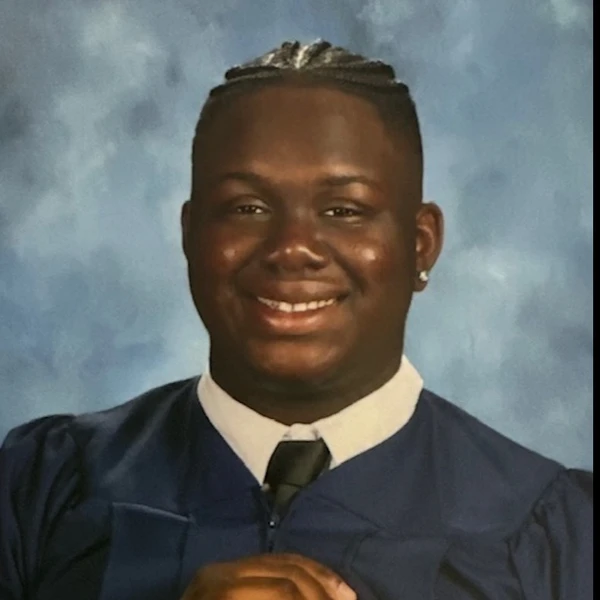
Kyle Walker
2x
Finalist1x
Winner
Kyle Walker
2x
Finalist1x
WinnerBio
I see my bass-baritone voice as something bigger than myself. Music is a universal language, and I want to use mine to bridge gaps, build community, and spark healing. I want to be the kind of artist who makes people feel less alone. Whether I’m performing on stage, collaborating with others, or encouraging a younger singer to keep going, I want my voice to be a reminder: that you matter, your story matters, and beauty can grow from even the hardest places.
Education
Morgan State University
Bachelor's degree programMajors:
- Music
Saint Vincent Pallotti High School
High SchoolGPA:
3.7
Miscellaneous
Desired degree level:
Bachelor's degree program
Graduate schools of interest:
Transfer schools of interest:
Majors of interest:
- Drama/Theatre Arts and Stagecraft
- Music
- Visual and Performing Arts, General
- Visual and Performing Arts, Other
Career
Dream career field:
Music
Dream career goals:
Sports
Cheerleading
Varsity2022 – 20253 years
Awards
- Varsity Elite
- Competition First Place
- All Star Game Day First
- Varsity Award
- Cheer Excellence award
- Flowers Second Place Overall.
Arts
St. Vincent Pallotti High School
MusicGodspell, Six! The musical, The Lightning Thief: Percy Jackson, Emma: A Pop Musical2021 – 2026St Vincent Pallotti
Acting2022 – 2024
RonranGlee Literary Scholarship
“Perfect friendship is the friendship of men who are good, and alike in virtue; for these wish well alike to each other *qua* good, and they are good in themselves. Now those who wish well to their friends for their sake are most truly friends; for they do this by reason of their own nature and not incidentally."
At its core, Aristotle’s concept of “perfect friendship” argues that the strongest and most meaningful relationships are built not on convenience, shared interests, or personal gain, but on genuine character and mutual goodwill. His deeper message is that when individuals act from a place of integrity, care, and respect, their relationships become more than temporary connections, they become lasting bonds that promote growth, trust, and purpose. This idea extends beyond friendship and applies to how we approach our careers, our communities, and the impact we hope to make in the world.
What makes this passage so powerful is Aristotle’s focus on intention. He emphasizes that true friends “wish well…for their sake,” meaning their care is not dependent on what they receive in return. In today’s world, where many relationships can feel transactional, this idea stands out. It challenges the mindset of doing things only for personal benefit and instead promotes sincerity. To act “by reason of their own nature” means that kindness, respect, and support come naturally, not because they are expected, but because they are part of who a person is. This is the foundation of both meaningful friendships and strong professional relationships.
This philosophy closely connects to values that have shaped my own life, care, respect, professionalism, and loyalty. As someone pursuing a career in music, I have learned that talent alone is not enough to create lasting success or impact. The music industry, like many other fields, is built on relationships. Whether it is collaborating with other artists, working with mentors, or connecting with an audience, the way you treat people matters just as much as what you create. Aristotle’s idea reinforces my belief that success should never come at the expense of character. Instead, character should be the reason success is possible.
My own experiences have shown me the importance of this mindset. I began singing in the 6th grade, and from that point on, I had to commit myself to improving and staying consistent. Being part of my high school’s performing arts program for four consecutive years taught me discipline, but it also taught me how to work with others. In those spaces, I wasn’t just focused on my own performance; I learned how to support my peers, respect different talents, and contribute to something bigger than myself. Those experiences reflected what Aristotle describes, relationships built on shared values and mutual respect, not competition or self-interest.
One of the most meaningful moments in my journey was performing at Carnegie Hall. While that experience could easily be seen as an individual achievement, what stood out to me the most was the collective effort behind it. Every person involved had to trust and support each other to create something meaningful. That moment reinforced the idea that success is rarely achieved alone. It is built through connections with others, and those connections are strongest when they are grounded in respect and genuine care.
Aristotle’s philosophy also speaks directly to professionalism. In many fields, including music, there can be pressure to focus only on personal advancement. However, approaching a career with integrity and a willingness to uplift others creates a different kind of success, one that is sustainable and impactful. Professionalism is not just about appearance or skill; it is about consistency, accountability, and how you treat people in every situation. When someone acts with honesty and respect, they build trust, and trust is one of the most valuable things a person can have in any career.
In addition, this passage highlights the importance of surrounding yourself with people who share similar values. Aristotle describes “men who are good, and alike in virtue,” which suggests that strong relationships are formed when individuals hold each other to a high standard. This idea has influenced how I approach both friendships and professional connections. I strive to be around people who not only support me but also challenge me to grow and improve. At the same time, I aim to be that same kind of person for others, someone who encourages, supports, and holds others accountable in a positive way.
This philosophy also connects to my long-term goals. As I continue to pursue a career in music, I want to create more than just songs. I want to create an environment where people feel valued, supported, and inspired. Whether that is through performing, teaching, or creating opportunities for others, my goal is to build something that reflects the values Aristotle describes. I want my work to be rooted in authenticity and care, not just success or recognition. By doing this, I believe I can create a lasting impact that goes beyond my own achievements.
Ultimately, Aristotle’s message is not just about friendship, it is about character. It is about choosing to act with integrity, even when it is not the easiest option, and building relationships that are meaningful rather than convenient. In a world that often prioritizes quick success and personal gain, this philosophy serves as a reminder that true fulfillment comes from how we treat others and the values we choose to live by.
In my own life, I have seen how powerful those values can be. Through music, education, and the relationships I have built, I understand that success is not just measured by accomplishments, but by the impact you have on others. Aristotle’s idea of “perfect friendship” challenges me to continue growing not just as an artist, but as a person, someone who leads with care, respect, and purpose. That is the standard I aim to uphold, and it is the foundation of the impact I hope to make in the world.
Adrin Ohaekwe Memorial Scholarship
My career goals are centered around building a meaningful and successful path in music while also creating opportunities for others. As a music major, I want to grow as an artist, continue developing my voice, and create music that connects with people on a real level. I don’t just want to make music for entertainment, I want my work to make people feel understood, whether they’re going through something difficult or just need something positive in their day. Along with performing and creating, I’m also interested in areas like music education and music therapy, where I can use music to help people emotionally and mentally.
At the same time, I want to use my knowledge of business to support my career and others around me. I hope to build or be part of programs that give underrepresented artists access to resources like studio time, mentorship, and guidance on how to grow professionally. My goal is not just personal success, but also creating spaces where others can develop their talents and have real opportunities.
Playing chess has taught me a lot of skills that connect directly to these goals. One of the biggest things I’ve learned is how to think ahead and be strategic. In chess, you can’t just focus on your next move, you have to think multiple steps ahead and consider different outcomes. That same mindset applies to building a career in music. I understand that success doesn’t happen overnight, and I need to plan, stay patient, and make smart decisions over time.
Chess has also taught me discipline and focus. You have to stay locked in and pay attention, because one small mistake can change the entire game. That’s something I carry with me in music as well. Whether I’m practicing, performing, or working toward my goals, I know that consistency and attention to detail matter.
Another important lesson from chess is learning how to adapt. Not every game goes the way you expect, and sometimes you have to adjust your strategy in the moment. That has helped me understand that in my career, things won’t always go exactly as planned, and I need to be flexible and willing to grow from challenges.
Overall, my goal is to build a career in music that is both successful and impactful, and the skills I’ve learned from chess like strategy, discipline, and adaptability will help me stay focused and keep moving forward toward that goal.
Marshall and Dorothy Smith Music Scholarship
My music background really started from just being around music all the time growing up. I was always watching music videos and listening to different artists, and that’s what first made me interested in music. At first, it was just something I enjoyed, but over time it became more personal. Music turned into something I could connect to, especially when it came to expressing emotions that I didn’t always know how to put into words.
I started singing in 6th grade, and that’s when I realized this was something I actually wanted to take seriously. From that point on, I stayed consistent and kept working on getting better. I didn’t just want to sing, I wanted to understand it and grow in it. In high school, I was part of the performing arts program for four consecutive years, and that experience helped me a lot. It gave me the chance to develop my voice, learn more about performing, and build confidence on stage. Being in that program also taught me discipline and how to stay committed to something I care about.
One of the biggest moments in my music journey was getting the opportunity to sing at Carnegie Hall. That experience meant a lot to me because it showed me how far I had come and what I’m capable of when I stay focused. Being able to perform in such a well-known venue made everything feel real, and it motivated me to keep pushing myself and taking my music seriously.
As I continued to grow, I started to see music as more than just something I enjoy. It became something that could have a real impact on people. Music has helped me get through different situations and understand my own emotions better, so I want to be able to give that same feeling to others. That’s a big part of why I decided to major in music.
After I complete my degree, I want to build a career where I can create music and also give back at the same time. I want to make music that people can connect with and that makes them feel something real. Whether someone is going through a hard time or just needs something positive, I want my music to be something they can turn to. At the same time, I’m interested in using my knowledge of business to create opportunities for others, especially people who might not have access to the same resources.
I also see myself getting involved in things like music education or music therapy, where I can use music to help people emotionally and mentally. I think music is powerful in ways that people don’t always realize, and I want to be part of using it in a positive way. Whether it’s teaching, mentoring, or creating programs for younger artists, I want to help others grow while I continue to grow myself.
Overall, my goal is to build a career in music that is not just successful, but meaningful. I want to perform, create, and use my platform to make a real impact. At the same time, I want to keep improving as an artist and continue finding ways to give back. Music has already influenced my life in so many ways, and I want to use it to do the same for others.
WCEJ Thornton Foundation Music & Art Scholarship
I plan to make a positive impact on the world through my music by using it to connect with people and uplift them. Music has always been something I could turn to, especially during times when I didn’t fully understand my own emotions. Because of that, I want my music to do the same for others. I want to create songs that make people feel understood, whether they are going through something difficult or just need something to lift their mood. Being able to make someone feel better through my music is one of the main ways I hope to make a difference.
Beyond creating music, I also want to use my art to give back to my community. As a music major with an interest in business, I plan to combine both to create opportunities for others, especially those from underrepresented backgrounds. I know that many talented people don’t always have access to the resources they need, so I want to help create spaces where they can grow. This could include community music programs, access to studios, or mentorship that helps others build confidence and develop their skills.
I am also interested in using music as a tool for healing and personal growth. Music has influenced my life by helping me process emotions and better understand myself, so I want to bring that same impact to others. In the future, I hope to be involved in areas like music therapy or education, where music can support people emotionally and mentally.
Overall, I plan to make a positive impact by creating music that connects with people while also opening doors for others. I want my art to help people feel seen, supported, and inspired.
SCFU Scholarship for HBCU Business Students
Economic empowerment and business innovation have the power to create real, lasting change in underrepresented communities, especially when they are connected to something as influential as music. I believe music is more than just entertainment. It is a way for people to express themselves, tell their stories, and connect with others. When combined with strong business knowledge, it can also become a tool for creating opportunities, building wealth, and uplifting entire communities.
My vision is to use business as a foundation to support and grow creative spaces, especially for people who may not always have access to them. Many talented individuals in underrepresented communities lack the resources, guidance, or financial support to turn their passion into something sustainable. Through business innovation, I want to help bridge that gap by creating opportunities such as community studios, music programs, and platforms that allow artists to develop their skills and share their work. By doing this, I believe it is possible to create both economic growth and a sense of empowerment.
As a business major with a minor in music, my career goals are centered on combining creativity with strategy. I want to understand how businesses operate, how to manage resources, and how to build something that lasts, while also staying connected to music as a passion and a purpose. My goal is to create or be part of organizations that support artists not just creatively, but financially and professionally. This could include helping artists manage their careers, developing programs that teach music and entrepreneurship, or building businesses that invest in creative talent.
I also want to focus on making music more accessible as a tool for personal growth and healing. Music has had a strong influence on my own life, helping me understand my emotions and giving me something to connect to during different moments. Because of that, I am interested in incorporating ideas like music therapy and educational programs into my future work. By combining business skills with music, I want to create initiatives that help people not only discover their talents but also use them in meaningful ways.
In addition, I believe representation in both business and the music industry is important. Having leaders who understand the experiences of underrepresented communities can lead to more inclusive opportunities and better support systems. I want to be part of that change by using my education and career to advocate for fairness, access, and long-term growth within these spaces.
Overall, my goal is to use my background in business and my passion for music to create opportunities that go beyond individual success. I want to build and support systems that allow others to grow, express themselves, and achieve financial independence. By combining business innovation with the power of music, I hope to contribute to lasting change that uplifts individuals and strengthens communities.
James B. McCleary Music Scholarship
Music has always been a big part of my life, even before I fully understood how much it was influencing me. Growing up, I spent a lot of time watching music videos, and I was always drawn to how artists could turn a song into something you could actually see and feel. It wasn’t just about the sound, it was the emotion, the visuals, and the way everything came together to tell a story. Even though I didn’t think about it deeply at the time, those moments stayed with me and slowly shaped how I connected with music.
As I got older, music became more personal to me. It started to influence the way I understood my own feelings and experiences. There were times when I couldn’t really explain what I was going through, but somehow music always seemed to say it for me. Whether I was in a good mood or dealing with something more difficult, there was always a song that matched how I felt. That’s one of the main reasons music means so much to me, because it has always been something I could rely on. It helped me feel understood, even when I didn’t have the words myself.
Artists like Whitney Houston and Michael Jackson also had a big influence on how I see music. Learning about their lives showed me that music comes from real experiences, not just talent. They both went through struggles, but they still created music that connected with people all over the world. What stood out to me was not just how talented they were, but how they carried themselves and continued to give to others through their music. That made me respect music on a deeper level and understand that it can come from both pain and joy.
Music has also influenced the way I see other people and the world around me. Listening to different artists and different styles of music has opened my mind to new perspectives. Every song tells a different story, and through those stories, I’ve been able to understand emotions and experiences that I might not have gone through myself. It showed me that everyone has their own voice and their own way of expressing it, and music is one of the most powerful ways to do that.
Over time, music has become more than just something I listen to. It has become something that helps shape who I am. It affects my mood, my mindset, and even the way I think about situations. It has taught me how to be more in tune with my emotions and more aware of others. It also gave me a sense of comfort, especially during times when things felt uncertain or overwhelming.
Overall, music has influenced my life by giving me a way to connect with myself and the world around me. From watching music videos when I was younger to understanding the deeper meaning behind songs as I got older, it has always been something constant in my life. It continues to shape how I feel, how I think, and how I express myself, and that is why it will always be important to me.
WoodaWorx Music Scholarship
Richard Turner Jr. Musical Gifts Scholarship
Corderius M. Webster Memorial Scholarship
My inspiration to pursue music really started when I was younger just watching music videos all the time. I didn’t think of it as anything serious back then, but I remember being drawn to how artists could bring their songs to life. It wasn’t just about the music, it was about the feeling, the visuals, and the way everything came together to tell a story. Watching that over and over made me realize how powerful music could be and how it could make people feel something without even knowing them personally.
As I got older, I started learning more about the people behind the music, and that made my inspiration even stronger. Artists like Whitney Houston and Michael Jackson really stood out to me. What inspired me wasn’t just their talent, but their stories. They both went through a lot in their lives, but they still managed to be kind, hardworking, and dedicated to their craft. That showed me that being an artist is not just about being good at what you do, but also about how you carry yourself and how you treat others along the way.
Seeing that made me think about what I want to do with my own music. I don’t just want to make songs for people to listen to, I want to make music that actually means something. I want people to feel better when they hear my music, whether they’re going through something or just need something to lift their mood. Music has always had that effect on me, so I want to be able to give that same feeling to other people.
In the future, I plan to use my music career to make a real difference. One way I want to do that is through music therapy. I think music can help people deal with emotions in ways that words sometimes can’t, and being able to be part of that process would mean a lot to me. I also want to teach, because I feel like helping others discover their own passion for music is just as important as my own journey. Sharing what I know and helping someone else grow is something I definitely see myself doing.
I also want to perform and be on stage, because that connection with people is something you can’t really replace. Being able to look out at a crowd and know that your music is reaching people in that moment is powerful. I want my performances to be more than just shows. I want them to be experiences where people can feel free, understood, and just good overall.
At the end of the day, my inspiration comes from those early moments watching music videos and from learning about artists who turned their struggles into something meaningful. Whitney Houston and Michael Jackson showed me that music can go beyond entertainment and actually impact people’s lives. That is the kind of artist I want to become, someone who not only makes good music but also makes people feel something real inside and out.
No Essay Scholarship by Sallie
James T. Godwin Memorial Scholarship
Some of my most meaningful memories with my dad are not defined by grand gestures or expensive gifts, but by the quiet sacrifices he made and the intentional time he chose to spend with me. One memory that stands out most vividly is the day he surprised me with a trip to Kings Dominion. A trip that felt exciting in the moment, but now carries even more meaning, especially with him currently deployed in Africa.
What made the trip especially meaningful was that it was just the two of us. My mom and sister had gone on a separate trip, and instead of staying home, my dad decided to make that time count by planning something special for me. I didn’t realize then how rare and valuable that one-on-one time was. It wasn’t just a family outing, it was a moment where I had his full attention, something I now recognize as a gift in itself.
I had no idea at the time how much effort went into making the trip happen. My dad rented a car even though he couldn’t really afford it, simply because he wanted the experience to be memorable. As a kid, I only saw the excitement of going somewhere fun. Now, I understand that the car rental was a sacrifice, a quiet choice he made to put my happiness before his own comfort or finances. That realization has stayed with me.
The night before we left, we stayed up late eating snacks, laughing, and talking about random things. There was no schedule to follow and nowhere else we needed to be. It was just us, enjoying the kind of relaxed, unbothered time that feels rare as life gets busier. Those late-night conversations are some of the moments I miss most now.
The day at Kings Dominion was everything I hoped it would be. We rode rides, walked endlessly, and just vibed off the energy of the park. Even when j got lost, my dad never rushed me or complained, even when he was clearly exhausted. After a long day, we went to Applebee’s to eat. I remember barely being able to keep my eyes open, dozing off at the table while waiting for our food. My dad just laughed and watched me, clearly content, as if the exhaustion was proof that the day had been worth it.
Now that my dad is deployed in Africa, memories like this hit differently. Distance has a way of making you reflect more deeply on moments you once took for granted. That trip wasn’t really about Kings Dominion, it was about spending time together, sacrifice, and love. It was about my dad choosing to spend time with me and creating a memory that would last far beyond that weekend.
Looking back, I don’t just remember the rides or the food. I remember feeling seen, valued, and loved. While my dad is far from home, this memory reminds me that no matter the distance, the bond we share remains stronv ans that is something I will always carry with me.
Pamela Branchini Memorial Scholarship
Collaboration is fundamental to the study and practice of music, particularly in the field of vocal performance. Pam Branchini’s reflection on her involvement in music, theatre, art, and décor highlights how the most meaningful aspects of creative work often stem from the relationships formed during the preparation process. This perspective resonates deeply with me, as collaboration has shaped not only my development as a vocalist, but also my understanding of music as a shared and communicative art form.
In vocal performance, collaboration means more than performing alongside others; it requires trust, adaptability, and mutual respect. Vocalists must work closely with accompanists, conductors, fellow singers, and directors to achieve a cohesive interpretation of the music. Each collaborator brings a distinct perspective, musical background, and emotional insight to the work. Learning to balance my individual voice with the collective sound has taught me the importance of listening, compromise, and clear communication. Through collaboration, music becomes a dialogue rather than a solo endeavor.
Some of my most inspiring collaborative experiences have taken place in ensemble and choral settings. Singing as part of a group challenged me to prioritize blend, balance, and musical unity over individual performance. These experiences strengthened my musicianship by requiring constant awareness of pitch, rhythm, and tone in relation to others. Rehearsals also fostered a strong sense of community, as my peers and I worked together toward a common artistic goal. The encouragement and accountability within these environments motivated me to grow both technically and emotionally as a vocalist.
Equally influential have been my experiences collaborating with accompanists and music instructors. Working closely with others to interpret phrasing, dynamics, and emotional expression allowed me to better understand how musical ideas are shaped through shared effort. These collaborations emphasized the importance of openness to feedback and the ability to articulate artistic intentions clearly. Through this process, I gained confidence not only in my vocal ability, but also in my capacity to contribute meaningfully to a collaborative artistic setting.
Ultimately, collaboration in my intended field represents connection and growth. Like Pam Branchini, I believe that the preparation for a performance is just as valuable as the final presentation. The relationships formed during rehearsals, the challenges overcome together, and the shared commitment to artistic excellence give music its depth and purpose. As I pursue a degree in music with a concentration in vocal performance, I look forward to continuing to collaborate with others who share my passion. These experiences will not only shape my artistic voice, but also prepare me to contribute thoughtfully and collaboratively to the broader musical community.
Willie Mae Rawls Scholarship
Making a positive impact:
I believe that music has the power to heal wounds we can’t always see and to connect people across boundaries that might otherwise divide us. Through my voice, I plan to make a positive impact on the world by creating spaces where people feel understood, valued, and uplifted. As a vocal artist, I don’t just want to perform songs but I also want to tell stories that resonate deeply, offering hope to those who need it and celebration to those who rarely see their experiences honored on a stage.
While signing in the choir, I learned that singing wasn’t about standing out; it was about blending, listening, and supporting something bigger than myself. Every rehearsal demanded presence, preparation, and heart. Those lessons translated beyond music into how I currently approach challenges, collaboration, and leadership in everyday life. Most importantly, choir helped me build confidence. Before that class, I wasn’t sure my voice deserved to be heard. But my choir director believed in me, offering solos and leadership opportunities that pushed me to step up and trust in my abilities. That belief stayed with me, giving me the courage to later perform on stages like Carnegie Hall and to continue pursuing a career in music.
Growing up, I didn’t always have access to role models who looked like me or who encouraged emotional expression. I know firsthand how important it is to see and hear someone who reminds you that your voice matters. That’s why a major part of my vision is not just performing, but mentoring. I want to work with young people, especially in underserved communities, to help them discover the power of their own voices. Whether that be through music, storytelling, or leadership, I’m hopeful my voice can make a difference.
Additionally, I plan to use the education I ascertain from Morgan State University and the experiences to host workshops, create performance opportunities, and serve as a reminder that art is not a luxury, but it’s a necessity. It teaches resilience, empathy, creativity, and connection. I hope to use my journey to show others that their dreams are valid, that their struggles are not invisible, and that their gifts have a place in this world.
Ultimately, my goal is to build a career not just based on stages and spotlights, but on meaningful impact. Through every note I sing and every life I touch, I want to remind people that they are not alone and that beauty can rise even from the hardest places.