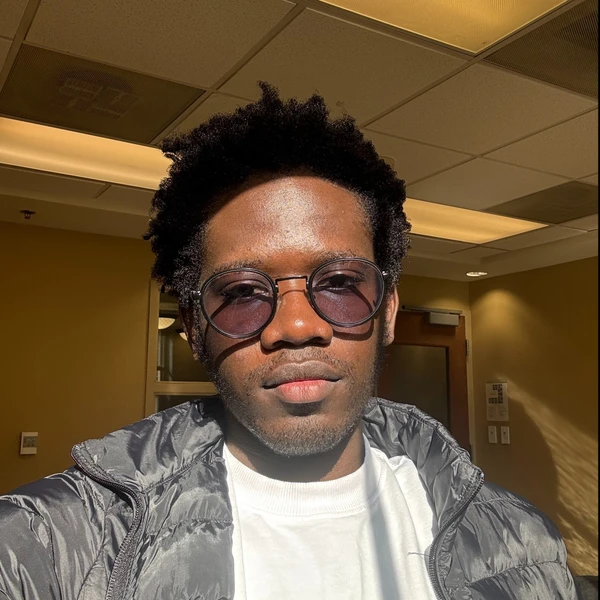
Courage is not measured by the battles we win alone, but by the lives we lift while facing them. Sgt. Albert Dono Ware’s sacrifice reminds us that service is not a choice... it is a responsibility. His bravery echoes in every act of giving, every voice raised for the vulnerable, and every risk taken to make a difference. This is the legacy I aspire to carry forward.
Sgt. Albert Dono Ware’s legacy of service, sacrifice, and bravery resonates deeply with my journey as an African immigrant navigating life in the United States. Growing up in Kumasi, Ghana, I learned that community is not just a group of people, but a network of care, support, and shared responsibility. Those lessons traveled with me across continents and shaped how I approach challenges here. They guide my efforts to create positive change locally and within the African diaspora. Sgt. Ware’s example inspires me to look beyond personal achievement and focus on lifting others, especially communities that are too often overlooked or marginalized.
My dedication to service is reflected in the work I have done through my initiative, Silent Voices, which educates youth about signs of abusive relationships that often go unnoticed. By sharing stories and providing guidance, I empower young people to make informed and safe choices. This work embodies the courage and selflessness exemplified by Sgt. Ware, because it requires speaking truth to uncomfortable realities to protect and uplift others. His bravery motivates me to confront the challenges facing the African diaspora in the United States, including limited access to resources, underrepresentation in leadership, and barriers to education and entrepreneurship. I believe these challenges are not insurmountable but require intentional community action and advocacy.
In my vision for meaningful change, community reforms must focus on education, mentorship, and economic empowerment. Expanding access to STEM education and entrepreneurship programs within African diaspora communities can equip young people with the skills and confidence to lead. Establishing mentorship networks that connect youth with professionals who share their background and experiences fosters guidance, opportunity, and inspiration. Policy reforms must prioritize equitable access to education funding, support for minority-owned businesses, and programs that address systemic social inequities.
Key stakeholders in this effort include local and state governments, educational institutions, community organizations, and leaders within African diaspora networks. Collaboration among these groups ensures initiatives are sustainable, culturally relevant, and impactful. Individuals who have the resources, expertise, and influence to mentor, advocate, or fund initiatives are equally crucial. I aspire to be one of these individuals, leveraging my skills in technology and entrepreneurship to develop programs and platforms that address these challenges directly and create tangible opportunities for others.
Ultimately, Sgt. Ware’s values guide me to use my skills, resources, and opportunities to serve others. They inspire a vision where the African diaspora in the United States is empowered through education, mentorship, and community development. By taking bold action, advocating for equitable policies, and building networks of support, I hope to honor his legacy and help shape a future where every member of the African diaspora can thrive, lead, and make a lasting difference.