user profile avatar

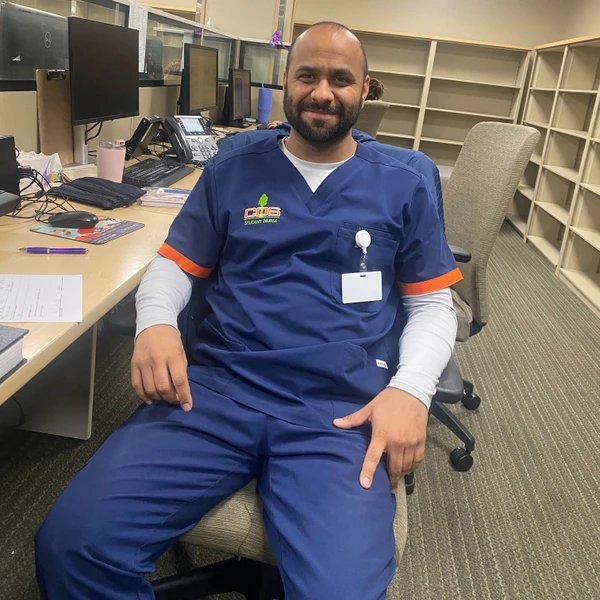
Kulwinder Singh

1x

Finalist

Bio

My name is Kulwinder Singh, and I am a dedicated nursing professional in training, currently enrolled in the LVN-to-RN Bridge Program at College of the Sequoias in Visalia while continuing my academic advancement at Grand Canyon University. My long-term goal is to become a Psychiatric-Mental Health Nurse Practitioner (PMHNP), where I can help expand access to compassionate, evidence-based mental health care. As a first-generation college student and immigrant from India, my journey has been shaped by resilience, determination, and a deep belief in the power of education to change lives. These experiences have given me a strong sense of empathy, cultural awareness, and a commitment to advocating for underserved populations. I take pride in my strong communication skills and natural leadership ability, which allow me to work effectively in team-based healthcare environments where collaboration and clear communication are essential to patient safety and quality care. Outside of nursing, I am passionate about personal growth. I enjoy reading self-development books and playing soccer, both of which reinforce discipline, teamwork, and perseverance. My professional path is driven by a desire to make a meaningful impact in mental health care, reduce stigma, and support individuals in achieving emotional well-being. Through continued education and service, I strive to lead with integrity, compassion, and purpose in every patient interaction.

Education

College of the Sequoias

Associate's degree program
2025 - 2026
  • Majors:
    • Registered Nursing, Nursing Administration, Nursing Research and Clinical Nursing
Miscellaneous

  • Desired degree level:

    Master's degree program

  • Graduate schools of interest:

  • Transfer schools of interest:

  • Majors of interest:

    • Mental and Social Health Services and Allied Professions
  • Not planning to go to medical school
  • Career

    • Dream career field:

      Health, Wellness, and Fitness

    • Dream career goals:

    • LVN

      CRMC
      2024 – Present2 years

    Sports

    Soccer

    Intramural
    2019 – Present7 years

    Research

    • Anthropology

      Fresno state social service department — Researcher
      2016 – 2017

    Arts

    • Fresno Arts Council

      Ceramics
      yes
      2015 – 2015

    Public services

    • Volunteering

      CCASC — volunteer activity coordinator
      2020 – 2021
    Dr. G. Yvette Pegues Disability Scholarship
    Navigating life with neurodiverse experiences has shaped how I understand resilience, empathy, and the importance of accessible mental health care. While my challenges were not always visible to others, they influenced how I learned, processed stress, and adapted to difficult environments. These experiences, combined with my background as an immigrant and first-generation college student, have strengthened my commitment to supporting underserved communities through my education and career. Growing up, I faced emotional stress, trauma, and instability that affected how I concentrated, managed anxiety, and felt safe in my surroundings. As a child, I did not have the language or resources to understand mental health or neurodiversity. I simply knew that school felt overwhelming at times, that stress made it difficult to focus, and that I had to work harder than others to stay grounded. These struggles were often invisible, and I learned early how easily people’s challenges can be misunderstood or overlooked. Over time, education became both a challenge and a source of healing. Learning how to manage stress, seek structure, and build coping skills helped me succeed academically and personally. My journey taught me that neurodiverse experiences are not weaknesses — they are differences that require understanding, patience, and support. This perspective now guides how I view others. Many individuals struggling with mental health conditions, trauma histories, or cognitive differences are judged instead of supported. I know how isolating that can feel. These experiences are one reason I chose to pursue nursing and mental health care. As a Licensed Vocational Nurse, I have seen how patients with mental health needs often face stigma, limited access to care, and misunderstanding within healthcare systems. Many come from low-income or immigrant backgrounds, where mental health is rarely discussed and resources are limited. I see reflections of my own journey in them — people trying to function while carrying invisible burdens. My goal is to become a Psychiatric Mental Health Nurse Practitioner so I can address these gaps in care. After completing my degree, I hope to serve at Kaweah Health mental health services in Visalia, where many individuals from underserved communities lack consistent access to culturally sensitive mental health support. This region includes agricultural families, immigrants, and low-income populations who often face barriers such as language differences, transportation issues, and stigma around seeking help. Through my education, I plan to provide compassionate, trauma-informed care that recognizes each patient’s lived experience. I want to create safe spaces where individuals feel heard, respected, and understood, especially those whose struggles are not immediately visible. My background allows me to connect with patients who may feel intimidated by healthcare systems or unsure how to express their needs. I also hope to advocate for early intervention and community education. Many people do not seek help until crises occur because they lack knowledge or fear judgment. By promoting awareness, coping strategies, and mental wellness education, I aim to help individuals build resilience before problems become overwhelming. My neurodiverse experiences taught me perseverance, empathy, and adaptability. They shaped my belief that everyone deserves care that sees the whole person, not just symptoms. Through my education and future work in mental health, I am committed to using my experiences to uplift underserved communities and ensure that no one feels unseen in their struggle.
    Second Chance Scholarship
    I want to make a change in my life because I know firsthand what it feels like to live without stability, safety, or clear opportunity — and I am determined to build a different future for my family and for the people I will serve. My journey began in a low-income immigrant household after coming to the United States from India. My parents are uneducated farmers from a village, and I am a first-generation college student. Growing up, my family faced financial hardship, and I also experienced abuse and instability. For a long time, survival felt like the only goal. I want change because I refuse to let hardship define the rest of my life or my daughter’s future. Education became the first step toward that change. School gave me structure, encouragement, and the belief that I was capable of more. Over time, I realized that building a stable, meaningful life required not only resilience, but education and independence. I pursued nursing because I wanted a career that would allow me to support others during vulnerable moments while also creating financial security for my family. I have taken several steps to move closer to my goals. I completed my LVN education and currently work as a Licensed Vocational Nurse at Community Regional Medical Center, with previous experience at Saint Agnes Medical Center. Working in healthcare while continuing my education has required balancing school, employment, and family life. As an adult student and parent to a four-year-old daughter, I understand responsibility in a very real way. My husband works overtime so we can manage our mortgage and educational expenses, and I contribute through my career and careful planning. I am currently in an LVN-to-RN program and concurrently pursuing my Master’s degree to become a Psychiatric Mental Health Nurse Practitioner at Grand Canyon University. My clinical experience at a mental health facility during my studies at College of the Sequoias solidified my desire to help individuals struggling emotionally. I have seen how mental health, financial stress, and lack of support can deeply affect overall well-being. These experiences motivate me to continue advancing my education so I can provide holistic care. This scholarship would help reduce financial strain and allow me to focus more fully on my studies, clinical growth, and family. Less financial pressure means more energy devoted to learning, patient care, and community service. It would bring me closer to completing my education without placing additional burden on my family. Paying it forward is central to my goals. I plan to give back by serving underserved and immigrant communities, providing compassionate, culturally sensitive care, and educating patients so they feel empowered in their health decisions. I also want to mentor future first-generation students and encourage them to pursue healthcare careers, just as others supported me along the way. My journey taught me that one opportunity can change a life — and I hope to be that opportunity for someone else. I want change not only for myself, but to create a ripple effect of support, healing, and opportunity for others. This scholarship would help turn that vision into reality.
    Ruthie Brown Scholarship
    As a first-generation college student and person of color, addressing student loan debt is not just a financial responsibility — it is part of my commitment to building long-term stability for my family while continuing my education and service in healthcare. I am an adult student, a parent to a four-year-old daughter, and a homeowner with a mortgage. My husband works overtime to help us make ends meet and manage household expenses alongside my educational costs. These responsibilities make financial planning essential, and I approach my student loans with careful intention and discipline. I come from a background where higher education was not accessible. My parents are uneducated farmers in a village in India, and I am the first in my family to attend college. As a person of color and first-generation student, I understand the barriers that can make higher education feel out of reach. Because of this, I view education as an investment not only in my career, but in breaking generational cycles of financial limitation and expanding opportunities for my daughter. However, I am also realistic about the burden of student loans. Responsible borrowing and proactive repayment planning are necessary to protect my family’s future. One of the primary ways I am addressing my student loan debt is by continuing to work while pursuing my education. As a Licensed Vocational Nurse at Community Regional Medical Center, I maintain employment in the healthcare field, which provides steady income and valuable experience. My work allows me to contribute to household expenses and minimize additional borrowing whenever possible. Balancing school, work, and family is challenging, but it helps me remain financially engaged rather than relying solely on loans. I also carefully budget and prioritize essential expenses. As a parent, my daughter’s well-being and stable home environment come first. We make intentional financial decisions, limit unnecessary spending, and plan for both short-term needs and long-term goals. My husband’s willingness to work overtime reflects our shared commitment to investing in my education now so that our family can benefit from greater financial security in the future. Another key part of my plan is advancing my education strategically. I am pursuing my RN and future advanced practice role in mental health because these positions offer increased earning potential and career stability. By investing in a field with strong demand and long-term opportunities, I am working toward a future where loan repayment becomes manageable and does not limit our quality of life. My goal is to enter repayment plans aligned with my income while making consistent payments to reduce long-term interest. I also actively seek scholarships and financial assistance opportunities, such as this one, to reduce the overall amount I need to borrow. Every scholarship directly lessens financial pressure on my family and allows me to focus more fully on my studies and patient care. Reducing debt now means I can later give back to my community without being overwhelmed by financial strain. My approach to student loans is rooted in responsibility, planning, and long-term vision. My education is not only for personal advancement — it is for my daughter’s future and for the patients I will serve. By balancing work, careful budgeting, family support, and continued professional growth, I am building a path where my loans are manageable and my family remains secure.
    New Beginnings Immigrant Scholarship
    My immigrant experience has shaped my identity, values, and career aspirations in profound ways. I came to the United States from India as a child, leaving behind a small village where my parents still live as uneducated farmers. They have spent their lives working the land with limited resources, and opportunities for higher education were never available to them. I am a first-generation college student, and every step of my educational journey represents not only my personal effort, but the sacrifices of my family and the hopes of generations before me. Moving to the United States meant starting over in a completely new environment. I had to adjust to a different language, culture, and education system while also navigating financial hardship. As an immigrant child, I often felt caught between two worlds — honoring my roots while learning how to build a future in a new country. My parents, despite their limited formal education, taught me the value of hard work, humility, and perseverance. Watching them labor tirelessly without complaint instilled in me a deep sense of responsibility to make the most of the opportunities they never had. My early years in America were not easy. My family faced economic struggles, and I also grew up in an unstable environment that included abuse. During that time, school became my refuge. Education gave me structure, encouragement, and a belief that my future could be different from my past. I learned that knowledge could open doors, create independence, and provide safety. As I progressed in school, I began to understand the privilege of being able to pursue higher education — something my parents could only dream of. Being a first-generation college student comes with both pride and pressure. I carry the responsibility of setting an example for younger family members and honoring the sacrifices my parents made to give me a better life. Their journey from a rural village to supporting a child in college in another country is a reminder that progress often happens one generation at a time. Their resilience fuels my own. My immigrant experience directly influenced my career aspirations in healthcare. Growing up, I saw how language barriers, limited health education, and financial concerns can make navigating medical systems overwhelming for families like mine. I witnessed confusion and fear when loved ones faced illness, especially when medical information felt difficult to understand. These experiences inspired me to pursue nursing so I can serve as a bridge for patients and families who feel lost or unheard. As a nurse and future mental health provider, my goal is to provide compassionate, culturally sensitive care, especially for individuals from immigrant or underserved communities. I want to ensure that patients understand their health conditions, feel respected, and have someone advocating for them. My background allows me to connect with people who may feel intimidated by healthcare systems or unsure how to ask for help. My journey from a farmer’s son in a small village to a first-generation college student in the United States reflects resilience, opportunity, and hope. My parents planted the seeds of hard work and faith; education allowed those seeds to grow. Through my career, I hope to honor their sacrifices by serving others with the same dedication and humility they showed throughout their lives.
    Special Delivery of Dreams Scholarship
    One of the most significant problems I have overcome in my life was growing up in an unstable and abusive environment while facing financial hardship as an immigrant child in the United States. Home, which should have been a place of safety, often felt unpredictable and emotionally overwhelming. As a child, I had little control over my surroundings, and for a long time I believed enduring hardship quietly was my only option. At the same time, my family struggled financially, which added stress and uncertainty about the future. Education became my turning point. School was the first place where I felt structure, encouragement, and a sense of possibility. As I continued my studies and later pursued nursing, education gave me more than knowledge — it gave me independence. Through my training and career, I gained the financial stability and confidence to leave harmful environments and build a safe life for myself. Overcoming that chapter of my life required resilience, faith, and the belief that my circumstances did not define my future. Today, I carry that strength with me, and it shapes how I care for others who may be facing their own silent struggles. This scholarship would help me give back to my community by allowing me to continue my education with less financial strain and greater focus on service. My goal in nursing and mental health is to support individuals from underserved or immigrant communities who often feel unheard or unsure how to navigate healthcare systems. I know what it feels like to struggle in silence, to feel overwhelmed, and to not fully understand the resources available. By advancing my education, I can provide not only medical care, but guidance, emotional support, and advocacy. I want to help patients make healthier choices, understand their conditions, and feel empowered rather than intimidated by healthcare. This scholarship would help me invest my time and energy into community outreach, patient education, and compassionate care that reaches beyond hospital walls. Stamp collecting, though a simple hobby on the surface, has also influenced my life in meaningful ways. It taught me patience, attention to detail, and an appreciation for history and culture. Each stamp represents a story — a country, a moment in time, or a symbol of identity. Growing up between cultures, I connected with that idea deeply. Collecting stamps reminded me that the world is larger than my immediate circumstances and that every place and person has value. It helped me develop curiosity, focus, and the ability to find meaning in small details — qualities that translate directly into healthcare, where noticing subtle changes and respecting diverse backgrounds are essential. Together, these experiences shaped who I am today: resilient, observant, compassionate, and driven to serve. The challenges I faced taught me strength. My education gave me tools. My interests, like stamp collecting, nurtured patience and cultural awareness. With support from this scholarship, I will continue turning those lessons into action by caring for my community with empathy, respect, and dedication.
    Brooks Martin Memorial Scholarship
    A significant loss that shaped my life was losing my sister to breast cancer when I was young. At an age when most children are still learning about the world in simple terms, I was faced with the reality of illness, fear, and grief. Her loss changed how I see life, relationships, and my purpose, and it continues to guide the person I am becoming today. I remember the confusion and helplessness my family felt. Medical information seemed overwhelming, and we did not always understand what was happening. There was fear not only about her health, but about the uncertainty of the future. As a child, I did not have the ability to change the situation, but I felt the emotional weight deeply. Losing her left a space in my life that can never be filled, but it also planted a seed of purpose that grew over time. That experience taught me that life is fragile and that health is something we often take for granted until it is threatened. It shaped my outlook by reminding me to value each day and to be present for the people I love. It also gave me a deep sense of empathy for others who are going through pain or uncertainty. When someone is facing illness, they are not only dealing with physical symptoms — they are dealing with fear, emotional stress, and the impact on their family. I understand that feeling in a personal way. Years later, I faced another emotional challenge when my other sister, who shared my difficult childhood, was diagnosed with cancer. This time, my role was different. Because of my nursing education, I was able to help her understand her diagnosis, communicate with healthcare providers, and feel less alone. While the situation was painful, it showed me how far I had come. I was no longer a helpless child; I could offer knowledge, reassurance, and support. That moment reinforced how loss had shaped my goals. Losing my sister influenced my decision to pursue healthcare. I want to be someone who stands beside patients and families during their most vulnerable moments. I want to provide not only medical care, but clarity, comfort, and emotional support. My experiences taught me that healing is not just physical — it is emotional and psychological as well. This understanding guides how I approach my education and future career. The loss also shaped how I live my life. I try not to take time with loved ones for granted. I value compassion, patience, and kindness because I know how quickly circumstances can change. Grief taught me resilience. It showed me that even when life brings deep pain, it is still possible to grow, to help others, and to find meaning. While losing my sister will always be one of the hardest experiences of my life, it gave me a perspective that continues to guide me. It shaped my empathy, strengthened my faith, and inspired my career path. Her memory lives in the work I strive to do — caring for others, supporting families, and bringing comfort during times of uncertainty. Through loss, I found purpose, and that purpose continues to shape my goals and the way I live each day.
    Jim Maxwell Memorial Scholarship
    This opportunity is meaningful to me because it represents more than financial support — it represents hope, validation, and the chance to continue a journey shaped by resilience, faith, and purpose. My path has not been easy, but through education and my faith in Sikhi, I have found the strength to overcome hardship and build a life centered on service and compassion. I came to the United States from India as a child, entering a new culture while facing challenges that felt overwhelming at a young age. I grew up in a low-income household and experienced instability and abuse during my childhood. There were times when fear and uncertainty felt constant, and I often carried emotional burdens silently. During those years, my faith became my anchor. Sikhi teaches equality, resilience, humility, and the belief that every person carries divine light within them. Even when my surroundings felt dark, these teachings reminded me that my worth was not defined by my circumstances. One of the principles that guided me most is Chardi Kala, the Sikh belief in maintaining hope and optimism even in adversity. This mindset shaped how I approached challenges. Instead of allowing pain to define me, I learned to view hardship as a test of strength and an opportunity to grow. Prayer, reflection, and remembering Waheguru gave me emotional grounding during times of stress. My faith did not remove my struggles, but it gave me the courage to endure them without losing hope. Education became the pathway through which I could act on the inner strength my faith nurtured. Through my nursing education, I gained independence and the ability to leave unsafe environments. Faith gave me courage; education gave me tools. Together, they allowed me to reclaim my dignity and shape my own future. My journey has also been marked by profound loss. I lost one sister to breast cancer when I was young, and years later, another sister who shared my difficult childhood was diagnosed with cancer. Watching someone you love face serious illness brings fear, sadness, and emotional strain. During those moments, my faith reminded me to serve and stay strong for others. Sikhi emphasizes seva, or selfless service, and caring for my sister during her illness became both a personal responsibility and an expression of my faith. I used my nursing knowledge to help her understand her diagnosis, navigate care, and feel emotionally supported. This opportunity matters to me because it supports the mission my faith has inspired: to serve humanity with compassion. As a nurse and future mental health provider, I want to support individuals who feel unheard, overwhelmed, or emotionally burdened. Many people carry invisible struggles, just as I once did. My faith teaches me to listen without judgment, treat everyone with dignity, and offer hope even in difficult circumstances. Moving forward, I will continue to use my faith as a guiding force. Sikhi reminds me to remain humble in success, strong in adversity, and committed to serving others. It teaches that true achievement is measured not by personal gain, but by how much we uplift those around us. With faith as my foundation, I am determined to reach greater heights so I can expand the ways I serve my community. This opportunity would allow me to continue my education and fulfill a purpose shaped by unwavering faith — a faith that has turned struggle into strength and hardship into a commitment to healing others.
    Learner Mental Health Empowerment for Health Students Scholarship
    Mental health is important to me as a student because it has shaped both my life and my purpose. My understanding of mental health is not only academic or clinical — it comes from lived experience, family struggles, and my journey toward healing and independence. I came to the United States from India as a child and grew up in a low-income household where financial stress, cultural adjustment, and instability were constant. I also experienced abuse during my childhood, which created an environment of fear and emotional strain. At that time, I did not have the language to describe anxiety, trauma, or emotional stress, but I felt their weight every day. School became my only safe space — a place where I could focus, learn, and feel encouraged. Education gave me structure, hope, and the belief that my future could be different from my circumstances. Because of those experiences, I understand how deeply mental health affects learning. It is difficult to focus, retain information, or plan for the future when someone is overwhelmed by stress or emotional pain. My journey taught me that academic success and mental well-being are closely connected. As I continued my education through LVN training and now my LVN-to-RN program, I gained confidence, independence, and the strength to leave harmful environments. Education helped me realize that as an adult, I have rights, choices, and the ability to protect my well-being — a major step in my emotional healing. Mental health is also deeply personal to me because of my family. I lost one sister to breast cancer when I was young, and another sister who shared my difficult childhood was later diagnosed with cancer. Watching someone you love face serious illness brings fear, anxiety, and uncertainty. During my sister’s diagnosis, I used my nursing education to help her understand her condition, communicate with providers, and feel less alone. I saw how emotional support and understanding can change how someone copes with illness. As a nursing student and Licensed Vocational Nurse at Community Regional Medical Center (previously at Saint Agnes Medical Center), I advocate for mental health in both clinical and everyday settings. In the hospital, I recognize that patients often carry invisible emotional burdens. I take time to listen, provide reassurance, and explain information clearly to reduce fear. I speak up to the healthcare team when I notice emotional distress that may affect care. My clinical rotation at a mental health facility during my LVN-to-RN program at College of the Sequoias strengthened my commitment to mental health advocacy. I witnessed how compassionate listening and patient education can stabilize lives. That experience led me to pursue my Master’s degree to become a Psychiatric Mental Health Nurse Practitioner at Grand Canyon University while completing my RN pathway. Outside of the hospital, I advocate for mental health by encouraging open conversations within my family and peers. Coming from a background where mental health was rarely discussed, I try to normalize seeking help, expressing emotions, and supporting one another without judgment. I share coping strategies, emphasize self-care, and remind others that asking for help is a sign of strength. Mental health matters to me because I know what it feels like to struggle silently. As a student, nurse, and future PMHNP, I am committed to creating safe spaces where people feel heard, respected, and supported, and to helping others understand that healing is possible.
    Autumn Davis Memorial Scholarship
    My understanding of mental health is not only clinical — it is personal. My life experiences shaped my beliefs about emotional resilience, the importance of support, and the profound connection between mental and physical health. These experiences ultimately guided me toward a career where I can serve individuals who are struggling in ways that are often invisible to the world. I came to the United States from India as a child, growing up in a low-income household while also facing abuse and instability at home. During those years, I learned what it feels like to live in constant stress and fear, to carry emotions silently, and to feel that survival comes before self-care. As a child, I did not have the language to describe anxiety, trauma, or emotional exhaustion, but I lived with their effects. School became my only safe space — a place of structure, encouragement, and hope. Education slowly helped me understand that what I experienced mattered, that mental well-being is just as important as physical safety, and that healing is possible. Financial hardship and emotional strain were constant, but education gave me independence. It helped me leave an unsafe environment and build a stable life. More importantly, it taught me empathy. I recognize now that many people I care for carry similar invisible burdens. Mental health struggles often show up in physical illness, unhealthy coping habits, poor nutrition, and difficulty managing chronic disease. These realizations shaped not only my beliefs, but my career direction. I currently work as a Licensed Vocational Nurse at Community Regional Medical Center and previously at Saint Agnes Medical Center, where I see firsthand how emotional distress affects overall health. Patients dealing with depression or anxiety often struggle to follow treatment plans, maintain healthy eating habits, or manage chronic illnesses. I learned that providing care means addressing the whole person — not just symptoms. A pivotal moment in my journey occurred during my clinical experience at a mental health facility as a student in the LVN-to-RN program at College of the Sequoias. Working with individuals facing severe mental illness changed how I saw healthcare. I witnessed how compassionate listening, patience, and education can stabilize someone’s life. I saw the difference that understanding, nonjudgmental care can make. That experience solidified my decision to pursue advanced training in mental health, which is why I concurrently enrolled in the Psychiatric Mental Health Nurse Practitioner program at Grand Canyon University while completing my RN pathway. My beliefs about mental health are also shaped by family loss. I lost one sister to breast cancer when I was young, and another sister who shared my difficult childhood was later diagnosed with cancer. During her illness, I saw how fear, anxiety, and emotional stress can be as overwhelming as physical symptoms. Because of my education, I could help her understand her diagnosis, advocate for her care, and offer emotional reassurance. That experience reinforced how critical mental support is during medical crises. Through my mental health career, I hope to make a positive impact by providing compassionate, culturally sensitive care, particularly for individuals from immigrant or underserved communities who may feel misunderstood or hesitant to seek help. I want to create safe spaces where patients feel heard, respected, and empowered. As a future PMHNP, I plan to integrate mental health treatment with education on coping strategies, lifestyle habits, and self-advocacy, helping individuals build resilience rather than simply managing symptoms. My past taught me what it feels like to struggle in silence. My education taught me how to speak, advocate, and heal.
    Dream BIG, Rise HIGHER Scholarship
    Education did not just give me a career path — it gave me a way out, a voice, and a future I once could not imagine for myself. I came to the United States from India as a child, entering a new country while carrying challenges I did not yet have the words to describe. My family faced financial hardship, and the adults in my life worked long, exhausting hours to survive. From a young age, I understood that education was not optional for me — it was the only path that could lead to stability and safety. While other children focused only on school assignments, I carried a quiet awareness that my future depended on what I did in the classroom. Behind closed doors, my childhood was shaped by abuse and instability. Home was not always a place of comfort. I grew up learning to be quiet, to endure, and to adapt. As a child, I had no control over my environment, but school became my refuge. In school, I felt seen. Teachers encouraged me, routines gave me structure, and learning gave me something no one could take from me — the belief that I was capable of more than the life I was living. Education slowly began to change how I saw myself. As I continued my studies, eventually completing my LVN education and later pursuing my bachelor’s degree at Fresno State, I was not just gaining knowledge — I was gaining independence and confidence. Growing up in an educated society taught me something powerful: becoming an adult meant I had rights, choices, and the ability to remove myself from situations that were harmful. Through education, I found the strength to stand up to the abuse I once felt powerless against. Financial aid, scholarships, and the income my education allowed me to earn gave me the ability to leave environments that caused fear and step into a life where I could feel safe. Education did not just change my circumstances; it helped me reclaim my dignity. Financial hardship was a constant reality throughout my journey. There were times when resources were limited, and the future felt uncertain. I balanced school with emotional stress and responsibility, often carrying worries far beyond my years. But these struggles gave me resilience. I learned discipline, time management, and perseverance. More importantly, I learned empathy for others who carry invisible burdens. My life was also marked by profound loss. When I was young, I lost my sister to breast cancer. Losing her while adapting to a new country left a deep impact on me. I remember the confusion, fear, and helplessness our family felt when faced with medical information we did not fully understand. That experience stayed with me. It shaped my desire to enter healthcare — to become someone who can help families navigate illness with clarity, compassion, and support. Years later, another painful chapter tested me again. My sister who came to America with me — who endured the same abusive home and shared the same childhood struggles — was diagnosed with cancer. This time, however, my role was different. I was no longer a powerless child. Because of my education, I could help her understand her diagnosis, explain medical terms, communicate with providers, and feel less alone. I could advocate for her, help her ask questions, and offer emotional strength. Education gave me the ability to protect and support someone I love during one of the hardest moments of her life. The challenges I have faced — abuse, poverty, immigration, grief, and family illness — could have easily limited my path. Instead, they shaped my purpose. My experiences taught me that education is more than personal success; it is a tool to uplift others. I want to use my education in healthcare to serve patients and families who feel overwhelmed, unheard, or afraid, especially those from immigrant or underserved communities. I understand what it feels like to sit in a hospital room filled with fear and unanswered questions. I want to be the person who brings clarity, comfort, and advocacy. Education turned my pain into purpose. It gave me financial independence, the courage to stand up for myself, and the ability to help my family heal. It showed me that my past does not define my future — my choices do. Through education, I am building a life rooted in safety, service, and hope, and I am committed to using what I have learned to make a difference in the lives of others.
    Pierson Family Scholarship for U.S. Studies
    My background is rooted in family sacrifice, cultural transition, and perseverance. I was born in India and came to the United States at a young age, where my family worked hard to build a stable life with limited financial resources. Adjusting to a new country meant learning a new language, adapting to a different school system, and navigating a culture that felt unfamiliar. My family emphasized the value of hard work, humility, and education, even when circumstances were difficult. Growing up, I saw firsthand how determination and resilience could slowly transform hardship into opportunity. Those early experiences shaped my character and inspired me to pursue higher education in the United States as a way to create a better future, not only for myself but for my family and community. One of the greatest challenges I have overcome was adapting to a new country while coping with personal loss and financial strain. Entering school without strong English skills made learning feel overwhelming, and there were times when I felt isolated and unsure of myself. However, I chose to view education as my pathway forward. I worked harder, asked for help, and remained patient with my progress. Over time, I built confidence and learned that growth happens gradually. From this experience, I learned resilience, self-discipline, and empathy. I now understand that challenges do not define a person’s potential — they strengthen it. This lesson continues to guide me in my academic and professional journey. Someone who has deeply inspired me is my family member who battled breast cancer with courage and grace. Watching her face illness showed me the strength of the human spirit and the importance of compassionate healthcare. I saw how illness affects not just the patient, but the entire family emotionally and mentally. Her experience inspired me to pursue a career where I can support people during vulnerable times, offering both clinical care and emotional understanding. Her resilience continues to motivate me to stay focused on my goals, even when the path feels demanding. My post-graduate plans involve advancing my nursing career to make a meaningful impact in mental health care. I am currently continuing my education with the goal of becoming a Psychiatric Mental Health Nurse Practitioner (PMHNP). In this role, I hope to work with individuals and families who face emotional and psychological challenges, especially in underserved communities where access to mental health services is limited. I want to provide care that is not only evidence-based but also compassionate and culturally sensitive. Beyond direct patient care, I hope to contribute to education and advocacy efforts that reduce stigma around mental health and promote holistic well-being. Ultimately, my background taught me perseverance, my challenges taught me resilience, and my inspiration taught me compassion. These experiences continue to shape my educational journey and my commitment to making a positive difference through healthcare.
    Sarah Eber Child Life Scholarship
    One of the most significant adversities I faced occurred during my early years adjusting to life in the United States after immigrating from India. The transition was far more than a change in location — it meant adapting to a new language, culture, school system, and social environment, all while my family faced financial hardship. I remember feeling overwhelmed and out of place, struggling to understand conversations in class and feeling isolated because I could not express myself clearly. At the same time, my family was working tirelessly to establish stability, and I could see the pressure and sacrifice that surrounded us. At the time, I viewed this adversity as something I simply had to survive. I did not have the luxury of giving up or feeling sorry for myself because I understood that my family’s sacrifices were made to give me opportunity. Instead of seeing challenges as unfair, I began to see them as temporary obstacles that required patience and effort. I told myself that even if progress felt slow, each small improvement mattered. My plan of action was simple but consistent: work harder, stay focused, and never stop learning. I paid close attention in school, even when I did not fully understand, and practiced language skills outside the classroom. I observed others to learn social cues and cultural expectations. I leaned into education as my path forward, believing that knowledge would open doors. Most importantly, I developed mental resilience — reminding myself that discomfort and struggle were part of growth. Over time, these efforts began to show results. I became more confident, more capable, and more independent. The adversity that once felt overwhelming slowly became a source of strength. It taught me discipline, adaptability, and perseverance. I learned that progress does not always happen quickly, but consistency creates change. This experience profoundly impacted my perception of life. I began to see hardship not as punishment but as preparation. Challenges can shape character, deepen empathy, and reveal strengths we may not otherwise discover. Because I have felt what it is like to be uncertain, overwhelmed, and out of place, I now approach others with understanding rather than judgment. I recognize that everyone carries struggles that may not be visible. This adversity also shaped my purpose. It influenced my decision to pursue a career where I can support people during vulnerable times. I know how powerful encouragement and patience can be when someone is struggling, and I want to offer that to others. Looking back, what once felt like an impossible situation became the foundation for my resilience, compassion, and determination. It changed how I see life — not as a path without difficulty, but as a journey where growth often comes through the challenges we overcome.
    Deanna Ellis Memorial Scholarship
    My experience with substance abuse — whether personal or through close exposure to its effects — has profoundly shaped my beliefs, relationships, and career aspirations. It opened my eyes to the complexity of addiction and helped me understand that substance use disorders are not simply about poor choices, but often rooted in pain, trauma, mental health struggles, or lack of support. This understanding replaced judgment with empathy and gave me a deeper appreciation for how critical compassion and education are in recovery. Through this experience, my beliefs about people and healing changed. I learned that individuals facing addiction are not defined by their lowest moments. Many are strong, intelligent, and capable people who are fighting battles that others cannot see. I came to believe that healing requires patience, support, and access to proper resources, not shame or isolation. I also realized how closely mental health and substance use are connected, reinforcing the idea that treatment must address the whole person — emotionally, psychologically, and physically. Substance abuse also influenced my relationships by teaching me the importance of boundaries, communication, and understanding. It showed me how addiction can affect not just one person but entire families and communities. I saw how support systems can either strengthen recovery or unintentionally enable harmful patterns. These lessons helped me value honest conversations, emotional awareness, and the need to approach others with both compassion and accountability. Professionally, this experience strongly shaped my career aspirations in healthcare, particularly in mental health. I want to be part of the solution by working with individuals who struggle with addiction and co-occurring mental health conditions. Many people facing substance use challenges feel judged, misunderstood, or afraid to seek help. My goal is to create a safe, respectful environment where patients feel supported rather than criticized. I want to help individuals understand their triggers, develop coping strategies, and build healthier futures. It also motivated me to pursue advanced education so I can better understand the psychological and neurological aspects of addiction. Substance abuse is a medical and mental health condition that requires evidence-based treatment and compassionate care. By gaining advanced training, I can contribute to breaking stigma and improving access to care for vulnerable populations. Ultimately, this experience taught me resilience, empathy, and the power of second chances. It reinforced my belief that recovery is possible when people are met with understanding and support. I carry these lessons with me as I work toward a career dedicated to helping others heal, rebuild, and find hope beyond their struggles.
    Lotus Scholarship
    Growing up in a low-income household after immigrating to the United States from India shaped my resilience, work ethic, and outlook on life. My family had limited financial resources, and adjusting to a new country brought language barriers, cultural differences, and emotional challenges. There were moments when opportunities felt out of reach, and the future seemed uncertain. However, these experiences did not discourage me — they strengthened my determination. I learned early that success would require perseverance, discipline, and belief in myself. Watching my family work hard to build stability inspired me to stay focused on education as a pathway to a better future. Even when circumstances were difficult, I understood that challenges were temporary, but the lessons I gained from them were lasting. Instead of seeing hardship as a setback, I learned to view it as motivation to grow stronger and more capable. These experiences taught me gratitude, adaptability, and empathy for others facing similar struggles. I plan to use my life experiences to make a positive impact by serving communities that often lack access to resources, especially in healthcare and mental health. Growing up with financial strain allows me to understand the stress, fear, and uncertainty many families face. This perspective helps me provide compassionate, culturally sensitive care and advocate for individuals who may feel unheard. I am actively working toward my goals by advancing my nursing education through an LVN-to-RN bridge program while also pursuing further training in mental health nursing. Balancing these commitments requires dedication, but it reflects the perseverance I developed growing up. My journey shows that difficult beginnings can lead to meaningful purpose, and I hope to use my story to uplift and support others.
    Robert F. Lawson Fund for Careers that Care
    I am someone whose life experiences have shaped a deep commitment to compassion, resilience, and service. My journey has been influenced by adapting to new environments, overcoming challenges, and learning firsthand how powerful support and understanding can be during difficult times. These experiences helped me develop empathy, patience, and determination — qualities that now guide both my personal life and my professional goals. I am currently advancing my nursing education through the LVN-to-RN Bridge Program at College of the Sequoias in Visalia while also pursuing my long-term goal of becoming a Psychiatric Mental Health Nurse Practitioner (PMHNP) at Grand Canyon University. Choosing to work toward both programs at the same time reflects my strong dedication to growth and my desire to make a broader impact in healthcare. My path is not just about earning degrees; it is about gaining the knowledge and skills needed to better serve individuals, families, and communities. Through my career, I plan to make a positive impact by focusing on mental health care, an area that continues to face stigma, limited access, and growing need. I have seen how emotional and psychological struggles often go unnoticed or untreated, especially among vulnerable populations such as children, adolescents, and families facing hardship. My goal as a future PMHNP is to create a safe, supportive environment where patients feel heard, understood, and respected. I want to help individuals build resilience, manage stress, and improve their quality of life through evidence-based care combined with empathy. I also hope to make an impact by promoting holistic care. Mental health and physical health are deeply connected, and true healing requires addressing both. By educating patients and families, I want to empower them to take an active role in their well-being. Education reduces fear and helps individuals feel more in control of their health decisions. Whether through one-on-one care, community involvement, or collaboration with other professionals, I aim to support long-term wellness rather than only short-term solutions. Another way I plan to contribute positively is through advocacy. Many individuals face barriers related to culture, language, finances, or limited healthcare resources. I want to be a voice for those who may feel overlooked, helping ensure that care is equitable and culturally sensitive. My experiences have taught me the importance of dignity, respect, and understanding, and I intend to bring those values into every professional interaction. Ultimately, my goal is to combine clinical knowledge with compassion to help people feel supported not only physically but emotionally. Making a positive impact does not always mean grand gestures — it often begins with listening, showing kindness, and providing consistent, respectful care. Through my nursing career and future role as a PMHNP, I hope to contribute to a world where mental health is valued, individuals feel empowered, and communities are strengthened through empathy and understanding.
    Simon Strong Scholarship
    Adversity has been a defining part of my life story, and it is one of the main reasons I am the person I am today. One of the most significant challenges I faced occurred early in my childhood, when my life changed in ways I could not control. I had to adapt to a completely new environment, culture, and language while also coping with emotional hardship and instability. At an age when most children rely on consistency and support, I had to learn resilience, independence, and emotional strength. Arriving in a new country without knowing the language was overwhelming. Simple tasks like communicating at school or understanding lessons felt impossible at first. I remember feeling isolated and unsure of how I would ever catch up. On top of that, I was carrying emotional pain from difficult experiences at home, which made it even harder to focus or feel secure. There were times when I felt invisible and discouraged, wondering if I would ever truly belong or succeed. What helped me overcome adversity was determination and a belief that my situation did not define my future. I learned to observe, listen carefully, and work harder than I ever had before. I stayed after class, practiced language skills, and slowly built confidence. Education became my pathway forward. Each small success — understanding a lesson, making a friend, completing an assignment — reminded me that growth happens step by step. I also learned to draw strength from within, realizing that even when external circumstances are difficult, inner resilience can carry you through. Over time, these struggles shaped me into someone who values empathy, patience, and perseverance. Because I know what it feels like to be the person who doesn’t understand, who feels out of place, or who is quietly struggling, I approach others with compassion rather than judgment. Adversity gave me the ability to listen deeply and connect with people on a human level. It also taught me adaptability — the understanding that challenges are not permanent barriers but opportunities to grow stronger and wiser. These experiences directly influenced my decision to enter healthcare. Patients often face moments of fear, vulnerability, and uncertainty, and I want to be someone who offers reassurance and understanding. The same resilience that helped me overcome hardship now helps me stay calm and supportive in stressful situations. Instead of being discouraged by obstacles, I see them as chances to learn and improve. To someone facing similar circumstances, my advice would be this: your current situation is not the final chapter of your story. Progress may feel slow, but every effort counts. Do not measure your growth against others; focus on becoming stronger than you were yesterday. Seek support when you can, but also trust in your own strength. The qualities developed through adversity — resilience, empathy, and determination — are powerful tools that can guide you toward success and purpose. Looking back, I would not erase my challenges, because they shaped my character, values, and direction in life. Adversity did not break me; it built me into someone who understands struggle and is committed to helping others through theirs.
    RELEVANCE Scholarship
    My personal challenges have played a defining role in my decision to pursue a career in healthcare. Experiencing hardship at a young age taught me resilience, adaptability, and empathy — qualities that now shape how I care for others. Facing instability, cultural transitions, and emotional adversity helped me understand what it feels like to be vulnerable, unheard, or uncertain about the future. Those experiences instilled in me a deep desire to become someone who provides stability, compassion, and support to individuals during difficult times. Healthcare, especially nursing, allows me to transform those early struggles into meaningful service. Living through challenges also taught me how important it is for people to feel seen and understood, not just treated. When individuals are facing illness or emotional distress, they often carry fear, confusion, and isolation. Because I have experienced periods of uncertainty myself, I approach patients with patience and without judgment. I know that healing requires more than physical treatment — it requires trust, dignity, and emotional safety. These insights pushed me to pursue a path where I could combine science with human connection. My journey in nursing education reflects this commitment. I am currently enrolled in the LVN-to-RN Bridge Program at College of the Sequoias in Visalia while also working toward my long-term goal of becoming a Psychiatric Mental Health Nurse Practitioner (PMHNP) through Grand Canyon University. Choosing to pursue both programs concurrently demonstrates my dedication to expanding my knowledge and ability to serve patients holistically. My personal experiences showed me how closely emotional well-being and physical health are connected, which is why I am especially drawn to mental health care. Challenges in my life also strengthened my ability to remain calm and solution-focused under pressure. Difficult situations taught me to listen first, think critically, and act with intention rather than reacting emotionally. These skills are essential in healthcare settings where patients and families are often overwhelmed. I can relate to people facing hardship while also maintaining the professionalism and composure needed to support them effectively. My experiences will help me make a positive impact in healthcare by allowing me to connect with diverse populations, especially those who feel marginalized or misunderstood. I understand how cultural background, language barriers, financial stress, and past trauma can influence a person’s health journey. This awareness helps me provide culturally sensitive, patient-centered care and advocate for individuals who may struggle to speak up for themselves. As a future PMHNP, I plan to use both my clinical training and life experience to support patients’ mental and emotional health alongside their physical care. I want to create environments where people feel safe discussing their struggles without fear of stigma. My goal is to be a provider who leads with empathy, communicates clearly, and empowers patients to participate in their own healing. Ultimately, my challenges did not hold me back — they shaped the healthcare professional I am becoming. They taught me resilience, compassion, and the importance of human connection, all of which I will carry into my career to improve the lives of those I serve.
    Skin, Bones, Hearts & Private Parts Scholarship for Nurse Practitioners, Physician Assistants, and Registered Nurse Students
    My motivation for pursuing advanced education comes from a deep commitment to expanding the quality and scope of care I can provide to patients, particularly in the area of mental health. Through my experience in nursing, I have seen how emotional and psychological challenges often go hand in hand with physical illness. Many individuals struggle silently with anxiety, depression, trauma, and stress-related conditions that affect their overall well-being. These experiences inspired me to advance my education so I can address both the mental and physical aspects of health in a more comprehensive and meaningful way. I am currently working toward my goal of becoming a Psychiatric Mental Health Nurse Practitioner (PMHNP) through my studies at Grand Canyon University while simultaneously completing the LVN-to-RN Bridge Program at College of the Sequoias in Visalia. Balancing both programs reflects my determination to grow academically and professionally so I can make a greater impact in the lives of those I serve. Advanced education allows me to move beyond basic patient care into a role where I can assess, diagnose, and treat mental health conditions while continuing to provide compassionate, patient-centered support. I am especially motivated to work with vulnerable populations, including children, adolescents, and families who face barriers to mental health services. Mental health care is often limited by stigma, lack of access, and provider shortages. By becoming a PMHNP, I will be able to help fill that gap, offering evidence-based treatment, education, and advocacy. My goal is to create safe spaces where patients feel heard, understood, and supported, while also empowering families with the tools and knowledge needed to promote long-term wellness. This scholarship will benefit me by easing the financial burden associated with pursuing two rigorous nursing programs at the same time. Tuition, textbooks, clinical requirements, and associated expenses can be challenging to manage, particularly while maintaining the focus needed to succeed academically. Financial support would allow me to dedicate more time and energy to my education and clinical training rather than worrying about financial stress. It would also help ensure that I can continue progressing through my programs without interruption, staying on track toward completing my RN education and advancing into my PMHNP role. Beyond financial assistance, this scholarship represents encouragement and recognition of my commitment to serving others. Knowing that my educational journey is supported reinforces my motivation to continue striving for excellence in both academics and patient care. Ultimately, this support will help me reach my goal of providing comprehensive mental health care that blends clinical knowledge, empathy, and advocacy. By investing in my education, this scholarship is also investing in the communities and patients I will serve in the future, allowing me to contribute to stronger, healthier, and more emotionally supported individuals and families.
    Lieba’s Legacy Scholarship
    This is such a thoughtful prompt — here’s a strong, focused response that ties in your PMHNP goal and keeps it scholarship-appropriate: My career goal of becoming a Psychiatric Mental Health Nurse Practitioner (PMHNP) will allow me to directly support the social-emotional well-being and intellectual development of gifted children, a group that is often misunderstood and underserved in traditional healthcare and educational systems. Gifted children are frequently recognized for their advanced cognitive abilities, but their emotional and psychological needs can be overlooked. Many experience heightened sensitivity, anxiety, perfectionism, social isolation, or asynchronous development, where emotional maturity does not match intellectual ability. As a future PMHNP, I want to help bridge this gap by providing mental health care that honors both their emotional experiences and intellectual strengths. Gifted children often feel pressure to perform at high levels while struggling with internal challenges such as fear of failure, overexcitability, or difficulty relating to peers. Without proper support, these factors can lead to stress, depression, or burnout at an early age. My role as a PMHNP will involve assessing not just behavioral symptoms but also the underlying emotional patterns that affect gifted youth. By creating a safe, validating environment, I can help them develop emotional regulation skills, healthy coping strategies, and self-acceptance. Supporting their social-emotional growth helps them build resilience, confidence, and a balanced sense of identity beyond academic performance. Mental health support is also critical to meeting the intellectual needs of gifted children. When anxiety, emotional distress, or social struggles go unaddressed, even highly capable students can underperform or disengage from learning. By addressing mental health challenges early, I can help remove barriers that interfere with concentration, motivation, and creative expression. Gifted children thrive when they feel psychologically safe and understood. My goal is to ensure that their mental health supports — not limits — their intellectual potential. Another important aspect of my career vision is working collaboratively with families and educators. Gifted children benefit most when the adults in their lives understand their unique emotional and cognitive profiles. As a PMHNP, I plan to educate parents about emotional intensity, perfectionism, and stress management in gifted youth. I also hope to collaborate with schools and counselors to promote supportive learning environments that nurture both academic talent and emotional well-being. This integrated approach helps children feel supported at home, in healthcare settings, and in school. Empathy and communication are central to this work. Gifted children often feel misunderstood or labeled simply as “high achievers,” which can minimize their emotional struggles. I want to be a provider who listens without assumptions and validates their experiences. By combining advanced psychiatric training with compassionate nursing care, I can help gifted children develop strong emotional foundations that allow their intellectual gifts to flourish. Ultimately, my career as a PMHNP will focus on whole-child care — supporting mind, emotions, and potential together. By addressing social-emotional health while respecting intellectual needs, I can help gifted children grow into well-rounded, confident individuals who are not only academically successful but emotionally healthy and resilient.
    Dashanna K. McNeil Memorial Scholarship
    My decision to pursue an advanced nursing degree is rooted in a desire to deepen the level of care I can provide and to address the growing mental health needs I have witnessed in healthcare. While nursing first inspired me because of the human connection and opportunity to serve, my experiences have shown me that many patients struggle with challenges that go far beyond physical illness. Emotional distress, trauma, anxiety, and depression often exist alongside medical conditions, yet these needs are not always fully addressed. This realization led me to pursue my long-term goal of becoming a Psychiatric Mental Health Nurse Practitioner (PMHNP) through my studies at Grand Canyon University. Working in nursing has shown me that healing requires more than medications or procedures — it requires understanding the whole person. I have cared for patients whose physical symptoms were deeply connected to stress, unresolved trauma, or mental health conditions. In these moments, I often wished I had more advanced knowledge and authority to help address both their psychological and physical needs. Becoming a PMHNP will allow me to assess, diagnose, and treat mental health conditions while still bringing the compassion and holistic perspective that define nursing care. My goal as a future PMHNP is to serve vulnerable populations, including children, adolescents, and families who may lack access to mental health resources. Early intervention can change the course of a young person’s life, yet many families face barriers such as stigma, financial limitations, or limited provider availability. I want to help create a safe, supportive environment where patients feel heard and understood without judgment. Mental health care requires patience, trust, and strong communication — qualities I have developed through both my life experiences and my nursing background. Another goal is to integrate mental health care into overall wellness. Mental health should not be treated as separate from physical health; the two are deeply connected. As a PMHNP, I hope to educate patients and families about this connection, promote coping strategies, and encourage preventative approaches that strengthen emotional resilience. By helping patients understand their mental health, I can empower them to take an active role in their well-being. Pursuing my degree at Grand Canyon University represents more than academic advancement; it reflects my commitment to leadership and lifelong learning. Advanced education provides the clinical expertise, research-based knowledge, and critical thinking skills needed to manage complex mental health conditions. It also prepares me to collaborate with interdisciplinary teams, advocate for equitable care, and contribute to improving mental health systems in my community. Leadership is central to my vision for the future. As a PMHNP, I want to serve as a mentor to other nurses, a trusted provider for families, and an advocate for mental health awareness. I believe leadership in nursing means combining competence with compassion, using knowledge to uplift others, and working to reduce stigma around mental health care. Ultimately, my inspiration to pursue advanced certification comes from a belief that growth in education expands the impact of service. By becoming a PMHNP, I will be able to provide comprehensive, empathetic care that addresses both the mind and body, helping individuals and families feel supported, understood, and empowered on their path to healing.
    Harry & Mary Sheaffer Scholarship
    My unique talents and skills are rooted in resilience, cultural awareness, and the ability to connect with people from very different backgrounds. Having experienced major life transitions, language barriers, and personal hardship, I learned early how powerful empathy can be. These experiences shaped my perspective and taught me to approach others without judgment, to listen carefully, and to recognize that every person carries a story that influences how they experience the world. I plan to use these qualities to help build a more empathetic and understanding global community through healthcare, communication, and service. One of my strongest skills is the ability to connect across cultures. Adapting to new environments helped me become observant and sensitive to differences in beliefs, traditions, and communication styles. In a global community, misunderstandings often come from a lack of awareness rather than a lack of care. By being culturally mindful, I can help create spaces where people feel respected and safe. In healthcare, this means understanding how culture influences health decisions, family involvement, and perceptions of illness. Outside of healthcare, it means modeling respectful dialogue and encouraging curiosity instead of judgment. Another talent I bring is compassionate communication. I have learned how to remain calm in stressful situations and offer reassurance when people feel overwhelmed. These skills allow me to serve as a bridge between individuals who may feel unheard or misunderstood. Empathy grows when people feel seen and valued, and I strive to make that my standard in every interaction. Whether I am speaking with patients, families, or community members, I focus on active listening and clear communication to reduce fear and build trust. My commitment to service is also central to how I hope to make a global impact. Volunteering and working with diverse populations showed me that empathy becomes action when we give our time and energy to others. I want to continue serving in spaces that support vulnerable groups, including children, individuals with disabilities, and families facing hardship. These communities often experience barriers that go beyond health — including social, economic, and emotional challenges. By serving them, I am not only offering care but also promoting dignity and inclusion. Education is another tool I plan to use. Sharing knowledge empowers others to make informed decisions and feel confident advocating for themselves. I hope to educate families and communities about health, prevention, and wellness in ways that are accessible and culturally respectful. When people understand one another better — through both information and compassion — communities become stronger and more unified. Ultimately, building a more empathetic global community begins with small, consistent actions. It means choosing kindness, practicing patience, and leading with understanding even when differences exist. My life experiences, cultural adaptability, and dedication to service allow me to contribute to this goal in meaningful ways. By combining empathy with action, communication with cultural awareness, and service with leadership, I hope to help create a world where people feel valued not despite their differences, but because of them.
    Priscilla Shireen Luke Scholarship
    Volunteering has always been more than something I “did” — it has shaped who I am and how I see the world. One of the most meaningful experiences I’ve had was volunteering for the Central California Adaptive Sports Center (CCASC), a nonprofit organization dedicated to making outdoor recreation accessible to veterans and individuals with physical or cognitive disabilities. Nestled in the Central Sierra Nevada at Shaver Lake, CCASC provides year-round adaptive outdoor activities — from skiing and snowboarding to paddle boarding, mountain biking, hiking, and camping — tailored to the abilities of each participant. My involvement with CCASC lasted one full season, and the experience fundamentally changed how I think about service, leadership, and community. When I first signed up to volunteer, I expected to assist with activities and lend a helping hand where needed. What I didn’t anticipate was how deeply I would be impacted by the courage of the participants and the transformative power of inclusive recreation. CCASC’s mission is rooted in empowering individuals with disabilities by providing high-quality adaptive programs that improve confidence, health, independence, and overall well-being. The organization carefully incorporates therapeutic recreation practices and specialized adaptive equipment to ensure all participants can safely enjoy the outdoors. This includes sit-skiing and stand-up skiing in the winter, accessible trail hikes, kayaking, fly fishing, camping, paddle boarding, and mountain biking during the warmer months. The programs are intentionally designed to bring people together — participants, families, volunteers, and instructors — fostering a community that supports one another both on and off the trail. My role varied throughout the season. Some days I helped set up stations and assist participants with adaptive equipment; other days I worked directly beside a veteran learning to stand on skis for the first time. I remember one man, a former service member, who had lost some physical capabilities after an injury. The first morning he arrived, he seemed quiet and hesitant. By the end of the day, after conquering several runs with help from instructors and volunteers, he was smiling with pride and talking excitedly about returning next weekend. Experiences like this taught me that our contribution — even as volunteers — goes far beyond logistics; we help create moments of independence and joy. Volunteering at CCASC taught me that leadership through service is not about being in charge or giving orders — it’s about making others feel capable, valued, and supported. This type of leadership is humble, patient, and deeply relational. It requires listening as much as acting, and uplifting others as much as guiding them. True leaders in this space were not the ones with titles; they were participants encouraging each other, volunteers offering reassurance during challenging moments, and instructors modifying activities to meet each person’s needs. I began to see leadership as a shared endeavor — one that thrives on community, empathy, and a commitment to inclusion. Giving back to my community in this way shifted my perspective on what impact really means. I realized that meaningful service responds to a real need — in this case, providing outdoor access and adaptive sports experiences for individuals who might otherwise never have the opportunity. CCASC partners with organizations like Move United and benefits from adaptive sports grant funding — including support through the Department of Veterans Affairs — to ensure programs are both accessible and impactful. By working alongside these elements as a volunteer, I became part of a larger network of support that extends opportunities, dignity, and a sense of belonging to others.
    Deborah Stevens Pediatric Nursing Scholarship
    Choosing a career in nursing comes from both my life experiences and my time working in healthcare. Nursing, to me, is not simply a profession — it is a calling rooted in compassion, resilience, and service. My journey into this field has been shaped by overcoming personal challenges, adapting to new environments, and developing a deep understanding of how much care and kindness can impact someone’s life. These experiences helped me realize that I want to be the person patients can rely on during their most vulnerable moments. Working as a Licensed Vocational Nurse strengthened that desire and gave me a clear understanding of what nursing truly means beyond textbooks. I have seen how a nurse’s presence can calm fear, bring comfort, and restore dignity to patients who feel overwhelmed or uncertain. Nursing blends science with humanity — clinical knowledge with emotional support. I value that balance because healing is not only physical. Patients need to feel heard, respected, and understood, and nurses are in a unique position to provide that holistic care. I am especially drawn to pediatric nursing because children represent resilience, hope, and the future. Caring for children requires a special kind of patience, communication, and emotional awareness. Pediatric patients often cannot fully explain what they are feeling, so nurses must be observant, gentle, and creative in their approach. I want to be a source of comfort not only for the child but also for their family, who often carry anxiety, fear, and exhaustion. Supporting parents and caregivers is just as important as treating the child, and I believe my empathy and life experiences help me connect with families during stressful times. Pediatric nursing also aligns closely with my personal motivation. Watching a child face health challenges shows incredible courage, and it inspires me to advocate fiercely for young patients who cannot always advocate for themselves. I want to be the nurse who kneels down to a child’s level, explains procedures in a way they can understand, and turns a frightening environment into one where they feel safe. Small gestures — a smile, reassurance, or a moment of play — can make a lasting difference in a child’s healthcare experience. Leadership is another reason I feel connected to this path. Pediatric nurses often serve as coordinators between doctors, therapists, teachers, and families. This role requires strong communication, organization, and advocacy skills. My goal is not only to provide excellent bedside care but also to grow into a nurse who guides families through complex healthcare journeys with clarity and compassion. Ultimately, I am choosing nursing because it allows me to turn empathy into action and knowledge into service. I am pursuing pediatric nursing because every child deserves a healthcare professional who sees more than a diagnosis — someone who sees their potential, protects their dignity, and supports their family with strength and heart.
    Kalia D. Davis Memorial Scholarship
    Volunteering has always been more than something I “did” — it has shaped who I am and how I see the world. One of the most meaningful experiences I’ve had was volunteering for the Central California Adaptive Sports Center (CCASC), a nonprofit organization dedicated to making outdoor recreation accessible to veterans and individuals with physical or cognitive disabilities. Nestled in the Central Sierra Nevada at Shaver Lake, CCASC provides year-round adaptive outdoor activities — from skiing and snowboarding to paddle boarding, mountain biking, hiking, and camping — tailored to the abilities of each participant. My involvement with CCASC lasted one full season, and the experience fundamentally changed how I think about service, leadership, and community. When I first signed up to volunteer, I expected to assist with activities and lend a helping hand where needed. What I didn’t anticipate was how deeply I would be impacted by the courage of the participants and the transformative power of inclusive recreation. CCASC’s mission is rooted in empowering individuals with disabilities by providing high-quality adaptive programs that improve confidence, health, independence, and overall well-being. The organization carefully incorporates therapeutic recreation practices and specialized adaptive equipment to ensure all participants can safely enjoy the outdoors. This includes sit-skiing and stand-up skiing in the winter, accessible trail hikes, kayaking, fly fishing, camping, paddle boarding, and mountain biking during the warmer months. The programs are intentionally designed to bring people together — participants, families, volunteers, and instructors — fostering a community that supports one another both on and off the trail. My role varied throughout the season. Some days I helped set up stations and assist participants with adaptive equipment; other days I worked directly beside a veteran learning to stand on skis for the first time. I remember one man, a former service member, who had lost some physical capabilities after an injury. The first morning he arrived, he seemed quiet and hesitant. By the end of the day, after conquering several runs with help from instructors and volunteers, he was smiling with pride and talking excitedly about returning next weekend. Experiences like this taught me that our contribution — even as volunteers — goes far beyond logistics; we help create moments of independence and joy. Volunteering at CCASC taught me that leadership through service is not about being in charge or giving orders — it’s about making others feel capable, valued, and supported. This type of leadership is humble, patient, and deeply relational. It requires listening as much as acting, and uplifting others as much as guiding them. True leaders in this space were not the ones with titles; they were participants encouraging each other, volunteers offering reassurance during challenging moments, and instructors modifying activities to meet each person’s needs. I began to see leadership as a shared endeavor — one that thrives on community, empathy, and a commitment to inclusion. Giving back to my community in this way shifted my perspective on what impact really means. I realized that meaningful service responds to a real need — in this case, providing outdoor access and adaptive sports experiences for individuals who might otherwise never have the opportunity. CCASC partners with organizations like Move United and benefits from adaptive sports grant funding — including support through the Department of Veterans Affairs — to ensure programs are both accessible and impactful. By working alongside these elements as a volunteer, I became part of a larger network of support that extends opportunities, dignity, and a sense of belonging to others.
    STLF Memorial Pay It Forward Scholarship
    Volunteering has always been more than something I “did” — it has shaped who I am and how I see the world. One of the most meaningful experiences I’ve had was volunteering for the Central California Adaptive Sports Center (CCASC), a nonprofit organization dedicated to making outdoor recreation accessible to veterans and individuals with physical or cognitive disabilities. Nestled in the Central Sierra Nevada at Shaver Lake, CCASC provides year-round adaptive outdoor activities — from skiing and snowboarding to paddle boarding, mountain biking, hiking, and camping — tailored to the abilities of each participant. My involvement with CCASC lasted one full season, and the experience fundamentally changed how I think about service, leadership, and community. When I first signed up to volunteer, I expected to assist with activities and lend a helping hand where needed. What I didn’t anticipate was how deeply I would be impacted by the courage of the participants and the transformative power of inclusive recreation. CCASC’s mission is rooted in empowering individuals with disabilities by providing high-quality adaptive programs that improve confidence, health, independence, and overall well-being. The organization carefully incorporates therapeutic recreation practices and specialized adaptive equipment to ensure all participants can safely enjoy the outdoors. This includes sit-skiing and stand-up skiing in the winter, accessible trail hikes, kayaking, fly fishing, camping, paddle boarding, and mountain biking during the warmer months. The programs are intentionally designed to bring people together — participants, families, volunteers, and instructors — fostering a community that supports one another both on and off the trail. My role varied throughout the season. Some days I helped set up stations and assist participants with adaptive equipment; other days I worked directly beside a veteran learning to stand on skis for the first time. I remember one man, a former service member, who had lost some physical capabilities after an injury. The first morning he arrived, he seemed quiet and hesitant. By the end of the day, after conquering several runs with help from instructors and volunteers, he was smiling with pride and talking excitedly about returning next weekend. Experiences like this taught me that our contribution — even as volunteers — goes far beyond logistics; we help create moments of independence and joy. Volunteering at CCASC taught me that leadership through service is not about being in charge or giving orders — it’s about making others feel capable, valued, and supported. This type of leadership is humble, patient, and deeply relational. It requires listening as much as acting, and uplifting others as much as guiding them. True leaders in this space were not the ones with titles; they were participants encouraging each other, volunteers offering reassurance during challenging moments, and instructors modifying activities to meet each person’s needs. I began to see leadership as a shared endeavor — one that thrives on community, empathy, and a commitment to inclusion. Giving back to my community in this way shifted my perspective on what impact really means. I realized that meaningful service responds to a real need — in this case, providing outdoor access and adaptive sports experiences for individuals who might otherwise never have the opportunity. CCASC partners with organizations like Move United and benefits from adaptive sports grant funding — including support through the Department of Veterans Affairs — to ensure programs are both accessible and impactful. By working alongside these elements as a volunteer, I became part of a larger network of support that extends opportunities, dignity, and a sense of belonging to others. Leadership through service has lasting effects that go well beyond the moment of giving.
    Christina Taylese Singh Memorial Scholarship
    Ultimately, my goal is to use my education, life experiences, and commitment to service to bring compassion, cultural understanding, and strong leadership into the nursing profession. Nursing, to me, is more than a job or a title. It is a responsibility to care for people during some of the most vulnerable moments of their lives. Every class I complete, every clinical shift I work, and every challenge I overcome is shaping me into the kind of nurse who does not just treat illness, but truly sees the person behind it. My journey has given me a unique understanding of what it means to feel unheard, uncertain, and in need of support. Because of that, I approach healthcare with empathy at the forefront. I understand how fear, language barriers, cultural differences, and financial stress can affect a patient’s experience. I want to be the nurse who creates a safe and respectful environment where patients feel comfortable expressing their concerns. Healing does not come from medications and procedures alone — it also comes from trust, dignity, and human connection. Education is a powerful tool that is allowing me to transform my experiences into purposeful service. Through my nursing studies, I am gaining the clinical knowledge and critical thinking skills necessary to provide safe, effective care. But equally important, I am learning how to advocate for patients, collaborate with healthcare teams, and lead with professionalism. I see leadership not as authority, but as influence — the ability to guide others through encouragement, accountability, and compassion. I want to be someone my colleagues can rely on, someone who helps create a positive work environment where teamwork leads to better patient outcomes. Cultural understanding is another core value I bring into nursing. Healthcare is not one-size-fits-all. A patient’s background, beliefs, and life experiences shape how they view illness and treatment. I want to ensure that patients from diverse communities feel respected and understood, not judged or overlooked. By listening carefully and practicing cultural humility, I can help bridge gaps between providers and patients. When people feel seen and respected, they are more likely to engage in their care and trust the healthcare system. Service has always been central to my goals. I am driven by the desire to give back, especially to communities that face barriers to quality healthcare. Whether it is through working in underserved areas, supporting patients with limited resources, or mentoring future nursing students, I want my career to be guided by purpose. I believe that nursing is one of the most meaningful ways to serve others, because it combines science, skill, and heart. It allows me to make a difference not only in physical health, but also in emotional well-being. I also hope to grow into a role where I can help improve healthcare systems. By gaining experience and continuing my education, I want to contribute to environments where patient care is safe, ethical, and compassionate. Strong leadership in nursing means advocating for better practices, supporting coworkers, and never losing sight of the patient’s humanity. Small acts of kindness and strong professional standards together create lasting change. In the end, the legacy I hope to build in nursing is one of compassion and impact. I want patients to remember not only that they received care, but that they felt valued and understood. I want families to feel reassured, and colleagues to feel supported. Most of all, I want my work to make a lasting difference, ensuring that healthcare remains grounded in dignity, respect, and hope.
    Community Health Ambassador Scholarship for Nursing Students
    I want to pursue a degree in nursing because it allows me to combine compassion, science, and advocacy to make a meaningful difference in people’s lives. Nursing is more than a career choice for me — it is a purpose shaped by my life experiences and my desire to support individuals during their most vulnerable moments. I have always been drawn to roles where I can help others feel safe, heard, and cared for, and nursing provides the opportunity to do that every day. It is a profession built on both technical knowledge and human connection, and I believe both are equally important in healing. My experience as a Licensed Vocational Nurse (LVN) has solidified my passion for this field. Working closely with patients has shown me how deeply illness can affect not only the body, but also the mind and emotions. I have cared for patients facing chronic conditions, recovery from acute illness, and mental health challenges. Through these experiences, I have learned that sometimes the most impactful care is not a procedure or medication, but taking the time to listen, offer reassurance, and treat someone with dignity. Being at the bedside has taught me patience, critical thinking, teamwork, and the importance of clear communication. It has also shown me how nurses serve as advocates, ensuring patients’ needs and concerns are addressed. I am currently enrolled in the LVN-to-RN Bridge Program at College of the Sequoias in Visalia, where I am building upon my clinical foundation and preparing for a greater level of responsibility in patient care. Continuing my education allows me to deepen my knowledge, strengthen my decision-making skills, and provide more comprehensive care. At the same time, I am furthering my education at Grand Canyon University in a Nurse Practitioner program, with the goal of becoming a Psychiatric Mental Health Nurse Practitioner (PMHNP). This pathway reflects my belief that mental health is just as important as physical health and that true healing requires addressing both. As a nurse, I hope to contribute to my community by serving populations that often face barriers to healthcare, including individuals with mental health needs, chronic illness, and limited access to resources. I want to provide culturally sensitive, trauma-informed care that respects each person’s background and experiences. I also hope to educate patients and families, helping them understand their conditions and empowering them to take an active role in their health. Ultimately, I want to be known as a nurse who leads with empathy, professionalism, and dedication. By combining my LVN experience, RN education, and future NP training, I aim to make a lasting impact on my community by improving access to compassionate, holistic healthcare.
    Prince Justice Memorial Scholarship
    Living with Sickle Cell Disease has shaped my life in ways that are both challenging and transformative. It is a condition that affects me physically, emotionally, and mentally, yet it has also given me resilience, perspective, and a deep sense of purpose. Sickle Cell Disease is not something people see on the outside, but its impact is constant. Pain crises, fatigue, and the unpredictability of symptoms can interrupt daily life without warning. There have been times when I had to balance school, responsibilities, and health setbacks simultaneously, learning to push forward even when my body asked me to slow down. Managing Sickle Cell Disease requires discipline and awareness. I have learned to listen closely to my body, stay hydrated, manage stress, attend medical appointments consistently, and seek care early when symptoms arise. I prioritize preventive care, follow treatment plans, and make lifestyle choices that reduce triggers for pain crises. Still, there are moments beyond my control, and those experiences have taught me patience and adaptability. Rather than allowing my condition to define my limits, I have learned to plan carefully, advocate for my needs, and remain committed to my goals even during difficult periods. Living with a chronic illness has also shaped my character. Experiencing pain and vulnerability has deepened my empathy for others facing health challenges. I understand what it feels like to be a patient — to worry, to wait for answers, and to hope for relief. These experiences have strengthened my emotional resilience and my ability to remain calm under pressure. They have also taught me gratitude for days when I feel well and the importance of perseverance when I do not. My greatest sources of inspiration come from my family, my faith in overcoming adversity, and my desire to turn struggle into purpose. I am motivated by the belief that challenges can build strength and that my journey can help others feel less alone. Education and personal growth keep me focused. Every step forward represents not only personal progress but also proof that Sickle Cell Disease does not control my future. My objectives extend beyond personal success. I want to use my experiences to advocate for better awareness, compassionate care, and support for individuals living with chronic illnesses. Sickle Cell Disease has taught me to value resilience, preparation, and hope. It has shaped me into someone who understands hardship yet refuses to be defined by it. While this journey is not easy, it has given me a powerful perspective: strength is not the absence of struggle, but the determination to keep moving forward despite it.
    Sandra West ALS Foundation Scholarship
    Living with a family member who has ALS has profoundly shaped both my personal life and my educational journey. My daughter’s diagnosis with amyotrophic lateral sclerosis (ALS) has brought challenges that no parent should have to face — from navigating complex medical needs to managing emotional, physical, and financial stress. Watching her lose strength and independence has been heartbreaking, but it has also fueled my passion for nursing and deepened my commitment to becoming a healthcare provider who can support other families through difficult journeys like ours. ALS has impacted my education in ways I never anticipated. Between doctor appointments, therapy sessions, medical advocacy, and caregiver responsibilities, balancing schoolwork with caregiving has often felt overwhelming. There have been days when I had to rearrange clinical schedules or coursework deadlines just to ensure my daughter received the care and attention she needed. Despite these challenges, I have continued to advance in my nursing education because I know that every step I take brings me closer to the kind of meaningful care I want to provide — especially to families dealing with chronic and progressive illnesses. This scholarship would significantly support my education by alleviating financial pressures that come with continuing my studies while providing care at home. It would help cover tuition costs, books, certification fees, and additional expenses related to clinical learning experiences. By reducing the financial burden, I can focus more fully on my RN coursework and long-term goals, including completing the LVN-to-RN Bridge Program at College of the Sequoias and progressing in my Master’s degree to become a Psychiatric Mental Health Nurse Practitioner (PMHNP) at Grand Canyon University. With less stress about finances, I can devote the time and energy needed to excel in my studies, maintain clinical competencies, and eventually give back to the community through trauma-informed and family-centered care. My connection to ALS support extends beyond my personal home. I have engaged with the ALS community through resources provided locally and statewide, including support services and networks affiliated with the nationwide ALS Association and its programs in California. The ALS Association Greater Sacramento serves ALS patients and families in the broader region with education, care navigation, and community support that I have relied on for guidance and information. Additionally, local resources such as the UCSF Satellite Clinic in Fresno provide specialized ALS care coordination and access to support groups tailored to families navigating this disease. Through these groups, I have attended informational sessions, connected with other caregivers, and shared experiences that have helped my daughter and our family feel less isolated. I have also participated in awareness events and contributed to fundraising efforts when possible, because raising visibility for ALS and supporting research are essential to improving lives. Ultimately, this scholarship would not only empower me to continue my education — it would support my ability to transform my lived experiences into compassionate nursing care, advocacy, and community impact for families facing serious health challenges.
    Losinger Nursing Scholarship
    1. Please discuss your personal inspiration for pursuing a career in nursing. (250–300 words) My inspiration for pursuing a career in nursing comes from a childhood shaped by hardship, resilience, and the need for compassion. I spent part of my early life in foster care, where I experienced instability and abuse. I was often forced to work and faced physical punishment, which taught me at a young age what it feels like to live in fear and without a sense of safety. At age eight, I moved to the United States from India without speaking English. Adjusting to a new country, culture, and language while growing up in poverty was incredibly challenging. I remember wearing the same clothes to school daily and feeling different and invisible. Those experiences, while painful, shaped my empathy and determination. I understand what it means to feel powerless, unheard, and alone. Nursing became the path where I could turn those experiences into purpose. As a Licensed Vocational Nurse (LVN), I have seen how deeply patients need kindness, patience, and reassurance. Many are scared or overwhelmed, and I strive to be someone who brings calm and understanding into difficult moments. I am currently in the LVN-to-RN Bridge Program at College of the Sequoias in Visalia and enrolled at Grand Canyon University working toward my Master’s degree to become a Psychiatric Mental Health Nurse Practitioner. My goal is to provide holistic, trauma-informed care, especially for underserved populations. My past does not define me, but it fuels my passion to create safe, compassionate spaces where others feel protected, respected, and cared for. 2. What does the phrase “human touch” mean to you? Explain how “human touch” can impact patient care. (350–400 words) To me, “human touch” means offering care that reaches beyond physical treatment and acknowledges emotional experience. It is the ability to make someone feel safe, respected, and seen during moments of vulnerability. My understanding of human touch is deeply personal. Growing up in foster care, experiencing abuse, and later moving to the United States from India at age eight without speaking English, I often felt afraid, powerless, and unheard. Small moments of kindness from others — patience, understanding, or simply being treated with dignity — had a profound impact on me. Those moments showed me how powerful compassion can be. In healthcare, patients are often in situations where they feel loss of control, fear, or uncertainty. Human touch can be expressed through listening without rushing, explaining procedures clearly, maintaining eye contact, and using a calm and respectful tone. It can be as simple as sitting beside a patient rather than standing over them. These actions build trust and emotional safety, which are essential for healing. When patients feel understood, they are more likely to communicate openly, adhere to treatment plans, and feel less anxious. As an LVN and future RN, I try to bring this awareness into every interaction. I understand how it feels to be in unfamiliar environments and unable to fully express yourself. This helps me approach patients with patience and cultural sensitivity. My pursuit of becoming a Psychiatric Mental Health Nurse Practitioner at Grand Canyon University is rooted in this belief, because mental health care especially depends on trust, empathy, and presence. Human touch transforms healthcare from task-based treatment into compassionate care. It reminds patients that they are valued as people, not just diagnoses, and that empathy can be just as healing as medicine.
    Let Your Light Shine Scholarship
    I plan to create a legacy grounded in compassion, dignity, and equitable access to healthcare. For me, legacy is not about recognition, but about building something that continues to serve others long after I am gone. My journey in nursing has shown me that healing extends beyond medications and procedures — it includes emotional presence, cultural understanding, and advocacy for those who do not always have a voice. I want my life’s work to contribute to stronger families, healthier communities, and care environments where people feel valued, respected, and safe. One day, I hope to establish a long-term care and rehabilitation facility that focuses on whole-person care. Many long-term care centers meet basic medical needs, but residents often experience loneliness, depression, and a loss of identity. My vision is to create a facility that integrates skilled nursing care with mental health services, social engagement, and cultural sensitivity. As someone with a nursing background and a strong interest in psychiatric and emotional well-being, I understand how deeply mental health affects physical healing. I want residents to receive not only clinical treatment, but also emotional support, meaningful activities, and opportunities to maintain purpose in their daily lives. This facility would also prioritize family involvement. Illness and aging affect entire families, not just individuals. Providing caregiver education, support groups, and clear communication would help families feel included rather than overwhelmed. I would also focus on serving underserved populations, including immigrants and low-income families who often struggle to access quality long-term care. By partnering with community organizations, the facility could offer health education, preventive screenings, and guidance navigating the healthcare system. My goal would be to reduce health disparities and ensure that compassionate care is not a privilege, but a standard. I shine my light through empathy, resilience, and connection. My life experiences and nursing journey have taught me how to sit with people in difficult moments without judgment. Patients are often scared, in pain, or feeling powerless. I try to be someone who listens, explains, and reassures — someone who sees the person beyond the diagnosis. My light also shines through leadership and growth. I want to model kindness, professionalism, and continuous learning so I can inspire others in healthcare to care deeply while striving for excellence. Ultimately, my legacy will not simply be a business or building. It will be a culture of care where dignity is protected, mental health is valued, and every person feels seen. I want to be remembered as someone who helped create spaces where healing felt human, families felt supported, and no one felt alone during life’s most vulnerable stages.
    Strong Leaders of Tomorrow Scholarship
    My name is Kulwinder Singh, and I am currently pursuing my nursing education through the LVN-to-RN Bridge Program at College of the Sequoias while continuing my academic advancement at Grand Canyon University. As a first-generation college student and immigrant from India, my journey into healthcare has been shaped by resilience, cultural transition, and a deep desire to serve others. These life experiences have influenced not only who I am as a person but also what makes me a leader. Leadership, to me, is not defined by a title but by influence, accountability, and service. Growing up, I learned early how important compassion, stability, and support can be in a person’s life. Experiencing challenges at a young age strengthened my ability to adapt, remain determined, and empathize with others facing hardship. These qualities now guide me in healthcare, where patients often feel vulnerable, overwhelmed, and uncertain. I believe every person deserves to feel heard, respected, and cared for beyond just their physical symptoms. For me, nursing is not just about clinical skills — it is about human connection and trust, and leaders help create that environment. One of my strongest leadership qualities is communication. I strive to listen actively, understand different perspectives, and create space where others feel comfortable speaking. In healthcare, teamwork directly affects patient safety, and strong communication builds trust and collaboration. I also lead by example. I hold myself accountable, stay prepared, and maintain professionalism, especially during stressful situations. Remaining calm under pressure helps bring stability to a team, which is a key part of effective leadership. Resilience is another quality that shapes my leadership. Adapting to change and overcoming obstacles have taught me to focus on solutions rather than setbacks. This mindset allows me to support others when challenges arise. I understand that everyone carries unseen struggles, which is why empathy plays a major role in how I lead. A good leader balances expectations with compassion, encouraging growth while recognizing when support is needed. My long-term career goal is to become a Psychiatric-Mental Health Nurse Practitioner (PMHNP). Mental health is one of the most underserved and stigmatized areas of healthcare, and I want to be part of changing that. My background allows me to understand the fear and hesitation that can surround seeking help. As a future provider, I aim to lead by advocating for mental health awareness, reducing stigma, and creating safe, supportive spaces for patients. In addition, once I complete my RN program, I plan to join the Air National Guard Reserve. Military service will allow me to further develop leadership skills such as discipline, teamwork, and responsibility while serving others in meaningful ways. Supporting service members and their families reflects my commitment to service beyond myself. Ultimately, what makes me a leader is my ability to communicate, adapt, empathize, and serve with integrity. I strive to uplift others, promote collaboration, and lead with compassion. Through nursing, mental health advocacy, and military service, I aim to make a lasting impact grounded in dignity, respect, and purpose.
    Jase Davidsaver RN Memorial Scholarship
    Nursing is more than a profession to me; it is a calling shaped by my life experiences, education, and commitment to serving others. I plan to positively impact the nursing profession by combining compassionate care, cultural understanding, leadership, and a strong focus on mental health advocacy. As an immigrant and first-generation college student, I understand what it feels like to navigate unfamiliar systems, language barriers, and cultural differences. These experiences allow me to connect with patients who may feel unheard or misunderstood. I will bring cultural sensitivity and empathy into every patient interaction, ensuring individuals from diverse backgrounds feel respected, safe, and valued. By fostering trust, I hope to improve communication between patients and healthcare providers, which directly influences health outcomes and patient satisfaction. One of the most significant ways I aim to impact nursing is through mental health care. I am pursuing the path to become a Psychiatric-Mental Health Nurse Practitioner because mental health remains one of the most underserved and stigmatized areas of healthcare. Nurses are often the first professionals to recognize emotional distress, yet mental health is still overlooked in many settings. I want to be part of changing that. By integrating mental health awareness into patient care, I can help reduce stigma, encourage early intervention, and promote a more holistic approach to health that treats both the mind and body. Leadership is another area where I will contribute to the profession. Strong communication and teamwork are essential in healthcare environments where patient safety depends on collaboration. I strive to be a nurse who supports colleagues, promotes open communication, and contributes to a positive work culture. By modeling professionalism, accountability, and respect, I hope to help create healthcare teams that function effectively under pressure while maintaining high standards of care. I also want to impact nursing through advocacy. Many patients face barriers such as limited access to care, financial hardship, language differences, or fear of seeking help. Nurses have a powerful voice in addressing these disparities. I plan to advocate for vulnerable populations by promoting equitable care, patient education, and resources that empower individuals to take an active role in their health. Ultimately, my goal is to represent the kind of nurse who blends clinical competence with humanity. I believe nursing is about more than treating illness — it is about restoring dignity, hope, and trust. Through cultural awareness, mental health advocacy, leadership, and compassionate care, I hope to contribute to a nursing profession that continues to evolve, improve, and meet the needs of all communities.
    For the One Scholarship
    Growing up in foster care from the age of one to eight shaped the foundation of who I am today. In 1998, I moved from India to another country after being separated from my biological parents. At that time, I did not speak English, and I entered an environment where everything felt unfamiliar — the language, culture, school system, and social norms. Adjusting to a completely new world while still a child was overwhelming, but it forced me to develop resilience early in life. My childhood was marked by poverty and instability. I grew up with very limited resources and often wore the same clothes to school every day. These circumstances made me feel different from other children and contributed to feelings of embarrassment and isolation. In addition, my time in foster care included experiences of mistreatment, which made my early years emotionally difficult. However, having my sister with me during this period was a source of comfort and strength. We supported one another, shared our struggles, and reminded each other that we were not alone. That bond helped me endure some of the hardest moments of my childhood and taught me the importance of connection and emotional support. One of the biggest challenges I faced while pursuing my education was overcoming both language barriers and the emotional impact of my early experiences. Not speaking English made school intimidating. I struggled to follow lessons and express myself, which affected my confidence. At the same time, the instability of my childhood created internal stress that made focusing on academics difficult. I had to work harder than many of my peers just to keep up. Over time, I learned perseverance, discipline, and self-advocacy. I refused to let my circumstances determine my future. These experiences shaped not only my character but also my career goals. I am currently pursuing nursing with the goal of becoming a Psychiatric-Mental Health Nurse Practitioner. My past has given me deep empathy for individuals who feel vulnerable, unheard, or overwhelmed. I understand what it feels like to navigate systems without support, to struggle with language, and to carry emotional pain while trying to move forward. Furthering my education will allow me to transform my experiences into purpose by providing compassionate, culturally sensitive mental health care to those who need it most. Education represents stability, opportunity, and healing for me. It is a path to breaking cycles of hardship and creating a future where I can support others facing similar challenges. My experiences in foster care, poverty, and transition did not define my limitations — they strengthened my determination. Through continued education, I am building not only a career but also a meaningful way to give back and make a lasting difference in the lives of others.
    RonranGlee Literary Scholarship
    Selected Passage — Plato, The Allegory of the Cave “The prison house is the world of sight, the light of the fire is the sun, and you will not misapprehend me if you interpret the journey upwards to be the ascent of the soul into the intellectual world according to my poor belief, which, at your desire, I have expressed—whether rightly or wrongly God knows. But, whether true or false, my opinion is that in the world of knowledge the idea of good appears last of all, and is seen only with an effort; and, when seen, is also inferred to be the universal author of all things beautiful and right, parent of light and of the lord of light in this visible world, and the immediate source of reason and truth in the intellectual.” Essay Thesis: In this passage, Plato argues that true understanding requires painful intellectual transformation, and that ultimate knowledge — the “Good” — is not simply information but the moral foundation that makes truth, justice, and reality itself possible. Plato’s deeper meaning centers on the idea that ignorance is not just lack of knowledge but a condition of confinement. The “prison house” symbolizes how humans mistake sensory experience for reality. Plato suggests that most people live confined within appearances, assuming what they see and hear is the whole of truth. The “journey upwards” represents a difficult psychological and intellectual struggle. Knowledge, in Plato’s view, is not passively received; it demands effort, discomfort, and the abandonment of familiar beliefs. Essay Thesis: In this passage, Plato’s underlying message is that genuine knowledge is a moral transformation rather than mere intellectual learning, and that understanding the “Good” is the highest human achievement because it reshapes how a person perceives truth, justice, and reality itself. Plato is not simply describing a journey from ignorance to knowledge; he is arguing that most people live in a condition of illusion that feels normal and safe. By calling the visible world a “prison house,” Plato suggests that human beings are trapped not by physical chains but by unexamined beliefs and dependence on sensory experience. People trust what they see, hear, and feel, assuming this is reality. However, Plato implies that sensory knowledge is limited and often deceptive. The “world of sight” represents a shallow level of understanding where appearances are mistaken for truth. His deeper meaning is that ignorance is comfortable and socially reinforced, which makes intellectual awakening both difficult and threatening. The “journey upwards” symbolizes more than education in the modern sense. Plato frames it as the “ascent of the soul,” meaning learning is a psychological and ethical struggle. This ascent is painful because it requires questioning deeply held assumptions. Plato emphasizes effort, stating that the Good “is seen only with an effort.” Knowledge, therefore, is not passive. It demands discipline, reflection, and the courage to abandon comforting illusions. Plato’s point is that truth is not immediately appealing; it disrupts one’s sense of security. The difficulty of this journey explains why many people resist deeper understanding and prefer to remain in familiar ignorance. The central idea of the passage is Plato’s claim that “the idea of the Good appears last of all.” This reveals his belief that knowledge has a hierarchy. Practical skills, opinions, and even scientific facts are not the highest form of understanding. Instead, moral insight—knowing what is truly good—is the foundation that gives all other knowledge meaning. By calling the Good the “universal author of all things beautiful and right,” Plato suggests that moral truth is what makes justice, beauty, and rational thought possible. Without an understanding of the Good, knowledge can be misused. Intelligence alone does not guarantee wisdom. Plato is implying that ethical understanding must guide intellectual power. Furthermore, Plato connects the Good to “reason and truth,” meaning morality and rationality are inseparable. This challenges the idea that facts are neutral. Plato argues that truth itself depends on a moral framework. The Good is like a light that allows the mind to see clearly. Without it, reasoning becomes distorted. This implies that ignorance is not just intellectual darkness but moral blindness. A person may be educated yet still fail to understand reality if they lack moral insight. Another important implication is that enlightenment changes the individual permanently. Once someone perceives the Good, they cannot return to seeing the world the same way. Knowledge reshapes identity and responsibility. Plato suggests that understanding truth obligates a person to live differently, to act justly, and to guide others. Learning, therefore, is transformative. It is not about accumulating information but about becoming a different kind of person. Ultimately, Plato’s deeper meaning is that the highest human achievement is moral and intellectual awakening combined. Truth is not separate from goodness, and education without ethical growth is incomplete. The ascent toward knowledge is difficult because it demands personal change, but it is necessary for living a just and meaningful life.