user profile avatar

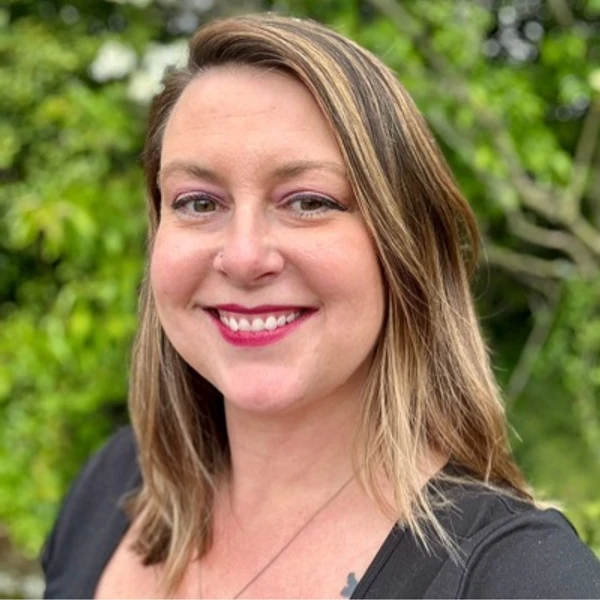
Kristen McPherson

1x

Finalist

General information

Hobbies & Interests

  • Advocacy And Activism
  • Art
  • Board Games And Puzzles
  • Child Development
  • Church
  • Community Service And Volunteering
  • Counseling And Therapy
  • Criminal Justice
  • Criminology
  • Education
  • Health Sciences
  • Human Rights
  • Landscaping
  • Learning
  • Meditation and Mindfulness
  • Mental Health
  • Music
  • Neuroscience
  • Nutrition and Health
  • Public Health
  • Public Policy
  • Studying
  • Teaching
  • Yoga

Bio

As a first-generation college graduate from a rural community, my path toward mental health care has been shaped by personal experiences with trauma, mental health and substance use challenges, limited resources, and stigma surrounding help-seeking. These experiences inspired my commitment to expanding access to compassionate, evidence-based care. My commitment to service began in high school with tutoring and has continued through volunteering with an equine camp for individuals with intellectual disabilities, Sunday and Bible school programs, Red Cross training, and disaster relief efforts. I also co-established a nonprofit supporting law enforcement officers. Professionally, I have worked in social services and with adults with intellectual disabilities, served on a domestic violence shelter board, and participated on a best-practices multidisciplinary team. I am pursuing doctoral education to advance my clinical expertise and contribute to research, advocacy, and evidence-based practice. My goal is to bring highly skilled mental health services to Southwest Virginia while advocating for increased access, education, funding, and reduced stigma. As a first-generation graduate, I hope to use the opportunities education has given me to create greater opportunities and better care for others.

Education

Virginia Polytechnic Institute and State University

Doctoral degree program (PhD, MD, JD, etc.)

2026 – 2030

Majors:
  • Clinical, Counseling and Applied Psychology
Bluefield College

Master's degree program

2022 – 2025

Majors:
  • Clinical, Counseling and Applied Psychology

Liberty University

Master's degree program

2018 – 2019

Majors:
  • Family and Consumer Sciences/Human Sciences Business Services

Emory & Henry College

Bachelor's degree program

2002 – 2006

Majors:
  • Public Policy Analysis
  • Political Science and Government

Miscellaneous

Desired degree level:
Doctoral degree program (PhD, MD, JD, etc.)
Majors of interest:
Clinical, Counseling and Applied Psychology, Behavioral Sciences, Biopsychology, Cognitive Science, Community Organization and Advocacy, Criminology, Education, Other, Health Professions and Related Clinical Sciences, Other, Psychology, Other, Public Administration and Social Service Professions, Other, Sociology and Anthropology, Visual and Performing Arts, Other
Medical school interest:
No
English as first language:
Yes
Homeschooled:
No

Career

Miscellaneous

Dream career field:
Research, Education, Counseling, Professional Training & Coaching, Neuroscience
Work experience:
10+ years
Has nursing license:
No
Leadership experience:
Yes

Future Interests

  • Advocacy
  • Volunteering
  • Philanthropy
  • Entrepreneurship
Ethel Hayes Destigmatization of Mental Health Scholarship
My decision to pursue a doctoral degree in mental health is rooted in both personal experience and a professional commitment to improving access to quality mental health care. My understanding of mental health did not begin in a classroom or through a textbook. It began during adolescence, when I experienced trauma and witnessed firsthand the profound effects that untreated mental health concerns can have on individuals, families, and communities. These experiences shaped my understanding of resilience, but they also revealed how difficult it can be to access appropriate support, particularly in rural communities. I grew up in a rural community where mental health resources were limited and conversations about mental illness were often accompanied by stigma. During my adolescence, I witnessed a friend attempt suicide on a school bus. That experience profoundly affected me and gave me an early awareness of how invisible emotional pain can be, especially in young people. At a time when I was also navigating my own experiences following trauma, there were limited opportunities to access comprehensive mental health education, intervention, or support. These experiences taught me that the presence of a need does not necessarily mean that resources are available to meet it. My family experiences further shaped my understanding of the complexities of mental health and substance use. I have witnessed family members struggle with untreated addiction and attempt to navigate recovery largely on their own. I have also experienced the fear and uncertainty of having a close family member survive a nearly fatal overdose. These experiences reinforced for me that mental health and substance use concerns rarely affect only one individual. They affect relationships, families, and entire communities. They also demonstrated the importance of early intervention, education, accessible treatment, and reducing the stigma that can prevent individuals from seeking help. My professional experiences have strengthened this personal motivation and transformed it into a desire for meaningful change. Through my work in social services, I have witnessed the impact of trauma, poverty, limited resources, and gaps in mental health education on individuals and families. I have seen people struggle not because they lack resilience or motivation, but because they lack access to appropriate services and knowledgeable professionals. I have also observed how stigma surrounding mental health can discourage people from asking for help because they fear being judged, misunderstood, or labeled as “mentally ill.” My work with adults with intellectual disabilities provided another perspective on the need for advocacy and accessible mental health care. Individuals with intellectual disabilities may experience significant emotional and behavioral challenges while facing additional barriers to receiving appropriate assessment and treatment. Working with this population has reinforced my belief that mental health services must be accessible, individualized, culturally responsive, and grounded in an understanding of the whole person rather than a diagnosis or behavior alone. These experiences have influenced not only my career path but also the kind of mental health professional I aspire to become. I want to pursue doctoral education because I recognize that advanced training will allow me to expand my clinical knowledge, strengthen my ability to provide evidence-based care, and contribute more meaningfully to the mental health needs of the communities I serve. I am particularly interested in bringing highly skilled, advanced mental health training and evidence-based practice to Southwest Virginia, where rural communities continue to face significant barriers to accessing specialized care. My goal extends beyond clinical practice. I want to participate in research that examines the unique mental health needs of rural populations and identifies practical, evidence-based approaches to improving access and outcomes. I hope to contribute to research and advocacy efforts that address disparities in mental health care, support increased funding for rural services, improve mental health education, and reduce the stigma associated with seeking treatment. I want my work to help demonstrate that geographic location should not determine the quality or availability of mental health care a person receives. Ultimately, pursuing a doctoral degree represents an opportunity to transform experiences that once felt overwhelming and isolating into purposeful professional action. My personal experiences have given me empathy, but my professional experiences have shown me that empathy alone is not enough. Communities need clinicians who are highly trained, informed by research, committed to advocacy, and willing to address the systemic barriers that prevent people from receiving care. I want to become that kind of professional. My experiences have given me a deep appreciation for the courage it takes to ask for help, the importance of meeting people without judgment, and the responsibility mental health professionals have to advocate for those whose needs are often overlooked. Through doctoral education, I hope to develop the expertise necessary to provide exceptional care, contribute to meaningful research, and advocate for stronger mental health systems in Southwest Virginia and beyond. Most importantly, I hope to help create communities where individuals and families have access to the knowledge, resources, and compassionate support they need before a crisis occurs.
Kristen McPherson Student Profile | Bold.org