You are more than the label society defines you.
Legacy means to continue carving the path those before us began and to leave behind the fruits of progress for those after. Legacy serves to bridge lessons between people, between communities, and between different fabrics of society. It uplifts people from the realms of hopelessness and inspires a person to pursue a brighter future.
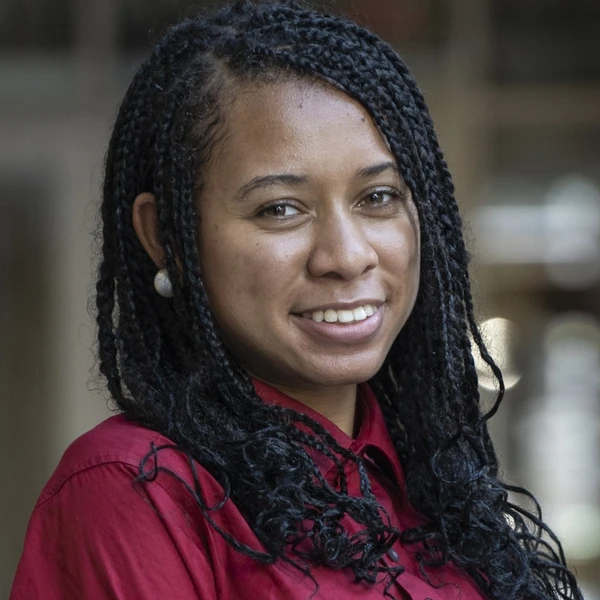
Raised in a low‑income, single‑parent household in Atlanta, I’ve seen the legacy the mother has established for me. Upon first glance, many assumed our future is fixed: an African American family set to remain in the poorer community for generations. Yet, despite these beliefs, my mother worked relentlessly to offer me a childhood, an education, and a brighter future. Through her endeavors, her exhaustion, and her struggles, I did the unexpected and attended university. I defied the statistics as a proud graduate from Emory University, and now I am pursuing my doctoral degree to advance pioneering medical therapies. Thanks to my mother, I am free from the boxes set since the beginning. I will take her love forward and establish a legacy using my talents to create a better future in medicine.
In the home, my mother raised me with love and determination, but financial strain shaped our lives. Despite this, she instilled the importance of academic success. Education was the avenue my mother directed, and at school, I learned early to build supportive networks that extended beyond what was possible at home. Among all my subjects, cellular biology captivated me and ultimately set me on the path toward a scientific career.
My academic journey consisted of exploring various diseases in hopes of seeking a potential theraputic avenue. At Emory University, I conducted research on the metastatic behavior of Triple-Negative Breast Cancer (TNBC) to restrict it. At Columbia University Irving Medical Center, I investigated immune activation pathways for a therapeutic target against systemic lupus erythematosus (SLE). Finally, at the University of Pennsylvania, I explored immune cell bioengineering to enhance HIV cure therapies. At each step, I learned of unmet needs, persistent disease conditions, and thought, “What can I do to advance the status quo?” From the seed my mother planted, my curiosity sprouted into a commitment to advancing medical treatments for the many disease gaps- cancer, autoimmunity, and infectious disease. Resolved to bring change, I embarked to learn the intricacies of pioneering biotechnology innovation.
Now at UPenn, I work in the lab developing an advanced cellular therapy that enhances precision, sustained efficacy, and reduced treatment-related burden. To better understand how to bridge these innovations to patients, I enrolled in Wistar’s innovation course to gain insight into translational pathways—spanning patent strategy, development pipelines, and commercialization. If successful, cellular therapeutics could serve as new treatment options when conventional protocols fall short. My time is divided between cellular investigation and projects that bridge discoveries into real-world applications. The work is demanding yet fulfilling, knowing each effort contributes to something greater.
In my endeavors, I continue to carve the path to improve the status quo for future generations. I dream of a world of advanced therapies to reshape the treatment dogma for various disease contexts, and I plan to keep implementing my talents to make that a reality. As I move forward, I reflect on my mother, as her work uplifted me beyond our neighborhood to a life I never would have imagined. I plan use my talents to finish what she started, and to uplift others to exceed beyond society’s labels.