user profile avatar

Korie Reese

1x

Finalist

1x

Winner

Bio

As I will dual major in Biology Pre-Med and Nutrition, I am interested in pursuing a career in the medical field as a Cardiologist or a Dietitian/Nutritionist. I choose this profession because alongside loving to help anyone around me, I have always been fascinated by the aspects of the human body, the heart to be particular.

Education

Sandhills Community College

Associate's degree program
2024 - 2026

Hoke County High

High School
2022 - 2026

Miscellaneous

  • Desired degree level:

    Doctoral degree program (PhD, MD, JD, etc.)

  • Majors of interest:

    • Biological and Biomedical Sciences, Other
    • Nutrition Sciences
  • Not planning to go to medical school
  • Career

    • Dream career field:

      • Hospital & Health Care
    • Dream career goals:

      Sports

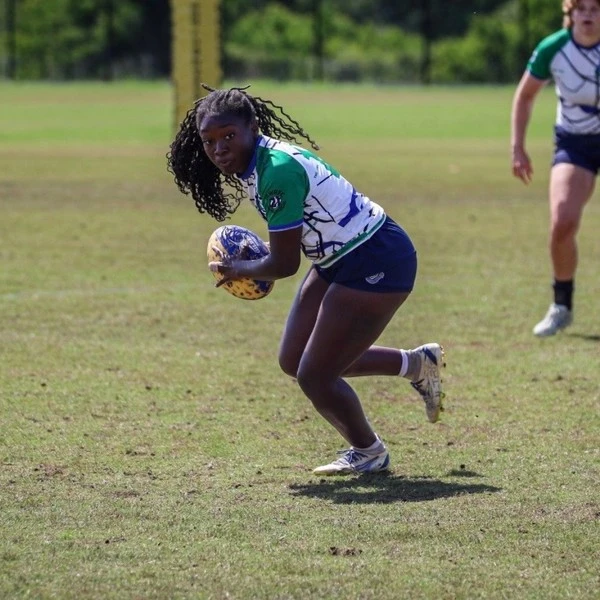
      Rugby

      Club
      2024 – Present2 years

      Awards

      • MVP

      Arts

      • Church

        Jewelry
        2022 – 2022

      Public services

      • Volunteering

        AJROTC — Leader/Participant
        2025 – 2025
      Amber D. Hudson Memorial Scholarship
      In my future career, I want to use nutrition education as a way to help people improve their lives in a real, sustainable way. I’ve seen how confusing nutrition can be for many people. They hear mixed messages online, they try strict diets that don’t last, and they often feel discouraged when they don’t see results. My goal is to change that by teaching nutrition in a way that feels simple, realistic, and empowering. I want people to understand their bodies, feel confident in their choices, and know that improving their health is something they can actually achieve. One of the most important things I would focus on is explaining why nutrition matters. When people understand how food affects their energy, mood, recovery, and long‑term health, they’re more motivated to make changes. I want to break down concepts like blood sugar, hydration, inflammation, and nutrient balance in a way that makes sense to them. Instead of overwhelming people with scientific terms, I’d use everyday examples, how eating enough protein helps muscles recover, how fiber supports digestion, or how staying hydrated improves focus. When people can connect the science to their own lives, nutrition becomes less intimidating and more meaningful. I also want to teach nutrition in a way that avoids guilt and unrealistic expectations. Most people don’t need extreme diets; they need small, consistent habits. I’d focus on helping them build balanced meals, choose better snacks, and plan ahead so they don’t feel lost. I’d show them how to read nutrition labels, how to make healthier choices even with a busy schedule, and how to create routines that fit their lifestyle. My goal is to make nutrition feel doable, not restrictive. Another part of my approach would be tailoring advice to each person’s situation. Everyone has different needs, challenges, and goals. An athlete might need guidance on fueling performance and recovery. Someone managing a chronic condition might need help balancing nutrients to support their treatment. A person with limited access to fresh foods might need affordable, accessible options. I want to meet people where they are instead of expecting them to fit into a one‑size‑fits‑all plan. Listening to their experiences and understanding their environment will help me give advice that actually works for them. I also want to empower people by helping them see how small choices add up over time. Drinking more water, adding vegetables to meals, reducing sugary drinks, or choosing lean proteins can make a big difference. I want people to feel like they have control over their health and that improving their nutrition doesn’t require perfection, just progress. Overall, my goal is to make nutrition education clear, supportive, and practical. If I can help people understand their bodies, make better choices, and build habits that improve their long‑term health, then I’ll feel like I’m making a real impact. This scholarship would help me continue my education and move closer to a career where I can teach, support, and empower others through nutrition.
      Stephan L. Daniels Lift As We Climb Scholarship
      I want to pursue a career in STEM because I have always been a science and math‑minded student, and the subjects that come naturally to me are the same ones that shape the career I hope to build. For as long as I can remember, I’ve been drawn to the medical field. I’m the type of person who genuinely loves helping others, and the idea of using science to heal, support, and improve people’s lives has always felt meaningful to me. A STEM career, especially in medicine, combines everything I care about: problem‑solving, compassion, challenge, and purpose. Even with that passion, I’m aware that my color and background sometimes make people assume I can’t do it or that the path will be too difficult for someone like me. Instead of discouraging me, those assumptions push me even harder. When people point out my differences or try to make me feel like I don’t belong in certain spaces, it only strengthens my determination. I don’t see my identity as a barrier, I see it as a source of motivation. It reminds me why representation matters and why breaking stereotypes is so important. Knowing that others might doubt me makes me want to succeed even more. I want to show that students who look like me, come from where I come from, or share similar experiences are just as capable, intelligent, and deserving of opportunities in STEM as anyone else. I want younger students who may feel overlooked or underestimated to see someone who didn’t let stereotypes define their future. If I can prove to myself that I belong in a demanding medical career, then I can also show others that they belong too, no matter what people say about their background, their community, or their identity. Choosing a high‑demand medical job isn’t just about proving something to others, it’s about proving something to myself. I know I’m capable of handling the challenges, the workload, and the expectations that come with a STEM career. I know I have the drive, the discipline, and the passion to succeed. And I want to use my journey to inspire others who might be doubting themselves because of the stereotypes placed on them. I want them to know that they can achieve what people say is impossible, that they are smart enough, strong enough, and absolutely capable of reaching their goals. In the end, my decision to pursue STEM is rooted in purpose, passion, and resilience. I’m choosing this path because I believe in myself, because I want to help others, and because I want to challenge the limits that society tries to place on people like me. I’m ready to step into a field that demands excellence, and I’m ready to show that I belong there.
      Anderson Women's Rugby Scholarship
      Rugby family is something you can’t fully explain until you’ve lived it. I remember my first practice, standing on the field feeling unsure and wondering if I even belonged there. As I continued to overthink, something in me told me to just watch and try and that's when it all started. Starting with the team I'm with today was like a sigh of relief because they were patient and corrective in ways that I will never be able to completely thank. To me, rugby family means showing up for each other in ways that go far beyond the field. It’s the teammate who stays late to help you fix your tackling form. It’s the feeling of knowing that no matter how hard practice gets, you’re surrounded by people who want to see you succeed just as much as they want to succeed themselves. Rugby family is built on trust, accountability, and a shared understanding that every player matters. Whether you’re a starter or still learning the basics, you’re valued. Being part of this kind of community has shaped me in ways I didn’t expect. Rugby taught me how to be resilient, how to communicate under pressure, and how to push through moments when giving up feels easier. It also taught me how to lead, not by being the loudest voice, but by being consistent, supportive, and willing to do the hard work alongside everyone else. These lessons have carried into my academics, my relationships, and my goals for the future. As I look toward college, my hopes for playing rugby go far beyond continuing a sport I love. I want to join a team where I can keep growing as both an athlete and a person. College rugby represents a new level of challenge, faster pace, stronger competition, and higher expectations. I want to push myself physically and mentally, to learn from experienced coaches, and to compete with teammates who share the same passion and drive. But more than anything, I hope to find a new rugby family on campus. I want to be part of a team that supports each other through long practices, tough losses, and big wins. I want to contribute to a culture where new players feel welcomed the same way I once did. I hope to be someone who helps build that environment, someone who encourages others, celebrates their progress, and shows up with the same energy and commitment every day. Playing rugby in college also means representing something meaningful. It means carrying the values I’ve learned, respect, discipline, and unity, into a new chapter of my life. I hope to use rugby as a way to stay grounded, stay active, and stay connected to a community that challenges me to be better. And as I pursue my degree, I want rugby to be the space where I can decompress, refocus, and remind myself why teamwork matters both on and off the field. In the end, rugby family is the reason I fell in love with the sport, and it’s the reason I want to continue playing in college. It has given me confidence, purpose, and a sense of belonging that I want to carry forward. My hope is to keep growing within this community, to give back to it, and to represent it with pride as I take the next step in my academic and athletic journey.