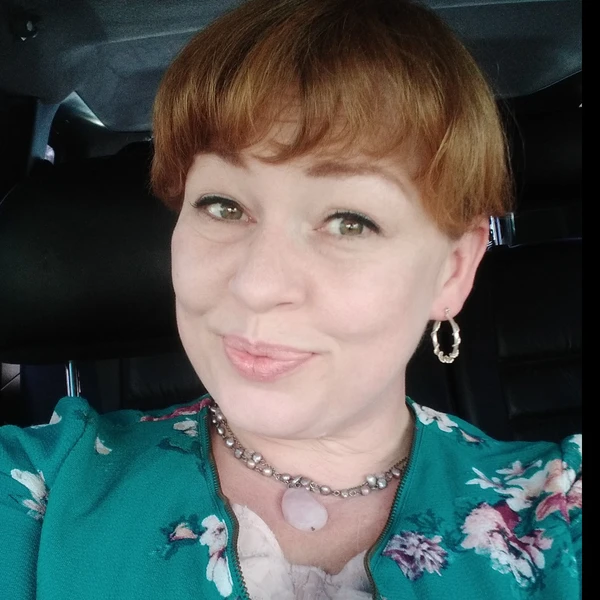
I navigate life with a Cluster B personality disorder, PTSD, chronic depression, and neurodivergence. These aren’t just diagnoses on paper; they’re real, complex filters through which I experience the world, relationships, ambition, and even rest. For much of my life, I felt like a contradiction: too much, not enough, too sensitive, too disconnected, too scattered, too uptight. But over time, I’ve come to understand two things: first, dysfunction was often a response to an environment that didn’t know how to hold people like me; and second, I have more control over me more than anything else in the world.
In addition to mental health struggles, I’ve never felt like I fully fit into the rigid boxes assigned to femininity and womanhood. While I usually identify as cisgender, I strongly relate to gender non-conforming experiences and non-traditional orientation. The traditional expectations of how a female should look, behave, or relate to others simply don't fit—they're not my life. There are experiences, like marriage, I wont have because of this non-conformity, and with time I've come to accept that that is ok. These experiences, combined with a history of trauma and marginalization, sometimes leave me feeling deeply alienated from both myself and the communities around me.
Yet, despite these challenges—or perhaps because of them—I’ve learned to cultivate a life of deep introspection, empathy, and resilience. I’ve spent years unlearning shame, building emotional literacy, and exploring new narratives where healing is possible and identity is fluid. I’m no longer interested in perfection or performance. I’m interested in truth, in building spaces where people don’t have to shrink or edit themselves to belong.
These lived experiences directly inform both my academic and professional goals. I’m currently completing my AA in Sociology and BA in Communications, and I plan to pursue a Sociology MA within a year of graduation, after gaining stable employment. Sociology gives me the framework to understand the larger systems and institutions that impact families and individuals like mine, while Communications equips me to craft messages that empower and advocate for change.
Alongside my formal education, I’ve also become certified in alternative healing modalities—training that’s helped me process personal pain while holding compassionate space for others. I plan to begin self-publishing a series of memoir-style works in the near future—creative projects that explore survival, neurodivergence, identity, and healing in a way that invites others to feel seen and less alone. Whether through writing, research, or advocacy, I’m building a life rooted in equity, expression, and transformative care. None of this work has made life easy. I still struggle every day to get up and do basic things like brush my teeth and hair. I am still terrified that even with a degree I'm not good enough for a mainstream professional workplace. But, I'm determined to never stop trying because i want my children and my community to know they should never stop trying.
Living with mental illness and existing outside traditional norms has taught me that strength is not about invulnerability—it’s about continuing to show up for yourself and others, even when it’s hard. I’ve had to build my identity brick by brick from the ground up, not based on who I was told I had to be, but on who I’m becoming. If awarded this scholarship, I would use it not just to complete my education, but to honor the journey that brought me here—a journey defined not by what broke me, but by how I’ve continued to grow through it.