
Hobbies and interests
Advocacy And Activism
African American Studies
Art
Blogging
Business And Entrepreneurship
Cinematography
Coaching
Community Service And Volunteering
Criminal Justice
Education
Exercise And Fitness
Exploring Nature And Being Outside
Information Technology (IT)
Drawing And Illustration
Graphic Design
Gardening
Global Health
Human Rights
Mental Health
Meditation and Mindfulness
Movies And Film
Social Media
STEM
Painting and Studio Art
Public Speaking
Poetry
Spirituality
Self Care
Reading
Cultural
Business
Education
Health
Psychology
I read books multiple times per month
Kimberly Danielle
1x
Finalist
Kimberly Danielle
1x
FinalistBio
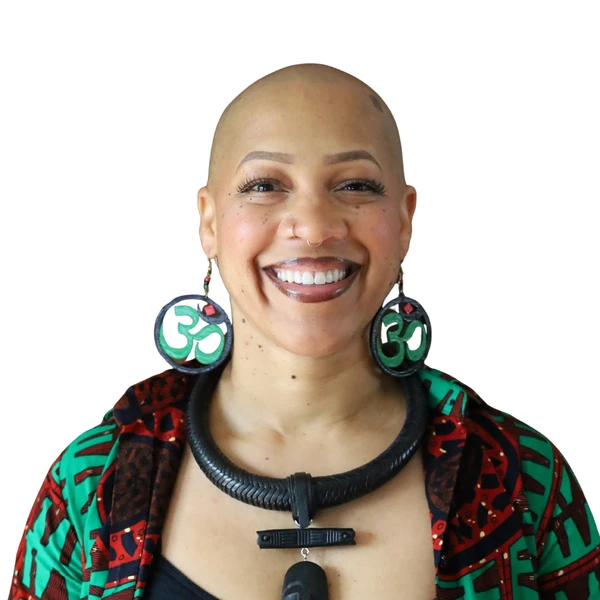
Kimberly Danielle is a two-time TEDx speaker, author, mindfulness meditation teacher, cultural systems architect, and founder of KiMISTRY, a multidisciplinary consulting and innovation platform focused on trauma-informed, healing-centered social justice. With nearly two decades of experience advancing culture transformation, psychological safety, and community healing, her work sits at the intersection of storytelling, wellness, behavioral insight, and systems redesign.
Kimberly is the creator of The Nine Asks®, a framework designed to operationalize psychological safety, accountability, and courageous communication within organizations and communities. She is also the visionary behind Nana Knows, an intergenerational storytelling and cultural intelligence initiative that preserves elder wisdom through modern technology. Alongside this work, Kimberly is developing WIIZER, a health innovation platform designed to translate emotional and physiological data into actionable wellness strategies for individuals, caregivers, healthcare providers, and institutions.
In Fall 2026, Kimberly will begin the Doctor of Health Administration (DHA) program at Meharry Medical College, where she will focus on the role of narrative intelligence in improving healthcare delivery and patient outcomes. Kimberly seeks to further integrate cultural intelligence, technology, storytelling, and health administration to build scalable systems that improve human connection, reduce burnout, strengthen community resilience, and reimagine the future of equitable healthcare delivery.
Education
Meharry Medical College
Doctoral degree program (PhD, MD, JD, etc.)Majors:
- Health Professions and Related Clinical Sciences, Other
Ohio State University-Main Campus
Master's degree programMajors:
- Education, Other
Ohio University-Main Campus
Bachelor's degree programMajors:
- Communication, General
Career
Dream career field:
Health, Wellness, and Fitness
Dream career goals:
CEO/Founder and Consultant
KiMISTRY2010 – Present16 yearsSpecial Assistant to the President for Diversity Initiatives
Columbus State Community College2015 – 20172 years
Sports
Track & Field
Varsity1986 – 19959 years
Research
Behavioral Sciences
KiMISTRY — Advocate and writer2022 – 2025
Arts
King Arts Complex
Painting2021 – 2021
Public services
Advocacy
Central Ohio Restored Citizens Collaborative — Advocate and volunteer2015 – Present
Women in Healthcare Scholarship
I attended six high schools and moved approximately nine times by the time I graduated from high school. In spite of being low-income in a single-parent home with a mother who suffered from bipolar disorder and borderline personality disorder, I was ranked sixth in my high school graduation class. We were a well-educated family trapped in poverty due to my mother's inability to work. Her mother, my grandmother and fiercest advocate, had created a lovely life for herself and her family with only a seventh grade education due to her own myriad of physical health issues. And my great grandmother was also bright but uneducated, and we now believed she suffered from undiagnosed bipolar disorder.
I was fortunate to have graduated from college a year early and immediately began the pursuit of an MBA. However, my mother's continued struggles with mental illness, along with my younger sister's teen pregnancy required me to put my dreams on hold, leave grad school early and help my mother and sister. For a minimum of three generations, I watched the women in my family experienced hardship or reduction in access to opportunities due to physical, mental and/or behavioral health issues. I myself spent most of my 30's in doctors' offices with a suite of gastrointestinal issues and was seen by several therapists before being accurately diagnosed with ADHD at nearly 40 years old. Though I had survived an abnormal amount of trauma, the physiological ramifications had already taken their toll on my body.
I believe these stories and lived experiences were no accident. I knew I had a responsibility to pursue pathways that would aid folks' abilities to experience holistic wellness, especially from a behavioral healthcare lens. My 20s consisted of several career and industry switches, trying to find the right fit for my eclectic skillset and my entrepreneurial spirit. After finally attaining a master's degree, I found footing in higher education and used my knack for innovative thinking to be a fiery advocate for many disenfranchised students, employees and community members. In partnership with many community members and organizations over the years, we helped people find ways to belong and to make meaning within their lives. But there was more to be done.
In 2016, I launched a successful consulting firm to design pathways to empowerment, innovation and organizational change through holistic wellness. But what I am truly curious to create is a health innovation platform that can translate emotional and physiological data into actionable wellness strategies for individuals, caregivers, healthcare providers, and institutions. I would especially like to bridge storytelling, behavioral health, emotional regulation, and technology to improve both personal and systemic health outcomes for women.
Through the DHA program I am pursuing at Meharry Medical College, I believe I can have a positive impact as a woman in the healthcare field by integrating cultural intelligence, technology, storytelling, and health administration to build scalable systems that improve human connection, reduce burnout, strengthen community resilience, and reimagine the future of equitable healthcare delivery.
Cariloop’s Caregiver Scholarship
File attached
Jerrye Chesnes Memorial Scholarship
I attended six high schools and moved approximately nine times by the time I graduated from high school. In spite of being low-income in a single-parent home with a mother who suffered from bipolar disorder and borderline personality disorder, I was ranked sixth in my high school graduation class. We were a well-educated family trapped in poverty due to my mother's inability to work. But I had high aspirations and set my mind on lofty goals. I wanted to attend a prestigious college and then go on to law school. When I met with my high school guidance counselor and shared with her my aspirations to attend either Howard University, she discouraged me and urged me to pursue a more realistic - and local - goal. Dream deferred.
My survival through many traumatizing circumstances was dependent upon my ability to escape poverty. Much of the struggles I faced as well as my family members was impacted by our zip code and restricted earning potential. This is likely where my entrepreneurial spirit was birthed. I graduated from college a year early and immediately began the pursuit of an MBA. However, my mother's continued struggles with mental illness, along with my younger sister's teen pregnancy required me to put my dreams on hold, leave grad school early and help the family. Dream deferred again.
I had no clue how to get "unstuck" because I'd never seen it happen. No one I knew in my "broughtupsy" had successfully and permanently disconnected from trauma and poverty. Not only that, but I felt powerless in escaping from the ripple effects of mental illness, not just as it related to my my mother's battles, but its impact on the entire family. By the time I was 22 years old, my sister was a teen mom, my older brother was a high school dropout and worked a minimum wage job in food service and I was working in a factory. I married by 24, started my family and began working various jobs to help pay the bills.
My 20s consisted of several career and industry switches, trying to find the right fit for my eclectic skillset and my entrepreneurial spirit. After finally attaining a master's degree, I found footing in higher education and used my knack for innovative thinking to be a fiery advocate for many disenfranchised students, employees and community members. From culture festivals, to large MLK events to summits and conferences, I believed we could create unknown and untested platforms for people to discover their potential. In partnership with many community members and organizations over the years, we helped people find ways to belong and to make meaning within their lives. But there was more to be done. I knew the next step was a doctoral program, but my spouse at the time discouraged me and suggested I focus on the family. Dream deferred again.
In 2016, I divorced after 16 years and launched a successful consulting firm to design pathways to empowerment, innovation and organizational change through holistic wellness. I raised my two daughters and finally got both matriculated into college just as my business collapsed in 2025. I now find myself right back in the poverty I worked to escape from childhood. But this time, I am inspired to keep fighting for me this time. My acceptance into Meharry is proof that my dream is ready to come true. And I plan to use studies from this doctoral degree to improve human connection, reduce burnout, strengthen community resilience, and reimagine the future of equitable healthcare delivery. It's finally my time!
Debra S. Jackson New Horizons Scholarship
I attended six high schools and moved approximately nine times by the time I graduated from high school. In spite of being low-income in a single-parent home with a mother who suffered from bipolar disorder and borderline personality disorder, I was ranked sixth in my high school graduation class. We were a well-educated family trapped in poverty due to my mother's inability to work. But I had high aspirations and set my mind on lofty goals. I wanted to attend a prestigious college and then go on to law school. When I met with my high school guidance counselor and shared with her my aspirations to attend either Howard University, she discouraged me and urged me to pursue a more realistic - and local - goal. Dream deferred.
My survival through many traumatizing circumstances was dependent upon my ability to escape poverty. Much of the struggles I faced as well as my family members was impacted by our zip code and restricted earning potential. This is likely where my entrepreneurial spirit was birthed. I graduated from college a year early and immediately began the pursuit of an MBA. However, my mother's continued struggles with mental illness, along with my younger sister's teen pregnancy required me to put my dreams on hold, leave grad school early and help the family. Dream deferred again.
I had no clue how to get "unstuck" because I'd never seen it happen. No one I knew in my "broughtupsy" had successfully and permanently disconnected from trauma and poverty. Not only that, but I felt powerless in escaping from the ripple effects of mental illness, not just as it related to my my mother's battles, but its impact on the entire family. By the time I was 22 years old, my sister was a teen mom, my older brother was a high school dropout and worked a minimum wage job in food service and I was working in a factory. I married by 24, started my family and began working various jobs to help pay the bills.
My 20s consisted of several career and industry switches, trying to find the right fit for my eclectic skillset and my entrepreneurial spirit. After finally attaining a master's degree, I found footing in higher education and used my knack for innovative thinking to be a fiery advocate for many disenfranchised students, employees and community members. From culture festivals, to large MLK events to summits and conferences, I believed we could create unknown and untested platforms for people to discover their potential. In partnership with many community members and organizations over the years, we helped people find ways to belong and to make meaning within their lives. But there was more to be done. I knew the next step was a doctoral program, but my spouse at the time discouraged me and suggested I focus on the family. Dream deferred again.
In 2016, I divorced after 16 years and launched a successful consulting firm to design pathways to empowerment, innovation and organizational change through holistic wellness. I raised my two daughters and finally got both matriculated into college just as my business collapsed in 2025. I now find myself right back in the poverty I worked to escape from childhood. But this time, I am inspired to keep fighting for me this time. My acceptance into Meharry is proof that my dream is ready to come true. And I plan to use studies from this doctoral degree to improve human connection, reduce burnout, strengthen community resilience, and reimagine the future of equitable healthcare delivery. It's finally my time and my turn!
SCFU Scholarship for HBCU Business Students
I attended six high schools and moved approximately nine times by the time I graduated from high school. In spite of being low-income in a single-parent home with a mother who suffered from bipolar disorder and borderline personality disorder, I was ranked sixth in my high school graduation class. We were a well-educated family stuck in poverty due to my mother's inability to work. But I had high aspirations and set my mind on lofty goals. I wanted to attend a prestigious HBCU and then go on to law school. When I met with my high school guidance counselor and shared with her my aspirations to attend either Howard University, she discouraged me and urged me to pursue a more realistic - and local - goal.
My survival through many traumatizing circumstances was dependent upon my ability to escape poverty. Much of the struggles I faced as well as my family members was impacted by our zip code and restricted earning potential. This is likely where my entrepreneurial spirit was birthed. During college, I shifted plans from law school and dreamed about applying my artistic abilities toward the launch of a greeting card company. However, my mother's continued struggles with mental illness, along with my younger sister's teen pregnancy required me to put down my dreams, leave grad school early and help the family. I had no clue how to get "unstuck" because I'd never seen it happen. And I felt powerless in escaping from the traps of mental illness, not just as it related to my my mother's deferred dreams, but its impact on the entire family. By the time I was 22 years old, my sister was a teen mom, my older brother was a high school dropout and worked a minimum wage job in food service and my mother never returned to school after a failed attempt at a doctoral program.
My 20s and 30s consisted of several career and industry switches, trying to find the right fit for my eclectic skillset and my entrepreneurial spirit that just wouldn't stay silent. I landed in a nice groove in higher education and used my knack for innovative thinking to be a fiery advocate for many disenfranchised students, employees and community members. From culture festivals, to large MLK events to summits and conferences, I believed we could create unknown and untested platforms for people of color to discover their potential. In partnership with many community members and organizations, we slowly changed the face of the community college where I worked as well as the surrounding counties. But there was more to be done.
In 2017, I began fulltime entrepreneurship and consulting to design pathways to empowerment, innovation and community change through holistic wellness. Success is not sustainable if individuals have an abundance of wealth but a deficit in psychological safety and knowledge on how to pursue emotional regulation. My current community projects and future studies at Meharry will be designed with the intent of showing individuals how to pursue wellness while at work. ...That two things can be true at the same time. We can war for our wellness while gainfully employed. And in fact, the healthier we are, the greater capacity we have to access our "genius zone", elevate success measures and make power-building for good contagious. The goal is still lofty. And it's still possible.
Sangha Support Scholarship
I identify as a Black woman with ADHD and was raised in the Catholic faith in the Midwest, but never felt like Catholicism truly resonated with the spiritual inquiry I was seeking. I left the faith around the age of 17 and began a quest to find a spiritual practice, spiritual home and a methodology that made sense for me and how I experienced my "monkey mind" neurodivergence.
Over the course of my 20s and 30s, I visited many Christian churches, read a ton of philosophy books and explored numerous conversations with friends of all kinds of faiths. Much later in life, around the age of 40, I experienced severe workplace trauma and began suffering with panic attacks on the job. This sustained traumatizing experience started a holistic wellness journey which led me to meditation as a new wellness practice. The more I sat and felt the positive impacts of meditation physiologically, the more I became curious about Buddhism and mindfulness practices as a spiritual pathway.
Early on, I struggled to find my bearing and feel part of the sangha communities I visited. Usually the only Black person in the room or on a call, I knew I was having a different experience in the "stillness" and through the lessons offered. As a descendent of the African diaspora, I am increasingly aware that I have been impacted by what science refers to as epigenetic (or inherited) trauma. This trauma is likely related to the physiological manifestations of trauma I experienced in my body, mind and behavior patterns. While I know mindfulness meditation cannot reverse biological impacts of my trauma, the experiential practice and application of tools on mindfulness of the breath, body and emotions I have learned while sitting in various sanghas with Buddhist leaders and senior practitioners have been proven to provide measurable benefits. Mindfulness meditation is not a religious practice, but rather a practice which aids in increasing attention, intention and focus. It has been largely ascribed to white and Asian-bodied humans. However, I learned that its benefits are accessible for all practitioners.
In 2025, I became much more serious about incorporating mindfulness practices in my life. I enrolled in a Mindfulness Meditation Teacher Certification Program which takes its students through two years of lessons, mentorship, and a practicum. The practicum requires students to create our own sangha, teach on the practices of mindfulness and lead guided meditations. This experience has transformed my life. I have found the pathway of mindfulness I was always seeking and now plan to incorporate it in my practices - both personally and professionally.