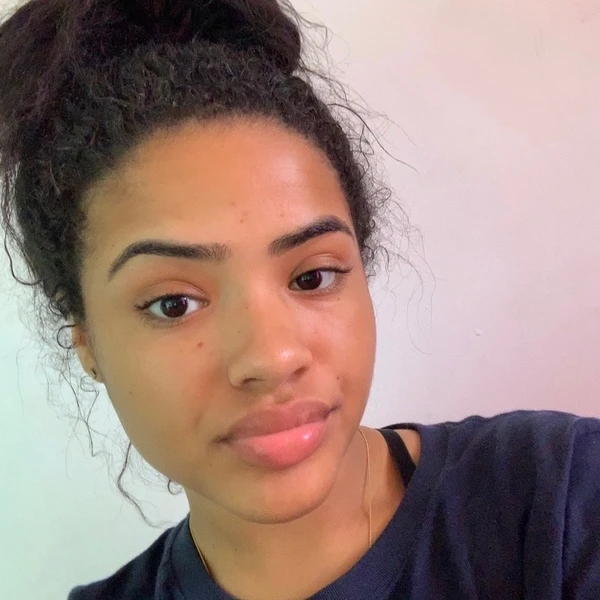
kiara peralta
1x
Finalist1x
Winnerkiara peralta
1x
Finalist1x
WinnerBio
Hi, my name is Kiara Peralta and I am a Business Administration major at Lehman College. I am a first-generation Dominican college student pursuing a career in business and finance. Alongside balancing school, work, and long-term career goals, I also serve as the primary caregiver for my mother, who lives with bipolar disorder and schizophrenia. Growing up in a single-parent, low-income household in the Bronx has taught me resilience, responsibility, and the importance of building a stable future.
Despite the challenges of caregiving, I remain committed to becoming the first in my family to earn both a bachelor’s and a graduate degree. I recently completed a competitive externship with HP Tech Ventures, where I created startup analyses, investment research, and pitch decks, strengthening my interest in finance and strategic decision-making.
I am applying for scholarships to help cover tuition, books, transportation, and educational expenses so I can continue pursuing my degree while supporting my household and preparing to transfer to Baruch College for graduate studies. My goal is to build long-term financial stability for my family and to uplift communities like mine through financial literacy and opportunity.
Education
CUNY Lehman College
Bachelor's degree programMajors:
- Business Administration, Management and Operations
CUNY Borough of Manhattan Community College
Associate's degree programMajors:
- Liberal Arts and Sciences, General Studies and Humanities
Miscellaneous
Desired degree level:
Master's degree program
Graduate schools of interest:
Transfer schools of interest:
Majors of interest:
Career
Dream career field:
Financial Services
Dream career goals:
Caregiver
Ppl2022 – Present4 years
Research
Finance and Financial Management Services
Hp tech ventures — Investment research2025 – 2025
Public services
Advocacy
Ppl — Caregiver2022 – Present
Future Interests
Advocacy
Volunteering
Philanthropy
Entrepreneurship
Elijah's Helping Hand Scholarship Award
Mental health has shaped my life in ways that most people never see. I grew up in a single-parent household with a mother who struggles with serious mental health challenges. From a young age, I stepped into roles that many adults aren’t prepared for — caregiver, emotional support, and the steady person in a home that didn’t always feel stable. Mental health didn’t feel like a distant conversation or something to read about online. It was part of my everyday reality, shaping my responsibilities, my outlook, and the person I’ve grown into.
Watching someone you love battle their own mind is one of the hardest things a person can experience. There were days my mother couldn’t get out of bed, days when her emotions shifted suddenly, and days when everything felt heavy in ways I couldn’t understand at the time. As a child, I didn’t have the language to describe mental illness — I just knew I had to be strong. I learned to stay patient, calm, and supportive, even when I was overwhelmed myself. Mental health taught me resilience early, not by choice, but by survival.
These experiences had a major impact on my own mental and emotional well-being. Growing up around unpredictability made me mature faster. I learned to be observant, to take care of myself, and to manage stress even when I was too young to fully process what was happening. At times, it made me feel isolated — like I had to carry responsibilities silently because no one around me would truly understand. But it also pushed me to develop emotional intelligence, empathy, and a level of strength that continues to guide me today.
Mental health has shaped the way I build relationships, too. I recognize emotional instability quickly. I protect my peace. I set boundaries. And I choose people who bring stability, not chaos. I’ve learned that you can love someone deeply and still prioritize your own well-being — a lesson I had to grow into as I learned how to balance caring for others while not losing myself.
Most importantly, mental health experiences shaped my goals for the future. They’re the reason I’m determined to build a stable, secure life through my education. As a first-generation college student pursuing a career in finance, I want to create the stability my family never had. I want to be able to support my mother, to build financial security, and to break cycles that kept us in survival mode for so long. Mental health struggles taught me the value of stability — emotionally and financially — and that’s a huge part of why I work so hard academically.
Mental health has impacted me deeply, but it didn’t crush me. It taught me strength, compassion, and the importance of taking control of my future. Everything I’ve been through has motivated me to pursue my education, build a better life, and create a future where stability, peace, and opportunity replace uncertainty and struggle
Mireya TJ Manigault Memorial Scholarship
My name is Kiara, and everything I am today comes from growing up in a single-parent household where I had to learn responsibility, independence, and resilience early. My mother has battled serious mental health challenges for most of my life, and because of that, I stepped into a caregiver role at a young age. Managing school, work, and responsibilities at home taught me maturity and strength long before I reached adulthood. These experiences shaped my character and made me determined to create a different, more stable future for myself and my family.
Despite the challenges, I’ve always been driven. I work hard academically, I’m committed to my goals, and I’m determined to be the first in my family to break generational cycles. Becoming a first-generation college graduate is more than a dream — it’s a promise I made to myself. I want to show that where you start does not determine where you can go.
My long-term goal is to build a career in finance. Growing up in a low-income household showed me the importance of financial stability and how deeply it affects a family’s life. I want to specialize in corporate finance or wealth management and eventually help families like mine understand budgeting, investing, financial planning, and long-term stability. I want to create generational wealth, not just for myself, but for the future family I will have one day. I want to build a career that gives me the resources, knowledge, and stability that my mother never had the chance to access.
This scholarship would make an enormous difference in helping me achieve those goals. As a student who balances school, caregiving, and financial responsibilities, covering tuition and school expenses can be overwhelming. Receiving this scholarship would allow me to continue my education without the constant worry of how I’ll manage bills, textbooks, transportation, or other expenses. It would allow me to focus deeply on my coursework, internships, and opportunities that help me grow in the finance field.
Most importantly, this scholarship would bring me one step closer to achieving the stability I’ve been working toward my entire life. It would help me stay on track academically, continue pushing toward graduate school, and build the foundation I need to succeed in the finance world. I’m committed to taking every opportunity I receive and turning it into something meaningful — not just for myself, but for my family and the community I plan to uplift.
This scholarship wouldn’t just support my education; it would support my purpose.
Sue & James Wong Memorial Scholarship
I grew up in a family structure that taught me strength long before I fully understood it. My household has always been led by a single parent — my mother — who battles serious mental health challenges. Because of this, I didn’t just grow up as a daughter. I grew up as a caregiver, a source of stability, and often the person who had to step up when life became overwhelming. Living in a low-income environment, while also taking on adult responsibilities at a young age, shaped my resilience and the direction of my future more than anything else.
My mother has always tried her best, even during the moments when her mental health made it difficult for her to function the way she wanted to. Watching her struggle while still doing everything she could for me forced me to grow up quickly. I learned how to take care of her on her difficult days, advocate for her needs, help manage the household, and keep things together for both of us. This experience taught me patience, emotional maturity, and the reality of mental health far beyond what any classroom could teach.
Being raised by a single parent with mental health challenges came with real obstacles — financial instability, emotional stress, and the constant pressure to “hold everything together.” But instead of breaking me, those challenges taught me the importance of perseverance and responsibility. They shaped my belief that circumstances don’t define you; how you respond to them does.
These experiences also shaped my goals. As a first-generation student, I want to build a life different from the one I grew up in — not just for myself, but for my family. Pursuing a degree and a future career in finance is my way of creating stability and generational change. I want to learn how to manage money, build wealth, and navigate systems that often feel impossible for families like mine to understand. Ultimately, I plan to use my education to help other low-income families — especially those dealing with mental health challenges — access financial knowledge that can give them a real chance at stability.
I know what it feels like to grow up without guidance, without resources, and without someone to teach you how to navigate adulthood. That’s why my long-term goal is to build programs or workshops that help young people understand financial planning, budgeting, college aid, and long-term stability. I want to use my voice and my education to lift others who feel stuck in the same cycles I was born into.
My family structure taught me strength. My challenges taught me resilience. And my education will be the tool I use to make a difference — not just for myself, but for my community, my future children, and every young person who needs to know they can rise above their circumstances.
Jesus Baez-Santos Memorial Scholarship
When I think about the person who shaped the way I see myself as a leader, I think of my mother. She has battled serious mental health challenges for most of my life, yet she still raised me with love, strength, and a belief that I could become more than the circumstances around me. Even on her hardest days — the days when getting out of bed was a victory — she taught me resilience without even realizing it. Her struggle became my motivation. Her vulnerability became my strength. And her fight became the foundation of the leader I am becoming today.
Growing up as both her daughter and her caregiver changed the way I understand leadership. I didn’t learn it from a title or a classroom. I learned it from having to be responsible when life demanded it. I learned it from helping my mother navigate emotional storms, financial stress, and overwhelming days. I learned it from being the one who stayed calm, patient, and grounded even when I felt scared myself. Leadership, for me, became about showing up — even when it’s difficult — and choosing compassion over judgment.
My mother’s resilience influenced how I carry myself as a first-generation student. I’m building a legacy she never had the chance to build for herself. Every class I take, every scholarship I apply for, and every step I make toward a career in finance is a step forward not just for me, but for my entire family. Being first-generation means I am rewriting the story. It means I refuse to let the cycles of instability, silence, or survival mode continue. Everything I’m working toward is rooted in the example my mother set: keep going even when life is heavy.
She also taught me the power of giving back. Because I know what it feels like to navigate challenges alone, I make it a point to help others the way I wished someone had helped me. I support my siblings, encourage my peers who feel overwhelmed, and share advice with friends who are trying to balance school, work, and life responsibilities. Whether it’s helping classmates understand financial aid, guiding someone through a tough class, or simply being a person they can talk to, I try to uplift others the way my mother uplifted me — with honesty, empathy, and strength.
My leadership isn’t loud. It’s steady. It’s responsible. It’s built from real-life resilience. And it’s driven by the desire to create stability, opportunity, and generational change. My mother’s example shaped my values, my goals, and the legacy I am building as a first-generation student who refuses to let circumstances define her future. Because of her, I want to lead with compassion, uplift others, and prove that resilience can turn pain into purpose
Mikey Taylor Memorial Scholarship
My experience with mental health has shaped almost every part of my identity — the way I think, the way I treat people, and the future I’m determined to build for myself. Growing up in a low-income, single-parent household and watching my mother struggle with serious mental health challenges forced me to become strong in ways that most people never see. I didn’t just learn about mental health; I lived inside it, navigating unpredictable days, emotional shifts, and responsibilities that pushed me to grow up earlier than I expected.
Becoming a caregiver taught me what real resilience looks like. I learned how to stay calm in tough moments, how to advocate for someone who couldn’t always advocate for themselves, and how to show compassion even on the days when I felt tired or overwhelmed. Those experiences changed the way I see the world. They made me believe in patience, empathy, and emotional intelligence. I learned that people aren’t “difficult” — they’re hurting, and sometimes they don’t know how to express it.
My mother’s challenges also shaped the way I handle relationships. Because I grew up around instability, I now value emotional maturity more than anything. I’ve learned to walk away from people who project their pain onto me, who try to manipulate situations, or who refuse to take accountability. I protect my peace because I’ve seen what it looks like when someone doesn’t have any. At the same time, I’ve learned to appreciate genuine connections, the people who listen, support me, and help keep me grounded. My experiences taught me that love isn’t chaos — it’s consistency, understanding, and respect.
Most importantly, mental health struggles in my family inspired my career goals. Seeing how hard my mother worked just to stay afloat motivated me to chase stability, not just for myself but for my entire family. That is what led me toward finance. I want a career where I can build generational stability, manage money wisely, and help my family break out of the cycle of constantly surviving instead of living. Being a first-generation college student, I’m proving to myself that my background doesn’t define my future — my determination does.
My journey taught me to be strong, compassionate, and focused. Mental health influenced my life in ways that were painful at times, but it gave me a purpose: to rise above my circumstances, pursue higher education, and build a life filled with stability, peace, and opportunity.
I am determined to turn everything I’ve lived through into the reason I succeed.
The F.O.O. Scholarship
My dreams and aspirations were born out of a life that forced me to grow up early. I was raised in the Bronx by my mother alone, with no father in the picture and no family support to fall back on. My mom lives with bipolar disorder and schizophrenia, so for most of my life, it has been just the two of us — me supporting her while trying to build a future for myself. Coming from a disadvantaged background didn’t break me; it became my motivation.
My biggest dream is to create a stable life for my mother and myself, one that isn’t defined by fear, unpredictability, or financial struggle. I’m currently pursuing a degree in business and finance because I’ve seen firsthand how financial instability affects a family’s mental health, opportunities, and overall wellbeing. I want to build generational stability and eventually create resources for families dealing with mental illness, young caregivers, and first-generation students who don’t know where to begin.
Right now, I’m involved in opportunities that push me closer to my goals — externships, campus programs, networking events, and anything that helps me build the knowledge and confidence I need to change my life. Even with everything on my shoulders at home, I show up. I work hard. I don’t let my circumstances define my potential.
This scholarship would do more than help me pay for school — it would give me breathing room. It would allow me to focus on my education instead of constantly worrying about finances, juggling too many responsibilities, or sacrificing my goals to keep things together at home. It would help me become the first in my family to build a career, earn stability, and create the life my mom and I never had.
I’m not just dreaming for myself.
Elizabeth Schalk Memorial Scholarship
My name is Kiara, and one of the most defining parts of my life is growing up as the daughter and caregiver of a mother living with bipolar disorder and schizophrenia. I was raised in a single-parent household in the Bronx, with no father present and no extended family who could step in when things became overwhelming. It was just my mother and me — and from a young age, I learned that mental illness can transform the entire structure of a family.
Mental illness didn’t just affect my mother; it shaped every part of my life too. Some days she was loving, present, and full of joy. Other days, her mind would take her to places where she felt scared, confused, or unreachable. As a child, I didn’t always understand what was happening — only that the person I loved most in the world was suffering, and I didn’t know how to help. Over time, I became the one who stayed calm during her episodes, helped guide her through moods, handled appointments, and kept things together when she couldn’t. I learned how to read her emotions before she spoke, how to comfort her through anxiety, and how to be her anchor when her thoughts became overwhelming.
These responsibilities made me grow up faster than most people my age. Instead of a typical childhood, I carried fear, responsibility, and maturity that many don’t develop until adulthood. Instead of worrying about after-school activities, I worried about whether my mom would be okay when I wasn’t home. Instead of coming home to stability, I often came home to unpredictability. Mental illness shaped my understanding of safety, love, responsibility, and resilience.
But it also shaped my strength.
Being raised in a home affected by mental illness taught me compassion on a level most people never experience. It taught me patience, emotional intelligence, and empathy. It taught me how to stay grounded during chaos and how to show love in moments of fear. It taught me that people are not defined by their struggles — they are defined by how hard they fight through them.
Today, mental illness motivates my goals and inspires the future I’m building. I want to create a stable life for my mother and myself, break generational cycles, and support families who are facing the same challenges we lived through. My experiences didn’t just make me stronger — they gave me purpose.
ADHDAdvisor Scholarship for Health Students
Helping others with their mental health is something I’ve been doing long before I even understood what mental health truly meant. My mother lives with bipolar disorder and schizophrenia, and as her daughter—and her caregiver—I’ve spent years supporting her emotionally, guiding her through episodes, and creating stability in our home. I learned how to calm her during moments of confusion, reassure her during depressive episodes, and help her stay grounded on days when her thoughts became overwhelming. I didn’t learn these things from a class or a book. I learned them out of love, responsibility, and the reality of growing up in a single-parent household where it was just the two of us.
Through supporting my mother, I also became someone my friends, cousins, and peers turn to when they’re struggling. Because I know what it feels like to carry emotional weight alone, I’ve always made sure people around me feel heard, seen, and understood. I listen without judgment, I offer comfort when someone feels overwhelmed, and I encourage people to get help when they’re afraid to ask for it. I naturally create safe spaces because I know what it’s like to need one.
These experiences shaped the way I want to use my education and future career. I’m pursuing studies in business and finance, but even though my field isn’t clinical mental health, I want my career to be rooted in compassion, stability, and support. I’ve seen firsthand how financial instability can make mental health worse, especially in low-income households like the one I grew up in. That’s why my long-term goal is to use my career to help families and young adults gain financial stability, so they can focus on healing instead of surviving.
I plan to bring financial literacy and emotional-support programs to communities like the Bronx, where mental health isn’t talked about enough and resources are limited. I want to mentor first-generation students, young caregivers, and anyone who feels overwhelmed by the responsibilities life handed them too early. I want to build a future where people understand that mental health is connected to everything—money, environment, stability, and support.
Helping others with their mental health is part of who I am, and through my career, I plan to turn that into purpose. I want to make sure people feel less alone than I did.
Lotus Scholarship
Coming from a single-parent, low-income household has shaped my entire understanding of perseverance. I was raised in the Bronx by my mother alone, with no father present and no family members who could step in when life became overwhelming. On top of that, my mother lives with bipolar disorder and schizophrenia. Growing up, I didn’t just witness mental illness — I lived inside it. I learned early that stability is fragile, and when it disappears, you have two choices: break under the weight of responsibility, or rise for the people you love.
I chose to rise.
Because of my mother’s condition, I became her caregiver long before I understood the full meaning of the role. I helped her through episodes, guided her when her thoughts became overwhelming, and created calm in moments that felt unpredictable. I handled appointments, paperwork, responsibilities at home, and emergencies that most teenagers never experience. Meanwhile, I had to stay focused on school, my grades, and my future — even on days when emotional exhaustion made everything harder.
This upbringing taught me how to persevere through challenges that would discourage most people. I learned discipline, patience, emotional strength, and resilience because I didn’t have a choice. I also learned how to advocate, how to stay grounded under pressure, and how to continue moving forward even when life felt heavy.
These experiences are the reason I want to make a positive impact on my community and the world. Growing up low-income and caring for a parent with severe mental illness gave me a deeper understanding of what families in communities like mine go through. I want to use my life experience to support people who feel unseen — young caregivers, first-generation students, and families affected by mental health challenges who don’t have resources or guidance.
Robert F. Lawson Fund for Careers that Care
My name is Kiara, and one of the most defining parts of my life is being a caregiver. I grew up in a single-parent household in the Bronx with just my mother, who lives with bipolar disorder and schizophrenia. With no father present and no extended family to lean on, it was just the two of us. From a young age, I became the person who made sure she was safe, grounded, and supported, even when I was still learning how to take care of myself. Those experiences shaped everything about who I am and the kind of future I’m working toward.
Being Dominican, bilingual, and a first-generation college student added even more responsibility. I didn’t have anyone who could guide me through school, financial aid, or career decisions. I had to learn how to navigate systems on my own while also translating paperwork, scheduling my mother’s appointments, and stepping into roles most teenagers never have to think about. Instead of focusing only on homework, I had to ensure my mom was stable. Instead of being able to relax after school, I helped manage episodes, calmed her mind, and created peace inside a home that often felt unpredictable.
These challenges didn’t make me give up on myself — they pushed me to dream bigger. Everything I’ve lived through motivates me to pursue higher education so I can build a stable life for my mother and myself. I chose business and finance as my career path because I know firsthand how deeply financial instability affects mental health, opportunity, and long-term wellbeing. I want to build a life where my mother doesn’t have to fear sudden changes, where we don’t have to worry about bills, and where mental health struggles aren’t made worse by limited resources. Education is the foundation I’m using to break generational cycles.
But I don’t just want success for myself — I want to create impact. Growing up in the Bronx, I saw how many families lived with silent struggles: mental illness, financial instability, language barriers, and limited access to support. I want to use my education to change that. My goal is to bring financial literacy programs to underserved communities and to support young caregivers who feel unseen and overwhelmed. I want to show families how financial stability can support mental-health stability, and how knowledge can create opportunities even when life feels heavy.
In the future, I hope to build programs that combine financial education, emotional support, and mental-health awareness for families like mine. I want to mentor first-generation students, uplift young women, and bring resources to neighborhoods that are often ignored. I want my career to represent change, compassion, and strength — because that’s what my life has taught me.
Being a caregiver shaped me into someone resilient, patient, and determined. And through my career, I want to turn my personal experience into a positive impact that reaches far beyond my own home
Adam Montes Pride Scholarship
Something unique about me is that I’ve had to grow into my strength long before I ever understood what strength really meant. I was raised by a single mother in the Bronx, with no father present and no extended family to step in. My mother lives with bipolar disorder and schizophrenia, and because of her mental health challenges, I became her caregiver at a very young age. While other kids focused on childhood, I was learning how to navigate doctor appointments, medication schedules, emotional episodes, and the unpredictable reality of mental illness. That responsibility shaped my character, my goals, and my entire approach to life.
Being Dominican, bilingual, and coming from a low-income household added layers to my experience. As a first-generation student, I didn’t have a blueprint for college or anyone who could guide me through applications, financial aid, or career decisions. I had to figure everything out on my own — translating paperwork, learning systems I’d never seen before, and pushing myself through challenges most people never see. Despite the obstacles, I’ve remained committed to my education because I see it as the key to breaking generational cycles and giving my mother and me the stability we never had.
What distinguishes me from other applicants is not just what I’ve been through, but who I became because of it. I learned patience, resilience, discipline, and emotional intelligence. I learned how to stay focused even when my home life was overwhelming. I learned how to show up for school after sleepless nights, how to stay motivated when life felt heavy, and how to keep going when giving up seemed easier. These experiences didn’t break me — they built me.
My motivation for seeking higher education comes from wanting to build a better life for my mother and myself. I chose to pursue business and finance because I know how deeply financial instability affects mental health and family well-being. I want a career that provides long-term stability, and I want to use that education to help families like mine — families living with mental illness, low-income households, and first-generation students who feel lost. I plan to bring financial literacy programs to underserved communities and support young caregivers who often feel invisible.
One of my proudest accomplishments is continuing my education while caring for my mother — something that requires emotional strength, maturity, and determination that can’t be taught. I never let my circumstances define my potential. Instead, I used them as fuel to become more responsible, more compassionate, and more driven.
I believe I should be a scholarship recipient because I’m not just seeking an education for myself — I’m seeking it so I can uplift the people around me. I want to create stability, representation, and empowerment for communities that are often overlooked. What makes me unique is my ability to turn adversity into purpose, and my commitment to building a future that honors my story while helping others rewrite theirs
Learner Mental Health Empowerment for Health Students Scholarship
Mental health is important to me as a student because it has shaped my entire life far beyond the classroom. I grew up with a mother who lives with bipolar disorder and schizophrenia, and because of her struggles, mental health became something I witnessed up close every single day. It wasn’t a topic I learned about in school or found in a textbook — it was my reality. As her daughter and her caregiver, I learned how mental health affects a person’s emotions, decisions, stability, and ability to function day-to-day. Watching someone I love battle their own mind taught me early on that mental health is not optional; it is essential.
As a student, balancing my education with caregiving has taught me how important it is to take care of my own mental well-being. There were nights where I stayed awake supporting my mom through an episode, and mornings where I still had to show up to class, exhausted but determined. I learned quickly that if I didn’t protect my mental health, I wouldn’t be able to handle school, work, or the responsibilities waiting for me at home. Mental health is the foundation that allows me to stay focused, stay motivated, and continue building a future for myself and my mother.
In my community — both at home and at school — I advocate for mental health in the ways I know best. At home, I advocate by caring for my mother with patience, understanding, and compassion. I keep track of her appointments, help her manage her treatment, and create a peaceful environment that supports her stability. I act as her voice when she cannot advocate for herself, making sure she gets the help she needs and is treated with dignity. My advocacy starts with my family, because mental illness affects everyone in the household.
In school and in my community, I advocate by being open about the importance of mental health, especially for students from low-income families or single-parent households. Many people are afraid to talk about what they’re going through, so I try to be supportive, understanding, and someone others can come to without judgment. I’ve learned to recognize when someone is overwhelmed or struggling emotionally, and I always try to provide a safe space or direct them to resources that can help. Mental health conversations are often ignored in communities like the Bronx, so simply being someone who listens and understands is a form of advocacy in itself.
Mental health matters to me because it shaped me — it made me resilient, compassionate, and determined to build a life where my mother and I can both thrive. And by advocating for mental health in my family and community, I hope to make sure others feel seen, supported, and never alone in their struggles.
Future Green Leaders Scholarship
Sustainability needs to be a priority in the field of business and finance because the decisions made in this industry influence almost every aspect of society — from how companies operate, to how communities are impacted, to what type of world future generations will inherit. Finance directs resources. It determines which businesses grow, which innovations get funded, and which industries collapse or expand. If sustainability is ignored, the consequences fall hardest on low-income communities and families already struggling — families like mine.
Growing up in the Bronx, I witnessed firsthand how environmental neglect affects everyday life. Poor air quality, limited green spaces, inconsistent waste management, and aging infrastructure are all issues that disproportionately impact low-income neighborhoods. These conditions affect both physical and mental health. As someone who grew up caring for my mother, who lives with bipolar disorder and schizophrenia, I’ve seen how much the environment around a person can influence their emotional stability and overall well-being. When you don’t have access to clean spaces, fresh air, or safe housing, it affects your mood, stress levels, and long-term health.
That’s why sustainability is personal to me. I know what it feels like to grow up in a place that the world overlooks. I know what it feels like to want safety and stability not just inside your home, but in the community around you. And I know that meaningful change must start with the industries that control resources — including finance.
My future goal is to work in corporate finance, risk management, or financial analysis, where I can influence how money is allocated. I want to be part of the movement that pushes companies to adopt environmentally responsible practices, invest in clean energy, reduce waste, and prioritize long-term impact over short-term profit. Financial professionals have the power to hold corporations accountable by directing funding toward sustainable, ethical, and socially responsible projects. I want to use that power to advocate for the environment and the communities most affected by environmental harm.
I also want to bring sustainability awareness to underserved areas like the Bronx. Many families in low-income neighborhoods don’t receive education about environmental risks or how sustainability connects to health, opportunity, and finances. By combining my financial knowledge with sustainability initiatives, I hope to create programs that empower communities with the information and resources they need to protect themselves and advocate for better living conditions.
Ultimately, sustainability is not just about saving the planet — it’s about saving people. It’s about protecting vulnerable communities, improving mental and physical health, and building a safer future for families like mine. Through my career in finance, I hope to help create a world that values long-term stability, equity, and environmental responsibility. And that begins with putting sustainability at the center of the decisions we make today
Bright Lights Scholarship
My plans for the future come from a place of responsibility, love, and a desire to rewrite the life I was born into. I grew up in a single-parent household in the Bronx, raised by my mother, who lives with bipolar disorder and schizophrenia. Without a father present and without a support system to step in, it was always just the two of us. From a young age, I became her caregiver — not because I wanted to grow up early, but because life didn’t give me a choice.
I learned how to guide her through difficult episodes, make sure she was safe, get her to appointments, and create calm in a home that often felt unpredictable. Balancing school with caregiving forced me to mature fast. While other students could focus solely on their assignments, I had to carry responsibilities many adults never face. But instead of letting this hold me back, I decided to use it as motivation to build something better for both of us.
That is why my future plans focus on stability, not luxury. I want to build a life where my mother never has to worry about having a roof over her head, where mental health struggles aren’t made worse by financial fear, and where I can finally give us the peace we have never experienced consistently. I am pursuing a degree in business and finance because I know the power financial stability can have on a family. I want a career where I can grow, earn, and eventually create generational security — something my family has never had.
But my plans extend beyond my own home. Growing up in the Bronx, I’ve seen firsthand how many families carry silent burdens: mental illness, low income, single parents, language barriers, and limited opportunities. My long-term goal is to use my education to bring financial literacy, stability planning, and mental-health-aware resources to communities like mine. I want to help first-generation students, young caregivers, and low-income families navigate challenges that I had to figure out alone. My career is not just about success — it’s about creating impact.
This scholarship would play a major role in helping me reach these goals. As a caregiver, a student, and a low-income first-generation Latina, the financial pressure on me is heavy. Tuition, books, transportation, and living expenses all add up, and managing it while supporting my household is incredibly difficult. Receiving this scholarship would lift a significant weight off my shoulders, allowing me to focus more deeply on my studies without worrying about how I will afford the next semester.
It would give me the space to grow academically, emotionally, and professionally. It would help me continue moving toward a future where I can take care of my mother the way she deserves — and help families who are walking the same path I did.
My future is rooted in purpose: to build stability, break generational cycles, and use my experiences to uplift others. This scholarship would be a crucial step toward making that future real.
Bulkthreads.com's "Let's Aim Higher" Scholarship
What I want to build isn’t a physical structure — it’s a life. A stable, peaceful, secure life that my mother and I never had growing up. I want to build a future where financial stress no longer controls us, where her bipolar disorder and schizophrenia aren’t made worse by instability, and where I don’t have to choose between caring for her and chasing my dreams. I want to build something strong enough to break generational patterns and gentle enough to give us both peace.
Growing up in a low-income single-parent home in the Bronx, it was always just the two of us. With no father present and my mother struggling with her mental health, I became her caregiver early on. I made sure she was safe, calm, and supported, even when I was still learning to take care of myself. Those experiences shaped me: they made me resilient, compassionate, and determined. But they also showed me how heavy life becomes when stability doesn’t exist.
That’s why the future I want to build is centered on stability. I’m working toward a career in business and finance because I’ve seen firsthand how financial insecurity can worsen mental health, limit opportunity, and keep families stuck. By building a strong career, I’m building a foundation that gives my mother and me the safety we never felt. My education is my toolkit, and every class, internship, and scholarship brings me closer to constructing a life where we don’t have to survive day-to-day — we can finally breathe.
But I don’t want to stop with my own family. I want the life I’m building to open doors for others in my community. So many families in neighborhoods like the Bronx grow up with the same challenges: single parents, mental illness, low income, limited resources, and dreams that feel too far away. My goal is to use my education to bring financial literacy, stability planning, and support programs to communities that have always been overlooked. I want to build systems that help young caregivers, first-generation students, and low-income families break cycles instead of being trapped in them.
Building my future means building a bridge — from struggle to stability, from fear to opportunity, from surviving to thriving. And if I can create that life for myself, I can help others build theirs too. What I’m building is not just a future — it’s hope, for me, for my mother, and for the community that raised me.
RonranGlee Literary Scholarship
In this passage, Marcus Aurelius argues that true strength arises not from controlling external circumstances, but from mastering one's own inner responses — a philosophical shift that requires accepting personal responsibility for the state of one’s mind, and abandoning the illusion that peace can be achieved by altering the world rather than oneself.
Marcus Aurelius writes from the position of a Roman emperor, someone who appeared to possess immense external power. Yet through this line, he dismantles the common belief that influence over the outside world grants genuine strength. His deeper message is that external events are inherently unstable, uncontrollable, and indifferent to human desire. The world does not bend itself to our expectations, and attempts to control it will always leave us frustrated and powerless. Because of this instability, Aurelius insists that placing our emotional well-being in the hands of external circumstances makes us vulnerable. When we seek strength outside ourselves, we entangle our peace with events that can collapse at any moment.
Aurelius therefore redirects the reader toward a form of control that is always accessible: the governance of the mind. This shift is profound because it redefines power. Power is no longer the ability to command, persuade, or manipulate the world, but the capacity to choose one’s interpretations, reactions, and judgments. External events may harm the body, disrupt plans, or shake routines, but they cannot dictate the content of one's thoughts unless the mind allows it. By locating strength internally, Aurelius rejects victimhood; he insists that while suffering may be unavoidable, despair is optional.
This idea carries an underlying moral demand: responsibility. To say that we “have power over our mind” means that our responses to adversity are not accidents, but decisions. This is a difficult teaching because it removes the excuses we often rely on. Aurelius challenges the instinct to blame the world, circumstances, or other people for our emotional unrest. Instead, he positions the mind as an active agent, one capable of choosing clarity over confusion, acceptance over resentment, and resilience over collapse. The strength he speaks of is not passive. It is disciplined, intentional, and cultivated.
Furthermore, Aurelius exposes the flawed logic behind seeking control externally. When people pursue strength outside themselves — through status, relationships, material success, or favorable conditions — they place their well-being at the mercy of forces they cannot command. This creates a fragile existence. One misfortune, one change in fortune, one loss, and the fragile peace shatters. Aurelius' message is both empowering and sobering: as long as we attempt to control what lies outside our authority, we remain weak. But once we shift our efforts inward, the world loses its power to define us.
To understand the depth of this teaching, we must recognize that Aurelius is not promoting emotional detachment or pretending hardships do not matter. Instead, he teaches the difference between pain and suffering. Pain is inevitable — an external occurrence. Suffering, however, is internal, created by how the mind interprets pain. Aurelius is inviting the reader to develop the internal strength necessary to meet adversity without surrendering their peace. This strength is not the absence of emotion, but the ability to respond with intention rather than impulse.
Finally, when Aurelius says, “Realize this, and you will find strength,” he points to an internal awakening. Strength is not granted; it is discovered when one becomes aware of the mind’s autonomy. Realization is the turning point. It marks the moment when a person stops arguing with reality and begins cultivating the ability to remain grounded within it. This is the heart of Stoic philosophy: freedom is achieved not through dominating the external world, but through mastering oneself.
In the end, Aurelius’ message is timeless. The world will always be unpredictable, unfair, and beyond complete control. But the mind — when trained and understood — becomes a refuge, a source of stability, and the truest form of strength. His words remind us that while we cannot always choose our circumstances, we can always choose our response.
Ethel Hayes Destigmatization of Mental Health Scholarship
My experience with mental health has shaped every part of who I am, and it began with my mother. She lives with bipolar disorder and schizophrenia, and because of that, I learned about mental health not through school or conversations, but through everyday life. It was just her and me—no father, no siblings to step in, no backup when things became overwhelming. From a young age, I became her caregiver, her support system, and her source of stability even while trying to figure out how to navigate my own life.
Growing up in a home shaped by mental illness forced me to grow up quickly. I was the one making sure she ate, took her medication, and stayed safe. I learned to identify her moods before she even spoke. I learned how to comfort her during episodes, how to calm her when her thoughts became overwhelming, and how to manage responsibilities that most people my age never have to think about. That responsibility was heavy, but it also shaped my goals in powerful ways.
How It Shaped My Goals
My mother’s mental illness is the reason I’m so determined to build stability for my future. I grew up understanding how fragile life can be and how deeply financial and emotional instability can affect mental health. My goal is to pursue a career that allows me to create a better life for both of us—one where we don’t have to fear emergencies, instability, or uncertainty. I want to break generational patterns and build a life rooted in peace, security, and opportunity.
My experience also pushed me toward a future where I can help others. Even though I’m pursuing finance, everything I want to do is influenced by mental health—from building financial literacy programs to supporting families who are dealing with mental illness without the resources they need. My lived experience gave me purpose.
How It Shaped My Relationships
Growing up with just my mom taught me the importance of patience, compassion, and boundaries. When you care for someone with mental illness, you learn to love deeply but also protect your own peace. It made me more understanding in my relationships, because I know people often carry silent battles. But it also made me selective with who I let close to me—I grew up in an environment where stability was rare, so I learned to value people who bring calm, honesty, and support.
My relationships today are built on empathy and emotional safety. I know what it feels like to be overwhelmed and to wish someone would understand, and I never want anyone in my life to feel alone in their struggles. At the same time, I’ve learned how important it is to maintain boundaries so I don’t lose myself while caring for others.
How It Shaped My Understanding of the World
My mother’s mental illness changed the way I see the world. It taught me that people are not their diagnoses. Behaviors don’t always come from personality—they often come from pain. It taught me patience, resilience, and the importance of giving people grace. It also taught me that so many families suffer quietly, with no support, no understanding, and no resources.
Because of everything I’ve lived through, I see the world with sensitivity and awareness. I see the gaps in the system, the stigma surrounding mental illness, and how easily people judge what they don’t understand. I learned that compassion is not weakness—it is strength. And I learned that sometimes the strongest people are the ones who hold everything together even when they’re hurting inside.
Autumn Davis Memorial Scholarship
My experience with mental health has shaped every part of who I am—my beliefs, my relationships, and my career aspirations. I didn’t learn about mental health from a textbook or a teacher. I learned about it at home, through my mother, who lives with bipolar disorder and schizophrenia. Growing up, I watched her battle her mind every day. There were moments of confusion, fear, silence, and exhaustion. There were also moments of love, strength, and resilience. Being her daughter and her caregiver from such a young age changed my entire understanding of people and the world.
My mother’s mental illness taught me that mental health challenges do not define someone’s worth. It taught me that someone can be kind, loving, and strong, while also dealing with symptoms that make life unpredictable. Because of her, I believe deeply in empathy. I believe that people deserve patience, support, and understanding, even on their hardest days. My beliefs are rooted in compassion because I know what it’s like to love someone whose mind doesn’t always cooperate with them.
My relationships have been shaped by this understanding. I learned early to be protective of my peace, to choose people who bring stability, and to create boundaries when necessary. Being a caregiver forced me to mature quickly, and I became someone who values honesty, emotional safety, and consistency. I don’t judge people for their struggles, but I’ve learned to prioritize my own well-being too. My experience made me independent, patient, and loyal, but also aware of the importance of surrounding myself with people who lift me up.
My career aspirations are also deeply tied to my life as a caregiver. Even though I am pursuing a degree in business and finance, the root of my ambition comes from mental health. Growing up in a low-income household, I saw how financial instability can intensify mental health struggles. I saw how lack of access, lack of knowledge, and lack of support can leave families feeling lost. My goal is to build a career where I can create stability—not only for myself and my mother, but for others dealing with similar challenges.
One day, I want to use my education to create programs that support families affected by mental illness—especially in communities like the Bronx, where resources are limited and stigma is still strong. I want to help people learn financial skills that give them independence, safety, and peace. I want to mentor young adults who grew up as caregivers, and help them navigate the emotional weight of taking care of someone they love while trying to build their own future.
In many ways, my lived experience is my mental health career foundation. I may not be becoming a therapist or a counselor, but my work will still be rooted in healing, support, and community care. Mental health isn’t just clinical—it’s also stability, opportunity, and hope. My plan is to create those things for others, the same way I’ve been fighting to create them for myself and my mom.
A positive impact doesn’t have to be loud or dramatic. It can be helping one family feel less alone, one student believe they can succeed, or one caregiver feel seen. And that’s the impact I want to make. My mother’s journey—and my journey supporting her—gave me a purpose: to use my education, my resilience, and my heart to make the world a safer, kinder place for people living with mental health challenges
Audra Dominguez "Be Brave" Scholarship
Adversity has been a constant part of my life, especially growing up with a mother who lives with bipolar disorder and schizophrenia. Her mental illness shaped my childhood and my responsibilities in ways I never expected. Instead of being able to rely on a parent for stability, I had to become the stable one. I became her caregiver—making sure she took her medication, helping her through emotional episodes, managing appointments, and creating calm in moments that felt unpredictable. Balancing her care with my own dreams has been one of the biggest challenges I’ve ever faced.
There were days when I would be getting ready for school but had to stay home because she was going through a crisis. Nights when I studied with tears in my eyes because I was exhausted from helping her settle after a severe episode. Moments when I questioned if I could really pursue a career while carrying so much responsibility at home. And yet, I kept going. I knew that if I wanted to change our lives, I had to keep pushing forward—no matter how heavy things felt.
When faced with adversity, the steps I’ve taken come from resilience and necessity. The first step was learning how to manage my time and energy. I had to build routines that worked around my responsibilities as a caregiver. I learned how to complete assignments late at night, how to study in moments of peace, and how to stay disciplined even when emotionally drained. I didn’t have the privilege of letting obstacles stop me—I had to adapt.
The second step was using my circumstances as motivation instead of allowing them to hold me back. Watching my mom struggle every day strengthened my desire to build a stable life. It taught me that the only way to break generational cycles is through education, discipline, and long-term goals. Every time I felt overwhelmed, I reminded myself why I started: to create a future where my mom doesn’t have to suffer and where I no longer have to choose between survival and success.
The third step was learning to ask for help and to care for my own mental health. I learned to take breaks without guilt, to reach out when I felt overwhelmed, and to practice emotional boundaries. Managing adversity isn’t about being perfect—it’s about learning how to keep going without losing yourself.
Through everything, I have never let go of my career aspirations. I’m working toward a future in finance because I want to build stability not only for my mother and myself, but for others facing the same struggles. My goal is to help families who live with mental illness gain financial knowledge, resources, and support so they don’t have to suffer in silence. My journey taught me compassion, strength, and the ability to push forward even when life feels heavy—and these qualities are what continue to guide me toward the career and future I’m fighting for
Raise Me Up to DO GOOD Scholarship
I was raised in a single-parent household, just my mom and me. There was no father in my life, no second parent to step in when things became overwhelming, and no backup when my mother’s mental health spiraled. My mother lives with bipolar disorder and schizophrenia, and growing up with her illness shaped my childhood in ways that most people my age can’t imagine. Instead of being protected from the world, I had to learn how to navigate it for the both of us.
Without a father and with my mother battling her mind every day, I became the steady one. I learned how to help her through depressive episodes, how to calm her when her thoughts raced, and how to keep our household together when everything felt like it was falling apart. I scheduled appointments, translated medical conversations, and made sure she ate, slept, and stayed safe. I became her caregiver at the same time I was trying to grow up myself.
This experience changed me. It forced me to mature quickly, to develop emotional strength, and to become someone who shows up even when life feels heavy. It also made pursuing my education harder. While other students focused only on homework, I balanced assignments with caregiving. While others went out or relaxed after school, I made sure my mother was okay before I could even think about myself. I’ve lived with the pressure of knowing that if I don’t succeed, our situation does not change. That weight is real, but it’s also my motivation.
Growing up in a single-parent household shaped my future goals because it showed me exactly what I never want my mother or myself to experience again. I want stability. I want peace. I want a career that allows me to provide for us, to break the cycle of struggle, and to finally build a life where my mom can breathe without fear. Even if I don’t know every detail of my future career path, I know I want to use my talents to help people who grew up like me — children of single parents, caregivers at a young age, and families dealing with mental illness in silence.
My experiences gave me a deeper understanding of compassion. I know what it means to feel unprotected, unseen, and overwhelmed. I know what it means to wish someone could step in and help, but knowing no one will. Because of that, I want to be the person who steps in for someone else. Whether I end up in finance, community work, or another field, I want to create programs that support single-parent households, caregivers, and families battling mental health issues without the resources they need. I want to be the reason someone else’s story doesn’t feel as heavy as mine did.
Growing up in a home with just my mom taught me strength, loyalty, and resilience. It taught me that family doesn’t have to be big to be powerful, and that love doesn’t disappear just because life is hard. It also taught me that I have the ability to turn pain into purpose — and that’s exactly what I plan to do.
Julie Holloway Bryant Memorial Scholarship
My name is Kiara, and I am a proud Dominican woman, a first-generation college student, and a bilingual Latina working hard to build a better future for myself and my family. I grew up in the Bronx, in a low-income household where life wasn’t always easy, especially with my mother’s struggles with bipolar disorder and schizophrenia. Because of that, I took on responsibilities earlier than most people my age. I became her caregiver while also trying to stay focused on school and my long-term dreams. Those experiences shaped the person I am today: determined, responsible, compassionate, and hungry for change.
After graduation, my goal is to work in finance—specifically corporate finance or financial analysis. I chose this path because stability means everything to me. I want to create a life where my mother and I never have to worry about bills, housing, or financial emergencies again. Long-term, I also want to give back by bringing financial literacy programs to underserved communities, especially places like the Bronx, where many families like mine don’t receive the guidance or resources needed to build generational wealth. My degree isn’t just for me; it’s my way of breaking cycles and lifting others up.
Spanish was my first language, and being Dominican is a huge part of my identity. Growing up bilingual came with both challenges and benefits. One challenge was learning to switch between the world at home—where we spoke only Spanish—and the world outside, where everything was in English. I had to learn English quickly in school, and sometimes I felt embarrassed when I didn’t understand certain words or phrases. As a kid, I translated paperwork, appointments, and conversations for my family, even when I barely understood the process myself. It was overwhelming at times, but it also forced me to mature and become resourceful.
But the benefits of being bilingual have been even greater. Speaking Spanish connects me deeply to my culture, my family, and my community. It allows me to communicate with people who often feel unheard or overlooked because of language barriers. It makes me a bridge between cultures, especially when helping my mother navigate medical appointments or helping neighbors understand important documents. Being bilingual also gives me an advantage in the professional world, especially in finance, where communication and cultural understanding matter.
Being Dominican and bilingual taught me how to adapt, how to advocate for myself, and how to help others who feel lost in translation. It strengthened my identity and gave me a sense of pride in where I come from. It also motivates me to work harder so I can create opportunities for the next generation of Latina women who want to enter spaces where we are still underrepresented.
Overall, my story is one of resilience, growth, and purpose. I am working toward a future filled with stability, success, and giving back—and being bilingual and Dominican is a huge part of what makes me who I am today.
Special Delivery of Dreams Scholarship
1. A Problem You Have Overcome
One of the biggest problems I’ve had to overcome is growing up in a home shaped by mental illness. My mother lives with bipolar disorder and schizophrenia, and as her daughter, I stepped into the role of caregiver long before I understood what that meant. There were days when her emotions shifted suddenly, nights when I stayed awake making sure she was safe, and moments when I had to choose between schoolwork and helping her through an episode.
Balancing college while carrying the weight of home responsibilities was overwhelming. Being a first-generation student from a low-income background in the Bronx already came with challenges—but trying to pursue an education while also being the emotional and practical support system for my mother made everything twice as heavy. Still, I stayed committed. I learned how to navigate chaos with patience, how to protect my peace, and how to focus on building a future where my mom and I could finally have stability.
Overcoming this doesn’t mean life became easy. It means that I kept going even when everything felt stacked against me. It means choosing growth over fear, and education over generational repeats. It means learning to carry responsibility while not giving up on my dreams.
2. How This Scholarship Will Help Me Give Back to the Community
Receiving this scholarship wouldn’t just help me—it would help my community. With financial support, I can focus more on school and less on the pressure of juggling work, caregiving, and economic stress. This gives me the ability to invest in my education so I can build a career in finance, create stability for my family, and eventually support others who grew up in similar circumstances.
My long-term goal is to bring financial literacy and mental-health awareness to communities like the Bronx, where families often struggle in silence. I want to develop programs that help low-income students and children of parents with mental health disorders understand money, break cycles of poverty, and build more stable futures. By earning my degree, I can turn my experiences into resources, mentorship, and real opportunities for those who don’t have them yet.
This scholarship helps me take a step closer to becoming someone who not only rises out of adversity, but reaches back to lift others up with me.
3. How Stamp Collecting Has Influenced My Life
(Metaphorical interpretation — creative and powerful)
Stamp collecting has influenced me in a symbolic way: it taught me the importance of valuing every chapter of my life, even the difficult ones. A stamp collection is made of small pieces of paper—each one representing a moment, a journey, or a story from somewhere in the world. My life has felt the same way. Every experience, every hardship, every moment of strength has become like a “stamp” in my personal collection.
Some stamps are beautiful, some are worn, some are rare, and some come from places you never expected to travel through. Growing up as a caregiver, facing instability, overcoming fear, and pushing myself through college—these are all stamps in my collection. They remind me where I came from, what I’ve survived, and how far I can go.
Stamp collecting teaches patience. It teaches appreciation. It teaches you to look closely at details and find meaning in small things. Those lessons mirror how I approach my life: with gratitude, resilience, and the understanding that even the hardest moments add value to my journey.
In that way, my “collection” has shaped me into someone driven, empathetic, and determined to create a better future—not just for myself, but for everyone
Ella's Gift
My story with mental health does not begin with my own diagnosis but with the environment I grew up in. My mother lives with bipolar disorder and schizophrenia, and because of that, mental health has shaped nearly every part of my life. I grew up watching someone I love deeply struggle with the very thing that makes up who they are—their mind. The instability, the emotional shifts, the episodes, and the unpredictable days became my normal long before I understood what mental illness truly meant. My mother’s condition taught me about fear, responsibility, and resilience, all in ways no child should have to learn so early.
As her daughter, I quickly became her caregiver. It wasn’t a role I trained for, but one I stepped into out of necessity. I learned how to calm her during manic moments, how to guide her during depressive ones, and how to reassure her when her thoughts drifted into places she couldn’t control. I scheduled appointments, handled paperwork, stayed on top of medications, and tried to create a sense of stability in a home that often felt unpredictable. The emotional weight of this responsibility affected me deeply, even when I tried to appear strong.
There were nights when I studied for exams with tears in my eyes because I had just finished helping her through an episode. Days when I arrived to school exhausted from being awake most of the night making sure she was okay. As a first-generation student from a low-income household in the Bronx, college already felt like climbing a mountain—but doing it while being the anchor for someone else made the climb feel twice as steep. There were moments when I wondered if pursuing an education while managing everything at home was impossible. But every time I felt overwhelmed, I reminded myself why I was fighting so hard: I wanted more for both of us.
Living with mental illness in the home doesn’t only affect the person diagnosed—it affects the entire family. It shapes your sense of safety, your view of the world, and the type of strength you are forced to develop. My personal growth came from learning how to balance compassion with boundaries, responsibility with ambition, and patience with the desire to build a different life. Through every challenge, I learned how to advocate not only for my mother’s wellbeing, but for my own future.
This is why my educational goals mean so much to me. I am pursuing a degree in business and finance because I want to create stability—something I never had growing up. I want to understand money on a deeper level, build generational security, and protect my mother and myself from the financial hardships that so often worsen mental health struggles. My dream is to finish my bachelor’s degree, earn my master’s, and build a career that allows me to create a peaceful, stable home environment.
My long-term goal is to use my degree to help others in communities like mine—families dealing with mental illness, poverty, and limited resources. I want to develop financial literacy programs for low-income neighborhoods and support systems for caregivers who often feel invisible. I know firsthand how isolating it can be to care for someone with severe mental health challenges, and I want to be someone who not only breaks cycles for myself but helps others do the same.
When it comes to managing my own emotional health and recovery from the stress of caregiving, I’m learning to put myself first in healthy ways. I’ve learned to take breaks without guilt, to ask for help, and to give myself permission to breathe. My plan for managing recovery includes continuing therapy, setting boundaries, seeking community support, and making sure I don’t lose myself in the process of caring for someone else. I’m also learning to recognize signs of burnout early, prioritize self-care, and create routines that support both my mental health and academic goals.
I’m not perfect, and my life has not been easy. But everything I’ve been through has strengthened me, shaped me, and prepared me to build a future that is better than the one I came from. My journey with mental health—through my mother’s struggles and my own growth—has taught me compassion, resilience, and determination. And those qualities are what will carry me through college, into my career, and into the work I hope to do for my community.
Zedikiah Randolph Memorial Scholarship
I didn’t choose my degree in finance because it was easy. I chose it because I grew up understanding exactly what a lack of financial stability can do to a family. As a first-generation student from the Bronx, raised in a low-income home and caring for a mother who lives with bipolar disorder and schizophrenia, I saw early on how fragile life becomes when money is tight and support is limited. Bills stack up, resources disappear, and survival overshadows dreams. That reality shaped me, and it made me want to learn everything about money—how to manage it, protect it, and use it to build a better life.
Finance, to me, is more than numbers. It’s stability. It’s safety. It’s the chance to create a future my family has never had. My degree represents the possibility of breaking generational cycles and giving my mother and myself the life we’ve always deserved but could never reach.
Being a Latina in finance also means I’m stepping into a field where we are still underrepresented. Less than 8% of U.S. financial analysts and under 5% of professionals in corporate finance are Latina women. That means in my program and future career, I represent a very small percentage — a reminder of how much work still needs to be done and how important it is that I am here.
How I Plan to Impact My Community
I want to use my education to change the experiences of families like mine. Growing up around mental illness, instability, and limited resources made me realize that people in my community don’t lack intelligence or motivation—they lack access, guidance, and financial knowledge. I want to bring financial literacy programs to neighborhoods like the Bronx, where families often don’t have anyone to teach them about budgeting, credit, investing, or how to build generational wealth.
I want to create workshops for low-income families, especially caregivers and first-gen students, so they have the tools to build stability even when life feels heavy. No one should feel helpless when it comes to money, especially those dealing with mental health challenges or overwhelming responsibilities at home.
Inspiring the Next Generation
I want young girls who look like me to know that they belong in finance. I want them to see someone from their neighborhood—someone from a low-income background, someone who cared for their parent, someone who wasn’t handed anything—step into a field that rarely welcomes people like us. Representation matters, especially in careers tied to power and opportunity.
I plan to mentor students from the Bronx and other underrepresented communities, sharing my journey and reminding them that they can change their odds. Even if the statistics say we’re only a small percentage in this field, I want them to know that every barrier broken makes it easier for the next person to walk through.
My degree is my way of rewriting my story. My impact will be helping others rewrite theirs.
Rev. and Mrs. E B Dunbar Scholarship
The path to higher education has never been simple for me. I didn’t grow up in a household where college was expected or planned. I’m a first-generation student from the Bronx, raised in a low-income home where survival always came before opportunity. On top of that, I grew up caring for my mother, who lives with bipolar disorder and schizophrenia. Balancing her needs with my own dreams has been the greatest obstacle I’ve ever faced.
There were nights when I was helping my mom through an episode while also trying to study for an exam. Days when I had to handle doctor appointments, paperwork, and unexpected crises, all while keeping up with assignments and deadlines. Unlike other students who could focus entirely on school, I had to learn how to be a student, a caregiver, and the emotional backbone of my household all at the same time. There have been moments when I felt emotionally exhausted, moments when I questioned if I could handle everything, moments when I wondered if pursuing college was too much with everything going on at home.
But every time life got heavy, I reminded myself why I’m fighting so hard. I want to break generational patterns. I want stability. I want to create a better future for myself and my mom — one where financial stress, mental illness, and instability don’t control our lives. Getting an education is my chance to rewrite what my life looks like and to create opportunities my family has never had.
Despite these challenges, I’ve continued to show up. I’ve managed my classes, sought internships, completed externships, and pushed myself academically, even during the hardest moments. I’ve learned how to be disciplined, responsible, and resilient — not because I wanted to be, but because my circumstances required it.
How I Will Give Back
My education is not just about me. I want to use my degree in business and finance to give back to my community — especially families who face the same struggles I did. I want to create programs that offer financial guidance, mental-health resources, and academic support for students who come from low-income homes or who are dealing with caregiving responsibilities at a young age. So many people in neighborhoods like the Bronx are overlooked, misunderstood, or expected to fail. I want to prove that with support, guidance, and opportunity, they can rise.
I plan to mentor young women, first-generation students, and anyone who feels like they’re carrying more than most people realize. I want to help others reach levels that once felt impossible for me. My dream is to use my future career to not only create stability for my own family, but to build pathways for people who grew up facing the same obstacles I did.
My journey hasn’t been easy, but it has prepared me to uplift others. And that’s exactly what I plan to do.
Nabi Nicole Grant Memorial Scholarship
One of the biggest challenges in my life has been supporting my mom through her mental illness. She lives with bipolar disorder and schizophrenia, and growing up, I didn’t always understand why things changed so quickly, why some days were calm and other days felt like the world was falling apart. There were moments when I felt helpless, scared, and overwhelmed by responsibilities most people my age never have to carry. But during those times, the only thing I had to hold onto was my faith.
There was a period when my mom’s symptoms became extremely severe. Her behavior shifted suddenly, her emotions were unpredictable, and it felt like I was losing the person I loved while she was still right in front of me. I remember sitting in my room late at night, crying quietly so she wouldn’t hear me, praying for strength — not just for myself, but for her. I asked God to guide her mind, to calm her spirit, and to give me the patience and wisdom I needed to support her. I prayed that He would heal her in ways I couldn’t.
During this time, faith became more than something I believed in — it became something I leaned on. I relied on God to carry the weight I couldn’t express out loud. I asked Him for clarity during moments when I didn’t understand why my life looked so different from everyone else’s. I prayed for her healing, but I also prayed that I would not lose hope. And slowly, with time, things began to change. She started responding better to her treatment, her episodes became more manageable, and our home felt lighter than it had in a long time.
That experience taught me that faith doesn’t remove challenges, but it gives you the strength to walk through them without breaking. It taught me that healing doesn’t happen instantly, but with prayer, patience, and time, things can get better. I learned how to trust God even when life didn’t make sense, and how to stay grounded when everything around me felt unstable.
Relying on faith helped me realize that I’m not alone in my responsibilities, even if the world expects me to be. It helped me see my mom not just through her illness, but through love and compassion. And it helped me develop resilience — the kind that pushes me to keep going, stay focused on school, and work hard for the future I want to build for both of us.
My faith didn’t just help me overcome that moment; it continues to guide me today. It reminds me that even in the hardest seasons, there is purpose, there is growth, and there is hope.
Kim Moon Bae Underrepresented Students Scholarship
My identity as a woman of color, a first-generation student, and a daughter of a mother battling bipolar disorder and schizophrenia has shaped every part of my journey. Growing up in the Bronx, I learned early how it feels to be overlooked, underestimated, and pushed into categories that society creates for people like me — low-income, minority, and expected to struggle. But my identity is not something I hide or shrink from. It’s something I carry with strength, because it has made me who I am: resilient, determined, and committed to breaking barriers that were never designed with me in mind.
Being part of an underrepresented minority means I walk into rooms where nobody looks like me, where people assume my story before I ever open my mouth. It means I’ve had fewer resources, fewer examples to follow, and more responsibilities than people realize. I became a caregiver to my mother at a young age, learning how to manage doctor appointments, emotional episodes, and the pressure of keeping our home stable when life felt unpredictable. Instead of being able to rely on my environment, I had to become the stability in it.
This identity pushed me to become independent, resourceful, and emotionally strong. It shaped my desire to pursue higher education even when the path felt impossible. As a first-gen Latina growing up in the Bronx, college wasn’t guaranteed. Support wasn’t guaranteed. But I knew I wanted more — not out of selfish ambition, but because I refused to let my circumstances define the rest of my life.
Being part of an underrepresented minority has taught me how to fight for opportunities others are handed. I’ve had to navigate systems, finances, and responsibilities alone, all while caring for a parent who depended on me. And instead of breaking me, it built me. It taught me compassion. It taught me grit. It taught me how to keep going when life feels heavy.
My identity will continue to impact my path because it drives my purpose. I want to succeed in finance not only to give my mother and myself a more stable life, but to open doors for others who come from backgrounds like mine. I want to show young women of color, first-generation students, and children of parents with mental illness that they are not trapped by their circumstances. I want to create space in industries that lack voices like ours, and I want to use my future success to support communities that are too often overlooked.
My identity is not a limitation — it’s the reason I’m ambitious, empathetic, and unstoppable. It’s the foundation for the future I’m building and the change I plan to make
Second Chance Scholarship
I want to make a change in my life because surviving has never been enough for me. I grew up in the Bronx, in a low-income home where struggle was normal, not temporary. I am a first-generation college student, and everything I’m working toward is not just for me—it’s for my mother, who lives with bipolar disorder and schizophrenia. I became her caregiver long before I understood what that role even meant. I learned how to comfort her through episodes, how to guide her through confusion, and how to be the stable one in a home that often felt unpredictable.
Watching my mom battle her mind every day taught me two things:
Life can change instantly.
If you want something better, you have to fight for it.
That’s what sparked my need for change. I don’t want to repeat a life of fear, instability, and financial struggle. I want to create a life where my mom feels safe and taken care of, where we don’t have to worry about bills, where mental illness doesn’t control our reality. I want peace. I want stability. I want to break the cycle that has followed us for generations.
Steps I’ve Taken Toward My Goal
Even with everything on my shoulders, I’ve stayed committed to my education. I’m working on my business degree, maintaining my classes while balancing doctor appointments, paperwork, episodes, and the daily responsibilities of caregiving. I applied for internships, externships, scholarships—anything that could bring me closer to a future I’ve never seen but desperately want.
I’ve become disciplined in ways most people my age don’t have to be. I research financial literacy, study after long nights of caring for my mom, take on opportunities that push me academically, and stay focused on becoming financially stable so I can build the foundation we never had.
How This Scholarship Will Help
This scholarship wouldn’t just help me—it would change the direction of my life. Financial stress weighs heavily on families like mine. It affects everything: mental health, school performance, access to resources, and the ability to even dream big. Receiving this scholarship would allow me to continue my education without sacrificing my responsibilities at home. It would give me the chance to focus, breathe, and move forward without worrying that I’m falling behind because life demands so much from me.
It would help me get one step closer to building a stable future where my mom doesn’t have to struggle and where I can finally build a life defined by peace rather than survival.
How I Plan to Pay It Forward
One day, when I’m working in finance and finally in a position of stability, I want to help other families like mine—families dealing with mental illness, low income, and overwhelming responsibility. I plan to mentor first-generation students, create support resources for caregivers, and give back financially when I am able. I want to show people who grew up like me that their circumstances don’t define their future.
I want to break cycles, not just for myself but for someone else who feels stuck in the same place I once did.
This scholarship would not only change my life—it would help me build the future where I can change someone else’s
Harvest Scholarship for Women Dreamers
My “pie in the sky” dream was born from a life that never felt easy, never felt stable, and never gave me the luxury of being a regular teenager. I grew up in the Bronx, in a low-income household where survival was the priority, not comfort. I’m a first-generation college student, and I’ve carried responsibilities most people my age can’t imagine — not because I chose to, but because life demanded it.
My mom lives with bipolar disorder and schizophrenia, and I am her primary caregiver. That means the roles reversed early. Instead of her comforting me, I learned how to calm her through depressive episodes, help her through manic ones, and guide her when she becomes overwhelmed or confused. Instead of focusing only on homework or after-school activities, I learned how to take her to appointments, manage her moods, and keep our home steady. I grew up knowing that one moment can change everything, and that stability is fragile for families like mine.
This reality shaped my dream. I don’t want luxury — I want peace. I want to build a life where my mom doesn’t have to struggle or fear the unknown, where I don’t have to choose between my education and the responsibilities that wait for me at home. I want a future where the generational pressure ends with me. Where I’m not repeating survival patterns, but creating new opportunities.
My dream feels big because I didn’t grow up seeing success around me. In the Bronx, so many people never get the chance to break out of the cycle of low income, limited resources, and family hardship. But even though life has been heavy, I’ve always held onto the belief that I could be the one to change things — for myself, and for my mother.
I want to build a career in finance because I learned early how dangerous financial instability can be for a family dealing with mental illness. When money is tight, everything becomes harder: treatment, housing, food, transportation, safety. I want to create stability not just for us, but one day for other families who feel unseen and unsupported. My dream is to start with corporate finance and eventually create financial programs or nonprofits for households living with mental illness, so they don’t have to suffer the same fear and instability I grew up with.
To get there, the steps are long, but I’m committed to taking every one of them. I need to finish my bachelor’s degree, earn my master’s in finance, build experience, and secure stable employment. I need to learn, grow, and show that my circumstances didn’t break me — they built me. And most importantly, I need to keep going, even when life feels overwhelming.
My dream may feel “out of reach,” but so did college. So did stability. So did hope. And yet I’m still here, pushing forward every day. My dream isn’t just about success — it’s about finally giving my mother and myself the life we’ve never had: calm, safety, and a future that doesn’t hurt.
Harry & Mary Sheaffer Scholarship
One of my greatest talents is my ability to care for others with patience, empathy, and understanding. This didn’t come from a classroom — it came from real life. I am a caregiver for my mom, who lives with bipolar disorder and schizophrenia, and supporting her has shaped the person I am today. Being her caregiver taught me how to communicate with compassion, how to stay calm during difficult moments, and how to see people for more than their struggles. It taught me maturity, emotional strength, and what true responsibility looks like.
Growing up, I had to learn early that mental illness doesn’t make someone “less.” It means they need stability, understanding, and someone who won’t give up on them. I became that person for my mom. I help her navigate her day-to-day life, manage appointments, and maintain a healthy environment at home. I provide emotional support on days when she feels overwhelmed, and I advocate for her when she feels misunderstood. These experiences have taught me the power of leading with love and patience, even in the hardest moments.
Caring for my mom is the reason I’m so driven to build a better future for us. I’m pursuing my education to create a more stable life — not just for myself, but for her. I want to be able to provide financially, create a peaceful home, and give us both access to opportunities she never had. My journey is bigger than me. It’s about breaking generational cycles and building a future rooted in strength, stability, and compassion.
Because of what I’ve lived, I bring empathy everywhere I go. I understand that everyone is carrying something you can’t see. Whether I’m comforting a friend, helping a classmate, or speaking up for someone who feels unheard, I use my experiences to make people feel safe and respected. I hope to create a global community where mental health is treated with dignity, where people are not defined by their diagnoses, and where support systems are strong instead of stigmatizing.
In my future career in business and finance, I want to use my platform to advocate for mental health initiatives, create supportive workplaces, and uplift communities that are often overlooked. My caregiving experience taught me that empathy is a strength — one that can change lives. Through my work, my voice, and my actions, I’m committed to building a world that is kinder, more understanding, and more supportive for everyone
Dream BIG, Rise HIGHER Scholarship
Education has been the force that shaped my goals, gave me direction, and helped me understand the kind of future I want to build for myself. Growing up, I didn’t always know what was possible for me. I didn’t come from a family with connections, guidance, or a clear roadmap for success. But the more I learned, the more I realized that education wasn’t just something I was supposed to complete it was a tool that could change my entire life. It taught me how to think, how to question, how to lead, and how to imagine a future beyond what I grew up around.
In the NYC public school system, I learned what resilience meant. I saw firsthand how crowded classrooms, limited resources, and lack of individualized support could make students feel forgotten. I often had to advocate for myself to be placed in better classes or to get the attention I needed. There were moments where I didn’t understand material, moments where school felt overwhelming, and moments where it seemed like everyone around me had more support than I did. But instead of allowing those challenges to hold me back, they made me stronger. School became the place where I learned how to navigate systems on my own, ask for help when I needed it, and stay determined even when I didn’t feel prepared.
Being a first-generation student comes with a different kind of pressure. Every decision I make what to major in, what classes to take, how to apply for financial aid is something I have to figure out completely on my own. There is no blueprint in my family for what I’m doing. There were many times when I felt lost or confused. I remember filling out my FAFSA for the first time and not knowing what half the words meant. I remember feeling embarrassed asking questions that seemed simple to everyone else. But those moments taught me how to advocate for myself, how to keep going even in uncertainty, and how capable I really am.
Financial challenges have also shaped my journey. Balancing school with personal responsibilities and work has never been easy. There were times I felt stretched thin, times when bills and school-related expenses made everything feel heavier, and times when life outside of school made it difficult to stay focused in my classes. But even when things felt overwhelming, I refused to give up because I knew what I was working toward. My education isn’t just about earning a degree it represents the stability, success, and future I want to build.
One of the most defining experiences in my academic journey was completing the HP Tech Ventures externship. For the first time, I was able to apply classroom knowledge to real world projects. I researched startups, analyzed business models, wrote investment summaries, and presented pitch decks. That experience showed me that I could thrive in business environments. It boosted my confidence, strengthened my communication and analytical skills, and helped me understand exactly what I want to pursue. It shaped my goal of transferring to Baruch, focusing on business and finance, and eventually building a career where I can grow professionally and make an impact.
Education has given me a sense of direction I never had. It showed me that I want to work in the business world, learn how companies grow, and eventually build a career that allows me to create stability and success for myself. It also taught me that I want to give back. I want to mentor younger students who feel the same confusion I once felt. I want to be someone who can explain financial aid, walk someone through college choices, and help them understand opportunities that I had to learn about the hard way.
This scholarship would bring me closer to my goals by easing the financial pressures that come with being a first-generation student. Even with tuition covered, the costs of books, transportation, food, technology, and basic living expenses add up quickly. Reducing those burdens would allow me to focus more on my academics, take advantage of opportunities like internships, and continue moving forward without feeling held back by financial stress. It would give me a chance to fully invest in my education and position myself strongly for the future I’m working hard to build.
Education didn’t just shape my goals it gave me goals. It gave me purpose, motivation, and a vision for the future. I am proud of how far I’ve come and determined to keep going. My journey isn’t perfect, but it is meaningful, powerful, and full of growth. I plan to keep pushing, keep learning, and keep building a future I can be proud of not just for myself, but for the people who will come after me.
Bick First Generation Scholarship
Being a first-generation college student means stepping into a world that no one in my family has ever experienced, while carrying the weight of their hopes and the pressure to succeed. For me, it means learning everything from scratch, figuring out systems with no guidance, and pushing forward even when the path feels confusing or overwhelming. It means being the one who breaks cycles, opens new doors, and creates opportunities that didn’t exist before. Most importantly, it means proving to myself that I deserve to be here and that my dreams are worth fighting for.
Growing up, I faced challenges that shaped the way I approach school and life. I didn’t have anyone at home who understood the college process or could help me navigate financial aid, course selection, or planning my future. I had to teach myself how to do everything, from filling out applications to understanding deadlines. There were moments when I felt lost, moments when doubt crept in, and moments when I questioned whether I was capable. But every obstacle taught me resilience. I learned to be resourceful, to advocate for myself, and to stay determined even when things felt overwhelming.
Balancing school with personal responsibilities has also been a major part of my journey. I’ve worked while attending classes, handled stress alone, and pushed through financial limitations that could have easily discouraged me. Instead of giving up, I used these challenges as motivation. I knew that being first-generation meant that I needed to work twice as hard, not just for myself, but for the future I want to build. I want to create stability, success, and peace things my family never had.
My dreams are what keep me moving forward. I am majoring in Business Administration and plan to transfer to Baruch to continue my education. My goal is to build a strong career in business, earn my degrees, and eventually mentor students who come from backgrounds similar to mine. I want to be the first in my family to earn a bachelor’s degree and then a graduate degree, creating a legacy of possibility for those who come after me.
This scholarship would bring me closer to achieving these goals by easing the financial burdens that come with being a first-generation student. Tuition may be covered, but other essential expenses like books, transportation, technology, and daily living costs add constant pressure. Receiving this scholarship would allow me to focus more on my education, take advantage of opportunities, and continue pushing forward without the fear of falling behind financially.
Being a first-generation student is not just part of my identity it is my motivation. It reminds me every day why I work so hard and why I refuse to give up. My journey has been challenging, but it has also been meaningful, and this scholarship would support the next step in the future I am determined to create. I am committed to my education, my growth, and my purpose, and I will continue moving forward with strength
Bick NYC Public School Graduate Scholarship
WinnerGrowing up in the NYC public school system taught me strength long before I understood what it meant. My journey wasn’t easy, but it shaped me into someone who refuses to give up, even when the odds feel stacked against me.
From elementary school through high school, I learned quickly that in NYC schools, you have to advocate for yourself or you get overlooked. Classes were overcrowded, resources weren’t always available, and teachers were stretched thin. I didn’t come from a family that understood the education system, so I had to figure everything out on my own how to apply for programs, how to get into better classes, how to stay focused when everything around me felt chaotic. I learned how to be independent early.
One of the biggest obstacles I faced in school was the lack of support at home. As a first-generation student, I didn’t have anyone who could help me with homework, college applications, or even basic advice about school. There were times I felt completely alone, trying to navigate everything with no guidance. On top of that, balancing school with personal responsibilities wasn’t easy. I grew up faster than most people my age because I had to. But even when life felt overwhelming, I kept going because I knew education was my way forward my chance to break cycles, build a future, and prove to myself that I’m capable of more than I ever imagined.
Another obstacle was doubt both from others and from myself. People around me didn’t always believe I would make it far. I heard comments that were meant to discourage me, like “degrees won’t get you anywhere” or “you think you’re better than everyone.” But instead of letting it break me, I let it motivate me. Every negative comment became fuel. Every obstacle became a reason to push harder. The truth is, coming from where I come from, you learn to build strength from survival. And that’s exactly what I did.
What keeps me going today is my vision for my future. I want to build a career in business, earn my degrees, make my family proud, and create a life where I’m financially stable and successful on my own terms. I want to become the first in my family to not only graduate college but also pursue graduate school. I want to show younger people in my family and students like me that you can come from the NYC public school system and still achieve big things.
This scholarship would help me take the next step by reducing the financial stress that comes with being a first-generation student. It would allow me to focus more on my education instead of constantly worrying about expenses like books, transportation, and basic living costs. It would bring me one step closer to transferring to Baruch, completing my degree, and becoming the person I’ve always envisioned myself being.
My story isn’t perfect, but it’s real and it’s mine. And everything I’ve overcome has prepared me