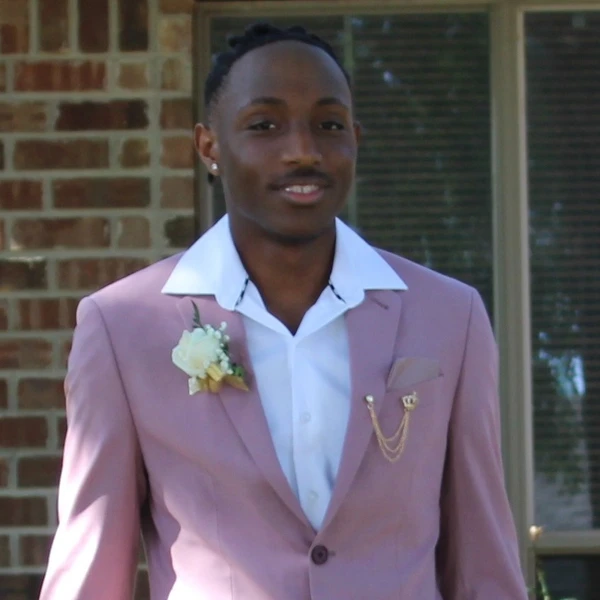
user profile avatar

Khaleel Morgan

1x

Finalist

1x

Winner

General information

Hobbies & Interests

  • Track and Field
  • Football
  • Basketball
  • Biology

Reading

  • Horror

I read books multiple times a month.

Bio

I am an incoming Medical Biology student at UTSA with plans to become a family medicine physician and eventually open my own medical practice. My passion for healthcare was inspired by my grandmother, Jennifer McCloud, a nurse in the Caribbean whose dedication to helping others showed me the impact one person can have on a community. Throughout high school, I balanced academics, varsity and AAU track, and nearly two years of employment at H-E-B, where I developed strong leadership, communication, and time-management skills. I am driven by a desire to serve others, continue learning, and make a meaningful difference through medicine and healthcare.

Education

The University of Texas at San Antonio

Bachelor's degree program

2026 – 2030

Majors:
  • Medicine
  • Biology, General
Minors:
  • Sports, Kinesiology, and Physical Education/Fitness
  • Psychology, General

Louis D Brandeis High School

High School

2023 – 2026

Miscellaneous

Desired degree level:
Bachelor's degree program
Graduate schools of interest:
The University of Texas at San Antonio
Majors of interest:
Biology, General, Medicine
Desired degree modality:
In-Person
Medical school interest:
Yes

Career

  • Customer Service Representative

    Consumer Services · H-E-B

    Jan 2024 – Present

Miscellaneous

Dream career field:
Medicine
Dream career goals:
I plan to become a family medicine physician, open my own medical practice, and provide accessible, patient-centered care to my community.
Work experience:
2 years
Has nursing license:
No

Future Interests

  • Advocacy
  • Volunteering
  • Philanthropy
  • Entrepreneurship
Ruthie Brown Scholarship
I am approaching my future student loan responsibility with a very intentional and disciplined plan centered on minimizing debt during school and aggressively managing it after graduation if needed. My primary goal is to reduce reliance on student loans as much as possible through scholarships, grants, and financial aid. However, I also understand that if I do take on student loan debt, I will be fully responsible for repaying it through a structured and realistic long-term strategy. During my time in college, I plan to continue applying for scholarships and maintaining eligibility for need-based aid to reduce the overall cost of attendance. I also intend to carefully manage my spending and prioritize essential academic and living expenses. My goal is to avoid unnecessary borrowing whenever possible and only take on loans if absolutely required to stay enrolled and complete my degree in Medical Biology. I understand that controlling debt early is one of the most important steps in avoiding long-term financial strain. If student loans do become necessary, my repayment strategy is centered around stable employment in healthcare and long-term financial discipline. One of my key advantages is my ongoing work experience at H-E-B, where I have already built a strong work ethic, consistency, and the ability to manage responsibility over time. If needed, I plan to continue working there during school breaks and potentially return there more consistently during summers or post-graduation transitions to generate steady income that can be applied directly toward loan repayment. After completing my undergraduate degree and eventually entering the healthcare field as a physician, I will have significantly increased earning potential, which will allow me to manage student loan repayment more effectively. However, even before reaching that stage, I plan to develop strong budgeting habits by prioritizing loan payments early, avoiding lifestyle inflation, and focusing on financial stability rather than short-term spending. I also plan to explore repayment strategies such as income-driven repayment plans if necessary, while working toward paying off debt as quickly as reasonably possible. My overall approach is based on responsibility and long-term thinking. I do not view student loans as something to ignore or delay, but rather as a commitment that must be actively managed from the beginning. At the same time, my focus remains on reducing the need for loans in the first place by aggressively pursuing scholarships and maintaining strong academic performance throughout college. Ultimately, my goal is to enter my career in medicine with as little debt burden as possible so I can focus on building a stable practice and serving patients rather than being weighed down by financial pressure. If loans are part of my journey, I am prepared to face them with discipline, consistent work, and a clear repayment plan built on responsibility and long-term career growth.
Christian Fitness Association General Scholarship
I believe I should be considered for this scholarship because I have consistently demonstrated academic dedication, responsibility, and a strong sense of purpose in pursuing a career in medicine, despite financial and personal challenges. As an incoming Medical Biology student, my long-term goal is to become a family medicine physician and eventually open my own outpatient practice focused on accessible, preventive care. I want to serve communities where healthcare education and consistent access are limited, and help patients not only receive treatment but also understand how to manage and prevent illness in their daily lives. My academic journey has been shaped by discipline and long-term focus. I graduated high school with a 3.4 GPA while taking courses that prepared me for a STEM-based college pathway. I chose a science-heavy track because I knew early on that I wanted to pursue medicine, even though I also understood how demanding that path would be. In college, I plan to continue building a strong academic foundation in biology, chemistry, and related sciences while taking full advantage of tutoring services, office hours, and academic advising. I understand that success in medicine begins with consistency in foundational coursework, and I am committed to maintaining that level of discipline. Beyond academics, I have developed important life skills through nearly two years of employment at H-E-B. Working in a fast-paced environment while balancing school responsibilities taught me how to manage time effectively, stay composed under pressure, and maintain consistency even during physically and mentally demanding shifts. It also strengthened my communication skills and my ability to work with different types of people in a professional setting. These experiences have been essential in preparing me for the structure and responsibility required in higher education and, eventually, in healthcare. I have also participated in track and field at both the varsity and club level. Being a student-athlete taught me resilience, accountability, and the importance of incremental progress. Track is not a sport where improvement happens instantly; it requires repetition, discipline, and the ability to push through setbacks. Those lessons have carried into my academic life as well. I learned how to stay focused on long-term goals even when short-term challenges arise, and how to continue improving through consistency rather than relying on motivation alone. My motivation to pursue medicine is also deeply personal. As a first-generation, low-income student, I understand the importance of education as a pathway to opportunity and stability. Growing up, I did not have a clear roadmap for higher education, so much of my progress has come from self-discipline, research, and learning how to navigate systems independently. My interest in healthcare was strongly influenced by my grandmother, who worked as a nurse in the Caribbean. Seeing her dedication to helping patients and the impact she had on her community showed me that medicine is not just a career, but a direct way to serve and improve people’s lives. At the same time, I recognize that being a minority student in a demanding academic and professional field comes with unique challenges. There are moments where representation is limited and where I have had to learn to advocate for myself in environments where I may not always see others with similar backgrounds. Rather than discouraging me, this has strengthened my resolve to succeed and eventually become someone who can serve as both a physician and a role model for others entering the field. Outside of school and work, I have remained focused on building a strong foundation for my future in healthcare. I understand that becoming a physician requires years of education, clinical training, and commitment. My plan is to complete my bachelor’s degree in Medical Biology, take the MCAT, and apply to medical school. After medical school, I intend to complete a residency in family medicine. Each stage of this process is demanding, but I am prepared for the long-term investment because I am clear about my purpose and the type of impact I want to make. If selected for this scholarship, the financial support would make a significant difference in my ability to stay focused on my education. College is a major financial responsibility, and reducing that burden would allow me to dedicate more time to studying, preparing for medical school, and gaining clinical experience through volunteering or shadowing opportunities. Without as much financial pressure, I would also be able to reduce the number of hours I need to work during school, which would give me more balance and improve my academic performance. Ultimately, I see this scholarship as more than financial assistance. It represents an investment in my long-term goal of becoming a physician who serves communities with compassion, knowledge, and consistency. I am committed not only to succeeding academically, but to using my education to make a meaningful difference in healthcare access and patient understanding. My goal is to become a physician who patients can trust, who takes time to listen, and who contributes to building healthier communities over time
Joe Gilroy "Plan Your Work, Work Your Plan" Scholarship
My primary goal is to become a family medicine physician and eventually open my own outpatient practice focused on accessible, patient-centered care. I am currently pursuing a degree in Medical Biology, which will serve as the academic foundation for medical school. Long term, I want to return to a community setting similar to the one I grew up in and provide consistent, preventive care that helps people manage their health early, rather than only treating issues once they become severe. To reach this goal, my path is structured but flexible enough to adapt as I grow. In the next four years, my focus is on completing my bachelor’s degree with strong academic performance in biology, chemistry, and related sciences. I plan to take full advantage of resources such as tutoring centers, office hours, study groups, and advising support to build a strong academic foundation. During this time, I also intend to gain clinical exposure through volunteering, shadowing physicians, and participating in healthcare-related opportunities whenever possible. These experiences are important because they connect classroom learning to real patient care. After completing my undergraduate degree, I plan to take the MCAT and apply to medical school. Medical school will require another four years of intensive study, followed by a three-year residency in family medicine. Throughout each stage, consistency, discipline, and time management will be essential. My previous experience working at H-E-B has already helped me develop these skills, especially balancing long hours, responsibility, and academic demands at the same time. Financially, I will rely on a combination of scholarships, federal financial aid, and careful planning to manage the cost of my education. My estimated cost of attendance is around $22,848 per year, with approximately $8,395 currently covered through grants. This leaves a significant gap that I plan to close through scholarships and, if necessary, part-time or seasonal work that does not interfere with my academic performance. My goal is to minimize student loan debt so that I can focus fully on my education and future training rather than financial stress. I also understand that the path to becoming a physician is competitive and not always linear. While my primary goal is medical school, I am aware of alternative healthcare pathways that still allow me to serve patients directly, such as physician assistant programs. However, I remain fully committed to pursuing medicine as my main path. Overall, my plan is built on steady academic progress, intentional use of resources, and financial discipline. Each step is designed to move me closer to becoming a physician who not only treats illness but also helps patients understand and take control of their health. Scholarships play a critical role in making this possible by reducing financial pressure and allowing me to stay focused on long-term success in healthcare.
Bright Lights Scholarship
My plans for the future are centered on becoming a family medicine physician and building a career that allows me to combine science, service, and long-term patient care. I am currently pursuing a degree in Medical Biology, which I see as the foundation for entering medical school and continuing on the path toward becoming a licensed physician. This journey is important to me not only because of the career itself, but because of the kind of impact I want to have on people’s lives. In the long term, I want to open my own medical practice where I can provide accessible, consistent, and patient-centered care. I am especially interested in family medicine because it allows physicians to build ongoing relationships with patients rather than only treating isolated issues. I want to be the type of doctor who focuses on prevention as much as treatment, helping patients understand their conditions, their options, and how to take control of their health. I believe that when people are properly informed, they make better decisions, and that alone can change long-term outcomes. In the short term, my focus is on succeeding academically in college while gaining experience that prepares me for medical school. That includes strengthening my understanding of biology and human systems, building study discipline, and seeking opportunities like volunteering or clinical exposure when available. I also plan to continue developing the work ethic I built through nearly two years of employment at H-E-B, where I learned how to balance responsibilities, manage time, and stay consistent even during busy or tiring periods. This scholarship would make a meaningful difference in my ability to stay focused on my academic and professional goals. College is a major financial commitment, and any support would help reduce the pressure of balancing school with financial concerns. With less financial strain, I would be able to dedicate more time to studying, preparing for medical school requirements, and gaining hands-on experiences in healthcare settings. It would also allow me to reduce the number of hours I need to work during school, which would create more balance and improve my ability to fully engage in my education. Beyond the financial support, this scholarship would represent an investment in my long-term goals and my commitment to becoming a physician. It would help me continue moving forward on a path that is not only about personal achievement, but also about serving others and contributing to better healthcare access in the communities I hope to work with. Overall, my future plans are focused on becoming a well-trained, compassionate physician who understands both the science of medicine and the importance of human connection in healthcare. This scholarship would help me stay on that path and move one step closer to making that vision a reality.
Charles B. Brazelton Memorial Scholarship
My “awkward” thing is pretty simple, but it’s always been something that made me stand out in small but noticeable ways. I was born with an extra finger on my left hand and an extra toe on my left foot. It’s one of those traits that people sometimes notice right away, even before they know anything else about me. When I was younger, I was definitely more aware of it than I am now. Kids can be curious about anything that looks different, and I remember times when it would lead to questions or reactions that made me realize I didn’t quite blend into the background. At that age, things like that can feel bigger than they really are, so I would sometimes overthink it or become more conscious of how I was being seen. Over time, that changed. As I got older, I started realizing that it wasn’t something unusual or something that needed attention — it was just part of how I was born. It became less of a topic in my mind and more of a simple fact about me, like being left-handed or tall. Eventually, it stopped feeling like something “awkward” and just became normal life. Now, I honestly don’t think about it much at all. It doesn’t affect what I do, how I perform in school, or how I move through everyday life. Most of the time, I’m focused on things like my education, working at H-E-B, training, or preparing for my long-term goal of entering medicine. In that bigger picture, it’s just a very small detail that exists in the background. One thing it did teach me, though, is how quickly people notice differences and how easily those differences can feel bigger than they actually are. It made me more aware of how perception works, especially when you’re younger and still figuring out how you fit into different environments. But it also helped me understand that being different isn’t something that needs to be fixed or hidden. Everyone has something that sets them apart, whether it’s visible or not. Mine just happens to be physical and easy to see. Over time, I’ve learned that it doesn’t define what I can or can’t do, and it doesn’t limit where I’m going in life. At this point, I see it as just another part of my story. Not something I focus on, not something I try to highlight, but also not something I’m uncomfortable with. It simply exists alongside everything else that actually defines me — my goals, my work ethic, my education, and my plans for the future in healthcare and medicine.
WCEJ Thornton Foundation Low-Income Scholarship
Higher education is the bridge between intention and impact for me. I already know the direction I want my life to take, but college is where that direction becomes skill, structure, and service. Growing up as a first-generation, low-income student in Texas, I did not have a roadmap handed to me. I had to build it step by step through trial, observation, and persistence. Higher education is where that self-built path gains clarity and turns into something that can support others, not just myself. My goal is to become a family medicine physician and eventually open my own practice focused on accessible, patient-centered care. I am especially drawn to serving communities where healthcare is present, but not always approachable or consistent. In places like the one I grew up in, people often delay care because of cost, time, or trust. I want to help change that by being a physician who understands both the medical side and the human side of those barriers. College is the first real environment where I can fully develop that capability. My degree in Medical Biology will give me the scientific foundation needed to understand the body at a deep level, but more importantly, it will introduce me to clinical reasoning, research, and evidence-based decision making. These are not just academic tools to me. They are the building blocks of better care. Every course, lab, and clinical experience will sharpen how I think about patients as whole people, not just symptoms. Beyond academics, higher education will expose me to mentorship and environments I have not previously had access to. As someone who has worked at H-E-B while balancing school and athletics, I am used to responsibility and time management. However, college will push me into spaces where I can learn from professors, physicians, and peers who challenge my perspective and expand my understanding of healthcare systems. That growth is essential if I want to eventually lead a practice that is both medically strong and community driven. My experience has also shaped how I see resilience. Being a first-generation student means there is no template to follow when things get difficult. You learn to adapt quickly, to ask questions even when you feel behind, and to keep moving when the path is unclear. That mindset will carry me through the demands of higher education and medical training. I have already learned how to balance long work shifts, athletics, and academics. College will refine that discipline rather than create it. Ultimately, I see higher education as more than preparation for a career. It is preparation for responsibility. It will allow me to take what I have experienced and turn it into action that benefits others. I want to return to communities like mine with knowledge, confidence, and resources that make healthcare feel less distant and more human. My long-term vision is not just to practice medicine, but to be a consistent presence in people’s lives, someone who helps them stay healthy before problems become crises. Higher education is the key that turns that vision into something real, structured, and lasting.
Bick First Generation Scholarship
Being a first-generation student means I am building something that did not come with a map. In my family, college is not a familiar system with step-by-step guidance, so I have had to learn the process through research, asking questions, and trial and error. That responsibility can feel heavy at times, but it has also made me more independent and intentional about my future. Every decision I make about school feels personal, because I understand that I am not only doing this for myself, but also setting a foundation for what is possible for my family after me. One of the biggest challenges I have faced is navigating education while managing real-life responsibilities. I have worked nearly two years at H-E-B while staying committed to school and extracurriculars. There were times when balancing work shifts, academics, and personal goals felt overwhelming, but I learned how to manage my time, stay disciplined, and keep showing up even when things were difficult. That experience taught me that consistency matters more than motivation alone. Another challenge has been learning how to move forward without always having immediate answers or guidance. Instead of letting that stop me, I learned to seek help from teachers, counselors, and available resources. Over time, I became more confident in asking questions and advocating for myself academically and financially. I am currently pursuing a degree in Medical Biology with the goal of becoming a family medicine physician. I chose this path because I want to understand the science behind health while also working directly with people in a meaningful way. My dream is to open my own practice where I can provide accessible, patient-centered care, especially in communities where healthcare education and resources may be limited. What drives me is the idea of impact. I want to be a physician who not only treats illness, but also helps patients understand their health so they can make informed decisions. I also want to be an example for other first-generation students who may not see many people like them in higher education or medicine. This scholarship would help ease the financial pressure of college and allow me to focus more on my academics, preparation for medical school, and long-term goals. It would bring me one step closer to turning my hard work and determination into a career that serves others and gives back to the community that shaped me.
First Generation College, First Generation Immigrant Scholarship
My sense of purpose has been shaped by experiences that taught me the value of persistence, independence, and access to opportunity. As a first-generation, low-income student, I have had to navigate much of my educational path on my own, from understanding college requirements to planning my academic future. That experience pushed me to become resourceful and more intentional about my goals. Working nearly two years at H-E-B while balancing school has also played a major role in shaping my mindset. It taught me discipline, consistency, and how to stay focused even when life feels demanding. It also strengthened my communication skills and helped me understand the importance of serving others in everyday environments. These experiences have led me toward a purpose in healthcare. I am pursuing a degree in Medical Biology as the foundation for becoming a family medicine physician. I chose this path because I am interested in how science can directly improve people’s lives and health outcomes. I also want to address gaps in understanding and access that I have seen in my own community. My long-term goal is to become a physician who focuses on both treatment and education, helping patients understand their health so they can make informed decisions. I want to be someone who not only treats illness, but also builds trust and long-term relationships with patients. Overall, my experiences have given me a clear purpose: to use my education in science and medicine to serve others and make healthcare more accessible, understandable, and supportive.
Kaprieasha Tyler Healthcare Scholarship
come from a first-generation, low-income background, which has shaped my academic journey in meaningful ways. Because I am the first in my family to pursue a college degree, I have had to learn many parts of the educational system on my own, including admissions steps, financial aid, and long-term academic planning. While this has been challenging at times, it has also helped me become more independent, resourceful, and focused on my goals. These circumstances have taught me how to seek support when needed and how to stay disciplined without always having direct guidance from family experience in higher education. Balancing school with nearly two years of work experience at H-E-B has also strengthened my time management, responsibility, and work ethic. These experiences have shown me how to stay consistent even when life is demanding. I am currently pursuing a Bachelor’s degree in Medical Biology because I am passionate about understanding how the human body works and how science can be used to improve health outcomes. This degree is the foundation for my long-term goal of attending medical school and becoming a family medicine physician. I chose this path because I want to work in a field where I can combine science with direct patient care. My goal is to become a physician who focuses not only on treating illness, but also on prevention, education, and long-term health. Eventually, I hope to open my own practice and serve communities by providing accessible and patient-centered care. Overall, my circumstances have pushed me to become more self-reliant and focused. They have shaped my determination to succeed in higher education and use my degree to make a meaningful impact in healthcare.
Stephan L. Daniels Lift As We Climb Scholarship
I want to pursue a career in STEM because I am naturally drawn to understanding how systems work and how scientific knowledge can be used to solve real problems that affect people’s lives. STEM, for me, is not just a field of study, but a structured way of thinking that turns curiosity into practical solutions. Among the different areas of STEM, I am most focused on biology as the foundation for a future in medicine, specifically family medicine, where science directly connects to people’s everyday health and well-being. My interest in this path developed over time through both curiosity and observation. I have always been interested in how the human body functions, how diseases develop, and how early intervention can completely change health outcomes. The more I learned, the more I realized that many health issues are not only medical problems, but also issues of access, education, and communication. That realization is what pushed me toward medicine, where I can combine scientific knowledge with direct human impact. Coming from a first-generation, low-income background in Texas has also shaped how I view STEM and opportunity. I have had to learn many parts of the academic system on my own, from understanding college requirements to navigating financial aid and long-term planning. That experience has made me more independent, but it has also shown me how many students can be discouraged not because of ability, but because of limited guidance or exposure. It made me realize that STEM fields can feel distant or intimidating when you do not see people from your environment in those spaces. Through my degree, I plan to build the academic foundation needed to enter medical school and eventually become a family medicine physician. My goal is not only to treat illness, but to focus on prevention, education, and long-term patient care. I want to be the kind of physician who takes time to explain conditions clearly, listens carefully, and helps patients understand how to take control of their health. I believe that informed patients make better decisions, and better communication leads to better outcomes. Beyond individual care, I also want to use my education to uplift my community by increasing awareness around basic health practices and preventive care. In many communities, people only seek help when conditions become severe, often due to lack of information or access. I want to help change that pattern by being someone who bridges that gap between medical knowledge and everyday understanding. I also see my presence in STEM as a form of representation and encouragement. I want younger students, especially those who are first-generation or come from underrepresented backgrounds, to see that success in science and medicine is possible even without a traditional roadmap. I understand what it feels like to figure things out step by step, and I want to use my journey to make the path a little clearer for others coming after me. Overall, I see STEM as a tool that allows me to turn knowledge into impact. It gives me the ability to contribute to both individual lives and broader community health, and I plan to use that opportunity fully through a career dedicated to service, education, and care.
Dr. Christine Lawther First in the Family Scholarship
Being the first in my family to obtain a college degree carries a deep sense of responsibility and meaning for me. It represents more than personal achievement it is a shift in my family’s trajectory. I am building something that did not previously exist in my household: a direct pathway into higher education and professional fields like medicine. Because of that, every step I take feels intentional. I am not just working toward my own success, but also creating a reference point for younger family members who may one day look at my journey and believe that college and advanced careers are possible for them as well. It also means learning as I go without always having someone in my immediate family who has experienced the same academic path. That has made me more independent and resourceful. I have had to figure out financial aid, course planning, and long-term academic decisions largely on my own, which has strengthened my ability to problem-solve and seek out guidance when needed. While challenging at times, it has helped me develop the mindset I will need in college and beyond. In college, I want to pursue a degree in Medical Biology as preparation for medical school and a future career in family medicine. I am drawn to medicine because it combines science with direct human impact. I am especially interested in understanding how the body works, how diseases develop, and how healthcare can be used not just to treat illness but to prevent it. My goal during college is to build a strong academic foundation in biology and related sciences while also continuing to develop the discipline and consistency needed for a demanding professional path. Outside of academics, I also value experiences that have shaped my character. Working nearly two years at H-E-B has taught me responsibility, communication, and how to stay composed in fast-paced environments. Being involved in track and field has also helped me develop discipline and resilience, especially when progress requires patience over time. These experiences have reinforced the importance of consistency in everything I do. My long-term goals are centered on becoming a family medicine physician and eventually opening my own medical practice. I want to provide accessible, patient-centered care, especially for individuals who may feel overlooked or underserved in the healthcare system. I hope to build a practice where patients feel heard, respected, and understood, and where clear communication helps improve long-term health outcomes. Ultimately, my goal is to use my education not only for personal advancement, but to create meaningful impact in my community. I want my journey from first-generation student to physician to serve as both a practical contribution to healthcare and an example for others who are starting from a similar place of uncertainty.
Emerging Leaders in STEM Scholarship
chose the field of medicine because I am drawn to the combination of science, problem-solving, and service. More than anything, I want a career where my work directly improves people’s lives in a practical and lasting way. I am especially interested in family medicine because it allows physicians to build long-term relationships with patients, focus on prevention, and help people navigate both everyday health concerns and more complex medical issues over time. My interest in healthcare was influenced early on by my grandmother, who was a nurse in the Caribbean. Watching her care for patients with limited resources showed me that medicine is not only about treatment, but also about presence, patience, and trust. That lesson stayed with me and shaped how I view the role of a physician: someone who not only treats illness, but also helps people feel understood and supported in vulnerable moments. Through my career, I hope to make an impact by improving access to quality, understandable healthcare, especially in communities where people may feel overlooked or disconnected from the medical system. I want to be a physician who takes time to listen and explain things clearly, so patients feel confident in their care and more willing to stay engaged in their health. I am also interested in preventive care, because many long-term health problems can be reduced or managed earlier when people have the right guidance and support. My journey so far has required overcoming several challenges, especially as a first-generation, low-income student. I have had to navigate much of my educational path without a family roadmap, learning how to handle college preparation, financial aid, and academic planning largely on my own. That experience has made me more independent and resourceful, but it has also shown me how complex and overwhelming higher education can be when you are figuring it out for the first time. As a Black student in a system where I am often underrepresented, I have also had to learn how to stay confident in environments where I may not always see many people who look like me. Instead of discouraging me, this has pushed me to focus on discipline, consistency, and self-belief. I understand that success in fields like medicine is not only about talent, but also about persistence and the ability to keep moving forward even when the path feels less familiar or more difficult. In addition to academics, balancing work and responsibilities has also been a learning experience. Working nearly two years at H-E-B has taught me how to manage time, stay accountable, and communicate effectively in fast-paced environments. These experiences have helped me build resilience and maturity that I know will be important in medical training and patient care. Overall, I see my future in medicine as both a personal goal and a way to serve others. I want to use my education to help bridge gaps in understanding and access, while also showing that students from underrepresented backgrounds can succeed in demanding fields like healthcare through persistence, discipline, and purpose.
Stephan L. Wolley Memorial Scholarship
I am an incoming Medical Biology student at the University of Texas at San Antonio, and I am currently focused on building the academic foundation needed to pursue a career in family medicine. My interest in healthcare comes from both personal influence and lived experience, especially the example set by my grandmother, who was a nurse in the Caribbean. Seeing her dedication to caring for patients in challenging conditions taught me early on that medicine is not just a profession, but a responsibility that requires compassion, patience, and consistency. My family dynamic has shaped much of my independence and motivation. As a first-generation, low-income student, I have had to navigate much of the college process without a family blueprint to follow. That means learning how to manage applications, financial aid, and academic planning largely on my own. While this has sometimes been challenging, it has also helped me become more resourceful and self-driven. I have learned to seek out information, ask questions when needed, and take ownership of my goals rather than relying on a predefined path. In school, I have worked to balance academics with extracurricular commitments and employment. I have participated in varsity and AAU track and field, which taught me discipline, time management, and resilience. Progress in athletics is not instant, and that experience helped me understand the importance of consistency and long-term effort. In addition, I have worked nearly two years at H-E-B, where I gained real-world experience in communication, responsibility, and working in fast-paced environments. These experiences have helped me develop skills that extend beyond the classroom and will be valuable in my future career. My academic path is focused on preparing for medical school, with an emphasis on biology and the sciences. I am interested in family medicine because it allows for long-term relationships with patients and a focus on prevention, education, and overall well-being. I want to be in a position where I can not only treat illness, but also help people understand their health and make informed decisions over time. Looking forward, my future plans include completing my undergraduate degree, attending medical school, and becoming a practicing physician. My long-term goal is to open my own medical practice where I can provide accessible, patient-centered care. I want to create an environment where patients feel heard, respected, and supported, especially those who may feel uncertain or overlooked in traditional healthcare settings. Ultimately, my journey is driven by a desire to serve others while also continuing to grow academically and professionally. I see my education as both a personal achievement and a tool to make a meaningful difference in my community through healthcare.
Robert F. Lawson Fund for Careers that Care
I am an incoming Medical Biology student at the University of Texas at San Antonio with the long-term goal of becoming a family medicine physician. My interest in healthcare developed through a mix of personal influence, life experience, and a growing understanding of how important accessible care is in everyday life. One of the earliest inspirations for me was my grandmother, who was a nurse in the Caribbean. Watching her care for patients with limited resources showed me that medicine is not only about treatment, but about patience, compassion, and consistency even when conditions are not ideal. Alongside that influence, my own experiences have helped shape who I am. I have worked nearly two years at H-E-B, where I learned how to communicate with people from all backgrounds, stay focused in fast-paced environments, and take responsibility for my role in a team setting. I have also participated in track and field, which taught me discipline, resilience, and the importance of showing up consistently even when progress is gradual. These experiences have helped me build the mindset I will need in a demanding field like medicine. As a first-generation, low-income student, I have had to navigate much of my educational journey without a built-in roadmap. Learning how to manage college preparation, finances, and academic planning on my own has made me more independent and resourceful. It also gave me a clearer understanding of how overwhelming the process can feel when you are figuring it out for the first time. That experience has shaped how I see my future role in healthcare. Through my career in medicine, I plan to make a positive impact by focusing on patient-centered care, especially in communities where access, communication, or trust in healthcare may be limited. I want to be the kind of physician who takes time to listen, explains medical information clearly, and helps patients feel comfortable engaging with their own health. I believe small moments of clarity and understanding can make a major difference in long-term outcomes. I am especially interested in family medicine because it allows for long-term relationships with patients and a focus on prevention rather than only treatment. My goal is not just to address illness, but to help people build healthier lives over time through education, early intervention, and consistent care. I also hope to contribute by being someone patients can rely on, especially those who may feel overlooked or unsure about navigating the healthcare system. Overall, I see my career in medicine as a way to serve others in a practical and meaningful way. My goal is to use my education and future practice to improve access, understanding, and trust in healthcare, while also showing others from similar backgrounds that it is possible to enter and succeed in this field.
Maxwell Tuan Nguyen Memorial Scholarship
I decided to pursue a career in medicine because I was drawn to the idea of combining science with service in a way that directly impacts people’s daily lives. My interest in healthcare did not come from a single moment, but from repeated exposure to what care looks like in real settings, especially through my grandmother, who was a nurse in the Caribbean. Seeing her work taught me that medicine is not just about knowledge or procedures, but about consistency, patience, and showing up for people when they need it most. Over time, I became especially interested in family medicine because of its broad scope and long-term patient relationships. I like the idea of being the first point of contact for patients, understanding their health over time, and helping them manage both prevention and treatment. It feels like a field where trust matters just as much as technical skill, and where communication can directly change outcomes. My path toward this career has also been shaped by real-world responsibility. Working nearly two years at H-E-B taught me how to stay focused in fast-paced environments, communicate with a wide range of people, and remain consistent even on difficult days. While it is not medical experience, it helped me understand what it means to serve people in a practical, high-interaction setting. I also learned discipline and time management through balancing work, school, and athletics in track and field, where progress required patience and repetition rather than instant results. As a first-generation, low-income student, I have had to figure out many parts of the college and career process on my own. That experience has made me more resourceful and intentional about my goals. It also made me realize how important guidance and access are for students who are trying to enter fields like medicine without a family background in higher education. Because of that, I want to not only succeed in medicine, but also help make the path more visible and achievable for others like me. Through my medical career, I plan to make a difference by focusing on patient-centered care, especially in communities where access to healthcare or health education may be limited. I want to be the kind of physician who takes time to explain conditions clearly, listens carefully, and builds trust so patients feel comfortable returning for care instead of avoiding it. I also hope to focus on preventive medicine, since many long-term health issues can be improved or avoided through early awareness and consistent care. Ultimately, my goal is to use medicine as a way to serve people in a practical, lasting way. I want my career to be defined not just by treating illness, but by improving how people understand and engage with their own health.
Adrin Ohaekwe Memorial Scholarship
My career goal is to become a family medicine physician and eventually establish my own medical practice focused on accessible, patient-centered care. I want to work in a setting where patients are treated as individuals rather than numbers, and where communication and trust are just as important as diagnosis and treatment. Long term, I hope to build a practice that serves my community by making healthcare more understandable, consistent, and approachable. To reach this goal, I have focused on building discipline, responsibility, and adaptability through my academic path, work experience, and personal development. As a first-generation, low-income student, I have had to learn how to navigate college preparation, financial planning, and academic decisions without a family blueprint. That experience has pushed me to become resourceful and proactive, qualities that are essential in both college and medicine. Chess has also played a meaningful role in shaping how I think and approach challenges. One of the most important lessons I have learned from chess is patience. Every move matters, and rushing decisions often leads to mistakes that cannot be easily undone. This has helped me understand the importance of thinking ahead, especially when working toward long-term goals like medical school. In the same way that a chess player must anticipate several moves ahead, I have learned to consider how my current choices in education, work, and time management will affect my future. Chess has also taught me strategic thinking and adaptability. No game unfolds exactly as planned, and you have to adjust your strategy based on changing circumstances. This has helped me become more comfortable with uncertainty in real life. Whether it is balancing school with work at H-E-B or adjusting my study habits for different courses, I have learned to adapt rather than get discouraged when things do not go as expected. Another lesson from chess is accountability. Every decision has consequences, and success depends on taking responsibility for your moves. This mindset translates directly into my academic and career goals. In medicine, especially family medicine, decisions must be thoughtful, careful, and patient-focused. There is no room for careless choices, and I understand the importance of consistency and attention to detail. Overall, chess has reinforced skills that I already strive to build in my life: patience, strategic planning, adaptability, and accountability. Combined with my personal experiences and motivation to serve others through healthcare, these lessons continue to guide me as I work toward becoming a physician who is thoughtful, prepared, and committed to long-term impact.
First Generation Scholarship For Underprivileged Students
I am an incoming Medical Biology student at the University of Texas at San Antonio, and I am pursuing a future career in family medicine. My path to higher education has been shaped by discipline, independence, and learning how to navigate systems that I was not originally familiar with. As a first-generation, low-income student, I did not grow up with a clear roadmap for college. Instead, I had to build that understanding step by step through experience, research, and persistence. A major influence on my interest in healthcare was my grandmother, a nurse in the Caribbean. Watching her work showed me that medicine is not only about treating illness, but about serving people with dignity and care, even in challenging circumstances. That perspective is what inspired my long-term goal of becoming a physician who focuses on accessible, patient-centered care in family medicine. Outside of academics, I have worked nearly two years at H-E-B, where I developed strong communication skills, responsibility, and the ability to stay consistent in fast-paced environments. I have also participated in varsity and AAU track and field, which taught me discipline, time management, and how to keep pushing forward even when progress is slow. These experiences have shaped my work ethic and my understanding of what it means to stay committed to long-term goals. Being a first-generation student has not only impacted my journey, but it has also shaped how I view responsibility. I often had to figure things out on my own, from understanding financial aid to planning for college requirements. While this sometimes created uncertainty, it also built independence and resilience. I learned to ask questions, seek resources, and take ownership of my future without waiting for a perfect or fully guided path. Because of this experience, I want to inspire other first-generation students by showing them that not knowing everything at the start does not mean you are unqualified or behind. It simply means you are learning in real time, and that process is part of growth. I want to encourage students to take advantage of every opportunity, even when they feel unsure, and to understand that persistence matters more than having all the answers early on. In the future, I plan to give back by mentoring younger students, especially those who are the first in their families to pursue higher education. Whether through informal guidance, sharing my own experiences, or simply being someone they can relate to, I want to help make the college process feel more approachable. I understand how overwhelming it can feel when you are navigating it alone, and I want to help reduce that sense of isolation for others. My goal is not only to succeed academically and professionally, but also to serve as an example that first-generation students can thrive in higher education and beyond. I want my journey to show that with consistency, resilience, and support, it is possible to turn uncertainty into progress and goals into reality.
Treye Knorr Memorial Scholarship
I am an incoming Medical Biology student at the University of Texas at San Antonio, and I am pursuing a future as a family medicine physician with the long-term goal of opening my own medical practice. My journey into healthcare has not been defined by a single defining moment, but rather a collection of experiences that slowly shaped how I see responsibility, discipline, and service. One of the earliest influences in my life was my grandmother, a nurse in the Caribbean. Watching her care for patients with limited resources taught me that healthcare is not just about medicine, but about compassion, patience, and human connection. She showed me that even in difficult environments, one person can still make a meaningful difference in someone else’s life. That lesson stayed with me and became the foundation of my interest in medicine. Outside of academics, I have worked nearly two years at H-E-B, where I developed real-world skills that I know will carry into my future career. Working in a fast-paced environment taught me how to stay calm under pressure, communicate effectively with people from all walks of life, and maintain consistency even when the work is physically and mentally demanding. These experiences helped me understand responsibility in a practical way rather than just a theoretical one. I also participated in varsity and AAU track and field, which strengthened my discipline, time management, and ability to push through challenges even when progress felt slow or difficult. Being a first-generation, low-income student has shaped my entire educational journey. I did not grow up with a roadmap for college, so I had to learn how to navigate applications, financial aid systems, and academic planning on my own. There were moments of uncertainty, especially when trying to understand steps that others seemed to know instinctively. However, this experience has made me more independent, resourceful, and proactive. I have learned to seek out answers, ask questions, and take ownership of my future even when the path is unclear. At the same time, I have faced concerns that come with being an “outsider” to the higher education system. One of the biggest challenges is financial pressure. Every academic decision feels tied to long-term cost, which can sometimes create stress. Another concern is not always knowing what opportunities exist until later than others who have more guidance. Despite this, I have learned to stay focused on progress rather than perfection and to keep moving forward step by step. My strengths include discipline, adaptability, and persistence. I am able to balance school, work, and athletics while still maintaining my academic goals. One of my weaknesses is that I sometimes take on too much responsibility at once, but I have been learning how to better manage my time and prioritize what matters most for my long-term success. My vision for the future is centered on becoming a family medicine physician who provides accessible, patient-centered care. I want to work in a field where patients feel heard, respected, and understood. I am especially interested in preventive care and building long-term relationships with patients, rather than only treating immediate symptoms. Eventually, I hope to open my own practice where care is not rushed or impersonal, but instead focused on trust, clarity, and consistency. This scholarship would directly support my educational journey by reducing financial stress and allowing me to focus more on academics and preparation for medical school. It would also help lessen the burden on my family as I continue pursuing higher education. More importantly, it would bring me closer to my goal of becoming a physician who contributes to the well-being of my community. Ultimately, I see my journey not just as personal achievement, but as preparation for a life of service. I want to use my education to improve access to healthcare and to be someone who helps others navigate systems that can often feel overwhelming or unfamiliar.
STEAM Generator Scholarship
Entering higher education has always felt like stepping into a system that was already in motion long before I arrived. As a first-generation student, I don’t have family members who can explain college from personal experience or walk me through every decision. Instead, I’ve had to learn by observing, asking questions, and figuring things out in real time. That has made the journey more uncertain at moments, but it has also made me more intentional about every step I take. My experience as a child of immigrants has shaped that feeling even more. My parents worked hard to build stability for our family, but the path they took was not centered around American higher education. Because of that, I often found myself translating expectations, deadlines, and processes not just academically, but culturally. Things like financial aid, course planning, and scholarship applications were not familiar conversations at home, so I learned to navigate them independently. Over time, I began to see this not as a disadvantage, but as a responsibility to become self-reliant and resourceful. Still, there have been real concerns. The biggest is not knowing what I don’t know. In a system as complex as higher education, there are hidden steps and unspoken rules that students from well-connected backgrounds often learn earlier. I’ve had to actively seek guidance, whether from counselors, teachers, or online resources, just to make sure I am not missing opportunities that could shape my future. There is also the pressure of financial responsibility. As a low-income student, I am constantly aware that every semester carries weight, and every decision has long-term cost implications. At the same time, this experience has deeply influenced my goals. Instead of discouraging me, it has strengthened my desire to enter a field where I can create clarity for others. I am pursuing Medical Biology with the goal of becoming a family medicine physician because I want to be someone who helps bridge gaps in understanding, especially for patients who feel overwhelmed by systems they don’t fully understand. I know what it feels like to be uncertain and to have to figure things out without much guidance, and I want to reduce that feeling for others in healthcare settings. My hope is that by the time I complete my education and enter my career, I will not only have gained knowledge, but also the ability to guide others through complex systems with patience and clarity. I want my journey as a first-generation student to translate into a strength in my future profession, where empathy is not theoretical, but lived experience.
Catrina Celestine Aquilino Memorial Scholarship
I’m someone who grew up learning early that hard work and service are not abstract ideas, they are daily habits. I’m an incoming Medical Biology student at UTSA with a long-term goal of becoming a family medicine physician. My path into healthcare started at home, watching my grandmother, a nurse in the Caribbean, care for patients with limited resources but unlimited dedication. She didn’t just treat illness; she built trust, comfort, and stability for people who often had nowhere else to turn. That example shaped how I understand medicine today. Alongside academics, I’ve built responsibility through real-world experience. Working nearly two years at H-E-B has taught me consistency, communication, and how to stay composed in fast-paced environments. Whether helping customers, working long shifts, or collaborating with a team, I’ve learned that showing up reliably matters just as much as talent. I’ve also balanced this with athletics, including varsity and AAU track and field, which has strengthened my discipline and ability to push through challenges without losing focus. As a first-generation, low-income student, I’ve had to navigate the college and career process without a family roadmap. That experience has made me more independent, but also more aware of how many students and families face barriers to healthcare and education. It’s also given me a strong sense of responsibility to turn opportunity into impact, not just for myself, but for others who may be in similar circumstances. Through my medical career, I plan to focus on family medicine and primary care. My goal is to provide accessible, patient-centered healthcare where people feel genuinely heard rather than rushed through a system. I want to work in communities where preventive care, education, and trust can make a long-term difference in health outcomes. I am especially interested in helping patients manage chronic conditions early and effectively, reducing the need for more serious interventions later on. In the long term, I also hope to open my own medical practice. I want it to be a space where care feels personal, where patients are treated as individuals, not numbers, and where healthcare is approachable regardless of income or background. I believe one of the most meaningful ways to make a positive impact is through consistency: showing up for people over time, building trust, and being part of their lives in both small and critical moments. My vision of impact is simple but meaningful: to use medicine not just to treat illness, but to strengthen communities through access, understanding, and human connection.
SigaLa Education Scholarship
I chose the field of Medical Biology because I have always been drawn to understanding how the human body works and how that knowledge can be used to directly improve people’s lives. My interest in healthcare began through personal observation rather than a classroom. Watching my grandmother, a nurse in the Caribbean, care for patients with limited resources showed me that medicine is not only about treatment, but also about compassion, adaptability, and trust. That early influence shaped how I view healthcare today: as a service rooted in human connection. My short-term goal is to complete my bachelor’s degree at UTSA in Medical Biology while continuing to build experience in environments that require discipline, communication, and responsibility. Working nearly two years at H-E-B has helped me develop those skills in real time. Whether assisting customers, managing time under pressure, or working as part of a team, I have learned how to stay consistent and reliable even on demanding days. I also plan to continue strengthening my academic foundation in biology, chemistry, and psychology as preparation for medical school. My long-term goal is to become a family medicine physician and eventually open my own practice. I want to serve as a primary care doctor who is accessible, patient-centered, and focused on preventive care. I am especially interested in working with communities that may face barriers to consistent healthcare access. I hope to create a practice environment where patients feel heard, respected, and supported, not rushed or overlooked. For me, success in medicine will not only be measured by knowledge, but by the relationships built with patients over time. Being a first-generation, low-income student has shaped both my perspective and my motivation. It has taught me how to navigate unfamiliar systems independently, often without a roadmap. While this experience has made the journey more challenging, it has also made me more resourceful and determined. I have learned to take initiative, ask questions, and seek opportunities even when they are not immediately visible. At the same time, it has made me aware of how important representation is in healthcare. I want to be part of a field where patients can see providers who understand different backgrounds and lived experiences, not just clinically but personally. This scholarship would significantly reduce the financial pressure on my education and allow me to focus more fully on my studies and professional development. As someone already working while preparing for a rigorous academic path, any financial support would help limit future debt and ease the burden on my family. It would bring me one step closer to becoming the physician I aspire to be and serving the community that helped shape me.
AROC AI/ML Scholarship
Winner
While I do not yet have formal hands-on experience building AI or machine learning applications, I have developed a strong academic foundation and growing interest in how these tools can transform healthcare. My exposure to AI has primarily come through self-driven learning, academic exploration in biology and math, and observing how data-driven tools are increasingly used in medicine for diagnosis support, patient tracking, and preventative care. As a student pursuing Medical Biology with the goal of becoming a family medicine physician, I have become especially interested in how machine learning can improve early detection of diseases and reduce healthcare disparities. Many of the health challenges I have seen in my community are not due to a lack of medical knowledge, but due to delayed intervention. This is where I see AI having meaningful potential: identifying patterns in patient data that signal risk earlier than traditional methods might. Although I have not yet built an AI application, I have begun preparing myself for that direction through coursework in biology, chemistry, and mathematics, where I have strengthened my analytical thinking and problem-solving skills. These subjects have helped me understand the structure of data, patterns in biological systems, and the importance of precision when interpreting results. I am also actively seeking opportunities to expand into programming and data science so I can eventually translate these skills into real-world applications. In the near future, I plan to gain hands-on experience with coding languages such as Python and explore introductory machine learning frameworks used in healthcare analytics. My goal is to eventually develop or contribute to tools that assist physicians in identifying early warning signs of chronic illnesses such as diabetes, hypertension, and cardiovascular disease. I am especially interested in applications that make preventative care more accessible in underserved communities, where early intervention can significantly improve long-term outcomes. Beyond technical development, I see my impact in this field as a bridge between technology and patient care. Many AI tools are powerful but not always designed with real patient environments in mind. As someone pursuing medicine, I would be in a unique position to ensure that technology is not only accurate, but also practical, ethical, and understandable for both physicians and patients. I want to contribute to systems that support doctors in making better-informed decisions while still keeping patient trust and communication at the center of care. Ultimately, my vision is to combine medicine with emerging technology in a way that strengthens preventative healthcare. Even as I continue building my technical skills, I am motivated by the idea that AI should not replace the human side of medicine, but enhance it. My long-term goal is to contribute to innovations that help physicians detect illness earlier, personalize treatment, and reduce barriers to care in communities that need it most.
Red Cause Inc. Future Health Leaders Scholarship
One health challenge I have seen in my community is how difficult it can be for low-income families to consistently access preventative healthcare. For many people, medical care is something they only think about when a problem becomes too serious to ignore. Instead of routine checkups, early screenings, or managing conditions at the first sign of symptoms, care often gets delayed until it turns into an emergency. Conditions like asthma flare-ups, uncontrolled blood pressure, infections, or early signs of diabetes can escalate quickly when they are not addressed early. From what I have observed, this is not because people do not value their health, but because daily life makes consistent care hard to maintain. Many families are balancing tight budgets, long work hours, and limited transportation. Even when someone knows they should see a doctor, it may mean missing work, losing income, or paying costs they cannot afford at the moment. Because of this, emergency rooms often become the default option, not because they are ideal, but because they are available when everything else is not. Working at H-E-B for nearly two years has made this even more real to me. I have seen how often people are forced to prioritize survival needs over preventive care. Some coworkers and customers work long shifts or multiple jobs, leaving little flexibility to schedule appointments. In those situations, health concerns are sometimes pushed aside until they interfere with daily functioning. Over time, I started to understand that healthcare access is not only about having medical facilities nearby, but about whether people realistically have the time, money, and stability to use them. As I pursue a degree in Medical Biology with the goal of becoming a family medicine physician, I want to help address this gap. Family medicine stands out to me because it focuses on long-term care and relationships, not just one-time visits. I want to be the kind of physician who helps patients catch problems early and understand their health in a way that feels practical and manageable, not overwhelming or out of reach. My studies will give me the scientific foundation to understand how the body works and how diseases develop over time. Courses in biology, anatomy, and physiology will help me recognize early warning signs and better understand chronic conditions. At the same time, clinical training and patient communication skills will prepare me to explain medical information in a clear and respectful way, so patients feel informed rather than intimidated. I also hope to gain experience in community health settings, where prevention and education can make a real difference. In the long run, I want to help make healthcare feel more accessible and less reactive in communities like mine. If people are supported earlier and given care that fits their real-life circumstances, many serious health issues can be prevented before they ever reach a crisis point.
Khaleel Morgan Student Profile | Bold.org