user profile avatar

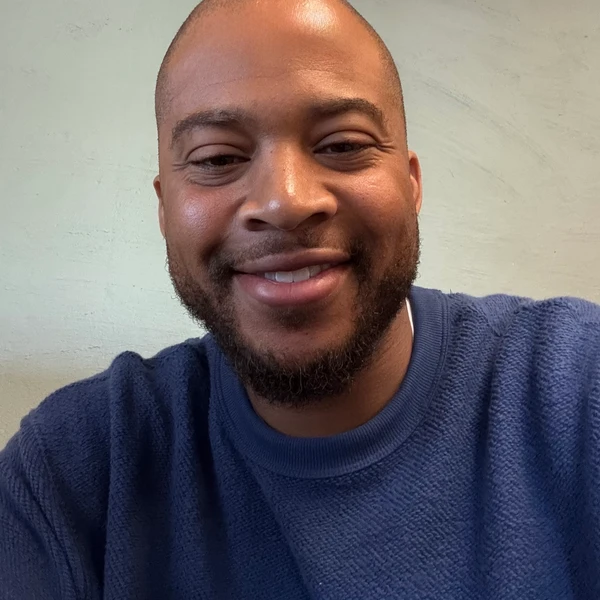
Kenneth Reynolds

1x

Finalist

Bio

I am a dedicated first-generation college professional and returning graduate student at California State University, Dominguez Hills, pursuing advanced education to expand my impact in human services and mental health support. With a background in social service work, including experience as an IHSS provider supporting individuals with daily living needs, I have developed a strong commitment to advocacy, care coordination, and improving quality of life for vulnerable populations. My academic and professional journey reflects a focus on community support, housing stability, and access to healthcare and social resources. I am especially motivated by work that strengthens mental health systems and expands support for underserved communities. As I continue my graduate studies beginning in 2026, my goal is to build a career in behavioral health and community-based services, where I can combine lived experience, education, and compassion to make a meaningful difference.

Education

California State University-Dominguez Hills

Master's degree program
2026 - 2030
  • Majors:
    • Family and Consumer Sciences/Human Sciences, General
California State University-Dominguez Hills

Bachelor's degree program
2012 - 2019
  • Majors:
    • Social Work

Long Beach Polytechnic High School

High School
2005 - 2009

Miscellaneous

  • Desired degree level:

    Master's degree program

  • Graduate schools of interest:

    • California State University-Dominguez Hills
  • Transfer schools of interest:

  • Majors of interest:

  • Not planning to go to medical school
  • Career

    • Dream career field:

      • Marriage and Family Therapist
    • Dream career goals:

    • Intensive Case Manager

      Mental Health America of Los Angeles
      2019 – Present7 years

    Sports

    Baseball

    Varsity
    2005 – 20094 years

    Research

    • Work and Family Studies

      California State University Dominguez Hills — Group Leader
      2018 – 2019

    Arts

    • Long Beach Polytechnic

      Music
      2005 – 2009

    Future Interests

    Advocacy

    Volunteering

    Philanthropy

    Entrepreneurship

    Charles B. Brazelton Memorial Scholarship
    My awkward thing growing up was my thumbs. They are unusually large—wide, round, and very noticeable—and because of that, they became an easy target for other kids. I was teased about them almost daily. It didn’t matter where I was; the comments followed me everywhere. I’d get it in my neighborhood, at school, and even at church—places that were supposed to feel safe. Over time, the teasing started to affect me more than I wanted to admit. I became extremely self-conscious, always aware of where my hands were and who might be looking at them. I would keep my hands buried in my pockets whenever I could, even if it felt unnatural. It created a sense of social anxiety that stuck with me—I began avoiding close interactions with people, all in an effort to keep my thumbs out of sight. One day, after a particularly rough experience at school, it all became too much. The teasing had gone further than usual—kids calling them “spoon thumbs,” asking if I ate cereal with them, even joking that a car must have run over my fingers. When I got home that day, I sat alone and cried. I remember feeling helpless and asking myself what I could possibly do to make it stop. I didn’t want to keep feeling that way. So I took a moment to pray and reflect. In that quiet space, I came to a realization that shifted everything for me. I could change a lot of things about myself—my clothes, my hairstyle, my attitude—but I couldn’t change my physical attributes. My thumbs were a part of me, whether I liked it or not. That night, I made a decision: I was going to accept my thumbs, and more importantly, I was going to face my fear head-on. I wasn’t going to attack the people who teased me—I was going to attack the fear that their words had created in me. From that point forward, I challenged myself in small but meaningful ways. I made an effort to be more involved in class, even if it meant raising my hand and drawing attention to myself. I kept my hands out of my pockets, even when it felt uncomfortable. I stopped hiding and started allowing my thumbs to be seen. Something interesting happened after that. Once I truly accepted my thumbs and stopped letting the teasing get to me, the jokes began to lose their power. And when the other kids saw that I wasn’t reacting the way I used to, they eventually stopped altogether. What once felt like my biggest insecurity became something that no longer controlled me. That mindset of “attacking my fears” has stayed with me ever since. The decision I made back in middle school didn’t just help me get through that moment—it shaped how I approach challenges in my life today. Whether it’s the anxiety of applying for a promotion, the fear of going back to school, or the uncertainty that comes with trying something new, I remind myself to face it directly. “Attack my fears” has become a personal motto. It’s something I’ve instilled not only in myself but also in my children. That simple shift in perspective has helped me grow in ways I never expected, and it continues to guide me as I move forward in life.
    Ethel Hayes Destigmatization of Mental Health Scholarship
    My experience with mental health has deeply shaped my goals, relationships, and overall understanding of the world. Growing up in a household affected by substance use and emotional instability exposed me early to the realities of mental and emotional distress within families. I witnessed frequent conflict between my parents and observed the emotional toll it placed on my mother, including stress, depression, and anxiety as she managed both household responsibilities and work. As a child, I did not fully understand what I was seeing, but I could feel the impact it had on the stability and emotional environment of my home. These experiences naturally influenced the role I took on within my family. I became someone who tried to provide emotional support, reduce tension, and contribute to maintaining a sense of calm in difficult situations. This early responsibility shaped the way I relate to others today. I became more attentive to people’s emotions, more patient in conflict, and more aware of how unspoken struggles can affect behavior and relationships. Over time, I began to understand that many individuals carry invisible burdens, and that mental health challenges often exist beneath the surface of everyday life. As I grew older and entered social service work, my understanding of mental health expanded even further. I encountered individuals and families facing housing insecurity, trauma, addiction, grief, and limited access to care. These experiences reinforced the idea that mental health is not isolated from life circumstances but is deeply connected to them. I began to see how systemic barriers, financial stress, and lack of support can intensify emotional struggles and limit a person’s ability to thrive. This understanding has shaped how I view people—not through judgment, but through empathy and context. My experiences have also directly shaped my goals. They have led me to pursue a career in Marriage and Family Therapy, where I can combine my personal insight and professional experience to support individuals and families in a structured clinical setting. I want to help people understand their emotional patterns, strengthen communication within families, and heal from trauma in a safe and supportive environment. My goal is to serve underserved communities, particularly African American families, who often face additional barriers to mental health care and support. In my relationships, I have learned to value communication, emotional awareness, and patience. I try to be a supportive presence for others while also recognizing the importance of boundaries and self-care. My experiences have taught me that strong relationships are built not only on connection but also on understanding and emotional honesty. Overall, my experience with mental health has given me a deeper sense of empathy and purpose. It has shaped how I see the world as a place where people are often struggling silently, and where compassionate support can make a meaningful difference in someone’s life.
    Learner Mental Health Empowerment for Health Students Scholarship
    Mental health is important to me as a student because it shapes how individuals think, feel, learn, and interact with the world around them. As someone pursuing a career in Marriage and Family Therapy, I have come to understand that academic success and personal development are deeply connected to emotional well-being. When mental health is neglected, it can affect motivation, concentration, relationships, and overall quality of life. Because of this, I see mental health not only as a personal priority but as a foundation for success in education and in life. My awareness of mental health began early in my childhood. I grew up in a household where I witnessed substance use and frequent conflict between my parents. I saw firsthand how emotional distress, depression, and anxiety affected my mother as she tried to manage daily responsibilities. Even as a child, I recognized the emotional weight carried within my home and naturally stepped into a supportive role. I often tried to reduce stress in the household, provide emotional support, and contribute to maintaining stability. These early experiences shaped my understanding of how deeply mental health influences family systems and everyday functioning. As I entered higher education and began working in social services, my perspective on mental health expanded further. I began to see similar struggles in the individuals and families I supported through my work. Many people I encountered were dealing with housing instability, trauma, financial stress, or limited access to care. These experiences reinforced my belief that mental health is not separate from life circumstances—it is directly connected to them. This understanding has strengthened my commitment to becoming a Marriage and Family Therapist, where I can help individuals and families navigate these challenges in a structured, therapeutic setting. In my academic and community life, I advocate for mental health in several ways. In school and professional environments, I practice empathy, active listening, and non-judgmental communication. I make an effort to create safe spaces where others feel comfortable expressing their thoughts and emotions. I also encourage peers to seek help when needed and to recognize that asking for support is a strength, not a weakness. In group settings, I try to promote understanding and patience, especially when people are experiencing stress or emotional difficulty. In my home and broader community, I continue to support mental health awareness by being a source of stability and encouragement for others. I share information about mental health resources when appropriate and emphasize the importance of self-care and emotional well-being. Through my work in social services, I also advocate for individuals who may not have access to adequate support, helping connect them to resources that can improve their overall quality of life. Ultimately, mental health is important to me because it has shaped my personal experiences, my academic journey, and my career goals. I believe that when mental health is prioritized, individuals and families are better equipped to grow, heal, and succeed. My goal is to continue advocating for mental health awareness and accessibility, especially within underserved communities, so that more people can receive the support they need to thrive.