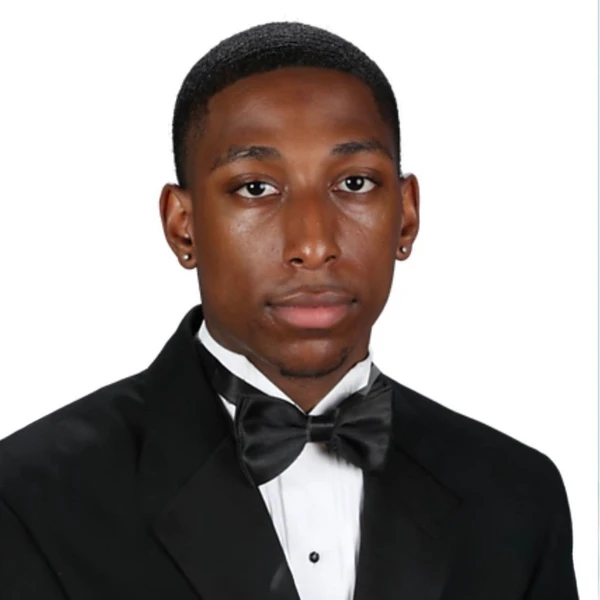
Kemoni Dunn
1x
Finalist1x
Winner
Kemoni Dunn
1x
Finalist1x
WinnerBio
I am a first‑generation college student planning to study Business Administration at FAMU with the goal of becoming an educator. My passion is mentoring young men and using both business and education to create opportunities in my community.
Education
Maynard H. Jackson- Jr. High School
High SchoolMiscellaneous
Desired degree level:
Bachelor's degree program
Majors of interest:
- Business, Management, Marketing, and Related Support Services, Other
- Education, General
Career
Dream career field:
Education
Dream career goals:
Sports
Basketball
Varsity2022 – 20242 years
Public services
Volunteering
RISE — Mentor2025 – 2026
Future Interests
Advocacy
Volunteering
Philanthropy
Entrepreneurship
Let Your Light Shine Scholarship
Creating a legacy has always been more than an idea to me. It has been a responsibility shaped by the challenges I grew up with and the people who helped me rise above them. My childhood in Atlanta was marked by instability, constant moving, and a home environment where survival came before comfort. Even in those moments, I learned resilience, discipline, and the importance of believing in a future bigger than my circumstances. Those lessons became the foundation of the legacy I plan to build.
My journey shifted when I joined a youth mentoring program in elementary school. For the first time, I saw men who carried themselves with purpose, structure, and integrity. They showed me what leadership looked like, not through speeches but through consistency and presence. Their influence planted the seed for the kind of man I wanted to become. Today, as president of a youth mentoring organization, I carry that same torch. I mentor young boys who remind me of myself at their age, boys who need someone to listen, guide, and understand them. This work is where my legacy begins.
Mentoring fifth‑grade boys opened my eyes to how deeply young students need connection. Many of them struggle not because they lack ability, but because they lack someone who sees their potential. I realized that my purpose is tied to education. I want to become a teacher who does more than deliver lessons. I want to teach life skills, emotional awareness, confidence, and vision. I want to be the adult who understands the challenges these boys face because I lived them. With so few Black men in the classroom, I know my presence alone can shift a child’s belief in what is possible.
Beyond teaching, I plan to build a business that expands my impact. My long‑term goal is to create a community center and youth development organization that offers mentorship, academic support, life‑skills training, and career pathways. I want it to be a place where young people can grow socially, emotionally, and academically. A place where they can learn trades, explore entrepreneurship, and develop leadership skills. My business will be rooted in service, opportunity, and generational change. It will be a space that reflects everything I needed growing up and everything I now strive to give others.
I shine my light through service, leadership, and compassion. I shine it by showing up for young people who need guidance. I shine it by turning my struggles into lessons that can help someone else avoid the same pain. I shine it by choosing purpose over excuses and by believing in the potential of every child I meet. My light is not loud or flashy. It is steady, intentional, and rooted in the belief that one person can change the direction of many.
My legacy will not be measured by wealth or titles. It will be measured by the students I teach, the young men I mentor, and the community I help build. I want to be remembered as someone who lifted others, created opportunities, and proved that your starting point does not define your destination.
Mark Caldwell Memorial STEM/STEAM Scholarship
One of the greatest achievements of my life came from one of the hardest moments I have ever faced. Growing up in Atlanta with a single mother, life was a constant test of survival. We moved between shelters, lived in unsafe neighborhoods, and often walked long distances just to get to school. As the oldest boy in a family of four children, I carried responsibilities far beyond my age. When my mom lost her job, I stepped in to help raise my siblings and work to support our household. Balancing school, work, and family left me exhausted, but I kept pushing because I believed that quitting would only repeat the cycle I was trying to escape.
Eventually, the pressure caught up with me. One morning, while getting ready for school, my body shut down and I had a seizure. Waking up in the hospital forced me to confront the reality that I had been running on empty for years. It was the lowest point of my life, but it also became the moment that changed everything. Instead of feeling defeated, I felt clarity. I realized that all the hardship I had endured had given me strength, discipline, and a purpose bigger than myself.
To overcome the obstacles in front of me, I had to develop strategies that went beyond survival. The first was learning how to manage my time and energy. I created routines that allowed me to balance schoolwork, mentoring, and family responsibilities without pushing myself to the point of collapse again. I learned to prioritize what mattered most and to break big goals into smaller, manageable steps.
The second strategy was leaning into mentorship. I joined a youth mentoring program in elementary school, and the men in that program became the role models I didn’t have at home. They taught me discipline, emotional control, and how to lead with purpose. Their guidance helped me understand that I didn’t have to carry everything alone. I learned to ask for help, to listen, and to grow from the wisdom of others.
The third technique I used was transforming my pain into purpose. Instead of letting my environment define me, I used it as motivation. Every hardship became fuel. Every setback became a lesson. I realized that my experiences gave me a unique ability to connect with young people who feel unseen or misunderstood. That realization pushed me to step into leadership roles, eventually becoming president of a youth mentoring organization and working directly with fifth‑grade boys who remind me of myself at their age.
My greatest achievement is not a trophy or an award. It is the person I became through hardship. I learned resilience, responsibility, and compassion. I learned how to lead, how to serve, and how to turn struggle into strength. Most importantly, I discovered my purpose: to become a teacher and mentor who helps young people build futures they cannot yet imagine.
The obstacles I faced did not stop me. They shaped me into someone who refuses to give up and who is determined to lift others as I rise.
Hines Scholarship
Going to college means more to me than earning a degree. As a first generation college student, it represents a breakthrough for my family and a chance to rewrite a story that was never designed with higher education in mind. For me, college is proof that your circumstances do not define your future. It is a reminder that even when you come from a low income household, you can still rise, still dream, and still accomplish things that once felt out of reach.
Growing up, I watched my family work hard just to survive. We did not have extra money, extra time, or extra resources. What we had was determination. Being first generation means I am stepping into a world my parents never had the chance to enter. It means I am carrying their sacrifices, their hopes, and their belief that I could go further than they did. My circumstances do not define who I am. They simply mean I have to work a little harder than everyone else, and I am willing to do that.
College also represents opportunity. It is the doorway to a future where I can build stability for myself and eventually for my family. It is the chance to learn, grow, and develop skills that will allow me to give back to the community that raised me. As someone who wants to become an educator, going to college is the first step toward becoming the kind of teacher I needed when I was younger. I want to be the person who tells students that their background is not a barrier but a source of strength.
What I am trying to accomplish by going to college goes far beyond personal success. I want to show other young people, especially those who come from low income families, that they are not limited by their environment. I want to be living proof that you can come from struggle and still achieve greatness. When I walk across a college campus, I am not just walking for myself. I am walking for every kid who has ever felt like their dreams were too big for their reality.
My long term goal is to become a teacher and eventually open a community center focused on mentorship, tutoring, and life skills training. I want to create a space where young people can learn, feel supported, and see examples of success that look like them. I want to help break cycles of poverty and doubt by giving students the tools and confidence they need to build their own futures.
College is the foundation for all of this. It will give me the knowledge, training, and experiences I need to make a real impact. It will help me grow as a leader, a mentor, and a role model. Most importantly, it will allow me to show others that being first generation is not a disadvantage. It is a badge of honor, a symbol of resilience, and a reminder that I am creating a path where there was not one before.
Going to college means everything to me because it is not just about changing my life. It is about opening doors for others and proving that your beginning does not determine your ending.
Christian Fitness Association General Scholarship
When I think about why I should be considered for this scholarship, I do not start with awards or titles. I start with the journey that shaped me, the responsibilities that matured me, and the purpose that guides every decision I make. My story is not one of perfection or privilege. It is a story of determination, faith, and a commitment to serving others, especially young boys who remind me of the challenges I once faced. I believe I am a strong candidate for this scholarship because of my academic dedication, my leadership in my community, and my vision for a future centered on education, mentorship, and meaningful impact.
I grew up in Atlanta in a home where stability was never guaranteed. My mother raised four children while navigating job loss, financial hardship, and constant transitions. We moved often, sometimes staying with family, sometimes in shelters, and sometimes in places that did not feel safe. These experiences could have easily pushed me off track, but instead they taught me resilience. They taught me how to stay focused even when life felt unpredictable. They taught me how to be responsible long before most kids my age had to think about responsibility at all.
School became my anchor. It was the one place where I felt I had control over my future. I pushed myself academically, taking rigorous classes that challenged me and helped me grow. Even while helping raise my siblings, working to support my family, and dealing with the stress of unstable housing, I maintained a 3.9 GPA. I learned how to manage my time, how to stay disciplined, and how to keep my goals in sight even when the path felt difficult. My academic accomplishments are not just a reflection of intelligence. They are a reflection of perseverance.
But academics are only one part of who I am. The heart of my story lies in the work I do with young boys in my community. For the past several years, I have mentored fifth grade boys at Parkside Elementary. Many of them come from backgrounds similar to mine. Some are confident and outgoing. Others are quiet and unsure of themselves. Some are carrying burdens they do not know how to express. I show up for them consistently because I know how powerful it is to have someone believe in you. I know what it feels like to need guidance, structure, and encouragement. I know what it means to have someone see potential in you before you see it in yourself.
Mentoring these boys has taught me patience, empathy, and leadership. It has shown me the importance of being present, of listening, and of modeling the kind of character I want them to develop. It has also confirmed my purpose: I want to become an educator. Not just a teacher who delivers lessons, but a mentor who helps young men grow into confident, disciplined, and emotionally aware individuals. I want to teach life skills, leadership, and resilience. I want to create safe spaces where boys can talk about their struggles, learn from their mistakes, and discover their strengths.
My long term dream is to build a community center in Atlanta that offers tutoring, mentorship, and life skills training for boys who need guidance and representation. I want to create a place where they can grow academically, emotionally, and socially. A place where they feel supported and understood. A place that gives them the tools to break cycles of instability and step into their full potential. This dream is not just about me. It is about the next generation of young men who deserve opportunities, encouragement, and a strong foundation.
This scholarship would play a significant role in helping me move toward that dream. As college costs continue to rise, the financial pressure on my family becomes heavier. My mother has carried more than her share of hardship, and I want to relieve her of the burden of trying to support me through college. Receiving this scholarship would allow me to focus fully on my education, my leadership work, and my long term goals. It would give me the stability I need to continue growing academically and personally. It would help me stay on the path I have worked so hard to build.
I believe I am a strong candidate for this scholarship not because my life has been easy, but because I have learned how to rise above challenges with determination and faith. I have learned how to turn hardship into purpose. I have learned how to use my experiences to uplift others. My academic accomplishments show my discipline. My mentoring work shows my heart. My dreams show my commitment to making a meaningful impact on my community and the world.
I want to live a life defined by service, leadership, and compassion. I want to be the kind of man who gives more than he receives, who builds opportunities for others, and who uses his story to inspire change. This scholarship would not only support my education. It would support the future students I will teach, the boys I will mentor, and the community I will serve. It would help me continue the work I have already started and move closer to the life of purpose I am determined to build.
Treye Knorr Memorial Scholarship
My story begins in Atlanta, a place that shaped me long before I understood what it meant to carry responsibility, faith, and determination at a young age. I grew up in a home where stability was not guaranteed, and where my mother worked tirelessly to raise four children while rebuilding her own life. We moved often, sometimes staying with family, sometimes in shelters, and sometimes in places that did not feel safe. Those experiences could have hardened me, but instead they taught me to pay attention to the needs of others, to stay grounded in faith, and to believe that my life could be used for something meaningful.
School became my anchor. It was the one place where I felt I had control over my future. Even when I was helping raise my siblings, working to support my family, or navigating the stress of unstable housing, I stayed committed to my education. I challenged myself with rigorous classes that pushed me academically and taught me discipline. Even during the hardest seasons, I maintained a 3.9 GPA because I knew that education was my path to stability and opportunity. It was never just about grades for me. It was about building a foundation strong enough to carry the dreams I refused to let go of.
One of the greatest blessings in my life has been the opportunity to mentor young boys in my community. Through my work with the fifth grade boys at Parkside Elementary, I have seen firsthand how much guidance and encouragement can change a young person’s life. Some of the boys are confident. Some are quiet. Some are carrying burdens they do not know how to talk about. I show up for them with patience, consistency, and genuine care because I know how powerful it is to have someone believe in you. I want them to feel seen, supported, and capable of becoming the men they are meant to be.
This work is not temporary for me. It is the foundation of my purpose. I plan to major in Education and return to Atlanta as a teacher who does more than teach academic content. I want to teach life skills, emotional awareness, leadership, and resilience. I want to be the kind of educator who understands the realities of growing up in an economically limited community and who can guide young men through challenges with compassion and strength. My long term dream is to build a community center that offers tutoring, mentorship, and life skills training for boys who need guidance and representation. I want to create a space where they can grow into confident, disciplined, and purpose driven young men.
This scholarship would make a significant difference in my journey. As college costs continue to rise, the financial pressure on my family grows heavier. My mother has carried more than her share of hardship, and I want to relieve her of the burden of trying to support me through college. Receiving this scholarship would allow me to focus fully on my education, my leadership work, and my long term goal of serving my community. It would help me continue the path I have already started, a path rooted in faith, determination, and a deep desire to uplift others.
Treye Knorr’s family created this scholarship to honor a life filled with potential and purpose. I want to live a life that reflects those same values. I want to make a meaningful mark on the world, not through titles or recognition, but through the lives I touch and the young men I help guide toward their own futures. This scholarship would not only support my dreams, but also help me carry forward the spirit of faithfulness and service that Treye’s family hopes to see in the next generation.
Charles B. Brazelton Memorial Scholarship
Everyone has something that makes them stand out. For some people, it is a physical trait or a funny habit. For me, it was growing up with responsibilities that most kids my age never had to think about. What used to feel like an awkward difference has become the thing that guides my goals and the way I move through the world.
I used to wonder why I could connect with people so easily or why younger kids trusted me without hesitation. Now I understand that my experiences taught me how to listen, how to be patient, and how to show up for others. Those skills did not come from a textbook or a workshop. They came from real life. They came from moments when I had to figure things out even when I felt unsure. They came from learning how to stay steady when everything around me felt unpredictable.
That is why mentoring means so much to me. When I work with the boys at Parkside elementary , I see pieces of my younger self in them. Some of them are confident. Some of them are quiet. Some of them are trying to figure out who they are. I know how powerful it can be to have someone who believes in you, someone who sees your potential even when you do not see it yet. Being that person for them is not awkward anymore. It feels natural. It feels right.
My difference also taught me how to lead without needing attention. I am not the loudest person in the room, but I am the one people come to when they need clarity or reassurance. I have learned how to make people feel safe enough to be themselves. I have learned how to guide without controlling. I have learned how to support without judging. These are the qualities that shape the kind of educator I want to become.
What once made me feel different has become the foundation of the person I am becoming. It is the reason I want to teach. It is the reason I want to build a community center one day. It is the reason I believe in creating spaces where young people feel supported and understood. My difference is not something I try to hide. It is something I carry with pride because it shaped my purpose.
Everyone has an awkward thing or a trait that sets them apart. Mine just happened to be growing up a little faster than everyone else. It took time for me to see it as a strength, but now I would not trade it for anything. It made me who I am, and it continues to guide who I want to be.
Robert and Suzi DeGennaro Scholarship for Disabled Students
I have spent my entire life learning how to push forward even when the odds were stacked against me. Growing up in Atlanta, my family moved between shelters and unstable housing, and there were many days when simply getting to school required more determination than most people ever see. My mom raised four children on her own, and as the oldest boy, I carried responsibilities far beyond my age. I helped raise my siblings, worked to support my household, and tried to keep my grades strong despite the chaos around me. Those experiences shaped my character, but they also shaped the challenges I faced in school.
My disability added another layer to that journey. When I experienced my first seizure, it forced me to slow down in a life where slowing down never felt like an option. Suddenly I had to navigate doctor visits, missed class time, and the fear of not knowing when another episode might happen. It affected my ability to stay fully present in school, and it made balancing work, leadership, and family responsibilities even harder. But it also gave me a deeper understanding of myself. Instead of letting it discourage me, I used it as a reminder that my life has purpose. It pushed me to reflect on what truly matters and to stay committed to the future I want to build.
That future is centered on education and service. I discovered my purpose through youth mentoring programs that guided me from elementary school into high school. Those mentors showed me what leadership looks like, and eventually I stepped into that same role. Today, I mentor fifth grade boys in local schools and serve as president of a youth organization. Working with young students opened my eyes to how many of them feel unseen or misunderstood. Many of their struggles are not academic but emotional. They need adults who understand their backgrounds and can help them navigate life, not just schoolwork. That is why I want to become a teacher and eventually build community programs that support young men who grow up in environments like mine.
Higher education is the key to making that vision real. College will give me the training, structure, and professional preparation I need to become an effective educator. It will also give me access to internships, mentorship, and leadership opportunities that will help me grow into the kind of role model I needed when I was younger. I want to study education and eventually expand into business so I can create youth centers, mentorship programs, and community spaces that provide guidance, life skills, and opportunities.
Financial support is essential for me to reach these goals. My family has always struggled financially, and I have worked throughout high school to help pay bills and support my siblings. Scholarships would relieve the pressure of trying to balance multiple jobs with a full academic schedule. They would allow me to focus on my studies, stay healthy while managing my disability, and take advantage of leadership and service opportunities without worrying about how I will afford tuition, books, or housing.
I am committed to using my education to uplift others. With the right support, I will become the teacher who changes lives, the mentor who builds leaders, and the community member who proves that your starting point does not define your destination.
WCEJ Thornton Foundation Low-Income Scholarship
Attending college is more than a personal milestone for me. It is the doorway to the future I have been fighting toward since childhood. Growing up in Atlanta, my life was shaped by instability, crowded living spaces, and the constant pressure of helping my family survive. I learned early that nothing would be handed to me. Walking long distances to school, moving between shelters, and sharing a room with all my siblings taught me resilience, discipline, and the importance of staying focused even when life feels overwhelming. Those experiences did not break me. They built the foundation for the purpose I carry today.
My purpose became clearer when I joined a youth mentoring program in elementary school. For the first time, I saw men who led with structure, confidence, and compassion. They showed me what it looked like to guide others with intention. As I grew older, I stepped into that same role, eventually becoming president of a youth mentoring organization and working directly with fifth grade boys in local schools. That experience opened my eyes to the deeper challenges young boys face. Many of them were not struggling academically because they lacked ability. They were struggling because they lacked connection. They needed adults who understood their backgrounds, their emotions, and the silent battles they carried.
This is why higher education is essential to my journey. College will give me the academic training, professional preparation, and leadership development I need to become the kind of educator who can truly change lives. I want to major in education so I can learn how to build strong classroom environments, understand child development, and create teaching strategies that reach students who often get overlooked. I also want to study business so I can eventually build youth programs and community centers that provide mentorship, life skills, and career exposure. My long term vision is bigger than a single classroom. I want to create systems that help young people see possibilities for themselves, especially those who come from neighborhoods like mine.
Higher education will also place me in environments where I can grow as a leader. I want to learn from professors who have dedicated their lives to teaching, collaborate with peers who share my passion for service, and gain access to internships and field experiences that will sharpen my skills. College will give me the tools to turn my passion into a profession and my vision into a long lasting impact.
The impact I plan to make begins with representation. Only a small percentage of teachers in America are Black men, and that gap affects students more than people realize. When young boys see someone who looks like them, understands their experiences, and believes in their potential, it changes how they see themselves. I want to be that presence in the classroom. I want to be the teacher who listens before judging, who recognizes potential before behavior, and who teaches life lessons along with academics.
Beyond teaching, I plan to continue mentoring young men in my community. I want to build programs that introduce students to trades, entrepreneurship, and career pathways that can change the direction of their lives. Not every student will choose college, but every student deserves a future. My goal is to create opportunities that help them discover their strengths and build confidence in their abilities.
Attending college is not just about earning a degree. It is about gaining the knowledge, credibility, and resources to uplift the next generation. My past gave me resilience, compassion, and vision. Higher education will give me the structure and preparation to turn those qualities into action. I am committed to becoming an educator who transforms lives, a mentor who builds leaders, and a community member who proves that where you start does not determine where you can go.
Maria's Legacy: Alicia's Scholarship
A college degree would not only change the path of my life, it would change the direction of my entire family for generations. I grew up in Atlanta in a single‑parent household where survival came before everything else. My mom raised four children on her own after having us young and never finishing high school. We moved between shelters, shared crowded rooms, and walked miles to school when we had no transportation. Even when we finally found an apartment, the neighborhood was so unsafe that gunshots at night became normal. In a family where no one had the chance to go to college, the idea of higher education felt distant. But I knew early that I wanted to break that cycle.
To me, a college degree represents stability, opportunity, and a future that looks nothing like my past. It means becoming the first in my family to graduate and proving that our story does not have to repeat itself. It means showing my younger siblings that their dreams are possible, even when life makes them feel impossible. It means rewriting the narrative for the next generation of my family, so they grow up seeing college as an expectation instead of a miracle.
My passion is education and mentorship. That passion started in the third grade when I joined a youth mentoring program. It was the first time I saw Black men who led with discipline, respect, and professionalism. They showed me what leadership looked like and helped me believe in myself at a time when my environment tried to convince me otherwise. As I got older, I began mentoring younger boys, and that experience changed everything for me.
Today, I serve as the president of a youth mentoring organization. I work with fifth grade boys in local elementary schools, many of whom come from backgrounds similar to mine. I see how easily their potential can be overlooked when no one takes the time to understand them. I see how acting out is often a cry for attention, how boredom is really a lack of connection, and how much representation matters. When I learned that only 2 percent of America’s teachers are Black men, I realized that my passion was bigger than mentoring. I want to become a teacher who understands his students, who recognizes their emotions, and who gives them the tools to build futures they cannot yet imagine.
Everything I have done so far has been in pursuit of that purpose. I have led mentoring sessions, organized community service projects, and built relationships with young boys who remind me of myself. I have used my experiences to guide them, encourage them, and show them what is possible.
A college degree would give me the knowledge and training to take that impact even further. It would allow me to become the educator I needed growing up and the mentor who helps young boys rise above their circumstances. My degree is not just for me. It is for my family, my community, and every young Black boy who needs someone to believe in him.
Marie J. Lamerique Scholarship for Aspiring Scholars
The moment that challenged me the most came on a morning that should have been ordinary. I was getting ready for school, moving through the routine I had learned to survive: wake up early, help my younger siblings get dressed, make sure everyone ate something, then rush out the door. As the second oldest, I often stepped into the role of the oldest without being asked. But that morning, my body finally gave out. I woke up in a hospital bed after having a seizure, confused, exhausted, and surrounded by doctors asking questions I didn’t know how to answer. For the first time in my life, I couldn’t push through. I couldn’t keep going. I had to stop.
Growing up in Atlanta, stopping was never an option. My childhood was shaped by instability. My parents separated early, and my mom raised four kids on her own after having us young and never finishing high school. We moved from shelter to shelter, sometimes walking miles just to get to school. Even when we finally found an apartment, the neighborhood was so unsafe that gunshots at night became background noise. I learned early that survival required discipline, focus, and a refusal to let my environment define me.
Things became even harder when my mom lost her job. Even though I wasn’t the oldest, I stepped up because someone had to. I balanced school with helping raise my siblings and working to help pay bills. Five of us shared a two bedroom apartment, and I slept in the same room as my brothers and sisters. There were nights when I stayed up late finishing homework after a shift, and mornings when I woke up tired but determined. I kept telling myself that if I just worked harder, everything would get better.
But that morning in the hospital forced me to face a truth I had been avoiding. I wasn’t just tired. I was overwhelmed. I was carrying more than most teenagers ever have to carry. And yet, lying there, I smiled. Not because the moment was easy, but because I finally understood something important. I realized that everything I had survived had shaped me. The things I didn’t have gave me hunger. The things I dreamed of gave me purpose. The people I hoped to influence gave me vision.
That moment changed the way I approached my future. Instead of seeing my challenges as obstacles, I began to see them as preparation. I thought back to the youth mentoring program I joined in the third grade, the first place where I saw men who led with discipline, respect, and professionalism. They didn’t just teach me how to behave. They taught me how to believe. They showed me what leadership looked like, and they planted the seed of the purpose I carry today.
Now, I serve as the president of a youth mentoring organization, pouring into young men the same way others once poured into me. Working with fifth grade boys at local elementary schools opened my eyes to how deeply representation matters. I saw how many of them felt disconnected from their teachers, how acting out was really a cry for attention, how being bored was really a lack of connection, how potential gets lost when no one sees it. That is when my purpose became clear.
I want to become a teacher, not just to teach a subject, but to teach life. I want to be the adult who understands where these boys come from, who recognizes their emotions, who gives them the tools to build futures they can’t yet imagine. When I learned that only 2 percent of America’s teachers are Black men, I knew I had a responsibility bigger than myself. Representation isn’t just important. It is transformational.
The morning of my seizure challenged me in a way nothing else had. But it also reshaped me. It taught me to slow down, to reflect, and to lead with intention. It strengthened my commitment to education, to mentorship, and to becoming the first in my family to graduate from college. My past gave me resilience, compassion, and vision. My future is about using those gifts to change lives.
First Generation College, First Generation Immigrant Scholarship
My purpose was shaped by the challenges that defined my childhood. Growing up in Atlanta, my family moved from shelter to shelter, sometimes walking miles just to get to school. My mom raised four kids on her own after having us young and never finishing high school, and survival often came before anything else. Even in the middle of instability, I made a promise to myself that my environment would not decide my future.
Everything shifted when I joined a youth mentoring program in the third grade. It was the first time I saw men who led with discipline, respect, and purpose. They showed me what it meant to guide others, and I knew I wanted to grow into that kind of leader.
As I got older, responsibility grew heavier. When my mom lost her job, I balanced school with helping raise my siblings and working to help pay bills. Five of us shared a two bedroom apartment, and exhaustion became normal. After collapsing one morning and waking up in a hospital bed from a seizure, I finally paused and realized that my struggles had given me resilience, hunger, and vision.
Today, I mentor fifth grade boys who remind me of myself. Seeing how easily their potential can be overlooked is what drives me to become a teacher. My purpose is to be the representation, stability, and belief that I once needed, and to prove that where you start never limits where you can go.
Mark A. Jefferson Teaching Scholarship
I grew up learning that the world does not always give young Black boys the space to understand who they are or who they can become. Many of us grow up navigating instability, limited resources, and a school system that often does not reflect our identities or experiences. Instead of letting those realities discourage me, they shaped my purpose. I want to become the kind of educator who changes the way young boys see themselves and the way the world sees them.
My journey toward education began through mentoring. I started working with fifth grade boys at local elementary schools, many of whom were labeled as disruptive or uninterested in learning. What I saw was something different. I saw boys who were carrying stress from home, boys who did not feel understood, and boys who rarely saw a teacher or mentor who looked like them. I created weekly mentoring circles where we talked about emotional awareness, leadership, conflict resolution, and the challenges they faced both inside and outside the classroom. I built lesson plans, led discussions, and created a space where they could speak freely without fear of judgment. Over time, I watched them open up, participate more, and begin to trust the process.
These experiences showed me the power of representation. In public education, eighty two percent of teachers are white, and Black men make up only two percent of the teaching force. That gap is not just a statistic. It is a barrier that affects confidence, identity, and academic outcomes for students of color. When a young Black boy sees a teacher who shares his background, it sends a message that he belongs in academic spaces and that his story matters. I want to be part of the solution that increases representation and breaks down the systemic barriers that have held students back for generations.
As an educator, I plan to create classrooms that are safe, challenging, and rooted in love for learning. I want my students to see education not as something they have to get through, but as something that can open doors and shape their futures. I plan to use culturally relevant teaching practices that honor the histories and experiences often left out of textbooks. I want to teach life skills, emotional intelligence, and leadership, because students need more than academic content to thrive in the world.
My long term vision is to return to Atlanta and build a community center focused on tutoring, mentorship, and life skills training for young boys. I want to create a place where they can receive academic support, talk through their challenges, and develop confidence in who they are becoming. My goal is to build a pipeline of young men who grow into leaders, scholars, and role models for the next generation.
Becoming an educator is not just a career choice for me. It is a commitment to service, representation, and transformation. I want to use my life to create opportunities for students who have been overlooked for far too long. Through teaching, mentoring, and community work, I plan to make a positive impact that lasts far beyond the classroom.
Williams Foundation Trailblazer Scholarship
My most meaningful self initiated work has been creating safe spaces for young boys in my community who often feel unseen, unheard, and underestimated. Growing up in an environment shaped by instability and limited resources, I understood early what it feels like to need support that is not always available. Instead of letting those experiences discourage me, I used them as motivation to build programs that meet the needs of boys who remind me of my younger self. This commitment led me to develop mentoring activities through Parkside Princes and other youth programs where I took the lead in designing sessions, building relationships, and creating structure for boys who needed guidance.
One of the first projects I initiated was a weekly mentoring circle for fifth grade boys at a local elementary school. Many of these students were labeled as troublemakers, but I saw something different. I saw boys who were carrying stress from home, boys who did not see themselves reflected in their teachers, and boys who needed someone to believe in them. I created lesson plans that focused on emotional awareness, conflict resolution, and leadership. I also added space for open conversation so they could talk about what they were going through without fear of judgment. Over time, the boys began to trust the process. They showed up ready to participate, ready to share, and ready to grow.
I also helped organize community service projects that allowed these boys to see themselves as leaders. We cleaned parks, packed food for families, and supported school events. I wanted them to understand that they were not just recipients of help. They were capable of giving back and shaping their community. Watching them take ownership of these projects showed me how powerful mentorship can be when it is consistent and rooted in genuine care.
Another self initiated effort was creating one on one check ins for boys who needed extra support. Some students struggled with anger, some with attendance, and others with confidence. I met with them during lunch or after school to talk through their goals and challenges. These conversations helped them feel valued and helped me understand how to tailor my mentoring to their needs. It also taught me how important representation is. Many of the boys told me they had never had a mentor who looked like them or understood their background.
These experiences shaped my purpose. I plan to return to Atlanta after college as a teacher and continue building programs that uplift marginalized boys. I want to create classrooms where they feel safe, challenged, and supported. I want to expand mentoring programs that focus on emotional development, academic confidence, and leadership. My goal is to build a community center that offers tutoring, mentorship, and life skills training so young men have a place where they can grow without limits.
My work is innovative because it comes from lived experience and a deep understanding of what underserved boys need. It is self initiated because I refused to wait for someone else to create the support I once needed. And it is meaningful because it is already changing lives, including my own.
Edna McGrowder Memorial Scholarship
My decision to pursue a college degree was shaped by a combination of family responsibility, community influence, and the realities of growing up in an unstable environment. One experience in particular changed the way I saw my future and made education feel like more than a goal. It became a responsibility.
I grew up in Atlanta in a household where survival came before everything else. My mother raised four children on her own after having us young and never finishing high school. We moved often, sometimes living in shelters, and even when we had a place to stay, the neighborhood around us was unsafe. I learned early that nothing in life was guaranteed, and that if I wanted stability, I would have to build it myself.
The moment that changed everything came when my mother lost her job. Overnight, the weight of our family’s needs shifted onto all of us, and as the oldest child, I felt it the most. I balanced school with helping raise my siblings and working to help pay bills. There were nights when I stayed up late finishing homework after a long shift, and mornings when I woke up tired but determined to keep going. That period of my life taught me resilience, discipline, and the importance of education. I realized that if I wanted to break the cycle my family had been trapped in for generations, college was the path forward.
Around that same time, I became deeply involved in a youth mentoring program that I had joined in elementary school. The men in that program were the first examples I had of leadership, stability, and purpose. They showed me what it meant to guide others and to believe in your own potential even when your circumstances try to convince you otherwise. Their influence became even more powerful as I got older and began mentoring younger boys myself.
Working with fifth‑grade boys in local elementary schools opened my eyes to how much impact one person can have. Many of the boys I mentor come from backgrounds similar to mine. They struggle with behavior, confidence, and feeling understood. I saw how easily a child’s potential can be overlooked when no one takes the time to see the person behind the behavior. That realization pushed me toward a career in education. I want to become a teacher who understands where students come from, who recognizes their emotions, and who helps them build futures they cannot yet imagine.
The experience of supporting my family while growing up in an unstable environment, combined with the mentorship that shaped me, is what drives me to pursue a college degree. I want to be the first in my family to graduate not just for myself, but for the siblings who watched me push through challenges, and for the boys I mentor who need to see what is possible.
College is my path to becoming the educator and leader who will continue the cycle of support that changed my life. My community shaped me, and now I am committed to giving back by helping the next generation rise.
Trees for Tuition Scholarship Fund
Growing up in Atlanta taught me early what struggle looks like and what resilience requires. My family moved often, sometimes living in shelters, and my mother worked tirelessly to raise four children on her own. Even when we finally had a place to stay, the environment around us was unstable and unsafe. Those experiences shaped my determination to build a different future, not only for myself but for the young people who will come after me.
My life changed when I joined a youth mentoring program in the third grade. It was the first time I saw men who led with discipline, confidence, and purpose. They showed me what it meant to guide others, to carry yourself with respect, and to believe in your own potential. Their influence planted the seed for the work I do today and the work I plan to continue after college.
As I grew older, responsibility became a constant part of my life. When my mother lost her job, I stepped up to help support my family while balancing school and caring for my siblings. Those challenges taught me patience, leadership, and the importance of showing up for the people who depend on you. They also taught me that purpose is often born from hardship.
Today, I serve as the president of a youth mentoring organization, working with fifth‑grade boys in local elementary schools. Many of them remind me of myself at their age. I see how easily potential can be overlooked when a child feels misunderstood or disconnected. I have learned that behavior is often communication, and that young boys, especially Black boys, need adults who understand their backgrounds and believe in their futures.
This is why I plan to return to Atlanta after college and become an educator. My goal is not only to teach academic content but to teach life skills, emotional awareness, and confidence. I want to be the teacher who recognizes the student who is struggling silently, the mentor who helps a young man see his own value, and the leader who creates opportunities for students who feel like the world has counted them out.
Beyond the classroom, I hope to build community programs that combine mentorship, tutoring, and leadership development for boys growing up in underserved neighborhoods. I want to create spaces where they feel safe, supported, and inspired to dream beyond their circumstances. Representation matters, and I want to be part of the small percentage of Black male educators who are working to change outcomes for young men who look like me.
This scholarship would help relieve the financial barriers that come with being a first‑generation college student and allow me to focus fully on preparing for a career dedicated to service. My goal is to use my experiences, my resilience, and my passion to make Atlanta a place where more young men can see a future for themselves.
I am committed to becoming the educator and mentor who helps shape the next generation of leaders. My community raised me, and now it is my turn to give back.
Burke Brown Scholarship
Growing up in an economically limited community in Georgia shaped every part of my educational drive and the way I understand opportunity. My childhood in Atlanta was marked by instability. My parents separated early, and my mother, who never finished high school, raised four children on her own. We spent years moving between shelters and temporary housing, and even when we finally settled into an apartment, the neighborhood was unsafe and unpredictable. Those early experiences taught me that nothing in my life would be handed to me. If I wanted stability, I would have to build it myself.
School became the one place where I felt I could create a different future, even though the schools I attended reflected the same economic challenges as my community. Overcrowded classrooms, limited resources, and constant staff turnover were normal. Many students came to school carrying the weight of responsibilities far beyond their age. I was one of them. When my mother lost her job, I took on more responsibilities at home. I balanced schoolwork with helping raise my siblings and working to help cover bills. There were nights when I studied in a crowded room shared with my brothers and sisters, and mornings when exhaustion followed me to class. But those challenges strengthened my discipline. They taught me how to stay focused even when life felt overwhelming.
My perspective shifted in the third grade when I joined a youth mentoring program. For the first time, I saw Black men leading with confidence, professionalism, and purpose. They showed me what it looked like to rise above circumstances without forgetting where you came from. Their example planted the seed for my own leadership journey and helped me understand the power of representation in education.
As I grew older, I became more aware of how Georgia’s economic conditions shape students’ experiences. Many young people in my community feel disconnected from school because they do not see themselves reflected in their teachers or curriculum. When I began mentoring fifth‑grade boys at local elementary schools, I saw this clearly. Students labeled as “disruptive” were often dealing with stress at home. Those who seemed uninterested in class were really searching for connection. Their struggles reminded me of my own childhood, and they pushed me to think about the kind of adult I wanted to become.
These experiences shaped my commitment to academic success and community leadership. Today, I serve as the president of a youth mentoring organization, pouring into young men the same way others once poured into me. Through this work, I discovered my purpose: to become a teacher who understands the realities of students growing up in economically limited communities. I want to be the educator who recognizes potential even when it is hidden behind frustration or fear. Learning that Black men make up only a small percentage of America’s teachers strengthened my determination. I know that representation can change a child’s belief in what is possible.
Growing up in Georgia’s economic challenges did not limit my ambition. It sharpened it. It gave me resilience, compassion, and a clear vision for my future. My long‑term goal is to become an educator who transforms lives, a mentor who builds leaders, and a man who proves that where you start does not determine where you can go.
Resilient Scholar Award
I grew up in Atlanta in a single parent household where survival and responsibility were part of everyday life. My parents separated early, and my mom raised four children on her own after having us young and without finishing high school. We moved through shelters, unstable housing, and neighborhoods where safety was never guaranteed. Walking long distances to school and sharing a crowded two bedroom apartment with my siblings became normal. Even with all the instability around me, I learned early that I could not let my environment decide who I would become.
My upbringing forced me to grow up quickly. When my mom lost her job, I stepped into a larger role at home. I helped raise my siblings, worked to help pay bills, and tried to keep up with school at the same time. There were days when I felt stretched thin, but I kept pushing because I wanted a better future for my family. I wanted to be someone my younger siblings could look up to, someone who proved that our circumstances did not define our potential.
One of the most important influences in my life came from a youth mentoring program I joined in the third grade. It was the first time I saw men who led with discipline, respect, and purpose. They showed me what it looked like to guide others with patience and strength. Their example taught me that leadership is not about being in charge. It is about serving, listening, and helping others grow. That realization shaped the way I saw myself and the kind of man I wanted to become.
The accomplishment or event that changed my understanding of myself came during one of the hardest moments of my life. After years of carrying responsibilities that felt too heavy for my age, my body finally gave out. One morning, while getting ready for school, I collapsed and later woke up in a hospital bed after having a seizure. That moment forced me to stop for the first time in years. Instead of feeling defeated, I felt clarity. I realized that everything I had been through had given me strength, hunger, and purpose. I understood that my challenges were not setbacks. They were shaping me into someone who could lead, mentor, and uplift others.
Today, I serve as the president of a youth mentoring organization, pouring into young men the same way others once poured into me. Working with fifth grade boys in local elementary schools helped me see how many young students feel misunderstood or overlooked. I recognized myself in their frustration and their desire to be seen. That experience helped me understand my purpose on a deeper level.
I want to become a teacher who does more than teach a subject. I want to teach life. I want to be the adult who understands where students come from, who recognizes their emotions, and who helps them build futures they cannot yet imagine. My upbringing taught me resilience, compassion, and vision. My goal is to use those gifts to make a positive impact on the world by shaping the next generation.
Robert F. Lawson Fund for Careers that Care
I grew up in Atlanta in a childhood shaped by instability, responsibility, and determination. My parents separated early, and my mom raised four children on her own after having us young and without finishing high school. We moved through shelters and unsafe neighborhoods, and walking long distances to school became normal. Sharing a crowded apartment with my siblings and hearing gunshots at night taught me early what it means to stay focused even when the world around you feels unpredictable. Instead of letting those circumstances limit me, I used them as motivation to build a different future.
A major turning point came when I joined a youth mentoring program in the third grade. It was the first time I saw men who led with discipline, respect, and purpose. They showed me what leadership looked like and what it felt like to be supported by people who believed in my potential. Their guidance planted the idea that leadership is about service and that real impact comes from helping others grow. That experience shaped the kind of person I wanted to become.
As I got older, life placed even more responsibility on my shoulders. When my mom lost her job, I stepped up to help. Balancing school, caring for my siblings, and working to help pay bills left little room for rest. I pushed myself until one morning my body gave out and I woke up in a hospital bed after a seizure. That moment forced me to pause and reflect on everything I had been carrying. Instead of feeling defeated, I felt grateful. The challenges I faced had given me hunger, purpose, and clarity.
Today, I serve as the president of a youth mentoring organization, pouring into young men the same way others once poured into me. Working with fifth grade boys in local elementary schools opened my eyes to the deeper struggles many of them face. I saw how easily their potential could be overlooked when no one takes the time to understand them. I recognized myself in their frustration, their restlessness, and their desire to be seen. That experience made my purpose clear.
I want to become a teacher who does more than deliver lessons. I want to teach life. I want to be the adult who understands where these boys come from, who recognizes their emotions, and who helps them build futures they may not yet see for themselves. Learning that only a small percentage of teachers in the United States are Black men made my mission even more urgent. Representation is not just symbolic. It changes confidence, outcomes, and belief.
People often say teaching does not pay enough. But the impact I want to make is not measured in dollars. It is measured in the knowledge I pass on, the opportunities I help create, and the legacy I leave behind. My goal is to become the kind of educator who changes lives, the mentor who builds leaders, and the example that proves your starting point does not define your destination.
My past gave me resilience, compassion, and vision. My career will allow me to use those gifts to make a positive impact on the world one student at a time.
Grand Oaks Enterprises LLC Scholarship
My journey begins in Atlanta, where life taught me resilience long before I understood the word. My parents separated early, and my mom, who had us young and never finished high school, raised four children on her own. We moved from shelter to shelter, sometimes walking miles just to get to school. Even when we finally found an apartment, the neighborhood was so unsafe that gunshots at night became background noise. But even in the middle of instability, I promised myself I would never let my environment define me. I believed my circumstances were shaping me, not limiting me.
Everything began to shift when I joined a youth mentoring program in the third grade. For the first time, I saw men who led with discipline, respect, and professionalism. They showed me what it looked like to carry yourself with purpose. They did not just teach me how to behave, they taught me how to believe in myself. That experience planted the seed for the kind of man I wanted to become.
As I grew older, life demanded even more from me. When my mom lost her job, I stepped up. Between school, helping raise my siblings, and working to help pay bills, there was barely any space left for myself. Five of us shared a two bedroom apartment, and I slept in the same room as my brothers and sisters. Still, something in me refused to quit. I held on to the vision of a better future for my family and for the young people who would one day look up to me.
Then everything changed again. One morning while getting ready for school, my body gave out. I woke up in a hospital bed after having my first seizure. At the time, I did not know what it meant. What made it even harder was that this happened during the government shutdown, when my family’s Medicaid was turned off. I could not make follow up appointments, could not see a neurologist, and could not get answers. I was left to navigate a condition I did not even have a name for.
In the months that followed, my life shifted in ways I was not prepared for. I could not stay out as late as I wanted. I could not push myself the way I used to. I started having intense body jerks, and I had no idea what caused them. All I knew was that if I stayed up too late, did not drink enough water, or got too stressed, the jerks got worse. I learned to pray no one would notice when they happened in public. I learned to hide my hands under tables, to turn away when I felt one coming, and to pretend everything was normal even when my body was telling me otherwise.
Balancing school, leadership roles, mentoring younger boys, and helping at home became even harder. The stress built up, and without medical support, I felt like I was walking through life with a weight no one else could see. Then in January 2026, I had another seizure. This one scared me even more because I still did not know what caused them, and I still was not on medication. But that moment became a turning point. Instead of letting fear control me, I decided to let it push me. I realized that epilepsy did not have to define me. It could shape me into someone stronger and more aware.
When I finally received my diagnosis of myoclonic epilepsy in February 2026, it was almost a relief. I finally understood what I had been fighting alone for nearly a year. And with that understanding came a new sense of control. Today, I am not hiding anymore. I am learning to manage my condition, advocate for myself, and show up fully for the young boys I mentor. I want them to see that challenges do not disqualify you from your purpose. They refine it.
This journey is a major part of why attending an HBCU means so much to me. To me, an HBCU is not just a school. It is a community built on legacy, pride, and excellence. It is a place where students lift each other up, where culture is celebrated, and where young Black men like me are seen, valued, and pushed to grow. I feel like HBCUs are places where I will feel love and resilience, where I will be supported because the people around me are gifted and talented and they look just like me. At an HBCU, I see myself surrounded by people who understand my story without me having to explain it. I see myself learning from professors who look like me and know how to guide students with both rigor and compassion.
My purpose is to use my education to make a difference for my family and my community. I want to become a teacher, not just to teach a subject, but to teach life. Mentoring fifth grade boys showed me how many young Black boys feel disconnected from their teachers, how acting out is often a cry for attention, and how potential gets lost when no one sees it. I want to be the adult who understands where they come from, who recognizes their emotions, and who gives them the tools to build futures they cannot yet imagine. Representation is not just important, it is transformational.
My past gave me resilience, compassion, and vision. My purpose is to use those gifts to shape the next generation. I want to be the first in my family to graduate from college, but more importantly, I want to be the teacher who changes lives, the mentor who builds leaders, and the man who proves that where you start does not determine where you can go.
Arlin Diaz Memorial Scholarship
I didn’t know I had epilepsy until February 2026, but my life had already been changing long before the diagnosis. My first seizure happened in May 2025, and at the time, I didn’t understand what was happening to my body. I woke up confused, scared, and unsure of what it meant for my future. What made it even harder was that this happened during the government shutdown, when my family’s Medicaid was turned off. I couldn’t make my follow up appointments, couldn’t see a neurologist, and couldn’t get answers. So I was left to navigate a condition I didn’t even have a name for.
In the months that followed, my life shifted in ways I wasn’t prepared for. I couldn’t stay out as late as I wanted. I couldn’t push myself the way I used to. I started having intense body jerks, myoclonic jerks, and I had no idea what caused them. All I knew was that if I stayed up too late, didn’t drink enough water, or got too stressed, they got worse. I learned to pray no one would notice when they happened in public. I learned to hide my hands under tables, to turn away when I felt one coming, to pretend everything was normal even when my body was telling me otherwise.
There were moments when the embarrassment felt heavier than the condition itself. I didn’t want to explain to people why my arm jerked or why I suddenly dropped something. I didn’t want to keep saying, “It’s just a side effect from my last seizure.” After a while, I stopped explaining altogether. I just tried to survive it quietly.
At the same time, I was balancing school, leadership roles, mentoring younger boys, and helping at home. The stress built up, and without medical support, I felt like I was walking through life with a weight no one else could see. Then in January 2026, everything came crashing down again. I had another seizure, this one even more frightening because I still didn’t know what caused them, and I still wasn’t on medication. I remember thinking, “How am I supposed to keep going if I don’t even understand what’s happening to me?”
But that moment also became a turning point. Instead of letting fear control me, I decided to let it push me. I realized that epilepsy didn’t have to define me, but it could shape me into someone stronger, more aware, and more determined.
When I finally received my diagnosis of myoclonic epilepsy in February 2026, it was almost a relief. Not because epilepsy is easy, it isn’t, but because I finally had a name for what I had been fighting alone for nearly a year. I finally understood why my body jerked, why I had to be careful with sleep, why stress hit me harder than others. And with that understanding came a new sense of control.
Now, in April 2026, I’m not hiding anymore. I’m not ashamed of the jerks or the seizures or the fear I used to carry. I’m learning to manage my condition, to advocate for myself, and to show up fully, not just for me, but for the young boys I mentor. I want them to see that challenges don’t disqualify you from your purpose. They refine it.
Epilepsy has taught me resilience in a way nothing else could. It has taught me to listen to my body, to ask for help, to slow down when I need to, and to keep going when it matters. It has taught me that strength isn’t about pretending you’re unaffected, it’s about choosing to rise anyway.
I’m still the same Kemoni, the leader, the mentor, the big brother, the student, but now I’m also someone who carries a story that can inspire others, just like Ms. Diaz inspired me. My epilepsy doesn’t define me, but it has shaped me into someone who understands perseverance on a deeper level. And I intend to use that understanding to uplift others who feel unseen, misunderstood, or afraid of the battles they’re fighting silently.
Marie Humphries Memorial Scholarship
My interest in becoming a teacher comes from a combination of my life experiences, the challenges I have faced, and the mentors who helped shape the person I am today. But if I had to name one person who truly changed my life and inspired my purpose, it would be Mr. Calvin Leaks. He has been more than a teacher to me. He has been a guide, a mentor, and the sponsor of the youth mentoring organization that helped me discover who I want to become.
Before I met Mr. Leaks, I already knew what it felt like to grow up without stability. My family moved from shelter to shelter, and I learned early how to take care of myself and my siblings. Even when we finally found an apartment, the environment around us was unsafe. School became the one place where I hoped to find structure, but I often felt unseen. I was quiet, carrying responsibilities most kids my age never had to think about.
Then I met Mr. Leaks.
From the first day in his class, I could tell he was different. He didn’t just teach lessons. He taught life. He spoke to us with honesty, respect, and a level of understanding that made you feel like your voice mattered. He challenged us to think deeper, to carry ourselves with purpose, and to believe that our circumstances did not define our future. His classroom felt like a safe space, a place where I could breathe and be myself.
Through the youth mentoring organization he sponsors, I learned what real leadership looks like. I watched how he poured into young men with patience, discipline, and compassion. I saw how he created a brotherhood among us, teaching us how to uplift each other and hold each other accountable. His ministry and ideas shaped the way I see the world and the kind of man I want to become. He showed me that teaching is not just about academics. It is about connection, guidance, and helping young people see the greatness inside themselves.
Mentoring 5th grade boys at local elementary schools helped me understand his impact even more. I saw how many of those boys felt disconnected from their teachers, how easily their potential could be overlooked, and how much difference it makes when someone truly listens. I realized that I wanted to be that person for them, the same way Mr. Leaks was for me.
That is why I want to become an elementary or middle school educator. I want to create classrooms where students feel seen, valued, and understood. I want to teach life, not just lessons. I want to be the kind of teacher who changes the direction of a young person’s life, the way Mr. Leaks changed mine.
My drive to teach comes from my past, my purpose, and the example of a teacher who showed me what true impact looks like. I hope to carry his legacy forward and become that same source of strength and guidance for the next generation.
Angelia Zeigler Gibbs Book Scholarship
One of the biggest challenges I have ever faced happened the morning I had a seizure while getting ready for school. Up until that moment, I was used to carrying a lot on my shoulders. I balanced school, work, and helping raise my siblings, and I pushed myself through exhaustion because I felt like I had no choice. But that morning, my body finally gave out. I woke up in a hospital bed confused, scared, and unsure of what this meant for my future.
The experience shook me in a way nothing else ever had. For the first time, I was forced to slow down. I had always been the person who kept moving no matter what, but lying in that hospital bed made me realize that I had been running on empty for years. It made me confront the fact that I had ignored my own health while trying to take care of everyone else.
Even though it was frightening, the seizure changed me for the better. It taught me that strength is not just about pushing through. It is also about knowing when to rest, when to ask for help, and when to take care of yourself. It made me more intentional with my time, more aware of my limits, and more grateful for the people who support me.
Most importantly, it gave me a new sense of purpose. I realized that if I wanted to help others, especially the young boys I mentor, I had to first learn how to help myself. That moment of weakness became a turning point that strengthened my resilience and shaped the person I am today.
Scorenavigator Financial Literacy Scholarship
My understanding of finances did not come from a classroom at first. It came from real life. Growing up in Atlanta, my family struggled financially for as long as I can remember. My mom raised four children on her own, and we moved from shelter to shelter before finally settling in an apartment where five of us shared two bedrooms. Money was always tight. There were times when we did not know how we would cover rent or keep the lights on. Those experiences shaped the way I view money, responsibility, and the importance of financial education.
Because of our situation, I learned early that every dollar matters. When my mom lost her job, I stepped up to help. I worked while balancing school and helping raise my siblings. I learned how to stretch a small paycheck, how to prioritize needs over wants, and how to stay disciplined even when I was tired or overwhelmed. These lessons were not easy, but they taught me the value of hard work and the importance of managing money wisely.
My first real exposure to financial education came in high school through classes like Principles of Accounting and IB Math AA. For the first time, I learned the language behind the struggles I had lived through. I learned about budgeting, saving, credit, and the systems that shape financial stability. Understanding these concepts helped me make sense of my own experiences. It also showed me how powerful financial knowledge can be, especially for people who grow up without it.
Financial education has also influenced the way I think about my future. I want to build a life where I am not constantly worried about money, and I want to break the cycle of financial instability that my family has lived through. I plan to use what I learn in college to manage my own finances responsibly, build savings, avoid unnecessary debt, and eventually invest in opportunities that will help me grow. I want to be able to support myself, support my family, and give back to the community that raised me.
As someone who plans to become an elementary or middle school teacher, I also want to use my financial knowledge to help young people. Many students grow up like I did, without access to financial education at home. I want to teach them not only academic subjects but also life skills—how to budget, how to set goals, how to make smart decisions, and how to build a future they can be proud of. Financial literacy is a tool that can change lives, and I want to pass that tool on to the next generation.
My personal experiences with finances have taught me resilience, discipline, and the importance of learning how money works. What I learn in college will help me build a stable future for myself and empower me to help others do the same. My goal is not just to rise above my circumstances, but to make sure the young people I teach have the knowledge and confidence to rise above theirs too.
Teaching Like Teri Scholarship
My drive to become a teacher did not come from a single moment. It grew from the life I lived, the people who poured into me, and the young boys I now mentor who remind me of the kid I used to be. Teaching, for me, is not just a career choice. It is a calling that was shaped by my childhood, my challenges, and the mentors who helped me see a future beyond my circumstances.
Growing up in Atlanta, my life was far from stable. My family moved from shelter to shelter, and there were days when my siblings and I walked miles just to get to school. Even when we finally found an apartment, the neighborhood was so unsafe that gunshots at night became normal. School became the one place where I felt a sense of structure and hope. But even then, I did not always feel seen. I was quiet, trying to balance survival with schoolwork, and I often wished there was someone who understood what I was carrying.
Everything changed when I joined a youth mentoring program in the third grade. For the first time, I met men who led with discipline, respect, and professionalism. They did not just teach me how to behave. They taught me how to believe in myself. They showed me what it looked like to carry yourself with purpose, even when your environment tries to convince you otherwise. Their influence planted the first seed of my desire to teach. I wanted to be for someone else what they were for me.
As I got older, life demanded even more from me. When my mom lost her job, I stepped up to help raise my siblings and work to support the household. Balancing school, work, and family responsibilities taught me resilience and patience. But it also taught me how much young people need guidance, encouragement, and someone who will not give up on them.
My purpose became even clearer when I started mentoring 5th grade boys at local elementary schools. I saw how many of them felt disconnected from their teachers, how “acting out” was really a cry for attention, and how quickly potential can fade when no one sees it. I recognized myself in them. I understood their frustration, their confusion, and their need for someone who truly listens. Working with them made me realize that teaching is not just about academics. It is about connection, understanding, and helping students build confidence in who they are.
That is why I want to become an elementary or middle school educator. I want to be the teacher who sees students for who they are and who they can become. I want to create a classroom where students feel safe, valued, and understood. After learning that only a small percentage of America’s teachers are Black men, I felt an even stronger responsibility. Representation matters. When young boys see someone who looks like them leading with patience, strength, and compassion, it changes what they believe is possible.
My drive to teach comes from my past, my mentors, and the young people I serve today. Teaching is not just a job I want. It is the purpose I am meant to fulfill.
Julius Quentin Jackson Scholarship
WinnerMy journey toward higher education has been shaped by challenges that forced me to grow up faster than most people my age. I was raised in Atlanta by a single mother who had four children and never finished high school. We moved from shelter to shelter, and there were days when my siblings and I walked long distances just to get to school. Even when we finally found an apartment, the neighborhood was so unsafe that gunshots at night became normal. Living through instability taught me early that nothing in life is guaranteed, but it also taught me resilience and determination.
As the second oldest child, I carried a lot of responsibility. When my mom lost her job, I stepped in to help. I balanced school with helping raise my siblings and working to help pay bills. Five of us shared a two bedroom apartment, and I slept in the same room as my brothers and sisters. There were nights when I stayed up late finishing homework after a long shift, and mornings when I woke up tired but still pushed myself to show up. These experiences shaped me into someone who does not quit, even when life feels overwhelming.
One of the hardest moments came the morning I had a seizure while getting ready for school. I woke up in a hospital bed, confused and scared. But that moment forced me to slow down and reflect on everything I had survived. Instead of feeling defeated, I felt grateful. I realized that my struggles had not broken me. They had built me. They gave me hunger, purpose, and a vision for the kind of person I want to become.
Financial hardship has been a constant part of my life. My family has always lived paycheck to paycheck, and there were times when we did not know how we would cover rent or keep the lights on. Even now, as I prepare for college, money remains the biggest barrier standing between me and my goals. I want to pursue a degree in education so I can become an elementary or middle school teacher, but the cost of tuition, housing, books, and transportation is overwhelming for a family like mine.
This scholarship would make a life changing difference. It would allow me to focus on my education instead of worrying about how I will afford it. It would give me the chance to become the first in my family to graduate from college. Most importantly, it would help me achieve my purpose: to become a teacher who understands his students, especially young kids who come from backgrounds like mine. I want to be the adult who listens, who guides, and who helps students build futures they cannot yet imagine.
My challenges shaped my resilience. My financial struggles shaped my drive. And this scholarship would help turn my dreams into reality, not just for me, but for the students I hope to serve in the future.
S.O.P.H.I.E Scholarship
My commitment to serving my community began long before I ever held a title or position. Growing up in Atlanta, I learned early what it feels like to need support, guidance, and stability. Because of that, I have always felt a responsibility to give back in ways that make life a little easier for the young people coming after me.
One of the most meaningful extracurricular activities I have been part of is serving as the president of a youth mentoring organization. Each week, I mentor 5th grade boys at local elementary schools, helping them navigate school, emotions, and the challenges they face at home. Many of these boys remind me of myself. They are full of potential but surrounded by obstacles that can easily distract them or make them feel unseen. I have learned that sometimes all a young person needs is someone who listens, someone who believes in them, and someone who shows up consistently. Being that person for them has shaped me just as much as it has shaped them.
I have also been involved in community service projects through school and local programs. Whether it is volunteering at events, helping organize activities for younger students, or supporting neighborhood initiatives, I have always tried to be present wherever I am needed. These experiences taught me that leadership is not about being in front. It is about being dependable, humble, and willing to do the work that often goes unnoticed.
Mentoring has opened my eyes to the deeper issues affecting my community. I have seen how many young boys feel disconnected from their teachers, how quickly they can be labeled as problems, and how easily their potential can be overlooked. These observations have pushed me to think about long term solutions, not just short term support.
One idea I have for improving my community is creating more mentorship pipelines that connect high school students with elementary and middle school students. Young kids respond differently when they see someone closer to their age who understands their world and speaks their language. I also want to help build programs that teach emotional intelligence, conflict resolution, and leadership skills. These are things many students never get the chance to learn in a traditional classroom.
Another idea is to create safe spaces where young people can express themselves without judgment. Whether it is through after school programs, community centers, or school based clubs, students need places where they can talk about their struggles, explore their interests, and build confidence. I believe these spaces can reduce behavioral issues, improve academic performance, and strengthen relationships between students and adults.
Looking ahead, I want to continue serving my community by becoming an educator. I want to be the teacher who understands where students come from, who recognizes their emotions, and who helps them build futures they cannot yet imagine. My goal is to create classrooms that feel like home, places where students feel seen, valued, and capable of greatness.
Everything I have done so far has taught me that real change starts with consistent, intentional service. And I am committed to being part of that change for as long as I can.
Jacob Wise Memorial Scholarship
My path toward higher education has never been simple. Growing up in Atlanta, my family faced instability that made school feel like both a challenge and an escape. We moved from shelter to shelter, and there were days when my siblings and I walked miles just to get to class. Even when we finally found an apartment, the neighborhood was so unsafe that gunshots at night became normal background noise. In the middle of all that, I made a promise to myself: I would not let my environment decide my future.
But roadblocks didn’t stop there. When my mom lost her job, everything shifted onto my shoulders. I balanced schoolwork with helping raise my siblings and working to help pay bills. Five of us shared a two‑bedroom apartment, and I slept in the same room as my brothers and sisters. There were nights when I stayed up late finishing homework after a long shift, and mornings when I woke up exhausted but still determined to show up. Those moments taught me discipline, sacrifice, and what it means to keep going even when life feels overwhelming.
The biggest wake‑up call came the morning I had a seizure while getting ready for school. I woke up in a hospital bed, confused and scared. But once the fear settled, something unexpected happened,I smiled. For the first time, I slowed down long enough to reflect on everything I had survived. I realized that the struggles I faced didn’t break me; they built me. They gave me hunger, purpose, and a vision for the kind of person I wanted to become.
That vision became clearer when I started mentoring 5th‑grade boys at local elementary schools. I saw myself in them, kids full of potential but surrounded by challenges that could easily pull them off track. I noticed how many of them felt disconnected from their teachers, how “acting out” was really a cry for attention, and how much difference it made when someone simply listened. Those boys reminded me why representation matters, especially for young Black boys who rarely see themselves reflected in the front of the classroom.
That’s why I decided to pursue a career as an elementary or middle school educator. I don’t just want to teach a subject, I want to teach life. I want to be the adult who understands where students come from, who recognizes their emotions, and who helps them build futures they can’t yet imagine. After learning that only 2% of America’s teachers are Black men, I felt a responsibility bigger than myself. I want to be part of changing that statistic.
Higher education is my next step not just for me, but for the students I hope to serve. College will give me the training, knowledge, and tools to become the kind of teacher who changes lives. My roadblocks shaped my resilience, my struggles shaped my compassion, and now my purpose is to use both to uplift the next generation.
Ken Bolick Memorial Scholarship
Growing up in Atlanta, my life didn’t come with many safety nets. My mom raised four kids on her own, and we “moved from shelter to shelter, sometimes walking miles just to get to school.” Those early experiences forced me to grow up quickly. I learned responsibility not from a job description, but from real life, helping raise my siblings, keeping the household together, and stepping up when my mom lost her job. “Between school, helping raise my siblings, and holding down a job to help pay bills,” I learned what it meant to work with purpose.
My first actual job came during high school, where I worked to help support my family. Balancing school, mentoring, and work taught me discipline and time management. It also taught me humility; showing up tired, still giving my best, and understanding that every role, no matter how small, contributes to something bigger. Those shifts weren’t just about earning money; they were about learning how to stay committed even when life felt overwhelming.
But the most meaningful work I’ve done has been my volunteer experience. I serve as the president of a youth mentoring organization and spend time each week mentoring 5th‑grade boys at local elementary schools. That experience changed me. I saw how many young boys felt disconnected from their teachers, how “acting out” was really a cry for attention, and how quickly potential can fade when no one sees it. I recognized pieces of myself in them, kids who needed guidance, structure, and someone who believed in them.
My mentors were the first people to give me that. When I joined a youth mentoring program in the third grade, I met men who led with discipline, respect, and professionalism. They didn’t just teach me how to behave, they taught me how to believe. They showed me what it looked like to carry yourself with purpose, even when your environment tries to convince you otherwise. Their lessons, about character, consistency, and confidence, became the blueprint for the leader I am today.
One of the biggest lessons I’ve learned is that leadership is not about being in charge; it’s about being accountable. It’s about showing up when people need you, listening when others overlook, and giving what you wish you had. Another lesson is that growth doesn’t happen in comfort. It happens in the moments when life forces you to stretch, like the morning I woke up in a hospital bed after a seizure. “For the first time, I was forced to stop and reflect. And I smiled.” That moment taught me gratitude, perspective, and the importance of taking care of myself so I can continue taking care of others.
Looking ahead, I want to become a teacher, not just to teach a subject, but to teach life. I want to be the adult who understands where students come from, who recognizes their emotions, and who helps them build futures they can’t yet imagine. Over time, I hope to grow into a leader who creates opportunities, builds mentorship pipelines, and transforms classrooms into safe spaces for young people.
My life so far has taught me resilience, compassion, and purpose. My future is about using those lessons to uplift others and become the kind of mentor who changes lives.