user profile avatar

Kelton Stepps

1x

Finalist

Bio

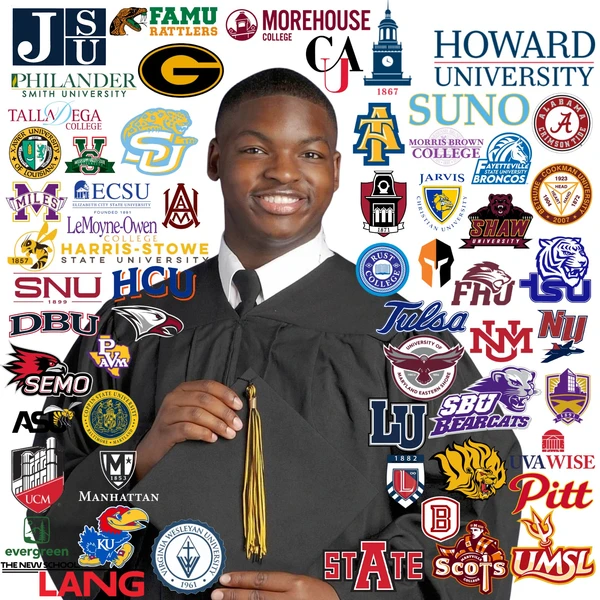
Hello my name is Kelton Stepps, I am a rising senior attending Watson Chapel High School in Pine Bluff, AR. I am currently serving as president of the Black & African Cultural Union, A member of the Senior Class Council. I am proficient in 4 instruments that include: Flute/Piccolo, Mellophone, & Trumpet. I served as the president for the Trinity High School Music Club, Wind Ensemble member, Trumpet Section Leader, STUCO President & Member at large in my previous years. I was awarded the Entrepreneurship and Small Business certification in April 2025 by Certiport. I am a current AP Student and former International Baccalaureate diploma candidate with a 3.85 weighted GPA as of now, Ranked 10/171 in. I am the owner of 2 businesses: Designed By K Stepps & BYONDTHELENZ. I work as a crew member at Mcdonald's. Go Wildcasts! After high school, I plan on attending Jackson State University to obtain a bachelors degree in social work with a minor in music to pursue my career of becoming a music therapist to advocate for better mental health among my culture. I will be participating in the Sonic Boom of the South as well. Music has made a big impact on my life and is the very reason I stand here today. I want to share what music had done for me in hopes that it may inspire someone else.

Education

Watson Chapel High School

High School
2025 - 2026

Miscellaneous

  • Desired degree level:

    Bachelor's degree program

  • Majors of interest:

    • Music
    • Psychology, General
  • Not planning to go to medical school
  • Career

    • Dream career field:

      • Mental Health Care
    • Dream career goals:

      Music Therapist

      Sports

      Dancing

      Club
      2023 – Present3 years

      Research

      • Historic Preservation and Conservation

        International Bacculaureate History — Student/ Primary Researcher
        2024 – 2025

      Arts

      • Watson Chapel Golden Wave Band

        Visual Arts
        2025 – 2026
      • BYONDTHELENZ/ Trinity Triune(Yearbook

        Photography
        2024 – Present
      • Designed By K Stepps

        Design
        2022 – Present
      • Trinity High School Marching Band

        Music
        2023 – 2024

      Public services

      • Volunteering

        NewBirth Baptist Church — Assistant
        2022 – Present
      • Volunteering

        International Bacculaureate — Student
        2024 – 2025

      Future Interests

      Advocacy

      Volunteering

      Philanthropy

      Entrepreneurship

      For the Culture Scholarship
      Corderius M. Webster Memorial Scholarship
      Mental disorders, mental illness, and mental burnout are often reduced to the word “crazy,” a label that misinterprets, dismisses, and silences people who are in need of support—especially within the African American diaspora. In many communities, mental health is overlooked and treated as an anomaly rather than an essential part of overall well-being. Entire neighborhoods lack access to counselors, therapists, or safe spaces where people can speak freely about what they are experiencing. Many individuals have nowhere to go, no one to consult, and no one willing to truly listen. Because of this lack of awareness and access, countless people are left to suffer in silence, carrying emotional burdens that grow heavier over time. As African Americans, we have become incredibly strong and resilient because of systemic neglect, historical racial trauma, and cultural stigmas surrounding mental health. This strength, while admirable, has also led us to normalize survival over healing. Phrases such as “pray about it,” “don’t worry about it,” and “be strong” are often used as coping mechanisms that cover emotional wounds without truly addressing them. While faith and perseverance are important, they can unintentionally discourage people from seeking the professional help they need. Over time, pain becomes buried, unspoken, and misunderstood. Growing up, I rarely heard open or honest conversations about mental health. It was either minimized, ignored, or spiritualized to the point where professional care seemed unnecessary or shameful. I witnessed how this silence affected those around me. Living in a small town in Arkansas, I saw the effects of unresolved trauma play out in harmful ways, including cycles of violence within the Black community. I often wondered why we were not listening to one another. We point fingers, assign blame, and criticize behaviors without addressing the deeper issues underneath. We discuss what is happening but avoid talking about why it is happening. This lack of understanding allows pain to continue from one generation to the next. These experiences shaped my desire to pursue a career in mental health as a music therapist. Music has always been a powerful force within African American culture. It has served as a form of expression, resistance, storytelling, and unity throughout history. From spirituals sung during slavery to blues, jazz, gospel, and hip-hop, music has carried our stories when our words were too heavy to speak. It has provided comfort, connection, and healing in ways that conversation sometimes cannot. Music therapy can reach people on an emotional level that bypasses fear, shame, and stigma. It creates a safe outlet for individuals to process their feelings without immediately needing to verbalize their pain. For someone taught to remain silent, music can become their first language of healing. By combining mental health advocacy with the expressive power of music, I hope to create spaces where people feel seen, heard, and understood. My goal is not only to help individuals heal but also to help shift the conversation within my community. I want to challenge the idea that seeking help is a sign of weakness and replace it with the understanding that it is a step toward strength. Through music therapy and advocacy, I hope to build a bridge toward healing for a community that has endured far too much in silence.
      Sunshine Legall Scholarship
      Mental disorders, mental illness, and mental burnout are often reduced to the word “crazy,” a label that misinterprets, dismisses, and silences people who are in need of support—especially within the African American diaspora. In many communities, mental health is overlooked and treated as an anomaly rather than an essential part of overall well-being. Entire neighborhoods lack access to counselors, therapists, or safe spaces where people can speak freely about what they are experiencing. Many individuals have nowhere to go, no one to consult, and no one willing to truly listen. Because of this lack of awareness and access, countless people are left to suffer in silence, carrying emotional burdens that grow heavier over time. As African Americans, we have become incredibly strong and resilient because of systemic neglect, historical racial trauma, and cultural stigmas surrounding mental health. This strength, while admirable, has also led us to normalize survival over healing. Phrases such as “pray about it,” “don’t worry about it,” and “be strong” are often used as coping mechanisms that cover emotional wounds without truly addressing them. While faith and perseverance are important, they can unintentionally discourage people from seeking the professional help they need. Over time, pain becomes buried, unspoken, and misunderstood. Growing up, I rarely heard open or honest conversations about mental health. It was either minimized, ignored, or spiritualized to the point where professional care seemed unnecessary or shameful. I witnessed how this silence affected those around me. Living in a small town in Arkansas, I saw the effects of unresolved trauma play out in harmful ways, including cycles of violence within the Black community. I often wondered why we were not listening to one another. We point fingers, assign blame, and criticize behaviors without addressing the deeper issues underneath. We discuss what is happening but avoid talking about why it is happening. This lack of understanding allows pain to continue from one generation to the next. These experiences shaped my desire to pursue a career in mental health as a music therapist. Music has always been a powerful force within African American culture. It has served as a form of expression, resistance, storytelling, and unity throughout history. From spirituals sung during slavery to blues, jazz, gospel, and hip-hop, music has carried our stories when our words were too heavy to speak. It has provided comfort, connection, and healing in ways that conversation sometimes cannot. Music therapy can reach people on an emotional level that bypasses fear, shame, and stigma. It creates a safe outlet for individuals to process their feelings without immediately needing to verbalize their pain. For someone taught to remain silent, music can become their first language of healing. By combining mental health advocacy with the expressive power of music, I hope to create spaces where people feel seen, heard, and understood. My goal is not only to help individuals heal but also to help shift the conversation within my community. I want to challenge the idea that seeking help is a sign of weakness and replace it with the understanding that it is a step toward strength. Through music therapy and advocacy, I hope to build a bridge toward healing for a community that has endured far too much in silence.