user profile avatar

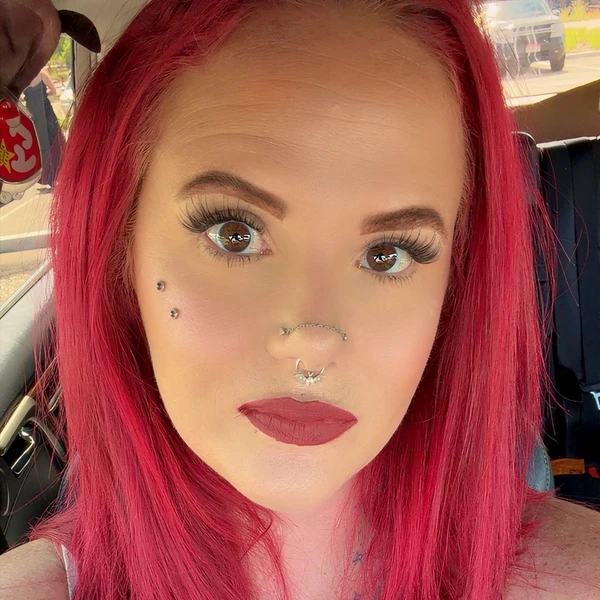
Kelsy Capps

1x

Finalist

General information

Hobbies & Interests

  • Astrology
  • Baking
  • Church
  • Clinical Psychology
  • Coaching
  • Cognitive Science
  • Communications
  • Cooking
  • Cosmetology
  • Counseling And Therapy
  • Criminal Justice
  • Dog Training
  • Education
  • Environmental Science and Sustainability
  • Exercise And Fitness
  • Liberal Arts and Humanities
  • Meditation and Mindfulness
  • Mental Health
  • Mentoring
  • Nutrition and Health
  • Psychology
  • Self Care
  • Social Work
  • Stargazing
  • Sustainability
  • Travel And Tourism
  • Walking
  • Weightlifting
  • Woodworking
  • Yoga

Reading

  • Business
  • Classics
  • Fantasy
  • Food and Drink
  • Gothic
  • Health
  • History
  • Humanities
  • Humor
  • Leadership
  • Novels
  • Psychology
  • Self-Help

I read books daily.

Bio

My life goals center around creating a meaningful, stable, and fulfilling future while making a positive difference in the lives of others. I want to continue growing personally, academically, and professionally so I can build a career that reflects my values and allows me to give back to my community. Education is an important part of that journey because it gives me the knowledge, confidence, and opportunities to turn my experiences into something that can help others. I am passionate about helping people overcome challenges, recognize their strengths, and create better lives for themselves. I believe some of the most powerful support comes from compassion, understanding, and meeting people where they are. I want my future to be centered on encouraging others, breaking down barriers, and showing people that change and growth are possible. I am also passionate about continuing to challenge myself and becoming someone my family, community, and younger self would be proud of. I am a great candidate for scholarships because I am determined to make the most of every opportunity I receive. I understand that success requires persistence, responsibility, hard work, and the willingness to keep moving forward when life becomes difficult. A scholarship would relieve some of the financial pressure of pursuing my education and allow me to focus more fully on achieving my goals. More importantly, I would view it as an investment in my future and in the people I hope to serve. I am committed to using my education to create lasting, positive change.

Education

Colorado Technical University-Denver

Bachelor's degree program

2025 – 2026

Majors:
  • Social Work
  • Criminal Justice and Corrections, General
Trinidad State Junior College

Associate's degree program

2022 – 2024

Majors:
  • Liberal Arts and Sciences, General Studies and Humanities

Miscellaneous

Desired degree level:
Master's degree program
Graduate schools of interest:
Northwestern University, University of Colorado Denver/Anschutz Medical Campus
Majors of interest:
Clinical, Counseling and Applied Psychology
Desired degree modality:
Online, In-Person, Hybrid
Medical school interest:
No

Career

  • Peer Coach

    Mental Health Care · Safe Side Recovery

    Jan 2026 – Present

Miscellaneous

Dream career field:
Individual & Family Services, Mental Health Care
Dream career goals:
Obtaining my Master's of Clinical Mental Health Counseling and then getting my LPC and LAC
Work experience:
1 year
Has nursing license:
No

Future Interests

  • Advocacy
  • Volunteering
  • Entrepreneurship
Bulkthreads.com's "Let's Aim Higher" Scholarship
I want to build a Trauma Healing Center that helps people heal in every area of their lives. Trauma does not affect only a person’s mental health. It can influence physical wellness, spirituality, employment, relationships, housing stability, decision-making, and a person’s belief in their own future. Because trauma reaches so many areas of life, I envision a center that offers more than traditional counseling. It would provide a welcoming place where people can choose from vocational, spiritual, physical, and mental-health practices based on their individual needs and goals. The center would offer trauma-informed counseling, peer-support groups, substance-use recovery services, and connections to psychiatric and medical care. Physical wellness opportunities could include yoga, exercise, nutrition education, mindfulness, and other practices that help people reconnect safely with their bodies. Spiritual services would be voluntary, inclusive, and respectful of different beliefs. Participants could explore faith, meaning, forgiveness, meditation, or personal purpose without being pressured toward one spiritual path. Vocational support would also be a major part of the center. Many people affected by trauma, addiction, homelessness, or incarceration want to work but face barriers such as limited education, gaps in employment, criminal records, transportation difficulties, or low confidence. The center could provide GED assistance, career exploration, job-readiness classes, computer training, résumé support, and partnerships with employers willing to offer second chances. Helping someone earn an income and recognize their abilities can restore independence, confidence, and hope. My current work as a peer coach has shown me how powerful it is when someone feels understood instead of judged. I regularly support people as they create relapse-prevention plans, access community resources, pursue education or employment, and rebuild their lives after difficult experiences. My own lived experience has also taught me that people heal more effectively when they are treated as whole human beings rather than as a diagnosis, criminal record, or past mistake. I plan to continue my education, become a licensed counselor, deepen my knowledge of trauma and addiction, and build partnerships with community organizations, healthcare providers, employers, and other professionals. Building this center would give my experiences, education, and passion a lasting purpose. It would positively impact me by allowing me to transform what I have survived and learned into opportunities for others. For my community, it would create a bridge between crisis and stability. My greatest hope is to build a place where people feel safe enough to heal, supported enough to grow, and empowered enough to create futures they once believed were impossible.
J&Y Law Yahouda Yahoudai Service Scholarship
Community has played an essential role in shaping the person I have become, and I believe I have a responsibility to create that same sense of support for others. My service focuses on people who are often overlooked, including individuals experiencing homelessness, people working toward recovery, and those who are incarcerated. Through outreach, peer coaching, tutoring, and prison in-reach, I try to remind people that their present circumstances do not determine their value or future. My outreach with people experiencing homelessness has taught me that compassionate service begins with listening. I have spent time in shelters and community settings speaking with people about their needs, helping them locate resources, and treating them with dignity. In one instance, I met a woman who had received a housing voucher but could not afford the rental application fee required to use it. I paid the fee because I did not want one financial barrier to prevent her from obtaining safe housing. An application fee might seem small to some people, but to her, it stood between homelessness and stability. That experience reinforced my belief that service involves recognizing where we can make a practical difference and choosing to act. I also serve my community professionally as a peer coach in substance-use recovery. I use my education, training, and lived experience to support individuals as they rebuild their lives. I facilitate recovery groups, provide individual peer support, help clients create relapse-prevention plans, and connect people with housing, employment, education, healthcare, and other resources. Many of the individuals I support have experienced trauma, incarceration, family separation, poverty, and repeated setbacks. I understand how powerful it can be to have someone recognize your potential when you cannot yet see it yourself. My goal is not to rescue people or make decisions for them, but to help them identify their strengths, advocate for themselves, and believe that lasting change is possible. My commitment to service also grew during my own incarceration. While in prison, I tutored other students in mathematics, English, and psychology. Education gave us something constructive to work toward and helped create hope within a difficult environment. Some students needed help understanding an assignment, while others needed patience and encouragement because they had begun to believe they were incapable of succeeding academically. Helping them strengthened my own knowledge, but more importantly, it showed me how people can support one another even under challenging circumstances. Today, I continue serving incarcerated individuals through in-reach work behind the walls of Colorado prisons. People who are incarcerated remain members of our communities, and many will eventually return home. Through in-reach, I offer encouragement, share recovery-focused guidance, and help people begin thinking about their goals, support systems, and reentry needs. My own experiences allow me to connect with them without judgment and demonstrate that incarceration does not have to be the final chapter of someone’s life. Strong communities are built through consistent acts of compassion, accountability, and human connection. Whether I am helping someone access housing, supporting a person in recovery, tutoring a student, or encouraging someone who is incarcerated, I want people to know they have value and are not alone. My education will help me expand this work and continue creating supportive pathways for people affected by addiction, homelessness, trauma, and incarceration.
Michael Rudometkin Memorial Scholarship
I embody selflessness by recognizing when someone needs support and choosing to help without expecting recognition or repayment. To me, selflessness does not always require a grand gesture. It can be demonstrated by sharing time, resources, encouragement, or knowledge when doing so may help another person move forward. I believe everyone deserves to be treated with dignity, especially when they are experiencing hardship. One example occurred when I met a woman experiencing homelessness who had received a housing voucher. Although the voucher created an opportunity for stable housing, she still needed to pay a rental application fee. She did not have the money, and without the application, she could have lost the opportunity to obtain housing. I paid the fee for her because I understood how life-changing a safe place to live could be. I did not help her because I wanted praise. I helped because she had already overcome significant barriers, and I did not want one relatively small expense to stand between her and stability. That experience reminded me that something manageable for one person can be an enormous obstacle for another. I also embody selflessness through my work as a peer coach in substance-use recovery. I use my education, professional training, and lived experience to support individuals who are rebuilding their lives. Many of the people I serve are managing substance-use concerns alongside trauma, mental-health challenges, damaged relationships, legal problems, unemployment, and unstable housing. My responsibility is not to judge them or make decisions for them. Instead, I meet them where they are, listen to what they need, and help them identify realistic next steps. My work often involves helping clients develop relapse-prevention plans, access community resources, prepare for employment, pursue a GED or higher education, obtain identification documents, and connect with healthcare or housing services. I have also supported clients through difficult court situations, family conflicts, and moments when they doubted their ability to remain in recovery. Sometimes helping means locating a resource or completing a practical task. Other times, it means sitting with someone, listening without judgment, and reminding them that their past does not eliminate their potential. Selflessness also means remaining dependable when helping is inconvenient. As a peer coach, I regularly give my full attention to people who may feel overlooked or misunderstood. I celebrate their progress, encourage them after setbacks, and continue showing up consistently. At the same time, I maintain healthy professional boundaries because meaningful support should empower others rather than create dependence. These experiences have taught me that selflessness is rooted in empathy and action. It is noticing a need and asking, “What can I do with what I have?” Whether I am paying an application fee, helping someone create a recovery plan, or connecting a client with a life-changing resource, I try to make people feel seen, respected, and capable. I may not be able to solve every problem, but I can help remove barriers and ensure that someone does not have to face a difficult moment alone.
Champions Of A New Path Scholarship
# Why I Deserve This Scholarship When I consider why I deserve this scholarship, I do not begin with the belief that I am more worthy than every other applicant. I know that many students have endured hardship, worked diligently, and developed meaningful plans for serving others. What gives me a distinct advantage is not hardship alone. It is what I have chosen to build from it. I have experienced addiction, serious mental health challenges, incarceration, stigma, and the uncertainty of beginning again. I have also earned my GED, pursued every educational opportunity available to me while incarcerated, stabilized my mental health, committed myself to recovery, become a first-generation college student, and built a career helping other people navigate some of the same systems and struggles I once faced. I am now pursuing a master’s degree in mental health counseling so I can expand that service. My advantage is the combination of lived experience, demonstrated change, academic determination, and professional purpose. I am not asking this scholarship committee to invest only in what I hope to become. I am asking it to invest in work I have already begun and in a future I have repeatedly shown that I am willing to work for. There was a time when the direction of my life could easily have been summarized by diagnoses, addiction, or incarceration. I live with the impact of borderline personality disorder, post-traumatic stress disorder, and major depressive disorder, and I come from a family afflicted by mental illness and addiction. These experiences shaped my early understanding of the world and of myself. For a long time, survival took priority over growth. The systems around me often focused on symptoms, behavior, or consequences without always recognizing the person underneath them. I understand what it is like to feel defined by a record, a diagnosis, or a period of instability. I also understand the courage it takes to accept help, take responsibility, and attempt change when shame suggests that change may no longer be possible. Those lessons cannot be learned from a textbook alone. They now inform the compassion, patience, and respect I bring to every client I serve. I do not present my past as an excuse, nor do I believe adversity automatically qualifies someone for an award. Adversity becomes meaningful when a person decides what to do with it. During incarceration, I reached a point at which I had to choose whether I would allow my circumstances to become my permanent identity. I decided that I would not become another statistic. That decision did not instantly erase my problems or make the road ahead simple. It required me to examine my choices honestly, accept accountability, and begin creating a different life with whatever resources were available. I earned my GED and took every class I could access. In an environment where it would have been easy to surrender to hopelessness, education became evidence that my future was still being written. Each class represented a small refusal to accept that what seemed like the worst chapter of my life had to be the final one. Earning a GED may appear ordinary beside more traditional academic accomplishments, but for me it was foundational. It proved that I could finish something important, learn under difficult circumstances, and begin closing the distance between where I was and where I wanted to be. As a first-generation student, I did not enter higher education with a family roadmap explaining admissions, financial aid, academic expectations, or graduate school. I have had to learn unfamiliar systems while also unlearning the belief that someone with my history might not belong in them. Every educational step has required practical effort and an internal act of courage. I have had to replace the question "Who do I think I am to pursue this?" with "Who might remain unsupported if I refuse to try?" That change in perspective has carried me from a GED to college and now toward graduate education in mental health counseling. My academic journey gives me an advantage because it reflects persistence that has already been tested outside ideal conditions. I know how to work when motivation is inconsistent, how to ask questions when I feel out of place, and how to continue when progress is slower than I hoped. I do not expect education to rescue me or make the work easy. I view it as a responsibility. The knowledge and credentials I earn must be used ethically, humbly, and in service of people who may never have had access to the same opportunities. I recognize the value of a classroom because I have experienced life without easy access to one. I recognize the value of professional guidance because I have had to navigate complex systems from the vulnerable side. This makes me deeply committed not only to earning a degree, but also to becoming the kind of professional whose education improves how another person is treated. Recovery strengthened that commitment. Stabilizing my mental health and working toward recovery required much more than deciding to feel better. It involved learning to recognize patterns, tolerate discomfort, establish boundaries, accept feedback, develop coping skills, and remain accountable for my decisions. It required patience with a process that is rarely linear. Progress can exist alongside setbacks, and strength can look like asking for help before a crisis becomes unmanageable. I learned that recovery is not a single achievement displayed once and then completed. It is a collection of daily choices made repeatedly, especially when no one is applauding. That understanding gives me credibility in my work, but more importantly, it gives me humility. I know that every person’s recovery belongs to them. My role is not to control the outcome; it is to help create the conditions in which hope, autonomy, and growth become more possible. My lived experience is therefore not simply a story I tell. It has become a disciplined source of empathy and insight. There is a difference between assuming what a person in crisis needs and listening closely enough to understand what they are communicating. There is a difference between labeling resistance and recognizing fear, trauma, shame, or a history of being dismissed. There is a difference between rescuing someone and supporting self-determination. Because I have been on the receiving side of services, I pay attention to those differences. I remember how tone, body language, and a single judgmental comment can determine whether someone returns for help. I also remember how one person’s genuine belief can interrupt hopelessness. My advantage is that I can translate between lived reality and professional systems without losing sight of the human being in either space. I have already put this perspective into action as a peer recovery coach. In that role, I support people experiencing severe mental health concerns, substance use disorders, and major life disruptions. I facilitate groups, provide individual peer support, help clients identify goals, practice coping skills, navigate resources, and respond to setbacks. The work asks me to be present without making another person’s experience about me. It requires good boundaries, confidentiality, honesty, patience, flexibility, and a willingness to seek supervision when a situation extends beyond my role. These responsibilities have helped me transform personal experience into professional service. They have also confirmed that mental health counseling is not an abstract interest for me. It is the next step in a vocation I am already practicing within the appropriate scope of my current position. Working as a peer recovery coach has taught me that change often begins in moments that would look small to an outside observer. It may begin when a Client attends a group after weeks of isolation, identifies one reason to keep trying, makes a phone call about housing, practices a coping skill before reacting, or admits that a current plan is not working. Those moments matter because they restore agency. I do not measure people only by whether they meet a perfect timeline. I look for movement, honesty, and increased ability to make informed choices. I have learned to celebrate progress without ignoring risk and to hold hope without making promises I cannot guarantee. That balanced approach is a strength I will carry into counseling, where effective support requires both compassion and clinical judgment. I have also conducted street outreach and worked in day shelters with people experiencing homelessness. This experience expanded my understanding of mental health beyond diagnoses and treatment plans. A person cannot easily focus on emotional regulation while wondering where they will sleep, whether their belongings will be taken, or how they will obtain food, medication, transportation, or identification. Housing instability, trauma, poverty, stigma, medical needs, and limited access to services interact with one another. If professionals treat these concerns as separate problems, Clients are often sent from agency to agency without anyone seeing the whole picture. Street outreach taught me to meet people where they are, both literally and emotionally. It taught me to offer resources without making respect conditional on whether someone accepts them immediately. This work also taught me that trust must be earned. People who have been repeatedly disappointed by institutions may have good reasons to be cautious. A professional title does not automatically make someone safe. Consistency, honesty, confidentiality, and follow-through matter. If I do not know an answer, I should say so and help find it rather than offering false certainty. If I cannot provide a requested service, I should explain the limit respectfully instead of disappearing. If a person declines assistance, I should preserve dignity and leave the door open when appropriate. These practices may sound basic, yet they can determine whether a vulnerable person ever seeks care again. My experience in outreach gives me an advantage because I have learned to build relationships in settings where trust is scarce and where respect cannot depend on convenience. My professional experience has also exposed me to the gap between what systems intend to provide and what people are actually able to access. Services may exist on paper while remaining unreachable because of transportation, waitlists, eligibility rules, documentation requirements, cost, stigma, or past trauma. A Client may be described as noncompliant when the true issue is that the proposed plan does not fit the realities of their life. I want to become a mental health counselor who looks beyond surface explanations and works collaboratively to identify barriers. Counseling cannot solve every structural problem, but counselors can avoid adding unnecessary harm. They can communicate clearly, coordinate responsibly, advocate within their roles, and recognize when a Client’s difficulty is not a lack of motivation but a lack of realistic options. Pursuing a master’s degree in mental health counseling will allow me to add clinical knowledge and skill to the foundation I have built through recovery and peer work. Lived experience is valuable, but I respect its limits. My story does not make me an expert on everyone else’s story. Graduate education will deepen my understanding of assessment, counseling theories, human development, trauma, ethics, multicultural practice, research, crisis response, and evidence-based interventions. Supervised clinical training will help me integrate these areas responsibly. I want to understand not only how to connect with Clients, but also how to conceptualize concerns accurately, recognize risks, select appropriate interventions, evaluate progress, and collaborate with other professionals. I am seeking education because the people I serve deserve both humanity and competence. That combination—human connection and professional competence—is central to the positive impact I want to make. Too often, people encounter a false choice. They may meet providers who have extensive academic knowledge but struggle to understand life outside clinical settings, or helpers who are deeply relatable but lack the training to address complex needs safely. My goal is to bridge those worlds. I want Clients to feel that I understand the realities of shame, instability, recovery, and starting over, while also trusting that my guidance is informed by ethical training and sound clinical practice. I do not want to romanticize lived experience or devalue education. I want to integrate them so that each corrects the limitations of the other. This integration is one of my strongest advantages as a scholarship candidate. I will enter graduate training with practical experience observing group dynamics, helping Clients develop goals, supporting coping-skill practice, navigating community resources, and maintaining professional boundaries. I already understand that helping work involves documentation, collaboration, consultation, and accountability—not only inspirational conversations. At the same time, I will enter with the openness of someone who knows there is much more to learn. My experience has not made me overconfident; it has shown me the seriousness of the responsibility. I welcome supervision and feedback because Clients should not have to absorb the consequences of a professional’s pride. The ability to combine confidence in my purpose with humility about my current limits will make me a stronger student and future counselor. Another advantage I bring is the ability to recognize potential in people whose lives do not fit a traditional success story. I know that a person can have a criminal record and still become a responsible professional. I know that someone can live with serious mental health conditions and still create stability, serve others, and succeed academically. I know that addiction can be part of a person’s history without being the total definition of their future. These truths are not slogans to me. I have had to prove them through my own choices. When I communicate hope to a Client, it is grounded in the knowledge that change may be difficult, uneven, and still possible. That kind of credible hope can be especially meaningful to people who have heard encouragement that felt disconnected from their circumstances. I also understand accountability in a way that strengthens rather than competes with compassion. True compassion does not require pretending that harmful choices have no consequences. It means recognizing a person’s humanity while supporting honest examination and change. My own growth required me to stop allowing my history to determine every future decision, but it also required me to acknowledge my responsibility for the direction I took. In my work, I try to create space where Clients can be honest without being humiliated. Shame often drives secrecy, while respectful accountability can support growth. As a future counselor, I want to help people explore the relationship between their experiences, emotions, behaviors, and choices without reducing them to any single part of that story. My first-generation status adds another dimension to my purpose. Advancing through higher education is not only a personal milestone; it changes what appears possible within my family and community. When no one close to you has traveled a particular academic path, each step requires discovery. There may be no inherited knowledge about how to select programs, communicate with faculty, seek mentorship, or balance educational ambition with financial reality. I have learned to be resourceful and to ask for guidance. I have also learned how easily capable people can interpret unfamiliarity as evidence that they do not belong. I want my progress to challenge that conclusion. I want others with nontraditional histories to see that belonging is not reserved for people whose lives have been uninterrupted or uncomplicated. Being first-generation also makes me conscious of the ripple effect of opportunity. A scholarship does more than reduce a tuition balance. It gives a student time, attention, and breathing room. For someone pursuing a helping profession, those resources affect future Clients as well. When financial pressure is reduced, I can devote more energy to academic preparation, supervised training, and the thoughtful integration of what I learn. I can make decisions based more on educational value and less on immediate survival. The benefit then extends beyond me to the groups I facilitate, the Clients I support, the colleagues with whom I collaborate, and eventually the individuals and families I will serve as a counselor. Investment in my education becomes investment in a widening circle of care. I am especially drawn to the scholarship’s commitment to helping recipients cast their circle beyond. That phrase describes the life I am trying to build. My circle once felt limited by circumstances, mental health symptoms, addiction, and incarceration. Education widened it. Recovery widened it. The people who offered guidance, accountability, and belief widened it. I now have a responsibility to continue that movement outward. I cast my circle beyond when I use what I have learned to help a Client recognize a strength. I cast it beyond when I make a resource easier to navigate, create a group environment where someone feels less alone, or model that asking for supervision is a sign of responsibility. A counseling degree will allow that circle to reach farther and with greater skill. The legacy behind this scholarship matters because a legacy is not only what one person accomplishes directly. It is also what other people become able to accomplish because that person’s values continue through them. If selected, I would honor that legacy by carrying generosity forward in practical ways. I plan to mentor people entering peer support and behavioral health work, especially those who question whether a nontraditional background disqualifies them. I want to advocate for respectful, trauma-informed, person-centered care. I want to contribute to workplaces where peer professionals are valued without being asked to work beyond their scope, and where clinical professionals understand the expertise that lived experience can provide. I want to encourage collaboration rather than hierarchy when collaboration better serves Clients. My goals are ambitious, but they are grounded in actual experience. I am not claiming that one degree will allow me to repair every weakness in the mental health system. I know meaningful change is often slow and collaborative. My contribution will begin with how I treat the person in front of me. I can listen carefully, explain choices clearly, protect confidentiality, respect self-determination, and remain attentive to cultural and socioeconomic realities. I can continue learning when my knowledge is insufficient. I can use supervision instead of allowing uncertainty to become unsafe practice. Over time, I can also contribute to program development, mentorship, outreach, and advocacy informed by both Client experiences and professional standards. The scale of my impact may grow, but its foundation will remain individual dignity. What distinguishes me from many candidates is that my career goal has been tested in the environments where the work is most demanding. It is possible to feel called to counseling before encountering the emotional weight, ambiguity, and boundaries involved. My work has placed me beside people facing relapse, severe symptoms, homelessness, trauma, and setbacks that cannot be solved in a single meeting. I have learned that caring deeply does not mean taking control, being available without limits, or measuring my worth by another person’s outcome. I have learned to maintain hope while respecting autonomy. I have learned that boundaries protect both the Client and the professional. These lessons make my commitment more informed. I am pursuing counseling with open eyes, not an idealized picture of what helping people entails. The work has also tested my ability to remain steady. Effective support requires managing my reactions so that clients do not have to care for me while seeking care for themselves. My history can help me connect, but I must disclose thoughtfully and only when it benefits the client. I must distinguish empathy from overidentification. I must recognize when a story activates my own experiences and use supervision, boundaries, and personal wellness practices to remain effective. These are ongoing disciplines, not boxes I have permanently checked. My willingness to practice them is another advantage. I do not believe surviving something automatically makes me prepared to guide others through it. Preparation comes from combining self-awareness, training, ethics, reflection, and accountability. My mental health history similarly strengthens my purpose without defining my capacity. Living with BPD, PTSD, and MDD has required me to learn that diagnoses can provide useful language while never capturing a whole person. Symptoms may affect functioning, relationships, and self-perception, but they do not erase intelligence, creativity, responsibility, or the ability to contribute. Stabilizing my mental health has involved sustained effort and support. It has made me attentive to the danger of both minimizing a diagnosis and treating it as destiny. As a counselor, I want to help Clients understand their experiences without teaching them to see themselves as permanently broken. I want to support realistic hope: hope that acknowledges difficulty while identifying skills, resources, choices, and relationships that can make life more manageable and meaningful. My experience with addiction adds another needed perspective. People with substance use disorders are often viewed through a narrow moral lens, even within systems intended to help them. Judgment can hide behind policy, language, or low expectations. Recovery has taught me that accountability and dignity are not opposites. People need accurate information about risks and consequences, but they also need environments where honesty does not automatically produce humiliation. They need support that recognizes readiness, autonomy, harm reduction, relapse risk, and the complex functions substances may have served. My future counseling practice will be informed by the knowledge that change becomes more sustainable when people participate actively in defining their goals and understand that a setback does not cancel every previous gain. Incarceration has given me insight into another population frequently reduced to labels. A criminal record can follow a person into employment, housing, education, healthcare, and relationships long after a sentence ends. Reentry involves more than deciding to do better. It may require rebuilding identity, practical stability, trust, and a sense of belonging while facing systems that repeatedly communicate exclusion. I know the importance of being held accountable, and I also know the importance of having a genuine route back into community life. Through counseling and advocacy, I hope to support people whose mental health and recovery needs intersect with the justice system. I want to help them see that responsibility for the past can coexist with investment in the future. My advantage, then, is not one dramatic event. It is the way multiple forms of knowledge come together. I know mental health challenges personally, recovery experientially, peer support professionally, and counseling increasingly academically. I understand the barriers associated with incarceration, homelessness, poverty, stigma, and fragmented services through direct exposure and service. Each perspective changes how I understand the others. Academic concepts have faces and consequences for me. Professional boundaries have a purpose. Policy barriers are not theoretical. Hope is not sentimental. It is a practice supported by skills, relationships, opportunity, and repeated action. This integrated understanding will help me ask better questions in graduate school and apply what I learn with greater care. I also bring qualities that are essential to making this integration work: honesty, humility, patience, flexibility, and respect for self-determination. Honesty allows me to acknowledge what I know, what I do not know, and where I need support. Humility reminds me that shared experience does not mean identical experience. Patience helps me respect progress that occurs at the client’s pace. Flexibility allows me to adjust when a plan meets an unexpected barrier. Respect for self-determination keeps the Client at the center of the work. These qualities have been developed under real pressure. They are not simply words I selected because they sound appropriate in an application. I practice them in groups, individual peer conversations, outreach encounters, teamwork, and my own continued growth. Listening is one of the most important skills I bring. People who have been stigmatized often become accustomed to professionals listening for a category rather than listening for meaning. A provider may hear addiction, homelessness, incarceration, or borderline personality disorder and allow assumptions to fill in the rest. I know how damaging that can be. I try to listen for what the person wants, what they fear, what has helped before, what has caused harm, and what strength is already present. Listening does not mean agreeing with every conclusion or avoiding necessary questions. It means ensuring that intervention begins with understanding rather than assumption. Graduate training will help me make that listening more clinically informed while preserving the respect at its core. I have also learned the importance of confidentiality and boundaries. Vulnerable people share information that can affect housing, relationships, safety, legal circumstances, and willingness to remain in treatment. Trust must be protected through careful communication and adherence to ethical and legal responsibilities. Boundaries are equally important because helping relationships require clarity. A Client should not have to guess whether support depends on pleasing the professional, managing the professional’s emotions, or accepting advice without question. Boundaries create a dependable structure in which care can occur. My peer role has given me early experience taking these responsibilities seriously, and my graduate education will deepen my ability to navigate more complex ethical situations. Teamwork and supervision are also part of my competitive advantage. I am comfortable recognizing that no single provider can meet every need. Mental health concerns often intersect with medical care, substance use treatment, housing, benefits, legal issues, family relationships, and community support. Effective service requires communication and appropriate coordination. I value the perspectives of colleagues and understand that consultation can reveal risks or options I have missed. Seeking supervision is not an admission that I do not belong in the profession. It is evidence that I understand the profession’s responsibility. Because I have already practiced working within a defined role, I will approach graduate training ready to learn from feedback and to contribute without assuming authority I have not yet earned. Some applicants may have followed a more direct route from high school to college and graduate study. Their paths carry strengths of their own. Mine gives me a different form of preparation. I know what it means to rebuild after consequences, to pursue education without a traditional foundation, and to turn personal vulnerability into carefully bounded service. I have learned in classrooms, correctional settings, shelters, outreach environments, recovery spaces, and professional teams. These settings have taught me how social conditions influence mental health and how easily systems can lose sight of individuals. They have also shown me extraordinary resilience in people often described only by their needs. I will bring those observations into every class discussion, practicum experience, and future counseling relationship. I do not want to win this scholarship by arguing that pain creates a hierarchy of deservingness. Comparing hardships would contradict the values I hope to carry into counseling. Instead, I ask the committee to compare what applicants have done with their opportunities and what evidence supports their future plans. My evidence is a pattern of action. When incarcerated, I pursued education. When facing mental health and addiction challenges, I worked toward stability and recovery. When I gained insight from those experiences, I trained and entered peer support. When I encountered people facing homelessness and fragmented services, I participated in outreach and shelter work. When I recognized the limits of my current role, I committed to graduate education. At each stage, I have tried to turn the next available opportunity into service. That pattern suggests that scholarship support will not remain unused potential. I have already shown that I take available resources seriously. Financial assistance would not create my motivation; it would strengthen my ability to act on motivation that is already present. It would help reduce the strain of pursuing advanced education while continuing to meet work and life responsibilities. It would allow me to focus more fully on developing the knowledge and judgment required for ethical counseling. Most importantly, it would help me reach the point at which I can provide a broader level of support to people affected by trauma, addiction, serious mental health concerns, poverty, homelessness, and justice-system involvement. The scholarship would also affirm something larger than my individual education. It would affirm that people are capable of being more than a difficult history. It would send a message that a GED can lead to graduate school, that incarceration does not permanently cancel contribution, and that recovery experience can become a source of ethical service when paired with training and self-awareness. I understand that a scholarship committee is not responsible for proving my worth to me. I have had to build that understanding through my own work. Still, institutional recognition matters because it can challenge the narrow expectations that follow people with histories like mine. Selecting me would demonstrate a belief in both second chances and the responsibility to use them well. I intend to use mine well. In the near term, my goal is to succeed in my mental health counseling program, engage deeply with supervision, and continue strengthening my ability to serve within ethical boundaries. I want to learn from faculty, classmates, clients, and professionals whose experiences differ from mine. I want to examine my biases and remain open to correction. I want to develop a counseling identity that integrates lived experience without centering it, values evidence without becoming rigid, and recognizes systemic barriers without overlooking individual agency. These are demanding goals, but they reflect the complexity of the people and communities I hope to serve. Over the longer term, I hope to provide counseling that is accessible, trauma-informed, recovery-oriented, and grounded in dignity. I am especially interested in working with people whose needs are often complicated by stigma or fragmented care. This may include individuals with co-occurring mental health and substance use concerns, people transitioning from incarceration, people experiencing housing instability, and those who have learned to distrust helping systems. I want to be a counselor who does not confuse caution with unwillingness, relapse with hopelessness, or a record with a complete identity. I want to create a therapeutic space where accountability is possible because dignity is protected. For these reasons, I believe I am a strong and deserving candidate. I offer the committee evidence of perseverance, transformation, service, and purpose, along with a perspective directly relevant to the communities I plan to serve. I bring humility, determination, and a proven commitment to learning. Most importantly, I will cast the benefit of this scholarship far beyond myself, daily using my education to expand hope, dignity, choice, and meaningful support for others.
Catrina Celestine Aquilino Memorial Scholarship
As a first-generation college student, pursuing higher education represents more than earning a degree. It means creating opportunities that once felt out of reach, challenging generational barriers, and building a future that can positively affect my family and community. My path has taught me that success is not only measured by personal accomplishments, but also by how far we extend our circle to encourage, support, and uplift others. My experiences have led me toward a career in healthcare, with the goal of earning my degree in Mental Health Counseling. I currently work as a peer recovery coach, supporting individuals as they navigate substance use recovery, mental health challenges, and major life transitions. In this role, I have learned that meaningful care begins with listening. People need to feel seen as human beings—not reduced to a diagnosis, a difficult chapter, or the worst decision they have ever made. Recovery is rarely a straight path. It requires courage, patience, accountability, and access to compassionate support. As a peer recovery coach, I help clients identify their strengths, establish realistic goals, develop healthy coping skills, and connect with resources. I also provide something that can be difficult to find within traditional systems: hope from someone who believes that change is possible. This work has shown me how powerful it can be when healthcare professionals meet people with empathy instead of judgment. My education will allow me to expand the ways I can serve others. Through my healthcare career, I hope to help create environments where individuals feel safe asking for help and are included in decisions about their care. I am especially passionate about serving people affected by substance use, mental health concerns, trauma, poverty, and other circumstances that may limit access to quality services. These individuals are often misunderstood or overlooked, even though they may be carrying challenges that would be difficult for anyone to face alone. I want to help bridge the gap between clinical healthcare and the real-life needs of the people receiving it. Medical knowledge is essential, but effective care also requires trust, cultural awareness, clear communication, and respect for each person’s lived experience. I hope to advocate for trauma-informed, person-centered services that recognize the whole individual. My goal is to ensure that people leave an appointment or program feeling heard, informed, and capable—not ashamed or powerless. Being a first-generation student has required me to navigate unfamiliar systems while balancing school, work, and personal responsibilities. There have been moments when the path felt overwhelming, but those experiences strengthened my determination and resourcefulness. They also taught me the importance of mentorship and encouragement. Every person who has offered guidance has widened my circle of possibility. I intend to do the same for others by mentoring future students, supporting new professionals, and showing people from nontraditional backgrounds that they belong in healthcare. Catrina’s legacy and the idea of “casting the circle beyond” deeply resonate with me. To me, this means allowing one person’s compassion and accomplishments to reach people they may never personally meet. By investing in my education, this scholarship would also invest in every Client, family, and community I serve throughout my career. I hope to create a positive impact by combining professional knowledge with genuine human connection. I want my career to remind people that their circumstances do not erase their worth and that asking for help is an act of strength. Ultimately, I hope to cast my own circle beyond by turning the opportunities I receive into hope, dignity, and meaningful support for others.
Joe Gilroy "Plan Your Work, Work Your Plan" Scholarship
My primary goal is to complete my master’s degree in mental health counseling and build a long-term career serving individuals affected by mental illness, addiction, trauma, incarceration, and other barriers. I currently work as a peer coach, and I plan to use the experience I am gaining now as a foundation for becoming a skilled and compassionate mental health professional. In the future, I hope to provide counseling, advocate for underserved communities, and help reduce the stigma that often prevents people from seeking support. My first step is successfully completing graduate school. To reach that goal, I plan to remain organized, maintain a consistent study schedule, communicate with professors, and use academic resources whenever I need additional support. I will also continue working while attending school so I can support myself financially and remain connected to the population I ultimately want to serve. Because balancing employment, graduate coursework, internships, and personal responsibilities can become demanding, time management will be extremely important. I plan to schedule dedicated time each week for coursework, work responsibilities, self-care, and family or personal obligations. Finances are one of the most important parts of my plan. My budget includes tuition, fees, books, technology, transportation, living expenses, and costs associated with eventually completing clinical requirements and professional licensure. Depending on my program expenses, I expect education-related costs beyond basic living expenses to total several thousand dollars each semester. I plan to use scholarships, grants, financial aid, personal income, and careful budgeting to reduce the amount of debt I take on. Scholarship support would allow me to spend less time worrying about educational expenses and more time focusing on academics and professional development. Another major resource I will need is professional mentorship. I have already begun to build relationships with professors, counselors, supervisors, and other professionals in the mental health field. These relationships can help me strengthen my clinical skills, better understand licensure requirements, locate internship opportunities, and prepare for employment after graduation. I also intend to continue professional training in areas such as trauma-informed care, substance use, recovery, crisis intervention, and working with underserved populations. My timeline is to complete my graduate degree, fulfill all required practicum and internship hours, graduate, and then begin completing the supervised clinical experience required for professional licensure. During that period, I plan to seek employment in community mental health, substance use treatment, recovery services, or another setting where I can gain meaningful clinical experience. I also understand that success rarely follows one perfect path. If financial challenges arise, I will continue applying for scholarships, explore employer tuition assistance, adjust my course load if necessary, and look for additional funding resources. If a particular career setting is not the right fit, I will remain open to other areas of counseling that still align with my purpose. Ultimately, my plan is built around persistence, preparation, and flexibility. I have already learned that major goals are reached one decision at a time. By continuing my education, using available resources, managing my finances responsibly, seeking mentorship, and remaining committed to the people I hope to serve, I believe I can turn my experiences into a career that creates lasting positive change.
Learner Mental Health Empowerment for Health Students Scholarship
Mental health is important to me as a student because I understand from personal experience how deeply it can affect every area of a person's life. Mental health influences our ability to learn, build relationships, manage responsibilities, cope with stress, and believe in ourselves. As someone who has experienced mental health challenges and has watched mental illness and addiction affect my family, I do not view mental health as something that should only be discussed when a person reaches a crisis. I believe it deserves the same attention, compassion, and care that we give to physical health. As a student, maintaining my mental health is especially important because education requires commitment, focus, balance, and resilience. My educational journey has not been traditional. I earned my GED while incarcerated and continued pursuing higher education because I made a decision that my circumstances and past choices would not determine my future. Continuing my education has taught me that taking care of my mental health is not separate from achieving my goals. I have learned the importance of recognizing when I need support, setting boundaries, managing stress, practicing healthy coping skills, and giving myself room to grow. Mental health is also connected to my purpose as a student. I am pursuing a master's degree in mental health counseling because I want to use both my education and lived experience to help others. My experiences have shown me that people struggling with mental illness, trauma, addiction, and other challenges are often judged for their behaviors without anyone asking what happened to them or what support they need. I want to be part of changing that. One of the primary ways I advocate for mental health in my community is through my work as a peer coach. I work with individuals who are navigating recovery, mental health challenges, and major life changes. I advocate by creating a space where people can speak openly without feeling ashamed or judged. I encourage people to recognize their strengths, identify healthy coping skills, access resources, set achievable goals, and advocate for their own needs. I also use appropriate parts of my lived experience to demonstrate that recovery and meaningful change are possible. I advocate for mental health through the way I communicate about it as well. I believe conversations about mental illness and addiction can reduce stigma. I try to use language that recognizes the person before the diagnosis or struggle. Someone is not simply an addict, a diagnosis, a criminal record, or their worst decision. Every person has a story, strengths, goals, and the capacity for growth. Ultimately, mental health is important to me because I know what can happen when people struggle without adequate support, but I also know what can happen when someone receives encouragement, resources, education, and hope. As I continue my education, I want to become an even stronger advocate for accessible and compassionate mental health services. My goal is to use what I learn to serve my community, support people who may feel overlooked or misunderstood, and remind others that asking for help is a sign of self-awareness and strength. Mental health advocacy is not only connected to my education and career; it is part of the positive impact I want to make throughout my life.
Elizabeth Schalk Memorial Scholarship
Mental illness has been a part of my life for as long as I can remember. Nearly everyone in my family has struggled with mental illness, addiction, or both. Growing up surrounded by these challenges shaped the way I understood relationships, emotions, coping, and even what I believed was normal. For a long time, I did not fully understand how much generational mental illness, trauma, and addiction had affected my own life. I have personally experienced mental health challenges, including a history of Borderline Personality Disorder, Post-Traumatic Stress Disorder, and Major Depressive Disorder. I have also experienced addiction and understand how mental health and substance use can become deeply connected. There were periods of my life when I did not have the skills or support necessary to manage what I was experiencing in healthy ways. Eventually, the choices I made led to incarceration. Going to prison became a turning point for me. I realized that I did not want mental illness, addiction, incarceration, or my past choices to determine the rest of my life. More importantly, I did not want to become another statistic. I decided that if I was given opportunities to grow, I was going to take them. I earned my GED, pursued higher education, and participated in every class and program available to me. I also began medications and therapy for myself and have continued to maintain both of those. Education helped me understand that changing my life was possible, but it would require accountability, determination, and consistent effort. My experiences have also given me a different perspective on people who struggle with mental illness and addiction. I understand how damaging stigma can be and how easily someone can be reduced to a diagnosis, addiction, criminal record, or mistake. I believe people deserve to be seen as human beings first. Today, I work as a peer coach, where I use my lived experience to support others who are navigating recovery and rebuilding their lives. What I once viewed as the most painful parts of my story have become some of the experiences that allow me to connect with others with genuine empathy and understanding. I am now pursuing a master’s degree in mental health counseling. My goal is to turn my experiences into purpose by helping others find hope, develop healthier lives, and understand that their past does not have to determine their future. I am now a proud product of my choices and not my environment.
Sloane Stephens Doc & Glo Scholarship
The impact I want to make is deeply connected to the experiences that have shaped my own life. I know what it feels like to struggle, to be judged by your past, and to wonder whether your circumstances will always define your future. I also know how powerful it can be when someone sees beyond your mistakes and recognizes your potential. Through my education and career, I want to become that person for others while helping create a community where mental health care, recovery support, and opportunities for change are accessible to everyone. I currently work as a peer coach, and this role has shown me the incredible strength people possess when they are given support, encouragement, and a safe space to be themselves. The people I work with inspire me every day. I see individuals working to rebuild relationships, maintain recovery, find employment, improve their mental health, and create stability after experiencing some of the most difficult moments of their lives. Their determination reminds me that success does not always look like perfection. Sometimes success is simply getting up and choosing to try again. My own experiences also inspire the work I want to do. I have experienced mental health challenges, addiction within my family and myself, incarceration, and the process of rebuilding my life through recovery and education. When I decided I no longer wanted to become another statistic, education became one of the most important parts of changing my future. I earned my GED, continued into higher education, and eventually discovered that my experiences could become a source of purpose rather than shame. I am now pursuing a master’s degree in mental health counseling because I want to combine lived experience with professional knowledge and clinical skills. My goal is to work with underserved individuals, particularly those affected by mental illness, addiction, trauma, incarceration, and other systemic barriers. I want to provide counseling that recognizes the whole person rather than reducing someone to a diagnosis, addiction, criminal record, or difficult chapter in their life. I also want to give back by advocating for greater access to mental health and recovery services. Many people who need help the most face financial barriers, stigma, transportation difficulties, lack of resources, or fear of being judged. I want to be part of changing that by creating spaces where people feel respected, understood, and empowered. Ultimately, the future I want to help create is one where fewer people believe they are beyond help. I want my education to strengthen my ability to serve, advocate, and lead with compassion. If my journey can help even one person realize that their worst moment does not have to become their entire story, then everything I have overcome can become part of something greater than myself.
Bick First Generation Scholarship
Being a first-generation student means more to me than being the first in my family to pursue higher education. It means breaking cycles, creating opportunities that did not exist before me, and proving that my past does not have to determine my future. My educational journey has been anything but traditional, which makes every step forward even more meaningful. Mental illness and addiction have affected my family for generations, and I have faced my own struggles with mental health, addiction, and difficult life circumstances. Eventually, my choices led me to prison. That became one of the biggest turning points of my life. I realized I had two choices: I could continue down the same path and become another statistic, or I could take responsibility for my future and fight to become someone different. I chose to fight for something better. While incarcerated, I took every opportunity available to improve myself. I earned my GED, pursued higher education, and enrolled in as many educational and personal-development classes as I could. Education gave me something I desperately needed: hope. Each accomplishment showed me that I was capable of more than the labels attached to me. I began to understand that although I could not rewrite my past, I could decide what I did with the rest of my life. Today, I work as a peer coach, using my lived experience to support others as they navigate recovery and rebuild their lives. I have the privilege of working with people who may feel judged, forgotten, or defined by their worst moments. I understand that feeling because I have lived it. My experiences allow me to meet people with compassion while also showing them that accountability, growth, and change are possible. My dream is to continue that work on a deeper level. I am pursuing a master’s degree in mental health counseling so I can combine my lived experience with professional education and clinical skills. I want to serve individuals and communities that often struggle to access quality mental health and recovery services. Most importantly, I want people to know that where they begin does not determine where they have to end. As a first-generation student, I am navigating higher education without generations of family experience to guide me. At times, that can feel intimidating, but it also motivates me. I know that every milestone I reach changes what is possible for those who come after me. This scholarship would reduce the financial burden of graduate education and allow me to focus more of my energy on learning, serving my community, and becoming the counselor I hope to be. To me, this scholarship would be more than financial assistance. It would be an investment in a journey that began with deciding I would no longer be a statistic and continues with my determination to help others rewrite their stories, too.
Fishers of Men-tal Health Scholarship
My experiences with mental health have influenced nearly every part of who I am today, including my beliefs, relationships, and career aspirations. My journey has not always been easy, and there were times when I could not imagine the life I have now. I have a past history of Borderline Personality Disorder (BPD), Post-Traumatic Stress Disorder (PTSD), and Major Depressive Disorder (MDD). Mental illness and addiction have also affected my entire family in one way or another. Growing up surrounded by these struggles shaped how I viewed myself, relationships, and the world around me. However, those experiences eventually became part of the reason I developed such a strong passion for mental health, recovery, and helping others. For many years, mental health affected the way I understood and responded to my emotions. BPD, PTSD, and depression influenced how I communicated, formed relationships, handled conflict, and viewed my own worth. There were times when emotions felt overwhelming and situations seemed impossible to manage. Because mental illness and addiction were also present throughout my family, unhealthy behaviors and coping mechanisms could sometimes seem normal. I did not always have examples of healthy communication, emotional regulation, boundaries, or coping skills. Over time, I had to learn that just because certain patterns were familiar did not mean they were healthy or that I had to continue repeating them. One of the greatest turning points in my life came when I went to prison. That experience forced me to look closely at the direction my life was going. I realized that if I continued making the same choices, I could easily become another statistic. I decided that was not the story I wanted for myself. I could not change everything that had happened to me, my family history, or the decisions I had already made, but I could take responsibility for what I did next. I made the decision to do everything within my power to change my life for the better. While incarcerated, I took advantage of every opportunity for growth and education that was offered to me. I took every class I could, earned my GED, continued into higher education, and completed many additional classes that helped me develop personally and academically. Education became more than earning certificates or completing requirements. It gave me confidence and showed me that I was capable of becoming more than my past. Every class represented another step toward the person I wanted to become. Instead of viewing incarceration as the end of my story, I began viewing it as the place where I decided to write a different one. My mental health journey has also changed the way I approach relationships. I have learned the importance of boundaries, communication, accountability, empathy, and self-awareness. I understand that people can love each other and still have unhealthy patterns that need to change. I have also learned that healing does not mean pretending the past never happened. For me, healing means understanding how my experiences affected me while making conscious choices about how I respond today. I try to approach others with compassion because I know that we often cannot see what someone else is carrying. These experiences have greatly influenced my career aspirations. Today, I work as a peer coach, where I have the opportunity to support people who are working toward recovery and positive change in their own lives. My lived experience allows me to connect with people in a way that cannot always be learned from a textbook. I understand what it feels like to be judged by your worst decisions, to struggle with mental health, and to wonder whether life can truly become different. I also know what it feels like to begin rebuilding your life one decision at a time. As a peer coach, I do not want to tell people how to live their lives. Instead, I want to walk beside them, encourage them, help them recognize their strengths, and remind them that change is possible. My past has taught me not to reduce people to diagnoses, criminal histories, addictions, or mistakes. A person is always more than the worst chapter of their life. My experiences have also motivated me to continue my education. I am currently pursuing a master’s degree in mental health counseling because I want to expand my knowledge and ability to help others. Becoming a mental health professional will allow me to combine education and clinical skills with the empathy and understanding that come from lived experience. I want to support people who may feel forgotten, misunderstood, or judged and help create spaces where they feel safe enough to be honest about their struggles. Ultimately, my mental health experiences have shaped my belief that people are capable of tremendous change when they have support, opportunity, accountability, and hope. My past includes mental illness, family addiction, incarceration, and difficult choices, but those experiences are not the entirety of who I am. They have become part of the foundation for the work I do today. My education, my work as a peer coach, and my pursuit of a master’s degree in mental health counseling represent how far I have come and the direction I intend to continue going. Most importantly, my journey has given me a purpose: to use what I have learned to help others recognize that their past does not have to determine their future. I believe I would be a strong recipient of this scholarship because my educational journey represents perseverance, personal growth, and a commitment to using my experiences to serve others. I have worked hard to overcome circumstances that could have easily prevented me from continuing my education. Rather than allowing my past to determine my future, I made the conscious decision to change the direction of my life. Receiving this scholarship would help me pursue my master’s degree in mental health counseling and bring me closer to my goal of becoming a mental health professional. I am already putting my lived experience and education into practice through my work as a peer coach, where I support individuals as they navigate recovery, personal challenges, and meaningful life changes. I would not view this scholarship simply as financial assistance, but as an investment in the work I hope to continue doing within my community. I am committed to using my education to advocate for people who are often misunderstood, underserved, or defined by their circumstances. My journey has taught me that opportunities can change lives, and I intend to use this opportunity to continue creating positive change in the lives of others.
Lost Dreams Awaken Scholarship
Recovery means more to me than simply leaving behind the things that once held me back. To me, recovery means choosing myself every day, even when life feels difficult. It means learning from my past without allowing it to define my future. Recovery has taught me that growth does not happen overnight and that every small step forward still matters. Recovery means rebuilding trust in myself and becoming someone I can be proud of. It means learning healthier ways to handle stress, emotions, relationships, and challenges instead of returning to old patterns. I have learned that asking for help is not weakness; it is part of becoming stronger and more aware of what I need. To me, recovery also means freedom. It is the freedom to make choices based on the life I want rather than the life I used to live. It means creating meaningful relationships, setting boundaries, finding purpose, and continuing to grow. Most importantly, recovery means hope. It reminds me that change is always possible. I may have difficult days, but I do not have to give up. Recovery is my ongoing journey toward becoming the healthiest and strongest version of myself.
Kelsy Capps Student Profile | Bold.org