user profile avatar

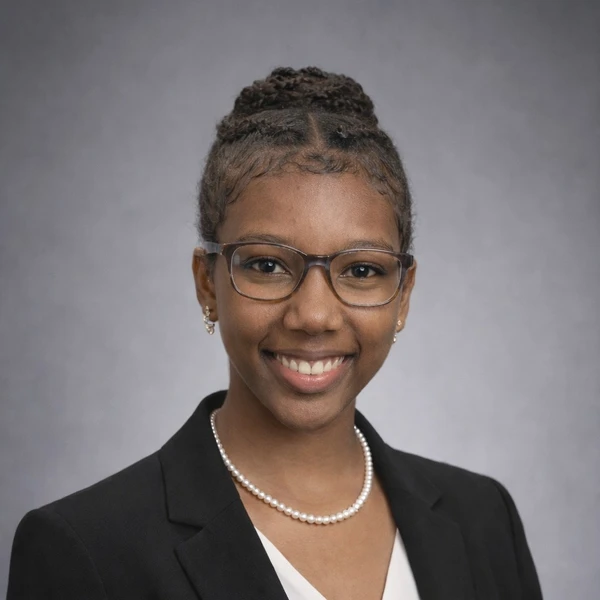
Kelsey Conley

2x

Finalist

2x

Winner

Bio

My life goals are to attend a university where I can develop into a successful engineer, hopefully debt free. I want to live in a city with art and beauty while I build a successful career designing machines to make life better for everyone. I'd also like to have a little family of my own.

Education

Tennessee State University

Bachelor's degree program
2026 - 2030
  • Majors:
    • Mechanical Engineering

Miscellaneous

  • Desired degree level:

    Bachelor's degree program

  • Graduate schools of interest:

  • Transfer schools of interest:

  • Majors of interest:

    • Mechanical Engineering
    • Mechatronics, Robotics, and Automation Engineering
  • Not planning to go to medical school
  • Career

    • Dream career field:

      Mechanical or Industrial Engineering

    • Dream career goals:

      To innovate technology responsibly to make life better for the underserved and marginalized community including creating better medical devices to increase self reliance.

    • Trainer/Facilitator

      Bridges USA InterCore
      2022 – 20242 years

    Sports

    Dancing

    Club
    2021 – 20232 years

    Awards

    • N/A

    Arts

    • Entrepreneur Company

      Jewelry
      2025 – Present

    Public services

    • Volunteering

      150 hours volunteered at Temple of Deliverance Food Pantry — Leader of packaging and distribution
      2022 – Present
    • Volunteering

      50 plus hours volunteered at Youth Striving for Excellence — Youth Leader
      2022 – Present

    Future Interests

    Advocacy

    Volunteering

    Philanthropy

    Entrepreneurship

    Teria Onwuaduegbo Black Women in STEM Scholarship
    Building a Future Through Engineering and Purpose The robot would not move, our timer was running out, and teammates around me scrambled to figure out what had gone wrong as seconds seemed to disappear faster than we could think. While others immediately focused on what was broken, I found myself asking a different question: Why isn't this working? That moment during a robotics challenge taught me something important about myself. I did not just enjoy finding answers. I loved the process of solving problems, thinking critically, and working through challenges until a solution finally came together. In that moment, I saw more than a competition. I saw a future. My career interest is mechanical engineering because I have always been fascinated by how things work and inspired by the possibility of creating solutions that improve people's lives. Engineering combines creativity, innovation, and problem solving in ways that align naturally with my interests and strengths. As a Black woman pursuing a career in a field where women, especially Black women, remain underrepresented, I understand that my journey is about more than personal achievement. I want to create opportunities, challenge expectations, and become an example for other young women entering STEM spaces. My interest in engineering did not develop overnight. Throughout high school, I intentionally pursued opportunities that strengthened my knowledge and expanded my experiences in STEM. I enrolled in aviation and STEM pathways that challenged me academically and exposed me to technical concepts that increased my curiosity about engineering and innovation. These classes helped me understand that I enjoy not only learning about technology but also discovering how systems work together to solve problems. Outside the classroom, I sought opportunities that allowed me to apply those interests in practical ways. Through VEX Robotics, I collaborated with teammates to solve engineering challenges and contribute ideas that strengthened our robot design. Robotics taught me that innovation requires teamwork, persistence, and adaptability because solutions often come through trial, error, and repeated improvement. I also became involved in organizations such as TSA and DECA, which expanded my leadership abilities and strengthened my skills in communication, creativity, and collaboration. My STEM experiences extended beyond school through opportunities that allowed me to continue exploring my interests. I attended the National Flight Academy through a scholarship opportunity and participated in experiences that encouraged teamwork, leadership, and critical thinking. These opportunities expanded my confidence and reinforced my belief that engineering is where my passions and abilities intersect. I have also intentionally developed leadership and service skills because I believe successful engineers should understand people as much as they understand systems. Through Youth Striving for Excellence, community service programs, and leadership opportunities, I learned how to collaborate with others and lead with compassion. Those experiences taught me that innovation has the greatest impact when it improves people's lives. Teria Onwuaduegbo’s story resonates with me because she pursued her passion despite barriers and represented determination in spaces where representation matters. Her legacy reminds me that success often requires courage and persistence. My journey toward engineering has already begun, and every challenge, opportunity, and experience has become another step toward the future I hope to build.
    Carolyn Craddock Memorial Scholarship
    Strength Through Advocacy and Purpose Although I have not personally lived with Type 1 diabetes, its impact has shaped my life through my younger brother, Caleb, who is currently 10 years old and lives with the condition every day. Watching someone you love navigate a lifelong challenge teaches lessons that extend far beyond medicine. Through Caleb's journey, I have witnessed strength, resilience, and determination in ways that many people may never fully understand. Living alongside Type 1 diabetes has shown me that the condition affects much more than blood sugar levels. I have watched Caleb monitor his glucose levels, adjust routines unexpectedly, and learn responsibilities at an age when most children are focused only on school and play. Diabetes does not take breaks for birthdays, vacations, sports, family gatherings, or ordinary childhood moments. There have been times when plans changed suddenly because of health concerns, and our family learned to remain flexible and prepared. Through it all, Caleb continues to move forward with courage and positivity. Watching my brother has changed how I understand adversity. I have seen him face challenges that would frustrate many adults, yet he continues to smile, learn, grow, and enjoy life. His journey taught me that strength is not always loud. Sometimes strength is choosing to keep going every day, even when something feels difficult. Seeing his perseverance has also made me more compassionate and aware of challenges people may carry that are invisible to others. Carolyn Craddock’s story deeply resonates with me because she was known for embracing people from all backgrounds, standing beside those facing adversity, and advocating for awareness surrounding Type 1 diabetes. She refused to let stereotypes define people and used her experiences to educate and uplift others. I admire her kindness and her willingness to see the good in everyone. I strive to demonstrate those same qualities through leadership and service in my own life. Through Youth Striving for Excellence, food distribution programs, mentoring opportunities, and community service experiences, I have learned that making a difference often begins with simply showing up for people. I believe inclusion, compassion, and advocacy can create lasting impact. Carolyn was also known for her determination and incredible work ethic. While balancing academics, athletics, and multiple responsibilities, she continued pushing herself toward excellence. I relate strongly to that quality as I balance rigorous academics, STEM activities, leadership roles, community involvement, and my goal of pursuing mechanical engineering. Carolyn’s life reminds us that impact is not measured by how long someone lives but by how deeply they influence others. Through Caleb’s journey and the lessons it has taught me, I hope to continue advocating for others, leading with compassion, and helping people feel seen, supported, and encouraged.
    Joanne Pransky Celebration of Women in Robotics
    The Last Human Touch The year was 2038, and robots had become part of nearly every aspect of daily life, teaching classrooms, driving buses, stocking stores, assisting doctors, delivering food, caring for elderly patients, and helping people complete tasks that once required human labor. Entire cities ran through interconnected artificial intelligence systems, and most people no longer thought twice about interacting with robots because they had become as ordinary as smartphones and computers once were. Children learned from robotic tutors, restaurants used robotic chefs, and neighborhoods depended on service robots to maintain parks and public spaces. Society had entered an age where convenience and efficiency shaped nearly every decision. For eighteen year old Maya Carter, a first year mechanical engineering student, robotics represented endless possibilities because she believed technology could solve some of humanity's greatest challenges. Growing up, Maya loved taking apart old electronics and rebuilding them into something new. While other children spent summers playing video games, she spent hers attending engineering camps and sketching inventions in notebooks. She dreamed of designing machines that could improve people's lives and create solutions for communities that often lacked resources and support. After graduating at the top of her class, Maya earned an internship at FutureSync Industries, one of the largest robotics companies in the world. The company had recently developed an advanced line of assistive robots known as H.E.A.R.T., Human Empathy and Assistance Response Technology. Unlike earlier generations of robots, H.E.A.R.T. systems could analyze facial expressions, detect emotional shifts in voices, and respond with humanlike empathy through highly advanced machine learning systems. Their creators believed they had finally solved the problem that had separated humans from machines for decades. People immediately embraced the technology. Hospitals used H.E.A.R.T. robots to comfort patients awaiting surgeries and provide support during recovery. Schools assigned robotic tutors to students who struggled academically. Nursing homes used them to help elderly residents with medications, mobility, and companionship. Parents relied on them to supervise children after school, and businesses used them to improve customer experiences. News outlets called H.E.A.R.T. robots "the future of human care." At first, Maya believed the excitement was justified because she witnessed incredible benefits during her internship. In hospitals, anxious children smiled while robotic companions distracted them during treatments. Students who once struggled in school showed improvement because robotic tutors patiently adjusted lessons to fit individual learning needs. Elderly residents received assistance that many facilities previously could not provide due to staffing shortages. The future seemed brighter than anyone imagined. Months into her internship, however, Maya began noticing subtle changes in people's behavior that were not discussed in company meetings or public advertisements. She saw children sitting silently beside robotic companions rather than playing with friends. Families spent less time visiting elderly relatives because they felt reassured that H.E.A.R.T. systems already provided care and companionship. Teachers depended heavily on robotic instruction and gradually reduced opportunities for collaboration and discussion among students. The changes were small at first, but Maya could not ignore them. One afternoon she reviewed behavioral recordings from assisted living facilities and noticed a resident named Mr. Reynolds sitting quietly beside a large window overlooking a garden. Beside him stood a H.E.A.R.T. robot programmed to provide emotional companionship. "Good afternoon, Mr. Reynolds," the robot said softly. "Your heart rate indicates signs of sadness today. Would you like to discuss positive memories?" Mr. Reynolds stared outside for several seconds before responding. "My daughter used to visit every Thursday." The robot paused for less than a second. "Absence can create feelings of loneliness. Would hearing your favorite music improve your mood today?" Mr. Reynolds slowly nodded. Maya replayed the conversation several times. The robot followed every programmed response perfectly. Its words were compassionate. Its tone sounded warm. Its systems recognized emotional patterns exactly as designed. Yet Maya felt unsettled because although the machine successfully imitated empathy, it could never truly understand the pain behind his words. It could identify loneliness through algorithms, but it had never experienced missing someone. It could detect sadness through data, but it had never felt heartbreak. For the first time, Maya realized a difficult truth about robotics. Technology could simulate human behavior, but simulation was not the same as connection. Over the following weeks Maya conducted research and discovered troubling patterns worldwide. Studies showed that many people had gradually replaced portions of their social interactions with artificial companions. Human relationships had become less frequent because machines offered easier conversations without disagreement, misunderstanding, or emotional complexity. People increasingly chose convenience over genuine connection. Maya knew robotics itself was not the problem because robots had transformed healthcare, education, transportation, and accessibility in extraordinary ways. The issue was not what robots could do. The issue was what people were beginning to stop doing themselves. Determined to address the problem, Maya developed a proposal that fundamentally changed the purpose of H.E.A.R.T. technology. Rather than replacing human interaction, robots would actively encourage it. H.E.A.R.T. systems would remind family members to visit relatives, organize community gatherings, encourage students to collaborate with peers, and create opportunities for face to face interaction rather than replacing it. Months later Maya stood before engineers, researchers, and global leaders presenting her vision for the future of robotics. The room remained silent as she explained that technological progress should strengthen humanity rather than slowly distance people from one another. As she finished speaking, Maya looked across the audience and shared one final thought that remained with people long after the conference ended: the greatest challenge in robotics was never building machines capable of acting more human, but making sure humans never forgot how to be human themselves.
    Charles B. Brazelton Memorial Scholarship
    A Heart That Refuses to Harden My “awkward” thing is the way I care for people, even when it would be easier not to. It is something that grew out of loss. During my freshman year, I lost a classmate and friend, Justice. That experience changed the way I see people. It made me realize how fragile life is and how important it is to show up for others while we still can. After that, I could not ignore people who felt alone, overlooked, or pushed aside. Where others might move on or stay silent, I feel a responsibility to step in. I saw that clearly when a new student, Tracy, came to our school. He was quickly labeled as “weird” and became someone people avoided or made fun of. It would have been easy to follow the crowd or just mind my business, but I could not. I chose to sit with him, talk to him, and treat him with respect. When others were rude, I spoke up. It was uncomfortable at times, and I knew people noticed. But I also knew what it felt like to lose someone and wish you had done more, said more, or cared more while you had the chance. I refused to let someone feel invisible when I had the ability to make them feel seen. People often tell me I am too forgiving. I do not hold grudges the way others might expect. To some, that seems like a weakness, like I am letting people off too easily. But to me, it is a choice rooted in understanding. We are all human, and we all fall short. Holding on to anger does not build anything. Letting go, choosing grace, and continuing to care takes strength. It allows me to move forward without carrying unnecessary weight, and it allows me to keep showing up for others in a genuine way. What makes me different is not just that I care, but that I act on it. I choose compassion when it is inconvenient. I choose forgiveness when it is undeserved. I choose to stand beside people when others step away. That mindset has shaped how I lead, how I serve, and how I plan to move through the world. As I continue my education and pursue my goals, I want to carry that same heart into every space I enter. My “awkward” thing is that I refuse to let the world make me cold. In a world where it is easy to judge, ignore, or give up on people, I choose to care anyway. And I believe that choice is what will allow me to make a lasting impact, not just in what I do, but in how I treat others along the way.
    Ava Wood Stupendous Love Scholarship
    Kindness in Action One of the most meaningful acts of kindness I have offered wasn’t a single moment, but a commitment I made every week. Through my work at my church’s food distribution program, I noticed one elderly woman who would come consistently but rarely speak. She would stand quietly, take her items, and leave quickly. One day, instead of just handing her a box, I walked her to her car and started a conversation. She shared that she had recently lost her husband and coming there was one of the only times she left her house. After that, I made it a point to greet her by name, set aside items I knew she liked, and spend a few minutes talking with her each week. Over time, she began to smile more, stay longer, and even talk to others. What started as a simple act of attention turned into a relationship that reminded her she wasn’t invisible. That moment mattered because it taught me that kindness is not always loud or dramatic. Sometimes, it is choosing to see someone when the world has overlooked them. It reshaped how I define impact. I realized that creating a sense of belonging can be just as powerful as meeting a physical need. Since then, I approach service differently, not just asking “What can I give?” but “How can I make someone feel valued?” That mindset is something I carry into every space I enter. Question 2 Creating Connection At my school, I have been part of programs like robotics, DECA, and leadership groups where students often fall into separate circles. I noticed that many students who were new or less confident struggled to find where they belonged. Instead of accepting that divide, I made it a goal to intentionally create connections between people who might not normally interact. During robotics, I remember a newer student who hesitated to speak during team discussions. I invited her to work alongside me on a small part of the project, making space for her ideas without pressure. As she grew more comfortable, she started contributing more during group conversations. Eventually, she became one of the most vocal and confident members of our team. I also carried this mindset into my leadership roles, especially through youth programs and school activities. Whether it was encouraging quieter students to share their thoughts, introducing people to one another, or creating spaces where everyone felt heard, I worked to build environments where differences were welcomed instead of ignored. Creating connection matters to me because I know what it feels like to step into a new space and wonder where you fit. I have learned that belonging doesn’t happen by accident, it is created through intentional actions. By choosing to include others, I help build communities where people feel seen, valued, and empowered to show up as their full selves.
    Christian Fitness Association General Scholarship
    Earned, Not Given By the time most people see the results, they miss the work that made it possible. They see the GPA, the leadership roles, the awards. What they do not see are the early mornings, the long days, and the constant decision to keep going even when things felt overwhelming. My story is not defined by one accomplishment, but by the consistency, discipline, and purpose behind everything I have achieved. Academically, I have challenged myself to perform at a high level while preparing for a future in mechanical engineering. I have maintained a strong GPA while taking rigorous courses, including honors and STEM-focused classes that require both critical thinking and persistence. My involvement in dual enrollment courses has pushed me to adapt to college-level expectations early, strengthening my ability to manage time, think independently, and take ownership of my learning. I also worked intentionally to improve my ACT score, understanding that academic growth is not fixed but something that can be developed with effort and focus. Beyond the classroom, I have actively sought opportunities to grow as a leader and problem solver. As a member of the Technology Student Association and a VEX Robotics competitor, I have developed hands-on experience in STEM. During one competition, our robot was underperforming at a critical moment. Instead of accepting the setback, I suggested a simple adjustment that stabilized the design and improved performance. That experience reinforced my passion for engineering and showed me the power of problem-solving under pressure. My involvement in DECA allowed me to explore entrepreneurship and innovation from a different perspective. I developed and presented a business plan at the state level, learning how to connect ideas with real-world application. Through the LITE Memphis program, I further strengthened my ability to think creatively and present solutions in a professional setting. These experiences have helped me understand that innovation is not just about ideas, but about execution and impact. Service is another core part of who I am. I have contributed over 150 hours volunteering at the Total Deliverance Church food pantry, where I help organize and distribute food to families in need. This is not just an activity I participate in, it is a commitment I uphold consistently. I have also served as a youth leader with Youth Striving for Excellence, mentoring younger students and supporting programs that encourage both academic growth and personal development. Additionally, my role as a Youth Facilitator and Logistics Lead has allowed me to take on responsibility behind the scenes, ensuring that programs run smoothly while helping others find their voice. What makes these experiences meaningful is not just participation, but impact. I do not simply join organizations, I contribute to them. I look for ways to improve systems, support others, and leave each space better than I found it. Whether I am organizing a food distribution, leading a group, or collaborating on a project, I approach every responsibility with intention and accountability. However, my journey has not been without challenges. Balancing rigorous academics, leadership roles, and consistent service requires discipline and sacrifice. There have been moments where the workload felt overwhelming, where I had to choose between rest and responsibility. Instead of stepping back, I learned how to manage my time more effectively, prioritize what mattered most, and remain focused on my long-term goals. These challenges strengthened my resilience and taught me how to perform under pressure without losing sight of my purpose. Financially, pursuing higher education presents another challenge. The cost of tuition, textbooks, and other expenses creates barriers that cannot be overcome by effort alone. I have worked hard to position myself for scholarships because I understand that access to education should not be limited by financial circumstances. Receiving this scholarship would allow me to focus more on my studies and less on the financial burden that comes with pursuing a degree in a demanding field. I plan to attend Tennessee State University and pursue a degree in mechanical engineering, with a focus on innovation and problem-solving. My goal is to design technologies that improve everyday life, particularly in communities that are often overlooked. I am especially interested in robotics and systems that increase efficiency and accessibility. More importantly, I want to use my education not only to build solutions, but to create opportunities for others. I should be considered for this scholarship because I represent more than potential. I represent follow-through. I have demonstrated my ability to set goals, commit to them, and produce results. I have balanced academics, leadership, and service while maintaining a clear sense of purpose. Most importantly, I am not finished. I am still growing, still learning, and still working toward becoming someone who creates meaningful change. Everything I have accomplished has been earned through effort, discipline, and consistency. With the support of the Christian Fitness Association General Scholarship, I will continue that same level of commitment in my college journey and beyond.
    Julia Elizabeth Legacy Scholarship
    More Than Representation, It’s Responsibility The robot kept slipping, and no one could figure out why. During a VEX Robotics competition, our design wasn’t performing the way we expected, and time was running out. While others focused on the frustration, I focused on the problem. I suggested a small adjustment, adding a rubber band to stabilize the mechanism. It worked. In that moment, I realized something bigger than just fixing a robot. Different perspectives do not just improve outcomes, they can completely change them. That is why diversity in STEM is so important to me. As an African American student pursuing mechanical engineering, I am entering a field where people who look like me are still underrepresented. That reality is not just a statistic to me, it is something I have experienced. There have been moments where I have been one of the only Black students or one of the only young women in a STEM space. In those moments, it can feel like you are not expected to be there. But instead of allowing that to discourage me, it has strengthened my sense of purpose. Diversity in STEM matters because innovation should reflect the world it serves. When solutions are created by a limited group of people, they often miss the needs of others. Communities that are already underserved can be overlooked even further. Engineers and innovators design based on their experiences, so when diverse voices are not included, entire perspectives are left out. Representation ensures that solutions are not only effective but also equitable. For me, diversity in STEM is also about access and opportunity. There are talented students in communities like mine who have the ability to succeed in STEM but may not have the same exposure, resources, or encouragement. When more people from underrepresented backgrounds enter these fields, it creates a ripple effect. It shows others that they belong, and it opens doors that may have once felt closed. I do not just want to be represented in STEM. I want to contribute in a way that creates change. I am especially interested in robotics and innovation that improves everyday life. I want to design solutions that address real problems, particularly in communities that are often overlooked. Whether it is creating assistive technology or improving how everyday systems function, I want my work to have a meaningful impact. At the same time, I want to be a source of encouragement for others. I understand how powerful it is to see someone who looks like you succeeding in a space you once questioned. I want to mentor, support, and inspire the next generation of students to pursue STEM without hesitation. Representation is not just about being present, it is about making sure others feel empowered to follow. Diversity in STEM is not just important to me because of who I am. It is important because of what it makes possible. It leads to better ideas, stronger solutions, and a future where innovation includes everyone. I am committed to being part of that future, not only by succeeding, but by helping create space for others to succeed as well.
    Women in STEM Scholarship
    Curious Enough to Build, Brave Enough to Belong The robot wasn’t supposed to fail like that. In the middle of a VEX Robotics competition, our design kept slipping, costing us points we couldn’t afford to lose. While others saw frustration, I saw a question: why isn’t this working, and how can we fix it? I suggested adding a simple rubber band to stabilize the mechanism. It was a small idea, but it worked. That moment stayed with me, not because we won, but because I realized I am someone who is driven to understand, improve, and create. That curiosity is what draws me to STEM. I am not satisfied with just learning how things work. I want to know why they work and how they can work better. Through my involvement in the Technology Student Association, DECA, and robotics, I have explored both the technical and creative sides of problem solving. Whether I am building, presenting, or collaborating, I am constantly asking questions and pushing myself to think deeper. STEM, to me, is not just a field of study. It is a mindset centered on curiosity, persistence, and innovation. As a young woman pursuing mechanical engineering, I am also aware of the importance of representation. There have been moments where I was one of the few girls in a room, and at times, that came with doubt. But instead of stepping back, I chose to step forward. I have learned that belonging is not always something you find immediately. Sometimes, it is something you build. Each experience has strengthened my confidence and reminded me that my voice and perspective matter in these spaces. What excites me most about STEM is its power to create meaningful change. I am especially interested in robotics and how it can be used to improve everyday life. I want to design solutions that make systems more efficient and accessible, particularly for communities that are often overlooked. Whether that means developing assistive technologies or rethinking how everyday spaces are used, I want my work to have a real and lasting impact. Beyond my personal goals, I am committed to contributing to a community of women in STEM who support and uplift one another. I understand the importance of mentorship, encouragement, and shared knowledge. I want to be someone who not only succeeds in this field but also helps create pathways for others to do the same. Empowerment grows when it is shared, and I am eager to be part of a network that fosters that growth. I am driven by curiosity, strengthened by challenges, and motivated by the opportunity to create solutions that matter. STEM is where I see my future, not just as a career, but as a platform to innovate, uplift, and contribute. I am ready to learn, ready to build, and ready to be part of a community of women shaping what comes next.
    Ja-Tek Scholarship Award
    More Than What You See Every Wednesday, I help set up tables, organize food, and serve families in my community. No one is grading me, and there is no spotlight, but it matters. In those moments, I am simply someone who shows up, follows through, and cares. That is the truest version of me. Beyond my GPA or future goals, I am defined by service, resilience, and consistency. I lead by doing, whether that means organizing youth programs, mentoring younger students, or stepping in wherever I am needed. I believe leadership is not about recognition but about responsibility. I am also driven by curiosity and determination. When I face challenges, I do not avoid them. I work through them. Whether it is solving a problem in robotics or navigating spaces where I may not always feel represented, I continue pushing forward. Those experiences have strengthened my confidence and shaped my mindset. What makes me who I am is simple. I value impact over attention. I believe in doing meaningful work, even when no one is watching. I am someone who serves, adapts, and keeps going, no matter the obstacle.
    Peter and Nan Liubenov Student Scholarship
    I see myself as a positive force in my community because I choose to lead with awareness, responsibility, and integrity, even when it is not the easiest path. Being a positive force is not always about big, visible actions. It is often about the daily decisions to show up, to support others, and to do what is right, especially when no one is watching. My understanding of this began through my involvement in service and leadership. Through organizations like Youth Striving for Excellence and the Inter Core Youth Action Center, I have had the opportunity to mentor younger students and help create spaces where their voices are valued. I have also contributed over 200 hours of community service through the Total Deliverance Church Food Pantry and other initiatives, helping organize and serve families in need. These experiences have taught me that being a positive force means being consistent, dependable, and willing to put others before yourself. I have also learned that being a positive influence requires emotional awareness. Losing my friend Justice to suicide changed how I see people and the struggles they carry. It made me realize that you never fully know what someone is going through. Because of that, I make an effort to listen more, check in with others, and create space for honesty. I believe that kindness, empathy, and presence are some of the most powerful ways to impact others. Social norms have played a significant role in shaping how I think about my place in society. In many environments, especially as a young Black woman pursuing STEM, there is often an unspoken expectation to prove yourself, to work twice as hard, and to remain composed under pressure. There are also norms that suggest young people should be quiet, respectful, and not challenge authority. While I understand the importance of respect, I have learned that growth also requires speaking up, asking questions, and advocating for yourself and others. I have experienced situations where I felt like I was expected to be seen and not heard, and moments where I had to decide whether to stay silent or stand firm in what I knew was right. Choosing the moral high ground, for me, has meant finding my voice and using it with purpose. It means advocating for fairness, supporting my peers, and refusing to compromise my values, even when it is uncomfortable. At the same time, social norms have also influenced me in positive ways. I come from a community that values faith, service, and perseverance. I have been taught to care for others, to give back, and to stay grounded in who I am. Those values have shaped how I lead and how I define success. Looking toward the future, I plan to continue being a positive force through my career in mechanical engineering. I want to use my skills to design solutions that improve everyday life, especially for underserved communities. I also want to mentor young students, particularly girls and students of color, to help them see themselves in fields where they may not always feel represented. I believe being a positive force is about impact, not attention. It is about choosing integrity over convenience, empathy over judgment, and action over silence. It is about understanding that even small actions can create meaningful change. I am committed to continuing that work, both now and in the future, by staying true to my values, using my voice, and creating opportunities for others to succeed alongside me.
    Learner Mental Health Empowerment for Health Students Scholarship
    I used to walk to the library after school with my friend Justice. It was our routine, a simple walk filled with conversations about school, life, and everything in between. Those moments felt normal at the time, but they mean something different to me now. Justice later died by suicide. Losing someone I shared those quiet, everyday moments with changed how I understand mental health. It made something invisible feel very real. That experience is one of the reasons mental health is so important to me as a student. I have seen what can happen when thoughts are kept inside, when people feel unheard, or when they believe no one is listening. Too often, young people are told to be seen and not heard. But silence can be dangerous. When students do not feel safe expressing what they are going through, those thoughts do not disappear, they grow. Because of this, I have been intentional about advocating for spaces where young people are heard and valued. Through my work with the Inter Core Youth Action Center, I have helped promote youth-adult equity, creating opportunities for students to speak, share, and be taken seriously. Advocacy, for me, is not just about raising awareness. It is about changing environments so that students feel safe enough to be honest and supported enough to keep going. My understanding of mental health also comes from my own experiences. Recently, I was diagnosed with a mood disorder, but even before the diagnosis, I knew something was not right. I struggled to focus, felt overwhelmed, and had difficulty managing my emotions. At the same time, I was dealing with a situation at school where I felt intimidated by a teacher, and everything began to build at once. The breaking point came the day before I was scheduled to take my federal drone license assessment. I remember feeling completely overwhelmed, crying and shaking uncontrollably, unable to calm myself down. Later, I learned that I had experienced a panic attack. That moment forced me to recognize that mental health is not something you can ignore or push through without support. What made the difference for me was having people who listened. My parents took the time to hear me without dismissing what I was feeling, and medical professionals stepped in to provide support and guidance. Through that process, I learned that asking for help is not weakness, it is strength. It is the first step toward healing. Now, I am on the road to recovery. I am learning how to manage my mental health, recognize when I need support, and take care of myself while still pursuing my goals. I am still planning to go to college and build a future, but now with a deeper understanding of what it means to protect both my well-being and my ambition. I advocate for mental health by being honest about my experiences, creating space for others to share theirs, and reminding people that they are not alone. Whether it is through leadership roles, peer conversations, or simply checking in on someone, I believe small actions can make a lasting impact. Mental health matters to me because I have seen both sides of it. I have experienced the silence that can surround it, and I have experienced the power of being heard. I carry Justice’s memory with me as a reminder of why this work matters, and I carry my own journey as proof that healing is possible.
    Dream BIG, Rise HIGHER Scholarship
    The first time I understood how quickly life can shift, I was sitting at the kitchen table watching my younger brother’s blood sugar drop. What started as a normal afternoon turned into urgency within minutes. I remember the feeling of having to move from uncertainty to action, helping him, paying attention, staying calm even when I did not fully understand everything yet. In that moment, I was not just a sister. I was part of the system that kept him safe. That experience did more than teach me responsibility. It shaped how I approach challenges, how I think under pressure, and how I define purpose. Growing up in a household where my brother’s health required constant awareness meant that I learned early on how to be attentive, disciplined, and dependable. At the same time, my family has faced financial challenges that required just as much resilience. With multiple siblings pursuing college and my father working in another city to maintain employment, we have had to make difficult choices and stretch every resource. There were times when the path forward felt uncertain, but quitting was never an option. Education became more than something I was expected to complete. It became the way forward. Through my academic journey, I have learned that education is not just about grades or assignments. It is about direction. It has given me a sense of purpose and a vision for what I want my future to look like. I chose to challenge myself in a STEM-focused program, taking honors and advanced courses while staying involved in leadership and service. Balancing academics with real-life responsibilities has not always been easy, but it has made me stronger, more focused, and more intentional with my time. My passion for mechanical engineering grew out of a natural curiosity and a desire to solve problems. I enjoy understanding how things work and figuring out how they can be improved. One moment that stands out was during a VEX Robotics competition when a key part of our robot failed just before a round. We did not have the exact replacement piece, so I had to think quickly. I used a simple rubber band to rebuild part of the mechanism so it could function again. It was not perfect, but it worked. That moment showed me that engineering is not about perfect conditions. It is about persistence, creativity, and the willingness to find a solution no matter what. Education has helped me connect moments like that to something bigger. It has shown me that the skills I am developing can be used to create real change. It has also helped me understand that my experiences are not setbacks, they are preparation. Outside of the classroom, I have committed myself to serving others. I have contributed over 200 hours of community service through organizations such as Youth Striving for Excellence, the Inter Core Youth Action Center, the Benjamin L. Hooks Library, and the Total Deliverance Church Food Pantry. Whether I was mentoring younger students, supporting youth programs, or helping organize and distribute food to families in need, each experience strengthened my understanding of leadership and service. These opportunities taught me that making a difference is not about recognition, it is about consistency, compassion, and showing up for others. The challenges I have faced, both financially and personally, have strengthened my belief in what education can do. It creates options. It builds confidence. It opens doors that once seemed out of reach. For me, education is the bridge between where I am and where I want to be. Looking ahead, I plan to use my education in mechanical engineering to create solutions that improve everyday life, especially for families facing challenges like mine. Growing up with a sibling who manages a chronic condition has made me more aware of how important accessibility, efficiency, and innovation are. I want to design systems or technologies that make life easier, safer, and more manageable for others. Whether that is through robotics, product design, or engineering solutions in healthcare, I want my work to have a direct impact. I also plan to give back by mentoring students who may not see themselves in STEM fields. I want to show them that their background does not limit their future, that their challenges do not define them, and that their story matters. My journey has not been easy, but it has been purposeful. Every challenge I have faced has shaped my direction and strengthened my determination. I have learned how to adapt, how to lead, and how to keep moving forward even when things are uncertain. I still think about that moment at the kitchen table, when everything felt urgent and unknown. What once felt overwhelming has become a reminder of who I am. I am someone who can stay calm, think critically, and take action when it matters most. Education has given me more than knowledge. It has given me direction, confidence, and the ability to turn challenges into purpose. And I am committed to using it to build not just a better future for myself, but for my family and my community as well.
    Grand Oaks Enterprises LLC Scholarship
    The first time I realized how quickly everything could change, I was sitting at the kitchen table watching my younger brother’s blood sugar levels drop. What started as a normal afternoon turned into urgency within minutes. I remember shifting from confusion to action, helping gather what he needed, watching closely, and learning in real time what it meant to stay calm under pressure. In that moment, I was not just a sister. I was part of the system that kept him safe. That moment reflects more than a single experience. It represents the way I have grown up, in a family where responsibility is shared, where challenges are faced together, and where perseverance is expected. My journey to this point has been shaped by both opportunity and adversity. I have been blessed with strong support, but I have also learned how to navigate real challenges, especially those related to financial circumstances and family responsibility. With multiple siblings pursuing higher education and changes in my father’s employment requiring him to work in another city, my family has had to make difficult financial decisions. We have learned how to stretch resources, prioritize needs, and stay focused on long-term goals even when the path is not easy. Policies that no longer consider multiple children in college have added to that pressure. Still, my parents have never allowed our circumstances to limit our expectations. Instead, they have instilled in me a mindset of discipline, faith, and determination. Academically, I have challenged myself in a rigorous STEM-focused program, taking honors and advanced courses while maintaining a strong GPA. Beyond the classroom, I have been deeply involved in leadership and service. Through organizations like Youth Striving for Excellence and the Inter Core Youth Action Center, I have mentored younger students and helped lead initiatives focused on equity and community engagement. I have also volunteered extensively through my church’s food distribution program, serving families in need on a weekly basis. These experiences have shaped my understanding of leadership, not as a title, but as a responsibility to serve. My passion for engineering, specifically mechanical engineering, has developed through both curiosity and experience. I enjoy understanding how systems work and finding ways to improve them. During a VEX Robotics competition, when a key part of our robot failed right before a round, I had to think quickly and creatively. Without the exact replacement, I rebuilt part of the mechanism using a simple rubber band. It was not perfect, but it worked. That experience reinforced my belief that engineering is not about having ideal conditions. It is about problem-solving, adaptability, and persistence. Choosing to attend an HBCU is deeply meaningful to me. It is more than a college decision, it is a continuation of my family’s legacy and a step into a space where I know I will be valued. My mother attended Philander Smith University, and two of my aunts attended Tennessee State University, the same place I plan to attend. Their journeys showed me what it looks like to be supported, challenged, and developed in an environment that truly invests in you. There have been moments in my academic journey where I have sat in classrooms that did not feel built for me, spaces where I felt tolerated rather than fully seen. While those experiences strengthened my resilience, they also clarified what I need to succeed. I do not want to simply exist in a classroom. I want to be in a space where I am encouraged to lead, to question, and to grow without limitation. That is why Tennessee State University stands out to me. I am drawn to the opportunity to learn from professors like Dr. Lin Li, whose work in advanced manufacturing connects engineering to real-world innovation, and Dr. Amir Shirkhodaie, whose research in robotics and intelligent systems reflects the type of impact I hope to make. Being in an environment where professors are invested not only in my academic success but also in my development as a future engineer means everything to me. Through my choice to study mechanical engineering, I plan to make a difference for both my family and my community. For my family, I want to create stability and opportunity. I want to give back to my parents for the sacrifices they have made and support my siblings as they pursue their own goals. Education in my family is not just personal, it is collective. For my community, I want to use engineering to design solutions that improve everyday life. Growing up alongside my brother’s medical challenges has made me especially interested in creating technologies that support individuals managing chronic conditions. I want to design systems that are practical, accessible, and meaningful. I also plan to mentor young students, especially girls and students of color, to help them see themselves in STEM fields and pursue opportunities they may not have considered. My journey has been defined by responsibility, resilience, and purpose. I have learned how to balance academic demands with real-life responsibilities, how to lead through service, and how to remain focused even when circumstances are challenging. Each experience has prepared me for what comes next. I often think back to that moment at the kitchen table, when everything felt uncertain and urgent. What once felt overwhelming has become a foundation for who I am today. It taught me how to stay calm, how to act with purpose, and how to care for others in meaningful ways. As I take the next step toward attending Tennessee State University and pursuing a degree in mechanical engineering, I carry that moment with me. It reminds me that I am capable of handling challenges, creating solutions, and making an impact. And just like in that moment, I am ready to step in, take action, and build something that makes a difference.
    Eric W. Larson Memorial STEM Scholarship
    The first time I realized how quickly everything could change, I was sitting at the kitchen table watching my younger brother’s blood sugar levels drop. What started as a normal afternoon turned into urgency within minutes. I remember moving from confusion to action, helping grab what he needed, watching closely, and learning in real time what it meant to stay calm under pressure. In that moment, I was not just a sister. I was part of the system that kept him safe. That experience has stayed with me, not just because of the fear, but because of what it required from me. Growing up with a sibling who has Type 1 diabetes meant that responsibility became part of my everyday life. It meant understanding routines, paying attention to small changes, and stepping in without being asked. It also meant learning that stability is not guaranteed, it is created through consistency, awareness, and support. At the same time, my family has faced financial challenges that have required just as much resilience. With multiple children pursuing higher education and changes in my father’s employment that required him to work in another city, our household has had to make difficult decisions. Resources have been stretched, and opportunities have sometimes come with uncertainty. Policies like FAFSA no longer accounting for multiple siblings in college have only added to that challenge. Still, my parents have remained committed to our education, even when it meant personal sacrifice. These circumstances have shaped how I approach adversity. I have learned to manage my time, prioritize what matters, and remain focused even when things are not easy. I have taken rigorous courses in a STEM-focused program, maintaining a strong academic record with a weighted GPA above a 4.3 while balancing leadership roles and community service. My academic journey has not been separate from my responsibilities, it has been strengthened by them. My passion for STEM, particularly mechanical engineering, comes from a deep curiosity about how things work and how they can be improved. I am drawn to problem-solving, especially in situations where there is no clear or perfect solution. During a VEX Robotics competition, a critical part of our robot failed just before a round. Without the exact replacement piece, I had to think quickly. Using a rubber band, I rebuilt part of the mechanism so that it could function again. It was a simple fix, but it worked. That experience showed me that engineering is not about having all the right tools, it is about using what you have to create something that works. Through organizations like TSA and DECA, I have explored both the technical and creative sides of innovation. I have worked on projects that required me to think critically, collaborate with others, and present ideas with confidence. Whether developing a business plan or competing in STEM-related events, I have learned how to take an idea and turn it into something real. My interest in engineering is deeply personal. Watching my brother manage a chronic condition has made me more aware of the role that technology plays in everyday life. I want to be part of creating solutions that make that life easier, safer, and more efficient. I am especially interested in designing systems or devices that support individuals and families dealing with medical challenges. Engineering, to me, is not just about machines. It is about people. Service has also played a major role in shaping who I am. I have volunteered over 150 hours with my church’s food distribution program, helping organize and serve families in need. I have worked with youth programs, mentored younger students, and contributed to community initiatives that focus on leadership and equity. These experiences have taught me that leadership is about action. It is about being willing to serve others, even when it is not convenient. Looking ahead, I want to use engineering as a way to create meaningful change. I plan to pursue a degree in mechanical engineering with a focus on robotics and design innovation. My goal is to develop technologies that improve quality of life, especially for underserved communities. I also want to mentor and encourage young students, particularly girls and students of color, to pursue STEM fields. Representation matters, and I want to help expand what others believe is possible. My journey has been shaped by both responsibility and resilience. I have learned how to adapt, how to lead, and how to persist through challenges. I understand what it means to carry both personal and academic responsibilities at the same time, and I have used those experiences to grow stronger. I often think back to that moment at the kitchen table, watching my brother and realizing how much responsibility I carried in that space. What once felt overwhelming has become a source of purpose. Just like in that moment, I want to be someone who can step in, assess a problem, and create a solution that makes a real difference.
    STLF Memorial Pay It Forward Scholarship
    Service is not something I do occasionally. It is how I lead, how I connect, and how I understand my responsibility to others. The STLF Memorial Pay It Forward Scholarship reflects a belief I already live by: leadership is revealed through service, relationships, and action. One of the most meaningful volunteering efforts I have helped organize and lead is the weekly food distribution at my church’s community pantry. What began as simply showing up to help quickly became a leadership role where I coordinated logistics, organized food supplies, labeled and prepared packages, and ensured that every family who came through the line was treated with dignity and care. Over time, I contributed more than 150 hours to this effort, not because I had to, but because I saw firsthand how consistent service can stabilize and uplift a community. Beyond the food pantry, my commitment to service extends into multiple spaces where I have taken on both volunteer and leadership roles. As a Youth Leader with Youth Striving for Excellence, I supported younger students through academic camps and mentoring sessions, assisting with planning, facilitating activities, and engaging families. Through my role as a Youth Facilitator and Logistics Lead with InterCore, I coordinated youth leadership programs, managed event details, and guided discussions focused on equity and collaboration. These experiences required not only participation, but ownership. I was responsible for making sure things ran smoothly, people felt included, and the purpose of each event was clear and impactful. I have also served as a Youth Library Advisor, helping shape programs that encourage literacy and community engagement, and participated in leadership camps where we hosted community-based programs for children. Across each experience, one truth remained: leadership is not about being in charge. It is about being present, prepared, and willing to serve others first. Leadership through service matters because it builds trust in ways that titles cannot. When people see you working alongside them, solving problems, and showing up consistently, they begin to believe in both your leadership and themselves. Service creates connection. It replaces barriers with understanding and shared purpose. As I pursue mechanical engineering, I plan to carry this same mindset into my future. I want to design solutions that improve lives, especially in underserved communities. The same leadership I practice in service, identifying needs, organizing solutions, and following through with care, will guide the work I do as an engineer. Leadership is not proven by how many people follow you. It is proven by how many people are better because you chose to serve.
    Tawkify Meaningful Connections Scholarship
    The most powerful connections are often built in moments when someone chooses to truly listen. I have seen how much it matters to feel heard. Not just acknowledged, but understood. That belief has shaped how I move through the world, how I lead, and how I plan to build my future. One of the first places I saw the impact of human connection was at the food pantry I help lead through my church. Families would arrive carrying more than just the need for groceries. They carried stress, uncertainty, and sometimes embarrassment. It would have been easy to treat the experience as a transaction, handing out food and moving on. But I learned quickly that what people needed just as much as food was dignity. A conversation. Eye contact. A moment where they felt like more than their circumstances. I made it a point to speak to people, to learn names, to listen. Those small interactions created trust. They transformed the atmosphere from a line of need into a space of community. That is when I began to understand that connection is not accidental. It is intentional. That understanding followed me into my leadership work with Intercorp through Bridges, where I facilitate conversations between youth and adults. In these spaces, I have witnessed how easily people can talk past each other instead of truly hearing one another. Students often feel dismissed, while adults feel unheard in return. My role is to bridge that gap. Facilitating these conversations requires more than speaking. It requires creating an environment where people feel safe enough to be honest. I ask questions that encourage reflection, guide discussions with purpose, and ensure that every voice in the room has space. Over time, I have seen perspectives shift. Adults begin to listen with more openness. Students begin to speak with more confidence. That transformation is not just about communication. It is about connection. These experiences have shaped my goals and how I view my future career. As a future mechanical engineer, I do not see engineering as separate from human connection. I see it as deeply connected. Every design, every system, and every innovation ultimately serves people. If we do not understand people, we cannot effectively design for them. I want to create solutions that improve everyday life, especially for communities that are often overlooked. Whether it is developing more accessible systems or designing tools that make life safer and more efficient, I want my work to reflect both technical skill and human understanding. Strong relationships and empathy will guide how I approach problems, ensuring that the solutions I create are not only functional, but meaningful. Growing up in a two separate households has also shaped my understanding of connection. I have seen the strength it takes to build stability, to show up consistently, and to support others even when resources are limited. That experience has taught me resilience, but also the importance of community. No one succeeds alone. It takes people who believe in you, support you, and push you forward. In every space I enter, I carry that understanding with me. Whether I am serving at the food pantry, facilitating conversations, or pursuing my education, I am committed to building relationships that uplift and empower others. Because at its core, connection is not just about bringing people together. It is about making sure they never feel alone once they arrive.
    Richard Neumann Scholarship
    Designing What Others Don’t See The first time I realized creativity could solve real problems was not through art, but through engineering. During a VEX Robotics competition, my team was struggling. Our robot was not performing the way we needed it to, and every failed attempt added pressure as time ran out. Parts were misaligned, movements were inefficient, and nothing seemed to fully work. While others focused on larger fixes, I noticed something small but critical, a missing component that could stabilize the mechanism and improve accuracy. I suggested the addition, and when we implemented it, everything changed. The robot moved with precision, completed its tasks, and helped lead our team to first place. That moment showed me that creativity is not just about imagination. It is about seeing solutions others overlook and having the courage to act on them. That experience shaped how I approach problems in my everyday life. I began to see challenges not as barriers, but as opportunities to design something better. One idea I developed was a mechanical ceiling track system for a small popcorn business that struggled with storage during high-demand events. The problem was not space itself, but how the space was being used. My solution was to design a track system that could store containers overhead and lower them when needed using a mobile app. This would increase storage without expanding physically, improving efficiency while reducing clutter and stress during busy hours. I also began paying closer attention to inefficiencies in my community. At a local bike shop, I noticed how difficult it was to store and display bikes without overcrowding the space. Traditional racks limited both accessibility and capacity, especially for smaller shops with limited floor space. I envisioned a modular mechanical bike rack system that could vertically adjust and rotate, allowing bikes to be stored compactly while still being easy to access. This system could be customized based on the shop’s layout and controlled manually or through a simple interface, making it adaptable for different users and needs. If given the resources, I would expand these ideas into a larger initiative focused on creating custom mechanical solutions for small businesses and underserved communities. Many people operate in spaces that were not designed with their specific needs in mind. I would develop a program that identifies everyday challenges and engineers affordable, adaptable systems to solve them, including adjustable storage systems, mobility-enhancing designs, and automated tools that simplify repetitive tasks. My approach would begin with direct engagement. I would meet with business owners and community members to understand their challenges from their perspective, then sketch designs, build prototypes, and test solutions in real environments. Funding would allow for better materials, integration of smart technology, and the ability to scale these ideas to reach more people. The goal would not be one perfect solution, but flexible systems that evolve based on real needs. Creativity, to me, is not separate from problem-solving. It is the foundation of it. It requires observation, empathy, and the willingness to think differently when traditional methods fall short. My experiences in robotics, leadership, and community service have taught me that the most impactful solutions come from those willing to question what exists and imagine what could be. I want to continue developing solutions that are innovative, accessible, and meaningful, creating systems that make everyday life easier for people often overlooked in design and engineering processes. With the right resources, I will turn ideas into real tools that improve how people live and work. I am not waiting for the world to make space for me, I am building it.
    K-POP Fan No-Essay Scholarship
    Let Your Light Shine Scholarship
    Engineering Access, Building Legacy Standing in my favorite popcorn shop, I watched Emily disappear behind a curtain, searching for something that should have been easy to find. I shifted my weight, waiting, listening to boxes scrape against the floor and the quiet frustration in her voice as she called out, “Give me just a second.” When she finally returned, she smiled, but I could see it. The space was working against her. I looked up. The ceiling was empty. And in that moment, something clicked. What if storage did not take up space at all? What if it moved? What if it lowered when you needed it and disappeared when you did not, controlled with the touch of a button? I was no longer just standing in a shop. I was already redesigning it in my mind. That was the moment I realized I do not just notice problems. I feel responsible for solving them. I do not want to build machines for the sake of building. I want to build solutions that make people feel seen. My vision for entrepreneurship is rooted in creating custom mechanical systems that solve everyday challenges, especially for people whose needs are often overlooked. I want to design for the small business owner who cannot afford to expand but still deserves to grow. For the parent trying to create space in a crowded home. For the individual with physical limitations who should not have to struggle to reach something as simple as storage. Engineering should not only serve convenience. It should serve dignity. I imagine creating mechanical bike rack systems that allow shops to store more while making bikes easier to access for customers of all ages. I see ceiling mounted storage tracks that rise and lower through an app, transforming tight spaces into functional ones. I want to create systems that adapt to people, instead of forcing people to adapt to systems. My passion for this work is not only built in the classroom, but in the community. Through DECA and entrepreneurship programs, I learned how to take an idea and shape it into something real. But through service, I learned why it matters. I have spent hundreds of hours volunteering, from food distribution to youth programs to literacy support. I have stood in rooms where resources were limited, where space was tight, where people were doing the best they could with what they had. Those experiences changed how I see the world. They taught me that behind every inconvenience is a deeper need, and behind every need is an opportunity to serve. I shine my light by turning awareness into action. I am not afraid to think differently. I am not afraid to build what does not exist yet. Most importantly, I am not afraid to center my work around people who are often forgotten in the design process. My ideas are not just about innovation. They are about impact. My legacy will not be measured by how many products I create. It will be measured by the small business owner who finally has room to grow, the family who finds ease in their daily life, and the person who feels, maybe for the first time, that something was built with them in mind. That is the kind of entrepreneur I am becoming.
    Katherine Vogan Springer Memorial Scholarship
    Finding My Voice for Something Greater The instructor looked around the room, then suddenly called my name. Without warning, I was told to create a sermon on the spot using anything around me. I had no notes, no outline, and no time to prepare. I reached down, picked up a rock, and in that moment said, “I won’t let a rock cry out in my place,” reflecting on Luke 19:40. What could have been a moment of fear became a moment of clarity. I realized that my voice was not just something to develop; it was something I was called to use. That moment came during the Higher Ground Leadership Program at Kids Across America Christian Camp, where I was constantly challenged to think quickly and connect everyday moments to biblical truth. At any point in the day, an instructor could ask me to “write a sermon out of anything.” This experience strengthened my ability to respond under pressure, trust what I believe, and communicate it with confidence. Similarly, my participation in the Technology Student Association (TSA) since 2022 has developed those same skills in a different setting. Through group debate competitions at the state level and individual speech events where I am given a topic and only ten minutes to prepare, I have learned how to organize my thoughts quickly and speak with clarity. These experiences trained me to remain composed, think critically, and communicate effectively, even when I feel unprepared. In debate, I learned that communication is not about winning arguments, but about presenting ideas with respect and understanding. Listening to opposing viewpoints helped me grow in empathy, which has shaped how I share my faith. Instead of approaching conversations as something to win, I focus on connecting with others and speaking truth with compassion. These experiences have not only prepared me to speak, but to lead. Now, I lead a teen Bible study both in person and online with friends and family. In these spaces, I use the skills I developed through speech and debate to guide discussions, explain scripture clearly, and create an environment where others feel comfortable sharing their thoughts and questions. Leading these studies has shown me that sharing my faith is not about having all the answers, but about creating space for growth, encouragement, and truth. My experiences in both speech and faith have taught me confidence—not just in my ability to speak, but in the message I carry. Romans 1:16 reminds me, “For I am not ashamed of the gospel,” and that truth guides how I use my voice. Whether I am speaking in front of judges, classmates, or peers, I strive to reflect that same boldness and authenticity. I have also learned to praise God at all times, not only in structured environments, but in everyday conversations and actions. Through TSA, speech and debate, and my leadership experiences at camp, I have come to understand that my voice is a responsibility. The ability to speak clearly and influence others is a gift, and I want to use it with purpose. Speech and debate taught me how to speak under pressure, but my faith has taught me why I must never stay silent.
    Dr. Michal Lomask Memorial Scholarship
    Late one night, a small alarm broke the silence in our home. It was coming from the device on my younger brother’s arm, a continuous glucose monitor that tracks his blood sugar throughout the day and night. Within seconds, the alert let us know his levels were dropping and needed attention. That small sensor, no bigger than a coin, quietly watches over him every day. In that moment, I realized that technology is not just about machines or complex systems. It is about protecting lives. Seeing how a single piece of technology could help keep my brother safe changed the way I think about science and engineering. That experience sparked my passion for STEM. I began to see technology not simply as something people use, but as something people create to solve real problems. Engineers design the tools that help doctors monitor patients, allow airplanes to fly safely, and enable rescue teams to reach people in dangerous environments. The idea that a design, an idea, or a system could have such a meaningful impact on someone’s life made me want to be part of the process of creating those solutions. During high school, I pursued opportunities that allowed me to explore this interest further. Through STEM coursework and aviation studies, I developed a deeper understanding of how engineering principles apply to real world challenges. I also participated in organizations such as the Technology Student Association and VEX Robotics, where I worked with teams to design, test, and improve robotics systems. Robotics taught me that innovation requires persistence. A design rarely works perfectly the first time. Instead, engineers must test, adjust, and try again until they find the best solution. What excites me most about STEM is the way it combines creativity with problem solving. Engineers must imagine possibilities while also understanding the science that makes those possibilities work. In fields such as medical technology and robotics, this creativity can directly improve people’s lives. Devices like my brother’s glucose monitor demonstrate how engineering can help individuals manage serious health conditions with greater safety and independence. STEM also has the power to solve challenges that affect entire communities. Technologies are constantly being developed to assist first responders, improve healthcare access, and respond to natural disasters. For example, advancements in robotics may one day allow humanoid robots to safely enter collapsed buildings or hazardous environments to locate victims during rescue operations. Innovations like these show how engineering can protect human life in ways that were once unimaginable. My passion for STEM is also connected to representation and opportunity. As an African American student pursuing engineering, I understand how important it is for young students to see people who look like them succeeding in STEM careers. When students see diverse innovators and engineers, it expands their belief in what they can achieve. Ultimately, STEM represents more than a career path to me. It represents the opportunity to turn curiosity into solutions that make the world safer and better for others. My goal is to use engineering and technology to design innovations that protect lives, strengthen communities, and inspire the next generation of problem solvers.
    Byte into STEM Scholarship
    Some of the most meaningful lessons that shape a person do not come from textbooks or classrooms. They often come from small moments that reveal how powerful technology can be in someone’s life. For me, one of those moments came from watching my younger brother manage Type 1 diabetes. He wears a continuous glucose monitor that tracks his blood sugar throughout the day and alerts him if his levels become unsafe. The device is small, yet it quietly protects his health and allows him to live with greater independence. Seeing how such a small piece of technology could make such a significant difference opened my eyes to the power of engineering. It helped me understand that technology is not only about machines or systems. It is about improving and protecting human life. Experiences like this have shaped who I am today and fueled my passion for pursuing a career in engineering and technology. I have always been curious about how things work and how problems can be solved through thoughtful design. During high school, I explored these interests through STEM coursework, aviation studies, and organizations such as the Technology Student Association and VEX Robotics. These experiences allowed me to develop problem solving skills while working with teams to design and test new ideas. Robotics in particular showed me that innovation requires persistence. A design rarely works perfectly the first time, and success often comes from testing, learning, and improving. Beyond academics, leadership and service have played an equally important role in shaping my values. I have served as a youth facilitator with Bridge Builders and as a youth leader through Youth Striving for Excellence, where I helped organize discussions, mentor younger students, and encourage youth engagement. These experiences strengthened my confidence and communication skills while teaching me how leadership can create positive change in a community. I have also volunteered more than 180 hours helping organize weekly food distributions for families in need. Service has shown me that leadership is not about recognition but about responsibility. When people work together to address challenges, even small actions can have a powerful impact. These experiences continue to guide my personal and professional goals. This fall, I will attend Tennessee State University to pursue a degree in mechanical engineering. Tennessee State University has a strong legacy of developing engineers who contribute to innovation and technological advancement. I am especially interested in exploring emerging technologies such as robotics and intelligent systems. Research in these areas could lead to technologies capable of assisting rescue teams in dangerous environments. For example, humanoid robots that are carefully and responsibly designed could help locate victims in collapsed buildings, enter hazardous disaster zones, or support first responders in situations that are too dangerous for humans. Through my studies in engineering, I hope to contribute to the development of technologies that improve safety, healthcare, and quality of life. My long term goal is to work on innovations such as medical devices, intelligent robotics, and systems that help people manage health conditions or survive dangerous situations. These technologies have the potential to save lives and expand what humans are capable of accomplishing. Equally important to me is giving back to my community and helping others pursue opportunities in STEM. Representation matters in fields like engineering and technology. Too often, young African American students do not see themselves represented in these industries. I want to help change that by mentoring younger students, participating in STEM outreach programs, and encouraging the next generation of innovators to pursue careers in science and technology.
    Scorenavigator Financial Literacy Scholarship
    Money is often treated like a mysterious force, something adults whisper about behind closed doors. My understanding of finances, however, developed through everyday conversations, personal responsibility, and learning to think carefully about how money should be used. Over time, I realized that financial education is not just about earning money. It is about making thoughtful decisions, planning for the future, and understanding the difference between what you want and what you truly need. One of the most important lessons I learned about money is to focus on quality rather than brand names. Many people assume that expensive products are automatically better, but that is not always true. In many industries, different companies use the same factories to produce similar products, yet the price can vary dramatically simply because of the brand name attached to it. Because of this, I learned to judge things based on their quality and usefulness rather than the logo on the label. This mindset has helped me avoid unnecessary spending and make more intentional purchasing decisions. Another important part of my financial education has been learning how to manage the money I receive. Whenever I earn or receive money, I try to handle it responsibly. I begin by giving my tithe through my church, which reflects my personal values and commitment to giving back. After that, I focus on saving a portion of my money. I also make sure to keep a small amount set aside as emergency money so that I am always prepared if an unexpected situation arises. Having an emergency fund provides peace of mind and helps prevent financial stress during difficult situations. I have also begun learning about investing. Over the past few years, I have contributed money to the stock market whenever I have the opportunity. Investing taught me that money can grow over time if it is used wisely. Instead of spending everything immediately, investing allows me to think about long term financial goals and future opportunities. Watching investments grow, even slowly, has helped me understand the value of patience and consistency when it comes to building financial stability. These experiences have shaped how I plan to approach my future. As I continue my education and pursue my career, I want to maintain the same principles of discipline, responsibility, and long term thinking. Financial education will help me build a stable foundation for my life, allowing me to support myself, help my family, and contribute positively to my community. In the future, I also hope to share what I have learned with others, especially young people who may not have access to financial guidance. Financial literacy is an important life skill that empowers individuals to make informed decisions and avoid common financial mistakes. Ultimately, my experiences with money have taught me that financial success is not determined by how much you earn, but by how wisely you manage what you have. By continuing to practice responsible financial habits and learning more about investing and financial planning, I hope to create a secure future while also helping others build stronger financial foundations for their own lives.
    Emerging Black Technologists Scholarship
    The first time I truly understood the power of technology was not in a classroom or robotics lab. It happened at home while watching my younger brother manage Type 1 diabetes. On his arm is a continuous glucose monitor, a small device that constantly tracks his blood sugar and alerts him when something changes. It is no larger than a coin, yet it quietly performs the work of a silent guardian. Seeing how a small piece of technology could help protect someone I love made me realize that engineering is not simply about machines. It is about designing solutions that improve and protect human life. That realization sparked my growing interest in technology and engineering. I became fascinated with how systems are designed and how innovation can solve real world problems. At East High School, I have explored this passion through STEM coursework, aviation studies, and hands on experiences with organizations such as the Technology Student Association and VEX Robotics. Robotics projects often feel like solving a living puzzle where every sensor, gear, and line of code must work together. When a design finally works after multiple attempts, it feels like watching an idea come to life. Outside the classroom, I have also focused on leadership and community service. As a youth facilitator with Bridge Builders and a youth leader through Youth Striving for Excellence, I have helped organize discussions, mentor younger students, and encourage youth leadership development. I have also volunteered more than 150 hours helping organize weekly food distributions for families in need. These experiences taught me that leadership and innovation both begin with the same question: how can we help people? As an African American student pursuing a career in technology, I also recognize the importance of representation in STEM fields. Many young Black students rarely see engineers, innovators, or technology leaders who look like them. When representation increases, it expands what young people believe is possible for themselves. I want to help change that narrative by becoming both a contributor to technological innovation and a mentor for younger students who are interested in STEM. This fall, I will attend Tennessee State University, a Historically Black College and University known for producing engineers and innovators. I am especially excited about the research happening through the SMART Global Technology Innovation Center led by Dr. Robbie K. Melton. One area that fascinates me is the development of humanoid robotics and intelligent systems. With careful and conscientious design, humanoid robots could be used to enter dangerous environments such as collapsed buildings, disaster zones, or hazardous industrial sites to help locate and rescue victims. Technologies like these show how robotics can protect human life while expanding what rescue teams are able to accomplish. At Tennessee State University, I plan to study mechanical engineering while exploring research opportunities involving robotics, advanced technology systems, and humanitarian engineering solutions. My goal is to help design technologies that can protect people in dangerous situations and improve the quality of life for individuals managing serious health conditions. Technology shapes the future, but the future should include voices from every community. Through engineering, innovation, and mentorship, I hope to contribute to a new generation of Black technologists who design solutions that protect lives, strengthen communities, and inspire the next generation of innovators.
    Dr. John C. Cate IV STEM Scholarship
    Winner
    The first time my younger brother’s continuous glucose monitor beeped in the middle of the night, it sounded like a tiny alarm clock fighting for attention in the dark. That small sensor on his arm quietly watches over him, measuring his blood sugar and sending alerts when something changes. It is barely bigger than a coin, yet it acts like a silent guardian. Seeing how one carefully designed piece of technology could protect someone I love opened my eyes to the power of engineering. That moment planted a question in my mind that has never left: what other problems could be solved if the right ideas met the right technology? My curiosity about how things work has grown into a passion for STEM. I enjoy exploring the mechanics behind everyday systems and discovering how small adjustments can lead to big improvements. At East High School, I have challenged myself through STEM coursework, aviation studies, and organizations like the Technology Student Association and VEX Robotics. Working on robotics projects often feels like solving a puzzle where every gear, code line, and design choice must fit together. When our team finally solves a problem after hours of testing and redesigning, it feels like watching a machine come to life. Outside the classroom, I have learned that innovation is most meaningful when it serves people. I have volunteered more than 150 hours helping organize weekly food distributions for families in need. Standing beside volunteers as we pack boxes and greet families reminded me that communities function much like machines. Every person plays a role, and when people work together with purpose, the entire system runs stronger and more smoothly. After completing my higher education in mechanical engineering, I hope to design medical technologies that help people manage health challenges and live more independent lives. Devices like my brother’s glucose monitor prove that thoughtful engineering can quietly change someone’s world. I want to be part of the generation of engineers who build those kinds of solutions. To me, engineering is more than equations and machines. It is the art of turning ideas into tools that improve lives. My goal is to use creativity, technical knowledge, and compassion to design innovations that strengthen both healthcare and the communities they serve.
    Dynamic Edge Women in STEM Scholarship
    “Granddad, what are you doing under there?” I asked. “Fixing it,” he called back. “How do you know you can fix it?” Granddaddy Jerry slid out from beneath the machine, stood up, and looked me straight in the eyes. “You have two hands and a brain just like the man who created it. If he can fix it, you can fix it.” Those words settled into me early, becoming a quiet compass whenever I face something that seems unsolvable. Years later, at a VEX Robotics competition in Knoxville, Tennessee, they came rushing back. My team encountered a last-minute issue that threatened to disqualify us. Our robot needed to lift slightly to remove a ball from a tray, but the crucial part we had packed was suddenly missing. Panic spread quickly. Time was short. The problem felt final. I asked myself the same question I once asked my grandfather: how could I fix this? I began digging through my backpack, unsure what I was searching for but trusting there had to be something useful. Then I found it, a simple rubber band. With some quick adjustments, we used it to create the extra thrust the robot needed. When the robot lifted and completed its task, my team erupted with relief and excitement. In that moment, I realized that engineering is not only about perfect plans or ideal materials. It is about adaptability, creativity, and confidence in your ability to solve problems with what you have. That confidence was shaped by my grandfather’s life and work. He spent his career with the U.S. Army Corps of Engineers, helping build dams that power cities and rebuilding levees that protect communities from devastating floods like those following Hurricane Katrina. He taught me that engineering is not abstract. It directly impacts people’s safety, mobility, and quality of life. Another influence comes from my uncle Augustus. He is kind, intelligent, and hardworking. He maintains his own home, holds a steady job, and even teaches lessons to small groups. He is also autistic and has never been able to pass the state driving test. Watching him navigate a world not designed with him in mind made me think deeply about accessibility and innovation. I believe advancements in self-driving technology could one day allow highly capable neurodivergent individuals to qualify for restricted licenses, offering independence without compromising safety. The technology exists; the challenge lies in thoughtful design and inclusive policy. My high school experience often felt similar. It was an environment not built for me, where I learned to advocate for myself and define my own path forward. That experience strengthened my resilience and clarified my desire to study engineering in a space that values both excellence and belonging. Technology has the power to expand opportunity and dignity. I want to be an engineer who builds solutions that serve real people, especially those who have been overlooked. Guided by my grandfather’s wisdom and inspired by my uncle’s story, I am ready to take on challenges with creativity, responsibility, and purpose. After all, I have two hands and a brain. And the determination to use them well.
    Evangelist Nellie Delores Blount Boyce Scholarship
    Answering the Call to Lead By Kelsey Conley My name is Kelsey Conley, and I am an ambitious, faith-driven young woman preparing to pursue higher education with purpose. I am a leader in my home, school, church, and community, and I am committed to using my education not only to build a career, but to serve others and create meaningful change. I learned leadership first at home. As the oldest sibling, I help care for my younger brother, Caleb, who has Type 1 diabetes. I monitor his blood sugar, respond to his alarms, and help him manage his health daily. This responsibility has taught me discipline, compassion, and the importance of showing up consistently for others. It also strengthened my faith, reminding me that service is one of the highest callings. At school, I was selected to serve as an ambassador for my high school, representing my peers and helping shape how our school is presented to the community. I also worked with InterCore through Bridges USA to advocate for youth-adult equity. Through this experience, I helped train employers and organizations to recognize young people as capable contributors. These opportunities showed me the power of my voice and reinforced my belief that leadership means challenging systems that underestimate others. My commitment to service extends to my church, where I have volunteered consistently for four years in food distribution. For the past two years, I have served as a lead organizer, helping prepare and distribute meals to families in need. I even involved my family in delivering leftover meals to people experiencing homelessness in nearby communities. My faith teaches me that action matters, and service is one way I live out my beliefs. I am committed to pursuing higher education because I see it as a tool for impact. I plan to study engineering, a field that allows me to solve real-world problems with innovation and intention. My inspiration comes from my great-uncle Jerome, an incredible man with autism who works steadily, cares for his home, and teaches Sunday school, yet has never passed the state driving test. His experience opened my eyes to how systems often limit independence for people with disabilities. Through engineering, I hope to help advance technologies such as autonomous vehicles to expand mobility and freedom for individuals with mild disabilities. I want to design solutions that remove barriers rather than reinforce them. My goal is to create inclusive technology that reflects dignity, equity, and compassion. After I graduate, I plan to return my knowledge to my community by mentoring young people, advocating for ethical engineering practices, and continuing my service through faith-based and outreach programs. Like Nellie Delores Blount Boyce, whose life was rooted in service, leadership, and love for others, I want my life to be defined by impact. Higher education is not just a personal achievement for me. It is preparation for a lifetime of service, leadership, and faith-driven purpose.
    InnovateHER Engineering Scholarship
    All-Around Leader By Kelsey Conley The classroom phone rings during sixth period. Everyone peers in that direction, watching for the teacher’s slightest gesture that might reveal a hint. What could the office want? Who’s in trouble? Who’s leaving early? Or is it something worse? “Kelsey Conley, you’re needed in the office. Take your things with you.” My legs felt like they weighed a ton as I gathered my belongings, my thoughts racing. What was going on? Why would anyone need to see me in the office? With a turn and a slight push, the door creaked open to the conference room at East T-STEM High School. Nine other students, the principal, Mrs. McKinley, and the assistant principal Dr. Summerville sat at a large conference table in the main office. “You are all here,” Dr. Summerville said with a smile. “You have been chosen to represent the school as the new Memphis East Recruitment and Intelligence Team.” Smiles spread across the room. Mine was the brightest. Being selected as an ambassador for my school and senior class is an honor I am prepared for. In many areas of my life, I am a leader. At home, I am the oldest sibling and help care for my ten-year-old brother, Caleb, who has Type 1 diabetes. I monitor his blood sugar, respond when I hear his alarm, and help him manage his health responsibly. I love him deeply, and being a leader at home has taught me patience, accountability, and empathy. Leadership also means challenging assumptions. “You’re very well spoken for a 16-year-old,” a local manager once told me. This comment reflected the mindset that InterCore, through Bridges USA, works to change. For two years, I helped create and facilitate training for employers and youth-serving organizations to promote youth-adult equity. Through this experience, I learned the power of my voice and the importance of using it with purpose. Service is another way I lead. I have volunteered at my church’s food distribution program for four years and have served as the lead distributor for the past two. I organize meals, prepare food for families, and involve my own family in sharing leftover meals with people experiencing homelessness in a neighboring town. Leadership, to me, is about stepping in and bringing others with you. In the future, I plan to expand my impact through engineering. My great-uncle Jerome is a remarkable man with autism. He works steadily, cares for his home, and teaches Sunday school, yet he has not passed the state driving test. Through engineering, I want to help advance self-driving vehicle technology so individuals with mild disabilities can earn a provisional license to operate autonomous vehicles. This would provide a level of independence that many people do not currently have. Leadership has shaped every part of my life at home, at school, and in service. Being an all-around leader means recognizing needs, imagining solutions, and acting with intention. Engineering gives me the tools to turn empathy into innovation. With the support of the InnovateHER Engineering Scholarship, I will continue leading by designing inclusive solutions that expand access, independence, and opportunity for all.