Hobbies and interests
Community Service And Volunteering
Roller Skating
Art
Crafting
Exploring Nature And Being Outside
Travel And Tourism
Spending Time With Friends and Family
Education
Jewelry Making
Reading
Psychology
I read books multiple times per week
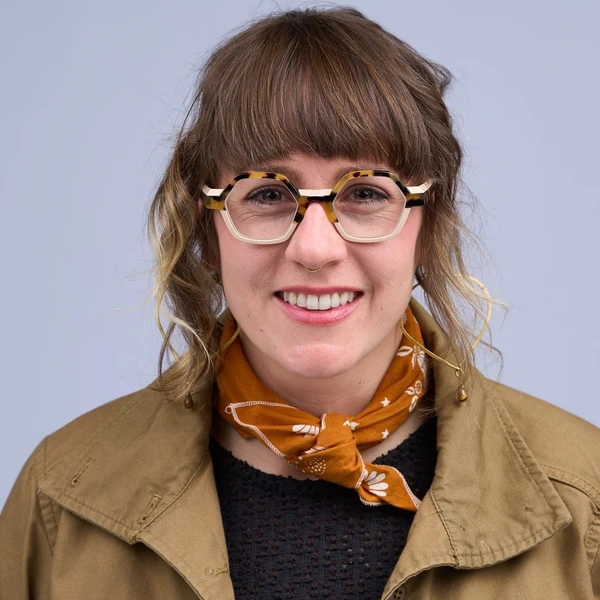
Kelly Rajotte
1x
Finalist
Kelly Rajotte
1x
FinalistBio
I am deeply committed to improving community mental health, particularly for youth affected by today’s growing loneliness epidemic and alarmingly high suicide rates—the third leading cause of death among young people.
My passion for community mental health stems from a strong belief that a healthier, more equitable society begins with supporting those facing systemic barriers. Having entered the workforce at age 15 with a worker’s permit, and with two years of dedicated service through AmeriCorps, I’ve developed a lifelong commitment to social justice and advocacy.
Becoming a Licensed Mental Health Counselor is not just a career goal—it’s my calling. My ability to foster genuine connection and empower others is the driving force behind my mission to create lasting, positive change in the lives of marginalized youth.
Education
Bastyr University
Master's degree programMajors:
- Psychology, General
Western Governors University
Master's degree programMajors:
- Education, General
Robert Morris University Illinois
Bachelor's degree programMajors:
- Film/Video and Photographic Arts
Miscellaneous
Desired degree level:
Doctoral degree program (PhD, MD, JD, etc.)
Graduate schools of interest:
Transfer schools of interest:
Majors of interest:
Career
Dream career field:
Mental Health Care
Dream career goals:
To provide sliding scale therapy to those who need it once I am no longer working in community mental health.
Casa Verde Builder & Gleaning Program Coordinator
AmeriCorps2015 – 20183 yearsParaeducator
Seattle Schools2018 – 20213 yearsElementary Teacher
Seattle Schools2021 – 20254 yearsGraphic Design Contractor
3 Jump Cowboy2013 – 20163 years
Sports
Roller Derby
Varsity2011 – 20198 years
Awards
- 4 championships
Arts
Texas RollerGirls
Graphic Art2014 – 2015
Public services
Volunteering
Crisis Connections — Phone Line Volunteer2022 – 2025Volunteering
AmeriCorps VISTA — Gleaning Program Coordinator at Good Cheer Food Bank2017 – 2018Volunteering
AmeriCorps National & State — Casa Verde Builder2015 – 2017
Future Interests
Advocacy
Volunteering
Philanthropy
Entrepreneurship
Susie Green Scholarship for Women Pursuing Education
The reason I went back to school was pushed through grief, seeing a need, and wanting to persevere for a career I believe will provide me with the feeling of worth I get when I am in service to others. I had just married into what felt like my forever a family, the type of supportive, there for each other family I had only ever seen portrayed in movies. Within four months of being married my mother in law, actually a Susie too, Susie Main, was diagnosed with brain cancer and died just a few months later. This loss sent me into really evaluating how short life is and I just felt like I had to go back to school now if I was going to reach the goal of becoming a mental health counselor.
As a previous teacher prior to entering my graduate program, I think I understood there is so much more going on with students and teaching them didn't allow for enough time to help with all the other factors at play in their lives. Whether this was lack of social skills from the digital world we are all living in, trauma they have experienced resulting in big external behaviors, or the general ongoings in school communities that can either lift a student up or further let them fall through the cracks. At the same time I was teaching, I was volunteering at my local suicide/crisis line as a means of healing from my own family's narrative but mostly to give back to my community because in order for life to feel fulfilling for me I have to be helping others in some way. Some calls, could look like validating the feelings someone is having while dealing with things in their life and coming up with a safety plan to not take their lives. Sometimes this would look like finding resources for shelters for someone unhoused, experiencing domestic violence, or seeking asylum.
The calls that have felt the heaviest have been when a family calls and they are struggling with barriers to get their children the help they need because they are a threat to harming others in the home or themselves. It is so hard for a parent to make the choice to try and get their child into inpatient mental health treatment and sometimes when they deem it necessary for the child's safety, or the safety of their family; systems don't allow them to do so easily. I have talked to many children about what's going on for them and then come up with interventions and strategies to get them through the day or night. My biggest why is the current mental health crisis in our youth and I am passionate about exploring the roots for this whether that be: neglect (because of screens and the amount of work parents have to do to provide for their families these days), addiction to screens, or the general result of the loneliness epidemic. Suicide rates in children is currently the third leading reason for death in 8-25 year olds. This should have everyone in a state of panic when our youngest of society are struggling this badly. Which is why I could no longer settle for just teaching our youth and using bandaids to try and cover all the deep wounds they are dealing with in these unprecedented times. My future career as a therapist and potential future post doctorate student, because why stop persevering here, will be centered around lowering these child suicide rates and researching the root of the problems our youth are facing today.
Dr. DeNinno’s Scholarship for Mental Health Professionals
As a daughter to a mother who suffered from severe depression and other various mental health diagnoses, I am committed to community mental health and serving youth population, ages ranging from 5 to 18. I am passionate about working for community mental health because in order to be a healthier society we need to support those experiencing systemic barriers to reach the same heights as others. I remember the years struggling with wanting to help my mom by keeping the house clean for her when she couldn't get out of bed for days, I remember the constant sadness, and grief I went through the multiple times she attempted to take her life. I can only attribute where I am today with all this weight to the support I have received through community health services being from lower socioeconomic status, resources were hard for me to find having navigated the transition from childhood to adulthood without much support from the adults around me.
I advocate in my community today through my internship with youth mental health programs in schools. As a previous teacher prior to entering my graduate program to become a licensed mental health counselor, I think I just understood there is so much more going on with children because there always was for me at home as a child and teaching them didn't allow for enough time to help with this. I have also volunteered at my local suicide/crisis phone line as a way to support others experiencing suicidal ideation and crisis. Some calls, this can look like validating the feelings someone is having while dealing with things in their life and coming up with a safety plan. Sometimes this looks like finding resources for shelters for someone unhoused, experiencing domestic violence, or seeking asylum.
The calls that have felt the heaviest have been when a family calls and they are struggling with barriers to get their children the help they need because there is a threat of them harming others in the home or themselves. It is hard for a parent to make the choice to try and get their child into inpatient mental health treatment and sometimes when they deem it necessary for the child's safety, or the safety of their family; systems don't allow them to do so. I have talked to many children about what's going on for them and then come up with interventions and strategies to get them through the day or night. There is a mental health crisis in our youth and I am passionate about exploring the roots for this whether that be: neglect (because of screens and the amount of work parents have to do to provide for their families these days), addiction to screens, or the general result of the loneliness epidemic. My future work as a therapist and potential future post doctorate student will be centered around lowering the numbers of suicide rates in children which is currently the third leading reason for death in 8-25 year olds.
Joshua’s Light: Suicide Awareness & Resilience Scholarship by Solace Mind®
As a daughter to a mother who suffered from severe depression and other various mental health diagnoses, I am committed to community mental health and serving youth population, ages ranging from 5 to 18. I am passionate about working for community mental health because in order to be a healthier society we need to support those experiencing systemic barriers to reach the same heights as others. I remember the years struggling with wanting to help my mom by keeping the house clean for her when she couldn't get out of bed for days, I remember the constant sadness, and grief I went through the multiple times she attempted to take her life. I can only attribute where I am today with all this weight to the support I have received through community health services being from lower socioeconomic status, resources were hard for me to find having navigated the transition from childhood to adulthood without much support from the adults around me.
I advocate in my community today through my internship with youth mental health programs in schools. As a previous teacher prior to entering my graduate program to become a licensed mental health counselor, I think I just understood there is so much more going on with children because there always was for me at home as a child and teaching them didn't allow for enough time to help with this. I have also volunteered at my local suicide/crisis phone line as a way to support others experiencing suicidal ideation and crisis. Some calls, this can look like validating the feelings someone is having while dealing with things in their life and coming up with a safety plan. Sometimes this looks like finding resources for shelters for someone unhoused, experiencing domestic violence, or seeking asylum.
The calls that have felt the heaviest have been when a family calls and they are struggling with barriers to get their children the help they need because there is a threat of them harming others in the home or themselves. It is hard for a parent to make the choice to try and get their child into inpatient mental health treatment and sometimes when they deem it necessary for the child's safety, or the safety of their family; systems don't allow them to do so. I have talked to many children about what's going on for them and then come up with interventions and strategies to get them through the day or night. There is a mental health crisis in our youth and I am passionate about exploring the roots for this whether that be: neglect (because of screens and the amount of work parents have to do to provide for their families these days), addiction to screens, or the general result of the loneliness epidemic. My future work as a therapist and potential future post doctorate student will be centered around lowering the numbers of suicide rates in children which is currently the third leading reason for death in 8-25 year olds.
Fishers of Men-tal Health Scholarship
As the daughter of a mother who struggled with severe depression and multiple mental health diagnoses, I learned from an early age that mental illness does not affect individuals in isolation—it ripples outward, touching every corner of a family. The emotional, psychological, and spiritual instability of growing up in this environment shaped who I am, both personally and professionally. These early, painful experiences led to my lifelong commitment to mental health advocacy and my desire to support young people who are navigating similarly complex realities.
From as young as I can remember, I carried responsibilities no child should bear. I learned how to comfort my mother during her depressive episodes, to tidy the house quietly when she couldn’t get out of bed, and to stay emotionally composed during and after her suicide attempts. I often felt invisible in my grief, forced into maturity while lacking the adult guidance I desperately needed. These experiences did not break me, but they did shape me. They taught me empathy, endurance, and a hunger for healing—first for myself, and then for others. I owe much of my own recovery to sliding-scale mental health services—life-saving resources that were hard to find and even harder to sustain in the absence of consistent adult support. This lived experience makes my drive to become a Licensed Mental Health Counselor both deeply personal and deeply purposeful.
My approach to counseling is rooted in the whole-person perspective—a view that resonates profoundly with my values and training. I believe that to truly support individuals in their healing, we must address more than symptoms. We must explore the biological, psychological, social, and spiritual dimensions that make each person whole. At Bastyr University, I’ve had the privilege of being immersed in an integrative model of care that honors this complexity. Bastyr’s curriculum challenges us to examine the ways that trauma, neurobiology, environment, systemic inequity, and spiritual identity all intersect to influence mental well-being. This holistic philosophy and knowledge gained through my Substance Use Disorder course I can attest to the passion you felt in writing about this scholarship. Substance use is not always a choice, but a path that is laid out for many who have mental health problems or trauma that has gone unprocessed.
I am especially passionate about serving youth who, like myself, may be internalizing trauma while outwardly performing resilience. Often, these are children and teens living in homes marked by instability—emotional, financial, or both—where their needs are overshadowed by adult dysfunction or systemic failure. Before entering graduate school, I worked as a classroom teacher and saw firsthand how untreated mental health issues show up in behavior, learning, and relationships. In that role, I supported students’ emotional needs alongside their academic growth. Now, as a volunteer on a local suicide and crisis hotline, I offer direct support to individuals experiencing emotional and psychological crises. My work there includes creating safety plans for callers experiencing suicidal ideation and helping connect people to shelter, domestic violence resources, or mental health services.
The calls that leave the biggest imprint on me are from parents and caregivers who are at the end of their rope—desperately trying to find inpatient care or crisis stabilization for their children but facing endless systemic barriers. These families are often overwhelmed, exhausted, and retraumatized by the very systems meant to support them. I've spoken with children in the midst of crisis, using every ounce of my training and humanity to offer comfort, co-create coping strategies, and sometimes just help them get through the next few hours. These moments remind me why I chose this path: to help children and families not only survive, but heal, grow, and thrive.
A critical aspect of my current focus is the intersection of mental health and substance abuse, and the need for increased psychoeducation in our communities. Substance use often develops as a coping mechanism in environments where emotional pain is constant and healing resources are scarce. I have witnessed the effects of addiction in the lives of loved ones and in the communities I serve—particularly in underserved populations where trauma and poverty go hand in hand. Through my education at Bastyr, I have come to see addiction not as a moral failing, but as a complex biopsychosocial issue often linked to early trauma, neurochemical imbalances, and broken support systems.
My goal as a counselor is not just to treat individuals one-on-one, but to lead preventative efforts through education, community outreach, and advocacy. I believe we need to talk more openly about the root causes of substance use, especially with youth—exploring how screen addiction, disconnection from meaning or purpose, family dynamics, and trauma influence both mental health and the choices young people make. By incorporating psychoeducation into my counseling work, I hope to empower individuals and families to understand themselves more fully, make informed choices, and access appropriate support before crises arise.
The spiritual component of my work is also essential. While often overlooked in Western models of mental health care, spiritual well-being is deeply interwoven with psychological resilience. Whether spirituality is expressed through religious practice, connection with nature, cultural tradition, or simply a search for meaning, I believe that honoring this aspect of a person’s identity is essential for holistic healing. Many individuals I work with express spiritual confusion or wounding, particularly after trauma, and I see part of my role as helping them rebuild that connection in whatever way feels authentic to them.
We are living through a time of unprecedented mental health challenges for youth. From the impacts of social isolation and economic instability to the overstimulation of technology and the weight of generational trauma, today’s children and adolescents are navigating a uniquely demanding psychological landscape. As a future Licensed Mental Health Counselor, I am committed to walking alongside them with compassion, integrity, and a whole-person lens. My goal is not just to alleviate suffering, but to foster resilience, self-awareness, and long-term wellness.
This scholarship would allow me to continue pursuing this calling with the focus and depth it requires. It would be an investment not just in my education, but in the communities I serve—and in the vision I hold for a mental health care system that is inclusive, integrative, and grounded in the belief that healing is possible for everyone. I believe in the power of relationship, in the strength of the human spirit, and in the possibility of building a world where every child and family has access to the support they need to live fully and freely.
Catrina Celestine Aquilino Memorial Scholarship
As the daughter of a mother who struggled with severe depression and multiple mental health diagnoses, I have seen firsthand the profound impact mental illness has on individuals and families. My commitment to community mental health—and specifically to serving youth—is rooted in these early experiences. I understand the weight that mental health issues place on young people, whether they face their own challenges or those within their families.
From a young age, I tried to support my mother in any way I could—cleaning the house when she couldn’t get out of bed for days, and grieving silently through her repeated suicide attempts. These experiences shaped me deeply. I credit my survival and current path to the support I eventually received through sliding-scale mental health services—a resource that was difficult to access, especially as I navigated the transition from childhood to adulthood with minimal adult guidance.
Today, I advocate for mental health in my community by supporting school-based programs and previously working as a teacher before entering graduate school to become a Licensed Mental Health Counselor. I also volunteer on a local suicide and crisis hotline, where I help people in moments of acute distress. Some calls involve creating safety plans with individuals experiencing suicidal ideation; others require finding emergency shelter or resources for those facing domestic violence, homelessness, or seeking asylum.
The calls that resonate with me most are those from families desperate to find mental health support for their children—families caught in the gaps of a broken system. I’ve spoken with parents who fear for their safety or their child’s, and yet cannot access inpatient treatment due to systemic barriers. These families are often emotionally and mentally exhausted, having gone through repeated cycles involving law enforcement and the limited number of psychiatric facilities for youth. I’ve spoken directly with children during these moments and offered interventions, coping strategies, and reassurance—sometimes just to help them make it through the night.
We are facing a youth mental health crisis. I am passionate about understanding its roots, whether they lie in neglect exacerbated by overwork and screen dependence, rising digital addiction, or the generational loneliness that has become an epidemic of its own. My goal as a future mental health counselor is not only to support youth in crisis, but to help build systems that prevent such crises in the first place.
This scholarship would help me continue my education and further my mission to ensure that no child or family is left to face mental health challenges alone.
Learner Mental Health Empowerment for Health Students Scholarship
As a daughter to a mother who suffered from severe depression and other various mental health diagnoses, I am committed to community mental health and serving youth that are feeling the weight from mental health issues in their families or their own. I am passionate about working for community mental health because in order to be a healthier society we need to support those experiencing systemic barriers to reach the same heights as others. I remember the years struggling with wanting to help my my by keeping the house clean for her when she couldn't get out of bed for days, I remember the sadness and grief I went through the multiple times she attempted to take her life, and I can only attribute where I am today with all this weight to the support I have received through sliding scale mental health. A resource that was hard for me to find having navigated the transition from childhood to adulthood without much support from the adults around me.
As for how I advocate in my community today, is by supporting programs in school as a previous teacher prior to entering my graduate program to become a licensed mental health counselor. I have also volunteered at my local suicide/crisis phone line as a way to support others experiencing suicidal ideation and crisis. Some calls, this looks like validating the feelings someone is having while dealing with things in their life and coming up with a safety plan. Sometimes this looks like finding resources for shelters for someone unhoused, experiencing domestic violence, or seeking asylum.
The calls that have felt the most aligned for the way I show up in my community have been when a family calls and they are struggling with barriers to get their children the help they need. It is hard for a parent to make the choice to try and get their child into inpatient mental health treatment and sometimes when they deem it necessary for the child's safety, or the safety of their family; systems don't allow them to do so. I have fielded many calls where a child's behavior has resulted in violently breaking things in the home, threatening, and endangering the lives of others in the home and these families have gone through cycles of dealing with police, the limited hospitals that host inpatient mental health. They are exhausted, emotionally and mentally. I have talked to many children about what's going on for them and then come up with interventions and strategies to get them through the day or night. There is a mental health crisis in our youth and I am passionate about exploring the roots for this whether that be: neglect (because of screens and the amount of work parents have to do to provide for their families these days), addiction (to screens), or the general result of the loneliness epidemic (their parental units have grown up in and now experiencing that in their youth).