
Kellie B
1x
Finalist
Kellie B
1x
FinalistBio
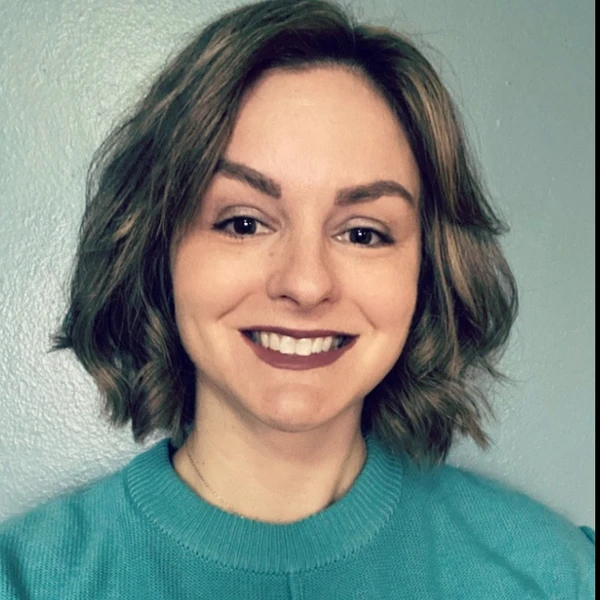
I am a nurse and view the patient first. This concept is embedded into nurse's minds on day one of nursing school and continues into day one of job training. I have worked in rural healthcare my entire nursing career. I have seen gaps in the care continuum throughout my working career. I intend to assist patients in alleviating these gaps with my knowledge base from obtaining my MSN care coordinator degree. Rural patients are known to be considerably poorer and have multiple chronic medical conditions in comparison to those in urban communities. Rural individuals tend to lack essential healthcare coverage. This leaves rural healthcare populations not seeking care and pertinent screening exams.
I aim to assist in filling these gaps, assist with providing resources for specific social determinants of health, and hope to become a point of contact for patients to positively impact their overall health.
Education
Nebraska Methodist College of Nursing & Allied Health
Master's degree programMajors:
- Registered Nursing, Nursing Administration, Nursing Research and Clinical Nursing
Iowa Western Community College
Associate's degree programMajors:
- Registered Nursing, Nursing Administration, Nursing Research and Clinical Nursing
Miscellaneous
Desired degree level:
Master's degree program
Graduate schools of interest:
Transfer schools of interest:
Majors of interest:
- Registered Nursing, Nursing Administration, Nursing Research and Clinical Nursing
Career
Dream career field:
- Hospital & Health Care
Dream career goals:
Nurse Practitioner
RN
Pender Medical Clinic2016 – Present10 yearsICU RN
Columbus Community Hospital2011 – 20143 years
Sports
Volleyball
Varsity2004 – 20084 years
Public services
Volunteering
St. Pauls Lutheran Church — Sunday School Teacher2024 – 2025
Future Interests
Advocacy
Issa Foundation HealthCare Scholarship
My eldest sister is my why. The eldest sibling has been set with the stigma of setting the bar high and being the one that the younger siblings look up to. She has worked in rural healthcare her entire life, and she motivated me to pursue a degree in healthcare. I can say from my heart that she is one of the kindest, giving souls I know. She was diagnosed with cancer at the age of 35. She had completed five surgeries, multiple rounds of chemo, and radiation. One of her major surgeries lasted eight hours, and she was hospitalized for a week. I would follow up daily to get updates on her status. On day two of her hospitalization, her heart rate began to increase as her surgical drain filled with abnormally colored drainage. Working in the ICU at that time, I knew this was an early sign of sepsis. After multiple attempts, the on-call provider finally came in to assess her. Her bedside manner was less welcoming. The following morning, the surgeon made rounds and found she had developed an abscess. She would again require additional surgery. Patients need advocates. The nurse working that day saw the issue, listened to our concerns, and advocated for my sister. I was fortunate to have a background in knowledge and knew there was a problem. However, this is not always the case for other patients.
My father was recently diagnosed with stage three Parkinson's Disease while on his prostate cancer journey. This scenario was unpredictable, humbling, and demanding. While these situations may have not been during my training. They all occurred while I have been back in school and have made me question medicine and myself. I am currently working to obtain my RN MSN Care Coordinator degree. After completion I have a dream to continue one additional year to obtain my nurse practitioner. Rural health need advocates. However, rural health also need physicians. Rural individuals tend to be poorer and have multiple chronic conditions compared to urban individuals. There has been a shift in healthcare most recently with a focus to make rural individuals healthy again. I have a goal to be part of this transition. I have most recently worked as a DHHS grant lead for a chronic medical condition grant and also compiled a resource guide full of resources within my community.
I continue to apply for scholarships as I work a full-time and part-time job to support my family. I am a mother of three. I am proud to say that I have maintained a 4.0 GPA to date. I have researched schools and tuition rates extensively to find the best opportunity for me. Student loans provide students with the opportunity to continue their education, but current interest rates are often overlooked. My daughter was born with a congenital cataract and has now had her third surgery. This has frequently made expenses tight when considering monthly costs. Regardless of whether I am awarded this scholarship, I would like to thank you for providing students with the opportunity to further their education and alleviate some of the financial burden. Often, students graduate with more debt than their annual income can support. Thank you for the opportunity.
Christian Fitness Association General Scholarship
I am a mother of three. I have a full time and part time job. I am a full time college student. Some days seem overwhelming but I continue to make time for my mental and physical health through running and weight training. I have lived in a rural area my entire life. I grew up in what was considered lower class. My family lived paycheck to paycheck. My parents worked hard and instilled into my sisters and I to obtain our education. I was also taught that if I wanted something I would have to work for it. I have a dream to do better not only for my families future but my community. Rural individuals tend to be poorer and have multiple chronic health conditions compared to those in urban areas. I am currently working to obtain my RN MSN as a nurse care coordinator. As a care coordinator I will help coordinate patients health through essential communication between specialists. I will assist patients and families in meeting their health goals. The goal is to provide safe, coordinated care. Nurse coordinators assist with meeting patient resources needs, avoiding ER and inpatient hospitalizations, and educating. Patients need advocates and I will be one.
Imagine going to the ER, chronically ill, and the provider starts you on a medication that you are already taking. However, your current doctor's office doesn't have it on your medication list. Due to the involvement of multiple entities in the patient's medical care, the patient's medication list is not current. With numerous chronic conditions come various specialists. Often, the left and the right are not effectively communicating with each other because each entity uses different electronic health record systems. This is not only a safety concern but also a concern for poor patient care. Rural healthcare is a vital part of the healthcare system. Without rural healthcare, patients residing in these communities would have to travel over an hour for emergent care. This would also strain the urban healthcare system, as some facilities are already at capacity.
My eldest sister is my why. The eldest sibling has been set with the stigma of setting the bar high and being the one that the younger siblings look up to. She has worked in rural healthcare her entire life, and she motivated me to pursue a degree in healthcare. I can say from my heart that she is one of the kindest, giving souls I know. She was diagnosed with cancer at the age of 35. She had completed five surgeries, multiple rounds of chemo, and radiation. One of her major surgeries lasted eight hours, and she was hospitalized for a week. I would follow up daily to get updates on her status. On day two of her hospitalization, her heart rate began to increase as her surgical drain filled with abnormally colored drainage. Working in the ICU at that time, I knew this was an early sign of sepsis. After multiple attempts, the on-call provider finally came in to assess her. Her bedside manner was less welcoming. The following morning, the surgeon made rounds and found she had developed an abscess. She would again require additional surgery. Patients need advocates. The nurse working that day saw the issue, listened to our concerns, and advocated for my sister. I was fortunate to have a background in knowledge and knew there was a problem. However, this is not always the case for other patients. This story is a strong scenario of why patients need advocates.
I am proud to say that I have maintained a 4.0 GPA to date. I have been a grant lead with DHHS chronic disease 2025. I have compiled and made a resource guide full of resources in my area for those in need. I have volunteered as a Sunday school teacher at our local church. I have researched schools and tuition rates extensively to find the best financial means opportunity for myself and my family. Student loans provide students with the opportunity to continue their education, but current interest rates are often overlooked. My daughter was born with a congenital cataract and has now had her third surgery. This has frequently made expenses tight when considering monthly costs. Regardless of whether I am awarded this scholarship, I would like to thank you for providing students with the opportunity to further their education and alleviate some of the financial burden. Often, students graduate with more debt than their annual income can support. Thank you for the opportunity.
Dr. Samuel Attoh Legacy Scholarship
Legacy to me means working hard daily to better where you came from, to make a difference, to move forward. My father was a mechanic and my mother was a stay at home mother growing up. I was taught education would take me the furthest in life.
I have worked in rural healthcare my entire nursing career. I have seen gaps in the care continuum throughout my working career. I intend to assist patients in addressing these gaps with my knowledge base, gained through my MSN degree in care coordination. My goal is to earn my family nurse practitioner degree, enabling me to continue serving my rural community. Rural patients are known to be considerably poorer and have multiple chronic medical conditions in comparison to those in urban communities. Rural individuals often lack access to essential healthcare coverage. This leaves rural healthcare populations without access to care and pertinent screening exams. I aim to help fill these gaps and hope to become a point of contact for patients.
My eldest sister is my why. The eldest sibling has been set with the stigma of setting the bar high and being the one that the younger siblings look up to. She has worked in rural healthcare her entire life, and she motivated me to pursue a degree in healthcare. I can say from my heart that she is one of the kindest, giving souls I know. She was diagnosed with cancer at the age of 35. She had completed five surgeries, multiple rounds of chemo, and radiation. One of her major surgeries lasted eight hours, and she was hospitalized for a week. I would follow up daily to get updates on her status. On day two of her hospitalization, her heart rate began to increase as her surgical drain filled with abnormally colored drainage. Working in the ICU at that time, I knew this was an early sign of sepsis. After multiple attempts, the on-call provider finally came in to assess her. Her bedside manner was less welcoming. The following morning, the surgeon made rounds and found she had developed an abscess. She would again require additional surgery. Patients need advocates. The nurse working that day saw the issue, listened to our concerns, and advocated for my sister. I was fortunate to have a background in knowledge and knew there was a problem. However, this is not always the case for other patients.
I continue to apply for scholarships as I work a full-time and part-time job to support my family. I am a mother of three. I am proud to say that I have maintained a 4.0 GPA to date. I have researched schools and tuition rates extensively to find the best opportunity for me. Student loans provide students with the opportunity to continue their education, but current interest rates are often overlooked. My daughter was born with a congenital cataract and has now had her third surgery. This has frequently made expenses tight when considering monthly costs. Regardless of whether I am awarded this scholarship, I would like to thank you for providing students with the opportunity to further their education and alleviate some of the financial burden. Often, students graduate with more debt than their annual income can support. Thank you for the opportunity.
Women in Healthcare Scholarship
I have worked in rural healthcare my entire nursing career. I have seen gaps in the care continuum throughout my working career. I intend to assist patients in addressing these gaps with my knowledge base, gained through my MSN degree in care coordination. My goal is to earn my family nurse practitioner degree, enabling me to continue serving my rural community. Rural patients are known to be considerably poorer and have multiple chronic medical conditions in comparison to those in urban communities. Rural individuals often lack access to essential healthcare coverage. This leaves rural healthcare populations without access to care and pertinent screening exams. I aim to help fill these gaps and hope to become a point of contact for patients.
My eldest sister is my why. The eldest sibling has been set with the stigma of setting the bar high and being the one that the younger siblings look up to. She has worked in rural healthcare her entire life, and she motivated me to pursue a degree in healthcare. I can say from my heart that she is one of the kindest, giving souls I know. She was diagnosed with cancer at the age of 35. She had completed five surgeries, multiple rounds of chemo, and radiation. One of her major surgeries lasted eight hours, and she was hospitalized for a week. I would follow up daily to get updates on her status. On day two of her hospitalization, her heart rate began to increase as her surgical drain filled with abnormally colored drainage. Working in the ICU at that time, I knew this was an early sign of sepsis. After multiple attempts, the on-call provider finally came in to assess her. Her bedside manner was less welcoming. The following morning, the surgeon made rounds and found she had developed an abscess. She would again require additional surgery. Patients need advocates. The nurse working that day saw the issue, listened to our concerns, and advocated for my sister. I was fortunate to have a background in knowledge and knew there was a problem. However, this is not always the case for other patients.
I continue to apply for scholarships as I work a full-time and part-time job to support my family. I am a mother of three. I am proud to say that I have maintained a 4.0 GPA to date. I have researched schools and tuition rates extensively to find the best opportunity for me. Student loans provide students with the opportunity to continue their education, but current interest rates are often overlooked. My daughter was born with a congenital cataract and has now had her third surgery. This has frequently made expenses tight when considering monthly costs. Regardless of whether I am awarded this scholarship, I would like to thank you for providing students with the opportunity to further their education and alleviate some of the financial burden. Often, students graduate with more debt than their annual income can support. Thank you for the opportunity.
Melendez for Nurses Scholarship
I have worked in rural healthcare my entire nursing career. I have seen gaps in the care continuum throughout my working career. I intend to assist patients in addressing these gaps with my knowledge base, gained through my MSN degree in care coordination. My goal is to earn my family nurse practitioner degree, enabling me to continue serving my rural community. Rural patients are known to be considerably poorer and have multiple chronic medical conditions in comparison to those in urban communities. Rural individuals often lack access to essential healthcare coverage. This leaves rural healthcare populations without access to care and pertinent screening exams. I aim to help fill these gaps and hope to become a point of contact for patients.
My eldest sister is my why. The eldest sibling has been set with the stigma of setting the bar high and being the one that the younger siblings look up to. She has worked in rural healthcare her entire life, and she motivated me to pursue a degree in healthcare. I can say from my heart that she is one of the kindest, giving souls I know. She was diagnosed with cancer at the age of 35. She had completed five surgeries, multiple rounds of chemo, and radiation. One of her major surgeries lasted eight hours, and she was hospitalized for a week. I would follow up daily to get updates on her status. On day two of her hospitalization, her heart rate began to increase as her surgical drain filled with abnormally colored drainage. Working in the ICU at that time, I knew this was an early sign of sepsis. After multiple attempts, the on-call provider finally came in to assess her. Her bedside manner was less welcoming. The following morning, the surgeon made rounds and found she had developed an abscess. She would again require additional surgery. Patients need advocates. The nurse working that day saw the issue, listened to our concerns, and advocated for my sister. I was fortunate to have a background in knowledge and knew there was a problem. However, this is not always the case for other patients.
I continue to apply for scholarships as I work a full-time and part-time job to support my family. I am a mother of three. I am proud to say that I have maintained a 4.0 GPA to date. I have researched schools and tuition rates extensively to find the best opportunity for me. Student loans provide students with the opportunity to continue their education, but current interest rates are often overlooked. My daughter was born with a congenital cataract and has now had her third surgery. This has frequently made expenses tight when considering monthly costs. Regardless of whether I am awarded this scholarship, I would like to thank you for providing students with the opportunity to further their education and alleviate some of the financial burden. Often, students graduate with more debt than their annual income can support. Thank you for the opportunity.
Skin, Bones, Hearts & Private Parts Scholarship for Nurse Practitioners, Physician Assistants, and Registered Nurse Students
I have worked in rural healthcare my entire nursing career. I have seen gaps in the care continuum throughout my working career. I intend to assist patients in addressing these gaps with my knowledge base, gained through my MSN degree in care coordination. My goal is to earn my family nurse practitioner degree, enabling me to continue serving my rural community. Rural patients are known to be considerably poorer and have multiple chronic medical conditions in comparison to those in urban communities. Rural individuals often lack access to essential healthcare coverage. This leaves rural healthcare populations without access to care and pertinent screening exams. I aim to help fill these gaps and hope to become a point of contact for patients.
My eldest sister is my why. The eldest sibling has been set with the stigma of setting the bar high and being the one that the younger siblings look up to. She has worked in rural healthcare her entire life, and she motivated me to pursue a degree in healthcare. I can say from my heart that she is one of the kindest, giving souls I know. She was diagnosed with cancer at the age of 35. She had completed five surgeries, multiple rounds of chemo, and radiation. One of her major surgeries lasted eight hours, and she was hospitalized for a week. I would follow up daily to get updates on her status. On day two of her hospitalization, her heart rate began to increase as her surgical drain filled with abnormally colored drainage. Working in the ICU at that time, I knew this was an early sign of sepsis. After multiple attempts, the on-call provider finally came in to assess her. Her bedside manner was less welcoming. The following morning, the surgeon made rounds and found she had developed an abscess. She would again require additional surgery. Patients need advocates. The nurse working that day saw the issue, listened to our concerns, and advocated for my sister. I was fortunate to have a background in knowledge and knew there was a problem. However, this is not always the case for other patients.
I continue to apply for scholarships as I work a full-time and part-time job to support my family. I am a mother of three. I am proud to say that I have maintained a 4.0 GPA to date. I have researched schools and tuition rates extensively to find the best opportunity for me. Student loans provide students with the opportunity to continue their education, but current interest rates are often overlooked. My daughter was born with a congenital cataract and has now had her third surgery. This has frequently made expenses tight when considering monthly costs. Regardless of whether I am awarded this scholarship, I would like to thank you for providing students with the opportunity to further their education and alleviate some of the financial burden. Often, students graduate with more debt than their annual income can support. Thank you for the opportunity.
Annie Pringle Memorial Scholarship
I have worked in rural healthcare my entire nursing career. I have seen gaps in the care continuum throughout my working career. I intend to assist patients in addressing these gaps with my knowledge base, gained through my MSN degree in care coordination. My goal is to earn my family nurse practitioner degree, enabling me to continue serving my rural community. Rural patients are known to be considerably poorer and have multiple chronic medical conditions in comparison to those in urban communities. Rural individuals often lack access to essential healthcare coverage. This leaves rural healthcare populations without access to care and pertinent screening exams. I aim to help fill these gaps and hope to become a point of contact for patients.
I have watched loved ones close to me fight breast cancer. Two of my classmates are continuing to fight. They all seem to have found there own breast cancer through self breast exams. Assisting in care coordination will allow me to continue to educate on the importance of self exams and early detection screening to allow for optimal health outcomes. Rural individuals tend to be uninsured in comparison to urban individuals. In this aspect there is a lack of education on resources available to can assist with screenings for there uninsured individuals.
My eldest sister is my why. The eldest sibling has been set with the stigma of setting the bar high and being the one that the younger siblings look up to. She has worked in rural healthcare her entire life, and she motivated me to pursue a degree in healthcare. I can say from my heart that she is one of the kindest, giving souls I know. She was diagnosed with cancer at the age of 35. She had completed five surgeries, multiple rounds of chemo, and radiation. One of her major surgeries lasted eight hours, and she was hospitalized for a week. I would follow up daily to get updates on her status. On day two of her hospitalization, her heart rate began to increase as her surgical drain filled with abnormally colored drainage. Working in the ICU at that time, I knew this was an early sign of sepsis. After multiple attempts, the on-call provider finally came in to assess her. Her bedside manner was less welcoming. The following morning, the surgeon made rounds and found she had developed an abscess. She would again require additional surgery. Patients need advocates. The nurse working that day saw the issue, listened to our concerns, and advocated for my sister. I was fortunate to have a background in knowledge and knew there was a problem. However, this is not always the case for other patients.
I continue to apply for scholarships as I work a full-time and part-time job to support my family. I am a mother of three. I am proud to say that I have maintained a 4.0 GPA to date. I have researched schools and tuition rates extensively to find the best opportunity for me. Student loans provide students with the opportunity to continue their education, but current interest rates are often overlooked. My daughter was born with a congenital cataract and has now had her third surgery. This has frequently made expenses tight when considering monthly costs. Regardless of whether I am awarded this scholarship, I would like to thank you for providing students with the opportunity to further their education and alleviate some of the financial burden. Often, students graduate with more debt than their annual income can support. Thank you for the opportunity.
Priscilla Shireen Luke Scholarship
I have worked in rural healthcare my entire nursing career. I have seen gaps in the care continuum throughout my working career. I intend to assist patients in addressing these gaps with my knowledge base, gained through my MSN degree in care coordination. My goal is to earn my family nurse practitioner degree, enabling me to continue give back and serve my rural community. Rural patients are known to be considerably poorer and have multiple chronic medical conditions in comparison to those in urban communities. Rural individuals often lack access to essential healthcare coverage. This leaves rural healthcare populations without access to care and pertinent screening exams. I aim to help fill these gaps and hope to become a point of contact for patients.
My eldest sister is my why. The eldest sibling has been set with the stigma of setting the bar high and being the one that the younger siblings look up to. She has worked in rural healthcare her entire life, and she motivated me to pursue a degree in healthcare. I can say from my heart that she is one of the kindest, giving souls I know. She was diagnosed with cancer at the age of 35. She had completed five surgeries, multiple rounds of chemo, and radiation. One of her major surgeries lasted eight hours, and she was hospitalized for a week. I would follow up daily to get updates on her status. On day two of her hospitalization, her heart rate began to increase as her surgical drain filled with abnormally colored drainage. Working in the ICU at that time, I knew this was an early sign of sepsis. After multiple attempts, the on-call provider finally came in to assess her. Her bedside manner was less welcoming. The following morning, the surgeon made rounds and found she had developed an abscess. She would again require additional surgery. Patients need advocates. The nurse working that day saw the issue, listened to our concerns, and advocated for my sister. I was fortunate to have a background in knowledge and knew there was a problem. However, this is not always the case for other patients.
I continue to apply for scholarships as I work a full-time and part-time job to support my family. I am a mother of three. I am proud to say that I have maintained a 4.0 GPA to date. I have researched schools and tuition rates extensively to find the best opportunity for me. Student loans provide students with the opportunity to continue their education, but current interest rates are often overlooked. My daughter was born with a congenital cataract and has now had her third surgery. This has frequently made expenses tight when considering monthly costs. Regardless of whether I am awarded this scholarship, I would like to thank you for providing students with the opportunity to further their education and alleviate some of the financial burden. Often, students graduate with more debt than their annual income can support. Thank you for the opportunity.
Jean Gwyn Memorial Student Loan Repayment Scholarship for Oncology Nurses
I have worked in rural healthcare my entire nursing career. I have seen gaps in the care continuum throughout my working career. I intend to assist patients in addressing these gaps with my knowledge base, gained through my MSN degree in care coordination. My goal is to earn my family nurse practitioner degree, enabling me to continue serving my rural community. Rural patients are known to be considerably poorer and have multiple chronic medical conditions in comparison to those in urban communities. Rural individuals often lack access to essential healthcare coverage. This leaves rural healthcare populations without access to care and pertinent screening exams. I aim to help fill these gaps and hope to become a point of contact for patients.
My eldest sister is my why. The eldest sibling has been set with the stigma of setting the bar high and being the one that the younger siblings look up to. She has worked in rural healthcare her entire life, and she motivated me to pursue a degree in healthcare. I can say from my heart that she is one of the kindest, giving souls I know. She was diagnosed with cancer at the age of 35. She had completed five surgeries, multiple rounds of chemo, and radiation. One of her major surgeries lasted eight hours, and she was hospitalized for a week. I would follow up daily to get updates on her status. On day two of her hospitalization, her heart rate began to increase as her surgical drain filled with abnormally colored drainage. Working in the ICU at that time, I knew this was an early sign of sepsis. After multiple attempts, the on-call provider finally came in to assess her. Her bedside manner was less welcoming. The following morning, the surgeon made rounds and found she had developed an abscess. She would again require additional surgery. Patients need advocates. The nurse working that day saw the issue, listened to our concerns, and advocated for my sister. I was fortunate to have a background in knowledge and knew there was a problem. However, this is not always the case for other patients.
I continue to apply for scholarships as I work a full-time and part-time job to support my family. I am a mother of three. I am proud to say that I have maintained a 4.0 GPA to date. I have researched schools and tuition rates extensively to find the best opportunity for me. Student loans provide students with the opportunity to continue their education, but current interest rates are often overlooked. My daughter was born with a congenital cataract and has now had her third surgery. This has frequently made expenses tight when considering monthly costs. Regardless of whether I am awarded this scholarship, I would like to thank you for providing students with the opportunity to further their education and alleviate some of the financial burden. Often, students graduate with more debt than their annual income can support. Thank you for the opportunity.
Natalie Joy Poremski Scholarship
I was raised a strong Lutheran and pro life. My mother is a parochial Lutheran school teacher. Faith has kept me in rural healthcare as I see a drastic need. I have worked in rural healthcare my entire nursing career. I have seen gaps in the care continuum throughout my working career. I intend to assist patients in addressing these gaps with my knowledge base, gained through my MSN degree in care coordination. My goal is to earn my family nurse practitioner degree, enabling me to continue serving my rural community. Rural patients are known to be considerably poorer and have multiple chronic medical conditions in comparison to those in urban communities. Rural individuals often lack access to essential healthcare coverage. This leaves rural healthcare populations without access to care and pertinent screening exams. I aim to help fill these gaps and hope to become a point of contact for patients.
Imagine going to the ER, chronically ill, and the provider starts you on a medication that you are already taking. However, your current doctor's office doesn't have it on your medication list. Due to the involvement of multiple entities in the patient's medical care, the patient's medication list is not current. With numerous chronic conditions come various specialists. Often, the left and the right are not effectively communicating with each other because each entity uses different electronic health record systems. This is not only a safety concern but also a concern for poor patient care. Rural healthcare is a vital part of the healthcare system. Without rural healthcare, patients residing in these communities would have to travel over an hour for emergent care. This would also strain the urban healthcare system, as some facilities are already at capacity.
I continue to apply for scholarships as I work a full-time and part-time job to support my family. I am a mother of three. I am proud to say that I have maintained a 4.0 GPA to date. I have researched schools and tuition rates extensively to find the best opportunity for me. Student loans provide students with the opportunity to continue their education, but current interest rates are often overlooked. My daughter was born with a congenital cataract and has now had her third surgery. This has frequently made expenses tight when considering monthly costs. Regardless of whether I am awarded this scholarship, I would like to thank you for providing students with the opportunity to further their education and alleviate some of the financial burden. Often, students graduate with more debt than their annual income can support. Thank you for the opportunity.
Susie Green Scholarship for Women Pursuing Education
I have worked in rural healthcare my entire nursing career. I have seen gaps in the care continuum throughout my working career. I intend to assist patients in addressing these gaps with my knowledge base, gained through my MSN degree in care coordination. My goal is to earn my family nurse practitioner degree, enabling me to continue serving my rural community. Rural patients are known to be considerably poorer and have multiple chronic medical conditions in comparison to those in urban communities. Rural individuals often lack access to essential healthcare coverage. This leaves rural healthcare populations without access to care and pertinent screening exams. I aim to help fill these gaps and hope to become a point of contact for patients.
My eldest sister is my why. The eldest sibling has been set with the stigma of setting the bar high and being the one that the younger siblings look up to. She has worked in rural healthcare her entire life, and she motivated me to pursue a degree in healthcare. I can say from my heart that she is one of the kindest, giving souls I know. She was diagnosed with cancer at the age of 35. She had completed five surgeries, multiple rounds of chemo, and radiation. One of her major surgeries lasted eight hours, and she was hospitalized for a week. I would follow up daily to get updates on her status. On day two of her hospitalization, her heart rate began to increase as her surgical drain filled with abnormally colored drainage. Working in the ICU at that time, I knew this was an early sign of sepsis. After multiple attempts, the on-call provider finally came in to assess her. Her bedside manner was less welcoming. The following morning, the surgeon made rounds and found she had developed an abscess. She would again require additional surgery. Patients need advocates. The nurse working that day saw the issue, listened to our concerns, and advocated for my sister. I was fortunate to have a background in knowledge and knew there was a problem. However, this is not always the case for other patients.
I continue to apply for scholarships as I work a full-time and part-time job to support my family. I am a mother of three. I am proud to say that I have maintained a 4.0 GPA to date. I have researched schools and tuition rates extensively to find the best opportunity for me. Student loans provide students with the opportunity to continue their education, but current interest rates are often overlooked. My daughter was born with a congenital cataract and has now had her third surgery. This has frequently made expenses tight when considering monthly costs. Regardless of whether I am awarded this scholarship, I would like to thank you for providing students with the opportunity to further their education and alleviate some of the financial burden. Often, students graduate with more debt than their annual income can support. Thank you for the opportunity.
Community Health Ambassador Scholarship for Nursing Students
I have worked in rural healthcare my entire nursing career. I have seen gaps in the care continuum throughout my working career. I intend to assist patients in addressing these gaps with my knowledge base, gained through my MSN degree in care coordination. My goal is to earn my family nurse practitioner degree, enabling me to continue serving my rural community. Rural patients are known to be considerably poorer and have multiple chronic medical conditions in comparison to those in urban communities. Rural individuals often lack access to essential healthcare coverage. This leaves rural healthcare populations without access to care and pertinent screening exams. I aim to help fill these gaps and hope to become a point of contact for patients.
My eldest sister is my why. The eldest sibling has been set with the stigma of setting the bar high and being the one that the younger siblings look up to. She has worked in rural healthcare her entire life, and she motivated me to pursue a degree in healthcare. I can say from my heart that she is one of the kindest, giving souls I know. She was diagnosed with cancer at the age of 35. She had completed five surgeries, multiple rounds of chemo, and radiation. One of her major surgeries lasted eight hours, and she was hospitalized for a week. I would follow up daily to get updates on her status. On day two of her hospitalization, her heart rate began to increase as her surgical drain filled with abnormally colored drainage. Working in the ICU at that time, I knew this was an early sign of sepsis. After multiple attempts, the on-call provider finally came in to assess her. Her bedside manner was less welcoming. The following morning, the surgeon made rounds and found she had developed an abscess. She would again require additional surgery. Patients need advocates. The nurse working that day saw the issue, listened to our concerns, and advocated for my sister. I was fortunate to have a background in knowledge and knew there was a problem. However, this is not always the case for other patients.
I continue to apply for scholarships as I work a full-time and part-time job to support my family. I am a mother of three. I am proud to say that I have maintained a 4.0 GPA to date. I have researched schools and tuition rates extensively to find the best opportunity for me. Student loans provide students with the opportunity to continue their education, but current interest rates are often overlooked. My daughter was born with a congenital cataract and has now had her third surgery. This has frequently made expenses tight when considering monthly costs. Regardless of whether I am awarded this scholarship, I would like to thank you for providing students with the opportunity to further their education and alleviate some of the financial burden. Often, students graduate with more debt than their annual income can support. Thank you for the opportunity.
Saswati Gupta Cancer Research Scholarship
I am a nurse and believe in moving the needle in healthcare. I have worked in rural healthcare my entire nursing career. I believe that through data analysis healthcare can be greatly improved. For example, having trackers available to navigate patient profiles for due dates on pertinent screening exams. Further, health literacy is another subject to push. While patients may be literate, they are not always health literate. It is imperative for them to understand the importance of screenings to further improve health equity.
My sister was diagnosed with stage four squamous cell carcinoma of the tongue at the age of thirty five. She is a clinical pharmacist and understood her prognosis. She underwent a tongue reconstruction, neck dissection, tracheostomy, and more. During her hospital stay her surgical drains began to fill with an abnormal drainage and she became tachycardic. I was an ICU nurse at that time and knew this was a sign of sepsis. We pushed to have the provider come in to assess her. While the providers bedside manner was less then impressive she ordered additional testing. The next morning the surgeon rounded and found she was developing at abscess. Patients need advocates.
Health equity and advocacy go hand in hand. Healthcare staff need to educate and advocate to eliminate health disparities. Health disparities contribute to poor health outcomes. I am furthering my education to obtain my masters in care coordination so that I can adequately assist in meeting patient overall needs. I want to thank you for providing students with the opportunity to further there education through your financial support.
MJ Strength in Care Scholarship
Rural individuals are known to be poorer in comparison to urban individuals. In my years as a nurse, health literacy and affordability seem to be pertinent barriers. While we know what it takes to get to optimal health, patients reap the repercussions of health equity. I have been a nurse for fourteen years and have decided to further my education to obtain my masters in care coordination. Health disparities contribute to health outcomes and I aim to be a reference to help mitigate them. So far I have compiled a community resource guide of resources in my area community for patients. I have also advocated to screen all patients for health disparities and conduct food drives to help supply our local food pantries.
Patients need advocates. They need someone to speak up in their behalf. My sister was diagnosed with stage 4 squamous cell carcinoma of the tongue at the age of 35. She is a clinical pharmacist and knew her prognosis. She underwent a ten hour tongue removal, reconstruction, tracheostomy, and neck dissection. During her stay her surgical drain began filling with abnormal colored drainage and her heart rate began to spike. Being an ICU nurse at that time I knew this was a sign of sepsis. Being persistent we requested the provider come in to assess her. The on call providers bedside manner was less than welcoming but she ordered additional testing. The next morning the surgeon ordered additional scans and discovered she developed an abscess and would again require an additional surgery. Her journey did not end there but this alone shows how advocating alone can make an impact and how social determinants of health impact overall health with chronic medical conditions.
In my spare time I love spending time with my husband a three kids. My husband farms and we use every inch the crop blesses us with. We are busy on our family farm where we have cattle, chickens, cats, and a dog. My children are my reason for furthering my education. I want them to know they can make an impact. My daughter was born with a congenital cataract and has had three surgeries. My oldest son has a retinal deformity and also follows with my daughter’s eye surgeon which can get costly with follow-up. I want to thank you for providing people with the opportunity of this scholarship to assist in their educational financial needs.
A Man Helping Women Helping Women Scholarship
I have worked in rural healthcare my entire nursing career. I have seen gaps in the care continuum throughout my working career. I intend to assist patients in alleviating these gaps with my knowledge base, gained from obtaining my MSN degree in care coordination. My ultimate goal is to earn my family nurse practitioner degree, enabling me to continue serving my rural community. Rural patients are known to be considerably poorer and have multiple chronic medical conditions in comparison to those in urban communities. Rural individuals often lack access to essential healthcare coverage. This leaves rural healthcare populations without access to care and pertinent screening exams. I aim to help fill these gaps and hope to become a point of contact for patients.
Imagine going to the ER, chronically ill, and the provider starts you on a medication that you are already taking. However, your current doctor's office doesn't have it on your medication list. Due to the involvement of multiple entities in the patient's medical care, the patient's medication list is not current. With numerous chronic conditions come multiple specialists. Often, the left and the right are not effectively communicating with each other, as each entity utilizes different electronic health record systems. This is not only a safety concern but also a concern for poor patient care. Rural healthcare is a pertinent piece of the healthcare world. Without rural healthcare, patients residing in these communities would have to travel over an hour for emergent care. This would also put a strain on the urban healthcare system, as some facilities are already at maximum capacity.
My eldest sister is my why. She has worked in rural healthcare her entire life, and she motivated me to pursue a degree in healthcare. She was diagnosed with cancer at the age of 35. She had completed five surgeries, multiple rounds of chemo, and radiation. One of her major surgeries lasted eight hours, and she was hospitalized for a week. I would follow up daily to get updates on her status. On day two of her hospitalization, her heart rate began to increase as her surgical drain filled with abnormally colored drainage. Working in the ICU at that time, I knew this was an early sign of sepsis. After multiple attempts, the on-call provider finally came in to assess her. The following morning, the surgeon made rounds and found she had developed an abscess. She would again require additional surgery.
Patients need advocates. The nurse working that day saw the issue, listened to our concerns, and advocated for my sister. I was fortunate to have a knowledge background and knew there was a problem. However, this is not always the case for other patients.
I have taken advantage of the opportunities that scholarships offer. I continue to apply for scholarships as I work a full-time and part-time job to support my family. I am a mother of three. I am proud to say that I have maintained a 4.0 GPA to date. I have researched schools and tuition rates extensively to find the best opportunity for me. Student loans provide students with the opportunity to continue their education, but current interest rates are often something students overlook. My daughter was born with a congenital cataract and has now had her third surgery. Regardless of whether I am awarded this scholarship, I would like to thank you for providing students with the opportunity to further their education and alleviate some of the financial burden. Often, students graduate with more debt than their annual income can support. Thank you for the opportunity.
Community Health Ambassador Scholarship for Nursing Students
I have worked in rural healthcare in my entire nursing career. I have seen gaps in the care continuum throughout my working career. I intend to assist patients in alleviating these gaps with my knowledge base, gained from obtaining my MSN degree in care coordination. Rural patients are known to be considerably poorer and have multiple chronic medical conditions in comparison to those in urban communities. Rural individuals often lack access to essential healthcare coverage. This leaves rural healthcare populations without access to care and pertinent screening exams. I aim to help fill these gaps and hope to become a point of contact for patients.
Imagine going to the ER, chronically ill, and the provider starts you on a medication that you are already taking. However, your current doctor's office doesn't have it on your medication list. Due to the involvement of multiple entities in the patient's medical care, the patient's medication list is not up to date. With numerous chronic conditions come multiple specialists. Often, the left and the right are not effectively communicating with each other, as each entity utilizes different electronic health record systems. This is not only a safety concern but also a concern for poor patient care. Rural healthcare is a pertinent piece of the healthcare world. Without rural healthcare, patients residing in these communities would have to travel over an hour for emergent care. This would also put a strain on the urban healthcare system, as some facilities are already at maximum capacity.
My eldest sister is my why. The eldest sibling has been set with the stigma of setting the bar high and being the one that the younger siblings look up to. She has worked in rural healthcare her entire life, and she motivated me to pursue a degree in healthcare. She was diagnosed with cancer at the age of 35. She had completed five surgeries, multiple rounds of chemo, and radiation. One of her major surgeries lasted eight hours, and she was hospitalized for a week. I would follow up daily to get updates on her status. On day two of her hospitalization, her heart rate began to increase as her surgical drain filled with abnormally colored drainage. Working in the ICU at that time, I knew this was an early sign of sepsis. After multiple attempts, the on-call provider finally came in to assess her. Her bedside manner was less welcoming. The following morning, the surgeon made rounds and found she had developed an abscess. She would again require additional surgery.
Patients need advocates. The nurse working that day saw the issue, listened to our concerns, and advocated for my sister. I was fortunate to have a knowledge background and knew there was a problem. However, this is not always the case for other patients.
My goal is to obtain my MSN degree in care coordination. I plan to utilize this degree to enhance patient care. The field of healthcare is continuously evolving. I have chosen healthcare because I believe I can make a difference in an individual's overall well-being. Nurses experience a sense of empowerment knowing they have made a difference in someone's life. I want to help alleviate healthcare inequities for individuals who feel they have no options. I know what it is like to live with financial constraints. Social determinants of health continue to affect patients' lives. Whether it is healthcare, food, or another determinant, I hope to be able to assist in filling these voids.
Eric Maurice Brandon Memorial Scholarship
I have worked in rural healthcare in my entire nursing career. I have seen gaps in the care continuum throughout my working career. I intend to assist patients in alleviating these gaps with my knowledge base, gained from obtaining my MSN degree in care coordination. Rural patients are known to be considerably poorer and have multiple chronic medical conditions in comparison to those in urban communities. Rural individuals often lack access to essential healthcare coverage. This leaves rural healthcare populations without access to care and pertinent screening exams. I aim to help fill these gaps and hope to become a point of contact for patients.
Imagine going to the ER, chronically ill, and the provider starts you on a medication that you are already taking. However, your current doctor's office doesn't have it on your medication list. Due to the involvement of multiple entities in the patient's medical care, the patient's medication list is not up to date. With numerous chronic conditions come multiple specialists. Often, the left and the right are not effectively communicating with each other, as each entity utilizes different electronic health record systems. This is not only a safety concern but also a concern for poor patient care. Rural healthcare is a pertinent piece of the healthcare world. Without rural healthcare, patients residing in these communities would have to travel over an hour for emergent care. This would also put a strain on the urban healthcare system, as some facilities are already at maximum capacity.
My eldest sister is my why. The eldest sibling has been set with the stigma of setting the bar high and being the one that the younger siblings look up to. She has worked in rural healthcare her entire life, and she motivated me to pursue a degree in healthcare. She was diagnosed with cancer at the age of 35. She had completed five surgeries, multiple rounds of chemo, and radiation. One of her major surgeries lasted eight hours, and she was hospitalized for a week. I would follow up daily to get updates on her status. On day two of her hospitalization, her heart rate began to increase as her surgical drain filled with abnormally colored drainage. Working in the ICU at that time, I knew this was an early sign of sepsis. After multiple attempts, the on-call provider finally came in to assess her. Her bedside manner was less welcoming. The following morning, the surgeon made rounds and found she had developed an abscess. She would again require additional surgery.
Patients need advocates. The nurse working that day saw the issue, listened to our concerns, and advocated for my sister. I was fortunate to have a knowledge background and knew there was a problem. However, this is not always the case for other patients.
My goal is to obtain my MSN degree in care coordination. I plan to utilize this degree to enhance patient care. The field of healthcare is continuously evolving. I have chosen healthcare because I believe I can make a difference in an individual's overall well-being. Nurses experience a sense of empowerment knowing they have made a difference in someone's life. I want to help alleviate healthcare inequities for individuals who feel they have no options. I know what it is like to live with financial constraints. Social determinants of health continue to affect patients' lives. Whether it is healthcare, food, or another determinant, I hope to be able to assist in filling these voids.
Kelly O. Memorial Nursing Scholarship
I have worked in rural healthcare in my entire nursing career. I have seen gaps in the care continuum throughout my working career. I intend to assist patients in alleviating these gaps with my knowledge base, gained from obtaining my MSN degree in care coordination. Rural patients are known to be considerably poorer and have multiple chronic medical conditions in comparison to those in urban communities. Rural individuals often lack access to essential healthcare coverage. This leaves rural healthcare populations without access to care and pertinent screening exams. I aim to help fill these gaps and hope to become a point of contact for patients.
Imagine going to the ER, chronically ill, and the provider starts you on a medication that you are already taking. However, your current doctor's office doesn't have it on your medication list. Due to the involvement of multiple entities in the patient's medical care, the patient's medication list is not up to date. With numerous chronic conditions come multiple specialists. Often, the left and the right are not effectively communicating with each other, as each entity utilizes different electronic health record systems. This is not only a safety concern but also a concern for poor patient care. Rural healthcare is a pertinent piece of the healthcare world. Without rural healthcare, patients residing in these communities would have to travel over an hour for emergent care. This would also put a strain on the urban healthcare system, as some facilities are already at maximum capacity.
My eldest sister is my why. The eldest sibling has been set with the stigma of setting the bar high and being the one that the younger siblings look up to. She has worked in rural healthcare her entire life, and she motivated me to pursue a degree in healthcare. She was diagnosed with cancer at the age of 35. She had completed five surgeries, multiple rounds of chemo, and radiation. One of her major surgeries lasted eight hours, and she was hospitalized for a week. I would follow up daily to get updates on her status. On day two of her hospitalization, her heart rate began to increase as her surgical drain filled with abnormally colored drainage. Working in the ICU at that time, I knew this was an early sign of sepsis. After multiple attempts, the on-call provider finally came in to assess her. Her bedside manner was less welcoming. The following morning, the surgeon made rounds and found she had developed an abscess. She would again require additional surgery.
Patients need advocates. The nurse working that day saw the issue, listened to our concerns, and advocated for my sister. I was fortunate to have a knowledge background and knew there was a problem. However, this is not always the case for other patients.
My goal is to obtain my MSN degree in care coordination. I plan to utilize this degree to enhance patient care. The field of healthcare is continuously evolving. I have chosen healthcare because I believe I can make a difference in an individual's overall well-being. Nurses experience a sense of empowerment knowing they have made a difference in someone's life. I want to help alleviate healthcare inequities for individuals who feel they have no options. I know what it is like to live with financial constraints. Social determinants of health continue to affect patients' lives. Whether it is healthcare, food, or another determinant, I hope to be able to assist in filling these voids.
TRAM Panacea Scholarship
I have worked in rural healthcare in my entire nursing career. Lack of rural healthcare is a global health issue. I have seen gaps in the care continuum throughout my working career. I intend to assist patients in alleviating these gaps with my knowledge base, gained from obtaining my MSN degree in care coordination. Rural patients are known to be considerably poorer and have multiple chronic medical conditions in comparison to those in urban communities. Rural individuals often lack access to essential healthcare coverage. This leaves rural healthcare populations without access to care and pertinent screening exams. I aim to help fill these gaps and hope to become a point of contact for patients.
Imagine going to the ER, chronically ill, and the provider starts you on a medication that you are already taking. However, your current doctor's office doesn't have it on your medication list. Due to the involvement of multiple entities in the patient's medical care, the patient's medication list is not up to date. With numerous chronic conditions come multiple specialists. Often, the left and the right are not effectively communicating with each other, as each entity utilizes different electronic health record systems. This is not only a safety concern but also a concern for poor patient care. Rural healthcare is a pertinent piece of the healthcare world. Without rural healthcare, patients residing in these communities would have to travel over an hour for emergent care. This would also put a strain on the urban healthcare system, as some facilities are already at maximum capacity.
My eldest sister is my why. The eldest sibling has been set with the stigma of setting the bar high and being the one that the younger siblings look up to. She has worked in rural healthcare her entire life, and she motivated me to pursue a degree in healthcare. She was diagnosed with cancer at the age of 35. She had completed five surgeries, multiple rounds of chemo, and radiation. One of her major surgeries lasted eight hours, and she was hospitalized for a week. I would follow up daily to get updates on her status. On day two of her hospitalization, her heart rate began to increase as her surgical drain filled with abnormally colored drainage. Working in the ICU at that time, I knew this was an early sign of sepsis. After multiple attempts, the on-call provider finally came in to assess her. Her bedside manner was less welcoming. The following morning, the surgeon made rounds and found she had developed an abscess. She would again require additional surgery.
Patients need advocates. The nurse working that day saw the issue, listened to our concerns, and advocated for my sister. I was fortunate to have a knowledge background and knew there was a problem. However, this is not always the case for other patients.
My goal is to obtain my MSN degree in care coordination. I plan to utilize this degree to enhance patient care. The field of healthcare is continuously evolving. I have chosen healthcare because I believe I can make a difference in an individual's overall well-being. Nurses experience a sense of empowerment knowing they have made a difference in someone's life. I want to help alleviate healthcare inequities for individuals who feel they have no options. I know what it is like to live with financial constraints. Social determinants of health continue to affect patients' lives. Whether it is healthcare, food, or another determinant, I hope to be able to assist in filling these voids.
OMC Graduate Scholarships
I have worked in rural healthcare in my entire nursing career. I have seen gaps in the care continuum throughout my working career. I intend to assist patients in alleviating these gaps with my knowledge base, gained from obtaining my MSN degree in care coordination. Rural patients are known to be considerably poorer and have multiple chronic medical conditions in comparison to those in urban communities. Rural individuals often lack access to essential healthcare coverage. This leaves rural healthcare populations without access to care and pertinent screening exams. I aim to help fill these gaps and hope to become a point of contact for patients.
Imagine going to the ER, chronically ill, and the provider starts you on a medication that you are already taking. However, your current doctor's office doesn't have it on your medication list. Due to the involvement of multiple entities in the patient's medical care, the patient's medication list is not up to date. With numerous chronic conditions come multiple specialists. Often, the left and the right are not effectively communicating with each other, as each entity utilizes different electronic health record systems. This is not only a safety concern but also a concern for poor patient care. Rural healthcare is a pertinent piece of the healthcare world. Without rural healthcare, patients residing in these communities would have to travel over an hour for emergent care. This would also put a strain on the urban healthcare system, as some facilities are already at maximum capacity.
My eldest sister is my why. The eldest sibling has been set with the stigma of setting the bar high and being the one that the younger siblings look up to. She has worked in rural healthcare her entire life, and she motivated me to pursue a degree in healthcare. She was diagnosed with cancer at the age of 35. She had completed five surgeries, multiple rounds of chemo, and radiation. One of her major surgeries lasted eight hours, and she was hospitalized for a week. I would follow up daily to get updates on her status. On day two of her hospitalization, her heart rate began to increase as her surgical drain filled with abnormally colored drainage. Working in the ICU at that time, I knew this was an early sign of sepsis. After multiple attempts, the on-call provider finally came in to assess her. Her bedside manner was less welcoming. The following morning, the surgeon made rounds and found she had developed an abscess. She would again require additional surgery.
Patients need advocates. The nurse working that day saw the issue, listened to our concerns, and advocated for my sister. I was fortunate to have a knowledge background and knew there was a problem. However, this is not always the case for other patients.
My goal is to obtain my MSN degree in care coordination. I plan to utilize this degree to enhance patient care. The field of healthcare is continuously evolving. I have chosen healthcare because I believe I can make a difference in an individual's overall well-being. Nurses experience a sense of empowerment knowing they have made a difference in someone's life. I want to help alleviate healthcare inequities for individuals who feel they have no options. I know what it is like to live with financial constraints. Social determinants of health continue to affect patients' lives. Whether it is healthcare, food, or another determinant, I hope to be able to assist in filling these voids.
Wieland Nurse Appreciation Scholarship
I have worked in rural healthcare in my entire nursing career. I have seen gaps in the care continuum throughout my working career. I intend to assist patients in alleviating these gaps with my knowledge base, gained from obtaining my MSN degree in care coordination. Rural patients are known to be considerably poorer and have multiple chronic medical conditions in comparison to those in urban communities. Rural individuals often lack access to essential healthcare coverage. This leaves rural healthcare populations without access to care and pertinent screening exams. I aim to help fill these gaps and hope to become a point of contact for patients.
Imagine going to the ER, chronically ill, and the provider starts you on a medication that you are already taking. However, your current doctor's office doesn't have it on your medication list. Due to the involvement of multiple entities in the patient's medical care, the patient's medication list is not up to date. With numerous chronic conditions come multiple specialists. Often, the left and the right are not effectively communicating with each other, as each entity utilizes different electronic health record systems. This is not only a safety concern but also a concern for poor patient care. Rural healthcare is a pertinent piece of the healthcare world. Without rural healthcare, patients residing in these communities would have to travel over an hour for emergent care. This would also put a strain on the urban healthcare system, as some facilities are already at maximum capacity.
My eldest sister is my why. The eldest sibling has been set with the stigma of setting the bar high and being the one that the younger siblings look up to. She has worked in rural healthcare her entire life, and she motivated me to pursue a degree in healthcare. She was diagnosed with cancer at the age of 35. She had completed five surgeries, multiple rounds of chemo, and radiation. One of her major surgeries lasted eight hours, and she was hospitalized for a week. I would follow up daily to get updates on her status. On day two of her hospitalization, her heart rate began to increase as her surgical drain filled with abnormally colored drainage. Working in the ICU at that time, I knew this was an early sign of sepsis. After multiple attempts, the on-call provider finally came in to assess her. Her bedside manner was less welcoming. The following morning, the surgeon made rounds and found she had developed an abscess. She would again require additional surgery.
Patients need advocates. The nurse working that day saw the issue, listened to our concerns, and advocated for my sister. I was fortunate to have a knowledge background and knew there was a problem. However, this is not always the case for other patients.
My goal is to obtain my MSN degree in care coordination. I plan to utilize this degree to enhance patient care. The field of healthcare is continuously evolving. I have chosen healthcare because I believe I can make a difference in an individual's overall well-being. Nurses experience a sense of empowerment knowing they have made a difference in someone's life. I want to help alleviate healthcare inequities for individuals who feel they have no options. I know what it is like to live with financial constraints. Social determinants of health continue to affect patients' lives. Whether it is healthcare, food, or another determinant, I hope to be able to assist in filling these voids.
I discovered this scholarship opportunity on Bold.org.
Deena Collins Memorial Scholarship
I have worked in rural healthcare in my entire nursing career. I have seen gaps in the care continuum throughout my working career. I intend to assist patients in alleviating these gaps with my knowledge base, gained from obtaining my MSN degree in care coordination. Rural patients are known to be considerably poorer and have multiple chronic medical conditions in comparison to those in urban communities. Rural individuals often lack access to essential healthcare coverage. This leaves rural healthcare populations without access to care and pertinent screening exams. I aim to help fill these gaps and hope to become a point of contact for patients.
Imagine going to the ER, chronically ill, and the provider starts you on a medication that you are already taking. However, your current doctor's office doesn't have it on your medication list. Due to the involvement of multiple entities in the patient's medical care, the patient's medication list is not up to date. With numerous chronic conditions come multiple specialists. Often, the left and the right are not effectively communicating with each other, as each entity utilizes different electronic health record systems. This is not only a safety concern but also a concern for poor patient care. Rural healthcare is a pertinent piece of the healthcare world. Without rural healthcare, patients residing in these communities would have to travel over an hour for emergent care. This would also put a strain on the urban healthcare system, as some facilities are already at maximum capacity.
My eldest sister is my why. The eldest sibling has been set with the stigma of setting the bar high and being the one that the younger siblings look up to. She has worked in rural healthcare her entire life, and she motivated me to pursue a degree in healthcare. She was diagnosed with cancer at the age of 35. She had completed five surgeries, multiple rounds of chemo, and radiation. One of her major surgeries lasted eight hours, and she was hospitalized for a week. I would follow up daily to get updates on her status. On day two of her hospitalization, her heart rate began to increase as her surgical drain filled with abnormally colored drainage. Working in the ICU at that time, I knew this was an early sign of sepsis. After multiple attempts, the on-call provider finally came in to assess her. Her bedside manner was less welcoming. The following morning, the surgeon made rounds and found she had developed an abscess. She would again require additional surgery.
Patients need advocates. The nurse working that day saw the issue, listened to our concerns, and advocated for my sister. I was fortunate to have a knowledge background and knew there was a problem. However, this is not always the case for other patients.
My goal is to obtain my MSN degree in care coordination. I plan to utilize this degree to enhance patient care. The field of healthcare is continuously evolving. I have chosen healthcare because I believe I can make a difference in an individual's overall well-being. Nurses experience a sense of empowerment knowing they have made a difference in someone's life. I want to help alleviate healthcare inequities for individuals who feel they have no options. I know what it is like to live with financial constraints. Social determinants of health continue to affect patients' lives. Whether it is healthcare, food, or another determinant, I hope to be able to assist in filling these voids.
Midwest Pain Clinic - Excellence in Action Scholarship
Hunger can be used to describe someone who is ambitious or driven. However, this term has taken on the literal meaning to me. Feeling the need for food. I am an RN in a rural health clinic. I have worked in rural healthcare the fourteen years of my nursing career. Rural communities are known to be considerably poorer compared to those in urban areas and have one or more chronic medical conditions. Many lack the resources needed for health equity. While there are resources available there is often a knowledge deficit. I have worked diligently to provide resource options on certain areas of social determinants of health (SDOH). SDOH screening is currently mandatory for inpatients. However, I see the need for patients coming through the clinic settings as well. I have worked to have the SDOH screening added to intake assessments for clinic patients and provided staff training educating on the importance of screening. I have also developed a community resource guide of resources in the area to help fill specific SDOH needs. This resource guide was also published on the facility website as well as generated as a QR code for patient discreetness.
In addition, I have helped make an entity hardship fund. This fund can be utilized through application to assist those in need with short term medication, food, and clothing needs until a permanent solution is found. I aim to be a resource for all patients as a care coordinator. While care coordination reflects managing chronic conditions, these conditions need to be managed through having proper SDOH resources.
These actions will aid in providing health equity and filling the gaps. While healthcare is not a one size fits all, there are resources. Patients need advocates. Nurses are typically the first of the healthcare staff to lay eyes on the patient and listen to their concerns. Nurses need to advocate. My goal is to obtain my MSN care coordinator degree. I plan to utilize this degree for the bettering of patient care. The field of healthcare is continuously evolving. I hope to become a resource to patients with chronic medical conditions, that lack financial ability to pay for healthcare, and act as a bridge contact between healthcare entities involved in patients care.
I have chosen healthcare due to being able to make a difference in an individual's overall well-being. There is a sense of empowerment nurses feel knowing they have made a difference in someone's life. I want to be able to alleviate healthcare inequity for individuals who feel there is no option. I know what it is like to live with financial constraints. Social determinants of health continue to affect patient's lives. Whether it is healthcare, food, or another determinant I hope to be able to assist in filling these voids.
Women’s Health Research & Innovation Scholarship
I have worked in rural healthcare my entire nursing career. I have seen gaps in the care continuum throughout my working career. I intend to assist patients in alleviating these gaps with my knowledge base from obtaining my MSN care coordinator degree. Rural patients are known to be considerably poorer and have multiple chronic medical conditions in comparison to those in urban communities. Rural individuals tend to lack essential healthcare coverage. This leaves rural healthcare populations not seeking care and pertinent screening exams. I aim to assist in filling these gaps and hope to become a point of contact for patients.
My eldest sister is my why. The eldest sibling has been set with the stigma of setting the bar high and being the one that younger siblings look up to. She has worked in healthcare her entire life and motivated me to pursue a degree in healthcare. She was diagnosed with cancer at the age of 35. She had completed five surgeries, multiple rounds of chemo, and radiation. One of her major surgeries lasted eight hours and she was hospitalized for a week. I would follow up daily to get updates on her status. On day two of her hospitalization her heart rate began to increase as her surgical drain filled with abnormally colored drainage. Working in the ICU at that time I knew this was an early sign of sepsis. My gut instinct led me to leave work to be with her. After multiple attempts, the on-call provider finally came in to assess her. Her bedside manner was less than welcoming. The following morning, the surgeon made rounds and found she had developed an abscess. She again would require additional surgery.
Patients need advocates. The nurse working that day saw the issue, listened to our concerns, and advocated for my sister. I was fortunate to have a knowledge background and knew there was a problem. However, this is not always the case for other patients.
My goal is to obtain my MSN care coordinator degree. I plan to utilize this degree for the bettering of patient care. The field of healthcare is continuously evolving. I hope to become a resource to patients with chronic medical conditions, that lack financial ability to pay for healthcare, and act as a bridge contact between healthcare entities involved in patients care. I believe there is healthcare inequity for patients, but they often lack the needed knowledge and resources that are available. I have worked in rural healthcare my entire life. Rural individuals are vastly limited compared to those in urban communities. They are known to be considerably poorer, lack healthcare coverage, and have multiple chronic conditions. In turn, these individuals do not receive needed healthcare and medications. I have seen these effects firsthand. I aim to be a resource for my community so that all patients may receive the necessary care and treatment.
I have chosen healthcare due to being able to make a difference in an individual's overall well-being. There is a sense of empowerment nurses feel knowing they have made a difference in someone's life. I want to be able to alleviate healthcare inequity for individuals who feel there is no option. I know what it is like to live with financial constraints. Social determinants of health continue to affect patient's lives. Whether it is healthcare, food, or another determinant I hope to be able to assist in filling these voids.
Joseph Joshua Searor Memorial Scholarship
I am a nurse and view the patient first. This concept is embedded into nurse's minds on day one of nursing school and continues into day one of job training. I have worked in rural healthcare my entire nursing career. I have seen gaps in the care continuum throughout my working career. I intend to assist patients in alleviating these gaps with my knowledge base from obtaining my MSN care coordinator degree. Rural patients are known to be considerably poorer and have multiple chronic medical conditions in comparison to those in urban communities. Rural individuals tend to lack essential healthcare coverage. This leaves rural healthcare populations not seeking care and pertinent screening exams. I aim to assist in filling these gaps and hope to become a point of contact for patients.
Imagine going to the ER, chronically ill, and the provider starts you on a medication that you are already taking. However, your current doctor's office doesn't have it on your medication list. Due to multiple entities being involved in the patient's medical care, the patient's medication list is not up to date. With multiple chronic conditions come multiple specialists. Often the left is not effectively communicating with the right as each entity utilizes different electronic health record systems. This is not only a safety concern but also poor patient care. Rural healthcare is a pertinent piece of the healthcare world. Without rural healthcare, patients residing in these communities would have to travel over an hour for emergent care. This would also put a strain on the urban healthcare system as some find they are already as max capacity.
My eldest sister is my why. The eldest sibling has been set with the stigma of setting the bar high and being the one that younger siblings look up to. She has worked in healthcare her entire life and motivated me to pursue a degree in healthcare. She was diagnosed with cancer at the age of 35. She had completed five surgeries, multiple rounds of chemo, and radiation. One of her major surgeries lasted eight hours and she was hospitalized for a week. I would follow up daily to get updates on her status. On day two of her hospitalization her heart rate began to increase as her surgical drain filled with abnormally colored drainage. Working in the ICU at that time I knew this was an early sign of sepsis. My gut instinct led me to leave work to be with her. After multiple attempts, the on-call provider finally came in to assess her. Her bedside manner was less than welcoming. The following morning, the surgeon made rounds and found she had developed an abscess. She again would require additional surgery.
Patients need advocates. The nurse working that day saw the issue, listened to our concerns, and advocated for my sister. I was fortunate to have a knowledge background and knew there was a problem. However, this is not always the case for other patients.
My goal is to obtain my MSN care coordinator degree. I plan to utilize this degree for the bettering of patient care. The field of healthcare is continuously evolving. I hope to become a resource to patients with chronic medical conditions, that lack financial ability to pay for healthcare, and act as a bridge contact between healthcare entities involved in patients care.
Ethel Hayes Destigmatization of Mental Health Scholarship
I have struggled with anxiety and depression. Thoughts of feeling alone and that I have no friends. Thoughts of feeling judged by everyone around me with each step I make. Thoughts of feeling not good enough. I now have three children and have learned I can overcome hard things. I can do hard things. They are my why. They are what keeps me motivated and wanting to continuously better myself. Continuing my education has given me the fulfillment of purpose. I want to help others. I want them to know that they can also overcome hard things, but also that there are resources available.
I have worked in rural healthcare my entire nursing career. I have seen gaps in the care continuum throughout my working career. I intend to assist patients in alleviating these gaps with my knowledge base from obtaining my MSN care coordinator degree. Rural patients are known to be considerably poorer and have multiple chronic medical conditions in comparison to those in urban communities. Rural individuals tend to lack essential healthcare coverage. This leaves rural healthcare populations not seeking care and pertinent screening exams. I aim to assist in filling these gaps and hope to become a point of contact for patients.
Imagine going to the ER, chronically ill, and the provider starts you on a medication that you are already taking. However, your current doctor's office doesn't have it on your medication list. Due to multiple entities being involved in the patient's medical care, the patient's medication list is not up to date. With multiple chronic conditions come multiple specialists. Often the left is not effectively communicating with the right as each entity utilizes different electronic health record systems. This is not only a safety concern but also poor patient care. Rural healthcare is a pertinent piece of the healthcare world. Without rural healthcare, patients residing in these communities would have to travel over an hour for emergent care. This would also put a strain on the urban healthcare system as some find they are already as max capacity.
The eldest sibling has been set with the stigma of setting the bar high and being the one that younger siblings look up to. She has worked in healthcare her entire life and motivated me to pursue a degree in healthcare. She was diagnosed with cancer at the age of 35. She had completed five surgeries, multiple rounds of chemo, and radiation. One of her major surgeries lasted eight hours and she was hospitalized for a week. I would follow up daily to get updates on her status. On day two of her hospitalization her heart rate began to increase as her surgical drain filled with abnormally colored drainage. Working in the ICU at that time I knew this was an early sign of sepsis. My gut instinct led me to leave work to be with her. After multiple attempts, the on-call provider finally came in to assess her. Her bedside manner was less than welcoming. The following morning, the surgeon made rounds and found she had developed an abscess. She again would require additional surgery.
Patients need advocates. The nurse working that day saw the issue, listened to our concerns, and advocated for my sister. I was fortunate to have a knowledge background and knew there was a problem. However, this is not always the case for other patients.
My goal is to obtain my MSN care coordinator degree. I plan to utilize this degree for the bettering of patient care. The field of healthcare is continuously evolving. I hope to become a resource to patients with chronic medical conditions, that lack financial ability to pay for healthcare, and act as a bridge contact between healthcare entities involved in patients care.
John Young 'Pursue Your Passion' Scholarship
I have worked in rural healthcare my entire nursing career. I have seen gaps in the care continuum throughout my working career. I intend to assist patients in alleviating these gaps with my knowledge base from obtaining my MSN care coordinator degree. Rural patients are known to be considerably poorer and have multiple chronic medical conditions in comparison to those in urban communities. Rural individuals tend to lack essential healthcare coverage. This leaves rural healthcare populations not seeking care and pertinent screening exams. I aim to assist in filling these gaps and become a point of contact for patients.
Imagine going to the ER, chronically ill, and the provider starts you on a medication that you are already taking. However, your current doctor's office doesn't have it on your medication list. Due to multiple entities being involved in the patient's medical care, the patient's medication list is not up to date. With numerous chronic conditions come multiple specialists. Often the left is not effectively communicating with the right as each entity utilizes different electronic health record systems. This is not only a safety concern but also poor patient care. Rural healthcare is a pertinent piece of the healthcare world. Without rural healthcare, patients residing in these communities would have to travel over an hour for emergent care. This would also put a strain on the urban healthcare system as some find they are already at max capacity.
My eldest sister is my why. The eldest sibling has been set with the stigma of setting the bar high and being the one that younger siblings look up to. She has worked in healthcare her entire life and motivated me to pursue a degree in healthcare. She was diagnosed with cancer at the age of 35. She had completed five surgeries, multiple rounds of chemo, and radiation. One of her major surgeries lasted eight hours and she was hospitalized for a week. I would follow up daily to get updates on her status. On day two of her hospitalization her heart rate began to increase as her surgical drain filled with abnormally colored drainage. Working in the ICU at that time I knew this was an early sign of sepsis. My gut instinct was telling me I needed to be with her. After multiple attempts, the on-call provider finally came in to assess her. Her bedside manner was less than welcoming. The following morning, the surgeon made rounds and found she had developed an abscess. She again would require additional surgery. Patients need advocates. The nurse working that day saw and listened to our concerns.
My goal is to obtain my MSN care coordinator degree. I plan to utilize this degree for the bettering of patient care. The field of healthcare is continuously evolving. I hope to become a resource to patients with chronic medical conditions, that lack financial ability to pay for healthcare, and act as a bridge contact between healthcare entities involved in patients care.