Burnout is often invisible until it becomes overwhelming. During my time in construction management, I experienced firsthand how prolonged stress and high expectations can erode mental well-being, especially in environments where seeking help is not encouraged. As a woman working in a male-dominated industry, I faced an added layer of scrutiny and pressure that intensified these demands. These experiences ultimately shaped my decision to leave my 20+ year career in construction and pursue a career in mental health counseling.
While in construction management, I developed strong organizational, problem-solving, and leadership skills, the culture often prioritized productivity over well-being. Mental health was rarely discussed, and support systems were limited. Over time, I recognized the cumulative impact of stress not only in my own life, but also in the lives of those around me.
In addition to these experiences, I began to notice a consistent pattern in my interactions with others. Coworkers, colleagues, friends, and acquaintances often told me that I was easy to talk to and that I had a calming presence. Many shared that they felt comfortable opening up to me because I listened without judgment and offered a sense of steadiness during stressful moments. It became common for people to seek me out when they needed someone to talk to. These experiences helped me recognize that supporting others in this way was not only meaningful to me, but also a natural strength that I wanted to develop further in a professional capacity.
This realization led me to reflect on the broader need for accessible mental health support, particularly for individuals in demanding industries. I came to understand that many people experience burnout in silence, without the tools or support needed to navigate it. Wanting to be part of the solution, I made the intentional decision to return to school and pursue a degree in psychology with a minor in counseling.
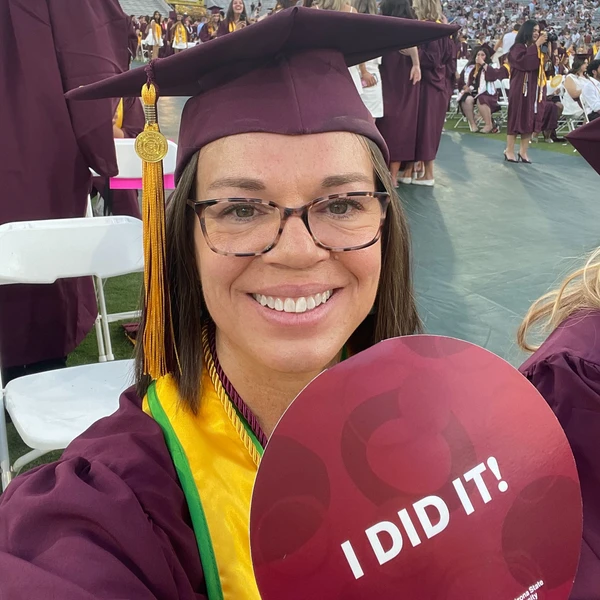
I approached this transition with focus and determination, earning a 4.0 GPA while completing my undergraduate studies at Arizona State University. This achievement reflects both my commitment to this new path and my ability to succeed in a rigorous academic environment. More importantly, it reflects a clear sense of purpose: to support individuals who feel overwhelmed, unsupported, or unsure how to manage the pressures of their work and personal lives.
To fully dedicate myself to my education, I left my construction management career two years ago and now work as a barista. This role provides the flexibility needed to accommodate my academic schedule and maintain the mental capacity required for my studies. This decision reflects my commitment to long-term goals and my willingness to make meaningful sacrifices in pursuit of a career where I can make a positive impact.
As a future mental health counselor, I am particularly interested in working with adults experiencing burnout, career-related stress, and life transitions. My background allows me to bring a unique and informed perspective, especially when supporting individuals in high-pressure or stigmatizing environments. I want to help clients build resilience, develop healthier coping strategies, and feel empowered to prioritize their well-being.
Ultimately, my goal is to contribute to a shift in how mental health is understood and supported, particularly in industries where it has historically been overlooked. My journey into counseling is rooted in both personal experience and a strong desire to create meaningful change. With the support of this scholarship, I will be better equipped to continue that work and serve those who need it most.