Hobbies and interests
Dentistry
Biomedical Sciences
STEM
Kayla Matthews
1x
FinalistKayla Matthews
1x
FinalistBio
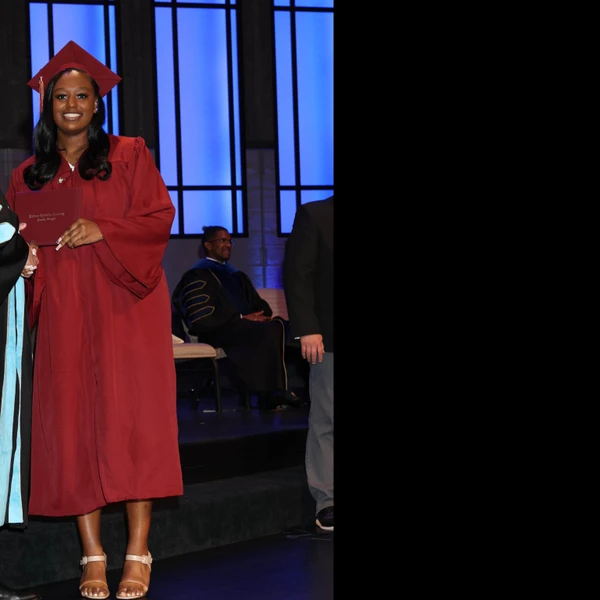
Hello, My name is Kayla Mathews and I am a financially disadvantaged, female BIPOC sophomore student at the University Of Kentucky. My major is Human Health Sciences(STEM).
Education
University of Kentucky
Bachelor's degree programMajors:
- Education, General
- Biological and Biomedical Sciences, Other
- Sports, Kinesiology, and Physical Education/Fitness
Miscellaneous
Desired degree level:
Doctoral degree program (PhD, MD, JD, etc.)
Graduate schools of interest:
Transfer schools of interest:
Majors of interest:
Career
Dream career field:
Dentistry
Dream career goals:
Sports
Volleyball
Varsity2022 – 20231 year
Public services
Volunteering
Girl Scouts — STEM mentor2023 – 2025
Future Interests
Advocacy
Volunteering
Philanthropy
Entrepreneurship
B.R.I.G.H.T (Be.Radiant.Ignite.Growth.Heroic.Teaching) Scholarship
Planting the Seed: How My Third-Grade Teacher Inspired My Journey Into Education
If you ask me why I chose to pursue a path in education, I won’t hesitate. Her name was Mrs. Dawson. She was my third-grade teacher, and although years have passed since I sat in her classroom, the warmth, encouragement, and quiet strength she poured into me continues to guide my purpose. Mrs. Dawson didn’t just teach me multiplication or sentence structure—she taught me that I mattered. That, no matter where I came from or how much I was struggling, I had something valuable to offer. Her belief in me is the foundation upon which I’ve built my passion for education.
Growing up, school was my safe haven. At home, life wasn’t always easy. My family faced frequent financial challenges, and stability wasn’t guaranteed. My parents, although hardworking and loving, were stretched thin trying to keep our household afloat. In the chaos of instability, I often felt overlooked, like my needs and dreams were less important than our daily survival. When I stepped into the classroom, though, especially into Mrs. Dawson’s classroom, everything changed.
Mrs. Dawson had this incredible way of seeing each child fully, no matter their background. She noticed that I liked to read ahead, that I often wrote stories during recess, and that I thrived when given a little extra encouragement. She nurtured those qualities in a way that made me feel seen and valued. I still remember the first time she held up one of my stories and read it aloud to the class. I was terrified at first, worried they’d laugh—but instead, she praised my imagination and made me believe that my voice mattered. In that moment, a seed was planted. I began to understand the power of education not just as a system, but as a relationship—one that could lift a child out of fear, doubt, or invisibility and into a place of confidence and hope.
As I progressed through school, I held tightly to that feeling. But I also began to notice something that bothered me: not every student had a "Mrs. Dawson." Many of my classmates—particularly those who looked like me or came from neighborhoods like mine—were written off as troublemakers, slow learners, or kids with too many “issues” to help. I realized that the system didn’t always recognize potential in every student. The older I got, the more I understood that students of color, students from low-income homes, and students with trauma were often given fewer opportunities, less support, and lower expectations. That realization solidified my decision: I didn’t just want to succeed for myself—I wanted to become the kind of teacher who refused to overlook any child.
When I got to college, I chose a major in education with a focus on urban and community schooling. I started volunteering in elementary classrooms, mentoring at-risk youth, and tutoring students who were often labeled “difficult.” With every student I worked with, I saw pieces of myself—quiet but capable, eager to succeed but unsure how. I remembered how Mrs. Dawson used to crouch down beside my desk to explain a problem, how she made sure I had books to take home, how she called me a writer before I ever dared to think of myself that way. I vowed to carry that spirit forward in my own career.
The impact of a single educator is immeasurable. Mrs. Dawson didn’t have any special tools or technology—what she had was heart, patience, and high expectations. She didn’t let my circumstances define me. She showed up, every day, with the belief that all her students were worthy of success. And because of that, I began to believe it, too.
Now, as I prepare for a career in education, I know it won’t be easy. Teachers today face overwhelming demands—overcrowded classrooms, underfunded schools, standardized testing pressures, and complex student needs. But I also know this: the impact of a teacher who truly cares can change the course of a life. That’s not a poetic exaggeration—it’s my truth.
I plan to teach in underserved communities where educators are needed most. I want to be that safe space for children who are carrying burdens far too heavy for their young shoulders. I want to model resilience, curiosity, and compassion. And I want to advocate for systems that elevate rather than diminish the potential of every learner—especially those who’ve been underestimated or neglected.
Beyond the classroom, I hope to one day influence educational policy or work in teacher training, so I can help create environments where more "Mrs. Dawsons" are supported and empowered to do what they do best. My journey in education is about more than teaching—it’s about justice, transformation, and making sure that no child feels unseen.
Mrs. Dawson may never know the full impact she had on me. But every time I step into a classroom, encourage a hesitant student, or celebrate a small victory, I’ll be carrying her legacy forward. Her belief in me taught me to believe in myself—and now, I plan to do the same for others. Because every child deserves a teacher who sees them, believes in them, and helps them discover the power of their own potential.
Robert F. Lawson Fund for Careers that Care
From Purpose to Impact: My Journey Toward a Career of Service
My name is Kayla Matthews, and I am a first-generation college student, a woman of color, and someone deeply committed to building a career that creates real, lasting change. I come from a background where resources were limited but values were strong—values like hard work, compassion, and resilience. These values have guided me through adversity, shaped my passion for science and healthcare, and inspired my vision for the kind of impact I want to make in the world.
From a young age, I was fascinated by how the human body works—how cells communicate, how diseases progress, and how medicine can heal. But what truly fueled my interest in STEM wasn’t just curiosity—it was witnessing the gaps in healthcare access and education in my own community. I saw how untreated health issues—especially in low-income, minority neighborhoods—led to long-term suffering that could have been prevented with early care or better resources. I knew then that I wanted to be part of the solution.
I’m currently pursuing a degree in [Biology/Public Health/Health Sciences/etc.], with plans to enter a professional program that will allow me to specialize in research or healthcare delivery. My goal is not only to treat illness or study disease, but to help reshape how care is delivered—especially to communities that have historically been underserved or ignored. I want my work to reflect both scientific rigor and cultural understanding, because I believe that equity and empathy must go hand in hand.
In the long term, I hope to contribute to health equity through community-based initiatives, policy advocacy, and mentorship. Whether it’s developing research that addresses chronic diseases disproportionately affecting BIPOC communities, working in clinics that offer accessible and affordable care, or mentoring young students interested in science, I want to be a part of dismantling barriers. I want to use my voice and my experience to advocate for those who are often left out of important conversations in healthcare and science.
I also plan to give back by creating opportunities for students like me—first-generation, low-income, and underrepresented—who dream of making a difference but don’t always have a clear path forward. Through outreach, mentoring, and sharing my story, I hope to help others see that their background doesn’t limit their potential—it strengthens it.
What drives me is the belief that science should serve humanity—not just through innovation, but through justice. I see my future career not just as a job, but as a lifelong commitment to lifting others, improving systems, and leaving the world better than I found it. This is more than a personal goal—it’s a purpose I carry with me every day.
Xavier M. Monroe Heart of Gold Memorial Scholarship
From Setback to Strength: Finding Growth Through Struggle
During my second year of college, I failed my first major exam in a core biology course. Up until that point, I had done well academically, even while juggling part-time work and responsibilities at home. I had always been proud of my ability to manage multiple roles, so receiving a grade that was far below passing wasn’t just disappointing—it was devastating. It made me question whether I was cut out for STEM, whether I truly belonged in such a competitive, fast-paced field, and whether I could still pursue my dream of a career in healthcare.
What made this failure especially difficult was that I felt I had done everything “right.” I attended lectures, studied daily, and completed every assignment. But the truth was, I had spread myself too thin. I was working two jobs to support myself and help my family financially, attending evening study groups, and pushing through exhaustion because I didn’t want to appear weak or incapable. I was trying to carry it all—but the weight finally caught up with me.
In the days that followed the exam, I felt discouraged and embarrassed. I avoided talking to classmates and even considered dropping the course. But after reflecting—and a tough conversation with a professor who encouraged me not to give up—I realized that this setback didn’t define me. What mattered more was how I responded to it.
I made changes. I spoke honestly with my professors and advisors and adjusted my work schedule. I joined a study group with students who had different learning styles, which helped me see the material from new perspectives. I also met with a tutor and started using campus mental health resources to learn how to manage stress more effectively. Over time, not only did my academic performance improve, but so did my confidence. By the end of the semester, I earned a B+ in the course—a grade that, while not perfect, symbolized growth, resilience, and determination.
The experience taught me that failure is not the end—it’s often the beginning of deeper learning. I learned that asking for help is not a weakness, but a strength. I learned that success in STEM isn’t about being perfect, but about being persistent. Most importantly, I learned to give myself grace in moments of struggle, and to use challenges as motivation instead of discouragement.
This lesson has stayed with me throughout my journey. Whether I’m preparing for competitive exams, applying to professional programs, or stepping into research environments, I carry the knowledge that setbacks are part of growth. They build resilience, deepen self-awareness, and shape stronger leaders.
In the future, I hope to use this mindset not only to advance in my own career but to mentor others—especially first-generation and underrepresented students in STEM—who may question their place when faced with obstacles. I want them to know that failure is never final and that their story, like mine, is just beginning.
Victoria Johnson Minority Women in STEM Scholarship
Focused on the Future: Overcoming Financial Barriers in My STEM Journey
As a first-generation STEM student, my journey toward a professional program has been deeply rewarding—but far from easy. The decision to pursue a career in healthcare, particularly in a research-based biology field, has been driven by passion, perseverance, and a commitment to improving the health outcomes of underserved communities. However, financial hardship continues to be one of the most pressing obstacles on this path.
Throughout my undergraduate studies, I have balanced academics with part-time jobs, all while supporting my family financially. Now, as I prepare to apply to graduate and professional programs, I find myself facing a new set of challenges—most of which carry a significant financial burden. Admissions tests such as the GRE or subject-specific exams, high-cost study materials, application fees for multiple schools, and the expense of traveling for interviews or campus visits all add up quickly. These costs are not optional—they are the gateway to opportunities I’ve worked so hard to earn.
These financial barriers can be discouraging. At times, they have forced me to delay application plans, cut back on study resources, or apply to fewer programs than I am qualified for, simply due to affordability. The emotional toll of these limitations, especially when paired with the weight of academic expectations, can be overwhelming. Yet, I remain committed to pushing forward because I know that success in this field means more than personal achievement—it’s an opportunity to make a meaningful difference in the lives of others.
Receiving this scholarship would significantly alleviate the financial pressures I face as I move into the next stage of my academic and professional journey. With this support, I could afford necessary exam prep courses and materials, apply to a broader range of programs, and participate in networking and interview opportunities without the constant anxiety of financial strain. Most importantly, it would allow me to stay fully focused on achieving academic excellence and positioning myself for a successful and impactful career.
My long-term goal is to work in biomedical research, focusing on chronic diseases that disproportionately affect low-income and BIPOC communities. I aim to contribute to studies that close health gaps and ensure scientific discoveries translate into accessible, community-informed solutions. In parallel, I am committed to mentorship and advocacy. I want to establish programs that guide underrepresented students through the application process for STEM programs—offering not just advice, but tangible resources, encouragement, and support.
This scholarship is more than financial assistance; it’s a statement of belief in students like me. With your support, I will not only continue my education—I will pay it forward by lifting others as I climb. I believe that when one student overcomes financial barriers to succeed, it sets off a ripple effect that can transform entire communities. That is the legacy I hope to build through my work, my story, and my science.
Equity Elevate Scholarship
Turning Struggle into Strength: How My Journey as a Single Mother Shapes My Career Goals
As a BIPOC, first-generation college student and single mother, my life has been anything but traditional—but it has been powerful. Every challenge I’ve faced has shaped me into a woman of grit, compassion, and unwavering purpose. My journey has not only informed my personal growth, but also clarified my career goals: I want to pursue a career in healthcare, specifically in the biological sciences, to improve lives—especially those of women and children in underserved communities who, like me, know what it means to struggle.
Becoming a mother at a young age was a turning point in my life. Overnight, I went from being a student with dreams to a parent with responsibilities that far outweighed my age. I faced judgment, isolation, and the constant stress of balancing school, work, and motherhood. I’ve studied for exams at kitchen tables while my child slept beside me, and I’ve worked double shifts to afford daycare, diapers, and tuition. These were not the conditions I imagined for myself, but they gave me a deeper sense of determination and a reason to keep pushing forward.
Being a single mother has shown me how strong I am—but it has also exposed the barriers that exist for women like me. Accessing healthcare, finding flexible jobs, and receiving affordable childcare have been constant struggles. These experiences lit a fire in me to become part of the solution. I’m drawn to biology and healthcare because I want to work in a field where I can address inequities through research, advocacy, and direct impact. I want to help develop solutions to real-world problems—whether that means researching maternal health disparities, supporting early childhood development, or advocating for reproductive health in marginalized communities.
As a first-generation student, I’ve had to navigate the academic world with very little guidance. I didn’t grow up with a roadmap for college or mentors who could show me how to apply for scholarships or internships. Every achievement I’ve earned has been the result of my own effort, and every setback has been a lesson. My identity as a BIPOC woman has also taught me the importance of representation. I’ve often felt unseen in academic spaces, and I want to change that—for myself, for my child, and for others like us.
Ultimately, my goal is to earn a degree in a biology-related field and contribute to community-based health initiatives. I hope to use my knowledge and life experiences to help shape healthcare systems that see and support single mothers, women of color, and underserved families. I want to serve as a mentor and a voice of encouragement, showing others that their past doesn’t limit their future.
My path hasn’t been easy, but it has given me a purpose larger than myself. I’m not just pursuing a degree—I’m building a better future, not only for my child but for the countless others who deserve to thrive, regardless of where they start.
Eric W. Larson Memorial STEM Scholarship
I come from a background where dreams often take a back seat to survival. Growing up in a financially struggling household, the phrase “we can’t afford it” became familiar. My family worked tirelessly to make ends meet, and though there was no shortage of love and support, there was always a shortage of resources. We learned how to do more with less—stretching paychecks, reusing school supplies, and foregoing medical and dental care when it wasn’t urgent. From an early age, I understood the difference between what is a want and what is a need. But despite our financial challenges, I also learned the value of education and the power it held to change circumstances.
As a first-generation college student, navigating higher education has been like walking into a building without a map or guide. I didn’t have parents who could help me fill out FAFSA, explain the difference between grants and loans, or walk me through the college application process. I taught myself how to apply for scholarships, took on part-time jobs to help cover expenses, and often found myself choosing between studying for a test or taking extra shifts at work to pay for books. Financial pressure was constant, but it never outweighed my determination to succeed.
These challenges taught me how to be resourceful, disciplined, and focused. They also deepened my empathy and my understanding of the systemic barriers that prevent so many intelligent, capable students from reaching their potential. I’ve met students who dropped out of science majors not because they lacked the interest or ability—but because they didn’t have the support, the financial stability, or the encouragement to keep going. I’ve been fortunate to make it this far, but I know I didn’t do it alone—I had mentors, financial aid, and a relentless internal drive. My journey has made me not only grateful but also committed to giving back.
My passion for biology started in high school and grew stronger during college. I was fascinated by the way biology answers some of life’s biggest questions—what makes us human, how disease develops, how cells communicate, and how life adapts and evolves. But it was research-based biology that truly captured my attention. I saw it as more than just understanding life—I saw it as a way to solve real-world problems.
In my early undergraduate years, I had the opportunity to work in a research lab studying microbial interactions and antibiotic resistance. The process of forming a hypothesis, designing experiments, analyzing data, and contributing—even in a small way—to a larger scientific discovery was deeply rewarding. It showed me that science isn’t just about textbooks and theories—it’s about asking hard questions, pursuing truth, and creating solutions that can impact millions of lives.
This experience cemented my decision to pursue research-based biology as a career. I am particularly interested in biomedical research, specifically in studying chronic diseases that disproportionately affect low-income and minority communities. Conditions like diabetes, heart disease, and certain cancers often have both biological and socioeconomic roots. I want to be part of the effort to uncover the molecular and genetic mechanisms behind these diseases while also advocating for accessible, community-centered solutions.
I believe research must be inclusive and community-informed. Too often, scientific breakthroughs fail to reach the very populations that need them most. My long-term goal is to contribute to translational research—bridging the gap between laboratory findings and real-world healthcare practices. I envision working with both academic institutions and public health organizations to ensure that discoveries made in the lab translate into better care, prevention, and education for marginalized communities.
Beyond the science itself, I also want to work on the human side of research. I want to help create more pathways for students from underrepresented backgrounds to enter and thrive in STEM. I’ve seen firsthand how lack of representation and support can push brilliant students out of the field. As someone who has faced those same barriers, I want to be a mentor and advocate for others. Whether through tutoring, outreach, or research mentorship, I want to help make STEM more inclusive, equitable, and diverse.
My experiences—both the struggles and the opportunities—have shaped the kind of scientist I want to be: one who is not only driven by curiosity, but by compassion and purpose. I want my work in biology to reflect both scientific excellence and social responsibility. I want to investigate the biological mechanisms that underlie human health while always keeping in mind the people and communities affected. I believe science should be used not just to explore what is possible, but to improve what is actual.
In a world facing growing health disparities, climate change, and emerging diseases, the need for dedicated researchers is greater than ever. But equally important is the need for researchers who understand the impact of inequality and are committed to using science as a tool for justice and healing. I intend to be one of those researchers.
In summary, my personal background and financial adversity have shaped me into someone who doesn’t take education for granted and who sees science not only as a career but as a calling. I am passionate about research-based biology because it allows me to contribute to life-changing discoveries, address systemic inequities, and inspire others who come from similar backgrounds to follow their own path in STEM. I am not just pursuing a degree—I am building a future where my knowledge, resilience, and passion can be used to create lasting impact.
RELEVANCE Scholarship
From Challenge to Purpose: My Journey Toward a Career in Healthcare
My decision to pursue a career in healthcare was not shaped solely by academics or inspiration from television doctors—it was forged through personal pain, resilience, and a deep desire to turn hardship into healing for others. One of the most defining challenges in my life was losing my grandfather to a heroin overdose. His death wasn’t just a personal tragedy; it was a window into the complex realities of addiction, untreated health issues, and systemic neglect—especially in underserved communities.
Witnessing the effects of substance abuse in my own family opened my eyes to how deeply interconnected mental, physical, and oral health truly are. My grandfather’s struggle was about more than just drugs—it was about the lack of early intervention, accessible treatment, and providers who understood the cultural and emotional dimensions of care. His story—and the silence and stigma that surrounded it—motivated me to pursue a path in healthcare where I could be the provider that so many families like mine never had.
I chose dentistry because I recognize how oral health often goes overlooked, even though it's essential to a person's overall well-being. Untreated dental issues can lead to infection, chronic pain, and serious health complications. But for many people, especially in low-income and BIPOC communities, access to care is limited, and fear or distrust of the system runs deep. I want to be a dentist who builds trust, provides compassionate care, and creates safe spaces where patients feel heard, respected, and valued.
My personal challenges have shaped me into someone who leads with empathy, listens before judging, and sees the person behind the problem. I know what it’s like to feel powerless in the face of illness, and I carry that with me in every goal I set. Whether I’m educating children about dental hygiene, advocating for expanded access to care, or comforting a nervous patient, I’ll bring a perspective rooted in lived experience and a passion for equity.
Beyond clinical work, I plan to use my platform to address the systemic barriers that keep so many from receiving care—by supporting community health initiatives, mentoring underrepresented youth, and contributing to conversations about racial and socioeconomic disparities in healthcare. My vision is not only to treat patients, but to inspire change.
The path to medicine is not easy—but neither were the challenges that brought me here. They’ve prepared me not only to succeed academically, but to lead with compassion, serve with integrity, and fight for a future where everyone—regardless of background—has the opportunity to live a healthy, dignified life.
Tanya C. Harper Memorial SAR Scholarship
Using Pediatric Dentistry to Build Healthier, Happier Communities
After college, I plan to dedicate my life and career to improving the lives of children through pediatric dentistry—particularly in underserved communities where access to oral healthcare is often limited or nonexistent. For me, dentistry is not just about treating teeth; it’s about restoring confidence, preventing lifelong health problems, and making sure that every child—no matter their background—has the opportunity to smile without pain or shame.
Growing up, I saw firsthand how disparities in healthcare, especially dental care, affected families in my community. Children would miss school because of tooth pain. Parents would postpone or avoid dental visits altogether because of cost or lack of insurance. Over time, I realized that this wasn’t just about cavities or cleanings—it was a systemic issue that directly impacted education, nutrition, self-esteem, and overall well-being. These experiences inspired me to pursue pediatric dentistry not only as a profession, but as a platform for advocacy and change.
My mission is to open or work in community-based dental clinics that focus on providing compassionate, affordable, and comprehensive oral care to children from low-income households. I want to reach families who have traditionally been overlooked by the healthcare system—whether due to financial barriers, geographic isolation, language differences, or lack of education about the importance of oral health. By creating safe, welcoming environments where parents and children feel heard and supported, I hope to build trust and encourage lifelong healthy habits.
Beyond clinical work, I also plan to be actively involved in community outreach. I want to organize free dental screenings in schools, provide educational workshops on proper brushing and nutrition, and distribute dental hygiene kits to families in need. Preventive care and education are critical, especially in areas where many children don’t see a dentist until they are already in pain. By reaching kids early and consistently, we can reduce the need for invasive treatments and set them up for long-term health success.
In addition, I am passionate about mentorship and representation. As a future healthcare professional from a diverse background, I understand how powerful it can be for young people to see someone who looks like them in a position of care and leadership. I plan to mentor students interested in health careers and partner with local schools to encourage more young people—especially those from underrepresented communities—to pursue STEAM fields and healthcare professions.
Ultimately, I see pediatric dentistry as a tool for equity and empowerment. Every child deserves to feel proud of their smile and free from pain, regardless of their zip code or income. By combining my education, passion, and community commitment, I hope to make a meaningful and lasting difference—not just one smile at a time, but one future at a time.
Bright Lights Scholarship
Using Pediatric Dentistry to Build Healthier, Happier Communities
After college, I plan to dedicate my life and career to improving the lives of children through pediatric dentistry—particularly in underserved communities where access to oral healthcare is often limited or nonexistent. For me, dentistry is not just about treating teeth; it’s about restoring confidence, preventing lifelong health problems, and making sure that every child—no matter their background—has the opportunity to smile without pain or shame.
Growing up, I saw firsthand how disparities in healthcare, especially dental care, affected families in my community. Children would miss school because of tooth pain. Parents would postpone or avoid dental visits altogether because of cost or lack of insurance. Over time, I realized that this wasn’t just about cavities or cleanings—it was a systemic issue that directly impacted education, nutrition, self-esteem, and overall well-being. These experiences inspired me to pursue pediatric dentistry not only as a profession, but as a platform for advocacy and change.
My mission is to open or work in community-based dental clinics that focus on providing compassionate, affordable, and comprehensive oral care to children from low-income households. I want to reach families who have traditionally been overlooked by the healthcare system—whether due to financial barriers, geographic isolation, language differences, or lack of education about the importance of oral health. By creating safe, welcoming environments where parents and children feel heard and supported, I hope to build trust and encourage lifelong healthy habits.
Beyond clinical work, I also plan to be actively involved in community outreach. I want to organize free dental screenings in schools, provide educational workshops on proper brushing and nutrition, and distribute dental hygiene kits to families in need. Preventive care and education are critical, especially in areas where many children don’t see a dentist until they are already in pain. By reaching kids early and consistently, we can reduce the need for invasive treatments and set them up for long-term health success.
In addition, I am passionate about mentorship and representation. As a future healthcare professional from a diverse background, I understand how powerful it can be for young people to see someone who looks like them in a position of care and leadership. I plan to mentor students interested in health careers and partner with local schools to encourage more young people—especially those from underrepresented communities—to pursue STEAM fields and healthcare professions.
Ultimately, I see pediatric dentistry as a tool for equity and empowerment. Every child deserves to feel proud of their smile and free from pain, regardless of their zip code or income. By combining my education, passion, and community commitment, I hope to make a meaningful and lasting difference—not just one smile at a time, but one future at a time.
Kalia D. Davis Memorial Scholarship
The Kalia Davis scholarship will help me to pursue my dream of becoming a Dentist.
After college, I plan to dedicate my life and career to improving the lives of children through pediatric dentistry—particularly in underserved communities where access to oral healthcare is often limited or nonexistent. For me, dentistry is not just about treating teeth; it’s about restoring confidence, preventing lifelong health problems, and making sure that every child—no matter their background—has the opportunity to smile without pain or shame.
Growing up, I saw firsthand how disparities in healthcare, especially dental care, affected families in my community. Children would miss school because of tooth pain. Parents would postpone or avoid dental visits altogether because of cost or lack of insurance. Over time, I realized that this wasn’t just about cavities or cleanings—it was a systemic issue that directly impacted education, nutrition, self-esteem, and overall well-being. These experiences inspired me to pursue pediatric dentistry not only as a profession, but as a platform for advocacy and change.
My mission is to open or work in community-based dental clinics that focus on providing compassionate, affordable, and comprehensive oral care to children from low-income households. I want to reach families who have traditionally been overlooked by the healthcare system—whether due to financial barriers, geographic isolation, language differences, or lack of education about the importance of oral health. By creating safe, welcoming environments where parents and children feel heard and supported, I hope to build trust and encourage lifelong healthy habits.
Beyond clinical work, I also plan to be actively involved in community outreach. I want to organize free dental screenings in schools, provide educational workshops on proper brushing and nutrition, and distribute dental hygiene kits to families in need. Preventive care and education are critical, especially in areas where many children don’t see a dentist until they are already in pain. By reaching kids early and consistently, we can reduce the need for invasive treatments and set them up for long-term health success.
In addition, I am passionate about mentorship and representation. As a future healthcare professional from a diverse background, I understand how powerful it can be for young people to see someone who looks like them in a position of care and leadership. I plan to mentor students interested in health careers and partner with local schools to encourage more young people—especially those from underrepresented communities—to pursue STEAM fields and healthcare professions.
Ultimately, I see pediatric dentistry as a tool for equity and empowerment. Every child deserves to feel proud of their smile and free from pain, regardless of their zip code or income. By combining my education, passion, and community commitment, I hope to make a meaningful and lasting difference—not just one smile at a time, but one future at a time.
Rosa A. Wilson Scholarship
Empowering BIPOC Women Through Dentistry, Advocacy, and Equity
As an aspiring dentist, I view oral healthcare not just as a clinical service, but as a powerful platform for advocacy, education, and equity—especially for BIPOC women who face disproportionate barriers in health, income, safety, and representation. My vision is to use my dental degree as a tool to champion the well-being and empowerment of these women, addressing systemic disparities and advancing social justice at both the individual and community level.
Systemic racism and socioeconomic inequities have long shaped the healthcare experiences of BIPOC women. Many struggle to access affordable, culturally competent dental care, which leads to preventable issues such as untreated cavities, gum disease, and chronic pain. These conditions often go ignored due to financial barriers, historical medical mistrust, or providers who lack cultural sensitivity. I want to be part of the solution by becoming a provider who not only delivers quality care, but also understands and respects the lived experiences of the women I serve.
My future dental practice will prioritize access and dignity. I envision working in or establishing clinics in underserved areas, where BIPOC women often face limited healthcare options. These clinics will offer affordable care, extended hours for working mothers, trauma-informed staff, and multilingual services. But beyond treatment, I believe in prevention and education. I will host workshops on oral health, nutrition, and hygiene—equipping women with the knowledge to protect their health and their children’s, while also helping them feel seen and empowered.
I also plan to engage in advocacy beyond the dental chair. I will use my voice and position to push for policy changes that address structural inequities in healthcare funding, access, and workforce representation. Whether it’s speaking at public forums, collaborating with non-profits, or working with local governments, I intend to advocate for expanded Medicaid dental coverage, funding for community clinics, and more diverse recruitment in dental schools and leadership roles.
Mentorship will be another cornerstone of my approach. Representation matters, and I am committed to mentoring young women of color who are interested in healthcare careers. Whether through school partnerships or mentoring networks, I want to help dismantle the barriers that keep BIPOC women out of medical fields—encouraging them to dream big, ask questions, and see themselves as future leaders in health and science.
In a country where disparities in oral health mirror deeper injustices, dentistry can and should be part of the broader fight for equity. Through compassionate care, community engagement, and advocacy, I will work to ensure that BIPOC women not only receive the healthcare they deserve but also gain tools to reclaim their power, protect their families, and thrive in the face of systemic challenges.
My dental degree will not be the end of my journey—it will be the beginning of my lifelong commitment to social change and health justice.
Linda Hicks Memorial Scholarship
Turning Pain into Purpose: Improving Outcomes for African American Women Affected by Substance Abuse and Domestic Violence
Three years ago, my grandfather died from a heroin overdose. His passing wasn’t just a personal tragedy—it was a wake-up call. It exposed the painful cycles of addiction and trauma that ripple through families, especially in African American communities, where stigma, limited access to care, and historical mistrust of healthcare systems often keep people from getting the help they need. His death deeply impacted me, and ever since, I have felt called to break that cycle—not just in my own life, but in the lives of others.
Substance abuse and domestic violence are often connected in complex ways. Many African American women facing domestic violence also struggle with untreated trauma, mental health challenges, and a lack of coordinated support. They are often overlooked in systems that were not built with their experiences in mind. My higher education journey is not just about earning a degree—it's about using my voice, training, and platform to help create a system that listens to, supports, and uplifts these women.
As I pursue my education in [insert your intended field—e.g., public health, social work, medicine, or dentistry], I plan to focus on building community-based solutions that improve care coordination and culturally sensitive outreach. I want to work at the intersection of health, social justice, and advocacy—ensuring that African American women are not just treated, but truly seen and understood.
One of the first steps is education—both for myself and others. I intend to take courses and participate in research focused on trauma-informed care, addiction recovery, and culturally competent communication. I want to learn how to recognize signs of abuse and substance dependence and how to connect women to the right services with compassion and respect. Through internships and volunteer work, I also plan to engage directly with organizations serving women impacted by violence and addiction, learning from their lived experiences and supporting existing efforts to address these issues.
Long-term, I hope to contribute to programs that offer wraparound services—combining healthcare, mental health support, housing assistance, and career development. These resources need to be accessible, community-centered, and designed with input from the women they serve. I also believe in the power of peer mentorship and storytelling. By encouraging African American women to share their journeys, we help reduce stigma, build solidarity, and open the door for healing.
Losing my grandfather to addiction was heartbreaking, but his memory motivates me every day. I want to use my education not only to honor his life but to help prevent other families from experiencing the same pain. Through care, coordination, and community, I believe we can change the narrative for African American women affected by domestic violence and substance abuse—and I am committed to being part of that change.
Trees for Tuition Scholarship Fund
Using Pediatric Dentistry to Build Healthier, Happier Communities
After college, I plan to dedicate my life and career to improving the lives of children through pediatric dentistry—particularly in underserved communities where access to oral healthcare is often limited or nonexistent. For me, dentistry is not just about treating teeth; it’s about restoring confidence, preventing lifelong health problems, and making sure that every child—no matter their background—has the opportunity to smile without pain or shame.
Growing up, I saw firsthand how disparities in healthcare, especially dental care, affected families in my community. Children would miss school because of tooth pain. Parents would postpone or avoid dental visits altogether because of cost or lack of insurance. Over time, I realized that this wasn’t just about cavities or cleanings—it was a systemic issue that directly impacted education, nutrition, self-esteem, and overall well-being. These experiences inspired me to pursue pediatric dentistry not only as a profession, but as a platform for advocacy and change.
My mission is to open or work in community-based dental clinics that focus on providing compassionate, affordable, and comprehensive oral care to children from low-income households. I want to reach families who have traditionally been overlooked by the healthcare system—whether due to financial barriers, geographic isolation, language differences, or lack of education about the importance of oral health. By creating safe, welcoming environments where parents and children feel heard and supported, I hope to build trust and encourage lifelong healthy habits.
Beyond clinical work, I also plan to be actively involved in community outreach. I want to organize free dental screenings in schools, provide educational workshops on proper brushing and nutrition, and distribute dental hygiene kits to families in need. Preventive care and education are critical, especially in areas where many children don’t see a dentist until they are already in pain. By reaching kids early and consistently, we can reduce the need for invasive treatments and set them up for long-term health success.
In addition, I am passionate about mentorship and representation. As a future healthcare professional from a diverse background, I understand how powerful it can be for young people to see someone who looks like them in a position of care and leadership. I plan to mentor students interested in health careers and partner with local schools to encourage more young people—especially those from underrepresented communities—to pursue STEAM fields and healthcare professions.
Ultimately, I see pediatric dentistry as a tool for equity and empowerment. Every child deserves to feel proud of their smile and free from pain, regardless of their zip code or income. By combining my education, passion, and community commitment, I hope to make a meaningful and lasting difference—not just one smile at a time, but one future at a time.