Hobbies and interests
Billiards
Child Development
Coaching
Education
Exploring Nature And Being Outside
History
Learning
Legos
Photography and Photo Editing
Reading
Soccer
Spending Time With Friends and Family
Teaching
Writing
Theology and Religious Studies
True Crime
Reading
Adult Fiction
Adventure
Book Club
Chick Lit
Drama
Education
Fantasy
Historical
History
Literary Fiction
Marriage
Short Stories
Young Adult
I read books multiple times per month
Katelyn Creekmore
1x
Finalist
Katelyn Creekmore
1x
FinalistBio
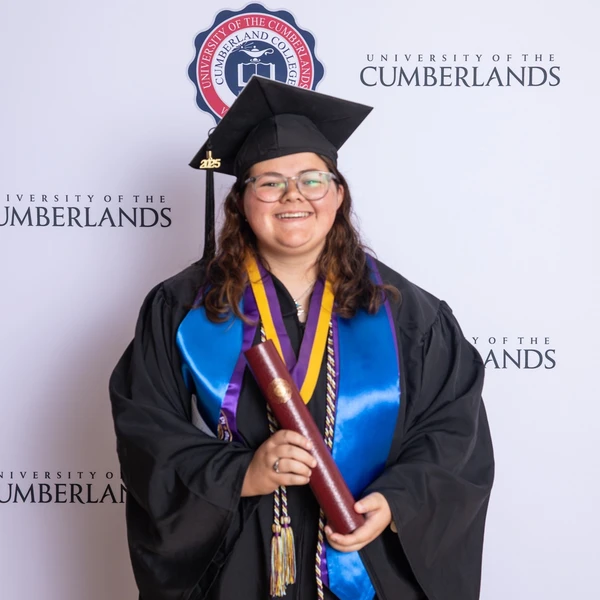
I earned my degree in elementary and special education and am now pursuing certification in middle school social studies to broaden my impact as an educator. I am committed to fostering students' academic and personal growth, bringing the same enthusiasm to my teaching and coaching. My objective is to create a classroom where every student feels valued and motivated to achieve. I influence as an educator. I am committed to fostering students' academic and personal growth, applying the same enthusiasm to my teaching and coaching. My objective is to create a classroom where every student feels valued and motivated to achieve.
Education
University of the Cumberlands
Master's degree programMajors:
- Education, General
University of the Cumberlands
Bachelor's degree programMajors:
- Education, General
Miscellaneous
Desired degree level:
Doctoral degree program (PhD, MD, JD, etc.)
Graduate schools of interest:
Transfer schools of interest:
Majors of interest:
- Education, Other
Career
Dream career field:
Higher Education
Dream career goals:
Substitute Teaching
Whitley County Board of Education2021 – Present5 years
Sports
Soccer
Junior Varsity2021 – 20232 years
Arts
KD Photography
Photography2025 – Present
Public services
Volunteering
University of the Cumberlands — Volunteer2021 – 2025
Future Interests
Volunteering
Tawkify Meaningful Connections Scholarship
One of the most meaningful relationships in my life has been with my mom, who has spent her career as a teacher. Growing up, I was able to see firsthand what it truly means to be an educator—not just teaching lessons, but building relationships, showing patience, and supporting students in ways that go far beyond academics. Watching her over the years played a huge role in shaping who I am today and ultimately influenced my decision to pursue a career in education.
What stood out most to me was the way she connected with her students. She didn’t treat them all the same, because she understood that every child came into her classroom with different needs, personalities, and challenges. She took the time to get to know them as individuals, and because of that, her students trusted her. I remember seeing how much her students respected her, not out of fear, but because they knew she genuinely cared about them. That kind of connection stuck with me and helped me understand early on that relationships are the foundation of effective teaching.
Outside of the classroom, my relationship with my mom has been just as impactful. She has always been someone I could rely on, especially during times when I struggled. While working through my own challenges in school, particularly when I reached a point where my mental health began to affect my education, she was a constant source of support. She listened without judgment, encouraged me when I felt stuck, and reminded me that it was okay to take a different path if it meant taking care of myself. That support helped me make the decision to transition to online learning and continue working toward my degree in a way that was healthier for me.
Through that experience, I realized how important it is to have someone who truly listens and understands. It showed me that sometimes what people need most is not immediate solutions, but someone who is willing to be patient and present. Because of this, I approach relationships in my own life with more empathy and intention. I try to be more aware of what others might be going through and to offer support in a way that makes them feel seen and valued.
As I prepare to begin my career in elementary and special education, this relationship continues to shape how I want to connect with my students. I understand that students cannot fully succeed academically if they do not feel safe, supported, and understood. I want to create a classroom environment where students feel comfortable being themselves and where they know they have someone in their corner. I want to build trust with my students by being consistent, patient, and genuinely invested in their success.
In special education especially, strong relationships are essential. Many students face challenges that go beyond academics, and having a teacher who understands and supports them can make a lasting difference. I want to be someone who recognizes those challenges and works to meet students where they are, just like my mom did for her students and for me. I want my students to know that their progress matters, no matter how big or small, and that they are capable of growth.
Beyond my future classroom, this relationship has also shaped how I interact with others in my everyday life. I value relationships that are built on trust, honesty, and support, and I strive to bring those qualities into my interactions with friends, family, and future colleagues. I have learned that strong relationships take time and effort, but they are worth it because of the impact they can have.
Ultimately, my relationship with my mom has influenced both who I am and who I hope to become. It has shown me the importance of connection, patience, and understanding, and it has inspired me to create those same kinds of relationships in my own life. As I move forward in my career, I hope to be a steady and supportive presence for my students, just as she has always been for me.
Eitel Scholarship
I recently completed my bachelor’s degree in elementary education with a focus in special education, and I am preparing to begin my master’s program to continue growing as an educator. My goal is to teach in an elementary classroom while also supporting students with diverse learning needs, including those who receive special education services. I am passionate about creating an inclusive environment where every student feels valued, supported, and capable of success.
My journey to this point has not been traditional. While completing my undergraduate degree, I worked full-time and made the decision to transition to online learning in order to prioritize my mental health. That decision was not easy, but it allowed me to continue my education in a way that was more sustainable for me. Balancing work and school required discipline, strong time management, and perseverance. Through this experience, I not only completed my degree, but I also gained a deeper understanding of the importance of flexibility and support in education.
As I begin my master’s program, I am excited to continue developing my skills in areas such as classroom management, differentiated instruction, and building relationships with families. I want to be fully prepared to meet the needs of all learners, especially those who may struggle in traditional classroom settings. I believe that every child deserves an education that recognizes their individual strengths and provides them with the tools they need to succeed, and I am committed to being an advocate for my students.
This scholarship would have a meaningful impact on my ability to continue my education. Pursuing a master’s degree comes with financial challenges, and receiving this support would help reduce the burden of tuition and related expenses. It would allow me to focus more fully on my studies and professional growth, rather than balancing additional financial stress. Having that support would make a significant difference in my ability to succeed in my program.
In addition to easing financial strain, this scholarship would give me the opportunity to invest more time into becoming the best educator I can be. It would allow me to focus on gaining practical experience, preparing for my future classroom, and fully engaging in my coursework. Ultimately, this support would not only benefit me, but also the students I will teach in the future.
My goal as an educator is to create a classroom where students feel safe, supported, and confident in their abilities. I want to make a lasting impact by helping students grow academically, socially, and emotionally. This scholarship would help me continue working toward that goal and allow me to further my education so I can better serve my future students.
Christian Fitness Association General Scholarship
One of the most significant challenges I faced during my education was reaching a point where my mental health began to affect both my academic performance and my overall well-being. There was a time when I felt completely overwhelmed, unmotivated, and disconnected from school. I had always been someone who cared deeply about my education and took pride in doing well, so getting to a place where I felt like I was just trying to get through each day was difficult to accept. It wasn’t just about struggling with assignments—it was feeling like I no longer fit in the environment I was in, and that everything around me was contributing to stress instead of growth.
Coming to terms with that reality was one of the hardest parts. It would have been easier to ignore how I was feeling and continue pushing through, but I realized that doing that would only lead to burnout and potentially losing sight of my long-term goals. I had to make a decision that prioritized my well-being, even though it meant stepping away from what I originally thought my college experience would look like. I made the choice to transition to online learning and take on a full-time job while finishing my degree.
At first, this change felt overwhelming in a completely different way. Balancing a full-time work schedule with school required a level of discipline and time management that I had never been pushed to develop before. There were days when I felt exhausted and questioned whether I had made the right decision. However, over time, I began to find my rhythm. I created routines, learned how to manage my time more effectively, and became more independent in my learning. Instead of relying on structured class times, I had to hold myself accountable for staying on track, meeting deadlines, and fully understanding the material.
Through this process, I not only improved academically, but I also rebuilt my relationship with education. Removing myself from an environment that was negatively impacting my mental health allowed me to refocus and regain my motivation. I began to see school not as something I had to get through, but as something that was helping me move closer to my goals. Working full-time while completing my degree also gave me a greater sense of responsibility and strengthened my work ethic. It taught me how to manage multiple priorities, stay organized, and continue pushing forward even when things felt difficult.
More importantly, this experience shaped the kind of educator I want to become. As someone pursuing a career in elementary and special education, I know that many students face challenges that are not always visible. Some may struggle with mental health, while others may feel overwhelmed, unsupported, or out of place in a traditional classroom setting. Because of what I went through, I have developed a deeper understanding of the importance of meeting students where they are—academically, emotionally, and mentally.
I want to create a classroom environment where students feel safe, supported, and valued for who they are. I believe that learning cannot fully take place unless students feel understood and comfortable in their environment. My experience has taught me that flexibility is essential, and that success does not look the same for every student. Some students may need additional support, different teaching strategies, or simply someone who takes the time to listen and care.
In addition to supporting my students academically, I am passionate about helping them build confidence in themselves. Many students, especially those with special needs, can struggle with self-esteem and may begin to doubt their abilities. I want to be the kind of teacher who encourages them, celebrates their progress—no matter how small—and reminds them that they are capable of growth and success. I want my classroom to be a place where mistakes are seen as part of learning, not something to be ashamed of.
As I prepare to begin my master’s program, I carry these experiences with me as both a student and a future educator. Overcoming this challenge has made me more resilient, adaptable, and self-aware. It has shown me that sometimes the most difficult decisions are the ones that lead to the most growth. I have learned how to advocate for myself, how to persevere through challenges, and how to create a path that works for me rather than forcing myself into one that does not.
Ultimately, this challenge did not set me back—it pushed me forward. It shaped my
perspective, strengthened my determination, and gave me a deeper sense of purpose in my career. I am committed to using what I have learned to make a positive impact on my future students by creating a supportive, inclusive, and understanding learning environment. I want to be someone who not only teaches content, but also makes a difference in the lives of my students, just by showing them that they are seen, heard, and capable.
Special Needs Advocacy Inc. Kathleen Lehman Memorial Scholarship
I recently completed my bachelor’s degree in elementary education with a focus on special education, and I am preparing to begin my master’s program to continue growing both personally and professionally. My journey to this point has not been traditional. While finishing my degree, I worked full-time and made the decision to transition to online learning in order to prioritize my mental health. That experience challenged me, but it also gave me a new perspective on education and the importance of flexibility, understanding, and support. It showed me firsthand that success is not one-size-fits-all, and that every student deserves an environment where they can thrive in a way that works best for them.
These experiences have strongly shaped how I plan to make a positive social impact in my career serving students with special needs. I want to create a classroom that is not only inclusive, but also safe, encouraging, and structured in a way that allows every student to feel capable. I believe that students learn best when they feel supported and understood, and I want to be the kind of teacher who takes the time to truly know her students—their strengths, challenges, interests, and individual needs.
In special education, progress can look different for every child, and I am committed to recognizing and celebrating that growth in all its forms. I plan to advocate for my students by ensuring they receive the resources, accommodations, and support services they need to be successful. I also want to build strong relationships with families, because I believe that collaboration between home and school plays a critical role in a child’s development.
Beyond academics, I am especially passionate about helping students build confidence and self-worth. Many students with special needs face obstacles that can impact how they see themselves, and I want to be a consistent source of encouragement in their lives. I want my classroom to be a place where students feel accepted, where their efforts are valued, and where they are reminded that they are capable of growth and success.
Ultimately, my goal as an educator is to make a lasting impact that goes beyond test scores or grades. I want to help my students develop not only academically, but also socially and emotionally, so they are prepared for life outside of the classroom. By creating a supportive and inclusive learning environment, advocating for my students, and building meaningful relationships, I hope to contribute to a more understanding and equitable education system for all learners.
Ethel Hayes Destigmatization of Mental Health Scholarship
My experience with mental health has shaped my goals, relationships, and overall understanding of the world in a way that continues to influence who I am becoming. There was a point during my college experience where I felt completely disconnected from what I was doing. I dreaded going to class, lost motivation, and felt overwhelmed to the point where it impacted both my academic performance and my well-being. Making the decision to transfer to an online program while working full-time was not easy, but it forced me to prioritize myself in a way I never had before.
That experience has directly shaped my goals. It showed me that success is not just about pushing through challenges at any cost, but about finding a path that allows you to grow in a healthy and sustainable way. As I continue my education and pursue a career in teaching, I want to create environments where students feel supported not just academically, but emotionally. I want to be the kind of educator who recognizes when a student is struggling and understands that there is often more going on beneath the surface.
It has also changed the way I approach relationships. Going through that period taught me how important it is to have people who listen, support, and understand without judgment. Because of that, I try to be that person for others. I am more intentional about checking in, being present, and creating space for honest conversations. I have learned that sometimes the most meaningful support is simply showing up and letting someone know they are not alone.
Most importantly, my experience has shaped how I understand the world. It has given me a deeper sense of empathy and awareness that everyone is carrying something you may not be able to see. It has taught me not to assume, not to judge, and to approach others with patience and understanding. People’s actions, attitudes, and struggles are often influenced by things happening beneath the surface, and recognizing that has changed how I interact with others in every area of my life.
Overall, my experience with mental health has made me more self-aware, more compassionate, and more intentional in the way I live and connect with others. It has shaped my goals by guiding me toward a career where I can make a difference, strengthened my relationships by teaching me the value of genuine support, and broadened my understanding of the world by helping me see others with empathy. It is not something that held me back—it is something that has helped shape who I am today.
Learner Mental Health Empowerment for Health Students Scholarship
Mental health is important to me as a student because I have personally experienced what it feels like when it is not prioritized. During my time in college, I reached a point where I felt completely overwhelmed and disconnected. I found myself dreading classes, losing motivation, and no longer enjoying a path I had once been excited about. It affected not only my academic performance, but also how I felt day to day.
Recognizing that something needed to change, I made the decision to transfer to an online program and begin working full-time while finishing my degree. That decision was not easy, but it allowed me to regain a sense of balance and control over my life. With a more flexible environment, I was able to manage my responsibilities in a way that supported my mental well-being. As a result, I became more focused, motivated, and successful in completing my degree. This experience showed me that prioritizing mental health is not a weakness—it is necessary for growth and long-term success.
Because of what I have experienced, I actively advocate for mental health within my community. I do this by being open about challenges and encouraging others to recognize when they may need to make changes for their own well-being. I believe there is often pressure to “push through” no matter what, but I have learned that knowing when to step back or adjust your path is just as important.
I also try to be a supportive presence for others. Whether it is a classmate, coworker, or someone I coach, I make an effort to check in, listen, and create a space where they feel comfortable being honest about how they are doing. Sometimes advocating for mental health is as simple as reminding someone that they are not alone or that it is okay to take a break when needed.
As I pursue a career in education, this perspective will guide how I support my students. I want to create a classroom environment where students feel safe, understood, and not afraid to express when they are struggling. I will encourage balance, promote a positive mindset around learning, and remind students that their well-being matters just as much as their academic performance.
Ultimately, mental health is important to me because I have seen both sides of it—the impact it can have when it is neglected, and the growth that can happen when it is prioritized. That experience has shaped not only how I approach my own life, but how I support others moving forward.
Michael Rudometkin Memorial Scholarship
I embody selflessness by paying attention to what others need and stepping in without being asked. To me, selflessness is about being aware—recognizing when someone is struggling, overlooked, or overwhelmed—and choosing to support them in a way that makes a difference.
One example of this comes from my experience balancing full-time work while completing my degree. There were times when my own schedule was demanding, but I noticed classmates who were struggling to keep up with assignments or understand course material. Instead of focusing only on my own success, I made time to help them—whether that meant explaining assignments in a simpler way, sharing study strategies, or just being someone they could ask questions without feeling judged. I understood how overwhelming it can feel, and I wanted to make sure no one felt like they had to figure everything out alone.
Another way I have shown selflessness is through being a reliable and supportive presence in everyday situations. At work, when things become stressful or fast-paced, I step in wherever I am needed rather than sticking strictly to my role. Whether that means helping a coworker finish a task, covering for someone who needs a moment, or simply staying positive under pressure, I try to make the environment easier for everyone. These moments may not seem significant on their own, but they build trust and show others that they are supported.
Selflessness also means listening. There have been times when the best way to help someone was not by solving a problem, but by simply being there. Offering my time, attention, and understanding allows others to feel heard and valued, which can be just as important as any direct solution.
As I pursue a career in education, this mindset is especially important to me. Students, particularly those with diverse learning needs, require someone who is willing to put their individual growth first. Selflessness in teaching means adapting lessons, being patient, and advocating for students even when it takes extra effort. It means recognizing that success looks different for every student and being committed to helping each one reach their potential.
Ultimately, I embody selflessness through consistency. It is shown in the choices I make daily—to help, to listen, and to support others without expecting anything in return. I believe that these small, intentional actions can have a lasting impact, and I strive to carry that mindset into every area of my life.
RonranGlee Special Needs Teacher Literary Scholarship
The moment that truly shaped my passion for special education didn’t happen during a lecture—it happened on a soccer field. I was coaching a young girl who struggled to keep up with the rest of the team. While others grew frustrated, I saw something different: determination. She just needed someone to slow things down, explain things differently, and believe in her. The first time she successfully completed a drill on her own, her entire face lit up. In that moment, I realized how powerful the right support can be—and how life-changing it is for a student to feel capable.
This experience connects directly to what Harold Bloom describes as helping a student develop a “sense of their own presence.” To me, this means guiding students to recognize their own identity, value, and ability. It is the moment when a student stops seeing themselves through the lens of their struggles and starts seeing their strengths. For many students in special education, this sense of presence is often overshadowed by frustration, comparison, or past challenges. My role as a teacher is to help them rediscover it.
I have earned my bachelor’s degree in elementary and special education, and I am now pursuing additional certification in middle school social studies to broaden the ways I can reach and support students. My mission as an educator is to create an environment where students feel safe, understood, and empowered. I want my classroom to be a place where mistakes are part of growth, not something to fear, and where every student knows their learning journey is valid—even if it looks different from others.
To guide students toward a sense of their own presence, I will focus on individualized instruction and strong relationships. Every student deserves to be taught in a way that works for them. That means adapting lessons, providing multiple ways to engage with content, and celebrating progress in all forms. Sometimes success is mastering a concept, but other times it is simply trying again after failure. Both matter. By recognizing and reinforcing these moments, I can help students build confidence in themselves.
Equally important is helping students find their voice. Many students with special needs struggle to advocate for themselves, either because they lack confidence or have not been given the opportunity. I want to change that by encouraging independence, offering choices, and teaching them how to express their needs. When a student begins to say, “I can do this,” or “I need help with this,” they are not just learning—they are recognizing their own presence.
Ultimately, my goal is for my students to leave my classroom with more than academic skills. I want them to leave with confidence, self-awareness, and the belief that they are capable of success. When a student begins to understand their worth and take ownership of their learning, that is when real growth happens. That is when they truly see themselves—not defined by their challenges, but by their potential.