Hobbies and interests
Animals
Sports
Motorsports
Law Enforcement
Mental Health
Nutrition and Health
Health Sciences
Public Health
Athletic Training
Baseball
Football
Basketball
Softball
Beach
Bible Study
Church
Coffee
Concerts
Criminal Justice
Exercise Science
Physical Therapy
Business And Entrepreneurship
Reading
Young Adult
Romance
I read books daily
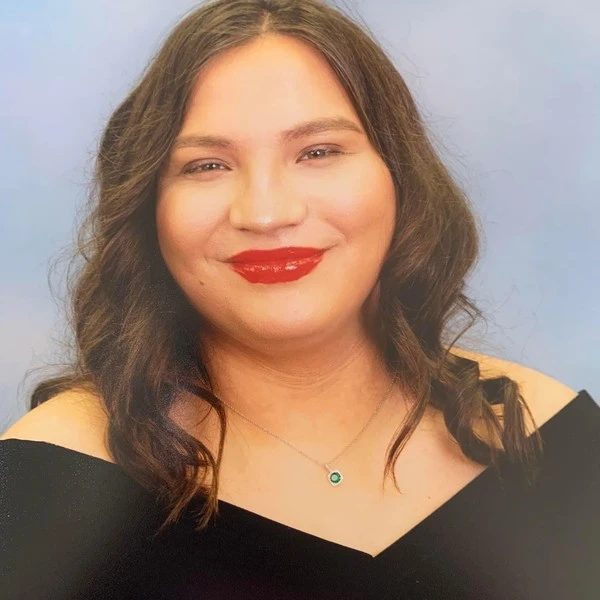
Kassi Latimer
2x
FinalistKassi Latimer
2x
FinalistBio
I am a first-generation college student at the University of Oklahoma pursuing a career as a sports physical therapist, with the long-term goal of opening a clinic that supports athletes both physically and mentally. I was raised in a single-parent household by my grandmother, Meme, who has been my mom, mentor, and greatest source of strength after my parents’ divorce and the loss of my Pawpa and dad. Growing up with limited resources taught me resilience, responsibility, and determination at an early age.
Sports were my safe place growing up and remain central to who I am. They connected me to my family, especially my dad and grandpa, and gave me structure, comfort, and purpose during difficult times. Through my own experiences with anxiety, Dyslexia,ADHD, and high-pressure environments, I developed a deep understanding of how easily mental health can be overlooked, especially for athletes who are expected to perform without showing struggle.
My journey has not been traditional, but it has been intentional. I have learned that perseverance is not just pushing through at all costs, but also knowing when to step back, protect your well-being, and move forward stronger. These experiences shaped my passion for mental health advocacy within athletics and my commitment to helping athletes feel seen, supported, and safe asking for help.
I am driven by faith, empathy, and a desire to give back. I am committed to completing my education, continuing personal growth, and using my lived experience to create meaningful change for athletes and communities like the one that raised me.
Education
Barton County Community College
Bachelor's degree programMajors:
- Mental and Social Health Services and Allied Professions
- Health Professions and Related Clinical Sciences, Other
GPA:
3.6
University of Oklahoma-Norman Campus
Bachelor's degree programMajors:
- Health Professions and Related Clinical Sciences, Other
GPA:
3.56
Southern Oklahoma Technology Center
Trade SchoolMajors:
- Biological and Biomedical Sciences, Other
Ardmore High School
High SchoolGPA:
3.88
Miscellaneous
Desired degree level:
Doctoral degree program (PhD, MD, JD, etc.)
Graduate schools of interest:
Transfer schools of interest:
Majors of interest:
- Biology, General
- Health Professions and Related Clinical Sciences, Other
- Entrepreneurial and Small Business Operations
Career
Dream career field:
Business Supplies and Equipment
Dream career goals:
Sports Physical Therapist
Student Athletic Trainer
University of Oklahoma2025 – 2025
Sports
Track & Field
Varsity2024 – 2024
Public services
Volunteering
Ardmore Athletics — Volunteer – worked concession stands at football games.2023 – 2023Volunteering
Select Physical Therapy (Clinicals) — Clinical Student Intern – assisted physical therapists and observed patient sessions.2024 – 2024Volunteering
Crimson Sweethearts – OU Student Volunteer Group — Volunteer, participated in events such as OU Big Event cleanup, Norman Food Bank, OKC Food Bank, and MLK neighborhood service.2024 – PresentVolunteering
Southern Oklahoma Blood Institution — Donor and helper at blood drives.2023 – PresentVolunteering
Animal Shelter — Play with the animals2023 – 2023
Future Interests
Advocacy
Volunteering
Philanthropy
Dream BIG, Rise HIGHER Scholarship
Education has shaped my goals and given my life direction in ways I did not always expect. For me, education is more than just going to class or earning a degree, it is the path that has helped me understand my purpose, overcome challenges, and discover how I can make a difference in the world.
Growing up, my life was not easy or traditional. My mother struggled with addiction and was not consistently present, which meant my grandmother stepped in and raised me. She became everything to me, my stability, my support system, and my example of strength. Watching her push through difficult circumstances to take care of me taught me the value of perseverance and hard work. Even when life was uncertain, she showed me that continuing forward was always possible. That lesson became the foundation of how I approach education and my future.
At the same time, I faced challenges within school that made learning more difficult. I live with ADHD, dyslexia, and anxiety, which meant I often had to work harder than others to keep up. There were moments when I felt overwhelmed, frustrated, or like I did not belong in certain academic spaces. I struggled with focus, processing information quickly, and the pressure of trying to perform at the same level as everyone else. However, those challenges did not stop me, they forced me to become more resilient.
Instead of giving up, I learned how to adapt. I learned how to keep going even when things felt harder for me than they did for others. Education taught me that success is not about being perfect, it is about being persistent. Those struggles shaped my work ethic and gave me a deeper understanding of what it means to overcome obstacles.
One of the most defining experiences in my education was working as a student athletic trainer in college. I have always loved sports. Growing up, sports were something that connected me to my dad and my grandpa, and even after losing them, that love never went away. Being able to work in athletics felt like I was stepping into something meaningful and familiar.
However, that experience quickly became one of the most challenging moments of my life. I was placed into a high-pressure environment without much preparation, and I felt like I was expected to know everything right away. At the same time, my anxiety made it difficult to keep up in such a fast-paced setting. I constantly felt like I was one mistake away from hurting someone or failing completely.
I kept everything inside because I did not want to seem incapable. I pushed myself to keep going, even when I was overwhelmed. Eventually, the pressure became too much, and I had to step away from the position. At the time, it felt like I had failed. But in reality, that moment changed my life.
That experience showed me something I had never fully understood before, the mental side of performance. I realized that athletes are not just dealing with physical pressure, but emotional and mental pressure as well. They are expected to be perfect, to perform, and to never show weakness, even when they are struggling. I saw how easy it is for someone to feel alone in that kind of environment. That realization gave me direction.
Education helped me understand that my purpose is not just to work in healthcare, but to change how athletes are treated. I now plan to become a sports physical therapist while also advocating for mental health in athletics. I want to help athletes recover physically, but I also want to support them mentally, something that is often overlooked.
In the future, I hope to open a clinic that combines sports physical therapy and mental health support in one place. I want to create a space where athletes can heal, not just physically, but emotionally. A place where they are not treated like numbers, but like people. A place where they can talk, breathe, and feel understood without fear of judgment.
My goal is not to take away from sports or make athletes “soft.” I love sports too much for that. I understand the importance of competition, discipline, and pushing limits. But I also believe athletes should not have to sacrifice their mental health to succeed. They should be able to perform at their best while also being supported as human beings.
The challenges I have faced, growing up in an unstable environment, struggling with learning differences, and experiencing overwhelming pressure, have shaped who I am today. They have given me empathy, resilience, and a deep desire to help others who feel the same way I once did. Education gave me more than knowledge, it gave me purpose.
In the future, I plan to use my education to create a better environment for athletes, one where they feel supported, valued, and understood. I want to be someone who not only helps people heal, but someone who changes the system so others do not have to struggle in silence. Everything I have been through has led me to this path, and I am committed to using my education to make a real and lasting impact.
Lippey Family Scholarship
One of the biggest challenges that led to my personal growth was my experience working as a student athletic trainer in college. It was something I was excited about because I have always loved sports and wanted to be involved in helping athletes. However, what I thought would be an exciting opportunity quickly became one of the most overwhelming experiences of my life.
I was placed into the position without much training, and I constantly felt like I was expected to know what I was doing right away. At the same time, I was dealing with my own learning differences, including ADHD and dyslexia, which made it harder for me to process information quickly in high-pressure situations. I already struggled with anxiety, and being in an environment where I felt like I had to be perfect only made it worse.
Every day, I felt like I was falling behind. I was terrified of making a mistake that could affect an athlete’s health or career. Instead of asking for help, I kept everything inside because I didn’t want to seem like I wasn’t capable. I convinced myself that I just needed to push through it, even though I was becoming more overwhelmed each day.
Eventually, the pressure became too much. I reached a point where I knew I could not continue in that position without hurting my mental health even more. Walking away from something I had worked toward was one of the hardest decisions I have ever made. At the time, it felt like failure.
However, that experience ended up becoming one of the most important moments of growth in my life. It forced me to recognize that struggling does not mean you are weak, and asking for help does not mean you are incapable. I learned that taking care of your mental health is just as important as achieving your goals. I also learned that sometimes growth comes from stepping back, not just pushing forward.
This experience also changed the direction of my future in a meaningful way. It helped me realize that athletes go through similar struggles every day, pressure, fear of failure, and feeling like they cannot speak up. Because of that, I became even more determined to pursue a career in sports physical therapy and mental health advocacy.
Now, my goal is not just to help athletes recover physically, but to support them mentally and emotionally as well. I want to be someone who understands what they are going through and creates an environment where they feel safe asking for help. I want to build a future where athletes are not expected to suffer in silence just to succeed.
Looking back, what once felt like failure was actually a turning point that helped me grow into a stronger, more self-aware person. It taught me resilience, self-advocacy, and the importance of mental health. If I could give advice to someone facing a similar situation, it would be this: you are not failing just because something is hard. Growth does not always look like pushing through, it can also look like recognizing your limits, asking for help, and choosing a path that is healthier for you. Your struggles do not define you, but how you respond to them can shape your future in ways you never expected.
Jeannine Schroeder Women in Public Service Memorial Scholarship
One important social issue I am working to address is the lack of mental health support for athletes. From the outside, athletes are often seen as strong, confident, and successful. However, what many people do not see is the pressure, anxiety, and emotional struggles they carry behind the scenes. Athletes are expected to perform at a high level at all times, and when they struggle, whether physically or mentally, they are often judged instead of supported. This is something I have seen firsthand, and it is what drives me to create change.
My passion for this issue comes from both my love for sports and my personal experiences. Growing up, sports were a huge part of my life. Some of my favorite memories were watching and talking about sports with my dad and my grandpa. Even after losing them, sports remained something that kept me connected to those memories and gave me a sense of purpose. Because of that, I have always cared deeply about the athletes who bring so much joy and inspiration to others.
When I had the opportunity to work as a student athletic trainer in college, I saw a completely different side of sports. I saw athletes pushing through injuries, dealing with pressure from coaches and fans, and struggling silently with their mental health. Many of them felt like they could not speak up about what they were going through because they were afraid of being seen as weak or losing their position. Watching this made me realize how serious this issue is.
I have also faced my own mental health challenges, including anxiety, which has helped me understand how overwhelming pressure can feel. There were times when I felt like I had to be perfect and could not ask for help. That experience made me realize how important it is for people to have someone who listens and supports them without judgment. It also showed me that mental health is just as important as physical health, even though it is often treated differently.
Because of these experiences, I am working toward becoming a sports physical therapist and mental health advocate. My goal is not only to help athletes recover from physical injuries but also to support them mentally and emotionally. I want to be someone athletes can trust, someone who listens, and someone who reminds them that they are more than just their performance.
In the future, I plan to open a clinic that combines sports physical therapy with mental health support. I want to create a space where athletes can recover physically while also having access to mental health resources. I also want to create a safe environment where athletes can simply be themselves without pressure, where they are not being judged, watched, or expected to be perfect.
Addressing mental health in sports is important because athletes are human. They feel pressure, fear, and stress just like everyone else, but they are often expected to hide it. I want to help change that. I want to be part of creating a world where athletes feel supported, understood, and cared for both on and off the field.
By pursuing my education and continuing to advocate for this issue, I am working toward making a positive impact in the sports world. My goal is to help athletes stay healthy, confident, and supported so they can continue doing what they love without feeling alone in their struggles.
Kristinspiration Scholarship
Education is important to me because it represents opportunity, growth, and the ability to create a better future not only for myself but for others as well. Throughout my life, I have faced challenges that could have easily discouraged me from continuing my education, but those experiences ultimately strengthened my determination to succeed and make a positive difference in the world.
Growing up, my life was not always easy. My mother struggled with addiction and was not consistently present in my life, which meant that my grandmother stepped in and raised me. She became my support system, my role model, and the person who showed me what strength and perseverance truly look like. Watching her work hard to provide stability for our family taught me the importance of determination and responsibility. Because of her example, I learned that even when circumstances are difficult, education can open doors to opportunities that may not otherwise exist.
I have also faced personal challenges in school, including living with ADHD, dyslexia, and anxiety. At times, learning felt more difficult for me than it seemed for others. There were moments when I had to work harder to stay focused or understand certain material. However, those struggles taught me resilience and perseverance. Instead of allowing those obstacles to define my abilities, I chose to keep pushing forward and stay committed to my goals.
My love for sports has also played an important role in shaping my educational journey. Growing up, some of my favorite memories were watching and talking about sports with my dad and my grandpa. Those moments created a passion that has stayed with me throughout my life. Even after losing them, sports continued to motivate me and remind me of the people who inspired me. That passion eventually led me to pursue a career path focused on helping athletes.
Through my experiences working with athletes and learning about sports medicine, I discovered my goal of becoming a sports physical therapist and mental health advocate. Athletes often face intense pressure to perform while dealing with injuries and personal challenges that others may not see. Education is the path that will allow me to gain the knowledge and skills necessary to support athletes during some of the most difficult moments of their careers.
The legacy I hope to leave is one of compassion, perseverance, and service to others. I want to create a future where athletes feel supported not only physically but mentally as well. In the long term, I hope to open a clinic that focuses on both sports physical therapy and mental health support so athletes can receive comprehensive care in one place.
More than anything, I want my life and career to reflect the values that shaped me: hard work, empathy, and the desire to help others overcome challenges. Education is the foundation that will allow me to turn those values into action. By pursuing my education and dedicating my career to helping others, I hope to leave a legacy that inspires people to believe in their potential and continue moving forward, even when life presents obstacles.
Ethel Hayes Destigmatization of Mental Health Scholarship
Mental health has played a significant role in shaping my goals, relationships, and the way I understand the world around me. Through my own experiences with anxiety and learning challenges, I have learned that mental health struggles are often invisible to others, yet they can deeply affect how someone navigates daily life. These experiences have not only shaped who I am today but have also guided the career path I hope to pursue in the future.
Growing up, I faced challenges that made certain situations more difficult for me than they might have been for others. I live with anxiety, ADHD, and dyslexia, which meant that school, communication, and high-pressure situations sometimes felt overwhelming. There were times when I doubted myself or worried that I was falling behind others. However, these experiences also taught me resilience and determination. I learned that success is not defined by how easily something comes to you, but by how willing you are to keep moving forward even when things feel difficult.
My experience with mental health also changed the way I build relationships with others. When you understand what it feels like to struggle internally, you become more aware that many people are facing challenges that others cannot see. Because of this, I try to approach people with empathy and patience. I have learned how important it is for someone to feel heard, supported, and understood, especially during moments when they may feel alone or overwhelmed.
One experience that had a major impact on my understanding of mental health was working as a student athletic trainer in college. I had always loved sports and believed that working with athletes would be exciting and fulfilling. While the experience was incredibly valuable, it also exposed me to the intense pressure that exists in athletics. Athletes are often expected to perform at their best while dealing with injuries, stress, and expectations from coaches, teammates, and fans. At the same time, many feel like they cannot openly talk about their struggles because they fear being seen as weak or losing opportunities.
During this time, I also faced my own mental health challenges. The pressure to succeed and perform well in that environment, combined with my anxiety, eventually became overwhelming. Although stepping away from that role was difficult, it helped me realize something important: mental health must be taken seriously, especially in high-pressure environments like sports. It also helped me recognize that asking for help and prioritizing well-being is not a sign of failure, it is an important part of growth.
Because of these experiences, my goals have shifted toward helping others who may be facing similar challenges. I plan to pursue a career in sports physical therapy while also advocating for mental health awareness in athletics. Athletes often receive physical treatment when they are injured, but the mental side of recovery is sometimes ignored. I want to help create an environment where athletes feel supported both physically and emotionally so they can return to their sport with confidence and strength.
In the future, I hope to open a clinic that combines sports physical therapy with mental health support. By bringing these services together, athletes can receive care that treats them as whole individuals rather than focusing on only one part of their well-being. My goal is to help athletes heal, regain confidence, and continue pursuing their passions without feeling alone in their struggles.
My experiences with mental health have changed the way I see the world. They have taught me resilience, empathy, and the importance of supporting others through difficult moments. Rather than allowing these challenges to hold me back, they have given me the motivation to pursue a career where I can make a meaningful difference in the lives of others. Through my education and future work, I hope to help create a world where mental health is understood, supported, and treated with the same care and importance as physical health.
Women in Healthcare Scholarship
My decision to pursue a degree in healthcare comes from a deeply personal place. Throughout my life, I have experienced firsthand how physical injuries and mental health challenges can affect a person’s ability to pursue the things they love. Those experiences shaped my passion for helping others and inspired me to pursue a career where I can make a meaningful difference in people’s lives.
One of the most influential experiences in my life was dealing with a serious ankle injury that affected my ability to participate in sports and everyday activities. Sports had always been an important part of my life, so facing the possibility of losing that connection was incredibly frustrating and emotional. During my recovery, I saw how important healthcare professionals are in helping people heal, not only physically but mentally as well. That experience introduced me to the field of physical therapy and showed me how powerful it can be when someone is there to guide you through recovery.
My passion for healthcare grew even stronger when I had the opportunity to work as a student athletic trainer in college. That role allowed me to see the challenges athletes face behind the scenes. Athletes often deal with injuries, pressure to perform, and expectations from others, yet many people only see what happens during a game or competition. Through this experience, I realized that healthcare professionals play a critical role in supporting athletes during some of the most difficult moments of their careers.
Because of these experiences, I plan to pursue a career in sports physical therapy. My goal is to help athletes recover from injuries, rebuild their strength, and safely return to the sports they love. However, I also want to focus on the mental side of recovery. Too often, physical injuries are treated while the emotional and psychological challenges that come with them are overlooked. Athletes are human beings who experience stress, frustration, and fear during recovery, and they deserve support in every aspect of their healing process.
As a woman entering the healthcare field, I hope to make a positive impact by advocating for a more compassionate and holistic approach to care. Healthcare should not only focus on treating injuries but also on understanding the person behind the injury. I want to help create environments where patients feel heard, respected, and supported throughout their recovery.
In the future, I hope to open a clinic that combines sports physical therapy with mental health support. By bringing these services together, athletes can receive comprehensive care that addresses both their physical and emotional well-being. I want to create a space where athletes feel safe asking for help and where they know their health matters more than performance or statistics.
Healthcare is a field that requires dedication, compassion, and resilience, qualities I have developed through my own experiences. By pursuing a degree in healthcare, I hope to turn those experiences into something meaningful by helping others overcome challenges and continue pursuing their goals. My ultimate goal is to support athletes and individuals not just in healing from injuries, but in becoming stronger, more confident, and healthier in every aspect of their lives.
Strong Leaders of Tomorrow Scholarship
Leadership is often misunderstood as being the loudest voice in the room or the person who is always in charge. For me, leadership looks different. My experiences have taught me that leadership is about empathy, resilience, and the willingness to support others, especially during difficult moments. The challenges I have faced in my life have shaped the way I lead and the kind of impact I hope to make in the future.
Throughout my life, I have learned how important it is to persevere through obstacles. Growing up, I faced academic and personal challenges, including living with ADHD, dyslexia, and severe anxiety. These experiences made certain situations, especially speaking up or performing under pressure, more difficult for me than they might be for others. However, instead of allowing those challenges to stop me, they taught me determination and patience. I had to learn how to keep moving forward even when things felt overwhelming. This resilience has become one of the most important leadership qualities I carry with me.
Another way I have developed leadership skills is through my involvement in athletics and sports medicine. While working as a student athletic trainer in college, I had the opportunity to support athletes as they worked through injuries and recovery. In that role, leadership did not mean giving orders, it meant listening, encouraging, and helping athletes stay motivated during difficult moments. Injuries can be frustrating and discouraging for athletes, and sometimes the most important thing they need is someone who believes in them and reminds them that recovery is possible.
Those experiences helped me understand that leadership often comes through service. A good leader helps others succeed and supports them through challenges rather than focusing only on their own achievements. By being patient, encouraging, and compassionate, I was able to help athletes feel supported while they worked toward returning to the sport they love.
My leadership style is also shaped by my desire to create positive change in the sports world. In the future, I hope to become a sports physical therapist and advocate for mental health in athletics. Athletes often face intense pressure to perform while dealing with injuries, stress, and expectations from others. Too often, their mental well-being is overlooked. I want to lead by helping create environments where athletes feel supported not only physically but mentally as well.
Leadership, to me, is not about having power over others. It is about lifting people up, listening to their experiences, and helping them grow stronger through challenges. My personal struggles have given me empathy for others who may be facing difficulties of their own. They have also given me the determination to use my education and career to support others.
Ultimately, what makes me a leader is my commitment to perseverance, compassion, and service. I believe leadership is about showing up for others, even when it is not easy, and using your experiences to make a positive difference in the lives of those around you. As I continue pursuing my education and future career, I hope to lead by example and help create opportunities for others to succeed, heal, and reach their full potential.
Selective Mutism Step Forward Scholarship
Selective mutism and severe social anxiety have shaped many parts of my life, especially the way I communicate with others and the way I approach challenges. For many people, speaking up in class, asking questions, or expressing their thoughts comes naturally. For me, those moments have often felt overwhelming. There have been times when I knew exactly what I wanted to say but felt physically unable to speak because anxiety took over. Living with selective mutism has made communication difficult in certain situations, but it has also taught me resilience, patience, and empathy for others who struggle with challenges that are not always visible.
Growing up, school environments could sometimes feel intimidating. Being asked to speak in front of others or participate verbally in class created intense anxiety. I often worried about saying the wrong thing, being judged, or drawing attention to myself. Even though I cared deeply about my education, my anxiety sometimes made it harder to show my knowledge or participate the way I wanted to. Those experiences were frustrating because I knew I had ideas and goals, but expressing them was not always easy.
Over time, however, these challenges pushed me to develop strength and determination. I learned to take small steps forward, even when something felt uncomfortable. I began focusing on what I could control, working hard academically, staying committed to my goals, and continuing my education despite the difficulties I faced. Instead of allowing my anxiety to define my potential, I chose to keep moving forward.
My experiences with selective mutism have also shaped the way I understand and relate to others. When you struggle with communication, you become more aware of how important it is for people to feel heard and understood. I know what it feels like to have thoughts and feelings that are difficult to express, and that perspective has helped me become more compassionate toward others who may also feel overlooked or misunderstood.
Pursuing higher education is incredibly important to me because it represents both opportunity and purpose. Education gives me the chance to build the knowledge and skills necessary to pursue my dream career in sports physical therapy. I want to work with athletes who are recovering from injuries and facing physical and mental challenges. Many athletes feel pressure to appear strong at all times, even when they are struggling. Because of my own experiences with anxiety and communication barriers, I understand how difficult it can be to speak openly about those struggles.
In the future, I hope to create an environment where people feel supported and comfortable asking for help. Higher education is the path that will allow me to gain the professional training and expertise needed to help others in meaningful ways. It also represents something deeply personal to me: proof that challenges do not have to limit someone’s potential.
Living with selective mutism has not always been easy, but it has helped shape the person I am today. It has taught me perseverance, empathy, and the importance of using my voice, even when it feels difficult. By continuing my education and pursuing my goals, I hope to use my experiences to help others feel understood, supported, and empowered to overcome their own challenges.
Mikey Taylor Memorial Scholarship
Mental health has played a significant role in shaping my beliefs, relationships, and career aspirations. Through my own experiences with anxiety, pressure, and learning challenges, I have gained a deeper understanding of how important mental well-being is, especially for people who are expected to perform at a high level.
Growing up, I faced several challenges that affected my mental health. I have ADHD and dyslexia, which made school more difficult at times and required me to work harder to keep up. In addition to academic challenges, I also struggled with anxiety that sometimes made stressful situations feel overwhelming. There were moments when I questioned my abilities or felt like I was falling behind others. However, these experiences ultimately taught me perseverance and the importance of understanding that everyone’s journey is different.
One of the most impactful experiences for me was working as a student athletic trainer in college. I had always loved sports and believed that being part of an athletic environment would be exciting and fulfilling. While the experience taught me a lot about the physical side of athletics, it also revealed the intense mental pressure that exists in sports. Athletes often face expectations from coaches, teammates, fans, and even themselves. They are expected to perform at their best, sometimes while dealing with injuries, exhaustion, or personal struggles.
During that time, I also experienced the pressure of trying to succeed in an environment where I constantly felt like I had to prove myself. The responsibility, combined with my anxiety, eventually became overwhelming. Although stepping away from that role was difficult, it became one of the most important turning points in my life. It forced me to reflect on my mental health and recognize that caring for your mind is just as important as pushing yourself toward your goals.
That experience changed my beliefs about success and strength. I learned that asking for help and prioritizing mental health is not a weakness, it is an important part of growth. It also made me more compassionate toward others who may be struggling silently.
My experiences with mental health have deeply influenced my career aspirations. I plan to pursue a career in sports physical therapy, but I also want to advocate for better mental health support for athletes. Physical injuries are often treated with clear recovery plans and professional care, but mental struggles are sometimes overlooked or ignored. I want to help create an environment where athletes feel supported both physically and mentally.
In the future, I hope to open a clinic that focuses on both sports physical therapy and mental health support. By combining these areas, I believe athletes can receive the kind of holistic care they truly need. My goal is to help athletes recover, rebuild confidence, and continue pursuing their passions without feeling alone in their struggles.
My experiences with mental health have shaped the way I see the world, the way I build relationships, and the path I want to follow in life. They have taught me empathy, resilience, and the importance of caring for both the mind and the body. Because of these lessons, I am committed to helping others navigate their own challenges and reminding them that their struggles do not define their potential.
Brent Gordon Foundation Scholarship
Losing a parent changes the way you see the world. It creates a space in your life that can never truly be filled, but it also leaves behind lessons and memories that continue to shape who you become. The loss of my dad has had a profound impact on my journey and the person I am today.
My dad was not perfect, and our relationship had its challenges, but he was still my father and someone who played an important role in my life. Some of my favorite memories with him involved sports. We spent countless hours watching games, talking about teams, and sharing opinions about players. Those moments were simple, but they meant a lot to me. They helped shape my love for sports and gave us a way to connect with each other.
When my dad passed away, it was incredibly difficult. Losing him meant losing the chance to continue building those moments together. There are still times when something happens in sports and my first instinct is to think about what he would say or how he would react. Even though he is no longer here, those memories continue to influence me in ways I did not fully realize at the time.
His loss also changed the way I think about life and the people around me. It taught me how important it is to value the time we have with others and to appreciate the relationships that shape us. Losing a parent at a young age forces you to grow in ways you are not always ready for, but it can also build resilience and perspective.
One of the ways my dad continues to influence my journey is through my passion for sports and my future career goals. Because of the connection we shared through athletics, sports have remained an important part of my life. That passion eventually led me to pursue a path toward becoming a sports physical therapist.
During my time working as a student athletic trainer in college, I saw how much athletes struggle with injuries and recovery. Watching athletes work through pain and setbacks made me realize how important it is to have people who support and guide them through that process. My goal is to help athletes recover physically while also supporting their mental well-being so they can continue pursuing what they love.
In many ways, my dad helped plant the seed for that passion. Even though he is not here to see where my journey is taking me, the love for sports that we shared continues to guide my goals and ambitions. Losing my dad has been one of the most difficult experiences of my life, but it has also shaped my outlook and determination. It reminds me to keep moving forward, to appreciate the people who support me, and to pursue a future where I can make a positive difference in the lives of others.
While grief never fully disappears, it becomes something that teaches you strength and purpose. The memories I shared with my dad will always remain a part of who I am, and they continue to motivate me to work hard, help others, and build a future that honors the lessons and connections he left behind.
Candi L. Oree Leadership Scholarship
Living with disabilities has shaped many parts of who I am today, including how I view challenges, how I connect with others, and the career path I want to pursue. Throughout my life, I have learned that disabilities do not define a person’s potential. Instead, they can shape resilience, empathy, and determination in ways that help someone make a meaningful difference in the lives of others.
I am currently a college student who plans to pursue a career in sports physical therapy. My interest in this field comes from both my love for sports and my own personal experiences with injury and learning challenges. I have ADHD and dyslexia, which made parts of school more difficult for me growing up. Tasks that seemed easy for others sometimes took me more time and effort to complete. At times it was frustrating, but those experiences taught me perseverance and patience. I learned how to adapt, ask for help when I needed it, and keep pushing forward even when something felt difficult.
In addition to learning differences, I also experienced a serious ankle injury that changed how I participated in sports and physical activity. The injury was painful and frustrating, especially because sports had always been such an important part of my life. Going through recovery gave me a firsthand understanding of how difficult injuries can be both physically and mentally. It also introduced me to the world of physical therapy and showed me how important it is to have someone supporting you through the recovery process.
My experiences with disability have also shaped the way I build relationships with others. Because I know what it feels like to struggle with something that others may not see or understand, I try to approach people with empathy and compassion. Everyone carries challenges that may not be visible on the surface, and I believe that kindness and understanding can make a huge difference in someone’s life.
These experiences also helped me develop leadership skills. In college, I had the opportunity to work as a student athletic trainer, where I assisted athletes as they worked through injuries and recovery. That role taught me the importance of communication, patience, and teamwork. Athletes often look to the people supporting them for encouragement and guidance, especially when they are dealing with setbacks. Being able to support them during those moments helped me realize that leadership often comes through service, showing up for others and helping them keep moving forward.
Living with disabilities has strengthened my belief that challenges can become powerful sources of motivation. Instead of allowing obstacles to discourage me, they have inspired me to pursue a career where I can help others overcome similar struggles. My goal is to become a sports physical therapist who supports athletes not only physically but mentally as well. I want to help people recover, regain confidence, and continue pursuing the activities they love.
My journey with disability has shaped my beliefs, strengthened my relationships, and clarified my goals for the future. It has taught me resilience, empathy, and leadership through service. Because of these experiences, I am committed to using my education and career to support others who may be facing challenges of their own and to help them realize that their struggles do not limit their potential.
Native Heritage Scholarship
Storytelling has always been an important way that Native communities pass down wisdom, values, and identity. As a Choctaw woman, I have come to understand that the stories we carry shape not only where we come from, but also who we choose to become. One story from my own life that has deeply impacted me is the story of the people who stepped in to raise me when life was difficult.
My childhood was not always easy. My mother struggled with addiction and was often unable to be present in my life. Instead of having the traditional family structure many children grow up with, my grandmother, who I call my Meme, became the person who raised me. She was not only my grandmother; she became my parent, my protector, and the person who taught me what strength truly looks like.
Growing up, I watched Meme handle challenges with quiet resilience. She carried responsibilities that were never meant for one person alone, yet she never stopped showing love or determination. Through her actions, she taught me that family is not defined only by circumstance but by commitment and care for one another. Watching her sacrifice for our family shaped the way I see the world and the kind of person I want to become.
Another important part of my story involves my connection to sports and the people who shared that passion with me. Some of my most meaningful memories were talking about sports with my dad and my grandpa. Those moments created a bond that meant everything to me. Even after losing them, the love for sports that we shared stayed with me and continues to influence my goals today.
In many Native traditions, stories are meant to guide us forward. When I look back at the experiences that shaped me, being raised by my grandmother, losing people I loved, and finding connection through sports, I see lessons about perseverance, community, and purpose. These experiences taught me that hardship does not define your future. Instead, it can become the foundation that pushes you to create something meaningful.
Because of these experiences, I want to pursue a career in sports physical therapy and mental health advocacy. My goal is to help athletes recover from injuries and overcome the mental challenges that often come with high expectations and pressure. Too often, athletes are expected to be strong all the time, even when they are struggling physically or emotionally. I want to create an environment where athletes feel supported, understood, and valued as people, not just performers.
One day, I hope to open a clinic that focuses on both physical recovery and mental health support for athletes. In many ways, this goal reflects the values I learned growing up: helping others, building strong communities, and using your experiences to support those who come after you.
In Native storytelling, the purpose of a story is not just to remember the past, but to guide the future. The story of my upbringing, my family, and the challenges I have faced has shaped the person I am today. It reminds me every day that resilience, compassion, and determination can turn even difficult experiences into a path toward helping others. That story continues to guide my goals, and I hope to carry those lessons forward by making a positive difference in the lives of others.
Robert F. Lawson Fund for Careers that Care
From a young age, I have always been drawn to helping people. My life experiences have shown me how powerful support, encouragement, and compassion can be, especially during difficult moments. Because of the challenges I have faced growing up, I developed a strong desire to make a positive difference in the lives of others.
I grew up in a household that was not always stable. My mom struggled with addiction and was often absent, which meant that I had to grow up faster than most kids. Thankfully, my grandmother stepped in and became the person who raised me. She became my mom, my dad, and my biggest supporter all in one. Watching her work hard to provide stability and love for our family showed me what true strength and sacrifice look like. Her example taught me the importance of resilience, compassion, and caring for others.
Throughout my life, sports also became a major source of motivation and connection for me. Some of my favorite memories growing up were watching and talking about sports with my dad and my grandpa. Those moments were meaningful to me and helped shape my love for athletics. Even after losing them, sports continued to be something that kept me moving forward and reminded me of the people who inspired me.
When I got to college, I had the opportunity to work as a student athletic trainer. That experience gave me a completely new perspective on athletics. I saw firsthand how hard athletes work and the challenges they face when dealing with injuries and pressure. Many people only see the performance on the field, but they do not see the physical pain, frustration, and emotional struggles that often come with injuries and recovery.
Through those experiences, I realized that I want to dedicate my life to helping athletes and others overcome challenges. My goal is to become a sports physical therapist who not only helps athletes recover from injuries but also supports their mental and emotional well-being. Athletes are often expected to push through pain and pressure, and I want to be someone who helps them feel supported, understood, and cared for during those difficult times.
In the future, I hope to open a clinic that focuses on both sports physical therapy and mental health support for athletes. Physical recovery is incredibly important, but mental health is just as critical for long-term success and well-being. I want to create a place where athletes feel safe asking for help and where they know they are valued as people, not just for their performance.
Receiving this scholarship would help me continue my education and move closer to achieving those goals. Like many students from low-income backgrounds, paying for college can be challenging. Financial support would allow me to focus more fully on my studies and continue building the skills and knowledge needed to help others in meaningful ways.
The challenges I have faced in life have shaped my determination to help others who may be struggling. I want to use my experiences, education, and compassion to make a positive impact in the world. Through my career, I hope to support athletes and individuals who need encouragement, healing, and someone who believes in them.
Simon Strong Scholarship
Adversity is something that everyone experiences in life, but the way we respond to it often shapes who we become. Throughout my life, I have faced several challenges that have tested my strength and perseverance. One of the most difficult periods I experienced was navigating my education and personal life while struggling with learning differences, anxiety, and the pressure to succeed despite circumstances that often felt overwhelming.
Growing up, school was not always easy for me. I have ADHD and dyslexia, which made certain parts of learning more challenging than they seemed to be for others. Reading, writing, and focusing for long periods of time could be difficult, and there were moments when I felt frustrated with myself because I had to work harder just to keep up. At times it felt discouraging to see others complete tasks easily while I needed extra time and effort.
On top of academic struggles, my childhood also included family challenges that created instability in my life. There were moments when things at home were difficult, and those experiences added emotional stress to an already challenging academic environment. During those times, it sometimes felt like I had to grow up quickly and learn how to push forward even when things felt uncertain.
Instead of allowing these obstacles to define me or limit my goals, I chose to use them as motivation. I learned that perseverance, patience, and determination could help me overcome challenges that once felt impossible. I developed stronger study habits, asked for help when I needed it, and refused to give up on my education even when it was difficult.
Over time, these experiences shaped the person I am today. They taught me that success is not always about how quickly something comes to you, but about how hard you are willing to work and how determined you are to keep moving forward. They also helped me develop empathy and understanding for others who may be facing challenges of their own.
Because of the adversity I have faced, I have become more compassionate and driven to help others. My experiences inspired me to pursue a career in sports physical therapy, where I hope to support athletes through both physical injuries and mental struggles. I understand how discouraging it can feel when your body or mind does not seem to cooperate with your goals, and I want to help others overcome those obstacles and continue pursuing what they love.
If I could give advice to someone facing similar challenges, it would be this: do not measure your worth or potential by how easy or difficult something feels right now. Everyone’s journey is different, and struggling does not mean you are incapable. It simply means you are learning how to fight for your goals.
Adversity can feel overwhelming in the moment, but it can also become one of the greatest sources of strength and growth. The challenges I have faced did not stop me from pursuing my dreams, they gave me the determination to work even harder for them. Today, I carry those lessons with me as I continue my education and work toward a future where I can help others overcome the obstacles in their own lives.
Kalia D. Davis Memorial Scholarship
Growing up, sports were more than just games to me, they were a place where I found connection, passion, and purpose. Some of my favorite memories were watching sports with my dad and my grandpa. We would talk about teams, games, and players for hours. Those conversations meant everything to me, and they helped shape the love for sports that continues to guide my life today.
Unfortunately, life has not always been easy. I grew up facing many challenges, including family struggles and loss. My dad and grandpa both passed away, and my relationship with my brother, who once shared my love for sports, changed in ways I never expected. Losing those connections was incredibly difficult, and there were times when I felt like I had lost the people I used to share my passions with.
Despite these challenges, sports remained something that kept me moving forward. They reminded me of the people I loved and the values they taught me: hard work, perseverance, and dedication. Those lessons pushed me to keep going even when life felt overwhelming.
In college, I had the opportunity to work as a student athletic trainer. That experience opened my eyes to the physical and mental challenges athletes face every day. Athletes are often expected to perform at their best while dealing with injuries, pressure, and expectations from others. Many people only see the performance on the field, but they do not see the recovery, setbacks, and struggles behind the scenes.
Watching athletes work through injuries inspired me to pursue a future in sports physical therapy. I want to help athletes recover, regain their strength, and safely return to the sport they love. I also want to advocate for mental health in sports, because athletes are human beings first, and their well-being matters far beyond wins and losses.
My goal is not only to become a sports physical therapist but also to create a space where athletes feel supported both physically and mentally. Too often, physical injuries and mental health struggles are treated separately, even though they are deeply connected. In the future, I hope to open a clinic where athletes can receive both physical therapy and mental health support so they can heal completely and confidently return to their sport.
Receiving this scholarship would help me continue pursuing my education and working toward that goal. Like many students, paying for college is a challenge, and financial support would allow me to focus more fully on my studies and the experiences that will prepare me for my future career. More importantly, it would bring me one step closer to helping athletes the way others once helped me.
Kalia D. Davis was remembered for her ambition, kindness, and dedication, and those are qualities I strive to live by as well. I believe that hard work, compassion, and perseverance can create meaningful change in the lives of others. My journey has not always been easy, but the challenges I have faced have shaped the person I am today and strengthened my determination to make a difference.
Through sports, service, and education, I hope to continue honoring the values that shaped me and to help athletes overcome challenges so they can keep doing what they love.
Brooks Martin Memorial Scholarship
Loss is something that has shaped my life in ways I never expected. One of the most significant losses I have experienced was losing my dad and my grandpa. Both of them played important roles in my life, and the memories I shared with them continue to influence who I am today. Their presence in my life helped shape my interests, my passions, and the person I hope to become.
Some of my favorite memories growing up were spent talking about sports with them. Sports were something we bonded over constantly. Whether we were watching games together, discussing teams, or just sharing our opinions about what was happening in the sports world, those moments meant everything to me. They were simple moments, but they created a connection that I still carry with me today.
When I lost my dad and my grandpa, it felt like a huge part of my life had suddenly disappeared. Grief is a difficult thing to process, especially when the people you lose are the ones who helped shape your passions and interests. There were many moments when I wished I could still call them, talk about a game, or hear their opinions on the sports world. Even now, there are times when something happens in sports and my first thought is how much I wish I could talk to them about it.
At the same time, their loss helped me realize how meaningful those connections were and how much their influence shaped my goals. Sports became even more important to me because they remind me of the people I loved. Instead of letting that loss discourage me, it motivated me to continue pursuing the things that connected us.
Their influence is one of the reasons I want to pursue a career in sports physical therapy and mental health advocacy. Sports have always been more than just games to me, they represent community, passion, and the relationships that bring people together. I want to dedicate my future to supporting athletes and helping them stay healthy both physically and mentally so they can continue doing what they love.
Losing my dad and grandpa also changed the way I view life and the people around me. It taught me how important it is to appreciate the time we have with the people we love and to never take those relationships for granted. Their loss made me more compassionate and aware that everyone is going through challenges that others may not see.
Although losing them was incredibly painful, their influence continues to guide me. The lessons they taught me, the memories we shared, and the passion for sports they helped inspire are still part of my life every day. Their impact did not end when they passed away. Instead, it continues through the goals I pursue and the way I hope to help others in the future.
Their loss shaped me by reminding me that life is fragile, but the love and influence people leave behind can continue to inspire us for years to come. Because of them, I am determined to live a life that honors the passions they helped nurture and to use those passions to make a positive difference in the world.
Breeze Sports Scholarship
Sports have been one of the most important parts of my life for as long as I can remember. Growing up, sports were more than just games or entertainment to me, they were a place where I felt connected, motivated, and inspired. Some of my favorite memories were watching sports and talking about them with my dad, my grandpa, and my brother. Those moments meant everything to me. Even after my dad and grandpa passed away and my relationship with my brother changed, my love for sports never disappeared. Sports are still something that connects me to those memories and continues to motivate me every day.
Sports also became a safe place for me during difficult times. My childhood was not always easy, and sports gave me something positive to focus on when life felt overwhelming. Whether I was watching games, learning about different teams, or being involved in athletics myself, sports gave me a sense of purpose and excitement. They showed me how powerful teamwork, dedication, and perseverance can be.
My passion for sports eventually led me to work as a student athletic trainer in college. That experience gave me a completely new perspective on athletics. I was able to see firsthand the physical and mental challenges athletes face every day. Athletes are often expected to perform perfectly while dealing with injuries, stress, and pressure from coaches, fans, and social media. Many people only see the final score or the performance on the field, but they do not see the effort, pain, and pressure that athletes carry behind the scenes.
Watching athletes go through injuries and recovery made me realize how important proper support is for them. Physical injuries can be incredibly frustrating and difficult, but the mental side of recovery is just as important. Athletes sometimes feel like they have to hide their struggles or push through pain without talking about how they truly feel.
Because of these experiences, I became inspired to pursue a career in sports physical therapy while also advocating for better mental health support in athletics. My goal is to help athletes recover from injuries and return to their sport safely, while also creating an environment where they feel supported mentally and emotionally. I want athletes to know that they are more than just their performance and that their well-being matters.
In the future, I hope to open a clinic that combines sports physical therapy and mental health support so athletes can receive complete care in one place. Too often physical recovery and mental health are treated separately, even though they are deeply connected. By bringing these resources together, I hope to create a space where athletes feel understood, supported, and encouraged during some of the most difficult moments of their careers.
Sports have given me inspiration, purpose, and some of the most meaningful connections in my life. Because of that, I want to dedicate my future to supporting the athletes who bring so much passion and joy to others. By helping athletes stay healthy both physically and mentally, I hope to make a positive difference in the sports world and ensure that athletes feel valued not only for what they accomplish, but for who they are as people.
Hearts on Sleeves, Minds in College Scholarship
For much of my life, using my voice has not come easily to me. I live with severe social anxiety, and speaking up, especially in high-pressure situations, has often felt overwhelming. One moment that stands out clearly to me happened during my time working as a student athletic trainer in college. I was placed in an environment where athletes depended on me and where mistakes could feel incredibly serious. While I was excited about the opportunity, I also felt a constant pressure to be perfect.
There was one moment in particular when I remember feeling completely frozen. I noticed something that I thought might be wrong during a situation involving an athlete, and part of me knew I should say something. But my anxiety took over. I started questioning myself: What if I was wrong? What if speaking up made me look inexperienced or caused a problem? The fear of saying the wrong thing made me hesitate. In that moment, I realized how powerful anxiety can be in silencing someone’s voice.
Afterward, I kept thinking about that experience. I realized that staying quiet was not the person I wanted to be. That moment made me reflect on how many people struggle to speak up, especially in environments where expectations are high and mistakes feel unacceptable. It also helped me understand how athletes might feel when they are dealing with pressure, injuries, or mental health struggles but are afraid to say anything.
That realization changed the way I think about communication and confidence. I began to understand that using your voice does not mean being perfect or always having the right answer. Sometimes it simply means being brave enough to speak honestly, ask questions, or advocate for someone who needs support. Confidence is not something that appears overnight; it grows through experiences, even the uncomfortable ones.
My struggles with anxiety have taught me that many people feel unheard or overlooked, especially when they are dealing with invisible challenges like mental health. Because of this, I want to use my voice in a way that helps others feel supported. My future goal is to become a sports physical therapist and advocate for mental health in athletics. Athletes are often expected to perform perfectly while hiding their struggles, and many feel like they cannot speak openly about what they are experiencing.
Through my career, I hope to create an environment where athletes feel comfortable using their voices and asking for help when they need it. I want to be someone who listens, understands, and encourages people to speak openly about both physical injuries and mental challenges. My own experience with anxiety has helped me realize that having someone who listens without judgment can make a huge difference.
Learning to use my voice is still a journey for me. But that moment taught me that silence does not lead to growth, courage does. By continuing to push past my fears and speak with honesty and empathy, I hope to use my voice to create a positive impact and help others find the confidence to use theirs as well.
Jim Maxwell Memorial Scholarship
My faith has been one of the most important guiding forces in my life, especially during the times when life felt uncertain or overwhelming. Growing up, I experienced many challenges that could have easily discouraged me from believing in a hopeful future. My family struggled with addiction, my mother was not consistently present in my life, and many of the responsibilities of raising me fell to my grandmother, who I call Meme. She stepped in and became the stable, loving figure who helped shape the person I am today. Through all of those challenges, faith became something that helped me keep moving forward.
There were many moments growing up when I questioned why certain things happened in my life. Watching someone you love struggle with addiction is confusing and painful, especially as a child. But over time, I began to understand that even in difficult situations, God was shaping my perspective and my purpose. Those experiences helped me develop empathy for others who are struggling and taught me that hardship does not have to define your future.
My own mental health journey has also strengthened my faith. Living with anxiety, ADHD, and dyslexia has made parts of my education and personal life more difficult than I expected. There were times when I felt overwhelmed and unsure if I was capable of reaching my goals. However, through prayer, support from my family, and trusting that God had a plan for my life, I continued to push forward. My faith reminded me that struggles are not signs of failure, but opportunities for growth and strength.
One of the biggest moments that shaped my faith came during my time working as a student athletic trainer. I was placed in an environment where the pressure to perform perfectly felt overwhelming. I constantly worried about making mistakes and felt like I had to prove myself every day. At the time, it felt like I was failing because I struggled with the pressure and anxiety that came with that role. But looking back now, I believe that experience was God guiding me toward a deeper understanding of the mental side of sports.
That experience helped me realize something important: athletes face not only physical injuries but also intense mental pressure that often goes unnoticed. I believe God used that moment in my life to help me see the bigger picture and guide me toward the career path I want to pursue.
Because of that experience, my goal is to become a sports physical therapist and eventually open a clinic that supports athletes both physically and mentally. I want to create a place where athletes feel safe, understood, and supported during their recovery. My faith plays a huge role in that vision, because it reminds me that every person deserves compassion, patience, and encouragement.
As I continue pursuing my education and future career, my faith will remain the foundation that guides my decisions and my purpose. I believe God has placed this passion in my heart for a reason. My hope is that through my work, I can use the challenges I have overcome to help others find strength, healing, and hope in their own journeys.
Ella's Gift
Mental health and substance abuse have shaped my life in ways that forced me to grow up quickly, but they have also shaped the person I am becoming and the future I hope to build. Growing up, my family faced challenges with substance abuse that deeply affected our home environment. My mother struggled with addiction, and because of that she was not consistently present in my life. As a child, I had to navigate the confusion and pain that comes with loving someone who is battling addiction while also learning to move forward without the stability many children take for granted.
Because of those struggles, my grandmother, who I call Meme, stepped in and became the person who raised me. She took on the role of parent, protector, and supporter all at once. Watching her carry that responsibility showed me what resilience truly looks like. She never gave up on me or on the belief that my future could be different from the difficulties we faced. Her support helped me understand that even when life feels uncertain, there are people who will stand beside you and help you keep going.
Growing up in an environment affected by addiction and emotional hardship also impacted my own mental health. I live with severe anxiety, ADHD, and dyslexia, and managing those challenges while pursuing my education has not always been easy. There were times when the pressure felt overwhelming and when I questioned whether I was capable of reaching the goals I had for myself. However, these experiences also taught me perseverance and self-awareness. I learned how important it is to ask for support, to take care of my mental health, and to continue moving forward even when progress feels slow.
Sports became one of the places where I found stability and motivation. Sports gave me something positive to focus on and something that connected me with people I loved, including my dad and my grandpa before they passed away. Because of this connection, sports became more than just entertainment to me, they became a source of strength and hope during difficult times.
During college, I had the opportunity to work as a student athletic trainer. That experience showed me how much pressure athletes face, both physically and mentally. Athletes are often expected to perform perfectly while dealing with injuries, stress, and intense expectations from coaches, fans, and social media. Many athletes are told to push through pain without anyone asking how they are doing emotionally.
Seeing that environment while managing my own anxiety helped me realize how closely mental health and physical health are connected. It also made me realize that many athletes struggle in silence because they fear being seen as weak or losing their opportunities if they speak up.
Because of these experiences, my academic goal is to pursue a career in sports physical therapy while also advocating for stronger mental health support for athletes. I want to help athletes recover from injuries while also providing an environment where their mental health is respected and supported. My long-term dream is to create a clinic that combines sports physical therapy and mental health resources so athletes can receive complete care for both their bodies and their minds.
My plan for continuing my own mental health recovery includes staying connected to the support systems that have helped me grow, including my family, my faith, and the mentors who have encouraged me to keep pursuing my education. I have learned that recovery and mental health are ongoing journeys, and taking care of myself allows me to better help others.
The challenges I experienced growing up with addiction and mental health struggles did not define my future, but they did shape my purpose. They taught me empathy, resilience, and the importance of supporting people who may feel alone in their struggles. Through my education and future career, I hope to use those lessons to help others feel seen, supported, and capable of overcoming their own challenges.
Dylan's Journey Memorial Scholarship
Living with ADHD, dyslexia, and severe anxiety has shaped the way I experience school, relationships, and my goals for the future. These challenges are not always visible to others, but they have affected how I learn, how I approach obstacles, and how I understand the struggles of people around me. While they have made parts of my education more difficult, they have also given me resilience, empathy, and a deep desire to help others who feel overlooked or misunderstood.
Growing up with learning differences meant that school often required extra effort and determination. Dyslexia made reading and processing information slower for me, and ADHD made it difficult to stay focused in environments that expected constant attention. At times it was frustrating to feel like I had to work twice as hard just to keep up. However, these experiences also taught me perseverance and patience. I learned that progress is not always measured by how quickly something comes to you, but by your willingness to keep trying.
My struggles with anxiety also played a large role in shaping my path. Anxiety can make everyday situations feel overwhelming, especially in environments where expectations are high. During college, I had the opportunity to work as a student athletic trainer, which was both exciting and extremely challenging. Being responsible for helping athletes while dealing with my own anxiety made me realize how powerful mental health struggles can be. I constantly felt pressure to be perfect and feared that making a mistake could affect someone else’s career.
That experience opened my eyes to the mental pressure athletes face every day. Athletes are often expected to perform perfectly while dealing with injuries, stress, and intense public expectations. Many people only focus on the physical side of sports injuries, but the mental impact can be just as difficult. Seeing this firsthand made me realize that there is a need for better support systems for athletes that address both their physical recovery and their mental well-being.
Because of my own experiences with neurodiversity and anxiety, I want to pursue a career where I can support people who are facing similar struggles. My goal is to become a sports physical therapist and eventually open a clinic that combines physical therapy and mental health support specifically for athletes. Too often athletes are told to push through pain without anyone asking how they are truly doing emotionally. I want to help change that by creating a place where athletes can recover from injuries while also receiving support for the mental pressures they face.
Living with ADHD, dyslexia, and anxiety has shown me that challenges do not define a person’s potential. Instead, they can build empathy, determination, and a stronger understanding of others. These experiences have motivated me to pursue higher education and dedicate my career to helping others feel supported and understood. Through my work in sports medicine and mental health advocacy, I hope to make a positive impact by helping athletes and others realize that they are more than their struggles and that they deserve care for both their physical and mental well-being.
Raise Me Up to DO GOOD Scholarship
Growing up, my family situation looked different from what many people imagine as a “typical” household. My mom struggled with drug addiction and was not consistently present in my life, and my dad, although he was part of my life, was not always the father figure I needed. Because of that, the person who truly stepped in to raise me was my grandmother, who I call Meme. She became my mom, dad, and grandmother all in one. Being raised in a single-parent type household taught me early on what resilience, sacrifice, and unconditional love look like.
Watching my Meme take care of me showed me what it means to put others first. She worked hard and did everything she could to give me stability, even when life was difficult. Her strength taught me that family is not always about who is supposed to be there, but about who chooses to be there and love you through everything. Because of her, I learned the importance of perseverance and caring for the people around you.
Growing up without consistent parents also forced me to grow up quickly. I learned to be independent and responsible at a young age. At times it was difficult, especially when I saw other families that seemed more stable or complete. But those experiences shaped me into someone who wants to help others and make a positive difference in the world. They taught me empathy and made me more aware of the struggles that many people quietly face.
One of the biggest things that helped me get through those challenges was sports. Sports gave me something positive to focus on and something that connected me with people I loved, especially my dad and my grandpa before they passed away. Sports became a place where I could escape stress and feel like myself. Because of that, I developed a deep respect for athletes and the pressure they face, both physically and mentally.
As I look toward the future, my goal is to use my experiences and my passion for helping others to make a meaningful impact. I plan to pursue a career in sports physical therapy and eventually create a place where athletes can receive both physical rehabilitation and mental health support. Too often athletes are expected to push through injuries and emotional struggles without the support they truly need. I want to help change that by creating an environment where athletes are treated as people first, not just performers.
Even beyond my career goals, I want to use my life to help others feel supported and understood. Growing up in a single-parent household showed me how important it is to have someone who believes in you and encourages you, even when life feels uncertain. Just like my Meme did for me, I want to be someone who helps others keep moving forward and reminds them that their struggles do not define their future.
The challenges I faced growing up did not hold me back. Instead, they shaped the person I am today and strengthened my desire to help others. Because of my upbringing, I know how powerful compassion and support can be, and I plan to carry those lessons with me throughout my life as I work toward making a difference in the lives of others.
Dr. G. Yvette Pegues Disability Scholarship
Living with ADHD, dyslexia, and severe anxiety has shaped the way I experience school, relationships, and the world around me. Growing up, learning did not always come easily to me. I often had to work harder than others to understand material, stay focused, and manage the pressure that came with school expectations. At times it made me feel different or behind, but over time it also taught me persistence, empathy, and resilience. These experiences helped me understand what it feels like to struggle quietly while trying to keep up with everyone else.
My neurodiverse experiences have also influenced how I view other people’s challenges. Because I know how overwhelming pressure and anxiety can feel, I have become more aware of how many people are silently dealing with their own struggles. One group that especially stands out to me is athletes. Athletes are often seen as strong, confident, and mentally tough, but behind the scenes many of them face injuries, intense pressure to perform, and emotional stress that people rarely talk about.
During college, I had the opportunity to work as a student athletic trainer. Being in that environment opened my eyes to how much pressure athletes carry every day. At the same time, my own anxiety made that experience very difficult. I constantly felt like I had to be perfect and that I could not make mistakes. I worried that if I did something wrong, I could hurt someone’s career. That fear made me realize how similar my feelings were to what many athletes experience when they are expected to perform perfectly in front of coaches, teammates, and fans.
Those experiences changed the way I think about both mental health and disability advocacy. Neurodiversity and mental health challenges are often invisible, but they still affect how people navigate school, work, and life. When people feel misunderstood or unsupported, it can make those challenges even harder.
Because of this, I want to pursue a career in sports physical therapy while also advocating for stronger mental health support for athletes. My long-term goal is to open a clinic that combines sports physical therapy and mental health resources so athletes can receive care for both their physical injuries and emotional well-being in one place. Too often athletes are told to push through pain without anyone asking how they are truly doing mentally.
My goal is not to take athletes away from the sports they love. I deeply respect sports and understand how important they are to athletes’ identities and communities. Instead, I want to help athletes recover from injuries, manage the mental pressures of competition, and return to their sport feeling stronger and supported.
Living with ADHD, dyslexia, and anxiety has taught me that challenges do not define a person’s potential. Instead, those experiences can create understanding, compassion, and motivation to help others. Through my education and future career, I hope to support athletes and others who feel overlooked, reminding them that they are more than their struggles and that their well-being truly matters.
Autumn Davis Memorial Scholarship
Mental health has shaped the way I see the world, the way I understand others, and the career I hope to build one day. Living with severe anxiety has taught me how powerful the mind can be, both in the challenges it creates and in the strength it can build. Because of my own experiences, I have developed a deep empathy for people who are struggling silently, especially athletes who are often expected to appear strong at all times.
Growing up, sports were always a huge part of my life. Sports were more than just games to me, they were a safe place. They were something positive I could turn to even when life felt overwhelming. I loved talking about sports with my dad, my grandpa, and my brother, and those moments created memories that meant everything to me. Even after losing my dad and grandpa and becoming distant from my brother, my love for sports never disappeared. Sports continue to be something that connects me to the people I loved and to the passion that has guided my future goals.
When I began working as a student athletic trainer for a college athletic program, I saw the pressure athletes face up close. Athletes are often expected to perform perfectly while dealing with injuries, stress, and intense expectations from coaches, fans, and even social media. At the same time, my own anxiety made that environment extremely challenging for me. I constantly felt like I had to be perfect and that I could not ask for help. Eventually I realized that what I was experiencing emotionally was similar to what many athletes go through when they feel pressure to perform and hide their struggles.
That realization changed my perspective completely. I began to understand that physical injuries are only one part of an athlete’s recovery. Mental health plays a huge role in how athletes heal, cope with setbacks, and continue moving forward. Too often, athletes are expected to push through pain without anyone asking how they are truly doing.
Because of these experiences, I have developed a strong desire to work in a field where I can support athletes both physically and mentally. I plan to pursue a career in sports physical therapy while also advocating for stronger mental health support in athletics. My long-term dream is to open a clinic that combines sports physical therapy and mental health resources so athletes can receive complete care in one place.
My goal is not to take athletes away from the sports they love. I respect competition and understand how important sports are to athletes. Instead, I want to help athletes stay healthy, recover from injuries, and manage the mental pressure that comes with competition. Athletes deserve to know they are valued as people, not just performers.
Mental health struggles can feel isolating, but they also create opportunities for compassion and change. My experiences have taught me that empathy, understanding, and support can make a life-changing difference. Through my career, I hope to help athletes feel heard, supported, and strong both on and off the field.
Elijah's Helping Hand Scholarship Award
Mental health has shaped my life in ways that are both visible and invisible. For most of my childhood and teenage years, I lived with severe anxiety without fully understanding what it was. I thought the racing thoughts, the constant overthinking, and the fear of saying the wrong thing were just personality traits. I didn’t realize that not everyone felt physically sick before speaking in class or replayed conversations for hours afterward. I simply believed I needed to try harder.
As I grew older, especially in college, that anxiety intensified. Being in larger academic and athletic environments made me feel like I was constantly being evaluated. I would question whether I belonged in certain spaces, whether I was capable enough, or whether I was disappointing people without realizing it. The pressure I put on myself was often heavier than any external expectation.
One of the most significant moments where mental health deeply impacted me was when I stepped away from a position I had worked hard to earn in athletics. Sports have always been meaningful to me, and being part of that environment felt like a dream. But my anxiety made it difficult to function confidently in that space. Walking away felt like losing something that defined me. It forced me to confront how much my identity had been tied to performance and approval.
That season was painful, but it was also transformative. For the first time, I began to intentionally learn about mental health instead of ignoring it. I sought healthier coping strategies. I learned how to recognize anxiety patterns instead of letting them control me. I began understanding that mental health struggles are not weaknesses, but conditions that require awareness and care, just like physical injuries.
Mental health has not disappeared from my life. It is something I continue to manage. But it no longer defines my limits. Instead, it has shaped my purpose. I am pursuing a career in physical therapy with a focus on athletes, and I am especially passionate about integrating mental health awareness into sports rehabilitation. I have seen how often mental strain is overlooked in competitive environments. Athletes are praised for toughness but rarely supported emotionally when they struggle.
My experiences with anxiety have given me empathy I would not otherwise have. I understand what it feels like to sit silently with fear and still show up. I understand how isolating mental health challenges can feel when they are invisible. Because of that, I want to create environments where people, especially athletes, feel safe speaking honestly about both physical and emotional pain.
Mental health has impacted my life by challenging me, humbling me, and ultimately strengthening me. It has taught me resilience, self-awareness, and compassion. What once felt like something to hide has become something I use to connect with and support others.
Nabi Nicole Grant Memorial Scholarship
One of the most difficult seasons of my life was when I worked as a student athletic trainer for OU Athletics. It was something I had wanted so badly. Sports have always meant everything to me. They were connection, identity, and purpose. Being part of that environment felt like stepping into the world I had dreamed about. I wanted to fit in. I wanted to prove that I belonged there. I wanted to do everything perfectly. But my social anxiety did not disappear just because the opportunity was exciting.
Instead, it intensified. I constantly felt like I was being evaluated. I overthought every interaction. I worried about saying the wrong thing or looking inexperienced. I would replay conversations in my head and convince myself I had failed. The pressure of being surrounded by high-level athletes, coaches, and staff only magnified that fear. What was supposed to be my dream opportunity began to feel overwhelming. Eventually, I stepped away from the position to protect my mental health. That decision felt like losing something sacred. Sports had always been my safe place. Walking away felt like failure.
I questioned myself deeply. I asked God why He would allow me to lose something I had prayed for. It was during that time that my faith became more than routine; it became survival.
Through prayer and reflection, I began to understand something I had not considered before. God was not taking my dream away. He was preparing me for it. I had always said I wanted to work as a sports physical therapist and mental health advocate for athletes. I wanted to help athletes navigate the emotional side of injury and pressure. But how could I truly understand what it feels like to lose the thing that defines you if I had never experienced that loss myself?
Stepping away from that role forced me to confront the mental side of losing something that felt like identity. It showed me what it feels like when your passion is suddenly out of reach. It humbled me. It deepened my empathy. It strengthened my reliance on God rather than performance. In that season, I learned that my worth was not tied to a position, a title, or proximity to athletics. My calling is bigger than one role. God was teaching me patience and perspective. He was showing me that to serve athletes well in the future, I needed to understand the emotional weight they carry when sports are threatened by injury, pressure, or fear.
Now, as I continue pursuing my degree in Health and Exercise Science, my goal is clearer than ever. I want to build a physical therapy clinic that integrates mental health advocacy within sports rehabilitation. I want to serve athletes not just physically, but spiritually and emotionally when needed. I want them to know that losing time, status, or ability does not mean losing identity.
Relying on my faith during that obstacle changed me. It shifted my perspective from disappointment to preparation. What felt like a loss became a lesson. And through it, I learned that sometimes God allows us to experience hardship not to stop our purpose, but to strengthen it.
Eden Alaine Memorial Scholarship
Losing my dad is something I still don’t always know how to explain. Our relationship was complicated, but it was real. He wasn’t a perfect father, and there were things I wish had been different. But he was still my dad. And when he passed away, I didn’t just lose a parent; I lost the possibility of what could have been.
Growing up, some of my best memories with him were simple ones. We bonded over sports. We could sit and watch games for hours, talking about plays and players as if it were the most important thing in the world. He made me feel included in that space. Even now, when I watch football or basketball, I think about him. Sports became more than entertainment; they became a connection to someone I loved.
When he died, I felt grief in layers. I grieved the moments we had, but I also grieved the future moments we would never get. There would be no more late-night conversations, no more shared games, no chance to rebuild parts of our relationship that needed healing. Losing him forced me to confront how fragile time really is. It also made me realize that love does not have to be perfect to be meaningful.
His passing shaped me in ways I didn’t expect. For a long time, I carried guilt and unanswered questions. I wondered if I had said enough, done enough, appreciated enough. But eventually, I began to understand that grief is not about having a flawless relationship. It is about honoring what was there. My dad taught me resilience, even if he didn’t always mean to. He showed me how to care deeply about what I love. And in his own imperfect way, he gave me a foundation of strength.
Losing him also changed how I view my future. I often think about the kind of life I want to build and the kind of legacy I want to leave. I want to create stability where there wasn’t always stability. I want to be present in ways that matter. I want to make the people around me feel supported and safe. His absence reminds me not to take time for granted and not to assume that tomorrow is guaranteed.
Grief is not something I have “moved on” from. It is something I carry. But it no longer feels like only pain. It feels like motivation. It pushes me to work hard in school, to pursue my goals with urgency, and to build a life that would make him proud, even if we didn’t always say those words out loud. Losing my dad shaped my understanding of love, forgiveness, and perseverance. It taught me that relationships can be imperfect and still meaningful. And it reminds me every day that even complicated love is still love.
Now I am going to college at the University of Oklahoma, which is his favorite college. The college we bonded over. I hope I am making him proud. I plan to be a sports Physical Therapist for professional sports teams and to eventually open my own clinic that focuses on the mental side of sports, along with the physical, as it’s just as important.
Learner Tutoring Innovators of Color in STEM Scholarship
I have chosen to pursue a degree in STEM because science has never felt abstract to me, it has felt personal. My interest in health and exercise science grew out of lived experience. As a child, I survived a life-threatening illness that required intensive medical care and recovery. Later, I experienced a significant ankle injury that led to chronic pain and long-term physical limitations. At the same time, I have navigated severe anxiety for most of my life. These experiences showed me how closely the body and mind are connected. They also showed me how powerful science can be when it is used with compassion.
STEM, to me, is not just equations, lab reports, or anatomy charts. It is the science behind why muscles heal, how nerves respond to trauma, how the brain processes fear, and how recovery can be optimized through evidence-based care. I am pursuing a degree in Health and Exercise Science at the University of Oklahoma, while also completing coursework through Barton Community College, because I want to become a physical therapist who works specifically with college and professional athletes. I am especially interested in integrating mental health awareness into sports rehabilitation. Too often, athletes are encouraged to “push through” physical and emotional pain without support. I want to use science to change that culture.
As a person of color and a proud member of the Choctaw Nation, I understand how important representation is in STEM fields. Growing up, I did not often see Native women in healthcare roles, especially in specialized areas like sports medicine. That absence can quietly shape what young students believe is possible for them. I hope my presence in this field will challenge that narrative. I want Native youth and other students of color to see someone who shares their background succeeding in science and medicine, not just surviving it, but leading in it.
My impact in STEM will extend beyond clinical care. I plan to mentor Native and underrepresented students who are interested in healthcare and athletics. I want to advocate for culturally responsive care that recognizes how community, identity, and mental health influence recovery. In many communities of color, mental health is still stigmatized, and access to quality care can be limited. By combining sports rehabilitation with mental health education, I hope to create spaces where athletes feel seen as whole people, not just performers.
Science has given me language for experiences I once struggled to understand, chronic pain, anxiety, recovery, resilience. Now, I want to use that knowledge to improve the lives of others. Pursuing a STEM degree is not only about building a career; it is about building bridges. Bridges between physical and mental health. Bridges between science and compassion. And bridges for students of color who deserve to see themselves reflected in laboratories, clinics, and leadership roles within healthcare. Through dedication, representation, and advocacy, I hope to leave an impact in STEM that is both measurable and meaningful.
Let Your Light Shine Scholarship
I plan to create a legacy rooted in healing, honesty, and impact, one that reminds people they do not have to choose between strength and vulnerability. My future legacy is not defined by titles or profit, but by the people whose lives are improved because someone finally saw them as a whole person. I want to be remembered as someone who helped others believe they were capable again, especially in moments when injury, anxiety, or self-doubt made that feel impossible. One day, I hope to create my own physical therapy clinic designed specifically for athletes, where physical recovery and mental health are treated as inseparable. Too often, athletes are expected to perform through pain, silence fear, and ignore the emotional toll of injury. My business will challenge that culture. I want to build a clinic that supports collegiate and professional athletes not only in returning to play, but in rebuilding confidence, identity, and mental resilience. This clinic will prioritize education, mental health awareness, and compassionate care alongside evidence-based physical therapy. It will be a space where athletes are encouraged to speak openly, heal fully, and understand that taking care of their mind is just as important as strengthening their body.
I am especially passionate about this mission because of my own experiences with severe anxiety. For much of my life, anxiety limited my voice, my confidence, and my willingness to pursue big goals. I learned what it feels like to want more from life while being held back by fear. Rather than letting that define me, I am choosing to let it shape how I serve others. My journey taught me that mental health challenges are not weaknesses, they are experiences that, when acknowledged and supported, can become sources of empathy and strength.
I shine my light by being honest about my struggles and committed to growth, even when it feels uncomfortable. I shine my light by choosing a path that allows me to advocate for those who often feel pressure to appear strong at all costs. I shine my light by leading with compassion, listening without judgment, and working toward a future where mental health is normalized, especially in athletic environments where it is often ignored. Through my education, future clinic, and advocacy, I hope to leave behind a legacy of care that continues long after I do. My light is not loud, but it is steady, and I intend to use it to help others find their way forward.
Brian J Boley Memorial Scholarship
For most of my life, mental health challenges shaped my choices long before I had the language to describe them. I grew up with severe anxiety that affected how I spoke, participated, and showed up in the world. I avoided sports, leadership roles, and opportunities that required visibility or confidence because fear felt safer than failure. For a long time, I believed this was simply who I was, not realizing that untreated anxiety was quietly limiting my potential. It was not until later, especially in college, that I began to understand the depth of mental health’s impact on education, identity, and opportunity. College intensified my anxiety rather than easing it. Larger environments, social pressure, and academic expectations pushed me into situations where my symptoms became impossible to ignore. I struggled silently, afraid to ask for help or appear weak. At the same time, I became increasingly aware of how often mental health is overlooked, especially among high-achieving individuals like athletes. Being around competitive sports environments showed me how frequently anxiety, depression, and burnout are hidden behind strength, performance, and success. That realization became a turning point. I did not want to simply survive my mental health challenges; I wanted to use them to help others who feel unseen or misunderstood.
I am pursuing a degree in health and exercise science with the goal of becoming a physical therapist who specializes in working with athletes, particularly at the collegiate and professional levels. What draws me to this field is not just the physical side of recovery, but the emotional and psychological toll injury takes on identity, confidence, and purpose. Athletes are often taught to push through pain and suppress emotion, which can make mental health struggles even more isolating. I want to change that narrative by creating spaces where physical rehabilitation and mental well-being are treated as inseparable parts of healing. My long-term goal is to open my own clinic that integrates physical therapy with mental health awareness and support. I want to advocate for athletes who feel pressure to perform while quietly battling anxiety, fear of reinjury, or loss of self-worth. By sharing my story openly and leading with empathy, I hope to normalize conversations about mental health in environments where vulnerability is often discouraged. I plan to make a difference by listening first, educating athletes about mental health, and helping them rebuild not only their bodies, but their confidence and sense of control.
Mental health shaped my struggles, but it also shaped my purpose. Choosing this path is my way of honoring what I have overcome and ensuring that others do not feel alone in their journey. Through education, advocacy, and compassionate care, I hope to make a lasting difference in the lives of those who need both healing and understanding.
Kerry Kennedy Life Is Good Scholarship
My career of choice is to become a physical therapist who works closely with athletes while prioritizing mental health as much as physical recovery. I am passionate about this path because I have lived at the intersection of injury, anxiety, and the pressure to keep going when your body and mind are begging for rest. I do not see athletes as machines that need to be fixed and sent back onto the field, I see them as people who carry pain, expectations, fear, and identity in their bodies. I want to be the kind of provider who understands all of that. My passion for physical therapy began with my own injury. After a severe ankle injury that revealed an extra bone in my foot, I experienced long-term pain, instability, and limitations that changed how I moved and how I saw myself. As someone who had once been fast and athletic, being told I could not compete the same way again was devastating. Physical therapy was not just about strengthening my ankle; it was about learning how to trust my body again and grieve what I had lost. That experience made me realize how deeply physical injury can affect mental health, especially for athletes whose identities are tied to performance.
At the same time, I have lived with severe anxiety for most of my life. For years, I did not have the language or support to understand what I was experiencing. College intensified those struggles, larger environments, higher expectations, and constant comparison made even simple things like speaking up in class or walking into new spaces feel overwhelming. Working around athletes and athletic environments only reinforced how invisible mental health struggles can be, even among those we idolize for their strength. That is why my goal is to create a career that bridges physical therapy and mental health support, particularly for college and professional athletes who are often expected to push through pain in silence.
To pursue this path, I have made significant sacrifices. I stepped away from opportunities that were damaging my mental health, even when doing so felt like failure. I have chosen healing over speed, long-term purpose over short-term validation. Financially, I have sacrificed comfort and stability to remain in school and continue working toward my degree. Emotionally, I have had to confront fears that once kept me from going after big goals at all. Continuing my education while managing chronic pain and anxiety has required discipline, self-awareness, and resilience that I did not know I had. Despite these challenges, I remain committed to this career because I know what it feels like to need someone who truly understands. I want to help athletes recover not only their strength, but their confidence, identity, and sense of safety in their own bodies. Physical therapy, when done with compassion and mental health awareness, can change lives. That is the impact I am working toward, and the future I am sacrificing for.
RELEVANCE Scholarship
Every experience in my life has shaped the way I understand medicine, not as a set of diagnoses, but as a responsibility to care for the whole person. My personal challenges, especially those involving serious illness, mental health struggles, and physical injury, are what led me to pursue a career in medicine through physical therapy. These experiences did not just influence my path; they defined it. When I was very young, I nearly lost my life after pneumonia turned into MRSA. My heart stopped, I required a chest tube, and I had to relearn basic skills afterward. Although I survived, the impact stayed with me. I grew up with asthma, frequent respiratory issues, and the constant awareness that my body could fail me without warning. At an age when most children felt invincible, I learned how fragile health can be, and how deeply it affects every aspect of life.
As I got older, I developed severe anxiety, OCD, ADHD, and depression. For a long time, I believed these struggles meant I was weak or incapable. In college, the pressure intensified. I worked in an athletic training environment, my dream job, until my mental health deteriorated to the point where I had to make the difficult decision to step away. I was not fired; I chose to protect my health and my future. That decision taught me something medicine rarely talks about: knowing when to pause is sometimes the strongest form of perseverance. Being close to athletics showed me another reality. Athletes are expected to perform perfectly while hiding pain, fear, and mental strain. Many struggle silently with anxiety, breathing issues, chronic injuries, or rare conditions because they are afraid of losing their spot or their identity. I saw myself in them. Sports had always been my safe place growing up, something I shared with my dad and grandpa, both of whom have passed away. Athletics gave me comfort when my life felt unstable, and now I want to give something back to the people who sacrifice their bodies and mental health every day for the game.
These experiences led me to pursue physical therapy as my path into medicine. I do not want to treat injuries in isolation. I want to work with athletes and active individuals who live with asthma, lung disease, chronic pain, or rare medical conditions, people who are often told to “push through” instead of being truly supported. I want to help patients rebuild strength safely, learn how their bodies work, and feel empowered rather than ashamed of their limits. My long-term goal is to open a clinic that integrates physical rehabilitation with mental health awareness, especially for college and professional athletes. My experiences allow me to approach healthcare with empathy, patience, and honesty. I understand what it feels like to lose something you love to illness, to feel misunderstood, and to fear that asking for help means failure. Because of what I’ve lived through, I will never see patients as just charts or conditions. I will see them as people whose experiences matter. That perspective is what I will bring into medicine, and it is how I hope to make a lasting, meaningful impact in healthcare.
Sammy Hason, Sr. Memorial Scholarship
I plan to improve the lives of others through a career in healthcare by focusing on people whose struggles are often overlooked, especially athletes living with lung disease, chronic conditions, or rare medical complications. My goal is to become a physical therapist who treats the whole person, not just the injury or diagnosis, and who understands how physical limitations affect mental health, confidence, and identity. My passion for this work is deeply personal. As a child, I nearly lost my life when pneumonia turned into MRSA. My heart stopped, I required a chest tube, and I had to relearn basic skills afterward. Even though I survived, the effects did not disappear. I grew up with asthma, frequent respiratory issues, and a body that did not always cooperate with my goals. Living through serious illness at a young age taught me that recovery is not a straight line, and that people with lung disease or rare conditions often feel misunderstood or dismissed because they “look fine” on the outside.
Later, when I became involved in athletics and sports environments, I noticed the same pattern. Athletes with asthma, breathing disorders, or rare conditions are expected to perform at the same level as everyone else, often without accommodations or understanding. Many push themselves past safe limits out of fear of being seen as weak or replaceable. I know how damaging that mindset can be, both physically and mentally. Through physical therapy, I want to help athletes and patients with lung disease learn how to move, train, and recover safely within their limits, not in spite of them. I envision working closely with individuals who have asthma, post-illness complications, or rare medical conditions, helping them rebuild strength while also protecting their long-term health. This includes breathing mechanics, endurance training, injury prevention, and education so patients understand their bodies rather than feeling afraid of them.
Beyond physical recovery, I also want to advocate for better awareness and support. Living with a condition that affects breathing or stamina can be isolating, especially in competitive environments. I want to be a provider who listens, validates concerns, and creates treatment plans that respect both the physical and emotional realities of illness. Long-term, my dream is to open a clinic that integrates physical therapy and mental health awareness, particularly for athletes and active individuals with chronic or rare conditions. Healthcare changed my life by giving me a second chance. Through physical therapy, I want to give others the confidence, safety, and support they deserve, so they can pursue their goals without sacrificing their health or feeling alone in the process.
Harvest Scholarship for Women Dreamers
My “pie in the sky” dream is to change the way athletes are cared for, physically and mentally. I want to work directly with athletes, especially college and professional athletes, as a physical therapist who understands not only how their bodies break down, but how their minds carry pressure, fear, and expectations that no one sees. One day, my dream is to open a clinic that treats athletes as whole people, not just injured bodies. This dream was sparked by my own experiences with sports and mental health. Growing up, sports were my safe place. They were what connected me to my dad and my grandpa, both of whom I watched games with constantly. Sports gave me comfort during a childhood that wasn’t stable or easy, and they taught me discipline, loyalty, and resilience. As I got older, I started noticing something deeper, athletes are expected to be perfect. They’re praised for pushing through pain, staying quiet, and sacrificing their bodies for others’ entertainment. But no one talks enough about what that pressure does to their mental health.
In college, that realization became personal. I’ve struggled with severe anxiety for most of my life, even when I didn’t have the language to name it. College made it louder. Being surrounded by athletes, people the world idolizes, while knowing how much pressure they carry confirmed what I already felt: athletes are human, and they need better support. I saw firsthand how injuries, expectations, and fear of letting others down can quietly consume someone. That’s why my dream feels big and just out of reach. Becoming a physical therapist is already demanding, but choosing to center my career around athletes’ mental health as well as physical recovery feels even bigger. It means challenging the culture of “push through it,” especially in competitive sports environments. It means building trust with athletes who have been taught not to talk about what they’re feeling.
To get there, I know I need to take intentional steps. I’m pursuing a degree in health and exercise science as my foundation for physical therapy school. I continue to educate myself on mental health advocacy, especially anxiety and performance-related stress. I seek leadership and service opportunities that allow me to work with people under pressure, including athletes and student organizations. I’m also learning when to step back and protect my own mental health, because I can’t help others if I ignore myself. This dream requires courage, patience, and growth, but it’s one I’m committed to. I don’t want to just help athletes return to the field. I want to help them feel safe, supported, and understood,on and off it. That’s my pie in the sky, and every step I take is bringing it closer to reality.
Priscilla Shireen Luke Scholarship
Giving back has always been deeply personal to me. It is not something I see as an obligation, but as a responsibility shaped by my upbringing, my challenges, and my gratitude for the people and communities that have supported me. One of the most meaningful ways I currently give back is through my involvement with Crimson Sweethearts at the University of Oklahoma, an organization rooted in service, school spirit, and uplifting others. Being part of Crimson Sweethearts has allowed me to serve my university and community in intentional ways. Whether supporting campus events, participating in outreach initiatives, or simply being a welcoming presence for others, I’ve learned that giving back often begins with showing up consistently. The organization emphasizes leadership, kindness, and unity, values I carry with me beyond campus involvement. Through this experience, I have seen how small acts of encouragement can make people feel seen and valued, especially in environments that can feel overwhelming or isolating.
Outside of organized service, I give back through empathy and advocacy. Mental health has played a major role in my life, and I understand how difficult it can be to ask for help or feel understood. Because of this, I make a conscious effort to support others emotionally, listening, encouraging, and reminding people that they are not alone. I believe that emotional support is a form of service that often goes unnoticed, yet it can be life-changing. These experiences have shaped how I interact with others and how I define meaningful impact. Looking toward the future, my goal is to make a lasting difference through a career in healthcare. I am pursuing an education in health and exercise science with plans to enter physical therapy, while also advocating for stronger mental health support within healthcare spaces. I want to work with individuals, especially athletes and high-achieving students, who often feel pressure to appear strong while struggling silently. My vision is to help people heal both physically and mentally, creating environments where vulnerability is met with compassion rather than judgment.
I plan to continue giving back by combining service, education, and advocacy. Whether through community programs, future clinics, or mentorship, I want to use my experiences to help others feel supported and empowered. Crimson Sweethearts taught me that impact does not always require grand gestures, it begins with heart, consistency, and the willingness to care. That lesson will guide me as I work toward creating a more understanding, healthier world.
Audra Dominguez "Be Brave" Scholarship
Adversity has been a constant presence in my life, both physically and mentally, but it has never taken away my desire to build a meaningful career. Instead, it has shaped how I pursue my goals and taught me that bravery is not about ignoring hardship, it is about continuing forward while carrying it. From a young age, I learned how fragile the human body and mind can be. Serious illness and long-term health challenges forced me to grow up quickly and become deeply aware of how medical care can change the course of someone’s life. Later, physical injuries and chronic pain taught me patience and resilience, especially when progress was slow and uncertain. These experiences planted the first seeds of my interest in healthcare and rehabilitation, even though I did not yet have the words to explain it.
As I grew older, mental health adversity became one of my greatest challenges. Severe anxiety affected nearly every part of my life, school, relationships, and even everyday tasks. There were moments when fear made it difficult to speak up, try new opportunities, or believe in myself. For a long time, I believed pushing through meant pretending everything was fine. Eventually, I realized that true bravery meant acknowledging my struggles and finding healthier ways to move forward. One of the hardest decisions I have made was stepping away from an opportunity that was negatively impacting my mental health. That choice required honesty, self-awareness, and courage. Rather than allowing one experience to derail my education, I chose to protect my well-being so I could continue pursuing my long-term goals. I sought support, refocused on my academics, and committed to learning how to manage anxiety in a way that allows me to grow instead of shrink. That decision did not slow my ambitions, it strengthened them.
These challenges clarified my career aspirations. I want to work in healthcare, particularly in a field that recognizes both physical and mental health as equally important. Through my education in health and exercise science and my continued interest in physical therapy, I am working toward a career where I can help others heal while also feeling seen and supported. I have witnessed how often people, especially athletes and high-achieving students, suffer silently because they feel pressure to appear strong. My experiences have given me empathy, patience, and a deep understanding of why compassionate care matters. Despite adversity, I continue to show up, for my education, my goals, and my future. I have learned that bravery is not the absence of fear, but the decision to keep going anyway. Each challenge I have faced has reinforced my determination to succeed and to use my career to make a difference for others who may be struggling in ways that are not always visible.
Mental Health Profession Scholarship
Mental health has been one of the most challenging and defining parts of my life. For years, I believed that pushing through anxiety and stress was the only option, especially in environments that rewarded endurance over honesty. I struggled with severe anxiety that affected everyday tasks, driving, presenting in class, speaking up, and constantly overthinking every decision I made. On the outside, I appeared capable and committed, but internally I was overwhelmed and exhausted. That disconnect eventually reached a breaking point when I realized that ignoring my mental health was putting my education, my future, and my sense of self at risk. Choosing to step back and prioritize my mental well-being was not giving up; it was the first time I chose long-term growth over short-term approval.
Overcoming this challenge has been an ongoing process, not a single moment. I’ve learned how to recognize my limits, advocate for myself, and seek healthier ways to cope with anxiety. Therapy, faith, self-reflection, and support from trusted people helped me understand that mental health deserves the same attention as physical health. I also learned that strength doesn’t come from pretending you’re okay, it comes from being honest when you’re not. While my anxiety hasn’t disappeared, I now have tools to manage it, and I no longer see it as something that disqualifies me from success. Instead, it has given me perspective, empathy, and purpose.
These experiences have shaped how I plan to support others and raise awareness moving forward. Through my education and career goals in healthcare, I want to be someone who notices the quiet struggles, the people who show up every day while carrying invisible weight. I’ve seen how often mental health is ignored, especially among athletes and high-performing students who feel pressure to be tough at all costs. I want to help change that narrative by openly advocating for mental health education, encouraging honest conversations, and creating environments where people feel safe asking for help without fear of judgment.
I plan to support others by leading through example: speaking openly about mental health when appropriate, advocating for better resources on college campuses, and integrating mental health awareness into my future professional work. Even small actions, checking in on someone, normalizing rest, or encouraging support, can make a difference. I believe awareness grows when people see that mental health challenges don’t define your limits; they reveal your resilience.
Working through my own mental health challenges has taught me compassion, accountability, and courage. These lessons will continue to guide how I show up for others. By sharing my story and supporting those around me, I hope to contribute to a future where mental health is treated with understanding, respect, and care, not silence.
Start Small, Dream BIG Scholarship
I am a first-generation college student raised by my grandmother, and my path into entrepreneurship didn’t begin with a business plan, it began with lived experience. My project idea is rooted in the gaps I’ve seen in healthcare, particularly for athletes and young adults struggling silently with mental health. After surviving a childhood medical emergency, living with chronic injury, and later stepping away from a demanding athletic healthcare role to protect my mental health, I realized how often people are expected to push through pain without proper support. My idea is to build a future athlete-centered wellness clinic that integrates physical therapy, mental health education, and preventative care. The goal is not just to treat injuries, but to educate people about their bodies, normalize mental health struggles, and create a space where asking for help is seen as strength, not weakness. Right now, this project is in its earliest stage: learning, observing, listening, and shaping the vision through my education in physical therapy and mental health advocacy. What makes this project personal is that I am building what I once needed but could not find, a system that treats people as whole humans, not just bodies to be fixed or statistics to be measured.
The theme “Start Small, Dream Big” perfectly reflects both my journey and my business idea. I am starting small by focusing on my education, gaining hands-on experience, and learning how to advocate for mental health in spaces where it is often ignored. This scholarship would help move my idea forward by reducing financial stress, allowing me to stay focused on my coursework, certifications, and volunteer opportunities that directly support this vision. As someone already balancing tuition, debt, and the responsibility of paving my own path, financial support is not just helpful, it is transformative. Dreaming big, to me, doesn’t mean rushing success; it means building something sustainable, ethical, and deeply impactful over time. I envision expanding this idea into a clinic that partners with schools, athletic programs, professional teams, and underserved communities to provide education, early intervention, and long-term care. This scholarship represents belief, in the idea, in the process, and in the understanding that meaningful change doesn’t happen overnight. It starts with one person, one step, and one opportunity. I am committed to doing the work, growing with intention, and turning a small beginning into something that can truly change lives. It is for now just a vision as I have to finish school first to become a PT, but this is something I really want to do and I just need someone to believe in me!
Willie Louis Pegues Science Scholarship
I did not become interested in science through textbooks or labs alone, I became interested in science because my life depended on it. From a young age, my body became something doctors studied, monitored, and tried to heal. As a child, I experienced a medical emergency where my heart stopped, and I had to relearn basic skills afterward. Even though I was young, that experience shaped my curiosity about how the human body works, how it can fail, and how it can recover. Science stopped being abstract to me; it became personal.
As I grew older, my interest in science deepened through my own injuries and chronic conditions. I suffered a significant ankle injury that revealed an extra bone in my foot, something that altered how I move, exercise, and live daily life. I learned firsthand how anatomy, biomechanics, and rehabilitation intersect. Instead of being discouraged, I became fascinated. I wanted to understand why pain happens, how healing works, and what could be done differently to support long-term recovery rather than temporary fixes.
My academic path led me toward physical therapy, a field rooted deeply in science. Physical therapy combines anatomy, physiology, neuroscience, and evidence-based practice, all while keeping the patient at the center. What excites me most is that physical therapy allows science to directly improve quality of life. I am especially passionate about working with athletes and individuals who are often expected to push through pain, physically and mentally, without adequate support. Through my experiences, I’ve seen how mental health and physical health are inseparable, yet often treated as if they exist independently.
During college, I worked in environments where science and healthcare overlapped with high expectations and little room for vulnerability. While I was committed and passionate, the pressure highlighted how easily mental health can be overlooked in scientific and medical spaces. That experience reinforced my belief that science must be compassionate, inclusive, and human-centered. Data matters, but people matter more.
My career goal is to become a physical therapist who uses science not only to rehabilitate injuries, but to advocate for preventative care, mental health awareness, and ethical treatment of patients, especially athletes and marginalized individuals. I want to contribute to a future where scientific knowledge is applied with empathy, where patients are educated about their own bodies, and where recovery includes both physical and emotional well-being.
Receiving this scholarship would significantly influence my educational journey by reducing financial strain and allowing me to focus fully on my studies. As a first-generation college student raised by my grandmother, every opportunity matters. This support would bring me one step closer to becoming a healthcare professional who uses science to heal, protect, and empower others. My journey into science was born from survival, shaped by curiosity, and driven by a desire to help others experience care that sees them as whole human beings.
Arnetha V. Bishop Memorial Scholarship
Growing up, stability was never guaranteed in my life. I was raised in a single-parent household by my grandmother, who became my parent, protector, and constant source of strength when others could not be. From a young age, I learned resilience not because I wanted to, but because I had to. That foundation shaped how I see mental health, not as a weakness, but as something deeply connected to survival, access, and equity.
My relationship with mental health is not theoretical; it is lived. As a child, I survived severe medical trauma that required me to relearn basic skills, leaving long-term emotional and psychological effects I didn’t yet have words for. As I grew older, anxiety became a constant presence in my life, impacting my ability to drive, speak in front of others, and navigate everyday responsibilities. Yet for years, I felt pressure to “push through” rather than be understood. That pressure is especially heavy in marginalized communities, where mental health is often dismissed, misunderstood, or inaccessible.
In college, I pursued opportunities that placed me in high-pressure environments, particularly within athletics and healthcare-adjacent spaces. While I was passionate and committed, the lack of mental health support nearly caused me to lose myself. I reached a point where stepping away was not quitting, it was choosing survival. That decision changed everything. It taught me that protecting mental health is not failure; it is leadership. It also clarified my purpose.
I am pursuing a career in physical therapy with a strong focus on mental health advocacy, particularly for athletes and underserved populations. Athletes are often viewed solely for their performance, not their humanity. I have witnessed how anxiety, fear of failure, and emotional burnout are ignored until someone breaks. I want to help change that narrative by integrating mental health awareness into rehabilitation, recovery, and performance spaces, meeting people where they are instead of asking them to suffer in silence.
My experiences have shaped my belief that mental health care must be accessible, culturally informed, and normalized. I plan to advocate for mental health education within academic and athletic systems, push for preventative care rather than crisis response, and create environments where people feel safe asking for help before they reach a breaking point. For marginalized communities, access to care can mean the difference between surviving and thriving, and I intend to be part of closing that gap.
The Arnetha V. Bishop Memorial Scholarship represents more than financial support, it represents belief in students who understand that mental health is a community issue, not an individual failure. This scholarship would allow me to continue my education with less financial strain and greater focus, enabling me to become a healthcare professional who treats the whole person. My goal is not just to help people heal physically, but to ensure they are seen, supported, and never forced to choose between success and their mental health.
ADHDAdvisor Scholarship for Health Students
Mental health has always been personal to me, not theoretical. I live with severe anxiety, ADHD, OCD, Dyslexi, and depression, and because of that, I naturally became someone people felt safe talking to. Friends, classmates, and teammates have come to me when they were overwhelmed, anxious, or afraid to admit they were struggling. I may not have had all the answers, but I listened without judgment, reminded them they weren’t weak for feeling the way they did, and encouraged them to seek support when they needed it. Sometimes helping others simply meant sitting with them, checking in later, or reminding them that their worth wasn’t defined by performance.
During my time working around athletics, I saw how deeply mental health struggles are hidden, especially among athletes. I watched people push through pain and pressure because they felt expected to be strong at all times. Being someone who understands that pressure firsthand allowed me to support others with empathy instead of dismissal. I learned that validation, consistency, and honesty are powerful tools, especially for people who feel unseen.
My experiences shaped my academic and career goals. I am pursuing a career in sports physical therapy because I want to support athletes both physically and emotionally. Healing does not happen in isolation, and mental health plays a major role in recovery, confidence, and long-term well-being. Through my studies, I am learning how the body responds to stress, injury, and burnout, and how sustainable habits can protect both physical and mental health.
In my future career, I plan to create an environment where emotional support is normalized, not avoided. I want to advocate for mental health awareness in athletic spaces and help people feel safe speaking up before they reach a breaking point. By combining education, lived experience, and compassion, I hope to continue supporting others in meaningful ways and remind them that they are more than what they produce or perform.
Zedikiah Randolph Memorial Scholarship
I am a first-generation college student, a proud Choctaw woman, and someone who grew up in a single-parent household raised by my grandmother, my Meme, who became my mom, my dad, and my biggest supporter. My upbringing shaped everything about who I am and the goals I’m pursuing today. Nothing in my life has been handed to me, but every challenge I’ve faced has pushed me closer to the career I’ve chosen: becoming a sports physical therapist and eventually opening a mental-health, focused clinic for athletes.
I chose physical therapy because sports have always been the foundation of comfort and connection in my life. Growing up, I watched sports with my dad and Pawpa, and after I lost them, athletics became my safe place. When I suffered a major ankle injury doing track at my high school, physical therapy didn’t just help me heal, it inspired me. I met a PT who treated me with patience, kindness, and belief during a time when I felt broken physically and emotionally. That experience stayed with me. It showed me how powerful it is when someone restores hope, especially for young athletes who are terrified of losing the thing they love most.
But what truly pushed me into this field was not just physical recovery, it was mental. As someone who has struggled with severe anxiety, ADHD, depression, and the long-term effects of childhood trauma, I learned how deeply mental health impacts performance, healing, and overall well-being. I saw this firsthand when I worked in athletics at OU. I witnessed athletes suffering in silence under pressure and pretending they were “okay” because that was expected of them. At the same time, my own mental health began collapsing under the weight of trying to be perfect. Stepping away was one of the hardest decisions of my life, but it opened my eyes. It made me realize that if athletes had better mental health support, fewer would feel like they had to hide their pain, physically or emotionally.
That’s why my future clinic will focus not only on physical therapy, but also on mental health education, emotional support, and teaching sustainable habits that protect both body and mind. I want to give athletes the resources I wish I had when I was younger, and the ones I desperately needed but didn’t have access to.
In the field of physical therapy, Native American students make up less than 1% of students nationally. As a Choctaw woman, I’m part of that 1%, a statistic that motivates me every day. I want kids who look like me, who come from families like mine, to know that their dreams are possible even if they start behind everyone else. Representation matters, especially in healthcare fields where Indigenous voices are rarely seen or heard.
I hope to inspire the next generation not just by earning my degree, but by being open about my story, my struggles, my resilience, and my belief that God can use even the hardest experiences for something meaningful. I want young Native students, first-generation students, and students with mental health challenges to see someone like them succeeding and think, “If she can do it, so can I.”
My goal is simple: to change lives in my community and beyond by caring for athletes not just as players, but as whole human beings. And I’m determined to make that impact.
Dr. Steve Aldana Memorial Scholarship
Dr. Steve Aldana’s belief that powerful health improvements come from small, sustainable habits resonates deeply with me because it reflects how I have learned to survive, heal, and grow in my own life. Wellness, to me, has never been about perfection or dramatic change. It has been about showing up every day, even when anxiety is loud, resources are limited, and progress feels slow. That understanding is what drives my passion and shapes how I plan to use my education.
As a first-generation college student pursuing a career as a sports physical therapist, I have seen firsthand how often wellness is treated as an afterthought, especially in high-pressure environments like athletics. Athletes are expected to perform, push through pain, and maintain strength at all costs, while their mental and emotional well-being is overlooked. Through my own experiences with severe anxiety and working in athletic healthcare settings, I learned that wellness is not built in crisis moments alone. It is built in the small, consistent habits that support both the body and the mind.
I plan to continue Dr. Aldana’s mission by integrating sustainable wellness practices into athletic care. As a physical therapist, I want to emphasize daily habits such as proper recovery routines, honest communication about pain and stress, mental health check-ins, and education around listening to the body. These small actions, practiced consistently, can prevent injury, reduce burnout, and create healthier long-term outcomes, not just for athletes, but for anyone navigating high expectations.
My education is teaching me the science behind movement and recovery, but my lived experience has taught me the importance of empathy and balance. I understand what it feels like to ignore warning signs until your health begins to suffer. I also understand the courage it takes to step back, reset, and choose sustainability over short-term performance. That perspective allows me to connect with people not just as patients, but as humans.
In the future, I hope to open a clinic that prioritizes wellness as a daily practice rather than a reactive solution. I want to create an environment where small, intentional habits are encouraged, where athletes feel safe addressing mental health, setting boundaries, and learning how to care for themselves beyond competition. Wellness should not feel overwhelming or unattainable; it should feel accessible, realistic, and personal.
Dr. Aldana’s work reminds us that lasting change doesn’t happen overnight. It happens through consistency, compassion, and commitment to everyday choices. By using my education, passion, and experience, I hope to carry that message forward and help others build healthier lives, one small habit at a time.
Dr. Samuel Attoh Legacy Scholarship
Legacy, to me, is not about money, titles, or recognition. It is about what you leave behind in the lives of the people you touch and the values you carry forward. My understanding of legacy comes directly from my upbringing and the people who stepped in when stability was not guaranteed. I was raised in a single-parent household by my grandmother, my Meme, who became my mom, protector, and constant source of love. Watching her sacrifice everything to give me safety and opportunity shaped how I view responsibility, resilience, and purpose.
Growing up, I saw firsthand how cycles of instability, absence, and silence around mental health can repeat themselves if they are not confronted. My childhood was marked by loss, limited resources, and emotional challenges that forced me to grow up quickly. At the same time, I was surrounded by quiet strength. My Meme showed me what it means to keep going even when life is heavy. She didn’t have the privilege of breaking down; she had to show up. That example taught me that legacy is built in everyday choices, not perfect circumstances.
Sports played a major role in shaping my path. They were my safe place and my connection to family, especially to my dad and grandpa. Through sports, I learned discipline, teamwork, and perseverance, but I also learned how much pressure people carry without being seen. As I grew older and began to experience severe anxiety and mental health struggles of my own, I recognized how deeply silence can hurt. I realized that many athletes, and students, are expected to perform at a high level while quietly battling internal struggles.
Breaking the cycle, for me, means refusing to accept silence as strength. It means choosing honesty, self-awareness, and advocacy over burnout and suffering in isolation. One of the most defining moments of my life was learning that perseverance does not always mean pushing through pain; sometimes it means stepping back to protect your future. That lesson reshaped how I view success and leadership.
I plan to continue my legacy by becoming a sports physical therapist and eventually opening a clinic that prioritizes both physical recovery and mental health support. I want to create an environment where athletes are treated as people first, not just performers. My goal is to give back to the communities and individuals who inspired me by offering understanding, compassion, and care rooted in lived experience.
Legacy is what remains when you choose to do better than what you were given. I carry my upbringing with me not as a limitation, but as a foundation. By honoring the sacrifices that raised me and intentionally breaking harmful cycles, I hope to leave behind a legacy of strength, empathy, and meaningful change.
Elizabeth Schalk Memorial Scholarship
Mental illness has shaped my life in ways that are both visible and invisible. I live with severe anxiety that affects nearly every part of my daily life. Almost everyday non stop I am afraid to drive, afraid to speak in class, and terrified to present in front of others even when I know the material. My mind constantly overthinks every decision, every interaction, and every possible outcome. Simple tasks can feel overwhelming, and I often find myself preparing for things that others might not think twice about. While many people see anxiety as “just stress,” for me it is a constant, exhausting battle that requires strength simply to show up.
Growing up, mental health was not something people talked about or understood. I learned early how isolating it can feel when you are struggling internally while still being expected to perform, succeed, and appear fine. That isolation followed me into college and got worse, where the pressure to succeed as a first-generation student only intensified my anxiety. I wanted to prove I belonged, but I also felt like I was constantly one step away from falling apart. For a long time, I believed pushing through at all costs was the only option.
One of the most defining experiences of my life was working in an athletic healthcare environment, a role I dreamed of having. I loved the work and cared deeply about the athletes, but the pressure and expectations began to overwhelm me. My anxiety worsened to the point where it started affecting my academics and my health. Walking away was one of the hardest decisions I’ve ever made, but it was also the moment I truly understood mental illness, not as weakness, but as something that demands respect and care. I believe God used that experience to open my eyes. I wasn’t being told “no” to my purpose; I was being shown a deeper one.
That experience solidified my career goal. I want to become a sports physical therapist and eventually open a clinic that prioritizes mental health alongside physical recovery. Athletes are often treated as machines, expected to perform, sacrifice, and endure without complaint. But they are people, too. They carry fear, pressure, anxiety, and pain just like everyone else, often with fewer safe spaces to talk about it. I want to help change that. I want to advocate for better mental health resources on college campuses and within athletic programs, including education, support systems, and accessible care.
Mental illness has challenged me, but it has also given me empathy, awareness, and purpose. I know what it feels like to struggle silently, and that knowledge drives everything I want to do. My goal is to be someone who understands, not from textbooks alone, but from lived experience, and uses that understanding to help others feel seen, supported, and strong enough to keep going.
Bick First Generation Scholarship
Being a first-generation college student means I am doing something no one in my immediate family had the opportunity or guidance to do before. It means every step of college, applications, financial aid, classes, and expectations, has been something I’ve had to figure out largely on my own. I didn’t grow up with parents who could explain how college worked or what came after it. In fact, I didn’t grow up with parents who were consistently present at all. I was raised by my grandmother, my Meme, who became my parent, protector, and biggest supporter. Watching her sacrifice everything so I could have stability taught me responsibility early and gave me a deep drive to succeed, not just for myself, but for her.
My path to college has not been smooth or traditional. I’ve faced financial hardship, family instability, and significant health and mental health challenges, including anxiety, ADHD, and learning differences. There were moments when I questioned whether I was capable of keeping up or whether I belonged in higher education at all. One of the hardest lessons I’ve learned is that perseverance isn’t just pushing through at all costs, it’s knowing when to pause, breathe, and protect your future. Stepping back from something I cared deeply about in order to preserve my education and well-being was one of the hardest, but most defining, decisions I’ve made.
Sports have always been my safe place. Growing up, they were what brought me comfort, structure, and connection, especially watching them with my dad and my grandpa. Losing them made that connection even more meaningful. Now, attending the University of Oklahoma feels like honoring them while building something for myself. Athletics showed me how much pressure people carry quietly, and that understanding drives my dream of becoming a sports physical therapist and eventually opening a clinic that supports athletes both physically and mentally. Athletes give so much of themselves, and they deserve care that acknowledges the whole person.
This scholarship would help relieve financial pressure so I can focus fully on my education and long-term goals. More than that, it would be validation that someone believes in my journey and the purpose behind it. I am determined not just to earn a degree, but to use my lived experience to advocate for others who feel overwhelmed, unseen, or unsure if they belong. Being first-generation doesn’t mean I lack direction,it means I’m building it myself, step by step, with intention, faith, and heart.
Lotus Scholarship
Growing up in a low-income household raised by my grandmother shaped me in ways I carry with me every day. My parents were not consistently present in my life, and my grandmother, who I call Meme, became my sole source of stability, guidance, and unconditional love. Watching her take on the role of parent taught me perseverance, sacrifice, and what it truly means to show up for someone even when life is difficult.
From a young age, I learned how to be independent and resilient. Financial limitations meant I had to work harder for opportunities and advocate for myself early on. Meme never had much, but she gave me everything she could, especially encouragement to pursue education as a way to build a better future. Because of her, quitting was never an option, even when the path felt overwhelming.
I am now a first-generation college student at the University of Oklahoma pursuing a career in healthcare. Along the way, I faced significant mental health challenges that forced me to step back from a role I deeply loved in athletics to protect my long-term academic and personal well-being. That decision required courage and self-awareness, and it strengthened my resolve to keep moving forward with intention.
My upbringing and life experiences drive my goal of becoming a sports physical therapist and eventually opening a clinic that supports athletes both physically and mentally. I want to give back to my community by being someone who understands pressure, hardship, and perseverance, not just in theory, but through lived experience.
The F.O.O. Scholarship
For as long as I can remember, my life has been shaped by navigating instability while still holding onto big dreams. I am a first-generation college student from a low-income background, and pursuing higher education has never felt simple or guaranteed. Every step forward has required persistence, adaptability, and a willingness to keep going even when things felt overwhelming. I am currently pursuing a degree in Health and Exercise Science to become a sports physical therapist and eventually opening a clinic that supports athletes both physically and mentally. Growing up, sports were my safe place. They brought comfort during a childhood that wasn’t always stable and gave me a sense of belonging when I needed it most. As I got older, I began to understand how much pressure athletes face and how often mental health is overlooked in competitive environments. That realization shaped my dream of creating a space where athletes feel supported as whole people, not just performers.
Along the way, I’ve faced challenges that have tested me deeply, including severe anxiety, ADHD, and dyslexia. These challenges have made college harder, not just academically but emotionally. There were moments when I questioned whether I belonged here at all. Still, I chose not to give up. I learned how to advocate for myself, ask for help, and keep pushing forward even on days when everything felt heavy. This scholarship would relieve some of the financial pressure that comes with being a low-income student and allow me to focus more fully on my education and professional growth. More than that, it would affirm that students like me, the first, the only, the ones who come from disadvantaged backgrounds, deserve the opportunity to turn their dreams into impact.
Sue & James Wong Memorial Scholarship
My name is Kassi Latimer, and my family structure has shaped every part of who I am and who I want to become. I grew up in southern Oklahoma raised almost entirely by my grandmother, my Meme, who has been my mom, dad, and protector all in one. I lived in a single-parent household long before I even had the words to describe it. My mom struggled with addiction and wasn’t consistent in my life, and my dad, who wasn’t always the best father, passed away, leaving behind questions, grief, and a space I can never fill. Because of that, Meme became my whole world, and she raised me with strength, love, and everything she had.
But our family story wasn’t simple. When I was very young, my mom married an abusive man who hurt her in front of us. My siblings and I spent nights running, hiding, and even locking ourselves in closets while he followed us. That kind of fear forces you to grow up fast. My Meme eventually took us in, and she didn’t just give us a home, she saved our lives. I owe every opportunity I have today to her sacrifices. Being raised by one parent figure means I learned early how to be independent, how to survive, and how to keep moving even when everything feels heavy.
My childhood also included medical trauma that changed me in ways I’m still learning to understand. When I was four or five, a case of pneumonia turned into MRSA. I became so sick that my heart stopped, and doctors had to revive me. I had a chest tube put in, and I had to relearn basic things afterward. Even now, I deal with the long-term ripple effects, ADHD, anxiety, depression, dyslexia, asthma, PCOS, and GERD. School is extremely hard for me, and sometimes I catch myself wondering if what happened to me as a child affected the way my brain developed. People don’t always understand that, and it can feel isolating. But even with everything stacked against me, I refuse to give up.
Because of all these challenges, I grew up wanting to help others. Sports were a huge part of my bond with my dad before he passed, and they became something I loved deeply. I want to become a sports physical therapist and eventually work for the OKC Thunder. I also want to open a mental-health-focused clinic for athletes, something I feel called to do because I understand what it feels like to lose something important to you and to struggle silently.
I once worked in athletics and thought I had found my dream job, but my mental health fell apart under the pressure. For a long time, I asked God why He took that opportunity away from me. Only later did I realize He was preparing me. If I'm going to help athletes with their mental health, I needed to understand their world, the fear, the pressure, the pain of losing something central to your identity. God allowed me to walk through that so I could serve others with empathy, not just knowledge.
My plan is to use my education to make a difference in the lives of athletes who feel unseen or overwhelmed by expectations. I want to be someone who understands both their physical needs and the emotional battles that come with high-level sports. My own challenges, losses, and family experiences have built a foundation of compassion strong enough to support that dream.
Bright Lights Scholarship
My name is Kassi Latimer, and as a first-generation college student and a proud member of the Choctaw Nation, my plans for the future come from the challenges that shaped me and the purpose God continues to reveal in my life. My dream is to become a sports physical therapist and eventually open a mental-health-focused clinic for athletes, something I feel called to do not just because of my passion for sports, but because of the path I’ve walked to get here.
Ever since I was little, my life has been full of obstacles that most people never see. I survived pneumonia that turned into MRSA when I was four or five years old. My heart stopped, I had to be revived, and afterward I had to relearn everything all over again. I grew up carrying the scar from the chest tube that saved me, but I also carried invisible challenges, ADHD, anxiety, depression, dyslexia, asthma, PCOS, and GERD. School is still extremely hard for me, and sometimes I wonder if surviving something that severe affected the way my brain works. But no matter how hard it gets, I refuse to quit because education is my chance to create the life I want.
Sports have always been a core part of who I am. I grew up bonding over sports with my dad and grandpa, and now I’m studying to build a career helping athletes. For a while, I worked in athletics, and I thought I had found my dream job. But the pressure, anxiety, judgment, and lack of support became overwhelming. I didn’t understand why God would take away something I loved so deeply. Every day I asked Him, “Why would You give me this opportunity and then take it away?” It took time, but I finally realized that God wasn’t punishing me; He was preparing me. If I want to help athletes with their mental health someday, I have to understand what it feels like to lose something that means everything to you. My job meant the world to me, just like their sport means everything to them. When I lost it because of my mental health, I experienced the same heartbreak, pressure, and identity crisis so many athletes go through. God opened my eyes so I could help them not just physically, but emotionally, with real empathy and understanding. Now, my plan for the future is clear. I want to become a physical therapist for a major sports team, especially the OKC Thunder, and then open a clinic that focuses on rehabilitation and mental health, creating a space where athletes feel seen, supported, and understood as whole people, not just performers.
This scholarship would make a huge difference in my journey. As a first-generation college student, the financial pressure of school can feel overwhelming. I work hard, but tuition, textbooks, and living costs add up quickly. Winning the Bright Lights Scholarship would allow me to stay focused on my education instead of worrying constantly about whether I can afford the next semester. It would also help me continue taking the classes I need to move closer to PT school and eventually my doctorate.
My life hasn’t been easy, but every hardship has pushed me to grow, to believe in myself, and to trust that God has a purpose for my pain. My dreams are big, but so is my determination. With the help of this scholarship, I will continue working toward a future where I can give back, lift others, and become the kind of bright light for athletes that I needed when I was younger.
Begin Again Foundation Scholarship
My name is Kassi Latimer, and my story begins much earlier than I can remember. When I was around four or five years old, what started as pneumonia became severe and life-threatening. It progressed into MRSA, and everything changed in an instant. I became so sick that my heart stopped, and doctors had to revive me. I don’t personally remember those moments, but I have lived with the effects of them my entire life. My brain restarted and I had to relearn everything, even potty training.
Because of how sick I was, I had to relearn basic skills afterward. My family tells me that I had to start over with things like potty training and simple daily routines. I grew up carrying a scar from the chest tube that helped save my life, but the physical scar has never been the hardest part. What stayed with me the most were the questions that came later, the ones no one around me seemed able to answer.
As I got older and school became harder, I developed ADHD, anxiety, depression, and dyslexia. I struggle deeply with focus, memory, organization, and processing. These challenges are very real for me, and sometimes I can’t help but wonder if everything I went through as a child put my brain at a disadvantage. People in my life have made comments, some joking, some not, that I act younger than my age or that I must be “behind” because of what happened. Even when I know they aren’t trying to hurt me, the words stick. They make me look back and think, Did almost dying change the way my mind works? Is there something permanently wrong with me that no one understands?
When I try to explain these feelings, people often tell me, “That’s not how it works,” or “You can’t restart a brain.” But to me, it feels like I’ve been fighting uphill ever since. Even if medical explanations can’t fully connect the dots, my lived experience is still real. I survived something extreme at an age when my brain was still developing, and it shaped me in ways that are hard to put into words.
Growing up with those silent fears made me feel alone for a long time. I felt like no one around me understood the daily mental battles that came long after the sepsis was gone. Schoolwork is significantly harder for me. Processing assignments, reading, organizing my thoughts, and keeping up with deadlines don’t come naturally. I want to succeed, but my brain doesn’t always cooperate. Some days, it feels like I’m competing against things I can’t see.
But surviving sepsis also gave me strength I didn’t recognize until recently. It made me compassionate. It made me determined. It taught me how to keep going even when things feel impossible. It also made me passionate about helping others who feel unseen or misunderstood, because I know what that feels like.
Today, I am a college student who refuses to let my childhood medical trauma limit my future. I still carry the scar from that chest tube, but now I see it as proof: I survived something that should have taken me, and I am still here. My sepsis story is not just about what happened to me then, but how it continues to shape my resilience, my empathy, and my belief that my life still has purpose.
Andrea Worden Scholarship for Tenacity and Timeless Grace
My path to education has never been traditional, smooth, or simple. I am a Choctaw woman who grew up in southern Oklahoma in a home that was full of love in some ways but marked by instability, trauma, and loss in others. I was raised mostly by my grandmother, my Meme, who has always been my mom, dad, and safe place all in one. My childhood was shaped by experiences that most kids my age never had to go through. I battled severe illnesses, including pneumonia, three different times. One of those times, when I was only four or five, my heart stopped, and doctors had to revive me. I had to relearn everything all over again, including potty training. That moment changed the course of my life before I was even old enough to understand it.
Since then, I’ve carried both the scars and the strength that came from surviving something so serious so young. I also carry a physical scar on my chin from an abusive aunt who hurt me as a child. My dad struggled, my mom wasn’t around, and my brother, who used to be my best friend, fell into drugs and gangs. Today, I’m terrified of him. On paper, these things might look like disadvantages. But they are the reason I became who I am. They taught me compassion. They taught me resilience. They taught me how important it is to see people for more than what they show on the surface.
That’s why I’ve never had the luxury of being a “typical” student. My education has always been shaped by survival, by adapting, and by finding my own way. I deal with ADHD, dyslexia, anxiety, depression, asthma, PCOS, OCD, GERD, and a chronic ankle injury that changed my life. My ankle sprain turned out to be far more complicated than anyone expected, there is an extra bone in my foot that now causes long-term nerve pain. It limits how far I can walk on campus, how fast I can move, and what I can physically do. That injury first inspired me to want to become a physical therapist, because the PT who helped me became like a dad to me. But the struggles I faced later, working in an athletic training job without guidance, feeling judged, dealing with panic attacks, forced me to step back and rethink everything. At first, I saw that moment as failure. Now, I see it as God redirecting me and protecting my mental health.
Even with everything stacked against me, I am still here, still in school, still fighting, still determined to help others. My path hasn’t been straight. I’ve taken community college classes while attending the University of Oklahoma. I’ve battled through finals while dealing with family trauma and chronic pain. I’ve worked through fear, doubt, and moments where I truly wondered if college was meant for someone like me.
But I keep going because I know what it feels like to need someone to believe in you. I know what it feels like to be scared, overwhelmed, lost, or hurting. And because of that, I’ve become the person who steps in for others when they feel that way.
I’m the friend who calms people down when they’re panicking. I’m the one who helps de-escalate emotional situations. I’m the one who reaches out when someone looks like they’re struggling, not because I’m told to, but because I can’t stand the thought of anyone feeling alone. I’ve been there. I know how deep that loneliness goes. And I never want someone else to feel like they don’t have anyone.
One moment that shaped who I am happened during my time helping student-athletes. Even though that job eventually overwhelmed me, it gave me one of the most important lessons of my life: people need kindness more than they need perfection. There was one day when an athlete who was usually loud and full of jokes came into the room quiet and withdrawn. No one noticed, except me. I walked over and simply asked if he was okay. That small question opened the door for him to share things he had been carrying alone. I didn’t fix his problems. I didn’t give advice. I just listened. And later, he told me that moment mattered more than I knew. That’s when I realized: my purpose isn’t just to heal injuries. It’s to heal people.
I’m studying to become a physical therapist so I can help athletes physically and mentally, because I understand both sides of the struggle. I want to create a clinic that focuses not just on recovery, but on mental health, confidence, and support. My dream is to work for the OKC Thunder while building a program that helps athletes feel seen, valued, and cared for beyond their performance.
I don’t take a single step of my journey for granted. I’m here because of perseverance, because of faith, because of the people who believed in me when I didn’t believe in myself, especially my Meme, and because I refuse to let my past define my future.
I may not be a traditional student, but I am proof that resilience can build a path where none existed. Andrea Worden believed in people’s potential, and I’m still learning to believe in my own. But I know this: everything I’ve lived through has shaped me into someone who leads with kindness, who keeps getting back up, and who wants to lift others along the way. And that’s the kind of person I will always choose to be.
Hines Scholarship
Going to college has never just been about getting a degree for me. It’s personal. It’s emotional. It’s something I carry in my heart every single day because of the people who aren’t here to see it. When I walk across campus at the University of Oklahoma, I’m not walking alone, I’m walking with the memories of my dad, my grandpa, and even the version of my brother I grew up with before life pulled him onto a path he wasn’t meant to take.
My dad and my grandpa were two of the biggest OU fans you could ever meet. I grew up on stories about OU football, watching games with them, seeing their faces light up every time the Sooners made a big play. OU wasn’t just a team to them, it was a part of our family, a tradition, and something that connected us through good days and bad ones. Losing both of them changed my world. There are days where it still hits me that they’re not here, that they won’t get to see me reach the milestones they always wanted for me. But going to OU feels like a way to keep them close. Every class I take, every step I make toward my future, it’s like I’m honoring them. It’s like I’m keeping their dreams alive alongside mine.
My grandma, my Meme, is another reason this means so much. She raised me when my parents couldn’t. She has been my mom, my dad, my safe place, my everything. She worked hard to give me the life she never had, and she made sure I grew up knowing right from wrong, knowing how to love people, and knowing how to survive even when life gets heavy. Being raised by my grandma shaped me into who I am, and becoming a first-generation college student feels like a gift I’m giving back to her. I’m the first one in my family to go down this path, and I want to finish it not just for myself, but for her, to show her that every sacrifice she made built something bigger.
My brother was supposed to be here with me too. He was my only full-blood sibling, and he was the one person I could talk to about sports for hours without ever getting bored. We planned on going to OU together, him to play football, me to become what I wanted to be. But things changed. He got caught up in the wrong crowd, and addiction pulled him into a life that none of us saw coming. I lost him in a different way, not to death, but to choices and circumstances that took him away from the future he deserved. Sometimes that kind of loss is its own kind of grief.
College, for me, is about rewriting that story. It’s about being the one who keeps going, for him, for my dad, for my grandpa, and for the younger version of me who used to sit in front of the TV dreaming about this life. Every time I step on OU’s campus, I feel like I’m doing what all three of them wished they could see. I feel like I’m carrying their hopes with me.
What I’m trying to accomplish here isn’t just academic success. Yes, I want to graduate. Yes, I want to become a sports physical therapist and help athletes recover physically and mentally. Yes, I want to open my own clinic one day and make a difference. But behind all of that is something deeper.
Aaryn Railyn King Foundation Scholarship
My name is Kassi, and if there’s one thing that has shaped my future more than anything else, it’s my journey with pain, healing, and the people who helped me believe in myself again. I grew up dealing with medical challenges, severe asthma, GERD, PCOS, repeated pneumonia, and an ankle injury that still affects me years later. I spent a lot of my childhood and teenage years feeling scared of my own body and feeling like no one fully heard or understood what I was going through. But everything changed when I met the physical therapist who treated my ankle and, without even knowing it, changed my entire life.
For a long time, I thought I wanted to be a dentist. I even took classes and did clinicals through Southern Oklahoma Technology Center. But once my ankle injury led me to physical therapy, I realized how much more meaningful this field was to me. I didn’t just fall in love with the science , I fell in love with the environment. I fell in love with the way physical therapists talk to patients, the way they comfort them, the way they celebrate every small victory. I fell in love with how real and human the work felt. The PT who treated me used to be a teacher, and that showed in everything he did. He explained things gently. He never rushed me. He made me feel safe and seen, something I didn’t grow up feeling very often. He became like a dad to me without even trying, and that experience made me realize that I wanted to help people the way he helped me.
That is what pushed me toward becoming a sports physical therapist.
I’m now a Health & Exercise Science major at the University of Oklahoma, working toward PT school. My dream is to take my love for athletics and combine it with everything I learned from my own recovery. Athletes deal with so much more than physical pain, they deal with fear, pressure, identity loss, and stress. I want to create a space where they feel heard, valued, and safe. One day, I hope to open an athlete-centered PT clinic that focuses not just on physical treatment, but also on mental health support, confidence-building, injury education, and long-term resilience.
My goal is to make a positive impact by being the kind of provider who listens first. The provider who believes patients when they say something hurts. The provider who doesn’t rush, doesn’t dismiss, and doesn’t judge. I want to help athletes recover, but I also want to help them rebuild their self-esteem and trust in their own bodies. I know what it feels like to be scared, confused, and brushed off, and I never want anyone else to feel that way under my care.
My medical career will be built on compassion. On patience. On hope. On the belief that healing is not just physical, it is emotional, mental, and sometimes even spiritual. I want to serve, support, uplift, and empower others the same way I was once supported. My impact on the world will come from every athlete who leaves my clinic stronger than when they walked in, every person who feels believed, and every young patient who discovers that their body is capable of healing and so are they.
STEAM Generator Scholarship
Entering higher education has always felt like stepping into a world I was never fully prepared for. I didn’t grow up with parents who understood college systems or who could explain financial aid, degree plans, or even what college life was supposed to look like. I am a first-generation college student, and on top of that, I come from a Choctaw family where survival, resilience, and hard work were taught long before anyone ever talked about universities or majors. Because of this, I often feel like an outsider navigating a system that wasn’t built with people like me in mind.
My experience as a Native student has shaped my journey in ways that are both empowering and isolating. On one hand, my heritage carries a deep history of strength, community, and survival. My ancestors endured hardship so I could have opportunities they never received. On the other hand, the higher-education system can feel disconnected from the cultural values I grew up with. Many of my family members never had the chance to pursue college. I didn’t grow up with someone who could guide me through admissions, enrollment, or academic planning. Instead, I had to teach myself, piece by piece, how to navigate everything.
This sense of being an outsider has created both hope and concern. My biggest hope is that earning my degree will not only change my life but also break generational barriers within my family. When I walk across the stage one day, I’m not walking alone; I’m carrying my Meme, my little cousins, and every person in my family who sacrificed so I could get here. My education feels like a promise to them.
But I also have concerns. Sometimes I worry about making mistakes, choosing the wrong classes, or failing because no one ever taught me how to balance academic pressure with the weight of financial stress and family expectations. Being a first-generation and Native student means constantly figuring things out without a map. I’ve had to learn how to advocate for myself, ask questions even when I feel embarrassed, and accept that I’m allowed to take up space here.
These experiences have shaped my future goals in powerful ways. Because I know what it feels like to struggle through systems alone, I want a career where I can guide others. As a future sports physical therapist, I want to support people who feel lost, scared, or overwhelmed, physically or emotionally. My long-term dream of opening an athlete-centered physical therapy clinic is rooted in my desire to serve, uplift, and advocate for people who don’t always feel seen in traditional medical settings.
Most importantly, being an outsider taught me that education is more than a pathway to a career; it’s a form of generational healing. It allows me to rewrite the story for my family, honor my Choctaw heritage, and become someone younger relatives can look up to. My journey may not look like everyone else’s, but that’s exactly why I’m determined to keep going. Higher education may feel unfamiliar, but I’m here now—and I’m not leaving. I’m carving out space for myself and for the ones who will follow.
Phoenix Opportunity Award
Being a first-generation college student shapes every part of my journey, how I think about my future, how hard I work, and why I’m determined to build a career that helps people. I wasn’t raised in a home where college was normal or expected. I didn’t grow up with parents who could guide me through financial aid, course planning, or career paths. I’m doing all of this for the first time, on my own, while carrying the hopes of the family that raised me.
Because of that, my career goals are deeply personal. I want to become a sports physical therapist, not just because I love sports and the human body, but because I know what it feels like to grow up without consistent support. I know what it feels like to face medical struggles, anxiety, and setbacks without someone explaining everything or walking me through it. Being first-generation made me want to be the person I needed, someone who listens, guides, and truly cares.
It also pushed me to dream bigger. I plan to work with athletes and eventually open my own athlete-centered clinic that supports both physical and mental health. When you’re the first in your family to go to college, you don’t just earn a degree, you build a legacy. You open doors for the ones who come after you. You show them what’s possible.
Being first-generation motivates me every day. It’s the reason I wake up determined, the reason I refuse to give up, and the reason my career goals are rooted in service, compassion, and helping others overcome the things I once faced alone.
A Man Helping Women Helping Women Scholarship
My name is Kassi, and if there is one thing that has shaped my life more than anything, it’s my love for sports and the way health care has affected me personally. I grew up dealing with a lot of medical challenges, severe asthma, GERD, repeated pneumonia, an ankle injury that still affects me today, and a long history of doctor visits. Because of that, I’ve always paid close attention to the people who helped me. Some made me feel safe and cared for, and others made me feel ignored or brushed off. I didn’t realize it until I got older, but those experiences built the foundation for the kind of career I want: one where I can help people feel supported, understood, and truly cared for.
I am currently a student at the University of Oklahoma, majoring in Health and Exercise Science, and my dream is to become a sports physical therapist. I want to work with athletes, not just because I love sports, but because I understand how much pressure athletes carry on their bodies and their minds. I’ve been around OU Athletics, and that experience opened my eyes. I saw how injuries affect every part of an athlete’s life, not just their ability to perform. Physical pain, fear of losing playing time, pressure from coaches or fans, and the stress of trying to stay mentally strong all at once can take a huge toll.
My goal is to help change that. I want to be the kind of physical therapist who treats the whole person, not just the injury. I want athletes to feel safe talking about their pain, their fears, and their mental health without feeling judged or weak. One day, I hope to work with the Oklahoma City Thunder, because combining professional sports with athlete-centered care feels like the perfect way to make a real impact.
But my plans don’t stop there. In the long term, I want to open my own sports physical therapy and athlete-wellness clinic. This clinic would be different from what people are used to seeing. I want it to combine physical therapy with mental-health awareness, education, nutrition support, and a space where athletes, high school, college, professional, or even retired, can get the help they need without feeling alone. I especially want young athletes to learn early on that their health and their worth don’t depend on how they perform.
My life hasn’t always been easy, but every hardship pushed me toward wanting to help others. I know what it’s like to feel scared, overwhelmed, injured, or misunderstood, and I don’t want anyone else to feel that way without support. Through physical therapy, I want to make the world better one person at a time by helping people heal, feel heard, regain confidence, and get back to the things they love. I truly believe God put this path in front of me for a reason, and I’m excited to use my passion, my experiences, and my heart to make a positive impact through my career.
Johnna's Legacy Memorial Scholarship
Living with a chronic medical condition has changed every part of my life, both physically and emotionally. It affects how I move through each day, how I plan for the future, and even how I see myself. Some days I feel strong, ready to take on anything, and other days it feels like my body and mind are working against me. The pain, fatigue, and unpredictable symptoms make everyday tasks more difficult, and sometimes even simple things, like walking to class or concentrating through discomfort, feel like an uphill battle. But through all of this, I’ve learned how strong I really am.
One of the hardest parts of living with this condition is the feeling of invisibility. On the outside, I look fine. Most people don’t realize that I’m fighting through pain, exhaustion, and the emotional toll that comes with never knowing when my symptoms will hit. It’s isolating to feel like no one truly understands. Over time, though, I realized I can either let that silence define me or use it to build empathy for others who are struggling quietly.
What inspires me to keep going is the hope of helping others through my future career in healthcare, specifically sports physical therapy. I know what it feels like to be told “you’re fine” when you know something is wrong, or to feel brushed aside when you’re in pain. I’ve lived through months of discomfort, countless appointments, and the frustration of not being believed. But I’ve also met medical professionals who truly listened, who made me feel seen and cared for. They reminded me that medicine isn’t just about fixing the body, it’s about healing the person.
I want to be that person for someone else. I want to create a safe space for patients who feel overlooked, especially athletes and young people dealing with chronic pain or long-term injuries. I want to combine empathy with science, understanding that recovery isn’t always a straight line. My goal is to show patients that setbacks don’t define them, and that they are capable of far more than their diagnosis might suggest.
This condition has also taught me patience and resilience. There are days when it’s easy to feel defeated, but every time I push through, I remind myself that progress takes time. I’ve learned to listen to my body, to rest when I need to, and to keep faith when things get hard. It’s not always easy, but it’s made me more compassionate, grounded, and determined.
I believe my experience will make me a stronger healthcare professional and a better person. Living with a chronic condition gives you a unique perspective, it teaches you how to care deeply, advocate fiercely, and never take good health for granted. My struggles have shaped not only my goals but my heart.
Through my education and career, I hope to empower others facing invisible battles to find strength within themselves. I want to remind them that they are not alone, that their story matters, and that healing, both physical and emotional, is possible.
My chronic condition may limit what my body can do at times, but it will never limit my purpose. It’s made me more determined than ever to turn pain into purpose, empathy into action, and challenges into change
Sola Family Scholarship
Growing up, I didn’t have a typical mother in my life, but I had my Meme. She’s my grandma by title, but she’s been my mom, my dad, my everything since the very beginning. When people talk about strong women raising kids alone, they usually mean a single mother. In my case, it was a single grandmother, and she did it all.
My birth mom was not a consistent presence. She struggled with drug addiction and never truly stepped into the role of a mother. Sometimes she’d send a message or a book, but those moments were rare, and they always left a hole behind. My dad wasn’t a great father either, though I still miss him now that he’s passed away. With both of them absent in their own ways, it was Meme who stepped up, and never once stepped away.
She raised me through heartbreak, health scares, and everyday life, all while carrying more than anyone should have to. When I got sick, it was Meme holding me. When I struggled in school, Meme was at every meeting, pushing for help I needed. When I had dreams, no matter how big, she was always the first to believe in me. She worked hard, gave up so much, and poured every bit of herself into giving me a chance at something more.
Meme taught me to be tough but kind, to love fiercely, and to never back down from something just because it’s hard. Watching her handle everything alone, bills, meals, discipline, love, showed me what real strength looks like. And it made me want to be someone who never gives up, no matter what life throws at me.
She taught me the value of education, respect, and working for what you want. And even now, as I chase a career in physical therapy, start planning my own business, and carry the legacy of my family’s name, I carry her voice with me every step of the way. She’s been my reason, my motivation, and my biggest supporter.
I didn’t grow up with a traditional single mother, but growing up with Meme, my single grandmother, shaped me into someone who values hard work, compassion, and family more than anything. Her love wasn’t easy or perfect, but it was steady and real. And I wouldn’t trade that for the world.
Because of her, I know what it means to fight for your future. Because of her, I’m determined to make something of myself, not just for me, but for her too. I owe everything to the woman who raised me, and one day, I hope I can give her the life she always deserved.
Kim Moon Bae Underrepresented Students Scholarship
Growing up as a proud member of the Choctaw Nation, my identity has never been just a box to check, it’s been the foundation of who I am, where I come from, and what drives me forward. As a Native American, a first-generation college student, and someone who’s faced chronic illness, injury, and loss, I’ve learned that being part of an underrepresented group means carrying both strength and responsibility. It means knowing what it feels like to be overlooked, and deciding to use that experience to fight for others who are, too.
From a young age, I knew my path wouldn’t be easy. I come from a small town where college wasn’t guaranteed and healthcare access wasn’t always fair. My grandmother raised me, and even though she didn’t have a lot, she gave me everything. When I suffered a major ankle injury that changed my life and limited my athletic future, I met a physical therapist who didn’t just treat me, he listened. He made me feel seen. That’s when I knew what I wanted to do. I wanted to become a physical therapist, not just for the science, but for the human connection, especially for athletes, Native students, and people like me who are often misunderstood or misjudged.
Being Native in healthcare is rare. Being Native in sports medicine? Even more so. But that’s exactly why I want to be there. Native communities face unique barriers to healthcare, mental health support, and representation. If I can be part of changing that, even just for one person, then I’m doing what I’m meant to do. I don’t want to just treat injuries. I want to advocate. I want to educate. I want to show young Native athletes that their pain matters and their healing is possible.
I’ve struggled with ADHD, dyslexia, anxiety, and depression, but those aren’t setbacks to me. They’re part of my story. They’ve taught me how to work harder, how to ask for help, and how to support others who feel overwhelmed or alone. That’s why I plan to open a facility one day that combines physical therapy, mental health care, and athlete support, especially for underrepresented and underserved populations. I want it to feel like home for people who’ve never felt safe asking for help.
My identity isn’t just a detail, it’s my why. Being Choctaw, being a first-gen student, and being someone who’s lived through hardship gives me the heart and the fight to keep going. I’m not walking this path for just me. I’m walking it for my family, my community, and every student who doesn’t see themselves in the system yet. We belong here, and I’m going to prove it.
Future Green Leaders Scholarship
In a world where health and performance are constantly evolving, sustainability must be a core value in every profession, including physical therapy. As someone studying Health and Exercise Science and planning to become a sports physical therapist, I believe sustainability doesn’t stop at recycling or conserving energy. In my field, it means creating a long-term model that protects both our environment and the well-being of the athletes and communities we serve.
Athletes push their bodies to the limit, and physical therapists are there to help them recover, rebuild, and return stronger. But the facilities, tools, and methods we use can leave a lasting environmental footprint if we aren’t mindful. From excessive energy use in clinics and gyms to the disposable materials used during rehab sessions, bandages, electrodes, tape, and more, our profession has room to grow greener. My vision is to build a sustainable model of physical therapy that protects both people and the planet.
In the future, I plan to open a unique athlete-centered business that combines sports physical therapy, mental health support, and a safe space where athletes can just be themselves. This space would be designed with sustainability in mind, starting with energy-efficient equipment, reduced plastic use, reusable therapy tools when safe and possible, and eco-conscious cleaning and laundry systems. I also want to support local, sustainable vendors for things like towels, drinks, or merchandise instead of relying on mass-produced, high-waste options.
More importantly, I believe sustainability also means caring for the long-term mental and physical health of athletes. Too often, athletes are treated like machines instead of people. My dream is to create a place where they feel valued even off the field. A place where they can hang out, get support, and relax without pressure or cameras. Where they’re allowed to heal at the pace their body and mind need, not rushed back just to meet expectations.
This kind of sustainability, one that focuses on the person as a whole, creates a ripple effect. Athletes who feel safe and supported are more likely to give back, make thoughtful decisions, and lead by example. And when we build a culture that values people over performance, we build a better future.
Alongside running this business, I still plan to work as a physical therapist for a sports team, hopefully with the OKC Thunder or another organization close to home. Whether I’m taping an ankle courtside or helping a player recover from surgery, I’ll be finding ways to reduce waste, educate others about sustainability, and advocate for changes in how teams operate behind the scenes.
Sports and sustainability may not seem like an obvious pair, but they should be. Just like training an athlete’s body to last a lifetime, we need to train our systems to last, too. I want to be part of that shift. Because real strength doesn’t come from cutting corners, it comes from doing what’s right, even when it’s hard.
LiveYourDash Entrepreneurs Scholarship
For me, becoming an entrepreneur isn’t about money or titles. It’s about building something that changes lives, something I wish had existed when I needed it most. My dream is to open a space that blends sports physical therapy and mental health support, a place made for athletes by someone who has lived their struggles. I want to build a safe, judgment-free center where athletes can heal, breathe, and just be themselves without pressure.
I was inspired by my own journey. I was an athlete, and I loved it. But then I got injured. What followed wasn’t just physical pain, it was emotional exhaustion. I felt like just another number in a long line of patients. I had to push through expectations, pressure, and anxiety while pretending I was fine. I was thrown into a student sports medicine job with no training, terrified I would mess up and ruin someone’s career. I felt like I had to be perfect, and I didn’t know how to ask for help. That experience lit a fire in me. No one should feel alone like that, especially not athletes who are already carrying the weight of performance, identity, and expectation. That’s why I want to create a place that’s different.
I envision a wellness and recovery center where athletes are treated like people, not problems to fix. There will be licensed physical therapists and specialists who take time with each athlete, making sure they feel safe, seen, and supported. But I want it to go beyond just the physical. Athletes also need mental recovery, a space to talk about anxiety, burnout, depression, or just the stress of always being “on.” So, I will partner with mental health professionals to ensure every athlete has access to support that goes beyond a treatment table.
And I want to take it one step further: I will have a separate lounge and hangout area for athletes only. So they can hang out with other athletes. A space with no pressure, no spotlight, and no outside noise. Somewhere they can just laugh, unwind, and be human. If they don’t want their pictures posted, I won’t post them. No exceptions. My place won’t be about marketing, it’ll be about healing and respect. I’ll only post with their permission.
I want to start small, likely in Oklahoma, where I’m from, and if it works out expand to other cities and states if it goes well. Whether it’s college athletes, pro athletes, or high school kids, I want them all to have a place where they can recover fully, body and mind. Too often, we separate the two, and athletes are left suffering in silence. I want to be the one who changes that.
Entrepreneurship excites me because it means I don’t have to wait for someone else to fix the system. I can build the thing I wish I had. I can be the support I once prayed for. And if I do this right, maybe one day another young athlete won’t feel like they’re falling apart inside while trying to look strong on the outside. They’ll know they’re not alone, because I built a place just for them.
Kayla Nicole Monk Memorial Scholarship
My name is Kassi Latimer, and I am currently a student at the University of Oklahoma majoring in Health and Exercise Science, a path rooted in the STEAM fields and one I chose because of both personal experience and a deep desire to make a difference in the world of sports and rehabilitation.
Growing up in Gene Autry, Oklahoma, and attending school in Ardmore, I didn’t come from a family with money or access to opportunities. I was raised by my grandmother, my Meme, who is my hero, my mom, my dad, and my rock all in one. I’ve faced more obstacles than I can count, including a lifelong struggle with asthma, ADHD, depression, dyslexia, and a chronic ankle injury that ended my high school track career. But it was that injury that changed everything for me, and ironically, it’s the reason I discovered my love for STEAM.
When I got hurt, I was passed around from doctor to doctor for months. I was told it was a sprain, then found out I had an extra bone in my foot. I couldn’t walk properly for a long time, and the pain never fully went away. But one physical therapist didn’t give up on me. He not only tried to help me heal, he became like a father to me. That experience inspired me to become a sports physical therapist, so I can be that person for someone else. I want to work in professional sports, helping athletes recover and stay strong, especially those who might not feel seen or heard.
Pursuing a degree in STEAM has not been easy. I’m taking 23 credit hours this semester across multiple schools OU and Barton Community College just to afford it and graduate early. I’m currently over $15,000 in debt and still have years of school ahead of me, including graduate school. I receive no financial help from family. It’s just me, fighting for this future every single day. I even stepped away from an athletic trainer position at OU to focus on my mental health, which was one of the hardest decisions I’ve ever made. But I’m learning that taking care of myself matters too.
This scholarship would mean the world to me. It wouldn’t just relieve financial stress, it would allow me to focus more on my studies, pursue more observation hours, and build the future I dream about every single day. A future where I work with athletes, give back to my community, and create a safe space for those struggling like I once was. A future where I prove that even with every diagnosis, every disadvantage, and every setback, I was still capable of something amazing. I chose STEAM because I want to heal. I want to build. And I want to serve. Thank you for considering me.
Taylor Swift Fan Scholarship
Taylor Swift’s career has been filled with unforgettable performances, but none have moved me more deeply than her haunting, vulnerable delivery of “All Too Well (10 Minute Version)” on Saturday Night Live in November 2021. This performance wasn’t just a song; it was a living, breathing piece of storytelling that captured the emotional depth of an entire era in her life. As someone with ADHD, dyslexia, and anxiety, I’ve often struggled to process my emotions and find the words to explain how I feel. But watching Taylor reclaim her own story in front of the world gave me the strength to reclaim mine.
She didn’t rely on a flashy stage setup or backup dancers. Just her, her guitar, and the raw truth of her lyrics. The film reel playing behind her added an almost cinematic weight to the performance. Every moment felt intentional, from the red lighting that echoed the Red album’s re-release to the way her voice cracked slightly on certain lyrics, as though she was reliving the heartbreak in real time. It was personal. It was brave.
As someone who’s also experienced loss, confusion, and growth, I saw pieces of myself in her. I saw how pain doesn’t vanish when the lights go out, and how strength sometimes looks like letting yourself feel everything. That performance reminded me that even when people don’t believe in you, or when your world feels like it’s falling apart, your voice still matters. And that voice can be used to tell your story, to process it, and to heal.
Taylor’s performance on SNL wasn’t just music. It was a mirror. It showed me that being sensitive doesn’t mean you’re weak. That being emotional doesn’t mean you’re broken. And that there is power in being both a storyteller and a survivor.
Women in STEM Scholarship
My name is Kassi Latimer, and I am currently pursuing a degree in Health and Exercise Science with the dream of becoming a sports physical therapist. From a young age, I’ve been drawn to the world of science and how it intertwines with healing, particularly the way it supports athletes both physically and mentally. I’ve always believed that the body is capable of extraordinary things, but even more so when supported by someone who cares enough to understand it.
My journey in STEM is deeply personal. I developed tarsal tunnel syndrome and live with flat feet and no arch, inherited from my dad. I wear 4E wide boys’ shoes, and my injuries have kept me from doing sports myself, no matter how much I love them. That didn’t stop me. I love sports I grew up watching them. If I couldn’t be on the field, I was going to be right beside it, helping others get there and stay there. I’ve had to navigate sports not only from the sidelines but also from the inside out, as someone who understands the pain, the setbacks, and the fight to get back up.
But the truth is, it wasn’t just physical barriers I faced. My mental health has been a bigger opponent than any injury. I live with severe anxiety that affects me every single day. I’m terrified of being judged, not being good enough, or letting people down. Presenting in class makes me panic. I overthink everything. I know I’m not alone in this, and that’s exactly why I’ve made it my mission to raise awareness for mental health in the athlete community.
I’m working to build something greater than just a career, I’m building a platform. I want to create a safe space for athletes, both in-person and online, where they can be vulnerable without fear. A space where their injuries, anxieties, and burnout aren’t seen as weakness, but as battles they’re strong enough to face with support. My goal is to combine my scientific knowledge with compassion, advocacy, and real-life experience. And because I understand the stigma around mental health, I’ll always ask for permission before sharing stories. Trust is the foundation.
As a woman in STEM, I recognize the importance of not just showing up, but standing out. I want to be an example for young girls who feel out of place in science or medicine, who struggle with anxiety, or who think their body makes them less worthy. I want to show them that your heart, your empathy, and your curiosity are your greatest strengths in this field. We need more women who lead with understanding and power, who rewrite what success looks like, especially in health sciences.
Knowledge gives us the tools, but curiosity is what pushes us to find better ways. I want to be someone who does both. Through this scholarship, I hope to continue my education and eventually open my own practice, one where I can give back to the athlete community, break stigmas around mental health, and prove that women in STEM can be unstoppable forces of change. Because we aren’t just supporting muscles and bones, we’re supporting dreams and real people with feelings that matter!
Fishers of Men-tal Health Scholarship
Mental health is something no one warned me about. Growing up, I thought I had to be the strong one. The quiet one. The one who didn’t speak unless spoken to. I didn’t know that the tight feeling in my chest, the racing thoughts in my head, and the tears I cried alone in my room weren’t just part of being “sensitive.” I thought it was just me. Maybe I was too weak to handle life. That maybe something was wrong with me. I carried those thoughts like bricks on my back for most of my life, never realizing the truth: I was struggling with anxiety, and it was silently affecting every part of who I was becoming.
My relationship with mental health started before I even understood what that term meant. I grew up in an environment where emotions weren’t always safe to express. My mom wasn’t around, my dad wasn’t supportive, and my aunt, who was supposed to be a caretaker, was abusive. She hurt me physically and emotionally, pushing me to the ground so hard that it busted open my chin; it left a scar on my chin that I still have to this day. I didn’t feel safe, loved, or protected. That kind of trauma doesn’t just leave a mark on your skin; it buries itself in your mind. I was a child who smiled in public and cried in silence. Who clung to school and sports as distractions. Who tried to be everything for everyone because deep down, I was scared to be nothing.
As I got older, the pressure got heavier. When I got to college, I thought things would finally feel better. I had goals, a plan, and for the first time, a chance to build a future on my own terms. I became a student athletic trainer, excited to step into a world where I could help others, only to be thrown into it without training or support. I didn’t feel ready. I didn’t feel good enough. My social anxiety flared up worse than it ever had. I panicked every time I had to help someone, convinced I was being judged, that I was failing, that I was slow or stupid or in the way. I cried in my dorm. I had panic attacks walking into work. But I kept pushing through, because I thought that’s what strength looked like. Until I broke.
One day, I couldn’t take it anymore. My friend looked at me and asked, “Are you okay?” I said yes, but she just stared into my eyes and replied, “No, you’re not.” And that’s when I crumbled. I finally let someone see the truth. I told her everything. And instead of leaving, she held me. She reminded me that being strong doesn’t mean hiding your pain. It means facing it. Naming it. Fighting through it with the people who love you. That moment changed everything.
I decided to step away from the job. It was one of the hardest decisions I’ve ever made, because I felt like a failure. OU is everything to me, especially sports, but in reality, it was the bravest thing I could’ve done. I chose my mental health over my pride. I chose to heal instead of hide. Now, I’m still working toward my degree in Health and Exercise Science. I still want to be a physical therapist for a professional sports team, preferably the Oklahoma City Thunder. But my reasons have changed. I don’t just want to help athletes recover from injuries; I want to be someone who sees them. Who checks on the athlete who’s quiet in the corner? Who reminds them that their mental health matters just as much as their physical recovery? Because I know firsthand how easy it is to feel invisible when you’re hurting inside.
So many athletes are praised for being “tough,” but no one teaches them that vulnerability is just as powerful. I want to change that. I want to be the person who walks into the training room and creates a space where someone can say, “I’m not okay,” and know they’ll be met with compassion, not judgment. I want to advocate for mental health in the sports world because it’s so often ignored. Athletes are expected to push through everything, but they’re human, too. And they deserve care in every way.
Mental health has reshaped my entire outlook on life. It’s made me more empathetic, more patient, more open. It’s helped me build better relationships, especially with the people I live with now. I have amazing friends who constantly support me through everything, even when I’m overwhelmed or spiraling. I have the best friends who sit with me when I’m quiet, who make me laugh when I need it, and who never make me feel like a burden. I’ve learned to open up to them when I’m struggling instead of disappearing.
Of course, I still have bad days. There are times I feel like I’m not enough, or that I’ll never be able to accomplish my goals. But those days don’t define me anymore. Because I’ve learned tools, and more importantly, I’ve learned that asking for help isn’t a weakness, it’s survival.
To me, selflessness is about showing up for people when they’re going through something they can’t even explain. It’s about noticing the signs when someone says they’re “fine” but you can tell they’re not. I want to use my education and my experiences to be that person for others. I want to help create a culture of support and mental wellness within athletic programs across the country, because the mind matters just as much as the muscles.
This journey hasn’t been easy, but it’s made me who I am. And honestly, I wouldn’t change it. Because now I know what it’s like to be in the dark, and that’s why I fight so hard to be a light for someone else. My experience with mental health didn’t break me. It built me. It gave me purpose. And I plan to use that purpose to change the world, one athlete, one conversation, one heart at a time.
I’d be lying if I said I wasn’t scared. Deep down, I worry that my anxiety might ruin the very future I’ve worked so hard for, that maybe it’ll hold me back from the dream job I’ve prayed about and worked toward for so long. I’ve been open about my struggles on social media and with my friends. I've written essays and spoken up to remind people that asking for help isn't a weakness, it's a strength.
Michael Rudometkin Memorial Scholarship
Selflessness isn't always about grand gestures; it’s about showing up, even when no one asks you to. It’s about noticing the quiet struggles, the silent pain, and choosing to step in because your heart won’t let you walk away. I don’t think selflessness is something you turn on or off; it’s something you live by. It’s how I was raised, and it's how I try to move through the world every day.
One of the biggest ways I embody selflessness is simply by being aware. I notice when someone isn’t okay, even when they say they are. I’ve always had a strong emotional radar, and instead of ignoring it, I act on it. There was a time when one of my close friends, who normally lights up every room, suddenly started withdrawing. Most people brushed it off, assuming she was just tired or having a bad day. But I knew something was wrong. I gently reached out, gave her space to talk, and eventually, she opened up about how overwhelmed and alone she felt. I didn’t fix everything overnight, but I showed up every day after that, whether it was to study together, bring her food, or just sit in silence so she wouldn’t feel alone.
Another example is when I was working as a student trainer. Even though it was part of the job to help athletes physically, I often took it further emotionally. I could tell when someone was anxious, in pain, or trying to hide something deeper. There was an athlete who had a recurring injury, and one day after practice, I sat with him for an extra hour, not because I had to, but because I saw how frustrated and defeated he looked. I listened, reassured him, and reminded him that healing wasn’t just physical, it was mental too. That conversation became a turning point in his recovery. He later thanked me, saying it was the first time someone had made him feel like more than just a number on a roster.
Even with my professors, friends, or family, I never think twice about dropping everything to be there. I’ve held hair back during sickness, taken the blame to keep someone from getting in trouble, and stayed up all night just to make sure someone didn’t feel alone in their pain. Not because I expect anything back, but because I know what it’s like to need someone and not have anyone show up. I refuse to let people feel that way if I can help it.
To me, selflessness is love in action. It’s the quiet “I’m here” when someone needs it most. It’s noticing the little things, when someone’s voice sounds off, when their smile doesn’t reach their eyes, when they’re pretending to be okay, and choosing to care, every time. That’s how I live my life. And that’s the kind of person I will always strive to be.
Catrina Celestine Aquilino Memorial Scholarship
My name is Kassi Latimer, and I’m a Health and Exercise Science major at the University of Oklahoma, working toward becoming a sports physical therapist. I’ve taken classes at three different colleges at once to graduate early, including OU, Murray State, and Barton Community College. But what matters most to me isn’t the workload or the titles. It’s about using my experiences, especially the hard ones, to help others feel safe, seen, and healed.
I didn’t grow up with the most stable or easy life. My mom struggled with addiction and wasn’t in the picture. My stepdad was abusive, and I watched my mom suffer in ways no child should ever have to witness. There were nights when we had to run from the house barefoot, hide, or stay with friends. I still remember one night when my sister and I had to sprint two blocks in the dark to a friend’s house, while he sat in the driveway smiling, just watching. That kind of fear lives deep in your body, and it never fully goes away.
My Meme, who is my grandma, is the one who raised me. She’s my everything. Watching her strength through everything we went through is part of what made me want to go into healthcare. But it wasn’t just family trauma that shaped me. I’ve also seen what it looks like when people lose hope in themselves. My brother attempted suicide when I was younger, and I still remember seeing him in the hospital with someone assigned to sit in the room and watch him. In middle school, a sweet girl who sat near me in chemistry ended her life. We all wore her favorite color to honor her, even the kids who had bullied her. That broke me. I wish I had known how to help her. I still carry that with me.
These experiences taught me that healing isn’t just about the body; it’s about the heart and mind, too. That’s why I want to be a physical therapist who sees the full person, not just the injury. Athletes are under so much pressure. They’re expected to be tough all the time, even when they’re breaking inside. I want to be someone who makes them feel human again. Someone who helps them walk, run, and play again, but also someone who listens when no one else does.
My dream is to work with a professional team one day, hopefully with the OKC Thunder. But no matter where I end up, I want my patients to leave feeling cared for, not just treated. I want them to know they’re not alone. I’ve lived through pain, fear, anxiety, and loss. But I’ve also found purpose. I want to use my life, every broken part of it, to make someone else’s story feel just a little less heavy. That’s what healthcare means to me. That’s how I’ll make my impact.
Dr. Tien Vo Healthcare Hope Scholarship
My journey toward a healthcare career started with pain, both physical and emotional. When I was in high school, I injured my ankle during track practice. What seemed like a small sprain turned into months of pain, frustration, and confusion. I saw multiple doctors before finally finding a physical therapist who changed everything for me. He didn’t just treat my ankle, he treated me like a person. He listened, cared, and gave me hope when I didn’t think I’d ever feel normal again. That moment changed my life. It was then that I knew I wanted to become a physical therapist so that I could be that same person for someone else.
But getting to where I am today hasn’t been easy. I grew up in a home that wasn’t always safe. My mom struggled with addiction, and my stepdad was abusive. I’ve seen things no child should ever see, from nights spent hiding and running to staying with friends because we couldn’t go home. My grandma, whom I call my Meme, stepped in and raised me. She’s been my mom, grandma, and best friend all in one. Everything I am today is because of her. She taught me that even when life breaks you down, you can still get back up and choose kindness.
On top of that, I’ve battled anxiety, PCOS, asthma, and GERD, all while pushing through college. I’m currently taking 23 credit hours across three schools, the University of Oklahoma, Murray State College, and Barton Community College, so I can graduate early and start PT school as soon as possible. It’s exhausting, but I remind myself that this isn’t just about me. It’s about the people I’ll get to help one day. Every hour, every class, every sacrifice is part of something bigger.
My experiences have given me a unique kind of empathy. I know what it’s like to feel broken, to feel like your body or mind has failed you. I also know how powerful it is to have someone believe in your ability to heal. That’s what I want to give to my future patients, especially athletes who face intense physical and emotional pressure. My dream is to work as a sports physical therapist for a professional team, hopefully the OKC Thunder. But no matter where I end up, my goal is the same: to be the steady, kind presence that reminds people they’re more than their pain.
I plan to take a gap year after graduating from OU to gain more clinical experience and make my PT school application as strong as possible. I want to learn, grow, and serve in every way I can. Healthcare isn’t just about fixing bodies; it’s about helping people find hope again. It’s about meeting them where they are and showing them that healing is possible, no matter how broken they feel. If I can do that, if I can help people feel seen, safe, and capable again, then I’ll know I’m living out my purpose.
Ed and Aline Patane Kind, Compassion, Joy and Generosity Memorial Scholarship
My faith is the foundation of who I am and the reason I keep pushing forward even through life’s hardest moments. Being part of OU Delight, a women’s Christian group that meets weekly for Bible study, and planning to attend OUBCM services with my friend, has reminded me that faith isn’t just something you keep to yourself, it’s meant to be lived out. My faith helped me through difficult moments, especially when my anxiety felt overwhelming and I questioned if I was strong enough to keep pursuing my dream of becoming a sports physical therapist. In those moments, I turned to prayer and Scripture, asking God for strength and peace. Each time, I walked away reminded that I am never walking alone, and that my purpose is bigger than my struggles.
I love God with everything in me, and every single day is a constant reminder of how real He is. It often feels like I have a battle happening in my head, like God and the devil are both sitting on my shoulders. The devil tries to use my past and my anxiety to hold me back, to convince me I’m not good enough or strong enough to reach my goals. But God always steps in and reminds me that I am chosen, loved, and fully capable of becoming the person I am meant to be. My faith keeps me fighting, keeps me getting up every morning and putting in the work to chase my dreams, no matter how hard things get. I want so badly to make God proud and to go to heaven. My biggest fear is not going to Heaven.
Serving others has always been a huge part of my life. I have volunteered at the Norman Food Bank, Mission Norman, and the OKC Regional Food Bank, and participated in OU’s Big Event community service day. These experiences have taught me the joy of working alongside others to make a difference, whether it’s packing food boxes or helping at a blood drive. I also spent months working in a physical therapy clinic during my clinicals at Southern Oklahoma Technology Center, where I got to see firsthand how compassionate care can change a person’s life. That experience strengthened my calling to work in sports medicine and help athletes recover not only physically but mentally after injuries. Service has shaped me into someone who leads with empathy and takes action when others need support.
Family has always been one of the most important parts of my life. I was raised by my grandmother, my Meme, who taught me how to be strong, kind, and compassionate even when life is difficult. She is the person who showed me what love and sacrifice really mean, and I work hard to make her proud. My family’s challenges, from losing my dad to watching my brother struggle with serious issues, have shaped me into someone who values connection and stability. I’ve learned that family isn’t just about who you’re related to, but about who stands by you and helps you grow.
Looking toward the future, I am determined to graduate from the University of Oklahoma a bit early despite taking a very heavy 23-hour course load between OU and Murray State College. I hope to continue taking classes year-round so I can begin physical therapy school as soon as possible. My dream is to work as a sports physical therapist, supporting athletes as they recover from injuries and preventing future ones, so they can keep doing what they love. Receiving this scholarship would help ease the financial burden of pursuing this dream and allow me to focus on my education, my faith, and my community. My goal is to not only be successful for myself but to use my career to encourage others, showing them that with faith, determination, and service, they can overcome their own challenges and live purposeful lives.
Sabrina Carpenter Superfan Scholarship
Being a fan of Sabrina Carpenter has been more than just following a singer and actress, it has been following someone whose story and strength have impacted my own. I first connected with Sabrina because she wasn’t afraid to be herself in the spotlight. She shows that it’s okay to be different, to stand out, and to carve your own path, even when the world tries to put you in a box. That message has stuck with me as I’ve worked through my own challenges with anxiety, overthinking, and self-doubt.
Sabrina’s music has often felt like it was written for people like me, people who feel things deeply, sometimes don’t quite fit in, and are still figuring out their place in the world. Listening to her songs has helped me realize I’m not alone in those feelings. She takes the struggles and turns them into art, reminding me that there’s always beauty to be found even in hard times. When I was having a rough day or doubting myself, her music gave me comfort and motivation to keep pushing forward.
What inspires me most about Sabrina is her growth. She started young, and she didn’t let people’s expectations define her career. Instead, she worked hard, took risks, and grew into the artist she wanted to be. That lesson translates into my own life. I’ve had moments where I questioned whether I was capable of chasing my goals in school and my career, but watching her success reminds me that I can build my future my way too. It takes persistence, confidence, and the courage to keep going even when others underestimate you.
Sabrina Carpenter has also shown me the importance of using your platform to bring joy to others. She has a way of making fans feel seen and understood, and that’s something I admire. In my own life, I want to do the same, whether it’s supporting classmates, being there for my friends, or one day helping athletes as a sports physical therapist. Just like Sabrina makes her audience feel cared for, I want to be that uplifting presence for others.
In short, being a fan of Sabrina Carpenter has taught me that success is about authenticity, resilience, and heart. She inspires me to believe in myself, to never give up on what I want, and to turn my challenges into motivation. Her career has been a reminder that even when things feel impossible, you can write your own story, stay true to who you are, and make an impact on the world.
Leading Through Humanity & Heart Scholarship
My name is Kassi, and I am a Health and Exercise Science major at the University of Oklahoma with the dream of becoming a sports physical therapist. My journey toward this field started after I suffered a serious ankle injury in high school. For months, I lived with pain and uncertainty, feeling like no one in the medical system believed me or cared. But when I finally went to physical therapy, everything changed. My therapist, who had once been a teacher, became like a father figure to me. He treated me with kindness, patience, and respect, and helped me see that healing is about more than just the body; it’s also about the mind and heart.
That experience shaped my values of empathy, perseverance, and compassion. I know what it feels like to be overwhelmed, anxious, and in pain, and I never want anyone to feel alone in those moments. My background has made me passionate about health and wellness because I’ve lived both the struggle and the relief. I want to be the person who encourages, listens, and supports others as they work to recover, not just physically, but mentally as well.
To me, empathy means more than simply understanding someone’s feelings, it means stepping into their world and treating their pain, fear, and struggles as if they were your own. It means listening with patience, responding with compassion, and never forgetting that every patient is a person with a story, not just a case or condition.
I know the importance of empathy because I’ve been on the other side of care. After injuring my ankle in high school, I spent months in pain without answers. I felt invisible, as though my voice didn’t matter. That experience made me anxious and hopeless. Everything changed when I met my physical therapist. He didn’t just see an ankle injury; he saw a young girl who was scared, hurting, and desperate for support. He spoke with me, encouraged me, and reminded me I was more than my pain. He taught me that true healing comes when a provider cares for the whole person, not just the diagnosis.
This lesson is what drives me to become a sports physical therapist. Athletes face not only physical injuries but also intense pressure, criticism, and mental strain. Empathy is essential in this career because recovery isn’t just about getting back on the field, it’s about making sure athletes feel understood, supported, and confident in themselves again. I want to be that smiling face in their corner, reminding them they are not alone.
I also believe empathy means creating a human-centered approach to care. For me, that looks like taking the time to listen to every athlete’s story, understanding their personal goals, and adapting treatment to fit not just their injury, but their unique needs as a person. It means acknowledging their mental health as much as their physical health. For example, I want to use my own experiences with anxiety to connect with athletes who may feel overwhelmed by their injuries or the weight of expectations. By sharing encouragement and building trust, I can help them heal both body and mind.
In practice, I will ensure empathy stays at the center of my work by being approachable, communicative, and consistent. I will listen before I speak, explain treatments in ways that make patients feel empowered, and create an environment where they know their concerns are valid. I will measure success not only by physical progress but also by whether the patient feels more hopeful and supported than when they first walked in.
Empathy is the bridge between science and humanity in healthcare. It is what turns a provider into a healer, and it is what I aspire to bring into every patient interaction. My journey has taught me how powerful empathy can be, and I want to use it to help others find strength, resilience, and confidence in their own healing journeys.
Qwik Card Scholarship
I grew up learning the hard way that financial stability is not something to take for granted. Losing my dad when I was young and watching my family struggle made me realize early on how important money management is. I saw firsthand what happens when unexpected events change everything, and I promised myself I would prepare differently for my future. That’s why building credit early is so important to me, it’s the key to security, independence, and making sure I never feel powerless when life throws challenges my way.
Credit is more than just a number. It determines whether someone can get approved for an apartment, a car, or even a job. Without good credit, doors close before they even open. As a first-generation college student, I know I don’t have the safety net that some people do. Building strong credit from the start will help me achieve my goals, whether it’s pursuing graduate school in physical therapy, buying my first home, or eventually building the stable life I’ve always wanted.
One of the smartest money moves I’ve made so far is being very cautious about debt. Like many students, I already carry student loan debt, and I know how heavy that burden can feel. Because of that, I’m careful about the money I borrow and always read the fine print. I’ve also learned the importance of paying bills on time, no matter how small, because every payment adds up to building credit.
A lesson I learned the hard way came during my freshman year of college. I was balancing school, work, and my anxiety, and I had to quit my student athletic training job because my mental health was suffering. Without that income, I realized just how quickly expenses pile up. It forced me to sit down and make a strict budget, cutting out extras I didn’t truly need. It was difficult, but it taught me discipline and reminded me that financial planning is just as important as my academic planning.
Looking ahead, I plan to take control of my financial future by using credit responsibly. That means opening a credit card but using it wisely, only for small purchases I can pay off immediately. It also means tracking my spending, continuing to budget, and building savings, even if it’s just a little at a time. These small steps will add up to a stronger financial foundation and protect me from feeling trapped when unexpected expenses come.
What motivates me most is the future I want to build. I’m working toward becoming a sports physical therapist, helping athletes recover both physically and mentally. I know it will take years of education, dedication, and sacrifice to get there. But I also know that achieving my career dreams won’t matter if I don’t have a stable financial foundation to stand on. I want to create a life where I’m not just chasing my passion, but where I have the security to enjoy it.
For me, building credit early is about more than buying power, it’s about freedom, opportunity, and peace of mind. Every financial choice I make now is shaping the life I will have later. I’ve learned from my struggles, and I’m determined to use those lessons to build a strong, independent future.
GUTS- Olivia Rodrigo Fan Scholarship
When Olivia Rodrigo sings, “Each time I step outside, it’s social suicide” in Ballad of a Homeschooled Girl, it feels like she’s reading straight out of my head. Those words capture something I’ve never been able to explain to people who don’t live with anxiety, the exhausting mental war that starts the second I step out my front door.
For me, social anxiety isn’t just shyness. It’s overthinking every move, every word, and every glance until it feels like my presence is a mistake. It’s walking into a room and being certain everyone notices every flaw, the way my hair sticks up in the wind, how I stumble over my words, or the fact that my hands shake when I’m nervous. Even when nothing is wrong, my brain convinces me I’ve already messed up.
That lyric perfectly describes the way it feels to be trapped in that mindset. Every time I’m around people, my mind starts running through a mental checklist: Am I standing weird? Did I say the wrong thing? Do they even want me here? Even the smallest interactions can feel like high-stakes tests where one wrong answer could ruin everything. And because I care so much about not embarrassing myself, I end up feeling like I’m always on the edge of doing exactly that.
I’ve missed out on so many experiences because of those fears. There are days when I want to join in, to make memories, to laugh with everyone else, but the idea of showing up and possibly saying or doing the wrong thing feels unbearable. It’s not that I don’t want to connect, it’s that I don’t trust myself not to ruin it. That’s why Olivia’s lyric resonates so deeply; it doesn’t just capture the fear, it captures the heaviness of living with it every single day.
But there’s another reason that line matters to me, it’s not just about fear, it’s about honesty. Olivia doesn’t try to hide the awkwardness, the self-consciousness, or the messiness of being human. She turns it into art. Hearing someone be so open about those feelings has helped me stop hiding mine as much. I’m learning that I’m not broken just because I overthink, I’m human. And if Olivia can sing about it to the whole world, maybe I can step outside without feeling like it’s the end of the world.
This lyric has become a reminder that even though anxiety makes me feel like every move is dangerous, the truth is that life doesn’t happen if I keep avoiding it. Every time I push through and show up, whether it’s for school, friends, or something new, I’m proving to myself that I can survive it. Sometimes it’s still hard. Sometimes I leave feeling drained. But sometimes, I leave with a good memory I wouldn’t have made if I’d stayed inside.
Each time I step outside, it’s social suicide will always be one of those lines that lives with me, not because it’s hopeless, but because it’s a mirror. It shows me where I’ve been, and it challenges me to keep stepping outside anyway.
Sabrina Carpenter Superfan Scholarship
From the first time I heard Sabrina Carpenter’s music, I knew there was something special about her. She’s not just a talented singer and performer, she’s an artist who tells stories that make you feel understood. Whether it’s a catchy pop hit or an emotional ballad, she pours herself into every lyric, and it’s impossible not to connect with the honesty in her songs. I admire the way she blends fun, confidence, and vulnerability in her music. She’s proof that you can be strong and independent while still being real and open about your emotions.
Sabrina’s career has impacted me in more ways than I can count. Watching her grow from her early acting days to becoming a global music star shows me that dreams take time, hard work, and resilience. She’s faced her share of criticism and pressure in the public eye, but instead of letting it stop her, she’s used it as motivation to keep creating. That inspires me to keep going after my own goals, even when I feel doubt or fear creeping in.
Her confidence on stage and in her music has helped me step out of my comfort zone. When I listen to her songs, I feel like I can be unapologetically myself, quirks, flaws, and all. She’s also taught me the importance of expressing my feelings, because music, like life, is meant to be honest.
One of the most powerful things about Sabrina is how she connects with her fans. She makes you feel seen, like she’s speaking directly to you. That’s a rare gift, and it’s made me realize the kind of impact one person can have on others. Through her music and career, she’s shown me that success isn’t just about talent, it’s about passion, persistence, and staying true to yourself.
I’m a fan of Sabrina Carpenter because she’s more than just an artist I listen to, she’s someone who inspires me to keep pushing forward, chase my dreams, and never be afraid to be myself. Her journey reminds me that with dedication and heart, anything is possible.
Wicked Fan Scholarship
Ever since I first saw Wicked, I’ve been hooked. The story isn’t just a fantasy, it’s about friendship, being misunderstood, and finding your voice, all wrapped up in stunning visuals and unforgettable songs. Ariana Grande’s performance brings such a fun, magical energy to the film, and her voice gives me chills every time. I love how Wicked flips the classic story we all think we know, showing a different side to the characters and making you question what’s “good” or “bad.” It’s the kind of movie that makes you feel everything, laughter, awe, and even a little sadness, and that’s why I can watch it over and over again. What really sticks with me is the way the characters start off as enemies, judging each other and seeing only the worst. But as the story unfolds, they begin to understand each other, and that hate turns into respect, loyalty, and love. It’s a reminder that people’s first impressions don’t always tell the whole story, sometimes you have to look deeper to find the good. That message, mixed with the magic, music, and heart of Wicked, is what makes me such a huge fan. It’s a good movie for families to watch and learn lessons!
Eric W. Larson Memorial STEM Scholarship
I never thought I would lose my father before I became a teenager. His death wasn’t just a personal tragedy, it was the moment everything in my life changed. It marked the beginning of a long, uphill journey of healing, growing up too fast, and learning how to survive when the odds were stacked against me. That moment made me an underdog in the most painful and personal way. But it also lit a fire in me that has never gone out.
My father had diabetes, and it complicated nearly every part of his life. One day, during an argument with my stepmother, he stepped outside our trailer home without shoes on. While walking on the porch, his foot caught on a nail, leaving a deep, gaping wound. He fell down the stairs into the grass, crying in pain while my stepmother stood nearby, indifferent, smoking a cigarette. She came inside and casually told my brother and me, “You might want to go help your dad.” We rushed out and found him lying there, hurting not just from the injury, but from the weight of everything he carried in silence.
That wound never healed. I remember the bandages, the infection, the constant draining, and how he kept going anyway. He was in pain for months. And then, just like that, he was gone.
On April 4, 2017, I was pulled out of school early during fourth grade. I noticed my teacher acting especially kind and looking at me with sad eyes. My mom and grandmother picked me and my siblings up and took us to the park. That’s where they told us that my father had passed away. I sat in silence, frozen, while my siblings cried around me. It didn’t hit me until later, when we were sitting in a McDonald’s parking lot and the tears finally came. I couldn’t believe I would never hear his voice again.
I was just eleven years old. Two months later, I turned twelve. On the same day as his visitation, I started my first period. It felt like life was forcing me to grow up all at once. Shortly before his death, we had moved in with my grandmother, my Meme, and she’s been my rock ever since. But even with her support, I went from being a carefree kid to someone carrying emotional wounds no child should ever bear.
My stepmother had never treated me like I belonged. She favored her own children, and even my brother, over me. After I visited my grandmother, she would ignore me, making it clear I wasn’t her priority. My dad told me he wanted me to live with them, but looking back, it was more about avoiding child support than truly making space for me. Still, he was my dad, and I loved him. Losing him hurt more than I can explain.
After he passed, I could have let that pain define me. Instead, I made a promise to myself that I wouldn’t give up. I threw myself into school, determined to build a better future. I took care of my siblings, leaned on my grandmother, and kept pushing forward, even when it felt impossible. I knew education was my way to turn pain into something meaningful.
That’s what led me to pursue Health and Exercise Science at the University of Oklahoma, with the goal of becoming a sports physical therapist. My own injuries played a big role in this decision. In high school, I suffered an ATFL sprain that turned out to be much more complicated, I have an extra bone in my foot that now causes long-term pain. Months of medical visits, physical therapy, and uncertainty taught me how much a knowledgeable, compassionate therapist can impact a person’s recovery and confidence. One of my physical therapists became like a father figure to me, showing me that true care is about more than just fixing the injury, it’s about helping the person behind it.
I’m passionate about this field because I know how it feels to be in pain for months and wonder if you’ll ever get better. I know how much it means when someone actually listens and takes your concerns seriously. As a sports physical therapist, I want to give athletes the kind of care I wish my father had, care that goes beyond the physical to address the whole person. I want my patients to feel like they have someone in their corner, because I know firsthand how rare and powerful that is.
My financial circumstances have made this journey even more challenging. Coming from a home that was often unstable and marked by loss, I’ve had to work for every step forward. College is a financial stretch, but I’ve refused to let that stop me. I’ve balanced my coursework with volunteering in the community, like participating in the Oklahoma City Food Bank, the Norman Food Bank, and OU’s Big Event, where I helped restore an old school building in the MLK neighborhood. These experiences have taught me that impact comes from showing up consistently, even in small ways, a principle I plan to carry into my career.
OU also holds deep personal meaning for me. My dad was a huge OU fan, and my love for this school came from him. Every time I walk across campus, I feel like I’m keeping his memory alive. My grandfather also shared that love, so being here is my way of honoring both of them. When I graduate, it won’t just be my accomplishment, it will be a tribute to the two men who shaped who I am.
In the future, I see myself running a physical rehabilitation with mental and emotional support for athletes. I want my patients to feel empowered, informed, and cared for, not just treated for an injury. I also hold multiple SOTC certifications and have completed hands-on physical therapy observation hours, giving me real-world insight into patient care and rehabilitation techniques that will strengthen my future career!
SnapWell Scholarship
For most of my life, I watched sports from the sidelines, literally. I didn’t play them growing up, not because I didn’t want to, but because my anxiety was so overwhelming that even the thought of being on a team felt impossible. I would sit in the stands and dream about being part of the action, but my fear always held me back.
That changed during my senior year of high school. I decided I couldn’t let anxiety control me forever. I joined the track team, determined to push through the fear and prove to myself that I could do it. For the first time, I wasn’t just watching, I was out there, running. I was proud of myself for trying, even though it felt like a daily battle against my own mind.
Then came the injury. During practice, I landed wrong and injured my ankle badly. What I thought would be a quick recovery turned into months of pain, frustration, and doctor visits. I was told it was a sprain, but the pain didn’t go away. Eventually, I found out I had an extra bone in my foot that had been aggravated by the injury. I went through physical therapy, but for months it felt like no one really believed me or understood how much pain I was in. That experience opened my eyes to how isolating and exhausting it can be to navigate the medical system, especially when you’re young and people underestimate your pain.
After my injury, I became a student athletic trainer. I thought this would be my way to stay connected to sports while also helping others. But my anxiety, combined with the pressure of the role, became overwhelming. I was thrown into the job without an interview or proper training, and every mistake felt like proof that I didn’t belong there. I had panic attacks, felt judged constantly, and eventually had to step away for my mental health.
At first, I saw this as a failure. But now, I see it differently. Stepping away was the first time I truly prioritized my mental and emotional health. I realized that my worth wasn’t tied to my ability to push through to the point of breaking. Taking a step back gave me clarity about what I really want: to help athletes not only physically, but mentally and emotionally too.
I know firsthand the pressure athletes are under, the expectation to push through pain, the fear of losing your spot if you speak up, the stress of always performing at your best. I want to be the safe place for them. I want to be the shoulder they can cry on, the person who listens, believes them, and helps them find real solutions. My own injury taught me the importance of empathy in healthcare, and my struggles with anxiety taught me how deeply mental health impacts physical performance.
This experience has shaped my future in every way. In school, I’m working toward a degree in health and exercise science so I can become a sports Physical Therapist and I can support athletes’ physical recovery while also prioritizing their mental well-being. In life, I’ve learned that strength isn’t just about pushing through, sometimes it’s about knowing when to slow down, listen to yourself, and take care of your health.
By putting my own mental, emotional, and physical health first, I’ve discovered the path I want to take. I’m preparing for a future where I can be the person I needed during my hardest times, for every athlete who feels alone, unheard, or unseen.
Christina Taylese Singh Memorial Scholarship
Growing up, I wasn’t the athletic kid who played every sport. In fact, I didn’t do sports at all, I just watched them. I was obsessed. I could watch football, basketball, baseball, you name it, for hours, and it gave me a kind of happiness I can’t explain. But as much as I wanted to join in and be part of the world I loved watching, my anxiety always held me back. I was scared, scared of messing up, being judged, or not being good enough. It wasn’t until my senior year of high school that I finally pushed myself to play, and even though it was hard, I was proud of myself for doing it.
That same year, I got hurt. I injured my ankle running track, and what was first thought to be a simple sprain turned into months of pain, frustration, and confusion. I went from doctor to doctor, and no one seemed to know what was wrong. I felt like I was being dismissed, like maybe I was just being dramatic. But I wasn’t. The pain was real, and it wasn’t going away.
Eventually, I ended up in physical therapy. I was terrified at first, I didn’t know what to expect. But one of the physical therapists made me feel seen, heard, and safe. He treated me like I mattered. He believed me when I said something hurt. That changed everything. It wasn’t just the exercises that helped, it was the way he cared. That’s when I realized I wanted to be that person for someone else.
Today, I’m working toward a career in sports physical therapy because I want to be there for athletes, not just physically, but mentally and emotionally too. I know firsthand how much pressure athletes are under, especially young ones. There’s the pressure to perform, to stay strong, to never show weakness. And when they do get hurt, it can feel like their whole world is falling apart. I want to be the kind of physical therapist who understands that. I want to be the safe place, the person they can open up to, the one who helps them heal both inside and out.
I also tried to work as a student athletic trainer, but my anxiety got in the way again. Carrying heavy water jugs, rushing between games, and constantly being around so many people, it was a lot. Add in my health issues like GERD and asthma, and it just became too hard. But even though I had to step back, it didn’t make me love the field any less. In fact, it made me more determined to be in it. I understand what it’s like to push through pain, both physically and mentally, and I know what it’s like to feel invisible in the medical system. That’s why I want to be someone who actually listens.
This isn’t just a job to me, it’s a calling. I want to serve my community, help athletes get back to doing what they love, and be a reminder that their pain is real and they are not alone.
Love Island Fan Scholarship
Okay, so picture this: the villa is buzzing, people are coupling up left and right, feelings are getting involved, and drama is definitely in the air. That’s when it’s the perfect time to shake things up with a challenge I’d call “Truth or Fumble.” This challenge would be all about finding out who’s really being honest, who’s holding back, and who can handle the heat under pressure.
Here’s how it works: All the Islanders are split into their current couples, but they sit across from each other on little podiums surrounded by foam pits. (Yes, foam pits. Gotta make it dramatic and hilarious.) Each round, the host asks one Islander a spicy or deep question, stuff like, “Have you been fully honest with your partner?” or “Who else in the villa are you attracted to but haven’t said out loud?”
Now, here’s the twist: they either answer truthfully and explain why, or they “fumble” and get pushed off the podium into the foam pit by their partner. But, and this is the best part, the partner only gets to push them if they think they’re lying or avoiding the question. So now we’ve got honesty, trust, and a bit of chaos all in one.
If the person answers honestly and their partner believes them, they stay on the podium and earn a “Trust Token” for their couple. At the end of the challenge, the couple with the most Trust Tokens gets a private romantic reward, like a sunset picnic or a night in the hideaway.
Why this would be iconic: “Truth or Fumble” adds tension, laughs, and major vulnerability. It forces the Islanders to open up in front of everyone, while also giving their partner a chance to physically react (in a funny way) if they feel something’s off. And viewers would eat this up because it’s not just drama, it’s about testing real emotional connections and seeing if people are actually building trust or just coasting.
Plus, imagine the visuals: people flying into foam pits mid-confession, yelling “I KNEW IT!” or “I SWEAR I’M TELLING THE TRUTH!”, that’s Love Island gold. This challenge fits everything I love about the show: the awkward moments, the messy emotions, and the big laughs. And it would definitely get people talking, both in the villa and at home.
College Connect Resilience Award
Most mornings, I wake up coughing so hard I dry heave or throw up. It’s like my body isn’t ready for the day yet. If I wake up naturally, it’s a little better, but when my alarm goes off early, it feels like my body panics. I have severe GERD and asthma, and the combination makes every day feel like a battle. My throat burns constantly, I’m always thirsty, and I can’t stop coughing. On top of that, my asthma makes me tired quickly, even doing simple things. But I still show up, for class, for my goals, and for the life I want. To me, that’s resilience.
Living with chronic conditions as a college student means every day comes with extra challenges. I don’t get to wake up feeling refreshed. I have to push through the nausea, the breathing issues, and the exhaustion. I tried working as a student athletic trainer because I wanted experience in the field I love, but I ended up having to quit. Carrying heavy water jugs and equipment took too much out of me. I couldn’t breathe, I was dizzy, and it became too much for my body to handle. It was heartbreaking because I felt like I was letting myself down.
But I’ve come to realize resilience doesn’t mean pushing through at any cost. It means being honest with yourself, adjusting when necessary, and still finding a way to keep moving forward. I didn’t give up on my dream of becoming a sports physical therapist, I just found another path to get there. I continue my studies in Health and Exercise Science, I take care of my health, and I advocate for myself when I need accommodations or support.
My chronic conditions have made college harder, but they’ve also made me stronger. They’ve taught me how to balance ambition with self-care, and how to keep going, even when it feels impossible. I know what it’s like to be in pain, to feel like no one understands what you’re going through. That’s why I want to help others, because I’ve been there, and I’m still here, pushing forward every day.
Champions Of A New Path Scholarship
For as long as I can remember, I’ve been obsessed with sports, not as a player, but as a fan. I didn’t grow up on a field or court; I grew up watching from the sidelines, cheering, analyzing, and dreaming of being part of that world. But anxiety held me back. The idea of being out there, being watched, making a mistake, it terrified me. I always wanted to play, but I just couldn’t push through that wall. Finally, during my senior year of high school, I found the courage to join the track team. It felt like a personal victory. I was proud of myself for trying. Then I got hurt.
I sprained my ATFL, and what followed was months of constant pain, frustration, and appointments that led nowhere. I saw doctors who brushed me off, told me I was fine, or gave me vague advice that didn’t help. I felt invisible, like no one believed me or cared that I was still hurting. That changed when I went to physical therapy. One of the therapists made me feel seen for the first time. He listened, he believed me, and he treated me like a whole person, not just a sore ankle. That experience is why I want to become a sports physical therapist. I want to be that person for someone else.
What gives me an advantage over other applicants is my perspective and purpose. I didn’t start in sports young. I didn’t have a long athletic career. But I understand athletes, how much pressure they’re under, how hard it is to be expected to stay strong and push through pain. I know what it’s like to feel defeated, to be dismissed, to battle mental health on top of physical setbacks. And I know what it means when someone finally shows up for you, not just to treat the injury, but to care about you.
I want to be a physical therapist who brings that kind of care into every session. Yes, I’ll focus on healing the body, but I also want to be the safe space athletes rarely get. The one who asks how they’re really doing. The one who notices when they’re not themselves. The one they feel safe crying with if they need to. Because I’ve been there, not just physically injured, but emotionally exhausted and feeling alone.
I also know how broken the medical system can feel. I know how it feels to wait for answers that don’t come, to feel like a burden, to walk out of appointments more confused than when you walked in. I want to be part of changing that. I want to be the kind of provider who takes time, who listens, who never lets a patient leave feeling ignored or invalidated. I want to be their advocate, their teammate, and their support system.
I’m currently studying Health and Exercise Science at the University of Oklahoma, working toward my goal of becoming a sports physical therapist. The financial side of school has been hard. I’ve had to make tough choices between taking care of my mental health and keeping jobs, between debt and staying enrolled. But I’ve never let go of this goal. It’s not just something I want, it’s something I need to do.
This scholarship would give me the chance to continue moving forward. It would give me the freedom to focus on my education and training, without constantly worrying about how I’ll afford it. More importantly, it would help me become the kind of physical therapist the world, and athletes, truly need. Someone who understands. Someone who believes them. Someone who cares.
Learner Calculus Scholarship
Calculus is often seen as one of the most challenging subjects students encounter in their academic careers. Still, its significance in the STEM (Science, Technology, Engineering, and Mathematics) field cannot be overstated. Far more than just a set of equations or a collection of limits, derivatives, and integrals, calculus forms the foundation for understanding and solving real-world problems that drive innovation, discovery, and progress.
At its core, calculus allows us to model and analyze change. This ability is essential across all STEM disciplines. In science, for example, calculus is used to track changes in velocity, growth rates in populations, or the decay of radioactive substances. Chemists use calculus to determine reaction rates, while physicists rely on it to describe the motion of objects, the behavior of electric and magnetic fields, and even the structure of the universe itself. Without calculus, many scientific theories would remain untested or incomplete.
In technology and engineering, calculus plays a crucial role in the design and optimization of systems. Engineers use it to analyze stress and strain on materials, model heat and energy transfer, and design everything from bridges to computer chips. Calculus helps software developers create algorithms for machine learning, optimize code, and model virtual environments or artificial intelligence. In essence, calculus equips engineers and technologists with the tools needed to build systems that are both efficient and safe.
Mathematics, of course, is the field where calculus lives and breathes. In pure math, it serves as a gateway to more advanced topics such as differential equations, linear algebra, and real analysis. In applied math, it’s the basis for statistical modeling, data analysis, and operations research. These applications are critical in medicine, finance, environmental science, and more.
One of the most important aspects of calculus is its ability to unify STEM concepts. It creates connections between otherwise separate disciplines. For example, a biologist studying blood flow can use calculus-based fluid dynamics models originally developed by physicists and refined by engineers. This cross-disciplinary utility is what makes calculus not just useful, but essential.
Moreover, studying calculus develops critical thinking, problem-solving, and analytical skills. It teaches students how to approach complex problems in logical and systematic ways. These are core skills not only for success in STEM careers but for navigating a data-driven world. The ability to interpret rates of change, understand patterns, and predict outcomes is invaluable in research, policy-making, and technology development.
In conclusion, calculus is far more than a subject to “get through” in school; it’s a cornerstone of the STEM world. Its ability to describe, model, and predict change makes it indispensable for scientific discovery, technological advancement, and mathematical understanding. By learning calculus, students gain access to a powerful language that underpins nearly every aspect of modern life, and it enables them to become the problem solvers and innovators of the future.
Future Women In STEM Scholarship
Growing up, I always thought I wanted to be a dentist. I was fascinated by the medical world, and I loved the idea of helping people feel better and more confident. But everything changed during my senior year of high school when I injured my ankle during track. What I thought would be a quick recovery turned into a long, painful, and mentally draining journey that introduced me to a completely different path, one that shaped not only my education but my purpose.
The injury wouldn’t heal. I was in pain for months, bouncing between appointments and feeling frustrated and unheard. No one could give me real answers, and it started to take a toll on my mental health. That’s when I was referred to physical therapy. I was terrified. I didn’t know what to expect, and honestly, I wasn’t sure anyone would finally understand me. But when I walked into the PT clinic, everything changed.
One of the physical therapists there saw me, not just my injury, but the anxiety behind my eyes and the exhaustion from constantly fighting to be taken seriously. He used to be a teacher, and something about him just clicked. He made me feel safe, like I mattered. He talked to me with patience and encouraged me without judgment. He reminded me that healing isn’t just physical, it’s emotional, too. That moment made me fall in love with physical therapy. It made me realize that I wanted to be just like him.
After that, I asked if I could do my high school clinical rotation at that same PT clinic. My instructor and the therapist worked it out, and I spent my senior year learning everything I could. I couldn’t touch patients, but I asked questions, watched treatments, and got to know each person. I saw firsthand how science, compassion, and trust come together in that field. I loved every second of it.
I went on to earn certifications in both medical assisting and medical administrative assisting at Southern Oklahoma Technology Center before starting my degree in health and exercise science at the University of Oklahoma. I’m now on track to become a sports physical therapist, someone who doesn’t just treat injuries but supports athletes through some of the hardest moments of their lives. My dream is to work for a professional team, like the Oklahoma City Thunder or a Formula One organization, helping athletes not just recover, but feel whole again.
As someone with severe anxiety and ADHD, I know how hard it is to feel like you’re falling behind or drowning under pressure. I want to be the person who reminds athletes they’re not alone. That they’re more than stats and performance. That they’re human.
STEM, to me, is more than science and data. It’s what gives people their lives back. It’s the connection between biology and hope. My experience in PT didn’t just try to help heal my ankle, it gave me direction, confidence, and a mission. It showed me how deeply science can impact people’s lives, not just in labs, but in treatment rooms, weight rooms, and even in the quiet conversations that happen when someone feels like giving up.
Now, every class I take feels meaningful because I know exactly where I’m going and why. And it all started with one injury, one therapist, and one act of kindness that turned into a lifetime of purpose.
Sloane Stephens Doc & Glo Scholarship
When I was a little girl, my dad and grandpa used to talk nonstop about the University of Oklahoma. They were die-hard OU fans, and some of my earliest memories are watching football games with them, hearing about how special that school was. Neither of them had the chance to go to college, but they always dreamed I would. Now that they’ve both passed, I carry that dream for all of us. OU is more than a school to me. It’s home. It’s legacy. It’s where I believe I belong.
I’m currently studying health and exercise science at the University of Oklahoma with the dream of becoming a sports physical therapist. I’ve always loved sports, but after injuring my ankle during high school track, I was thrown into physical therapy and saw it in a whole new light. The pain lasted for months, and I couldn’t get clear answers. It wasn’t just physically exhausting, it took a huge toll on me mentally. Then I met a physical therapist who completely changed my outlook. He didn’t just help me heal; he helped me feel heard. He saw my fear, my frustration, and helped me feel like I wasn’t alone. That experience changed everything. I wanted to be like him.
In high school, I attended Southern Oklahoma Technology Center where I earned certifications as a Certified Medical Assistant and a Certified Medical Administrative Assistant. I even did my clinicals at the same PT clinic that treated me. I wasn’t allowed to physically treat patients, but I learned so much by observing, asking questions, and building relationships. It confirmed that this is exactly where I’m meant to be.
But my journey hasn’t been easy. I live with severe anxiety and ADHD. I overthink everything, presentations leave me shaking and in tears for days leading up to them. I push myself hard, but I’ve had to work twice as hard just to stay steady. Last year, I worked as a student athletic trainer at OU. I was so excited, but I had no interview, no training, and was thrown into a fast-paced environment where I constantly felt judged and overwhelmed. My anxiety spiraled, and I eventually had to step away for my mental health. It was one of the hardest decisions I’ve ever made, but it taught me that choosing myself isn’t weakness, it’s strength.
Through it all, my Meme, the woman who raised me, has been my rock. She’s not just my grandma; she’s my mom, my dad, my everything. She’s taught me what it means to love fiercely, give without hesitation, and keep going even when the world tries to break you. I want to make her proud. I want to carry her strength with me into every patient interaction I ever have.
I also want to help athletes, not just physically, but emotionally. I want to be the person who helps them feel like they matter beyond their performance. I want to help them heal, grow, and come back stronger. My long-term goal is to work for a professional team like the OKC Thunder and be the kind of support I once needed.
My story is filled with setbacks, but it’s also filled with heart. I’ve worked hard. I’ve stayed kind. I’ve kept going. This scholarship would give me the financial support I desperately need and help me continue writing the story I’ve fought so hard to begin. I just need someone to believe in me.
Top Watch Newsletter Movie Fanatics Scholarship
If I was only able to watch one movie for the rest of my life, it would have to be the Hunger Games. I picked that movie because I feel like it is an excellent story. I think it also teaches you a lot of lessons. It is a lesson that we should learn in life. We are reading the book in English class right now. The book is like the movie, just with a lot more details.
Again, The Hunger Games teaches people a lot of lessons. Lesson one is to never take anything for granted. Especially your family and friends. You never know when it will be the end for you. Lesson two is to always be prepared for anything. Even if in the movie and book they did not think they were going to get picked, I feel like everyone should train just in case. Especially everyone between the ages of twelve to eighteen since that is the age range you have to be in to get picked for the games. It would probably be good for people over eighteen to train so they could help future generations. The third lesson would be to always be prepared for anything. It kind of goes with the training, but you never know when someone will strike on you. So you should always be prepared because even if you think you are friends to someone, they can always stab you in the back. The fourth lesson is just because you have more things, it does not mean you are better than anyone else. The capital in The Hunger Games is rich, and all the districts besides a few are poor. The capital wants to act all bad and do whatever they want which they can because they are the capital, but the districts each have the things they are good at and that they can make. The capital probably does not know how to make and do most of the things. This is a life lesson that we need to learn. Just because someone does not have all the stuff you have does not make you better than them.
There are a lot of lessons you can learn from The Hunger Games that I did not mention. I think this would be a good movie to keep watching because it will remind you of all the lessons you will need to learn for life.
John J Costonis Scholarship
I need to learn how to drive and to get my license. I need to keep my grades up for college so I can graduate and have good grades for my degree. I am a high school senior this year so I will be graduating in May. I got accepted into my dream college which is the University of Oklahoma. I want to be a Physical Therapist which will take me around eight years to do. So, in 10 years, I see myself just now getting settled into my new job as a Physical Therapist. I see myself being able to do what I love and helping others. I used to want to be a Dentist until I hurt my ankle in Track and had to go to Physical Therapy for the first time. I was terrified of going but they were all great and pretty cool people. There I got to meet one of the therapists and we became pretty close quickly. He used to be a teacher, but it just amazed me how great he was with the patients. You could tell he cared and loved his job. He is the reason I switched from Dentistry to Physical Therapy. In my college class at my local Technology center, I am taking a class called medical assisting and I get to do clinicals. We can pick where we want to do our clinical as long as the site agrees and signs papers. Thankfully the physical Therapy place I went to allowed me to do my clinicals there. Ever since then Justin has taken me under his wing and has become a dad to me. I want to try to help someone's life like he did mine.
My parents were never really around. My dad passed away when I was almost twelve. My mom is not around. I see her maybe once every two years. She will comment on my post and send me holiday and birthday texts. She will also randomly text me about how proud of me she is and how she is sorry she is not there for me. Justin is like a dad to me, and I am so thankful for him. I live with my grandma and my sister. I have a brother, but he got involved in gang stuff and has been to jail a lot. Of course, I love him he is my brother, but he terrifies me, and he is so unpredictable.
Robert F. Lawson Fund for Careers that Care
I feel like I am a very sweet, smart, caring, and loving person. I work hard. I am currently a senior at Ardmore High School in Ardmore, Oklahoma. I had a really hard life growing up. My mom and dad always took me and my siblings to my aunt and grandma's house on my dad's side. My aunt did a lot to us, and she was very abusive. She did so much to us that if I was to write about just that I would have reached my limit and can not write about anything else. The most impactful thing she did to me was push me down on the sidewalk and bust my chin open. She blamed it on my siblings. Now I have a scar on my chin that I have to live with. People want to tell me I have something on my face when it is just my scar. I look at it as a battle scar, though. It reminds me how strong I am and how I have lived through all of it. My aunt got caught stealing money from my parents so they finally cut ties with her.
My mom and dad would fight all the time and me and my siblings would hear it. My dad was cheating on my mom and eventually moved out and married the other girl without us knowing. He put his new wife and her kids first and did not want to see us at all. He would run away from us if he saw us in public and act like he did not know us. My mom remarried to an abusive husband. He was so controlling, and I had to watch her get beat up. It got so bad that I finally moved in with my grandma on my mom's side, and I was happy. When my dad wanted me to come spend the night, I knew that meant moving in with him. I did not want to go. He already had my brother in his room. He lived in a trailer house and there was no room at all for me. He was not even happy I was there, he just did not want to pay child support.
My dad eventually let me and my brother go back and live with my grandma. He passed away not too long after. I still barely see my mom. I only see her once every two years or so. She will comment on my posts and text me on birthdays and holidays, but that is it.
My parents showed me what not to do with my kids. Now, I am trying my hardest in school to be a better person. I am in the NHS, NTHS, and Superintendent Honor Roll. I am taking a college class at Southern Oklahoma Technology Center for medical assisting. I am going to the University of Oklahoma to become a Physical Therapist. This is my dream school, and I am surprised I got in, but now I know the real work is starting. I have no money at all for college and I have to go eight years. I want to make people happy and to help them feel better! I think being a Physical Therapist will help me to be able to make a good impact on the world just like my Physical Therapist did to me and he is like a dad to me. He is the reason I want to be a Physical Therapist. I want to have the impact he has on me to other people.
Eden Alaine Memorial Scholarship
I lost my dad when I was twelve, almost thirteen. Diabetes runs in my family. My dad had diabetes, and he stepped on a nail while barefoot. The nail caused an infection that never healed, and he ended up passing away. I was in fourth grade when it happened. I had just finished taking state tests, and my mom and my grandma picked me and my siblings up. I was living with my grandma at that point. My mom was never really around, and my dad picked my stepmom and her kids over me and my siblings. I knew something was up when we all just randomly got picked up, and then they told us.
My dad was not the best dad by any means, but he was still my dad. He used to call me his little monkey, so now monkeys are my favorite animals. I've had to grow up going to school and hearing people talk about their moms and dads. Having to ask their moms and dads for stuff. I always felt like I was odd and that something was wrong with me because I always had to say something to my grandma. I love my grandma, but sometimes I do wish I still had my parents and were able to live with them and visit my grandma, not live with her. It feels like I do not even know my mom at all.
I was up last night until around midnight, just crying my eyes out. I need a good cry, but I have not cried like that in a while. I am just so stressed out with graduation coming up, trying to learn to drive, keeping my grades and GPA up, doing my pre-college class work, doing clinical for my college class, trying to keep my relationship with everybody up, taking time for myself, and a whole lot of other things. I truly believe that senioritis is a real thing. I was up crying all night because cancer runs in my family, and my great grandpa has prostate cancer. My great-grandmother has breast cancer, and she is going to have to have surgery. My great-great aunt had a blood clot in her brain, and now she has another one and is declining. She is going to have to have surgery again, and they do not think she is going to make it through, so they told us to come see her if we wanted to see her alive again. I was up all-night thinking about all that, and then it just made me want my dad to hug me and tell me that everything's going to be okay. I wanted a hug that only dads could give. It made me realize that my dad would not be there for the big moments in my life. He won't see me graduate from high school, start college, graduate college, get married, have my dream career, and have kids. It just all came to me at once. I could not stop thinking about it. I just wanted my dad.
I got accepted into my dream school, the University of Oklahoma. I grew up loving OU because of my dad and my grandpa. They both loved OU, and that was all I knew, and it rubbed off on me. I want to make him proud of me. I will be a first-generation student. I want to be a physical therapist, so I am trying to figure out how to pay for eight years of college, especially at OU. I really have no money at all.