Hobbies and interests
Movies And Film
Kash Ojeda
1x
Finalist
Kash Ojeda
1x
FinalistBio
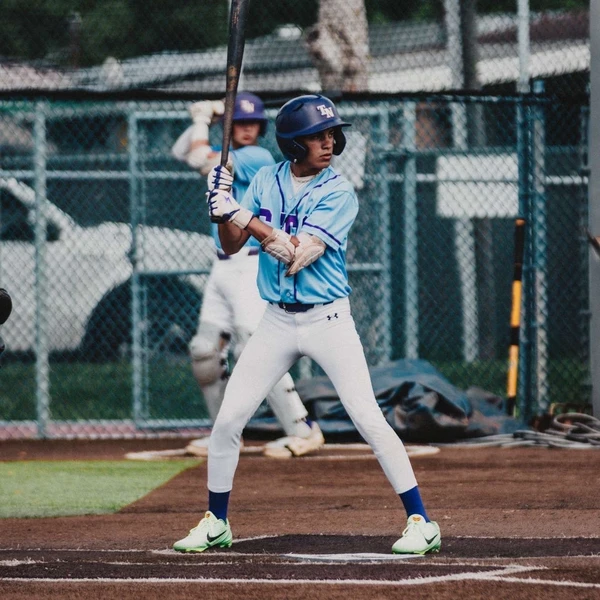
Aspiring MLB athlete and future Sports Psychologist. Dedicated to mastering both the physical and mental aspects of the game. Committed to professional excellence on the field today and empowering athletes through psychology tomorrow.
Education
Miami Arts Studio 6-12 At Zelda Glazer
High SchoolMiscellaneous
Desired degree level:
Master's degree program
Majors of interest:
- Psychology, General
Career
Dream career field:
- Sports
Dream career goals:
Owner
Kj car details2024 – Present2 years
Sports
Baseball
Varsity2011 – Present15 years
Awards
- florida player of the month
Arts
Kill that noise
Photographyyes2023 – Present
Public services
Volunteering
Ronald McDonald house — Volunteer2022 – Present
Scorenavigator Financial Literacy Scholarship
Growing up, money was always something that people talked about in hushed voices or with a lot of stress. I remember being a little kid and seeing my parents sit at the kitchen table with a pile of envelopes and a calculator. I didn't understand the numbers back then, but I could definitely feel the energy in the room. This was my first real "lesson" in finance, even though it wasn't in a classroom. It taught me that money isn't just paper; it is something that can control your mood and your life if you aren't careful with it.
As I got older and started my first part-time job, I finally had my own money to manage. At first, I was terrible at it. I would get my paycheck on Friday and by Tuesday, I would be wondering where it all went. I spent it on fast food, clothes I didn't really need, and hanging out with friends. I had no concept of a budget or saving for the future. It was a wake-up call when I wanted to buy something big, like a new laptop for school, and realized I had zero dollars in my bank account despite working all summer. This was a personal turning point because I realized that working hard is only half the battle; the other half is being smart with what you earn.
I started looking for ways to educate myself. My high school didn’t have a huge focus on financial literacy, so I had to do a lot of it on my own. I started watching videos and reading articles about basic things like interest rates, credit scores, and the difference between "wants" and "needs." Learning about how credit cards work was eye-opening. I used to think they were just free money, but learning about debt and high interest rates made me realize how easily people can get stuck in a bad situation.
In the future, I plan on using these lessons to make sure I have a stable life. My goal is to use what I’ve learned to avoid the "paycheck to paycheck" cycle I saw when I was younger. I want to start investing early, even if it is just a small amount, because I know that time is the most important factor in growing your money. I also plan on keeping a strict budget while I am in college so that I don't graduate with more debt than I can handle.
Financial education has given me a sense of peace. I am not rich yet, but I feel like I have the tools to be okay. By understanding how to manage my finances, I am making sure that my future self is taken care of and that I can eventually help my family too. Knowing the "why" and "how" of money makes the future look a lot less scary.
Doing Hard Things My Way: Adaptive Athlete Scholarship
Growing up, I never really saw myself as an athlete. Because of my disability, I always thought sports were something other people did while I watched from the sidelines. I felt like my body had too many "rules" about what it couldn't do. But everything changed when I finally decided to try anyway. I realized that being an athlete isn't about having a perfect body; it’s about having a mindset that refuses to quit. This journey has taught me how to do hard things my way, and it has completely changed how I look at my future as I head into college.
I got my start as an athlete a few years ago when I joined a local adaptive sports program. At first, I was really nervous. I didn't want people to look at me and feel sorry for me, and I was scared I wouldn’t be any good. But the coaches and the other players didn't see my disability as a problem to be fixed. They saw it as a puzzle to be solved. They showed me how to use different equipment and how to move my body in ways I never thought were possible. Once I scored my first point, I was hooked. It wasn’t just about the game; it was about the feeling of power I had for the very first time.
Of course, it hasn't always been easy. One of the biggest challenges I faced was learning how to deal with frustration when my body didn't do what I wanted it to do. During training, there were days when I felt like I was moving backward instead of forward. I remember one specific season where I kept getting injured, and I had to spend weeks in physical therapy just to get back to where I started. It felt unfair, and I wanted to give up. But I learned that "adaptive" doesn't just mean using different gear—it means adapting your mind. I had to learn patience and how to celebrate the small wins, like just showing up to practice even when I was tired.
To me, being an adaptive athlete means being a problem solver. It means looking at a obstacle and saying, "Okay, I can't go through it the normal way, so I'll find a new way around it." This mindset has helped me in school and in my personal life, too. It gave me the confidence to speak up for myself and the goals to aim higher than I ever did before. I used to be shy, but sports gave me a voice.
As I move into college next year, I plan to keep pushing forward. I want to find an adaptive sports club on campus or even help start one if there isn't one already. I know that college will be a whole new set of "hard things," but I’m not afraid anymore. I know how to adapt, I know how to work hard, and I know how to find my own way to succeed. This scholarship would help me focus on my studies and my training so I can keep proving that there is no limit to what I can do
Clayton James Miller Scholarship
Standing Behind the Plate
When people ask what I do outside of school, the answer is always baseball. I’ve been playing since I was a little kid, but it wasn't until high school that I realized it was doing way more for me than just keeping me active or giving me something to do on the weekends. Specifically, being a catcher has shaped my whole personality and how I handle responsibilities in my everyday life.
Being a catcher is definitely the hardest job on the field. You’re wearing heavy gear in the heat, you’re constantly squatting, and you have to be involved in every single play. My involvement isn't just about catching the ball; it’s about managing the entire game. I have to watch where the runners are, remember the hitter's weaknesses, and make sure the defense is set up right. It’s a lot of pressure because if I lose focus for one second, the other team scores. It’s a job that requires you to be mentally tough as much as physically tough.
Through years of playing, I’ve developed a lot of discipline and communication skills. You can't be a quiet catcher. I’ve learned how to talk to my teammates in a way that keeps them pumped up but also focused on the goal. If my pitcher is having a rough inning and starts losing his head, I’m the one who has to go out to the mound, calm him down, and get him back on track. This taught me how to be a leader without being bossy. It’s about earning respect by working harder than anyone else on the field and showing them I have their back.
This experience has given me a real sense of purpose. It made me realize that leadership isn't about being the star or hitting the most home runs; it’s about doing the "dirty work" so the whole team can succeed. Whether I’m in the dugout or working a part-time job, I take that same mindset with me. I know how to stay calm when things get stressful and how to keep pushing even when I’m tired or frustrated. Baseball didn't just teach me a sport; it taught me how to show up and lead by example every day. I feel like the lessons I learned in the dirt behind home plate are the same ones that are going to help me succeed in college and whatever career I end up choosing later on.