user profile avatar

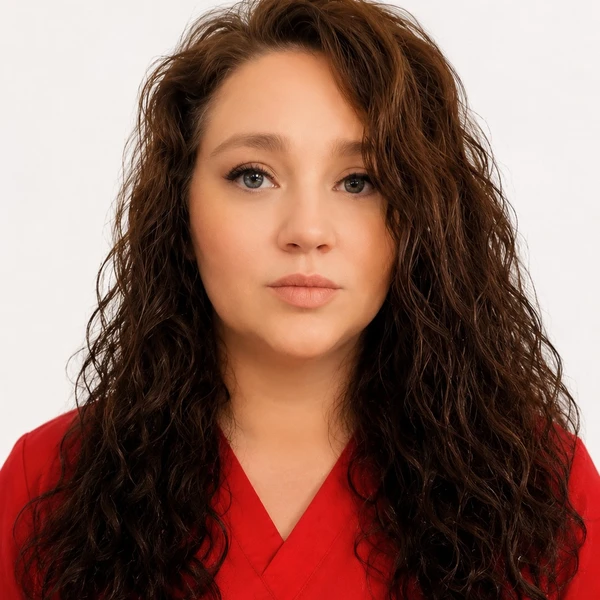
Karen Dolloff

1x

Finalist

Bio

I am a full-time pre-nursing student in Missouri with a passion for serving others through healthcare. As a wife, mother, and active member of my church and motorcycle ministry, I have learned the value of compassion, resilience, and putting others before myself. My path to nursing has not been a traditional one. Through personal challenges and recovery, I discovered that some of the most powerful ways to help others are through empathy, encouragement, and quality healthcare. Those experiences have given me a deep appreciation for second chances and have strengthened my desire to care for people during some of the most vulnerable moments of their lives. My goal is to become a registered nurse who not only provides excellent medical care but also treats every patient with dignity, respect, and kindness. I believe that every person deserves to be seen as more than their circumstances, and I hope to be a source of hope and encouragement for my future patients and their families. When I'm not studying, I enjoy spending time with my family, serving alongside my husband in our Christian motorcycle ministry, and continuing to grow in my faith. I am committed to using both my education and my life experiences to make a positive difference in my community for years to come.

Education

Southwest Baptist University

Associate's degree program

2026 – 2029

Majors:
  • Registered Nursing, Nursing Administration, Nursing Research and Clinical Nursing
Miscellaneous

Desired degree level:
Bachelor's degree program
Desired degree modality:
Hybrid, Full-Time
Medical school interest:
No

Career

Miscellaneous

Dream career field:
Medicine
Work experience:
10+ years
Has nursing license:
No
Ethel Hayes Destigmatization of Mental Health Scholarship
Mental health has shaped the way I see people, the way I love my family, and the kind of nurse I hope to become. It has taught me that some of the deepest wounds are invisible and that silence can be just as dangerous as the illness itself. My own journey through addiction and recovery changed my understanding of mental health. Becoming sober wasn't simply about stopping drug use. It meant rebuilding my confidence, learning healthier ways to cope with stress, and believing that my future could be different from my past. Recovery taught me that healing requires honesty, faith, accountability, and people who are willing to walk beside you instead of judging you. After marrying my husband, a medically retired Army veteran, I learned another side of mental health. Living alongside someone with service-related PTSD has shown me how deeply invisible wounds affect not only veterans but also the families who love them. I've sat beside him through difficult moments, listened when memories became overwhelming, and seen the heartbreak in his eyes every time he learns that another one of his fellow soldiers or battle buddies has lost their battle with suicide. Those losses don't end with one life. They leave behind grieving families, friends, and entire military communities trying to understand what happened. Mental illness has also touched my own community. Four teenage boys from our area have died by suicide. Each loss reminded me how many people suffer quietly because they're afraid to ask for help or fear they won't be understood. A few years ago, my own stepbrother died by suicide the day before my husband's birthday. That loss forever changed how I think about mental health. It reinforced something I had already begun to believe: we cannot afford to treat emotional pain as something people should simply hide or overcome on their own. These experiences have shaped every part of my future. Today I am a full-time pre-nursing student because I want to care for the whole person—not just a diagnosis or a list of symptoms. Whether someone is facing depression, PTSD, anxiety, addiction, or another challenge, I want them to know they deserve compassionate care and that asking for help is never a sign of weakness. At the end of the day, I want every person God places in my path—whether they're a patient, a veteran, a friend, or a family member—to know they are not alone. If someone needs me to stay after my shift and simply sit beside them, I'll stay. If they need someone to answer the phone in the middle of the night because they're struggling, I'll answer. Sometimes we can't fix another person's pain, but we can make sure they don't have to carry it by themselves. I can't erase the losses my family has experienced, but I can honor those we've lost by helping create a world where mental health is discussed openly, where seeking help is encouraged instead of judged, and where more people know there is always hope. That is the kind of nurse—and the kind of person—I am committed to becoming.
Joe Gilroy "Plan Your Work, Work Your Plan" Scholarship
Joe Gilroy's motto, "Plan Your Work, Work Your Plan," perfectly describes how I have approached my journey to becoming a registered nurse. My dream has never been simply to earn a degree. My goal is to build a career centered on compassionate, evidence-based care, and I have developed a realistic plan to make that happen. I am currently a full-time pre-nursing student, a wife, and a mom. One of the biggest decisions I made was leaving my job as a Certified Nursing Assistant so I could devote myself fully to school. Nursing prerequisites are academically demanding, and after carefully considering my long-term goals, my family and I decided that investing in my education now would better prepare me for the career I want to build. It wasn't an easy decision financially, but it was the right one. My immediate plan is to successfully complete Human Anatomy, Human Physiology, New Testament History, and Spirituality in Health Care while continuing to strengthen my science foundation. I currently have a 3.167 cumulative GPA with 30 completed credit hours. Microbiology challenged me more than any course I've taken, but instead of allowing one difficult class to derail my goal, I adjusted my study methods, sought additional learning resources, and kept moving forward. Once I complete my prerequisite coursework, I plan to apply to the nursing program, earn my Bachelor of Science in Nursing, pass the NCLEX-RN, and begin my career as a registered nurse. I have developed a growing passion for Labor & Delivery and women's health because those specialties allow nurses to combine clinical skill with education, advocacy, and compassionate support during some of life's most meaningful moments. Financially, I know exactly what lies ahead. Tuition, textbooks, uniforms, clinical supplies, transportation, immunizations, background checks, licensing exams, and everyday household expenses all require careful planning. My family's financial strategy includes federal financial aid, scholarships, disciplined budgeting, and limiting unnecessary debt whenever possible. Every scholarship I receive reduces the financial burden on my family and allows me to focus more completely on my education rather than worrying about how to pay for the next semester. I also believe every good plan includes contingency plans. If I am not immediately accepted into nursing school, I will continue improving my academic record, complete additional healthcare certifications, strengthen my application, and apply again. If Labor & Delivery is not immediately available after graduation, I will gain valuable bedside nursing experience in another specialty while continuing to work toward my long-term goal. Success isn't reaching one destination—it's faithfully taking the next step. Every class I complete, every scholarship I apply for, and every obstacle I overcome brings me closer to becoming the nurse I know God has called me to be. I have a clear plan, a strong support system, and the determination to see it through.
Bright Lights Scholarship
When I began my journey back to college, I wasn't just pursuing a degree—I was building a new future. As a first-generation college student, every milestone has been something I've had to figure out on my own. My father graduated from high school and served in the United States Army, and my mother never had the opportunity to finish high school. They taught me the value of hard work and perseverance, but navigating higher education has been a path I've had to create for myself. Today, I am a full-time pre-nursing student working toward my dream of becoming a registered nurse. Nursing is more than a career to me; it is an opportunity to serve people during some of the most meaningful and difficult moments of their lives. While I have developed a growing interest in women's health and Labor & Delivery, my greatest goal is to become the kind of nurse who makes every patient feel heard, respected, and cared for. My life has taught me that people rarely remember every medical detail of their hospital stay, but they always remember how they were treated. I want to be the nurse who sits down instead of rushing out the door, who answers questions with patience, and who reminds frightened patients and their families that they are not facing life's hardest moments alone. Whether I'm helping welcome a new baby into the world or caring for someone during a difficult diagnosis, I want compassion to be as much a part of my nursing practice as clinical skill. Outside of school, my husband and I serve through our church and Christian motorcycle ministry. Those experiences have reinforced my belief that the strongest communities are built when people consistently show up for one another. That same philosophy will guide my nursing career because I believe healthcare is about more than treating illness—it's about restoring hope, building trust, and caring for the whole person. Receiving the Bright Lights Scholarship would help relieve the financial burden of earning my nursing degree. Like many first-generation students, I have had to learn how to balance tuition, books, and everyday family expenses while staying focused on my education. This scholarship would allow me to devote more time and energy to my coursework and clinical training, bringing me one step closer to becoming the nurse I have worked so hard to become. My dream is not simply to graduate from nursing school. My dream is to build a career defined by compassion, integrity, and service. I hope that years from now, my patients won't just remember the care they received—they'll remember that someone truly cared about them. If I can spend my life helping people feel seen, valued, and never alone, then I will know I have achieved exactly what I set out to do.
Learner Mental Health Empowerment for Health Students Scholarship
Mental health is important to me because I know what it feels like when hope seems out of reach. Through my own recovery journey and my experiences supporting my husband, a medically retired Army veteran living with service-related PTSD, I have learned that mental health affects every part of a person's life—not only the individual but also their family, relationships, education, and future. Those experiences have shaped both the person I am and the nurse I hope to become. As a full-time pre-nursing student, I understand that academic success depends on more than intelligence or determination. Students carry invisible burdens every day. Some are grieving, some are struggling with anxiety or depression, some are balancing family responsibilities, and others are quietly wondering if anyone notices what they're going through. I've learned that compassion can make just as much of a difference as any textbook or lecture. One of the ways I advocate for mental health is by creating a space where people know they can be honest without fear of judgment. Through my church and our Christian motorcycle ministry, my husband and I have participated in charity rides, benefit rides, hospital visits, prison ministry, and outreach to veterans and families. While those activities serve practical needs, they also create opportunities for conversations that might not happen anywhere else. Sometimes people don't need someone to solve their problems—they need someone willing to listen. That same approach guides the way I hope to practice nursing. I want every patient to know they are more than a diagnosis or a difficult chapter in their life. Whether someone is struggling with PTSD, addiction, anxiety, depression, or simply feeling overwhelmed, I want them to know they deserve compassionate care and to be treated with dignity. Mental health should never carry shame, and asking for help should always be seen as an act of strength. At the end of the day, my greatest hope is that the people God places in my life—whether they are patients, family members, friends, or complete strangers—know they are never alone. If that means sitting with a patient after my shift because they need someone to hold their hand, I will stay. If it means answering a late-night phone call because someone is struggling, I'll answer. Sometimes the most powerful form of advocacy isn't having all the answers. It's being the person who consistently shows up. Mental health matters because every person matters. As I continue my nursing education, I hope to help build a future where seeking mental health support is met with understanding instead of stigma and where every person who asks for help is reminded that hope, healing, and recovery are possible.
Barbara Cain Literary Scholarship
Growing up, books were more than entertainment for me—they were a way to understand people. Every story gave me the opportunity to see life through someone else's eyes, and over time, I realized that the best books don't simply tell a story. They teach empathy. Some of the books that have influenced me the most are surprisingly different from one another. The Harry Potter series taught me that our choices matter more than our circumstances. Harry wasn't defined by the hardships he experienced but by the decisions he made afterward. That lesson stayed with me because life hasn't always gone according to plan, and I've learned that my past doesn't have to determine my future. The Hunger Games challenged me in a different way. Katniss wasn't looking to become a hero. She simply refused to ignore injustice when she saw it. That reminded me that courage doesn't always look dramatic. Sometimes courage is standing beside someone who feels forgotten, speaking up for someone who doesn't have a voice, or continuing to do what's right when it's difficult. I've also always loved Chicken Soup for the Soul. Those stories reminded me that kindness doesn't have to be extraordinary to change someone's life. A conversation, a helping hand, or simply showing up for someone can make a lasting difference. That lesson has become one of the foundations of the person I hope to be. Even Stephen King's novels have taught me something valuable. While many people think of horror when they hear his name, I see stories about ordinary people facing fear, grief, trauma, and impossible situations. His characters aren't perfect, but they keep moving forward despite what they're facing. That resilience has stayed with me. Above all, the book that has shaped my life the most is the Bible. My favorite verse, Philippians 4:13—"I can do all things through Christ who strengthens me"—is so meaningful to me that I chose to have it tattooed on my arm as a daily reminder that my strength comes from Christ. My faith has carried me through recovery, returning to college as a first-generation student, and pursuing my dream of becoming a registered nurse. Today, I want to become the kind of nurse who sees every patient as the main character of their own story. Books taught me to look beyond appearances, to understand that every person carries struggles others cannot see, and to believe that compassion can change lives. Whether I'm caring for a new mother, a veteran, someone battling addiction, or a frightened patient in the hospital, I hope they leave knowing they were heard, respected, and never alone. Reading has taught me that every life has a story worth listening to. Nursing will give me the opportunity to become part of those stories by helping people through some of the most important chapters of their lives.
Elizabeth Schalk Memorial Scholarship
Mental illness has shaped my life in ways I never expected. It has taught me that some of the deepest struggles people face are invisible to everyone around them. Through my own recovery journey and my husband's service-related PTSD, I have learned that healing is rarely something a person accomplishes alone. It happens through faith, support, compassion, and people who refuse to give up on you. There was a time in my life when addiction consumed everything. Along with it came overwhelming shame, hopelessness, and the belief that my future had already been decided. Recovery was about much more than becoming sober. It required rebuilding my self-worth, learning healthy ways to cope with life's challenges, and believing that I was worthy of a second chance. Those experiences completely changed the way I understand mental health. I realized that many people are silently carrying burdens that no one else can see. After marrying my husband, a medically retired Army veteran, my understanding of mental illness continued to grow. Living alongside someone with service-related PTSD taught me that healing isn't always linear. There have been difficult days when he struggled with memories, frustration, or emotions that most people never witnessed. During those moments, I made a commitment that I would remain by his side. He has never been violent toward me, but I learned that what he needed most wasn't someone to fix everything. He needed someone willing to stay, to listen, and to remind him he wasn't fighting alone. Those experiences have shaped both my life and my career goals. Today I am a full-time pre-nursing student pursuing a career where I hope to care for the whole person, not just their diagnosis. Whether someone is battling depression, PTSD, anxiety, addiction, or another mental health condition, I want them to know they deserve the same dignity, respect, and compassionate care as every other patient. Mental illness should never define a person's worth. One lesson has stayed with me above all others: people don't always remember exactly what was said during their hardest moments, but they remember who stayed. At the end of the day, I want the people God places in my life—whether they are patients, family members, friends, or complete strangers—to know they are never alone. If that means sitting beside a patient after my shift has technically ended because they need someone to hold their hand, then that's exactly where I want to be. Mental illness has taught me empathy, patience, and perseverance. It has shown me that healing begins when people feel safe enough to ask for help and confident enough to believe they are worthy of receiving it. As a future nurse, I hope to become someone who not only provides excellent medical care but also reminds every person I encounter that hope is real, recovery is possible, and they never have to face life's battles by themselves.
Learner Online Learning Innovator Scholarship for Veterans
When I decided to return to college as an adult, I knew earning a nursing degree wouldn't be easy. As the spouse of a medically retired Army veteran, a wife, and a mother, traditional college wasn't realistic for my family. Online learning gave me something I didn't have before: the opportunity to pursue my education without sacrificing the people who depend on me. What I didn't expect was how much online learning would teach me beyond the classroom. My university's online learning platform is where every course begins, but it certainly isn't where my learning ends. When I struggle with a concept, I intentionally look for different ways to understand it. I use YouTube videos created by nurses and science educators to watch difficult concepts explained visually. Digital textbooks allow me to search topics instantly and review material wherever I am. Online anatomy resources help me connect textbook diagrams to the human body in ways that make sense. One of the most valuable tools I've discovered is ChatGPT. I don't use it to write my assignments or give me answers. Instead, I use it the same way I would use a tutor. I ask it to explain microbiology concepts in simpler terms, quiz me before exams, create practice questions, and reorganize my notes into study guides that fit the way I learn. If I still don't understand something, I keep asking questions until I do. It has become a safe place to ask, "Can you explain that another way?" without feeling embarrassed. That approach completely changed how I studied during Microbiology, one of the most challenging classes I've taken. I didn't earn the grade I had hoped for, but I refused to quit. Instead of giving up, I kept using every resource available to strengthen my understanding. I successfully completed the course, maintained a 3.16 cumulative GPA, and learned one of the most important lessons of my education: perseverance matters more than perfection. Online learning has also helped me connect knowledge to real life. As I study nursing, I constantly ask myself how today's lesson will help tomorrow's patient. Whether I'm learning about microbiology, anatomy, nutrition, or women's health, I think about the people I will one day care for. Technology has allowed me to go beyond memorizing information and begin thinking like a future nurse. My goal is to become a registered nurse, with a growing interest in Labor & Delivery and women's health. Healthcare changes every day, and I know graduation won't be the end of my education. The greatest gift online learning has given me isn't flexibility—it's confidence. It has shown me that with the right tools, determination, and willingness to keep learning, I can overcome challenges and continue growing throughout my career.
Bryent Smothermon PTSD Awareness Scholarship
When I married my husband, I knew he was an Army veteran. What I didn't fully understand was that military service doesn't always end when someone takes off the uniform. Some of the battles follow veterans home, and the people who love them fight those battles alongside them. Living with service-related PTSD has changed the way I define strength. Before, I thought strength meant pushing through everything on your own. Now I know strength can look like asking for help, leaning on the people who love you, and choosing to keep moving forward one day at a time. There have been moments when my husband has experienced PTSD episodes or become overwhelmed by the weight he carries. He has never been violent with me, but those moments taught me that he didn't need someone to judge him or walk away. He needed someone willing to stay. I learned that sometimes the most healing thing you can do is remain calm, listen without trying to fix everything, and remind someone they aren't facing the battle alone. Those experiences have completely changed how I view both mental health and healthcare. PTSD isn't a weakness. It isn't something someone can simply "get over." It's an invisible wound that deserves patience, understanding, and compassionate care. Because of what I've experienced as a military spouse, I want to become a nurse who recognizes the whole person behind the diagnosis. My husband and I also serve through our Christian motorcycle ministry, where we've participated in charity rides, benefit rides, hospital visits, prison ministry, and outreach to veterans and their families. Those experiences have reinforced what I've learned at home: healing often begins when people know someone genuinely cares enough to stay beside them. At the end of the day, my greatest hope is that the people God places in my life—whether they're patients, family members, friends, residents, or veterans—know they are never alone. If that means sitting at someone's bedside for two or three hours after my shift has ended because they need someone to hold their hand, then that's where I'll be. If it means answering a phone call at two o'clock in the morning because someone is struggling and needs to hear a familiar voice, I'll answer. That is simply who I am. I can't take away every painful memory or heal every invisible wound. But I can be present. I can listen. I can care. If my experiences have taught me anything, it's that showing up consistently can change a person's life. That's the kind of nurse I hope to become, and it's the way I hope to honor every veteran who continues fighting battles long after their military service has ended.
J&Y Law Yahouda Yahoudai Service Scholarship
Community isn't built through one big event. It's built through countless small moments when people choose to show up for one another. Over the past several years, I have learned that sometimes the greatest act of service isn't solving someone's problems—it's making sure they never have to face them alone. One of the most meaningful ways I serve my community is through my Christian motorcycle ministry alongside my husband, a medically retired U.S. Army veteran. While many people see motorcycles, we see opportunities to connect with people from every walk of life. Our ministry welcomes veterans, first responders, families, people in recovery, and anyone searching for friendship, encouragement, or hope. We have found that some people who would never step inside a church are willing to have a conversation beside a motorcycle. Through our ministry, I have learned that compassion often begins with listening. Sometimes we pray with someone who is carrying an overwhelming burden. Sometimes we encourage a veteran who feels isolated after military service. Sometimes we simply spend time with someone who needs to know they are valued. Those moments may seem small, but they remind people that they belong to a community that genuinely cares about them. My church has also reinforced the importance of serving others with humility and consistency. Whether participating in outreach, supporting fellow church members, or helping where there is a need, I have discovered that communities become stronger when ordinary people are willing to love and serve one another without expecting anything in return. These experiences have shaped my decision to pursue nursing. As a full-time pre-nursing student, I see healthcare as another way to strengthen communities. Nurses are often present during life's most joyful celebrations and its most difficult challenges. They educate, advocate, comfort, and provide hope. My goal is to become a registered nurse who combines excellent clinical care with genuine compassion, ensuring that every patient feels heard, respected, and cared for. My own journey through recovery has also taught me the value of community. I would not be where I am today without people who believed in me, encouraged me, and refused to let me believe that my past defined my future. Their kindness inspired me to dedicate my own life to serving others. Every opportunity I have to encourage someone else is my chance to give back a small part of what was so freely given to me. Receiving the J&Y Law Yahouda Yahoudai Service Scholarship would help me continue pursuing my nursing education while continuing to invest in the communities that have shaped my life. Whether I am serving through my church, my motorcycle ministry, or my future career in nursing, my goal will always be the same: to help people feel seen, supported, and reminded that they never have to walk through life alone.
VNutrition and Wellness Nursing Scholarship
Nutrition is one of the most powerful forms of preventative healthcare, yet it is often one of the most overlooked. As I have pursued my nursing education, I have come to realize that many chronic illnesses, pregnancy complications, and long-term health concerns can be improved—or even prevented—through education and healthier lifestyle choices. I want to become the kind of nurse who helps patients understand that healthy eating is not about perfection or restrictive diets, but about making realistic choices that improve quality of life. My interest in nutrition has grown through both my education and my own life experiences. I know firsthand that building healthier habits is not always easy. Financial limitations, busy schedules, family responsibilities, and conflicting information can make nutrition feel overwhelming. Those experiences have taught me that meaningful change happens when healthcare professionals meet people where they are instead of expecting perfection. As I continue my nursing education, I have become especially interested in women's health and Labor & Delivery. Nutrition plays a critical role before conception, throughout pregnancy, during breastfeeding, and beyond. Whether helping an expectant mother understand the importance of prenatal nutrition, supporting a family as they learn healthy feeding habits for a growing child, or educating patients about managing conditions such as gestational diabetes, nurses have the opportunity to make a lasting impact that extends across generations. One of my goals as a nurse is to make nutrition education practical and encouraging rather than intimidating. Instead of overwhelming patients with long lists of restrictions, I want to help them identify realistic changes that fit their lifestyle, budget, culture, and personal goals. Small, sustainable improvements often lead to greater long-term success than dramatic changes that are difficult to maintain. I also hope to encourage healthier eating through patient education beyond the bedside. Community health fairs, church outreach events, and local wellness programs provide opportunities to share evidence-based nutrition information with families who may have limited access to healthcare resources. By helping people understand how nutrition influences overall health, I hope to empower them to make informed decisions that improve not only their own well-being but also the health of future generations. Nursing is about more than treating illness after it occurs. It is about preventing disease, promoting wellness, and giving patients the knowledge they need to care for themselves with confidence. Throughout my career, I want to combine compassionate nursing care with practical nutrition education so that every patient leaves feeling informed, supported, and empowered to make healthier choices. Receiving the VNutrition & Wellness Nursing Scholarship would help me continue pursuing my nursing degree while preparing me to become a nurse who believes that education is one of the most effective forms of healthcare. My goal is to improve lives not only through clinical care, but by helping people build healthier habits that will benefit them for years to come.
Arthur and Elana Panos Scholarship
If someone had met me years ago, they would have seen a very different person than the woman I am today. There was a time when addiction, shame, and hopelessness convinced me that my life would never amount to anything. I believed my mistakes would always define me. Looking back now, I can see that even when I had turned away from Him, God never turned away from me. My faith didn't make my life instantly easy, but it gave me something I had been missing for a long time: hope. As I began rebuilding my life, I learned that God's grace is not earned by perfection. It is given freely. Understanding that changed the way I viewed myself and the way I viewed others. Instead of seeing people through the lens of their worst mistakes, I began seeing them as people created with purpose and deserving of compassion. Today, I am a full-time pre-nursing student, a wife to a medically retired Army veteran, a mother, and an active member of my church and Christian motorcycle ministry. None of those roles are things I take for granted. They are reminders of how faithful God has been throughout my life, even during seasons when I couldn't see His plan. My faith has become the foundation for the nurse I hope to become. Nursing is more than treating illness—it is caring for people during some of the most vulnerable moments of their lives. I want every patient who comes into my care to know they are valued, respected, and worthy of compassion. Whether someone is celebrating the birth of a child, facing a frightening diagnosis, or struggling with addiction, I want to reflect Christ's love through patience, kindness, and genuine concern. I have also become increasingly interested in Labor and Delivery because it allows nurses to care for families during one of life's greatest blessings. Supporting mothers and welcoming new life into the world is an incredible privilege, and I hope to combine excellent clinical care with encouragement and compassion during those unforgettable moments. My favorite verse, Proverbs 3:5–6, reminds me to "Trust in the Lord with all your heart and lean not on your own understanding." Those words have carried me through recovery, through difficult semesters in nursing school, and through moments when I questioned whether I was capable of achieving my goals. Every time I have trusted God with the next step instead of worrying about the entire journey, He has been faithful. Receiving this scholarship would help me continue pursuing the calling God has placed on my heart. My prayer is that my career will never simply be about medicine, but about serving others with humility, integrity, and love. If people leave my care feeling seen, encouraged, and treated with dignity, then I will know I have honored both my profession and my faith.
Women in STEM Scholarship
When people think of STEM careers, they often picture laboratories, engineering firms, or computer programmers. While those fields are incredibly important, nursing reminds us that science is ultimately about improving lives. I chose nursing because it combines scientific knowledge with compassionate patient care, allowing me to make a meaningful difference in someone's life every single day. My journey into STEM has not been traditional. As an adult student, I returned to school after overcoming significant personal challenges, determined to build a future centered on service. There were times when I questioned whether I belonged in rigorous science courses, especially while taking microbiology. The material was demanding, and balancing school with family responsibilities often felt overwhelming. Yet every challenge strengthened my determination rather than discouraging me. Earning a 3.1 GPA reminded me that success in STEM isn't about never struggling—it's about continuing to learn, adapt, and persevere. One reason I am passionate about nursing is that it allows me to bridge science and humanity. Behind every diagnosis is a person who may be frightened, overwhelmed, or uncertain about what comes next. Scientific knowledge gives healthcare professionals the tools to treat illness, but compassion builds the trust that allows healing to begin. I want to become the kind of nurse who is known not only for clinical competence but also for listening carefully, educating patients, and treating every individual with dignity and respect. As a woman entering a STEM profession, I hope to encourage others who may doubt whether they belong. Many women return to school later in life, balance family responsibilities while pursuing their education, or overcome obstacles that make the path to a STEM career feel intimidating. I hope my journey demonstrates that there is no single path to success and that determination can overcome self-doubt. I am especially interested in women's health and Labor & Delivery because these specialties allow nurses to combine evidence-based practice with patient education during some of life's most meaningful moments. I hope to empower women by helping them understand their health, advocate for themselves, and feel confident as they navigate pregnancy, childbirth, and beyond. Receiving this scholarship would help me continue pursuing my nursing degree while reducing the financial burden of higher education. More importantly, it would represent an investment in a future nurse who believes that STEM is about more than technology or research—it is about using knowledge to improve lives. My goal is to spend my career ensuring that every patient I care for leaves feeling not only healthier but also heard, respected, and empowered.
Bick First Generation Scholarship
Being a first-generation college student means that every step I take is a step no one in my immediate family has taken before. My father graduated from high school, proudly served in the United States Army, and spent his life working hard to provide for our family. My mother never had the opportunity to finish high school. While neither of them could show me how to navigate college, they taught me something even more important: the value of hard work, resilience, and never giving up. My path to higher education has not been easy or traditional. I returned to school as an adult while balancing marriage, motherhood, and financial responsibilities. Along the way, I also overcame addiction, a chapter of my life that once made me believe my future was beyond repair. Recovery gave me a second chance, and I made the decision that I would use that second chance to build a life centered on faith, service, and helping others. Today, I am a full-time pre-nursing student with a 3.1 GPA. There were moments when I doubted whether I could succeed, especially while taking challenging science courses, but every obstacle has reminded me that perseverance matters more than perfection. Every exam I pass and every semester I complete is proof that my past does not define my future. My dream is to become a registered nurse, with a special interest in women's health and Labor & Delivery. I want to care for patients during some of the most meaningful and vulnerable moments of their lives while treating every person with compassion, dignity, and respect. I hope my life experiences allow me to connect with patients who need someone to truly listen and advocate for them. Being the first in my family to earn a college degree isn't just about my own success. It's about changing the future for my children. I want them to grow up knowing that education is possible, that setbacks don't have to become permanent, and that determination can open doors that once seemed impossible to reach. Receiving the Bick First-Generation Scholarship would ease the financial burden of pursuing my nursing degree and allow me to focus on becoming the best nurse I can be. More importantly, it would represent an investment in someone who is determined to turn life's hardest lessons into a lifetime of serving others. My goal isn't simply to earn a degree—it's to create a legacy of perseverance, compassion, and opportunity for my family and every patient I have the privilege to care for.
David L. Burns Memorial Scholarship
There was a time in my life when addiction convinced me that my future had already been written. I believed my mistakes would define me forever. Every day felt like I was sinking deeper into a life I no longer recognized, and I struggled to believe I would ever become the wife, mother, or healthcare professional I dreamed of being. Recovery changed everything. Today, I am a full-time pre-nursing student in Missouri, a wife to a medically retired Army veteran, a mother, and an active member of my church and Christian motorcycle ministry. I have been blessed with a second chance at life, and I refuse to waste it. My journey through addiction and recovery is the reason I chose nursing, because I know firsthand how powerful compassion, dignity, and hope can be. People struggling with addiction are often seen only through the lens of their disease. They are judged before anyone learns their story. I know that feeling because I lived it. What ultimately helped me was not someone shaming me or giving up on me—it was people who chose to believe that I was capable of becoming more than my worst mistakes. Their compassion gave me the courage to keep fighting for the life I have today. That experience forever changed the way I see others. As a nurse, I want every patient battling addiction to know they deserve quality healthcare, respect, and kindness just like anyone else. Addiction does not erase a person's humanity. Whether I meet someone in an emergency department, a medical-surgical unit, Labor and Delivery, or another healthcare setting, I want them to know they are more than a diagnosis. I want to listen without judgment, educate with patience, and care for them with the same dignity I would want for my own family. My Christian faith has become the foundation of my recovery. It reminds me every day that redemption is real and that no one is beyond hope. That belief shapes the kind of nurse I hope to become. Healing is not always immediate, and recovery is rarely a straight line, but every person deserves someone who refuses to give up on them. Receiving the David L. Burns Memorial Scholarship would be more than financial assistance. It would be an investment in someone who has lived the devastation of addiction, experienced the hope of recovery, and is committed to helping others find that same hope. My goal is not only to provide excellent medical care but also to remind patients that their past does not determine their future. Addiction once made me believe my story was over. Recovery taught me that it was only the beginning. I plan to spend the rest of my career helping others discover that the same hope is possible for them.
Robert F. Lawson Fund for Careers that Care
There was a time in my life when I wasn't sure what my future would look like. Through difficult circumstances, personal struggles, and the process of rebuilding my life, I learned that some of the people who leave the greatest impact are not necessarily the ones with the highest titles—they are the ones who choose to care. Today, I am a full-time pre-nursing student in Missouri, a wife to a medically retired Army veteran, a mother, and an active member of my church and Christian motorcycle ministry. Every role I hold has reinforced the same lesson: people need compassion just as much as they need solutions. My husband dedicated his life to serving our country, and even after his military service ended, that spirit of service never disappeared. Watching him navigate the challenges that many veterans face has deepened my respect for those who dedicate their lives to others. Together, we have tried to carry that same mindset into our own community by encouraging people through our ministry and simply being present when someone needs support. My own recovery journey has also shaped the nurse I hope to become. It taught me that healing is rarely just physical. Sometimes what changes a person's life is being treated with dignity when they least expect it. I know what it feels like to need hope, and I want to be the healthcare professional who offers both excellent medical care and genuine compassion. As a nurse, I hope to make a positive impact by caring for the whole person, not just the illness. Whether I eventually work in Labor and Delivery, women's health, emergency medicine, or another specialty, I want every patient to leave my care knowing they were heard, respected, and valued. Education will be a central part of that mission because informed patients are empowered patients. Helping someone understand a diagnosis, easing fears before a procedure, or giving a new mother confidence as she begins caring for her baby can have a lasting effect far beyond a single hospital visit. I also hope to continue serving outside the walls of a hospital. Through church outreach, community health events, and my motorcycle ministry, I want to help connect people with healthcare resources, encourage preventative care, and support those who may feel overlooked or forgotten. True healthcare extends beyond treating disease—it includes building trust, strengthening communities, and helping people believe that a healthier future is possible. Receiving the Robert F. Lawson Fund for Careers That Care Scholarship would help me continue my education, but more importantly, it would support a future devoted to serving others. My goal is not simply to earn the title of "registered nurse." My goal is to become the kind of healthcare professional whose compassion is remembered long after the appointment is over. If I can make even one person's hardest day a little less frightening and a little more hopeful, then I will know I have honored the values that inspired this scholarship.
Neetu Watumull Scholarship Program for Those Who Serve Managed by Rupa Shah
Marrying my husband, a medically retired U.S. Army veteran, gave me a new appreciation for what service truly means. While many people see military service as something that ends when a uniform comes off, I have learned that its impact continues long afterward. Veterans and their families often navigate physical injuries, invisible wounds, complex healthcare systems, and the daily adjustments that come with military life. Watching my husband face those challenges with resilience has shaped my own values in profound ways. His commitment to serving others, even after his military career ended, has inspired our family's involvement in our Christian motorcycle ministry, where we strive to encourage veterans, first responders, and others in our community. Through those experiences, I have learned that some of the greatest acts of service are simply showing up, listening, and treating people with dignity and compassion. Those lessons have directly influenced my decision to pursue nursing. I want to care for patients with the same respect and empathy that I have seen make such a difference in the lives of veterans and their families. Whether someone is recovering from an injury, living with a chronic illness, or facing a difficult diagnosis, I want them to know they are seen as a person, not just a patient. This scholarship would help me continue my education while honoring the sacrifices military families make every day. My goal is to build a career dedicated to serving others with compassion, professionalism, and respect—values that military service has instilled in our family and that I will carry with me throughout my nursing career.
Annie Pringle Memorial Scholarship
When most people think about breast health, they think about breast cancer. While cancer awareness is incredibly important, breast health encompasses so much more. It includes breastfeeding support, routine screenings, self-awareness, early detection, mental health, body image, and creating an environment where people feel comfortable discussing concerns without fear or embarrassment. As a future registered nurse with a growing interest in Labor & Delivery and women's health, I believe education is one of the most powerful tools we have to improve outcomes and save lives. One of the reasons breast health education is so important to me is because knowledge gives people the confidence to advocate for themselves. Too often, individuals ignore symptoms because they assume they are normal, they feel embarrassed, or they simply don't know when something deserves medical attention. Early education helps people recognize changes, understand their bodies, and seek care before small concerns become larger problems. Nurses have a unique opportunity to make that education accessible. We spend time at the bedside, answer questions, and often build trusting relationships with patients and families. Those conversations may only last a few minutes, but they can have a lifelong impact. A nurse who takes the time to explain what to expect from a mammogram, demonstrate breast self-awareness, answer questions about breastfeeding, or reassure someone who is anxious about an upcoming biopsy can reduce fear and empower patients to take charge of their health. As I continue my nursing education, I have become increasingly interested in Labor & Delivery. Welcoming a new life into the world is one of the most meaningful moments a family can experience, but it can also be filled with uncertainty and anxiety. L&D nurses are often the first healthcare professionals to help new mothers navigate breastfeeding, recognize concerns, and build confidence in caring for themselves and their babies. I hope to be the kind of nurse who encourages, teaches, and supports mothers during those first precious hours and days, helping them feel informed rather than overwhelmed. Throughout my own experiences with the healthcare system, I have learned how meaningful it is when a healthcare professional listens without judgment and explains things in a way that patients can truly understand. Medical knowledge is only valuable if patients feel comfortable asking questions and confident enough to use that information. I want to become the kind of nurse who creates that safe space for every patient. As healthcare continues to evolve, I also believe education must reach beyond hospitals and clinics. Community outreach, health fairs, church events, schools, and local organizations all provide opportunities to share evidence-based information with people who might otherwise have limited access to healthcare resources. I hope to participate in those efforts throughout my nursing career because prevention and early detection should never depend on where someone lives or what they can afford. Annie Pringle dedicated her life to helping others navigate some of the most difficult moments they would ever face. Her work reminds us that compassionate education is just as important as clinical skill. It is not enough to diagnose a condition; healthcare professionals must also equip patients with the knowledge and confidence to move forward. As I continue my journey toward becoming a registered nurse, I hope to combine compassionate patient care with education and advocacy. Whether I ultimately work in Labor & Delivery or another area of women's health, I want every patient to leave my care feeling heard, respected, and empowered. If I can help a new mother gain confidence in breastfeeding, encourage someone to seek evaluation for a concerning change, or simply ease a patient's fears through education and kindness, then I will have honored the type of legacy Annie Pringle left behind. Breast health education saves lives, but it also preserves dignity, reduces fear, and empowers people to become active participants in their own healthcare. That is why it matters so deeply to me, and it is why I hope to spend my career making education a central part of the care I provide.
Women’s Health Research & Innovation Scholarship
# Women's Health Research & Innovation Scholarship Essay As a future nurse, I have learned that some of the most serious health conditions are not always the most visible. Reading about Premenstrual Dysphoric Disorder (PMDD) and Premenstrual Exacerbation (PME) was eye-opening because I was surprised by how common these conditions are and yet how little they are discussed in everyday healthcare. Learning that many patients spend years searching for answers before receiving an accurate diagnosis made me realize how important education and advocacy are in improving women's health. My decision to pursue nursing comes from a desire to care for people during some of the most vulnerable moments of their lives. Throughout my own experiences with the healthcare system, I have seen how frustrating it can be when patients feel unheard or when symptoms are dismissed because they do not fit neatly into a textbook. Those experiences have shaped the kind of nurse I hope to become—one who listens carefully, asks thoughtful questions, and treats every patient as the expert on their own body and lived experience. PMDD and PME represent an area where compassionate listening can make a tremendous difference. When healthcare professionals are unaware of these conditions, patients may spend years believing their symptoms are simply something they must endure. Earlier recognition begins with education, and I believe nurses play a vital role in that process because they are often the healthcare professionals who spend the most time listening to patients and identifying patterns in their symptoms. One concrete way I hope to contribute is by making menstrual and mental health screening a routine part of nursing practice. As I progress through my education and career, I want to become knowledgeable about PMDD and PME so I can recognize warning signs, encourage symptom tracking, and advocate for appropriate referrals when patients describe cyclical emotional or physical changes. Something as simple as asking the right follow-up questions or recognizing that symptoms consistently worsen during specific phases of the menstrual cycle could help shorten the years many patients spend searching for answers. Beyond direct patient care, I hope to educate others. Whether that means sharing evidence-based information with coworkers, participating in continuing education opportunities, or encouraging conversations about women's mental health within my workplace, I want to help normalize discussions that have too often been overlooked. Women's health deserves the same attention, research, and urgency as every other area of medicine. PMDD and PME should never remain conditions that patients have to discover on their own after years of suffering. As a future registered nurse, I hope to be part of a healthcare system where these disorders are recognized earlier, discussed openly, and treated with the seriousness and compassion every patient deserves. Even if my contribution begins with one patient at a time, I believe meaningful change starts with healthcare professionals who are willing to listen, learn, and advocate.
Shaunterrio Hudson Memorial Scholarship
# Shaunterrio Hudson Memorial Scholarship Essay One of the most meaningful moments in my life wasn't a single conversation or dramatic event. It was a season when people continued to show up for me even when I believed I wasn't worth showing up for. During my struggle with addiction, I carried an overwhelming amount of shame. I expected judgment. I expected people to see only my mistakes. Instead, there were people who chose compassion over condemnation. They listened instead of lecturing. They reminded me that I was capable of becoming more than the worst chapter of my life. Their quiet acts of kindness changed me in ways they may never fully realize. That experience completely transformed my understanding of what it means to care for another person. Today, I am in long-term recovery, a full-time pre-nursing student, a wife, a mother, and an active member of my church and motorcycle ministry. Recovery has taught me that healing is about much more than medicine. It is about helping people feel seen, respected, and valued, especially when they struggle to see value in themselves. One moment that reflects this happened through my ministry. I met someone who was carrying burdens that were almost impossible to put into words. They didn't need advice or easy answers. They simply needed someone willing to sit with them, listen without judgment, and remind them they weren't alone. I realized that sometimes our greatest gift isn't fixing someone's problem—it is our willingness to remain present while they carry it. That moment reinforced the kind of nurse I hope to become. Every patient has a story that extends far beyond their diagnosis. Some are frightened. Some are grieving. Some are embarrassed by the circumstances that brought them to the hospital. Others have spent years believing they are beyond help. Because of my own journey, I understand how powerful compassion can be. I know what it feels like to be treated with dignity when you least expect it, and I want every patient I care for to experience that same sense of humanity. Living in a rural Missouri community has also shown me the importance of accessible, compassionate healthcare. Many people in underserved communities face barriers to receiving the care they need, whether because of geography, finances, or stigma. As a future registered nurse, I hope to help bridge those gaps by providing care that treats the whole person, not just the illness. Shaunterrio Hudson's legacy reminds us that technical skill is only part of great healthcare. The other part is how we make people feel. My goal is to become the kind of nurse whose patients remember not only the care they received but also the compassion they experienced. If I can help someone feel seen during one of the hardest days of their life, then I will know I am honoring the same values that defined Shaun's remarkable life.
Catrina Celestine Aquilino Memorial Scholarship
# Catrina Celestine Aquilino Memorial Scholarship Essay Growing up, I never imagined that one day I would be pursuing a career in nursing. Like many first-generation college students, higher education felt like something that belonged to other people. Life presented obstacles that often seemed bigger than my dreams, and there were seasons when I questioned whether I would ever have the opportunity to build the future I wanted. Instead of allowing those challenges to define me, I chose to let them shape me. Today, I am a full-time pre-nursing student in Missouri, a wife to a disabled Army veteran, a mother, and an active member of my church and motorcycle ministry. Every exam I take, every clinical skill I learn, and every step toward earning my nursing degree represents more than academic progress—it represents breaking a cycle and creating new opportunities for my family. One of the greatest lessons my life has taught me is that every person deserves compassion. My own experiences with hardship and recovery have shown me how much difference it makes when someone looks beyond your circumstances and chooses to see your potential instead. That lesson has become the foundation of the nurse I hope to become. Healthcare is about much more than treating illnesses. It is about treating people. Every patient deserves to feel respected, heard, and valued, regardless of their background, financial situation, or the choices they have made in the past. I want my patients to know they are more than a diagnosis or a chart. They are individuals with stories, families, fears, and hopes, and they deserve care that reflects that. My goal is to become a registered nurse who combines clinical excellence with genuine compassion. I hope to care for patients during some of the most difficult moments of their lives while also advocating for those who may not have a voice. Whether someone is facing addiction, chronic illness, injury, or uncertainty, I want to provide not only skilled medical care but also kindness and dignity. As a first-generation college student, earning my degree carries meaning beyond my own career. It shows my children that difficult circumstances do not determine their future. I hope they grow up knowing that perseverance, faith, and hard work can open doors that once seemed impossible to reach. Receiving this scholarship would ease the financial burden of my education, but more importantly, it would represent an investment in the kind of healthcare professional I strive to become. I hope my career reflects the values that Catrina Celestine Aquilino lived by—that every person deserves compassion, fairness, and the opportunity to be treated with respect. My journey has taught me that a person's past should never define their future. As a nurse, I want every patient who walks through my door to leave feeling cared for, respected, and reminded that hope is always possible.
Shining Star Scholarship
For years, addiction convinced me that my life would never amount to anything. Every bad decision made it easier to believe that I was destined to remain the person addiction had turned me into. I carried shame, regret, and the fear that I had ruined every opportunity for a better future. Today, I am proud to say that addiction no longer defines me. Sobriety has given me back things I once thought I had lost forever: my family, my faith, my purpose, and my future. Recovery has not been easy. It has required complete honesty, accountability, and a willingness to rebuild my life one day at a time. There have been difficult days, but every day I choose sobriety because I know what is waiting for me if I stop choosing it. The greatest motivation I have to remain sober is my family. My husband, my children, and the life we've built together are worth protecting every single day. They deserve the healthiest version of me, and I deserve the opportunity to continue becoming that person. Every birthday, holiday, family dinner, and ordinary moment reminds me of what recovery has given me. My Christian faith has also become the foundation of my recovery. Through faith, I found forgiveness when I struggled to forgive myself and hope when I believed there was none. It reminds me that my past is part of my story, but it is not the end of it. Recovery has taught me that redemption is possible, no matter how broken someone may feel. One of the greatest gifts recovery has given me is a new purpose. I am currently pursuing a nursing degree because I want to care for people during some of the most difficult moments of their lives. I know what it feels like to walk into a room believing everyone sees only your mistakes. Because of my own experiences, I hope to be the kind of nurse who treats every patient with dignity, compassion, and respect, especially those battling substance use disorders. Recovery has also taught me resilience. Instead of allowing my past to become something I hide from, I choose to let it become something that helps others. If sharing my story encourages even one person to believe that recovery is possible, then every obstacle I have overcome has meaning. Sobriety is not simply about avoiding drugs. It is about choosing life every single day. It is choosing to be present for my family, pursuing my education, serving my community, strengthening my faith, and becoming the woman I was created to be. I cannot change where addiction once took me, but I can choose where recovery leads me. Every day I wake up sober is another opportunity to shine a light for someone who is still searching for hope. That is the legacy I want to leave, and it is the reason I will continue choosing recovery one day at a time.
Karen Dolloff Student Profile | Bold.org