
Hobbies and interests
Business And Entrepreneurship
Community Service And Volunteering
DECA
Math
Mathematics
Movies And Film
Gaming
Volunteering
National Honor Society (NHS)
Cybersecurity
Reading
Business
I read books multiple times per month
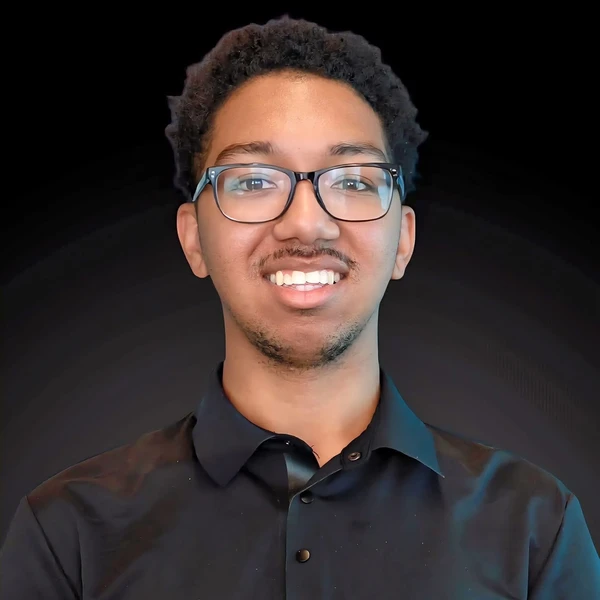
Kaleb Smith
2x
Finalist1x
Winner
Kaleb Smith
2x
Finalist1x
WinnerBio
I am an upcoming sophomore at the University of Alabama in Huntsville, and I am majoring in Information Systems with a focus in Cybersecurity. As I continue college, I hope to grow my personal leadership skills and strengthen my ability to help people, whether they are from the community or within my college.
Currently, I am an Emerging Leader, and I hope to make a change through this organization by becoming a mentor for incoming freshmen. In addition, I am an Honors Ambassador within the Honors College, representing my willingness to express my leadership as early as I can. In my freshman year, I was an Emerging Business Leader and was one of the faces within the College of Business, making a change immediately as I arrived.
To continue my journey, I need the help of scholarship donors to create a better future. As the years go by, more problems occur in our community, and I want to be there as a solution. Therefore, I am excited to apply for these scholarships and want to continue charging to the finish line.
Education
University of Alabama in Huntsville
Bachelor's degree programMajors:
- Computer/Information Technology Administration and Management
Athens High School
High SchoolMiscellaneous
Desired degree level:
Bachelor's degree program
Graduate schools of interest:
Transfer schools of interest:
Majors of interest:
- Computer/Information Technology Administration and Management
- Business Administration, Management and Operations
Career
Dream career field:
Computer & Network Security
Dream career goals:
Protecting others from harm, learning codes, and cybesecurity defense
Stager
Walmart2026 – Present6 monthsHost
Cracker Barrel2024 – 20251 yearCashier
Sodexo2026 – Present6 monthsOffice Assistant within the Honors College
University of Alabama in Huntsville Student Conference2026 – Present6 months
Sports
Soccer
Intramural2015 – 20161 year
Research
Business/Corporate Communications
College of Business — Competitor2026 – 2026Community Organization and Advocacy
University of Alabama in Huntsville Student Conference — Speaker and Spectator2025 – 2025Biological and Biomedical Sciences, Other
Honors Research — Research for Disease Symptoms2025 – 2025
Arts
UAH Class
Visual Arts2025 – 2025
Public services
Volunteering
Green Club — Volunteer2026 – 2026Volunteering
Free2Teach — Volunteer2026 – 2026Volunteering
Association for Campus Entertainment — Committee Member2025 – Present
Future Interests
Advocacy
Volunteering
Philanthropy
Entrepreneurship
RonranGlee Literary Scholarship
“There are many examples of functioning gift economies—most in small societies of close relations, where community well-being is recognized as the ‘unit’ of success—where the interest ‘we’ exceeds that of ‘I.’ In this time when economies have grown so large and impersonal that they extinguish rather than nurture community well-being, perhaps we should consider other ways to organize the exchange of goods and services which constitutes an economy” (Kimmerer, 48-49).
In the book, The Serviceberry: Abundance and Reciprocity in the Natural World, Robin Wall Kimmerer implies that true prosperity is not from an individual but from the relationships built within the community, suggesting market economies should place more focus on collective well-being. Through her discussions of gift economies, she suggests that both human societies and the natural world flourish when individuals prioritize collective well-being over personal gain. As a Botanist, a scientist who specializes in the study of plants, Kimmerer favors the gift economy as an alternative to the market economy that often characterizes self-interest. While she highlights the flaws of modern economies, her deeper purpose is to encourage readers to reconsider societal values, recognizing the importance of interdependence, reciprocity, and communal responsibility.
Kimmerer’s contrast between the idea of “we” and “I” reveals her belief that strong communities are built from societism over individualism. She explains that these economies succeed when “community well-being is recognized as the ‘unit’ of success,” suggesting that true prosperity should be measured by our healthy relationships rather than our individual achievement. By placing greater value on the collective needs of the community, Kimmerer challenges the belief that success is determined by personal wealth or status. Instead, she argues that individuals thrive when they contribute to and benefit from a network of mutual support. Her emphasis on “we” over “I” reflects a broader message that people are interconnected and dependent upon one another. Through this perspective, Kimmerer encourages readers to understand the connections between communities that build success and to recognize that communities are stronger when they are together.
By emphasizing reciprocity and mutual support, Kimmerer suggests that human beings thrive when they recognize their dependence on one another. Her discussion of gift economies illustrates how acts of giving create bonds that strengthen communities over time. Unlike modern systems, gift economies encourage individuals to contribute without expecting a reward. Kimmerer implies that these exchanges create trust and a sense of community towards others by making people value reciprocity. Her argument reflects the idea that no individual succeeds on their own because people rely on family, friends, educators, and communities throughout their lives. While people have to become independent at some point, individuals will eventually acknowledge these connections and contribute to the collective good through reciprocity. As a result, Kimmerer presents interdependence not as a weakness but as a source of strength that allows communities and individuals to flourish.
Kimmerer further develops her argument by criticizing other economic systems that have become disconnected from their communities. As modern economies have grown “so large and impersonal that they extinguish rather than nurture community well-being,” economic growth does not lead to stronger human relationships. The word “extinguish” carries a powerful meaning because it implies that something valuable is being taken away from people’s selfishness. Rather than encouraging cooperation, modern systems often prioritize competition and individual success. As a result, people become more focused on personal achievement than on supporting those around them. Through her criticism, Kimmerer argues that the true purpose of an economy is to strengthen communities rather than generate wealth. Her concern is not only about the exchange of giving, but the influence economic systems have on our values and relationships that shape society.
As a solution, Kimmerer encourages readers to imagine alternative ways to organize our society. She suggests that “we should consider other ways to organize the exchange of goods and services which constitute an economy,” marking other possible ways to bring value within ourselves and the community. Since market economies are primarily accepted as the natural way of life, Kimmerer invites readers to question the value behind these systems, wondering whether they bring people together or apart. Her use of the word “consider” is significant because she is not demanding that people reject modern economies, but encourages thoughtful reflection about the values that influence economic decisions. By proposing alternative approaches, Kimmerer argues that economies should be designed to strengthen communities and relationships instead of focusing on profit. This perspective reinforces her belief that economic success should be measured by the well-being of people rather than the accumulation of wealth.
The deeper meaning of Kimmerer’s passage extends beyond economics, reflecting on human relationships in our society. While the passage discusses the exchange of goods and services, its central message focuses on the values that guide society, allowing us to succeed or fail. By contrasting the idea of “we” and “I,” Kimmerer challenges readers to become aware of the terms “interdependence” and “independence,” explaining how others can succeed in a society. She suggests that people are connected through networks of support and that communities thrive when individuals recognize their obligations to one another. This idea encourages readers to view success as a shared accomplishment for those who contribute towards making change in their communities. Therefore, Kimmerer’s argument promotes a worldview based on cooperation, reciprocity, and mutual care, emphasizing that a prosperous society depends upon the strength of its relationships rather than the wealth of its individuals.
In conclusion, Kimmerer's underlying message is to redefine success and to recognize the value of our relationships, considering that true achievement is built from the community. Through her discussion of gift economies, she argues that communities “succeed” when individuals prioritize reciprocity, cooperation, and collective well-being. By contrasting the gift economy and modern economy, Kimmerer demonstrates how economic systems can impact human relationships and societal values, depending on which system the individual prioritizes. However, her message extends beyond economics and encourages readers to recognize their connections with others, allowing them to understand that meaningful prosperity is created from strong relationships. Through this perspective, Kimmerer presents a vision of society where community, generosity, and shared responsibility serve as the foundation of change in our economy.
Bulkthreads.com's "Let's Aim Higher" Scholarship
One of my most valuable goals is to “build” new opportunities and serve others by using technology with a focus on cybersecurity. Technology can be used as a valuable tool to solve problems, connect people, and make an impact on the world around us. As technology advances in the future, I plan to contribute to educational opportunities towards cybersecurity awareness, safety, and the resources accessible to support individuals in our community.
As an Honors student with a major in Information Technology (IT), I believe that technology is the best solution to build community through the resources it provides. Since technology is available to everyone, my goal is to create a local cybersecurity awareness program, offering learning modules for future generations based on digital safety, panel discussions, and mentors using technology to guide students toward their future.
To make a positive impact on the community with technology, I plan to collaborate with a variety of local institutions, IT experts, and community leaders. For example, I plan to approach the Huntsville Chamber of Commerce, Huntsville City Schools, and professionals with a specialization in cybersecurity. These stakeholders not only ensure a better community, but also include even underserved groups in the knowledge of our constantly changing future. By offering free sessions to guide future generations, I believe that our community can become aware of the common problems users experience, creating solutions that limit risks digitally.
The “Let’s Aim Higher” Scholarship would make this possible by offering the opportunity to make a change within the community and to complete my degree. My education in IT will allow me to learn more about the issues with the technology that our world faces today. By understanding the problem, it is possible to build a solution that helps others understand and guarantee their safety from a digital perspective.
After my degree, I plan to continue serving others through my education and my love for the community, starting my career in the Army after graduation. With my career in the Army, I plan to defend important information, as well as gain a better understanding of cybersecurity in a real-world scenario. In addition, I aim to share my knowledge with individuals seeking guidance in the technological field through mentorship. Finally, I want to participate in panel discussions, answering questions with my own personal experiences, reflecting on the impact my education has had on the community.
This scholarship is a representation of the building blocks that “build” our community’s positive impact through technology. My goals are set to benefitting the local community by offering a cybersecurity awareness program that helps future generations grow. The experiences that I gain from college will not only help me, but also help the future of the community, improving their understanding of the wonders of technology.
7023 Minority Scholarship
Educational Goals & Purpose
Kaleb Smith
6/13/2026
I am Kaleb Smith, a second-year Honors student at the University of Alabama in Huntsville, majoring in Information Technology and considering a minor in Accounting. Throughout my academic journey, I have learned that education is about gaining knowledge but also about using that knowledge to create opportunities and serve others. Through my major, leadership experiences, and community involvement, I plan to use technology as a tool to solve problems, connect people, and make a positive impact on the world around me.
My commitment to service began during my sophomore year of high school when I joined the National Beta Club. This experience introduced me to the importance of helping others and showed me how small actions can create meaningful change. During high school, I joined nine clubs and organizations by my senior year. These experiences helped me discover my passion for leadership, teamwork, and building a stronger community.
When I entered college, I wanted to continue the mission I started in high school by finding new ways to serve and grow as a leader. I became involved in organizations that focus on supporting others and creating connections within the campus community. Currently, I am a member of the Honors Service Corps, Emerging Leaders, Honors Mentor group, and Honors Ambassador group. Through these organizations, I have had the opportunity to guide incoming students, participate in service projects, and encourage others as they begin their own educational journeys.
These experiences have shown me that leadership is not only about holding a position but about being willing to step forward and make a difference. Whether I am presenting to others, helping organize resources, or participating in community service projects, I have learned that every effort contributes to a larger purpose. My goal is to continue building connections and using my skills to support others locally while expanding my impact in the future.
If awarded this scholarship, it would provide valuable support as I continue pursuing my educational goals and preparing for my future career. More importantly, this opportunity would allow me to continue developing the skills and experiences needed to serve others. My education has connected me with mentors, leaders, and communities that have helped shape my purpose. The organizations I participate in are more than extracurricular activities; they have taught me the importance of compassion, dedication, and creating opportunities for those around me.
After completing my degree in Information Technology, I plan to continue serving others through a career in the Army while using my education to make a meaningful impact. I hope to share my experiences through mentorship and conversations with individuals who are searching for guidance on how to begin their own paths. In addition, I aspire to create a scholarship in the future that supports students from underrepresented backgrounds who want to make a difference in their communities.
This scholarship represents more than financial assistance; it represents an investment in my ability to continue learning, leading, and serving. My education is the foundation that will help me reach my goals, but my purpose extends beyond earning a degree or building a career. I want to use my experiences to inspire others, support future generations, and create lasting change through service, leadership, and technology.
Stephan L. Daniels Lift As We Climb Scholarship
STEM emphasizes the development of critical thinking, problem-solving, and collaboration skills while preparing individuals to address challenges in our modern, technology-driven world. As an Information Technology major, I see STEM as a pathway to creating meaningful change through innovation, cybersecurity, digital accessibility, and technological advancement. I want to use my degree not only to contribute to the technology field but also to represent and uplift the Black community.
From a technological perspective, a career in STEM provides opportunities to create safer solutions and improve the lives of others. Through cybersecurity awareness, accessible software, and digital resources, technology can strengthen communication, increase safety, and expand opportunities within underrepresented communities. By working alongside IT professionals and community leaders, I hope to help solve problems through technology while preparing communities for an increasingly digital future.
A career in STEM allows individuals to address societal challenges and improve communities through creativity, innovation, and dedication. Whether developing new technologies, improving software systems, or creating more accessible digital resources, STEM has the ability to transform the way people live and connect. The impact of STEM encourages both personal and professional growth, motivating me to pursue a career that benefits not only myself but also the people and communities around me.
Beyond earning my degree, I am focused on developing my leadership skills and serving my community. As a Black student, I recognize the challenges that can create barriers for underrepresented individuals pursuing success in education and professional fields. My goal is to continue building my knowledge in Information Technology while creating opportunities for others to succeed. Through leadership and service, I have already begun contributing to supportive environments where students can feel encouraged, empowered, and prepared to reach their goals.
Additionally, a career in STEM provides the opportunity to support and inspire future generations of students. By increasing access to resources, mentorship, and educational opportunities, we can encourage greater diversity within the STEM workforce. A more inclusive technology field creates more opportunities for innovation and allows communities to benefit from a wider range of perspectives and experiences.
My commitment to a career in STEM is rooted in service, representation, and creating opportunities for others. Through my work in Information Technology, I aim to increase Black representation in the STEM field by supporting, mentoring, and encouraging underrepresented students. STEM has the potential to create lasting change, and I hope to use my education and experiences to help build a future where more individuals have the opportunity to succeed and make an impact.
Ethel Hayes Destigmatization of Mental Health Scholarship
Mental health is shaped by the experiences we encounter and influences how we view ourselves, develop relationships, and understand the world around us. Throughout my childhood and into my college journey, the challenges and experiences I faced shaped my identity, strengthened my resilience, and inspired my desire to create positive change for others.
Growing up in Tennessee, I experienced moments that affected my confidence and how I viewed myself. I often questioned my abilities and felt pressure to improve, which led me to constantly search for ways to become “better.” While these experiences were difficult, they taught me the importance of self-growth and showed me how powerful words can be. I learned that the way we communicate with others can impact their confidence, and I developed a deeper appreciation for empathy, patience, and respect.
As I continued growing, I faced challenges finding a sense of connection and understanding. There were times when I felt misunderstood because of my interests, opinions, or the way I saw the world. Although these moments created feelings of isolation, they also helped me develop independence and recognize the values I wanted to carry forward. I learned that being different does not mean being alone, and these experiences shaped my desire to create spaces where others feel accepted. I also experienced moments of loss and uncertainty that were difficult to understand. As a child, I struggled with accepting situations outside of my control and sometimes questioned my own worth. Over time, I learned that challenges are a part of life and that growth comes from how we respond to them. These experiences helped me build resilience, strengthen my faith, and develop a more hopeful perspective on the future.
Entering middle school brought another challenge: finding where I belonged. I was the only African-American male in a school with mostly white students and staff. There were moments when I felt invisible, such as eating lunch alone, spending recess by myself, or feeling separated from others. These experiences made me reflect on identity, belonging, and how important it is for people to feel included. Instead of allowing these moments to define me, they motivated me to become someone who helps others feel seen and supported.
When I entered high school in Alabama, I viewed it as an opportunity for a new beginning. However, I encountered challenges in forming meaningful relationships. Some connections were not genuine, and there were moments when I felt valued only for what I could provide. These experiences taught me the importance of authenticity and reminded me of the type of person I wanted to become: someone who supports others, encourages growth, and helps people feel like they belong.
Because of these experiences, my goals for the future are centered around service, leadership, and helping others succeed. I want to mentor younger students and encourage them to believe that their circumstances do not determine their potential. I hope to become a leader others can depend on and someone who creates opportunities for those who may feel overlooked. I plan to earn my degree in Information Technology and use my skills in cybersecurity to protect people’s information while continuing to serve my community through my work with the Army.
My life experiences have shaped the way I approach relationships and leadership. I want people around me to feel accepted, supported, and valued. I live by the phrase, “Another Day, Another Journey,” because every day provides an opportunity to learn, grow, and become a better version of ourselves. Whether through challenges, losses, accomplishments, or new opportunities, each experience contributes to who we become.
Mental health has influenced not only my personality but also my purpose. My journey has allowed me to grow from someone searching for belonging into a confident college student determined to create belonging for others. The challenges I have faced have shaped my resilience, strengthened my compassion, and guided me toward becoming the leader I want to be. Through connection, faith, and perseverance, I continue moving forward to make a difference and provide the support that someone else may need someday.
Sharra Rainbolt Memorial Scholarship
During July of 2024, the transition from my junior to my senior year of high school, my father was diagnosed with colon cancer. This was shocking news to my entire family since he seemed fine the entire time before he went to the hospital to get checked. At this moment, life began to take a turn for the worse as I thought everything was going perfectly.
One morning on a school day, I woke up to absolute silence with my whole family gone. I was confused and worried because I had no idea what was going on. When my grandmother came back, she told me my father went to the hospital that morning during his shift at Toyota. This was the first time he had to leave work because he wasn’t getting any better if he had stayed there. While this continued, I wanted to be optimistic and continue passing my classes to make my family proud in a time like this.
After graduation, my father’s condition got much worse, so that he couldn’t go to work anymore, forcing him to stay home for the remainder of his life. During his time at home, he had chemotherapy, which made him feel pretty weak most of the time. My family and I supported him in every way we could, so he didn’t feel like he was alone in this. As we continued to fight alongside him, we had faith that he would be okay and believed that he could make it through. However, life had other plans for him during his last time at the hospital.
During the last week of March of 2026, he got much worse and could barely speak due to the medication he was on. That week, when I got to see him for the last time, I felt like a rush, filled with various emotions, which included fear. I was in college by this time, and it caused me to stop everything, getting behind in all of my classes and causing my grades to drop. While this was hard, a miracle happened the day he passed.
Before he passed, he was able to speak clearly to me, my brothers, and my grandmothers before mumbling again. In addition, he was able to dance in the hospital bed, ready to be free of pain and enter a new path of joy in the afterlife. After he died at the beginning of April, I still carry his final words with me, “I’m proud of you,” wanting me to continue my education and stay strong after he died. This encouraged me to write a speech for his funeral the following weekend and later learn a few lessons about life.
After he passed, I learned that family is one of a kind, that you have to enjoy life to the fullest, and know your destination and how to get there. My father’s transition from wanting to go home to wanting to go to heaven is an amazing testimony, representing that he has lived a good life with his family, friends, and other loved ones. This transition encouraged me to be a leader just like him and make a change for the people around me.
Thank you for listening to my father’s story for the past two years. I want to keep his testimony alive by sharing his story with people who would understand what my family and I have been through. Through this scholarship, I want to continue his wish for me to continue succeeding in my education, giving me the chance to continue keeping his wish alive in my heart.
Sgt. Albert Dono Ware Memorial Scholarship
The values of service, sacrifice, and bravery represent Sgt. Albert Dono Ware’s willingness to make a change to his adopted homeland, the United States of America. For six years in the military, he provided exemplary service to America in various roles, including the 782nd Combat Support Battalion, 4th Brigade Combat Team, 82nd Airborne Division, at Fort Bragg in North Carolina. These roles showcased his commitment to helping others, despite the harm it would cause to his life. His death is a reminder that we, as an African-American society, can make a change by helping others through service, continuing Sgt. Ware’s legacy. His determination to go above and beyond to help others aligns with my own goals, which use leadership and service as key determinants of meaningful change.
When I was younger, I did not have much, and I didn’t know who I wanted to be. Being the only African-American student in a mostly white middle school, I basically got the short end of the stick since I was different from everyone else. However, I knew that I shouldn’t let my skin color determine my fate in life, so I decided to become academically successful to achieve more than my peers. While I was academically strong, I still didn’t decide who I wanted to be or what my life would be like until I moved to Alabama, transitioning from middle school to high school.
When I moved to Athens, Alabama, I began to learn more about my community and who I wanted to be. During my sophomore year of high school, I began to participate in clubs that were focused on community service, becoming my first experience towards my love for helping others. As I moved towards my junior year, I took the opportunity to become a club officer so I could participate in more service activities and help my peers, allowing me to build connections with the people of Limestone County.
During my junior year, I had the opportunity to help people my age, sixteen years old, and younger, either academically or physically. I’ve helped little kids get onto rides at the Kiddie Carnival, tutored middle school students with math, and used my spare time to create quizlets for my peers to use for upcoming tests. Despite the type of service, I am dedicated to helping others succeed in their own goals, so they can also change the world someday.
Currently, I am a rising sophomore at the University of Alabama in Huntsville (UAH), majoring in Information Systems with a focus on cybersecurity, to serve my community through leadership. My freshman year, I was put on the Dean’s list, and I was accepted into three leadership positions that focus on providing service on and off campus: Emerging Leaders, Emerging Business Leaders, and Honors Ambassador. In addition, I participated in a couple of clubs to showcase that I do more than just focus on academics. Over the fall of the 2026 semester, I plan to be a mentor for incoming freshmen for both the Honors College and Emerging Leaders. I believe that being an African-American role model will encourage students to become confident in achieving goals that may not be visible to them, but are visible to me.
As an African-American student who struggled at the beginning, I believe the most critical reforms are racial equality, lack of non-profit organizations, educational support to underrepresented groups, and financial support from donations, opportunities for jobs, and even our schools. In addition, we should support black-owned organizations to give black people a chance to succeed and even feel included in a society where we are not seen.
Without collaboration, these reforms will not be possible, limiting our potential to change the world. The key stakeholders that will make this possible include community leaders and activists, local and state policymakers, charitable organizations and nonprofit leaders, school representatives from various institutions, underrepresented students and families, employers and workforce development organizations, community foundations, and Black-owned businesses. The most effective way to begin change is to connect groups of different backgrounds and create a solution to solve the problems black people and other underrepresented groups face.
Learning about Sgt. Ware’s legacy, I understand that service is more than yourself; it is for other people. Service can be done by a single person to benefit a whole community, as long as you hold onto your values and believe change is possible, similar to Sgt. Ware’s legacy. His values of service, sacrifice, and bravery should guide people who are willing to drive change to continue their journey despite the difficulty of the challenge. Sgt. Ware’s values shaped my personal journey by allowing me to believe that I can make a change in my life and others through commitment to service.
As a leader, I want to be someone people trust, forgive, and feel a sense of community with. While I am black and may be at a disadvantage compared to others, I want to continue fighting for my community by participating in community service, mentoring students who are underrepresented, and getting my degree, later working for the army, and focusing on defense. As I continue demonstrating leadership, I want the African diaspora to feel like they belong and become aware that even we, as African-Americans, are capable of providing something meaningful in our lives through support. In addition, my life goal is to make people united in a sense, so people don’t feel underrepresented and isolated from society.
Throughout my educational journey at UAH, I want to honor Sgt. Ware’s legacy that African-American men and women can make a difference, as long as they hold to their values. By determination, I believe that I can make a difference after listening to his long-lasting legacy through my leadership at my college. As I continue networking with others and supporting my community, I hope to honor his wishes so that I can make a difference in my journey and in the lives of others.
Solomon Vann Memorial Scholarship
As our government continues to face numerous issues, a government shutdown is the most vital one. A government shutdown occurs when Congress fails to pass legislation for the new year, resulting in a pause of “non-essential services,” while they may be essential to our community. For example, those who suffer from mental conditions are affected the most due to stress, finances, and depression. As the government continues to worsen, our mental health is also at risk, especially those with mental illnesses.
Usually, a government shutdown can last a long period of time and can be more than a financial issue. On November 12, 2025, the last government shutdown ended after 43 days, becoming the longest shutdown in U.S. history. This caused many to lose their jobs and prevented education due to funding. While this shutdown was eventually resolved, it has still left a gap within American society.
This year, we have faced two partial government shutdowns, one affecting funding and the other affecting the Department of Homeland Security (DHS). Most likely, this shutdown will last a long time due to the fact that the government is limiting DHS operations, especially at a time when we are heading to war. As a result, our society is exposed to more risks than normal, causing more people to die and become broke.
Government shutdowns usually create fear among the people within our nation, becoming a major problem for those who have a mental illness. Usually, fear can either trigger a mental illness or make it worse for those who have it. Due to the events that take place during a shutdown, people are usually more affected. In order to prevent people from suffering in a time of crisis, a resolution for our community should be made.
My first solution to a government shutdown is an increase in non-profit organizations, entities organized for purposes other than money. Nonprofit organizations help fill the gap the government creates for our nation during a shutdown, providing resources like food, housing, and mental health services. With an increase in nonprofit organizations within each state, people are able to lessen their worries and improve their mental state.
Another solution is providing a secure job for those who lose jobs during a shutdown. Around these times, finding and maintaining a job is difficult, often leading to stress and worry of losing everything you worked hard to gain. By having the opportunity to maintain another job while your current source of income is paused, people won't have to stress about losing their jobs, house, or any other valuables.
My final solution is to create community service projects for those who are affected during the shutdown. In most cases, some people are not affected during a shutdown, while others are heavily affected. I believe that if we create service projects, like a food drive and donations, I think we have a better chance of making it through this shutdown.
In conclusion, a government shutdown can affect our mental health, making it harder for people with mental illnesses. A shutdown can last a long time and affect more people each day that passes. As a solution, our community should work together to help those who are struggling to survive and help each other out. With the help of people who care, I believe that we can prevent further problems from occurring by working together.
Lost Dreams Awaken Scholarship
From my personal experience, recovery is a powerful way to overcome pain and suffering. Pain can feel like a lasting scar, but it doesn’t have to define you. I’ve caused myself pain and hit rock bottom, yet I realized I couldn’t let that one experience dictate my future.
At your lowest, it’s essential to find strength—not just for yourself but for others too. Recovery empowers you to reclaim your life and create meaningful change. Although the path is challenging, it's possible if you believe in your ability to make a difference.
As Thomas S. Manson said, "The past is behind; learn from it. The future is ahead; prepare for it. The present is here; live it." Recovery is about reflecting on the past and stepping into a future where you can thrive. Embrace this journey, and you’ll discover an inner strength you never knew you had.
Cybersecurity for Your Community Scholarship
I aim to use cybersecurity knowledge to uplift my community by educating others and preventing threats from occurring. As a child, I was a victim of being hacked and was taken control of in the virtual world due to my lack of knowledge about scammers, viruses, and many other dangers. Now that I am heading to college, I plan to major in Information Systems and focus intensely on my studies to help create a society where we can use the internet without fear of harm. After I graduate from the University of Alabama in Huntsville, I plan on working for a government agency and also coming to schools around me to educate them about safety practices and how cybersecurity impacts them in their everyday lives. Therefore, creating change through my knowledge of cybersecurity is possible through hard work, determination, and faith that the future of our world is in our hands.
Charlene K. Howard Chogo Scholarship
When I was around ten years old, I became fascinated with technology, especially computers. I spent countless hours on my mother’s laptop, watching YouTube and researching school topics. When I got my first phone in 7th grade, social media started to become a major part of my life. Platforms like Instagram, Snapchat, and TikTok introduced me to new interests; however, I quickly became aware of the risks that come with modern technology.
One day, my Instagram account was hacked. I lost access for a full day, and when I regained control, I saw that chaos erupted among the people I followed. This experience served as a lesson; I became more cautious about links, scams, and online security threats. A few years later, when representatives from The University of Alabama in Huntsville (UAH) visited my school to discuss cybersecurity, my future made sense. Their presentation about safety and ways to protect your personal information on the internet connected with me, strengthening my desire to help people digitally. After that moment, I realized that I wanted to pursue a career in cybersecurity.
My love for technology and passion for saving others led me to choose computer science as my field of study. Although I didn’t immediately recognize my interest in STEM, I now see how it has been with me throughout my life. I aim to be a cybersecurity analyst, working to prevent cybercriminals from infiltrating hardware, software, and networks. My long-term career goals include gaining real-world experience, educating others about cybersecurity, and identifying threats from certain networks before they happen. More importantly, I want to use my knowledge to make a lasting impact, no matter how long it takes. Throughout my four years in college, I plan to stay focused on my studies and develop the critical skills- communication, organization, technical expertise, and attention to detail- that are essential in this field.
However, my journey toward achieving this goal comes with financial challenges. My family is unable to cover the cost of my education, so I am responsible for funding my college experience. Despite applying for multiple scholarships, I have faced several rejections, but I refuse to let setbacks discourage me. I regularly meet with my guidance counselor to seek new scholarship opportunities, determined to be able to afford college. This scholarship would help ease my financial burden, allowing me to focus on my studies rather than worrying about tuition. With this scholarship, I can dedicate myself fully to my education and develop the skills needed to contribute to a safer digital world.
Michael Rudometkin Memorial Scholarship
Selflessness is how one person cares for another through acts of kindness and generosity. Selfless individuals commit themselves through their desire. During my high school experience, I joined numerous clubs, including Beta, National Honor Society, Octagon Club, and others. These clubs provided me with the chance of leadership and numerous service opportunities, allowing me to help others in our community. Through community service, I embodied selflessness through kindness, hard work, and passion.
First, kindness is an essential component of selflessness because it shows that you care about others. Kindness can be given in many ways, including giving money to charity, helping out in the community, helping someone in need of assistance, and many more. My participation in the Kiddie Carnival over the last two years showed me that it doesn't hurt to be kind. Most recently, I asked to volunteer at the Kiddie Carnival during scholarship night; however, there were too many volunteers. Even though every position was filled, I still chose to contribute by walking around and checking on volunteers every twenty minutes or less to see how they were doing. Although my help may not have been needed, I still tried to help people without them asking through my kindness.
In addition to kindness, hard work plays a vital role in selflessness. To be selfless, you have to put in the work to do as much as you can to help others around you. For example, the Easter Eggstravaganza with Friendship Church, which occurs every year around Easter, provides many different games and entertainment for kids in the community. This year, I helped with a game where kids had to find a duck below a lot of plastic balls. I hid the ducks among the ball pit and scattered them. When the event was over, I offered to help clean up the park and put the games back in the truck. I even followed the team back to the church to assist with unloading and organizing materials. Through this service project, I get to know many more people and have fun in the process.
Finally, my passion for making our community great guides me throughout my life. Ever since I was in 10th grade, I have been on my volunteering journey. At the time, I didn't know what I wanted to be when I grew up, and I was in a sticky situation. But after a year of community service, a sense of purpose grew within me. I realized that helping others is not something I enjoy, but my true passion. I planned on helping people in need and giving back to people who showed me my path in life. Now, I plan on majoring in cybersecurity-information systems at the University of Alabama in Huntsville to bring a safer future in the cyber world. By protecting communities from online threats, I hope to serve others through both technical skill and social engagement.
In conclusion, my kindness, hard work, and passion led me to help other people in my community. In the future, I wish to commit myself to my community to make a difference among all of us. With this scholarship, I will dedicate myself to my studies and use what I learn to improve the lives of others. Selflessness is a major factor in my leadership and leads towards progress in my own life. By caring for others, just as Michael Rudometkin, I aim to bring happiness and build relationships with others in my community. Michael’s legacy reminds me that kindness can make the world a better place and inspires me to carry his wishes with me.
Solomon Vann Memorial Scholarship
WinnerSocial media, created by Andrew Weinreich in the late 1990s, offers ways to create, share, and exchange ideas across the internet. It includes various platforms, such as community forums, video-sharing sites, and social networking sites, that encourage communal interaction. While social media can positively influence our wellbeing, it can also negatively impact mental health and self-esteem. Social media impacts mental health and self esteem through comments, posts, and messages.
First, comments on social media significantly affect mental health and self-esteem. People often leave two types of comments: positive and negative. Social media provides a space for people to express their thoughts quickly and, at times, without considering the impact on others. Negative comments can lead to anxiety, sadness, and a drop in self-esteem. A single harsh comment can influence how someone views themselves or a topic. Positive comments, on the other hand, can uplift and encourage users. Therefore, comments are one of the main key factors that can affect one’s mental health and self-esteem.
Next, posts on social media also influence mental health and self-esteem. Many users share photos or updates to showcase their lives or preserve memories. However, fear of judgment can discourage some people from posting, causing stress and lowering self-esteem. Comparing one’s life to the carefully curated posts of others may lead to feelings of inadequacy and dissatisfaction. On the contrary, supportive interactions on posts can foster a sense of belonging within a certain group. Thus, posts also play a significant role in one’s mental health.
Finally, private messages on social media impact mental health and self-esteem. Messaging allows people to stay connected, but it can also be a source of anxiety. Hurtful or critical messages can lead to feelings of rejection or distress. Conversely, kind and encouraging messages can improve mood and self-confidence. The immediacy of messaging means these impacts are often felt instantly. As a result, messages are a significant contributor to mental wellbeing.
Overall, social media influences mental health and self-esteem through comments, posts, and messages. As technology continues to evolve, so does the nature of social media interaction. While it can change our connection and self-expression, it also opens the door for negative experiences. Recognizing this great impact is essential in understanding how social media shapes our mental health through our lives. Therefore, it is clear that social media can both positively and negatively affect self-esteem and mental health through comments, posts, and messages.
Simon Strong Scholarship
My name is Kaleb Smith, and I am a high school senior passionate about finance. Life has taught me that valuable lessons often come from facing adversity. During my sophomore year, my family faced a significant financial setback when both my parents lost their jobs. The stability we had always known disappeared, and I felt the weight of the situation. As the youngest sibling, I knew I had to help my family navigate this difficult time. The uncertainty was daunting, but it sparked a determination in me to support my family as best as I could.
To overcome this adversity, I took on part-time work to help with our household expenses. Balancing schoolwork with a job was not easy, but I was determined to maintain my 4.2 GPA while supporting my family. I learned to manage my time efficiently, prioritizing both my academic responsibilities and my job. This experience taught me discipline and time management, skills that will serve me well in my future studies in finance at the University of Alabama in Huntsville. I also learned the importance of setting clear goals and staying committed to them. This challenge taught me the value of hard work and perseverance.
Facing this adversity made me more empathetic toward others facing similar challenges and reinforced my desire to pursue a career in finance. I realized financial literacy is crucial, and I am committed to using my education to make a positive impact in my community. I want to help people manage their finances better, so they can avoid the hardships my family faced. This experience has fueled my passion to educate others about financial stability and planning for the future.
My advice to someone facing similar circumstances is to stay focused on your goals and not lose sight of what you want to achieve. Adversity can be overwhelming, but it is an opportunity for growth. Do not be afraid to ask for help from family, friends, or mentors. Lean on your support system and communicate your needs. Maintaining a positive mindset is crucial. It is easy to feel discouraged, but believing in yourself can make all the difference. Take things one step at a time, and celebrate small victories. Every challenge you overcome makes you stronger and more prepared for the future. Adversity does not define you; how you respond to it does.
In conclusion, facing adversity taught me resilience, empathy, and the importance of financial literacy. These lessons have shaped who I am today and fueled my passion for finance. I am eager to continue my education and use my experiences to help others. I am grateful for the opportunity to apply for the Simon Strong Scholarship, which will support my journey in making a positive impact. I am committed to using the skills and knowledge I gain to give back to my community and help others find stability and success. I hope to inspire others to overcome their challenges and achieve their dreams.
Chris Ford Scholarship
My name is Kaleb Jackson Smith and I plan to make a positive impact on the world by being a good leader towards my coworkers and offering my professional knowledge in finance to help people who commonly don't know what to do with their money. Commonly, people mistakingly treat their money like it's nothing and spend it rapidly without thinking. I want to prevent this mistake by offering my guidance and experience towards money.
When I was in middle school, I didn't know what I wanted to be when I became an adult. I felt like I was pressured into figuring it out, but learning what you're good at takes some time to understand. I didn't have many real friends at the time and most people used me for my smarts. I felt like everyone started to go against me and didn't feel like I belonged in the group. However, these times don't affect me today as they did back then.
I am part of many different leadership roles in my school and I am one of the top students in my class to this day. Although I have faced many challenges and obstacles in my life, I stayed strong and overcame every single one of them making me grow more experienced. I wish to major in finance/economics and one day become a financial advisor. I admit I can be shy at times, but once I get used to public speaking then I will start becoming a better leader.
I am currently taking finance courses so I can prepare for my future career. Starting now not only helps me prepare, but it also helps me way before life happens. These courses help me understand taxes, investing, stocks/bonds, saving, and checking. Before this year, I had no clue how to do any of these things making a huge difference in my life. Therefore, finance is really important in my life and I hope to give this knowledge to others in need.
In conclusion, I am a senior in high school and I want to help people by offering my guidance and experience toward others money habits. While most people don't consider thinking about their money, others care deeply about saving up for retirement or spending on important things such as college. I wish to be helpful to everyone that will need my assistance and I hope to create a better future for others and myself.