Hobbies and interests
Nutrition and Health
Sports
Hiking And Backpacking
Camping
Softball
Baseball
Pickleball
Board Games And Puzzles
Reading
Travel And Tourism
Foreign Languages
Reading
Fantasy
Christianity
Education
Travel
Religion
Mystery
I read books multiple times per week
KAELEY LAWTON
1x
FinalistKAELEY LAWTON
1x
FinalistBio
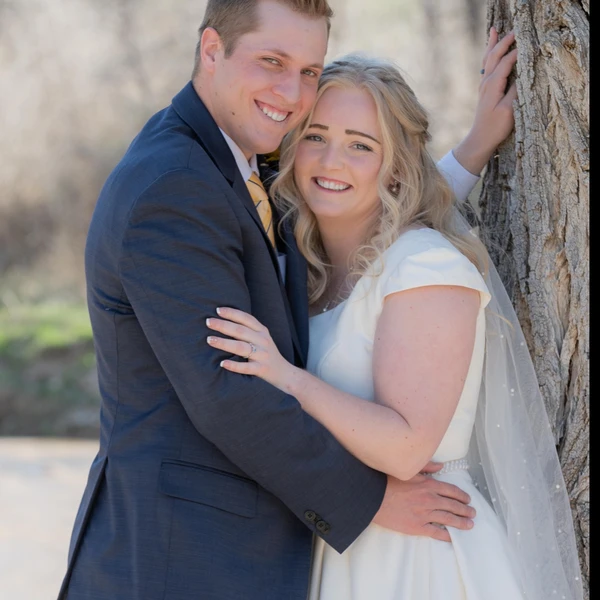
My name is Kaeley H. Lawton, and I was born and raised in Utah. I began my college journey on a softball scholarship at the College of Southern Idaho, where I earned my associate’s degree before completing a bachelor’s in Exercise Science at Utah Valley University. I’m happily married, and my husband and I love spending time outdoors, especially hiking and exploring the mountains. I’m passionate about health, wellness, and working with children, and I’m currently pursuing my goal of becoming a Doctor of Occupational Therapy (OTD) with a focus on pediatrics.
Education
Rocky Mountain University of Health Professions
Doctoral degree program (PhD, MD, JD, etc.)Majors:
- Health Professions and Related Clinical Sciences, Other
- Biological and Physical Sciences
Utah Valley University
Bachelor's degree programMajors:
- Sports, Kinesiology, and Physical Education/Fitness
College of Southern Idaho
Associate's degree programMajors:
- Liberal Arts and Sciences, General Studies and Humanities
- Health/Medical Preparatory Programs
Stansbury High School
High SchoolMiscellaneous
Desired degree level:
Doctoral degree program (PhD, MD, JD, etc.)
Graduate schools of interest:
Transfer schools of interest:
Majors of interest:
- Health Professions and Related Clinical Sciences, Other
- Allied Health Diagnostic, Intervention, and Treatment Professions
Career
Dream career field:
Hospital & Health Care
Dream career goals:
Physical therapist tech
Fyzical Therapy and Balance center2022 – 2022Packaging and shiping
Cabela's Warehouse2018 – 2018FSY Assistant Coordinator
THE CHURCH OF JESUS CHRIST OF LATTER DAY SAINTS2022 – 2022RECEPTIONIST
REVERE HEALTH2023 – Present3 years
Sports
Softball
Varsity2014 – 20184 years
Awards
- SILVER SLUGGAR
- PLAYER OF THE YEAR
- ALL STATE TEAM
- MOST VALUABLE PLAYER
- Rookie/Newcomer of the Year
- All-Conference/All-Region
- STATE TITLE
- Academic Awards
Research
Health Professions and Related Clinical Sciences, Other
UTAH VALLEY UNIVERSITY — RESEARCHER2024 – 2024
Public services
Volunteering
Salvation Army — Help prepare food, sort toys and miscellaneous items2018 – 2021Volunteering
THE CHURCH OF JESUS CHRIST OF LATTER DAY SAINTS — Volunteer2020 – 2022
Future Interests
Advocacy
Volunteering
Boatswain’s Mate Third Class Antonie Bernard Thomas Memorial Scholarship
Every day, I strive to live with intention, letting my core values guide how I approach school, work, and relationships. Among the traits I value most are strong leadership and communication, resilience, unselfishness, determination, and a solid work ethic, each shaping how I show up for others and pursue my goals.
Strong leadership begins with strong communication. Whether in a classroom setting, a workplace, or working on a team project, I listen before speaking. I aim to create space for others' voices while still confidently sharing my perspective. Leadership isn't about control but influence, trust, and empowering those around you. At work, I lead by example. I stay organized, encourage collaboration, and am always open to feedback. Communication is not just about being heard; it's about creating connection, clarity, and understanding.
Resilience is something I've built through experience. Life hasn't always been easy. I've struggled with anxiety, self-doubt, and setbacks. But I've learned that what matters most is not how many times you fall, but how many times you choose to get back up. When challenges arise, I pause, reframe, and move forward purposefully. Resilience to me means facing adversity and still choosing growth over defeat.
Unselfishness is woven into how I interact with people. Whether it's staying late to help a coworker, checking in on a friend who's having a hard time, or simply being someone others can count on, giving your time and energy to others creates deeper, more meaningful connections. I don't believe success should come at someone else's expense. I strive to lift others as I climb.
My focus and determination show up in my daily routines. I'm the person who sets goals and then breaks them down into actionable steps. I plan my time intentionally, avoid distractions, and constantly reevaluate to improve. If something matters, I give it my full effort, no shortcuts. This mindset has helped me stay on track academically while balancing work, family, and personal responsibilities.
Underneath it all is a strong work ethic. I take pride in the effort I put into everything I do. I don't quit when things get hard and don't wait to be told what needs to be done. I anticipate needs and take initiative. Consistency, reliability, and a willingness to do the hard work, even when no one is watching, set the foundation for long-term success.
I am pursuing a graduate degree in Occupational Therapy because I want to be part of a field that focuses on helping people live more fulfilling, independent lives. The blend of science, compassion, and human connection that OT requires perfectly fits my strengths and values. My long-term goal is to work with individuals with neurological or developmental conditions, helping them adapt and thrive.
Leadership means serving others through action, humility, and example. It means creating positive change, not just for yourself, but for the community around you. That's the kind of leader I strive to be every day.
Elijah's Helping Hand Scholarship Award
For a large portion of my life, anxiety has been a silent but tenacious friend. It has occasionally mumbled doubt in my head and at other times yelled so loudly that it overpowered confidence, reason, and composure. Although I did not choose to live with anxiety, it has molded me into the person I am today by teaching me empathy, resilience, and the value of mental health awareness.
My anxiety frequently feels like a tight, weighty, and inexplicable pressure that I carry inside my chest. I was a perfectionist throughout high school, always striving for success in my studies, athletics, and social life. However, beneath the accomplishments lurked a river of fear—fear of not being good enough, failing, and being judged. There were no words to express what I was feeling. I knew that occasionally I would have trouble breathing before tests or that I would lie awake at night reliving all of our conversations, worrying whether I had said anything incorrectly.
Things became increasingly complex throughout college. My anxiety was exacerbated by the transition to adulthood, juggling relationships, money, school, and an uncertain future. At times, the fear of completing tasks incorrectly paralyzed me, preventing me from beginning them. Because I was worried that people would perceive me as weak or inadequate, I distanced myself more than I wanted to. The strain was constant, even though I did my best to keep everything together.
Eventually, I realized I couldn't do it alone. After starting therapy, I gradually began to sort out the ideas and convictions that were keeping me caught in a vicious cycle of anxiety and self-doubt. I could understand myself better and cope by learning about self-compassion, grounding skills, and cognitive behavioral tactics. I understood that while anxiety is a part of who I am, it does not define me. It is not a sentence; it is a signal.
My empathy for people who face invisible struggles has grown due to these experiences of anxiety. I've witnessed how sharing my experiences has made others feel less alone, and I now talk more candidly about mental health with friends and family. I've also learned how important it is to check in with people and listen to their responses rather than just asking them how they're doing.
My experience has also inspired my job ambitions with anxiety. Supporting and empowering others, especially those who feel invisible or overburdened, is what I want to do for a living. My experiences taught me that strength frequently mimics vulnerability and that healing isn't linear. Although anxiety hasn't made my life simpler, it has strengthened me, increased my compassion, and increased my desire to change the world.
Mental health deserves space in every conversation. By acknowledging it, supporting each other, and refusing to let stigma keep us silent, we can create a world where no one has to suffer alone. I'm proud of how far I've come, and even more hopeful for what lies ahead.
Learner Calculus Scholarship
In the STEM fields, change is ubiquitous, and calculus is frequently described as the language of change. Calculus offers the means to comprehend, forecast, and resolve complicated issues, whether they involve modelling the spread of an illness, assessing the stress on a bridge, or determining the velocity of a rocket. It is crucial for creativity and advancement because its ideas are ingrained in engineering, science, technology, and mathematics fundamentals.
Fundamentally, calculus enables us to precisely and methodically investigate change. For instance, differential calculus lets us comprehend how quantities, like acceleration, population expansion, or chemical reaction rates, change over time. With integral calculus, we can quantify areas under curves, work performed by forces, or cumulative values over time. These ideas are essential to all STEM fields. In physics, calculus aids in the computation of motion, energy, and wave patterns. It is employed in engineering to create systems and buildings that are safer and more effective. Calculus is the foundation of computer science techniques in data modeling, graphics, and machine learning.
Calculus is essential for simulating dynamic systems in the biological sciences, such as blood flow rate, viral transmission, or brain activity. Calculus is utilized in biomechanics, my area of study in exercise science, to examine motion, comprehend forces acting on the body, and improve performance or rehabilitation techniques. Differential equations and integrals are frequently needed, for instance, to determine the torque around a joint or the rate at which muscles contract during movement. Without math, these more profound understandings of human mobility and health would not be conceivable.
Calculus fosters critical thinking and problem-solving abilities in addition to particular applications. It teaches students to deconstruct issues into smaller components, spot trends, and analyze difficulties. These abilities are helpful for both theoretical work and practical decision-making in environmental science, data science, engineering, and healthcare.
Calculus is more relevant than ever in today's world, where STEM innovation drives progress. It equips us with the tools to understand the smallest interactions and the most extensive systems. Whether we are mapping the trajectory of a spacecraft or designing assistive technology for patients, calculus helps us bring our ideas to life with precision and purpose.
Calculus serves as a vital entry point beyond merely being an academic subject. It is a foundational tool within the broader Science, Technology, Engineering, and Mathematics (STEM) framework. Calculus empowers individuals to contribute significantly to their communities by fostering critical thinking and problem-solving skills. It facilitates a deeper understanding of the intricate systems that govern our world, from the laws of physics that underpin technological advancements to the algorithms driving data-driven decision-making. Moreover, mastering calculus is essential for addressing complex societal challenges, ultimately crucial in shaping a progressive and innovative future. Through its application, individuals are equipped to tackle issues such as climate change, healthcare advancements, and technological development, thereby enhancing their lives and those of others around them.
Annie Pringle Memorial Scholarship
Breast health education is more than a public health campaign; it's a form of empowerment. It provides individuals, especially women, the knowledge they need to understand their bodies, detect warning signs early, and advocate for their well-being. For me, breast health education holds profound importance not only because of its life-saving potential but also because of the cultural, emotional, and systemic challenges that often prevent people, particularly young women, from getting the education, support, and care they need.
When I was growing up, people rarely talked about breast health openly. It was seen as a sensitive topic that people discussed quietly or avoided in school health classes.. As a young woman, this silence left me feeling underinformed and unsure of what was normal or what signs to look for. It wasn't until I began my undergraduate education in exercise science and became more immersed in anatomy, health literacy, and the medical field that I started to understand how vital this knowledge truly is. The more I learned, the more I realized that breast health isn't just about disease prevention but about understanding and honoring the body as a whole.
One reason breast health education is so important to me is because of the shocking disparities that still exist in diagnosis and outcomes. Despite advances in medicine and screening, many individuals, especially those in underserved communities, still experience delayed diagnoses, misinformation, or lack of access to screenings and care. In communities where conversations around reproductive or breast health are stigmatized or minimized, women may not feel empowered to ask questions or seek help. Education helps break down those barriers. It creates space for dialogue, removes shame, and helps individuals take ownership of their health.
I've witnessed the emotional weight that comes with a lack of knowledge about breast health. Friends and family members have shared with me their anxiety over a lump, the fear of the unknown, or the guilt of not having done self-checks regularly. The truth is, when people aren't educated early on about their breast health, they're more likely to ignore symptoms or delay care. And when early detection is key, every moment matters. Breast health education gives people the tools to pay attention to their bodies, to recognize changes, and to feel confident taking action when needed. That confidence can quite literally save lives.
As someone preparing for a career in occupational therapy, I also see breast health education as an essential part of the holistic care I hope to provide. Breast cancer, mastectomy, reconstruction, and other treatments all carry physical and emotional consequences. For patients undergoing surgery or radiation, their recovery often requires modifications in daily living, adaptive techniques, or help regaining function. Understanding breast health and its impact on mobility, mental health, and daily activities allows future therapists like me to better support patients during recovery and beyond. But it all starts with educating young women, students, and community members on what they need to know before becoming patients.
I want to advocate for preventative education, particularly among young adults. Far too often, breast health is framed as a concern only for older women, when in fact, healthy habits like performing monthly self-exams, knowing your family history, or understanding how hormones affect breast tissue should begin in the teenage years. Education must evolve to meet young people where they are: in schools, on social media, in health clinics, and through culturally relevant messaging. We need to change the tone from one of fear to one of empowerment.
One of my goals is to create educational workshops that combine science with storytelling, giving people the facts and a safe space to share experiences, ask questions, and build community. Whether that means partnering with schools, gyms, or clinics, I want to be part of the movement that makes breast health education accessible, inclusive, and engaging. Breast health should not be exclusive; it belongs to everyone. It's crucial for individuals who feel unseen in the healthcare system, including LGBTQ+ individuals, people of color, those in rural areas, or anyone who feels alienated by traditional messaging..
Another reason this issue matters to me is because of the ripple effect education can have across generations. When one person understands their breast health, they often share that knowledge with others, friends, siblings, daughters, and mothers. It becomes a community effort. I've seen how open conversations about breast health within families can lead to earlier screenings, genetic testing, and, most importantly, mutual support. Education doesn't just change lives, it saves them.
Looking ahead, I hope to integrate breast health awareness into my future career in occupational therapy. Whether that's helping patients post-surgery regain range of motion in their shoulders or supporting someone with lymphedema learn adaptive techniques, I want to ensure that my practice is grounded in empathy, education, and advocacy. Breast health touches every aspect of a person's well-being, from physical function to emotional resilience, and it deserves the same care and attention we give to every other system in the body.
Breast health education is essential to me because it bridges science and humanity. It equips people with knowledge, reduces fear, and gives individuals agency in their health journey. Every person deserves to understand their body and feel supported in caring for it. Whether through research, clinical care, or community outreach, I want to be part of the change that normalizes breast health conversations, starting young and reaching far. Because when we educate, we empower, and empowered people take control of their health, futures, and lives.
Kayla Nicole Monk Memorial Scholarship
From the moment I stepped into my first exercise science lab, I was captivated, not just by the physical aspects of human movement, but by the science behind it. I was fascinated by how bones, muscles, and joints work in harmony to produce even the simplest action, like reaching for a glass or walking up stairs. That curiosity turned into passion, which is now fueling my pursuit of a career as an occupational therapist. I chose to further my education in STEAM because I want to combine biomechanics and clinical care to create innovative, evidence-based solutions that help people regain their independence and improve their quality of life.
My background in exercise science has given me a strong foundation in anatomy, physiology, and movement mechanics. Through coursework and hands-on lab work, I've conducted research examining joint angles, muscle activation, and the effects of various exercises on rehabilitation outcomes. I learned how to use motion analysis technology, force plates, and electromyography to gather data that informs treatment and transforms it. I want to bring this same scientific precision and critical thinking into my future practice as an occupational therapist.
STEAM is more than a field or a philosophy of innovation. Occupational therapy is inherently interdisciplinary, blending science, creativity, and empathy. By leveraging biomechanics, I aim to tailor personalized, data-driven, and effective interventions. Whether helping a stroke patient relearn how to hold a spoon or designing adaptive equipment for a child with cerebral palsy, my goal is to use my knowledge of movement science to make those activities more functional and achievable.
Receiving this scholarship would support my academic journey in powerful ways. Financially, it would allow me to dedicate more time to research and clinical experience, rather than juggling multiple jobs to afford tuition and lab fees. More importantly, it would allow me to pursue advanced training in biomechanics software, attend professional conferences, and connect with researchers and clinicians working to bridge the gap between science and patient care. This scholarship would be an investment not just in my future, but in the lives of the individuals and communities I hope to serve.
In the long term, I aspire to work in a rehabilitation or clinical research setting where I can help design evidence-based interventions for individuals recovering from injuries, living with chronic conditions, or adapting to physical limitations. Additionally, I want to mentor future students in the STEAM fields, encouraging more people to explore the intersection of science and healthcare.
Ultimately, science should serve people and improve their quality of life. This belief is the cornerstone of my career aspirations, which is why I chose the path of occupational therapy. My commitment to this field is fueled by a desire to empower individuals to regain their independence and enhance their daily functioning through evidence-based practices.
With your support, I will be one step closer to becoming an occupational therapist who leads with compassion, utilizing a thorough understanding of the human body and its movements. I aim to integrate the latest research into my practice, ensuring that my approaches are effective and tailored to meet each individual's unique needs. By bridging the gap between science and compassionate care, I want to make a meaningful impact in the lives of those I serve.
Dr. Samuel Attoh Legacy Scholarship
Legacy is less about the achievements we leave behind and more about the impact we make on the lives of others. How we treat people, make them feel, and influence the world around us, even in small and quiet ways. Legacy is built in how we show up daily, the choices we make, and the values we carry forward. It's not just what we do, but why we do it. Legacy, in its truest sense, is about creating something meaningful that lasts beyond our time, uplifts others, inspires growth, and sparks positive change.
Growing up, I didn't fully understand the power of legacy. Like many others, I was raised in a home that experienced joy and struggle. I come from a family that worked hard, loved deeply, and fought through their battles, financial pressures, health challenges, and emotional highs and lows. My parents did their best with their tools, and they taught me the value of perseverance, faith, and grit. They showed me that we don't have to have perfect circumstances to lead meaningful lives. But I also witnessed the weight of unspoken burdens, emotional fatigue, and the quiet ways that generational struggles can trickle down.
Because of that, my upbringing shaped me in two ways: first, by grounding me in gratitude for the strength and sacrifices of my family, and second, by fueling a determination to build a different kind of future. I'm proud of where I come from, but I also know parts of that foundation need healing and transformation. I want to take good resilience, hard work, and loyalty and pair them with new tools: emotional awareness, open communication, education, and service to others.
Occupational therapy became my natural path because it bridges all these pieces. It's a profession rooted in empathy, connection, and functional healing. It's about meeting people where they are and helping them reclaim their independence and purpose. That mirrors what I've always wanted to do in my own life: to support others, to break cycles of silence or discouragement, and to build something lasting, not just for myself, but for my future family and the people I serve.
Continuing the cycle, for me, means honoring my family's strength and resilience. It means remembering their sacrifices to help me get here and carrying those lessons into everything I do. But breaking the cycle means refusing to let fear, limitation, or silence take root in the next chapter. It means choosing healing over hiding, and growth over survival. I plan to build a life that is rooted and reaching, where my children and those I work with know that it's okay to struggle, but we're not meant to stay stuck in that struggle.
Legacy is not something I'm waiting to leave behind when I'm older. It's something I'm building now in the way I study, the way I treat people, and the way I rise after setbacks. My upbringing didn't give me a perfectly paved road, but it did give me the strength to keep walking, learning, and showing up for others. I want my legacy to be one of compassion, courage, and service, something that uplifts those around me and creates ripples of change that last long after I'm gone.
Johnna's Legacy Memorial Scholarship
Watching my older brother navigate a chronic medical condition from the time he was a teenager shaped me in ways I didn't fully understand until later. He was only sixteen when symptoms began to take over his daily life, gradually affecting his energy, health, and relationship with something as basic as food. I remember how rapidly he lost weight and strength, and how his body struggled to process meals that once brought him comfort and joy. As his younger sibling, I watched him struggle through vibrant high school years consumed by doctor's visits, medications, and physical pain.
What stood out to me most was what his condition didn't take from him. Despite how agonizing and exhausting things became, my brother never gave up on his schooling, hobbies, or dreams. While many might have understandably shut down or become discouraged, he stayed determined. He continued showing up for life, working hard in school, spending time with our family, and making plans for his future. I learned more about grit and perseverance from watching him face each day with courage than I ever could from a textbook or classroom.
His quiet strength made a lasting impression on me. I often felt powerless, wanting to help but not knowing how. I couldn't take his pain away, and I couldn't heal what was going on inside his body. But what I could do was learn. I could pay attention, show up, and carry those lessons into something bigger. His experience planted the seed of my desire to enter the healthcare field. It led me to occupational therapy, a space where I could help individuals adapt, thrive, and rebuild meaningful routines and roles after medical challenges.
Pursuing a career in occupational therapy isn't just about clinical knowledge or treatment plans for me. It's about honoring what I witnessed in my brother, the daily courage it takes to keep going, hoping, and participating in life despite pain and limitation. I want to be the person who steps into that moment of struggle with others and says, "I see you, and I'm here to help." I want to help individuals develop the tools and confidence they need to reclaim control over their lives.
This calling is deeply personal. I've lived alongside the quiet suffering chronic illness can bring, but I've also seen the strength and resilience that can grow in its shadow. My brother's experience gave me a front-row seat to both. And while I couldn't change his journey, I can now use it as a foundation for my journey that allows me to empower others to live fully, no matter their circumstances.
Ultimately, I aim to build a career rooted in empathy, service, and hope. I want to walk alongside individuals facing similar struggles and provide not just therapy, but understanding. Because of my brother, I know firsthand how powerful that support can be, and I'm committed to offering it to others.
Bulkthreads.com's "Let's Aim Higher" Scholarship
I want to build a career and a life centered on compassion, purpose, and service through the field of occupational therapy. My goal is not just to earn a degree, but to create a meaningful role in my community where I can empower others to live more fully and independently, regardless of their physical or cognitive limitations. I want to build a future where my work doesn’t just do the bare minimum and treat people, but uplifts them, fortifies them, and enriches their lives.
This concept began during my experience with physical and occupational therapy, where I saw firsthand how competent care can transform someone’s quality of life. I was captivated by how small interventions, a carefully selected adaptive tool, a reinvigorated way of approaching a daily task, could restore function, confidence, and hope. I desire to be part of that process for others. I want to create strength in people who feel inadequate, ways for those who feel lost, and joy for those who feel like they’ve lost control of their lives.
But I know that building this kind of career takes more than just good intentions. It will take rigorous education, clinical experience, humility, and a commitment to continuous learning. I am ready to put in the work because I believe in the ripple effect of healing. When one person gains independence, their whole family benefits. When individuals are empowered, communities grow stronger.
As I pursue my education towards a doctorate of occupational therapy, I also want to build relationships with professors who will challenge me, peers who will inspire me, and patients who will teach me. I want to build trust in the exam room, safety in the therapy space, and resilience in those who need it most.
Ultimately, I want to build a future where service is my foundation, and healing and inspiring are my legacy. I visualize an impact that extends beyond enhanced motor skills or regained mobility; I hope to see a renewed confidence in individuals who can finally return to work, play with their grandchildren, or write their name once more. That’s the kind of future worth pursuing and aspiring towards.
Build and Bless Leadership Scholarship
My faith journey has been anything but linear. I grew up in a home where the gospel of Jesus Christ was taught and valued. As a child, I loved learning about the Savior, His teachings, His miracles, and the message of hope and love that filled the scriptures. But as I entered my teenage years, my connection to that faith began to waver. Struggles with anxiety, mental health, academic pressure, and the demands of athletics all seemed to cloud the spiritual clarity I once felt. My faith became stagnant, not lost, but quiet. It lingered beneath the surface, held together by small moments, silent prayers, and a few unshaken beliefs I couldn't let go of.
Despite that spiritual uncertainty, I felt a deep and persistent pull to serve a full-time mission for my church. I decided to go at twenty years old, not because I felt spiritually perfect or ready, but because I wanted to believe more deeply. Ironically, I went out to teach others about faith when, in many ways, I was still searching for it myself. That decision changed everything.
Serving a mission became the most formative leadership experience of my life. It wasn't about holding a title or commanding attention. It was about leading through service, love, and quiet example. I met people from every background: those who had nothing, those who had lost everything, and those who had never heard the name of Christ. I watched as belief entered their lives and slowly changed them. But even more profoundly, I watched how their faith transformed me. Once fragile, my testimony grew stronger as I saw firsthand how living the gospel could bring hope to people in the darkest circumstances.
I learned that leadership grounded in faith is not about being flawless. It's about honesty, vulnerability, and willingness to act when called, even when unsure. It's about trusting that God can work through you, not because of your perfection, but because of your willingness. I began to understand the power of compassion, the strength in quiet persistence, and the impact of listening more than speaking. I found joy in lifting others when I, too, needed lifting.
Since returning home, this experience has shaped how I lead in every setting, whether in school, church, work, or community. I now strive to lead with empathy, to see people for who they are and who they can become. My vision for the future includes continuing to serve others, primarily through occupational therapy. I hope to blend my faith-driven compassion with clinical skill to help people regain independence and purpose in their lives.
Faith no longer feels like something I have to perform or prove; it's something I live. It guides the way I lead, the way I serve, and the way I hope to build a better future, one person at a time.
GUTS- Olivia Rodrigo Fan Scholarship
“I try to be happy for you, then I realized I only came ‘cause I wanted to fight.” – “Get him back!” by Olivia Rodrigo
This lyric from Olivia Rodrigo’s GUTS encapsulates the emotional turbulence of adolescence with raw honesty. It reveals the internal contradictions that often define the teenage experience: the desire to be mature and composed while still feeling overtaken by jealousy, anger, or insecurity. For me, this line resonates deeply because it reflects how I often felt during my teenage years: pulled in multiple directions emotionally, trying to do the “right” thing while still consumed by intense and confusing feelings.
Adolescence, for me, was never simple. It was the time in my life when anxiety first began to take hold, subtly at first, then with a weight I could no longer ignore. By the time I turned sixteen, I was already struggling with overwhelming worry and racing thoughts, though I didn’t understand what was happening. It wasn’t until I was eighteen, after a traumatic experience involving a roommate’s suicide attempt, that I was formally diagnosed with anxiety. During this same period, I was also learning to manage my ADHD. Combining the two often makes everyday emotional experiences feel exaggerated and exhausting. I wanted to appear unaffected, strong, and indifferent, but I struggled to stay grounded internally.
Rodrigo’s lyric captures the core of what that emotional chaos felt like. I remember situations where I told myself I had moved on, whether from a friendship, a crush, or a disappointment, only to realize I was still tangled in it emotionally. Like the lyric suggests, I’d show up in a situation telling myself I was over it, only to realize I was there because I hadn’t fully let go. That mixture of pride, anger, and vulnerability is tricky to navigate, especially when you’re still figuring out who you are and how to process big emotions in healthy ways.
What makes this lyric particularly powerful is its brutal honesty. It doesn’t try to disguise the pettiness or the pain; it just puts it out there. And that’s what adolescence often is: a time of contradiction, where emotions run high, self-awareness is still developing, and growth comes through trial and error. It reminds me that it’s okay to acknowledge the messiness of growing up and that those moments of emotional confusion are not signs of weakness, but part of learning how to be human.
Looking back, I’ve learned to approach these emotions with more compassion. Therapy has helped me understand my reactions, and I now work to manage my mental health with intention. But that lyric still hits home because it reminds me of a version of myself who was trying to make sense of it all. And honestly, she deserved grace, not judgment, for feeling so much so deeply.
Online ADHD Diagnosis Mental Health Scholarship for Women
Mental health is an ongoing journey that has significantly impacted my academic performance, personal relationships, and overall well-being. Living with ADHD and anxiety has required me to be more intentional, more self-aware, and more resilient than I ever imagined. These challenges have shaped my experience as a student and transformed how I approach life, balance, and personal growth.
From a young age, I knew my brain worked a little differently. I was diagnosed with ADHD early on, and while it explained the constant fidgeting, racing thoughts, and difficulty with focus, it didn't make navigating school any easier. Staying organized, completing tasks, and meeting deadlines felt like running uphill with a backpack full of bricks. I often had to work twice as hard to keep pace. Despite the hurdles, I pushed forward, determined to succeed, but I usually did so without addressing the deeper mental strain that accompanied my academic efforts.
Around the age of sixteen, I began to experience persistent feelings of worry, tightness in my chest, and a sense of impending panic symptoms I didn't understand at the time. I brushed them off as stress or typical teenage nerves. It wasn't until two years later, when I was eighteen, that those feelings were brought into sharp focus by a traumatic event: my college roommate attempted suicide. The aftermath of that experience forced me to stop ignoring my mental health. I sought help and was officially diagnosed with anxiety. While it was a relief to finally have a name for what I had been experiencing, it was also the beginning of a complicated and challenging journey.
Balancing academic responsibilities while trying to manage anxiety and ADHD was like juggling fire. I struggled to keep everything in balance while simultaneously navigating a trial-and-error process of finding the proper medication and dosage. Some medications made me feel foggy; others exacerbated my anxiety. During this period, I often felt disconnected from my own body, unsure of what was helping and what was hurting. Trying to succeed in school while my mind and body were working against each other was exhausting.
Therapy became one of the most crucial turning points in my journey. Talking with a professional helped me make sense of the thoughts and emotions I had been carrying for years. It gave me tools to manage my anxiety, understand my ADHD more clearly, and regain a sense of control over my life. I developed strategies that helped me stay grounded through therapy, such as cognitive behavioral techniques, mindfulness practices, and time-blocking systems that accommodate my attention needs. I also learned to recognize when I was reaching a breaking point and how to step back and prioritize rest without guilt.
I now make mental health a priority because I've seen what happens when it's ignored and dismissed. I build routines that support stability: regular sleep schedules, exercise, quiet time for reflection, and honest conversations with people I trust. I've become more compassionate toward myself and more capable of advocating for the accommodations and support I need. These are not just strategies, they're lifelines that allow me to show up as my best self, both in and out of the classroom.
Living with ADHD and anxiety has taught me resilience, empathy, and the value of mental wellness. These experiences have strengthened my determination to succeed, not despite my challenges, but because of the strength I've gained by facing them head-on.
Wicked Fan Scholarship
I am a fan of Wicked, because it tells a story that goes beyond the typical good versus evil narrative and dives into the complexities of friendship, identity, and understanding. The movie adaptation brings this beloved story to life in a way that feels both grand and deeply personal, making it accessible to new audiences while honoring the emotional heart of the original musical.
What resonates with me most is the relationship between Elphaba and Glinda. Their journey from rivalry to friendship is authentic and moving. Watching their struggles and growth on screen reminded me of how complicated and rewarding true friendship can be. It is a story about accepting differences, standing up for who you are, and finding connection even when the world misunderstands you.
The music in Wicked has always been powerful, but seeing songs like “Defying Gravity” and “For Good” performed in a cinematic setting made them even more impactful. These songs capture the courage it takes to follow your own path and the lasting effects people have on each other’s lives. Hearing those familiar melodies with fresh visuals made me feel the emotions behind the lyrics more deeply.
What I appreciate most about Wicked is how it challenges us to rethink labels like “good” and “evil.” Elphaba’s story is a reminder that people are often judged unfairly, and it encourages empathy and understanding in a world that can be quick to judge.
Wicked: The Movie Musical is more than entertainment, it’s a story that inspires me to be kinder, braver, and more open-hearted. That is why I am such a devoted fan.
Billie Eilish Fan Scholarship
Billie Eilish’s music has a unique ability to connect deeply with listeners through emotion, vulnerability, and unapologetic individuality. Among her many impactful songs, the three that resonate most with me are “Ocean Eyes,” “Bad Guy,” and “Lovely.” Each represents a different part of my personal journey, and together, they reflect the emotional complexity and authenticity that define Billie’s artistry.
“Ocean Eyes” was the first Billie Eilish song I ever heard, and it immediately captivated me. The haunting softness of her voice combined with the song’s melancholic beauty made it feel intimate and raw. It reminded me of the uncertainty and emotional depth that often come with growing up, feelings that are difficult to name, yet instantly understood when heard in her voice. It became a song I turned to during quiet moments of reflection.
“Bad Guy” stands in stark contrast, yet is equally powerful. It speaks to confidence, rebellion, and the refusal to be defined by others. This song resonates with me because it represents the side of myself that has learned to reclaim power, even in the face of judgment or expectation. Billie’s fearless delivery and the song’s bold production remind me that it is okay to be different, and even more than okay to own it.
Finally, “Lovely,” her collaboration with Khalid, captures the experience of feeling trapped in a difficult place emotionally while still searching for hope. This song helped me through moments of depression and anxiety, offering a kind of companionship that only music can provide. It is beautifully painful and deeply human.
These three songs reflect the depth, contrast, and honesty that Billie Eilish brings to her work. They have stayed with me not only because of their sound, but because of how deeply they speak to the reality of emotion and growth.
Team USA Fan Scholarship
My favorite athlete to cheer for on Team USA is Cat Osterman, a legendary pitcher whose presence on the field is nothing short of inspiring. Watching her dominate the mound with composure, strategy, and undeniable talent has had a lasting impact on me, both as a softball fan and as an athlete.
Cat Osterman represents everything I admire in a competitor: discipline, humility, and an unwavering drive to be better. Her pitching style is not just about speed or mechanics; it is about precision, intelligence, and mental toughness. She has an incredible ability to adjust under pressure, and she carries herself with a quiet confidence that commands respect. Whether it was her early Olympic appearances or her unexpected return to help lead Team USA in Tokyo, she showed that true greatness is not limited by age, expectation, or circumstance.
What inspires me most about Cat is her resilience. She stepped away from the sport at the professional level, only to return stronger than ever, proving that passion and hard work can reignite even after time away. That journey speaks to the heart of every athlete who has faced setbacks, doubts, or the challenge of rediscovering purpose. She is a reminder that it is never too late to chase excellence.
As someone who played softball at a competitive level, I found myself looking up to Cat not only for her achievements, but also for the way she leads. She is a mentor, a team player, and a role model for countless young athletes, especially girls, who dream of representing their country on the world stage.
Cheering for Cat Osterman is easy because she represents the best of Team USA: skill, sportsmanship, and strength. Her legacy in softball goes far beyond medals. She has inspired a generation, and I am proud to be part of it.
Sabrina Carpenter Superfan Scholarship
I have been a fan of Sabrina Carpenter since the beginning of her music career, and what has impressed me most is her steady evolution as both an artist and a person. Her earlier songs such as “Eyes Wide Open” and “Thumbs” resonated with me during formative years, offering messages of self discovery, independence, and confidence. Even then, her voice carried a depth and sincerity that made her music stand out. Those early tracks were not only catchy and well crafted, but also thoughtful and empowering, helping me better understand my own identity during a period of personal growth.
As her career progressed, Sabrina demonstrated a remarkable ability to mature her sound and message while staying true to the core values that made her early work meaningful. Her recent music, particularly songs from the “emails I cannot send” album, reflects a bold and unfiltered look into emotional complexity and vulnerability. The honesty in tracks like “because I liked a boy” shows a willingness to confront difficult experiences with grace and strength, which has deeply impacted the way I view self expression and resilience.
What I admire most about Sabrina is her ability to reinvent herself without losing authenticity. Her growth has not been forced or performative; rather, it has unfolded naturally alongside her audience. She continues to model what it means to grow, reflect, and lead with integrity.
Supporting her career feels like supporting an artist who consistently uses her platform to encourage individuality, confidence, and emotional honesty. From her early songs to her most recent releases, Sabrina Carpenter has remained a consistent source of inspiration to me. I continue to be a fan because she is not only talented, but also deeply human in a way that invites others to be the same.
Chappell Roan Superfan Scholarship
Chappell Roan’s music has impacted me in a way that few artists ever have. Her songs feel like a safe space where vulnerability is not just accepted, it is celebrated. There is something incredibly raw and honest about her voice and lyrics that make me feel understood, especially during times when I struggled to put my own feelings into words. Her music does not shy away from the messy parts of life, heartbreak, confusion, self doubt, and instead turns those feelings into something beautiful and relatable.
What really draws me to Chappell Roan is her bravery. In a world where so much music feels polished and filtered, she is refreshingly real. Listening to her songs like “Pink Pony Club” or “Naked City” feels like she is speaking directly to me, reminding me that it is okay to be imperfect, to be lost sometimes, and to find power in those moments of honesty. Her music has helped me accept parts of myself that I might have otherwise hidden or ignored.
I support her career because she is more than just a singer; she is someone who uses her voice to give others permission to be themselves; flaws and all. She is breaking down walls around mental health, identity, and self acceptance, and that is something the world desperately needs. Supporting her means standing behind an artist who creates connection and healing through her music.
In many ways, Chappell Roan’s songs have been a companion during difficult moments, offering comfort and a reminder that I am not alone. That kind of impact is rare, and it is why I will continue to support her and look forward to all the ways her music will touch others’ lives too.
Elevate Women in Technology Scholarship
One technology that inspires me deeply is telehealth, particularly its role in expanding access to healthcare. Although telehealth is not entirely new, its rapid advancement and widespread adoption in recent years have revolutionized how medical services are delivered, making quality care more accessible and equitable worldwide.
Telehealth uses digital communication tools, such as video conferencing, remote monitoring, and mobile apps, to connect patients with healthcare providers regardless of geographic barriers. This technology is especially transformative for individuals in rural or underserved communities, where access to specialists and timely medical care can be limited or nonexistent. By bridging these gaps, telehealth reduces disparities and allows more people to receive preventive care, timely diagnoses, and ongoing management of chronic conditions without the burdens of travel or long wait times.
What inspires me most about telehealth is its potential to integrate physical and mental health care conveniently and patient-centered. For example, teletherapy sessions enable individuals struggling with mental health challenges to seek counseling from the safety and privacy of their own homes. This accessibility can reduce stigma, encourage earlier intervention, and improve overall outcomes. Additionally, remote monitoring devices empower patients to actively manage conditions such as diabetes or hypertension by transmitting vital data directly to their healthcare team.
Telehealth exemplifies how technology can democratize healthcare by making it more inclusive, efficient, and responsive to individual needs. It embodies a shift toward holistic, accessible care that respects patients’ time, resources, and circumstances. As I pursue a career in healthcare, I am inspired by the potential of telehealth and other emerging technologies to break down barriers and improve the quality of life for diverse populations worldwide.
Priscilla Shireen Luke Scholarship
Currently, I actively contribute to my community through dedicated mentoring and volunteer work focused on supporting individuals facing physical and emotional challenges. One key way I give back is by mentoring younger athletes recovering from injuries. Drawing on my own experiences with physical setbacks, I provide practical guidance on rehabilitation strategies and offer empathetic support to help these athletes navigate the emotional difficulties often associated with injury, such as frustration and uncertainty. This mentorship requires a significant investment of my time and energy, but it is deeply rewarding to assist others in their recovery journeys and foster resilience.
In addition to my work with athletes, I volunteer with families of children with special needs. These families encounter substantial daily challenges, and I support them by assisting with caregiving tasks, facilitating therapeutic activities, and providing respite to caregivers. Through this experience, I have developed a profound appreciation for the patience, strength, and perseverance required to manage these responsibilities. Moreover, this role has reinforced my belief that effective service is grounded in consistent presence, empathy, and respect for each individual’s dignity.
I am also committed to promoting mental health awareness in my community by openly sharing my own experiences with anxiety and depression. Recognizing the stigma that often surrounds mental health, I believe that fostering honest conversations is vital to creating environments where individuals feel supported and empowered to seek help. By prioritizing the emotional well-being of others through vulnerability and advocacy, I aim to contribute to a culture of understanding and compassion.
Looking ahead, I intend to expand my impact by pursuing a career in occupational therapy. This profession uniquely integrates clinical expertise with a holistic approach to health, addressing physical, emotional, and social factors that influence an individual’s quality of life. My goal is to empower individuals to regain independence, adapt to life’s challenges, and improve overall well-being. Occupational therapy will enable me to work with diverse populations and develop individualized care plans that respect each person’s unique strengths and goals.
Beyond direct patient care, I am dedicated to advocating for increased mental health awareness and equitable access to comprehensive healthcare services within my community. I believe that promoting resilience and well-being requires addressing the full spectrum of health needs and overcoming systemic barriers. Through education, outreach, and collaboration with interdisciplinary teams, I aspire to contribute meaningfully to efforts that enhance holistic healing and strengthen community health infrastructure.
In summary, my current efforts in mentoring, volunteering, and mental health advocacy have laid a strong foundation for a lifelong commitment to service. Pursuing occupational therapy will allow me to further this commitment and make a lasting, positive impact on the lives of individuals and communities alike.
Dr. Tien Vo Healthcare Hope Scholarship
My pursuit of a healthcare career has been profoundly shaped by personal challenges and a steadfast commitment to serving others. As a dedicated athlete, I encountered multiple injuries during my collegiate career that not only tested my physical endurance but also profoundly impacted my mental health. The experience of managing chronic pain, coupled with feelings of anxiety and depression, provided me with invaluable insight into the intricate relationship between physical ailments and emotional well-being.
Through my rehabilitation process, I observed healthcare professionals' critical role in facilitating holistic recovery. The compassion, patience, and expertise physical and occupational therapists demonstrated were instrumental in my healing journey. These encounters inspired me to pursue occupational therapy as a career. This field uniquely integrates clinical knowledge with the ability to address the multifaceted needs of patients, encompassing physical, emotional, and social dimensions.
Occupational therapy's focus on restoring independence and enhancing quality of life resonates deeply with my values and experiences. I aspire to empower individuals facing adversity, enabling them to regain autonomy and confidence despite physical or psychological challenges. My goal is to contribute meaningfully to the well-being of my community by fostering resilience and supporting patients through their most difficult transitions.
Beyond my recovery, I have actively sought opportunities to serve and learn. While serving as a missionary in southern Texas, I assisted families affected by severe weather events. Providing practical aid and emotional support to those displaced by such hardships reinforced my dedication to service and deepened my understanding of community resilience. This experience underscored the importance of empathy and presence alongside medical intervention.
In addition, I have mentored younger athletes recovering from injuries, offering both practical advice and emotional encouragement. Recognizing their isolation and uncertainty, I endeavored to provide guidance grounded in empathy and shared experience. My volunteer work with families of children with special needs further cultivated my appreciation for patience, humility, and individualized care.
These experiences have solidified my conviction that healthcare is a profoundly human endeavor. I am committed to advocating for mental health awareness and promoting holistic approaches that honor physical and emotional health interplay. I seek to make a lasting impact through occupational therapy by helping individuals reclaim their independence, adapt to life's challenges, and find renewed purpose.
In conclusion, my journey through adversity has shaped my personal growth and clarified my professional aspirations. I am eager to dedicate myself to a healthcare career grounded in empathy, service, and comprehensive patient care, aiming to improve lives and strengthen communities.
Michael Rudometkin Memorial Scholarship
Selflessness is the deliberate choice to prioritize the needs and well-being of others above one’s comfort or convenience. This trait is founded on empathy, patience, and a genuine commitment to making a positive impact without expectation of recognition or reward. Throughout my personal and professional experiences, I have tried to embody selflessness by consistently offering support and compassion to those facing adversity, often placing their needs before mine.
One of the most profound experiences that shaped my understanding of selflessness was serving an LDS mission in southern Texas. During this time, I had the privilege of assisting individuals and families who were less fortunate, many of whom were struggling to recover from severe weather events that had caused significant damage and hardship. I worked alongside community members to provide relief, whether through delivering essential supplies, helping with clean-up efforts, or simply offering a listening ear and emotional support. Witnessing their resilience amidst such adversity taught me the true meaning of selfless service, giving time and resources and offering hope and compassion when needed. This experience reinforced my commitment to serve others regardless of circumstance and to stand alongside those facing life’s toughest challenges.
In addition to my mission service, I have demonstrated selflessness through mentoring younger athletes recovering from injuries. Having personally endured multiple physical setbacks during my athletic career, I understood the multifaceted challenges that accompany injury, both physical pain and emotional strain. Many of these athletes experienced isolation, frustration, and uncertainty about their futures. In response, I devoted considerable time and effort to providing practical guidance regarding rehabilitation techniques and emotional support. I made myself available to listen attentively to their concerns, validate their feelings, and encourage perseverance through difficult times. This role often required sacrificing my time and energy to ensure they felt supported and understood. This experience taught me that selflessness entails tangible assistance and emotional presence.
Beyond athletics, I have volunteered with families of children with special needs, recognizing the extraordinary demands they face daily. My role involved assisting with caregiving activities, facilitating therapeutic play, and offering respite to caregivers. I approached these responsibilities with humility and respect, striving to meet families where they were and to honor their resilience and dignity. These interactions deepened my appreciation for the quiet strength exhibited by those facing ongoing challenges and reinforced my commitment to serving others without expecting gratitude or reward.
In addition to direct service, I have embraced selflessness by openly sharing my personal experiences with mental health challenges. This vulnerability required confronting stigma and personal discomfort, yet I recognized that candid discussions about depression and anxiety could foster a supportive environment for others facing similar struggles. By prioritizing the emotional well-being of my peers and community over my privacy, I have helped reduce feelings of isolation and encouraged others to seek assistance when needed. This willingness to be transparent and supportive reflects a profound form of selflessness.
Through these varied experiences, I have come to understand that selflessness is not measured by grandiose acts but by consistent, compassionate engagement that affirms the humanity of others. It demands presence, patience, and a willingness to sacrifice for the betterment of those in need. Whether through mission service, mentoring injured athletes, supporting families of special needs children, or advocating for mental health awareness, I remain committed to living a life defined by service and empathy. These experiences have profoundly shaped my character and will continue to inform my dedication to helping others throughout my personal and professional journey.
Alger Memorial Scholarship
Life is inherently challenging; however, it is through adversity and resilience that one’s character truly blossoms. My experiences with mental health struggles, chronic physical pain, and athletic injury have tested me in profound ways. These challenges have strengthened my resolve and provided clarity of purpose, inspiring me to pursue a career in occupational therapy and advocate for mental health and holistic recovery within my community.
As a dedicated athlete, I knew of the challenge of pushing through physical and mental barriers. Yet, during my collegiate career, the cumulative effects of repeated injuries became undeniable. I endured pain that, at times, was overwhelming, impacting both my performance and well-being. My identity had long been intertwined with athletic achievement and physical capability, and the inability to perform at my previous level led to a difficult period marked by feelings of loss, uncertainty, and self-doubt.
This period precipitated significant mental health challenges, including bouts of depression and anxiety. The grief of losing a central part of my identity and the fear of an unclear future were overwhelming. However, through physical and occupational therapy, I gained physical rehabilitation and a deeper understanding of the processes of healing and adaptation. This experience revealed a new path where my challenges and hardships could be transformed into a purposeful career dedicated to helping others.
Motivated by these experiences, I began mentoring younger athletes facing similar injuries, providing guidance on physical recovery and emotional support. By openly sharing my mental health journey, I aimed to foster an environment of understanding and acceptance, emphasizing that healing encompasses both physical and psychological dimensions. I strived to remind those I mentored that setbacks do not define one’s worth and that recovery is a multifaceted process.
These experiences have solidified my commitment to becoming an occupational therapist who combines clinical expertise with empathy and lived experience. Beyond individual patient care, I aspire to advocate actively within my community, promoting mental health awareness and supporting individuals facing physical and emotional challenges. I aim to empower those who feel marginalized or overwhelmed to regain independence, confidence, and quality of life.
I have learned that true strength lies not in avoiding failure but the determination to rise repeatedly in adversity. Moreover, genuine resilience is demonstrated through supporting others along their journey. While life’s difficulties are inevitable, I am grateful for the challenges I have encountered, as they have shaped my commitment to service and my dedication to the lifelong pursuit of healing.
Gardner Family EFY Field Staff Scholarship
Serving on the EFY field staff during the summer of 2023, at the pivotal transition point to FSY, was one of my life's most transformative leadership experiences. Freshly returned from my mission, I stepped into the roles of counselor and assistant coordinator, both of which stretched me spiritually, emotionally, and professionally. That summer shaped how I lead, serve, and strive to bring others to Christ in every setting I am in.
One of the most powerful parts of my experience was learning to lead others in their roles with unity, purpose, and Christlike love. I worked with team members from diverse backgrounds, each with strengths and styles. My role as assistant coordinator required me to not only organize and guide but to truly see others, to help them feel capable, valued, and spiritually prepared. I learned how to delegate, give feedback with kindness, and step in with support when someone was struggling. I understood that leadership is not about being in charge but about lifting others and creating a space where everyone can succeed.
Throughout the summer, I gained greater empathy for today’s youth’s challenges. Many arrived carrying silent burdens: anxiety, loneliness, questions about their worth, and uncertainty about their place in the world. As I sat with them during devotionals, late-night conversations, or quiet testimony meetings, I listened to their fears and shared with them the unwavering truth that they are known and loved by their Heavenly Father. These moments taught me to be a more compassionate leader who listens deeply, loves sincerely, and leads with patience and purpose.
One particularly spiritual experience from that summer stands out. During a devotional, I had the opportunity to share the story of the Prophet Joseph Smith’s First Vision. As I recounted when a 14-year-old boy knelt in a grove of trees with simple faith and received a vision that would change the world, the Spirit filled the room. I testified that just as God heard Joseph’s prayer, He hears each of ours. I looked into the eyes of the youth and saw tears, quiet reflection, and renewed faith. At that moment, I felt my testimony deepen. Teaching about the Restoration wasn’t just a part of the program, it became a personal reminder that truth and revelation are real and that even the smallest prayer can bring light.
That summer taught me principles I continue to carry: lead with love, serve with humility, and trust that Christ is always at the center. Whether in school, church, or work, I strive to be the kind of leader who builds unity, listens without judgment, and seeks the guidance of the Spirit. My time on EFY field staff was more than just a summer job, it was a sacred season of growth that continues to shape how I hope to lead and serve for the rest of my life.
A Man Helping Women Helping Women Scholarship
My name is Kaeley Lawton, and I was born and raised in Utah. From an early age, I was immersed in sports and physical activity, participating in every sport available to me. Athletics became a defining part of my life, teaching me discipline, perseverance, and leadership. Over the years, this passion culminated in the opportunity to play collegiate-level softball professionally. Competing at that intensity required commitment, mental fortitude, and the ability to navigate both personal and team-based challenges. However, beyond the competition itself, it was my experience with sports-related injuries and rehabilitation that significantly shaped my professional aspirations.
Throughout my athletic career, I encountered physical setbacks that required time away from the game and engagement in rehabilitation programs. These periods, although challenging, introduced me to the world of healthcare specifically, the therapeutic disciplines that focus on restoring function and promoting overall well-being. Working with rehabilitation specialists helped me realize that recovery is not only physical but also mental and emotional. I deeply respected the professionals who supported me through those times and became increasingly interested in their work to help individuals regain independence and return to meaningful daily activities.
This interest eventually led me to the field of occupational therapy. What stands out to me about occupational therapy is its holistic approach to patient care. Occupational therapists do not simply address physical limitations; they also consider a person’s environment, routines, goals, and emotional health. Whether assisting someone in recovering from a stroke, managing the effects of chronic illness, or adjusting to a new disability, occupational therapy offers personalized strategies that support both healing and adaptation. I am particularly drawn to this profession because it aligns with my belief that healthcare should address the whole person, not just their symptoms.
In addition to my athletic and academic experiences, my personal life has also informed my understanding of care and responsibility. I am married, and my relationship has taught me the value of empathy, communication, and shared resilience. These qualities have strengthened my ability to support others with compassion and patience, essential attributes for any healthcare professional. I approach my goals with a strong sense of purpose and a desire to contribute meaningfully to the lives of others.
As I prepare for a career in occupational therapy, I aim to make a positive and lasting impact. I strive to work in clinical and community settings where I can support individuals recovering from injury, managing mental health challenges, or adapting to life with physical or cognitive limitations. I want to help patients regain their independence and confidence by developing skills that allow them to engage fully in their daily lives. My ultimate goal is to provide effective, respectful, and empowering care.
Rooted in personal experience and guided by a strong commitment to service, I view occupational therapy as more than a profession—it is a path that allows me to apply my strengths, values, and experiences to improve the quality of life for others directly. I am eager to contribute to healthcare with integrity, compassion, and excellence.
Women in Healthcare Scholarship
From an early age, I have been deeply interested in understanding people not only in their outward behavior but also in what they carry internally, the challenges they face, and the conditions that allow them to heal and thrive. This interest ultimately led me to pursue a healthcare career in occupational therapy. I am drawn to this field because it approaches individuals as whole people rather than viewing them solely through a diagnosis or limitation lens. Occupational therapy reflects a care philosophy that addresses physical and psychological needs. Whether supporting someone as they relearn basic tasks, adapt after an injury, or cope with the weight of anxiety or trauma, occupational therapists help individuals develop the tools they need to live fuller and more meaningful lives. This mission resonates with me as an aspiring clinician and someone who has personally experienced the value of comprehensive care.
I was first diagnosed with anxiety at the age of 18. Before then, I lacked the language to describe what I was feeling. I only knew that something felt wrong. What began as occasional unease gradually developed into persistent fear, intrusive thoughts, and a constant sense of being overwhelmed, even in seemingly manageable situations. At a time in life when I was expected to gain confidence and direction, anxiety made even simple routines feel uncertain. Through therapy, personal reflection, and the support of people willing to listen without judgment, I began rebuilding my sense of self. This experience profoundly shaped my perspective. It gave me deep empathy for others facing invisible struggles and a lasting commitment to becoming a provider who can offer clinical support and genuine human connection.
During this same period, athletics, particularly competitive softball, played a significant role in my personal growth. The softball field became a place of focus, discipline, and emotional grounding. Through years of training and competition, I developed resilience, emotional regulation, and leadership skills that became invaluable, primarily as I worked through the challenges of anxiety. More importantly, my time in athletics introduced me to the rehabilitative side of healthcare. I witnessed teammates work through surgeries, physical therapy, and long-term recovery. I saw the critical role of movement, mindset, and encouragement in helping individuals return to sport and themselves. Through these experiences, I first recognized how healthcare could offer physical healing and emotional restoration. The connection between those two areas became clear, and my professional purpose began to take shape.
Today, my interests in mental health and physical wellness converge in occupational therapy, where the connection between mind and body is acknowledged and prioritized. I hope to work with individuals recovering from injury, managing psychological challenges, or adjusting to disability. I understand the emotional toll of feeling disconnected from one’s identity and the strength it takes to rebuild. My goal is to walk alongside patients in those moments, not to provide quick fixes but to offer thoughtful support that helps them reconnect with what brings meaning and purpose to their lives.
As a woman preparing to enter healthcare, I aspire to lead with empathy, competence, and integrity. I want to contribute to a healthcare environment that is clinically effective, inclusive, affirming, and human-centered. My lived experience with anxiety, my background in athletics, and my passion for mental health have all led me here. For me, occupational therapy is not just a career. It is a calling, a way to offer others the kind of care that made a difference in my life and help them rediscover what is possible.
Women in STEM Scholarship
As a woman pursuing a career in healthcare, I am honored to be part of a growing community of women who are empowered by knowledge, guided by curiosity, and committed to using science to make meaningful contributions to the lives of others. While occupational therapy may not be the first field commonly associated with STEM, it is firmly rooted in science, evidence based practice, and analytical thinking. My journey through STEM has not only shaped my academic development, it has profoundly influenced my confidence, resilience, and vision for the kind of healthcare provider I aspire to become.
During my undergraduate studies in Exercise Science, I became fascinated by the intricate relationship between the human body and brain, and how various systems influence movement, cognition, and behavior. As I continued learning, I gained a deeper appreciation for the practical application of scientific knowledge in improving the lives of individuals facing illness, injury, or developmental challenges. I quickly realized that I did not want to study STEM simply to acquire knowledge. I was drawn to the opportunity to apply it in ways that help others regain independence, build confidence, and enhance their overall quality of life.
Occupational therapy is where my passion for science intersects with my desire to serve. As a future Doctor of Occupational Therapy, I intend to work in pediatrics, where I can use science based methods to create tailored and meaningful interventions for children and families. The field of occupational therapy integrates key STEM disciplines including anatomy, neuroscience, psychology, and clinical research to deliver care that is not only evidence based but also empathetic and impactful. I am committed to remaining intellectually engaged and adaptable, always seeking to implement the latest research and innovations to better serve my patients.
As a woman in STEM, I also understand the importance of visibility and representation. Throughout my academic journey, I have recognized how powerful it is to see someone who reflects your identity succeeding in spaces where women have historically been underrepresented. I hope to mentor and support young women who are interested in healthcare and rehabilitation sciences, and to encourage them to explore the many ways STEM can offer both professional purpose and personal fulfillment.
To be empowered by STEM is to never settle for good enough. It is to remain inquisitive, to embrace change, and to continuously seek smarter and more compassionate solutions. It also means stepping into spaces that once felt out of reach and making room for those who follow.
Receiving this scholarship would allow me to pursue my graduate education with greater focus and confidence. More importantly, it would support my ongoing commitment to using science with purpose, empathy, and integrity. I am eager to contribute meaningfully to a field where evidence and humanity intersect and where women have every opportunity to lead.
TRAM Panacea Scholarship
One national and global health issue I care deeply about is mental health, particularly anxiety. Although often invisible, anxiety can profoundly affect nearly every aspect of an individual’s life. My passion for this issue is rooted in personal experience, as I have lived with anxiety for much of my life.
Throughout childhood, academics, athletics, and personal relationships, anxiety was a constant presence. For years, I lacked the language to articulate what I was feeling. I knew that my thoughts were often overwhelming, my worries disproportionately heavy, and that I felt a constant internal pressure to overachieve. Outwardly, I appeared successful, driven and engaged in all areas of life. Internally, however, I frequently battled fatigue, overthinking, and the emotional toll of maintaining a façade of composure and control.
It was not until college, during a period of physical injury and emotional burnout, that I recognized the need to address my mental health. Beginning counseling marked a pivotal shift in my life. Naming my experience as anxiety and learning how to manage it helped me understand that mental health is inseparable from physical health. Like any injury, healing requires time, care, and support. That experience reshaped not only how I care for myself but also how I view health care as a whole.
This journey also opened my eyes to the countless individuals, especially adolescents and young adults, who experience similar struggles, often in silence. Many feel pressure to appear fine or fear the stigma associated with speaking openly about mental health concerns. I am passionate about changing that narrative because I understand how isolating anxiety can be, and I have personally experienced the difference that timely, compassionate support can make.
As I prepare for a healthcare career, I am committed to fostering environments, particularly in pediatric care, where mental health is prioritized and openly discussed. I want to help families recognize that seeking support is a sign of strength, not weakness. I believe strongly in treating mental and emotional well-being with the same seriousness, respect, and empathy as physical health.
Anxiety may not always be visible, but its impact is deeply real, affecting how people think, feel, connect, and function in daily life. I aspire to be part of a future in healthcare that fully acknowledges this reality and responds with compassion, clinical insight, and hope. I want to help create systems where mental health is not an afterthought but a vital, integrated part of care. By promoting open dialogue, early intervention, and patient-centered support, I hope to make a meaningful difference in how individuals, especially young people, experience healing and find strength in their vulnerability.
RELEVANCE Scholarship
My path toward a healthcare career hasn't been a straight line. My journey has been shaped by personal challenges, unexpected detours, and much growth as I continue. For as long as I can remember, I've struggled with anxiety. It's not something people could always see from the outside, but it deeply impacted how I saw myself and moved through the world. I often felt like I had to work twice as hard to feel "enough." I was constantly overthinking, overanalyzing, and putting pressure on myself to be perfect, even when I was exhausted.
College brought those feelings to the surface. I was a student-athlete on a softball scholarship, juggling long practices, injuries, schoolwork, and the quiet battle in my mind. I started experiencing sports-related injuries that took me out of the game, physically and emotionally. It was a hard hit for someone who had tied her identity to being an athlete. I didn't feel like myself anymore, and the anxiety I'd been managing for years became harder to ignore.
That season of my life taught me a lot. I had to learn how to ask for help—for real help—not just in managing my physical recovery but in addressing my mental and emotional health, too. I started physical therapy, focused more on proper rest and nutrition, and began talking to a counselor. Slowly, I began to understand that taking care of yourself doesn't mean you're weak. It means you're choosing to show up for your life in a healthier way.
During that time, I started to see the beauty of healthcare not just as treatment but as a connection. I saw how much it matters when someone listens without judgment and shows patience when they care about the person, not just the problem. That's the kind of provider I want to be.
These experiences led me to pursue a career in occupational therapy to work in pediatrics. I want to support kids and families navigating tough physical, emotional, or both challenges. I want to help them feel seen, capable and encouraged. I know how much it means to have someone believe in you when you're struggling, and I want to be that person for someone else.
My challenges haven't pushed me away from healthcare; they've drawn me closer to it. They've helped me understand the importance of empathy, communication, and compassion. They've shown me that healing is rarely linear and everyone's story deserves time to shine. I know what it's like to feel overwhelmed, and I also know what it's like to come out the other side: stronger, wiser, and more grounded.
I'm bringing that perspective with me into my future. I'm not perfect, and I don't have it all figured out, but I do have a deep desire to help others, to keep learning, and to make a meaningful difference in people's lives.
SnapWell Scholarship
During my time as a college athlete, I experienced several sports-related injuries that forced me to confront my limit, not just physically but mentally and emotionally as well. I was used to the mindset of “pushing through” no matter what, but eventually, the pain and pressure began to wear me down. What started as physical strain quickly turned into emotional burnout and a sense of disconnection from both myself and the sport I loved.
It wasn’t easy to slow down, especially when I felt I had something to prove. But for the first time, I chose to prioritize my health. I committed to physical therapy, made space for rest and proper nutrition, and began seeing a counselor to help navigate the emotional impact of injury and identity loss. This shift in mindset was transformational. I stopped seeing self-care as a weakness and started understanding it as a form of strength and sustainability.
At the same time, I’ve also battled anxiety throughout my life—something that, for a long time, I tried to manage quietly and alone. Anxiety would show up in many forms: fear of failure, perfectionism, racing thoughts, and a constant sense of needing to do more or be more. During college and the early years of adulthood, the pressures of academics, athletics, and life transitions only intensified those feelings. I often felt like I was juggling too much and that any sign of slowing down meant falling behind.
The combination of physical injuries and ongoing anxiety eventually became too much to ignore. I had to confront the reality that if I didn’t start making my health a priority, I wouldn’t be able to show up fully in any area of my life. Therapy played a key role in helping me develop healthier coping strategies, understand the roots of my anxiety, and create a more balanced and compassionate relationship with myself.
This experience taught me that taking care of my mental, emotional, and physical well-being isn’t something to be put off or minimized—it’s the foundation for everything else. I became more self-aware, more understanding of my limits, and more intentional in approaching challenges. I also learned how powerful it can be to ask for help and that strength often looks like vulnerability, not perfection.
This journey continues to influence how I prepare for my future. As I pursue a career in occupational therapy focusing on pediatrics, my ability to care for others starts with how well I care for myself. I want to be a provider who helps children and families grow and heal and models the importance of self-compassion, balance, and resilience. I’ve learned that when I manage my anxiety and care for myself intentionally, I show up with more presence, energy, and purpose—in the classroom, the workplace, and in everyday life.
Making my health a priority was not a one-time decision but a daily practice. It’s a mindset I plan to carry forward into everything I do and one that will guide me as both a student and a future occupational therapist.