Hobbies and interests
Baseball
Bowling
Anatomy
Athletic Training
Basketball
Food And Eating
Justin Perez
1x
Finalist1x
WinnerJustin Perez
1x
Finalist1x
WinnerBio
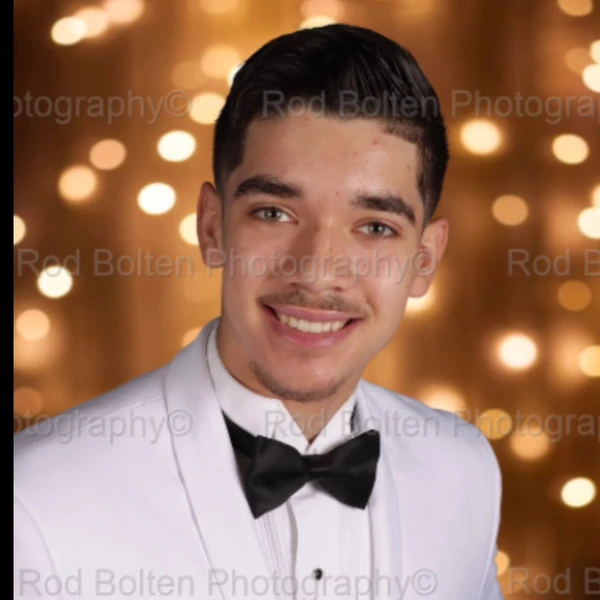
My name is Justin N. Perez, and I’m a senior at Saint Peter’s Preparatory High School in Jersey City, NJ. I’ve maintained a 3.95 GPA while balancing varsity athletics and community service. As a student-athlete and aspiring registered nurse, I’ve combined leadership on the baseball field with compassion in healthcare through my volunteer work at RWJ Barnabas Health and Trinitas Nurse Camp. My goal is to earn a Bachelor of Science in Nursing and provide patient-centered care that blends skill, empathy, and purpose.
Education
Saint Peter's Preparatory School
High SchoolMiscellaneous
Desired degree level:
Bachelor's degree program
Majors of interest:
- Registered Nursing, Nursing Administration, Nursing Research and Clinical Nursing
Career
Dream career field:
Hospital & Health Care
Dream career goals:
Sports
Baseball
Varsity2013 – 202512 years
Forever90 Scholarship
Service, to me, is not a single act. It is a pattern of consistent choices that place others before comfort, recognition, or convenience. I embody a life of service through the roles I hold, the responsibilities I accept, and the mindset I bring into every environment I enter.
My commitment to service is most visible in healthcare. Volunteering at Jersey City Medical Center exposed me to people at their most vulnerable. I assisted with patient transport, comfort rounds, and small but meaningful tasks such as delivering blankets or water. While these responsibilities were simple, the impact was not. I saw how a calm explanation or a few extra minutes of presence could ease fear. I learned that service is not always dramatic. Often, it is steady and quiet. It requires patience, humility, and the willingness to prioritize someone else’s needs.
Service has also shaped my leadership in athletics. As a varsity baseball captain, I understood that leadership is not about authority. It is about accountability. Younger teammates looked to upperclassmen for direction and stability. I made it my responsibility to model discipline in practice, resilience after losses, and composure under pressure. When teammates struggled, I encouraged them privately rather than criticizing publicly. That experience taught me that serving others sometimes means putting aside personal frustration to strengthen the group. It reinforced that influence is built on trust.
My education is not an end goal. It is preparation. I am pursuing a Bachelor of Science in Nursing because healthcare allows me to serve at the intersection of science and compassion. In the future, I plan to work in critical care and eventually pursue advanced practice as a Certified Registered Nurse Anesthetist. High acuity environments demand technical precision, but they also require emotional intelligence. Patients in those settings are often frightened and families are overwhelmed. I want to be the healthcare professional who provides clarity, steadiness, and reassurance during those moments.
Beyond bedside care, I intend to use my education to advocate for improved patient education and equitable access to healthcare resources. I have seen how confusion and lack of understanding can create anxiety for families managing chronic illness. By mastering both clinical knowledge and communication skills, I hope to bridge that gap. Education empowers patients. When individuals understand their conditions and treatment plans, they regain control.
Living a life of service means recognizing that ability carries responsibility. My education will give me knowledge and skill, but it will also give me influence. I plan to use that influence to mentor younger students, participate in community health initiatives, and contribute to environments that prioritize dignity and excellence. Service is not something I plan to begin after graduation. It is something I am building now and will continue refining throughout my career.
Justin Moeller Memorial Scholarship
Although my primary academic focus is healthcare, my interest in technology has grown naturally alongside my academic and extracurricular experiences. I come from a background where discipline, structure, and problem solving were consistently emphasized. Whether through academics, athletics, or volunteer work, I have always been drawn to systems that require precision and logical thinking. Technology, especially information technology, represents that intersection of structure and innovation. It is a field built on solving problems efficiently and creatively, and that aspect has always appealed to me.
What interests me most about the technology field is how it quietly powers nearly every industry. In healthcare settings where I have volunteered, I have seen firsthand how electronic health record systems, patient monitoring software, and data tracking platforms directly influence patient outcomes. Behind every nurse documenting vitals or physician reviewing lab results is an IT infrastructure that must function seamlessly. I find it fascinating that well designed systems can reduce errors, improve communication, and ultimately save lives. The integration of cybersecurity, data management, and user interface design within healthcare environments has particularly captured my interest. Protecting patient information while ensuring accessibility is a complex challenge that requires both technical knowledge and ethical awareness.
In school, I have been involved in projects that strengthened my appreciation for information technology. In group research assignments, I often take the lead in organizing shared digital documents, managing collaborative platforms, and ensuring version control. While this may seem simple, coordinating digital workflow has shown me how important backend organization is to successful outcomes. I have also worked extensively with data analysis in science courses, using spreadsheets and digital tools to interpret trends and present findings clearly. Learning how to manipulate data, generate visual representations, and draw conclusions from patterns reinforced my interest in how information systems support decision making.
Additionally, through leadership roles such as serving as varsity baseball captain, I have seen how technology enhances communication and performance tracking. We regularly use digital platforms to review game footage, analyze statistics, and monitor training progress. Breaking down performance data to identify areas for improvement mirrors the analytical thinking required in information systems. Technology allows athletes to refine their approach strategically rather than relying solely on instinct.
Beyond structured activities, I have independently explored technology by researching healthcare informatics and digital innovation in medicine. I am particularly intrigued by how artificial intelligence and predictive analytics are being integrated into patient monitoring and diagnostics. The idea that algorithms can assist clinicians in identifying early warning signs aligns with my long term interest in critical care environments. I am interested not only in using these systems, but in understanding how they are built, secured, and improved.
Overall, what draws me to information technology is its role as an invisible architect of efficiency and innovation. Whether in healthcare, athletics, or academics, technology enhances precision, communication, and performance. I am eager to continue learning about how IT systems are designed, protected, and optimized, and I hope to integrate that knowledge into my future career so that I can contribute to both patient care and technological advancement.
Pastor Thomas Rorie Jr. Christian Values Scholarship
My journey into Christianity has been gradual, personal, and deeply formative. I was raised around faith, but there is a difference between being exposed to belief and truly understanding it. For much of my early life, Christianity was something I participated in because it was part of my upbringing. As I matured, especially during high school, my faith became more intentional. I began to wrestle with questions about purpose, identity, and pressure. Balancing academics, athletics, leadership responsibilities, and future aspirations often left me feeling overwhelmed. It was during those moments of stress and uncertainty that I began turning to prayer not out of routine, but out of genuine dependence.
I found the Lord not in a dramatic event, but in consistency. In quiet prayers before exams. In asking for guidance when making decisions about my future. In learning to surrender outcomes that I could not control. Through Scripture and reflection, I began to understand that faith is not about perfection. It is about trust. I realized that God’s strength is revealed most clearly when we admit our limitations. That shift transformed my mindset. Instead of measuring my worth solely by achievements, I began grounding my identity in something steadier than success or failure.
My faith has shaped how I approach challenges. It has taught me discipline, humility, and accountability. As a student athlete and leader, I try to reflect Christ’s example through consistency, encouragement, and integrity. Christianity has helped me understand that leadership is service. It is not about recognition. It is about lifting others up. That belief influences how I treat teammates, classmates, and those I encounter through volunteer work in healthcare settings.
Academically, my goal is to earn a Bachelor of Science in Nursing through a rigorous direct admit program and graduate with a strong GPA that keeps advanced practice opportunities available. Long term, I aspire to work in critical care and eventually pursue certification as a Certified Registered Nurse Anesthetist. I am drawn to high acuity environments because they demand both technical precision and calm leadership. Healthcare, to me, is a calling rooted in service. Christ’s ministry consistently centered on caring for the sick and comforting the vulnerable. That example has deeply influenced my career path. I want to be the kind of nurse who provides not only clinical excellence, but reassurance and dignity during some of life’s most fragile moments.
Receiving this scholarship would significantly support my academic and professional journey. Nursing programs are intensive and financially demanding. My family has worked hard to support my education, but easing the financial burden would allow me to focus more fully on academics, clinical preparation, and leadership involvement on campus. It would provide flexibility to continue volunteering and engaging in service opportunities without the pressure of excessive outside employment. More importantly, it would affirm the values of faith, discipline, and service that guide my goals.
My future plans include excelling academically, seeking mentorship from experienced nurses, becoming involved in Christian fellowship organizations on campus, and continuing to grow spiritually alongside my professional development. I want my life and career to reflect both competence and character. This scholarship would not simply be financial assistance. It would be an investment in a student committed to using his education to serve others with integrity, compassion, and faith driven purpose.
Richard Neumann Scholarship
During my time volunteering in a hospital and shadowing nurses through a summer nurse camp, I noticed a consistent problem that often goes unaddressed: patients leave the hospital overwhelmed. They are given discharge papers filled with medical terminology, medication schedules, follow up appointments, and warning signs to monitor. Even motivated and responsible families can feel confused once they are home. I began thinking about how to make post discharge care clearer and more manageable, especially for elderly patients and families managing chronic conditions.
To address this, I created a simple discharge organization template for myself when observing and learning in clinical environments. I broke complex instructions into four categories: medications, daily monitoring, follow up appointments, and emergency warning signs. I rewrote medical instructions in plain language and organized them into a clean checklist format. Although it was informal and not implemented hospital wide, the act of restructuring information helped me realize how much clarity improves confidence. It reinforced my belief that confusion after discharge is not due to lack of effort. It is often due to poor design.
If I had the funding and institutional support, I would develop a digital platform called ClearCare. ClearCare would be a personalized discharge companion accessible through a mobile app or printed QR code provided at the hospital. Instead of receiving a generic packet, patients would receive a customized dashboard with simplified instructions tailored to their diagnosis. Medication reminders would include visuals of the pills, dosage times, and short video explanations from nurses. A symptom tracker would allow patients to log pain levels, blood sugar readings, or blood pressure and automatically flag concerning trends. Follow up appointments would be integrated with calendar reminders and transportation resources if needed.
The platform would also include a 60 second video summary recorded by the patient’s nurse before discharge. This would reinforce instructions in a familiar voice and tone. Research shows that patients retain more information when it is delivered clearly and repeated in multiple formats. ClearCare would bridge the gap between hospital and home by combining written, visual, and interactive tools.
To implement this plan, I would collaborate with nurses, physicians, software developers, and patient advocacy groups. Initial funding would support pilot testing in one hospital unit, focusing on patients with chronic illnesses such as diabetes or heart failure, where readmission rates are often high. Success would be measured by reduced readmissions, improved medication adherence, and higher patient satisfaction scores. Over time, the platform could expand across healthcare systems.
As someone pursuing nursing with long term goals in critical care, I am motivated not only to treat acute conditions, but to improve systems. Creating ClearCare would address a problem I have personally observed: patients leaving care environments without confidence. With the right resources, I believe this solution could empower families, reduce preventable complications, and strengthen continuity of care.
District 27-A2 Lions Diabetes Awareness Scholarship
Diabetes has been part of my life for as long as I can remember, not because I have the diagnosis myself, but because someone in my immediate family does. Growing up, I watched the daily routine unfold in quiet, consistent ways. Finger pricks before meals. Insulin carefully measured. Nutrition labels studied more closely than most people would ever notice. At a young age, I realized that for some people, health is not something that can be taken for granted. It requires discipline every single day.
As I grew older, I began to understand the complexity behind what once looked like a simple routine. I saw how blood sugar levels could shift unexpectedly, even when everything seemed carefully controlled. I remember moments of urgency when levels dropped too low and the atmosphere in the room changed instantly. There was no panic, but there was focus. I learned to recognize the signs of hypoglycemia and understood how important it was to respond quickly and calmly. Those moments shaped me. They taught me that preparation and awareness can make the difference between stability and crisis.
Living alongside diabetes also exposed me to the emotional side of chronic illness. There were days of frustration when careful planning still did not produce perfect numbers. There were moments when my family member felt exhausted by the constant responsibility of monitoring and adjusting. I began to understand that chronic illness is not only physical. It is mental and emotional as well. It demands resilience that most people never see.
At the same time, I witnessed strength. I saw my family member continue to show up for work, for family events, and for everyday responsibilities without allowing the condition to define their identity. That example deeply influenced my mindset. I learned that challenges do not eliminate potential. They require adaptation. They demand discipline. They cultivate patience.
This experience played a significant role in shaping my desire to pursue nursing. I saw firsthand how compassionate and knowledgeable healthcare professionals could ease fear and provide clarity. I also noticed how confusing medical information can feel to families who are simply trying to do their best. I want to become the type of nurse who bridges that gap. I want to educate patients clearly, advocate for preventative care, and support families who are learning to manage long term conditions.
Looking toward the future, I believe my experience with diabetes has given me qualities that will strengthen my career in healthcare. It has made me observant, calm under pressure, and detail oriented. It has taught me that health is not a single appointment or prescription. It is a daily commitment. Most importantly, it has given me empathy that cannot be learned from a textbook. I understand what it feels like to live in the background of a chronic illness, to celebrate stable days, and to navigate setbacks.
Diabetes shaped me by teaching responsibility, resilience, and compassion. In my future career, I intend to carry those lessons into every patient interaction, ensuring that those managing chronic conditions feel supported, understood, and empowered rather than defined by their diagnosis.
Sunshine Legall Scholarship
My academic goal is to earn a Bachelor of Science in Nursing through a direct admit program that challenges me both intellectually and clinically. I want to graduate with a strong GPA that keeps advanced practice pathways open, particularly the opportunity to become a Certified Registered Nurse Anesthetist. Long term, I see myself working in a high acuity ICU setting, where precision, composure, and rapid decision making are essential. I am motivated by environments that demand excellence and accountability. I do not just want to complete a degree. I want to master my coursework, seek out leadership opportunities, and actively pursue research or quality improvement initiatives that strengthen patient care.
My professional goals extend beyond personal achievement. I hope to become a nurse who advocates for patients who feel unheard, especially those navigating complex or overwhelming diagnoses. I want to be trusted not only for clinical skill, but for presence and integrity. Eventually, I would like to mentor younger nursing students, just as others have guided me. Healthcare is constantly evolving, and I intend to stay engaged in lifelong learning so I can contribute meaningfully to the advancement of the profession.
Giving back to my community has played a defining role in shaping these goals. Volunteering at Jersey City Medical Center exposed me to healthcare in its most vulnerable and human form. I assisted with patient transport, restocking supplies, delivering meals, and offering comfort measures. While these tasks may seem small, they placed me in direct contact with patients who were anxious, in pain, or simply afraid. I learned quickly that healing is not limited to medication and procedures. A steady explanation, a calm tone of voice, or even sitting with someone for a few minutes can shift their entire experience. Witnessing nurses balance technical excellence with compassion inspired me deeply. I began to see nursing not just as a career, but as a calling rooted in dignity and service.
Outside of the hospital, I have given back through leadership in athletics. As a varsity baseball captain, I recognized that leadership is service in another form. Younger teammates looked to upperclassmen for direction and stability. I made it a priority to model discipline, encourage accountability, and support teammates during setbacks. When someone struggled, whether academically or athletically, I understood that encouragement could change their trajectory. That experience reinforced the importance of consistency and character. Leadership is not about recognition. It is about responsibility.
These experiences have inspired me to think about impact on a broader scale. I have seen how one compassionate interaction can ease fear in a hospital room. I have seen how mentorship can build confidence in a teammate. Those lessons have shaped my desire to pursue healthcare as a platform for meaningful change. In college, I plan to continue volunteering in clinical settings, seek leadership roles within nursing organizations, and engage in community outreach programs focused on health education and access. I want to contribute to initiatives that address disparities in care and promote preventive health in underserved communities.
Ultimately, my goals are rooted in service. I want my education to equip me with knowledge and technical skill, but I want my actions to reflect empathy, discipline, and integrity. Giving back has shown me that progress in our world often begins with small, consistent acts of commitment. Whether at a patient’s bedside or within my community, I intend to use my career in healthcare to make a difference that extends far beyond myself.
Doing Hard Things My Way: Adaptive Athlete Scholarship
I did not grow up thinking of myself as limited. I grew up thinking of myself as competitive.
As an adaptive athlete, I learned early that the world is not always built with you in mind. Whether it was adjusting equipment, modifying drills, or proving that I belonged in competitive spaces, I had to adapt constantly. What started as frustration slowly became fuel. Instead of asking why something was harder for me, I began asking how I could approach it differently.
One of the biggest challenges I faced was realizing that progress would not always look like everyone else’s. There were moments during training when I felt behind, when simple drills required extra planning or energy. I had to develop patience with myself while still holding high standards. That balance was difficult. However, learning to adapt did not make me weaker. It made me more creative, more disciplined, and more mentally resilient.
Being an adaptive athlete means redefining what strength looks like. It means understanding that toughness is not about ignoring limitations, but about working intelligently within them. It means problem solving in real time. It means accepting help when necessary while still pushing yourself to grow. Most importantly, it means refusing to let a diagnosis define your ceiling.
Sports have shaped my mindset far beyond competition. They taught me that hard things are not barriers. They are invitations to improve. When training feels uncomfortable, I remind myself that discomfort is evidence of growth. When I fail, I analyze and adjust rather than quit. That mentality has carried into my academics, relationships, and long term goals. It has given me confidence not because things are easy, but because I know I can adapt when they are not.
As I move into college, I plan to continue challenging myself both athletically and academically. I want to seek out environments that demand discipline and consistency. I understand that new settings will bring new obstacles, whether physical, mental, or logistical. However, I also know that I have built the resilience to handle them. I will continue training, competing, and setting goals that stretch me.
Being an adaptive athlete is not just part of my athletic identity. It is part of who I am. It represents persistence, accountability, and courage. I do not measure success by comparison. I measure it by growth. And as I step into the next chapter of my life, I am committed to continuing to do hard things, not in spite of challenges, but because of them.
Jason David Anderson Memorial Scholarship
Addiction is often discussed in statistics and headlines, but I came to understand it through someone I love. A close family member struggled with prescription pain medication after a legitimate injury. What began as a normal recovery process slowly shifted into dependence. At first, the changes were subtle. Missed family dinners. Mood swings. Defensiveness when asked simple questions. Over time, it became clear that the medication was no longer just managing pain. It was controlling daily life.
Watching that progression was painful. Our household became tense and uncertain. Conversations felt fragile, and trust was strained. I remember feeling a mix of confusion, frustration, and helplessness. I wanted to fix the situation, but addiction is not something that responds to lectures or anger. It requires patience, structure, and professional support. When my family member eventually sought treatment, I saw how complex recovery truly is. Detox addressed the physical dependency, but counseling and rehabilitation were what began to rebuild confidence and accountability. Recovery was not linear. There were setbacks, difficult days, and moments of doubt. However, there were also small victories that restored hope.
That experience reshaped my perspective on healthcare. I realized that addiction is not a moral failure. It is a medical condition that intersects with mental health, trauma, environment, and access to care. I also saw how stigma can delay treatment. Shame kept my family member silent longer than necessary. Compassion and informed guidance were what ultimately opened the door to recovery.
Witnessing this journey solidified my desire to pursue a college major in healthcare, with long term goals of becoming a registered nurse and eventually working in critical care. I want to serve patients at some of their most vulnerable moments, including those battling substance use disorders. Nurses are often the first consistent point of contact in a hospital or rehabilitation setting. They have the opportunity not only to administer medication, but also to educate, advocate, and encourage.
My intention is to approach healthcare with both clinical competence and empathy. I want to understand the science behind addiction, including its neurological and psychological components, while also recognizing the human being behind the diagnosis. In the future, I hope to work in environments where I can support patients through crisis and recovery, promote mental health resources, and reduce the stigma surrounding addiction.
Addiction affected my family by testing our patience, communication, and resilience. It affected me by clarifying my purpose. I learned that healing is not just about stabilizing the body. It is about restoring dignity, accountability, and hope. That lesson continues to guide my path toward a career in healthcare.
Philippe Forton Scholarship
During one of my volunteer shifts at Jersey City Medical Center, I witnessed a moment that permanently reshaped my understanding of compassion in healthcare. The emergency department was busy that evening, with monitors beeping steadily, stretchers moving through narrow hallways, and nurses transitioning quickly from one patient to the next. The pace was intense but organized. In the middle of that environment, an elderly woman was admitted after falling at home. Her injuries were not life threatening, but she was clearly frightened. She kept apologizing to every staff member who walked into the room. She repeatedly said she did not want to be a burden and worried aloud about taking up space that someone else might need more.
The nurse assigned to her could have completed the necessary tasks efficiently and moved on. There were charts to update, medications to administer, and other patients waiting. Instead, she made a deliberate choice. She pulled a chair to the bedside and sat down so that she was eye level with the patient. She took the woman’s hand and spoke in a steady, reassuring voice. She told her that needing help does not make someone a burden. She explained each step of the evaluation clearly, from imaging to observation, so that nothing felt mysterious or overwhelming. When the patient mentioned her daughter, the nurse offered to call her so she would not feel alone.
The change in the room was gradual but undeniable. The patient’s voice softened. Her breathing slowed. She stopped apologizing. She began asking questions instead of expressing guilt. Nothing about her physical condition had changed, yet her sense of security had. That moment revealed something powerful to me. Compassion can restore dignity in ways that medication alone cannot.
As a volunteer, I often assisted with small tasks such as delivering blankets or transporting patients. That night, I brought the patient a warm blanket and a cup of water. She looked at me and said, “Thank you for being kind.” I realized she was not only referring to me. She was responding to the environment that the nurse had created. I felt proud to be part of that moment, even in a small way.
That experience affected me deeply because it clarified the type of healthcare professional I want to become. I am pursuing nursing with long term goals in critical care, where the pace can be even more intense than in the emergency department. It would be easy to believe that efficiency alone defines excellence in those settings. However, I learned that true excellence includes presence. It includes taking a moment to recognize fear, confusion, or vulnerability.
Compassion does not require dramatic gestures. It requires intention. A chair pulled to the bedside. A calm explanation. A reminder that someone’s worth is not diminished by their need for help. That interaction showed me that while medicine stabilizes the body, compassion stabilizes the human being experiencing the crisis. It strengthened my commitment to becoming a nurse who treats both with equal care.
Katherine Vogan Springer Memorial Scholarship
When I first joined speech and debate, I thought it was about winning arguments and earning medals. I didn’t realize it would end up teaching me something far deeper: how to communicate with purpose, listen with empathy, and speak with conviction rooted in something greater than myself. What started as an extracurricular activity slowly became a foundation for how I share my faith and live it out each day.
Standing at a podium for the first time was intimidating. My voice shook, and my hands trembled as I tried to remember every line of my speech. Over time, though, I began to see that speaking wasn’t just about delivering words. It was about understanding your audience, connecting with people where they are, and letting sincerity carry more weight than sound. Those same lessons mirror how I approach sharing my Christian faith. I realized that when it comes to faith, it’s not about forcing people to believe what I believe. It’s about showing love, patience, and understanding, qualities that invite people in rather than push them away.
Through debate, I learned how to defend a point respectfully, but more importantly, how to hear others even when we disagreed. I’ve sat across from people with completely different worldviews, and instead of trying to win the conversation, I learned to appreciate the stories that shaped them. That mindset has completely changed the way I express my faith. Christianity isn’t about shouting the loudest or proving someone wrong. It’s about meeting others with grace, just as Christ meets us.
There have been times when people have asked me about my beliefs, not because I preached to them, but because they noticed how I carried myself. They noticed how I treated teammates, how I stayed calm under pressure, or how I offered encouragement after a loss. Speech and debate gave me confidence, but faith gave that confidence a purpose. Now, when I speak, I aim for more than persuasion; I aim for connection. I want people to feel seen, heard, and valued, even if they never share my beliefs.
Another thing debate taught me is humility. No matter how well-prepared you are, there is always someone who challenges you to think differently. That humility has strengthened my faith. It reminds me that even as I share God’s message, I am still learning and growing myself. My words mean little if they aren’t backed by actions that reflect compassion, forgiveness, and integrity.
Today, when I step up to speak, whether it’s in front of a class, a team, or a congregation, I think about how speech and debate shaped the way I represent my faith. It gave me the courage to speak clearly, the discipline to prepare thoughtfully, and the wisdom to know that the most powerful messages aren’t always the loudest. They are the most genuine.
Ultimately, speech and debate didn’t just prepare me to share my Christian faith. It helped me live it. Through every conversation and every moment of listening, I’ve learned that faith isn’t only expressed through words, but through how we treat others with kindness, understanding, and unwavering love.