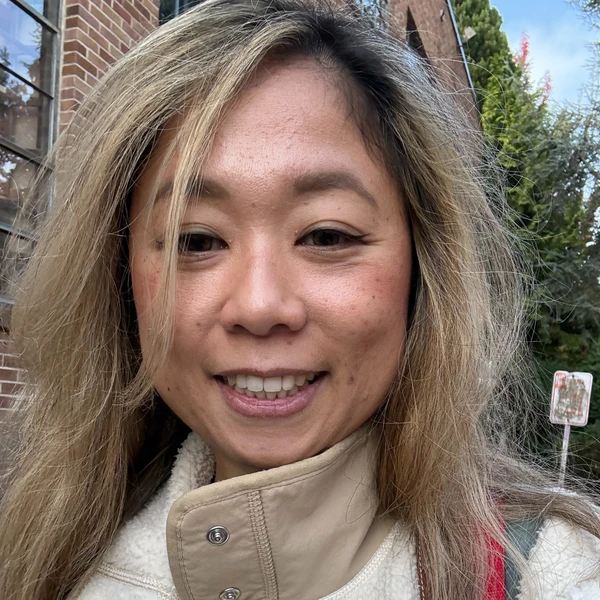
For over 15 years, I have worked tirelessly as an unordained pastor (a position established within Korean churches) to teach, guide, and counsel children, youth, and their families on coping with many challenges of life. Many challenges were related to abuse, neglect, and/or behavioral issues of the children. Students and parents alike came to me because they needed someone to listen, empathize with their suffering, and help them find a way out of the situation. As I spent time counseling those who were suffering, I realized that I needed more than my theology training to offer more responsive and accurate help; I needed more in-depth knowledge in mental health counseling.
Several years ago, I lost my dear mother to cancer abruptly. I was not given a proper time to grieve the loss, but was forced into obliging the demands of the family members and ministry needs. I was told that serving others would help me overcome grief quickly than taking a break. I spiraled into such bitterness and despair that I had to seek professional counseling. My counselor was the lifeline that offered a voice of reason and empathy. I could not have recovered as fully as I did without her. Through my own experience, I came to discover the critical importance of having access to professional mental health services.
As I sought to receive counseling from a therapist, there were obstacles I had to overcome. One was religious and cultural stigma, and the other was the cost. I am of Korean heritage and come from a fundamental Christian background. Although the public opinion towards mental health among Asian communities has improved over the years, there is still an unspoken disdain towards those who suffer from illnesses of the mind because it is seen as a weakness, a flaw. To combat such hindrances, I want to pursue persistent public exposure to increase awareness of the importance of maintaining mental health by connecting with various communities of color and religion. Furthermore, mental health counseling costs are not often covered by insurance. Additionally, insurance filing can be extremely complex, and this drives many therapists to not accept insurance. Patients are left to cover the cost out of their pockets or rely on a strenuous process of government subsidies, if available, to receive treatment. If such resources are not available, patients are left with no option but to suffer without any treatment. I desire to participate in further research to link accessibility issues to insurance availability, so that public policies can be adjusted to meet the needs of those who are suffering.
Telehealth prevailed quickly as an alternative form of treatment during the pandemic. Telehealth offers the convenience of receiving treatment at home and saves the cost of traveling to the physician’s office. Especially for rural patients, this can make a difference in receiving care because there are far fewer physicians and therapists available. With fewer options available, patients must travel further to receive treatment, which can result in fewer visits and decreased inclination to receive treatment. Teletherapy can make treatments more accessible for patients who have difficulty finding a therapist and traveling a distance to meet in person. However, if patients are unfamiliar with technology and do not own a device to access the teletherapy platform, it can be challenging for patients to receive treatment. To resolve such disadvantages, a more streamlined and simplified platform can be helpful. Also, through various organizations designed to facilitate accessibility, simple devices can be loaned to patients in need to facilitate treatment. Overall, telehealth can increase accessibility for patients who otherwise may not receive treatment.