user profile avatar

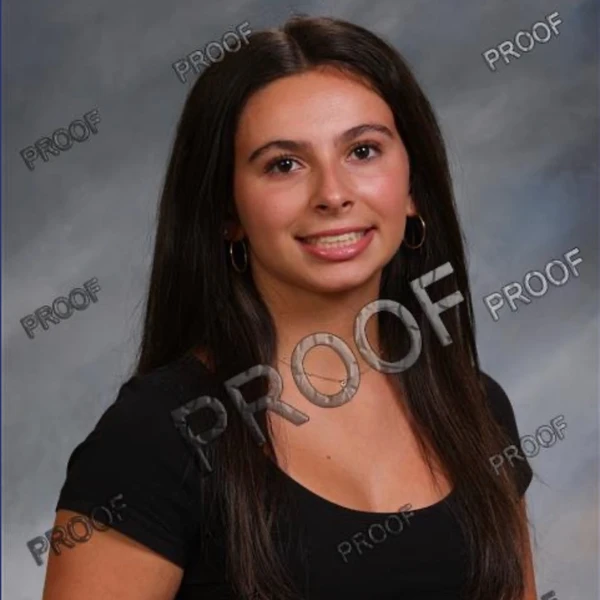
Juliana Menga

1x

Finalist

Bio

I am a high school senior with a 3.63 GPA and a passion for psychology, athletics, and helping others. As a gymnastics coach and dedicated student, I am driven, hardworking, and committed to making a positive impact in and out of the classroom. I am also an active member of the National Honor Society and the National Spanish Honor Society.

Education

Amity Regional High School

High School
2022 - 2026

Miscellaneous

  • Desired degree level:

    Master's degree program

  • Majors of interest:

    • Sports, Kinesiology, and Physical Education/Fitness
    • Physiology, Pathology and Related Sciences
    • Clinical, Counseling and Applied Psychology
  • Not planning to go to medical school
  • Career

    • Dream career field:

      Mental Health Care

    • Dream career goals:

      Psychologist

    • Gymnastics & Ninja Coach

      GCA of Milford
      2024 – Present2 years

    Sports

    Artistic Gymnastics

    Intramural
    2010 – 202313 years

    Football

    Intramural
    2025 – 2025

    Volleyball

    Varsity
    2022 – 2022

    Softball

    Junior Varsity
    2016 – Present10 years

    Research

    • Criminology

      Amity Regional High School — Student Researcher (English Coursework)
      2025 – 2026

    Arts

    • Amity Regional High School

      Visual Arts
      2022 – 2023
    • Amity Regional High School

      Ceramics
      2023 – 2024

    Public services

    • Volunteering

      Peck Place School — volunteer
      2023 – 2024
    • Volunteering

      Seth Haley School — assistant
      2024 – Present
    • Volunteering

      Connecticut Gators — Coach & Counselor
      2022 – 2022
    • Volunteering

      Orange Community Juniorettes — Juniorette
      2020 – 2021
    • Volunteering

      Girl Scouts of America — Girl Scout
      2014 – 2020

    Future Interests

    Advocacy

    Volunteering

    Philanthropy

    Redefining Victory Scholarship
    Wicked Fan Scholarship
    I’ve always been drawn to stories that challenge what we think we know about people and the world. Wicked does exactly that, showing us the story of the witches of Oz from a different perspective, and I find that incredibly compelling. I connect with the theme of seeing things differently because I’ve spent much of my life feeling like I didn’t quite fit in. Growing up with severe social anxiety, I often felt judged or misunderstood, and I’ve had to work hard to find where I belong. The idea of looking past labels and understanding people’s true motivations is something I relate to deeply. I also admire how Wicked highlights friendship in unexpected places. Meaningful connections aren’t always obvious at first, and the relationships that matter most often challenge us to grow and see the world differently. That idea speaks to me, because my own experiences with anxiety have taught me the importance of trust, patience, and support in relationships. Beyond that, I’m inspired by the idea of embracing who you are, even when the world doesn’t understand you. Wicked celebrates individuality, courage, and the power of challenging assumptions, which are values I try to live by. I’ve had to work hard to face my fears, step outside of my comfort zone, and find my voice, and seeing a story where characters do the same, even in a fantastical world, feels empowering. In a way, Wicked represents more than just a musical to me; it represents resilience and perspective. It’s a reminder that stories can help us see the world through someone else’s eyes, and that understanding and empathy are powerful tools. The themes it explores align perfectly with the lessons I’ve learned in my own life.
    Taylor Swift Fan Scholarship
    When I was 10 years old, I attended Taylor Swift’s Reputation Stadium Tour, and it was an experience I’ll never forget. One performance that stood out to me the most was her song “…Ready For It?” From the moment the beat dropped, the entire stadium erupted with energy. I remember the fire pulsating around the stage and the way the lights synced perfectly with the music. It was so intense and electric. The crowd around me was screaming and dancing along, and being part of that shared excitement made the moment feel bigger than just a song. It felt like everyone there was experiencing something spectacular together. What made this performance especially moving to me was the combination of the spectacle and Taylor’s presence on stage. Even at 10, I could tell that it took a lot of preparation, timing, and dedication to pull off something so impressive. The precision of the choreography, the timing of the pyrotechnics, and the energy of the music all came together to create a thrilling experience. It was inspiring to see someone command a stage so confidently and make thousands of people feel that same energy. Experiencing “…Ready For It?” live taught me how powerful live performances can be. It showed me that music can be more than just listening to a song at home—it can create shared moments of excitement, awe, and connection. Being part of the crowd, feeling the fire, the beat, and the cheers all at once, made me realize how performance can bring people together and leave a lasting impression. Even now, I remember that moment vividly from July 28, 2018. The energy, the lights, and the excitement of the crowd during “…Ready For It?” showed me how a performance can be both a spectacle and an emotional experience. It’s a memory that shaped my appreciation for live music and the impact a performer can have on their audience.
    Sabrina Carpenter Superfan Scholarship
    I first appreciated Sabrina Carpenter through her work on the Disney Channel, particularly in Girl Meets World. She played Maya Hart with so much energy, humor, and authenticity that her character immediately felt real and relatable. Watching her navigate the ups and downs of middle school life on screen was entertaining, but it also showed me how much depth a young actor could bring to a role. Sabrina’s timing in comedic moments and the sincerity in her emotional scenes made her performances memorable and inspiring to watch. Her role in Adventures in Babysitting further demonstrated her versatility. Even in a fun, fast-paced movie, she managed to make her character believable and engaging, showing that even lighter projects require effort and skill. I appreciated how she could bring personality to every scene, no matter how small, and it made me more aware of what goes into creating compelling performances. Sabrina’s work in Tall Girl was another example of her impact. In this film, she portrayed a character facing real-life insecurities and challenges, which required a balance of confidence, vulnerability, and relatability. Seeing her navigate that role made me realize how powerful acting can be in helping audiences connect with stories and characters. It reminded me that storytelling isn’t just about entertainment—it’s about creating moments that people can see themselves in, learn from, or be inspired by. Watching Sabrina’s early career influenced how I approach my own goals and challenges. Her dedication and professionalism at such a young age showed me the importance of working hard and staying committed to your craft. She proved that success isn’t just about talent; it’s about effort, consistency, and the willingness to grow. Those lessons have stuck with me and continue to inspire me to pursue my own ambitions with the same focus and determination. Overall, Sabrina Carpenter’s performances in Girl Meets World, Adventures in Babysitting, and Tall Girl left a lasting impression on me. Through her work, she showed the importance of authenticity, hard work, and connecting with your audience. Those early roles shaped my appreciation for acting and storytelling and continue to motivate me to put my best effort into everything I do.
    Shanique Gravely Scholarship
    They say if a city attracts you, it’s because something is waiting for you, like your story has already been written. For me, that city was Alife, the small town in Italy where my Nonno and Nonna grew up. I had heard endless stories about it while growing up, stories of their childhood, their family, their community. I dreamed of walking down those cobblestone streets, getting my shoes dirty, smelling fresh pizza, and sitting at long Sunday dinners where everyone laughed and talked for hours. I thought I was ready—but I wasn’t ready for how much it would change me. The moment I stepped into Alife, I felt like I had walked into a storybook. The sound of the Napolitano dialect bouncing through the streets, neighbors calling out to each other, the smell of bread and pizza—it all felt strangely familiar. Even though I couldn’t understand every word, it hit me right in the chest. I wasn’t just visiting a place. I was stepping into a part of myself I hadn’t met yet. Visiting my mom’s childhood home was unforgettable. The pale, chipped house didn’t look like much to anyone else, but to me it was a bridge to the past. I hugged my parents, overwhelmed with emotion, thinking of my grandparents who had lived there and shaped the family I now belong to. That moment made me realize how much our roots matter—the traditions, the small daily gestures, the way a community supports one another. It wasn’t just nostalgia. It was a lesson I would carry forever. Alife taught me to slow down and truly see the people and moments around me. I left with a deep appreciation for family, community, and the small things that make life meaningful. That trip gave me roots, yes, but also a perspective I hadn’t had before. It shaped the way I approach relationships, school, and life. I now understand that success isn’t only about grades or achievements—it’s about connection, presence, and carrying forward the values that matter. Looking ahead to college, I want to bring that mindset with me. I want to make time for meaningful conversations, honor traditions, and help others feel a sense of belonging. I want to chase my goals while remembering that the simple things—the stories, the laughter, the shared meals—are what make life rich. Alife gave me more than memories. It gave me grounding, perspective, and a guide for how to live intentionally. That trip showed me that a single experience can dramatically shape who you are. It gave me purpose, a connection to my heritage, and the tools to carry those lessons into the future. Wherever I go, I’ll carry Alife with me—not just in my heart, but in how I live, learn, and connect with the world.
    Gabriel Martin Memorial Annual Scholarship
    Living with a congenital heart defect has affected me in ways that are not always visible, but deeply felt. What began as a routine visit to my pediatrician became a defining moment in my life when they heard a heart murmur during an exam. At the time, it did not seem alarming, but I was referred to a cardiologist “just to be safe.” That referral marked the beginning of ongoing testing, monitoring, and the discovery that I have a dilated aorta — a condition I had been living with unknowingly. Learning that something was wrong with my heart was frightening, especially because I had always felt healthy. Suddenly, routine appointments turned into cardiology visits, imaging scans, and conversations filled with medical terms I had never expected to hear. Even though the condition is closely monitored and often managed without immediate intervention, the reality that my aorta must be watched carefully has stayed with me. Every follow-up appointment carries a quiet fear: fear of progression, fear of change, and fear of what the future could hold. That uncertainty has been one of the hardest aspects of living with a congenital heart defect. As someone who is very active and values physical fitness, my diagnosis forced me to reevaluate how I define strength. I have had to learn to be mindful of my body, follow medical guidance, and accept limitations that others my age do not have to consider. There have been moments of frustration, especially when I want to push myself further, but my condition has taught me that strength is not about ignoring risks. Instead, it is about discipline, responsibility, and protecting my long-term health. This mindset has shaped how I approach challenges both physically and mentally. Beyond the physical limitations, living with a dilated aorta has had an emotional impact as well. It can be unsettling to look healthy while carrying a condition that could become serious if left unmanaged. Because my condition is invisible, it is not always easy for others to understand why I may feel anxious or cautious. At times, this has made me feel isolated, but it has also strengthened my empathy for others who face unseen medical or personal struggles. Despite the fear and uncertainty, my congenital heart defect has motivated me rather than held me back. It has made me more appreciative of my health and more intentional about my future. I have learned to advocate for myself, ask questions, and take responsibility for my well-being — skills that will be essential as I pursue higher education and transition into adulthood. My experience with this condition has inspired me to study psychology, as I want to help people navigate challenges — both visible and invisible — that affect their mental and emotional well-being. In the future, I hope to work in a field where I can support others in understanding themselves, overcoming anxiety or stress, and building resilience, just as I have learned to do in my own life. What began as a simple murmur heard during a pediatric appointment has shaped my resilience, perspective, and determination, and it continues to influence how I approach my goals and challenges. It has shown me that even in the face of uncertainty, it is possible to grow, help others, and make a meaningful impact.
    Autumn Davis Memorial Scholarship
    For years, my life was controlled by severe social anxiety. It dictated what I said, how I said it, and often whether I spoke at all. The most debilitating manifestation of this was my glossophobia — an intense fear of public speaking that felt physically paralyzing. Before presentations, my heart would race uncontrollably, my hands would tremble, and my mind would go blank despite hours of preparation. I avoided raising my hand in class even when I knew the answer. I replayed conversations for hours afterward, analyzing every word and facial expression for signs of disapproval. On the outside, I maintained strong grades and commitments. Internally, I was constantly battling the fear of being judged. For a long time, I believed that my worth depended on flawless performance and others’ approval. I equated mistakes with humiliation and silence with safety. Glossophobia reinforced that belief; speaking in front of others felt like volunteering for scrutiny. The anticipation alone could consume days. I began structuring my life around avoidance — choosing comfort over growth, invisibility over vulnerability. Eventually, I realized that avoidance was not protecting me; it was shrinking my world. Learning to manage my anxiety required deliberate effort. I began studying the cognitive patterns underlying my fear — catastrophizing small mistakes, assuming negative evaluation, and overestimating the consequences of embarrassment. Understanding the psychology behind my reactions helped me reframe them. Gradual exposure to the situations I feared most, including class presentations and group discussions, became a turning point. Each uncomfortable experience, even when imperfect, weakened the belief that I was incapable. Living with severe social anxiety has profoundly shaped my relationships. Because I know how isolating it feels to be trapped in your own thoughts, I am deeply attentive to others who seem withdrawn or hesitant. I understand that confidence is not always comfort, and that silence often masks fear rather than apathy. My experiences have made me more empathetic, patient, and intentional in creating spaces where people feel safe expressing themselves without fear of ridicule. Most significantly, my experience with social anxiety has shaped my academic and professional aspirations. I am majoring in psychology because I want to understand the science behind the condition that once dictated my daily decisions. Social anxiety is often dismissed as shyness, but its cognitive and physiological effects can be profoundly limiting. I am particularly interested in evidence-based treatments such as cognitive behavioral therapy and exposure-based interventions — approaches that challenge distorted thinking and gradually retrain fear responses. In the future, I hope to work with adolescents and young adults who feel confined by anxiety in the same way I once did. Glossophobia and social anxiety can limit academic participation, leadership opportunities, and career exploration. Too many capable students remain silent, not because they lack ideas, but because fear convinces them their voices are unsafe. I want to help change that narrative. I want to equip individuals with tools that allow them to step forward rather than retreat. Severe social anxiety once controlled my life, but it no longer defines my direction. What was once paralyzing has become purposeful. Through a career in psychology, I plan to transform my lived experience into meaningful support for others — helping them replace avoidance with engagement and fear with possibility.
    Nicholas J. Fillmore Opportunity Scholarship
    I plan to use this scholarship to support my college education as I pursue a degree in psychology at Providence College. The financial assistance would go directly toward tuition, textbooks, and academic expenses, easing the financial strain that accompanies higher education. Receiving this support would allow me to focus more fully on my coursework, campus involvement, and professional development rather than the stress of financial uncertainty. I am drawn to psychology because I have seen how deeply mental health affects students' confidence, academic performance, and well-being. Throughout high school, I have witnessed how common anxiety, stress, and self-doubt can be among young people. In fact, I even struggled from severe social anxiety myself, which I am proud to say I have tremendously overcome. Therefore, I am inspired to offer people a safe space where they can feel heard and supported. My long-term goal is to work with young people in a setting where I can guide and support them through psychological challenges. Whether I am in a clinical practice or a different setting, my purpose will remain the same: to create an environment where people feel capable, valued, and resilient. I want to help others develop the tools to navigate challenges with confidence, rather than letting their struggles control their lives. Providence College represents more than just an academic opportunity for me. Its strong academic reputation and commitment to community align with the kind of environment I hope to grow in. I want to be part of a college community that emphasizes both intellectual development and personal character. Attending Providence would allow me to strengthen not only my academic foundation in psychology, but also my leadership skills and commitment to service. However, the financial responsibility of attending college- especially a private institution- is significant. While I am fully committed to working hard and making sacrifices to achieve my goals, financial support would make a meaningful difference in my ability to attend the school that best aligns with my aspirations. This scholarship would reduce the financial burden on my family and allow me to pursue my education with confidence. Beyond easing financial strain, receiving this scholarship would be a reminder that others believe in my potential and in the work I hope to accomplish in the field of psychology. That encouragement carries weight and reinforces my responsibility to work diligently, excel academically, and ultimately give back through a career dedicated to helping others. Not only am I pursuing a degree; I am pursuing a purpose. With the support of this scholarship, I would be one step closer to building a future where I can positively impact the lives of others and contribute to my community.
    David Foster Memorial Scholarship
    Throughout my whole life, I have always worked hard. I set high standards for myself, push through challenges, and never allow myself to fall short. I measured my success in numbers- grades felt like proof of my ability, and anything less than my best felt like failure. I worked hard not because it was asked of me, but because I expected it of myself. For a long time, I thought I was the only one who was able to see this strength in myself. But in Mr. Catalde's sophomore year American History class, something shifted. I remember the day clearly. After turning in an essay about the Christmas Truce of 1914 that I had spent hours writing and refining, Mr. Catalde stopped me as he was handing back the graded essays. Instead of simply circling the grade at the top, he told me how he could see how much thought and effort I had put into it. He said to me, "You know what, Menga? You're a really great student, and I always want you to remember that. You're such a good kid: you always do your work and I can see your effort and improvement. Keep it up." No teacher had ever spoken to me that way before. He recognized my growth not just as a student, but as a person overall. Until that moment, praise had always been tied to achievement. Only a high grade meant I had succeeded, but Mr. Catalde truly shifted my perspective. He valued the process- the late nights waiting and the improvement over time. For the first time ever, I felt seen not just for what I produced, but for the discipline and character behind it. His words stayed with me long after sophomore year ended. In moments when I questioned if any of my relentless effort and discipline even mattered, I would think back to what he said. He saw me as a person with potential, and that drove me to keep working hard. More importantly, his encouragement reshaped how I approach others. As a coach, I now make it a point to recognize effort to recognize effort and progress. I see them as people who are learning to adapt to the world, not just athletes in the gym. I have learned how powerful it feels when someone feels acknowledged for their dedication rather than just their performance. I want everyone to feel the way I felt in that moment- capable, valued, and confident. Although Mr. Catalde was a great history teacher, he taught me a lot more than modern American history. In learning about events like the Christmas Truce of 1914- a moment of humanity in the middle of conflict- I began to understand how human connection impacts the world. He emphasized the enormous impacts that empathy has on the world, giving me a new perspective on the human race. Because of him, I no longer measure myself solely by numbers. I take pride in my persistence, improvement, and integrity. I carry that mindset into every classroom, practice, and challenge I encounter. His belief in me strengthened my belief in myself- and that has made all the difference.
    STLF Memorial Pay It Forward Scholarship
    One volunteering event that had a meaningful impact on both my community and my understanding of leadership was an initiative organized through my National Honor Society community service committee to create and deliver handwritten cards to residents of a local nursing home. Our goal was simple but intentional: to bring encouragement and connection to individuals who often experience loneliness and isolation, especially during the holidays. As part of the tight-knit committee, I helped plan and organize the card-making effort by crafting meaningful holiday cards, helping brainstorm messages that would be uplifting and respectful, ultimately creating thoughtful, personalized cards. Rather than viewing this as a requirement, I saw it as an opportunity to use a small act of kindness to make a real difference. Each card was written with care, focusing on positivity, gratitude, and reminders that the residents were valued and remembered by the community around them. After completing the cards, we worked together to ensure they were delivered to the nursing home in time for Christmas. While the act itself was simple, its impact was significant. Knowing that something as small as a handwritten note could brighten someone’s holiday season reinforced the importance of service that prioritizes empathy and human connection. This experience showed me that volunteering does not always require large-scale events or visible recognition to be meaningful. Sometimes, the most impactful service is personal. This initiative also deepened my understanding of leadership through service. Leadership is often associated with being in charge or making decisions, but this experience taught me that true leadership is within awareness and responsibility. It involves recognizing the needs of others and taking initiative to address them, even when the solution is small. By working collaboratively with my peers and committing time and effort to a cause that did not directly benefit us, I learned how leadership can be expressed through compassion and action. Leadership through service is important because it builds stronger communities and encourages individuals to look beyond themselves. It fosters empathy, accountability, and teamwork, while creating positive change through collective effort. This experience reinforced my belief that leaders should serve first, using their position to uplift others and inspire meaningful contributions. Through organizing and participating in this volunteering initiative, I learned that service-oriented leadership is about intention, kindness, and follow-through. Giving back in this way not only allowed me to support my community, but also helped shape my values as a leader—one who leads with empathy, purpose, and a genuine commitment to making a difference.
    Valerie Rabb Academic Scholarship
    I am a student with a strong interest in psychology and a deep curiosity about how early experiences shape mental health, confidence, and behavior. My goal is to pursue a career in psychology where I can work with children and adolescents, helping them develop coping skills, emotional resilience, and a sense of self-worth. I am drawn to psychology because it blends scientific understanding with human connection, and it offers the opportunity to make a meaningful, long-term impact on people’s lives, especially during formative years. One significant adversity I have faced is social anxiety, an anxiety disorder that affected my ability to communicate effectively, particularly in public settings. Although I was capable and motivated, I often struggled to participate verbally or express my thoughts, even when I wanted to. This experience was isolating and frustrating, as my silence was sometimes misunderstood as disengagement or lack of confidence. Navigating academics and my social life while dealing with severe social anxiety taught me how invisible mental health challenges can be and how easily individuals can feel overlooked or misunderstood. Over time, I learned to manage and overcome many of the challenges associated with social anxiety through persistence, self-awareness, and supportive environments. Athletics played a key role in this process. Sports allowed me to have a space to dissociate from the rest of the world and helped me build confidence through action, teamwork, and consistency. As I grew more comfortable, I began pushing myself outside my comfort zone by taking on leadership roles, coaching younger athletes, and gradually engaging more in situations that once felt overwhelming. Each small step forward reinforced my confidence and taught me the value of patience, empathy, and personal growth. These experiences have strongly influenced my decision to major in psychology. Having lived with an anxiety-based disorder, I understand how intimidating it can be to ask for help and how powerful it is when someone feels truly heard and supported. I am particularly interested in working with children and adolescents because early intervention can make a lasting difference in how individuals view themselves and their abilities. I hope to advocate for greater awareness of anxiety disorders and to help normalize conversations surrounding mental health. In my future career, I plan to make a positive impact by supporting young people as they navigate emotional challenges and develop healthy coping strategies. Whether through clinical work, research, or advocacy, I want to help create environments where individuals feel understood rather than judged. My adversity gave me clarity, purpose, and empathy. By pursuing psychology, I hope to transform my personal experiences into meaningful support for others and contribute to a world where mental health is prioritized and valued.
    Students with Congenital Heart Defects Scholarship
    Living with an aortic aneurysm has shaped my life in significant ways. Because it is a condition that cannot always be seen, I have learned early on that health is not something to take for granted. Regular cardiology appointments and constant monitoring have made me more aware of my body and more intentional about how I care for it. While I am often able to live a normal, active life, knowing that something so vital is not functioning efficiently has made me more reflective and appreciative. What began as a routine visit to my pediatrician became a defining moment in my life when she heard a heart murmur during my usual examination. At the time, my pediatrician did not seem alarmed, but I sure was, as I was referred to a cardiologist "just to be safe." That referral marked the beginning of ongoing testing, monitoring, and the discovery that I have an aortic aneurysm; a condition I had been living with unknowingly. Learning that something was wrong with my heart was frightening, especially because I had always felt healthy. Suddenly, routine appointments turned into cardiology visits, imaging scans, and medical terms I had never expected to hear. One of the hardest parts of having a congenital heart condition is living with fear. One of the most difficult aspects of having a dilated aorta is the uncertainty that comes with it. Unlike an injury that heals or an illness that passes, this defect is something that I carry with me at all times. Every cardiology appointment beings a mix of hope and fear: hope that nothing has changed, and fear of what it could mean if it has. Even when doctors are reassuring, the reality remains that my heart must be closely monitored. That knowledge has been frightening, especially at a young age, and has forced me to confront my own vulnerability earlier than many of my peers. As someone who is very active and has always been involved in sports and coaching, having a congenital heart defect has required me to be extra mindful. Diagnosed with a aortic aneurysm at age 16, I had to quickly learn how to balance pushing myself further and stepping back, understanding that long-term health is more important than short-term achievement. This balance has taught me responsibility, patience, and self-awareness; qualities that extend far beyond athletics. Emotionally, living with this heart condition has also strengthened my resilience. Knowing that I carry a medical condition, even when I appear healthy, has pushed me to manage my anxiety, stay informed, and advocate for myself in medical settings. It has given me a deeper appreciation for my abilities and a greater sense of empathy for others facing unseen challenges. Overall, my congenital heart defect has not defined my limitations, but it has shaped my mindset. It has taught me to value my health, approach challenges thoughtfully, and remain determined in pursuing my goals, including higher education.
    Jimmie “DC” Sullivan Memorial Scholarship
    I am a high school student who has been involved in sports for all of my life, both as an athlete and as a coach. I had participated in countless sports as a child and adolescent, but the ones I stuck with in the long-run were being a varsity softball player and a gymnast. Growing up as a multi-sport athlete playing softball and doing gymnastics, I got to see the two worlds of playing for a team and doing an individual sport. This special dynamic between to completely different sports allowed me to ultimately discover that whether it is a team or individual sport, being a part of something bigger than one's self is a special honor and gives a sense of purpose. One of the most meaningful roles I hold is as a gymnastics coach. Coaching young athletes has completely changed how I view youth sports. I have learned that the impact of a coach goes far beyond teaching skills or preparing for recitals. Coaches have the ability to shape how young people view themselves, how they handle challenges, and how they treat others. As a recreational coach for ages 2-15, I work with children at a stage in their lives where confidence is still forming, so I try to create an environment that is encouraging, structured, and positive. I always put a huge emphasis, improvement, and uplifting others, rather than perfection. Additionally, I am constantly striving to be someone my athletes can trust by modeling patience, consistency, and positive reinforcement. Even small moments, such as regaining confidence after failing to do a skill, can make a lasting impact. In the future, I plan to continue making a positive impact in my community through youth sports by staying involved as a coach and mentor. I am interested in pursuing a career in sports psychology, and I hope to use that background to support young athletes both on and off the field. By understanding how athletes think, learn, and grow, I seek to help create spaces that prioritize not only athletic development, but also character, confidence, and leadership. Youth sports have played a major role in shaping who I am, and I believe they can do the same for others when guided by positive role models. By continuing to invest my time and energy into coaching and mentoring athletes, I hope to give back to my community and help shape a generation of confident, disciplined, and motivated individuals who carry these lessons with them for life.
    Selective Mutism Step Forward Scholarship
    My relationship with selective mutism is quite unique. I like to describe myself as loudest in the immediate family and quietest at any social outing. Essentially, I would talk my parents' and brother's ears off at home and the second I was placed in public, I was undeniably the quietest there. Although I was extremely shy in public, I wasn't necessarily selectively mute. My true experience with selective mutism had been with my extended family. With my dad's side of the family being large and me being the youngest cousin, it always felt like 1 v 8 with me and all 8 of my cousins. Because I was never a social butterfly from the beginning before this developed into selective mutism, I had unknowingly established myself as the laughing stock of the family. Every time I opened my mouth to speak after I was asked a question, any answer I would give was mocked or laughed at. Nothing I could say or do was taken seriously, which made me feel diminished and made me never want to open my mouth around them. It was an unconscious thought for myself that if I didn't say anything, there would be nothing to make fun of. But little did I know that not speaking or being a disruption to anyone would yet be another reason of mockery. Eventually, I completely stopped talking at family gatherings. Every time a family member would speak to me, not a single word would form in my brain. I would become instantly overstimulated and would have to find a quiet space to muster up the strength to even be around them. It was so humiliating being the only one in a loud family that was constantly asked, "Why are you so shy?" or "Come on, just talk to me". Every time I was asked these questions, I would want so badly to just say, "What if I told you that you are so loud and that you should stop talking". But unfortunately, it is normalized to openly criticize quiet people. Nobody ever tells the loud people to quiet down. And as much as I wanted to say that out loud, or just have any words come out of my mouth at all, my selective mutism interfered with my ability to stick up for myself. The resentment of society's standards and the judgement of my extended family became debilitating. This made me not want to build a relationship with them, even though I was once willing to do so even when I was hurting inside. I never openly showed any resentment, but I sure was feeling it inside. So, I continued to be a deer in headlights and the outcast at every family gathering. This was the most isolating feeling I had ever felt in my life. I can't say that I was ever clinically diagnosed, but after extensive research about what was "wrong with me", I became self-diagnosed. It became clear to me that this oddly specific social setting brought out selective mutism in me. The failing to speak, extreme panic, nonverbal communication; all felt true to me. I was skeptical to diagnose myself at first because it was really just this one social situation that was more extreme selective mutism rather than just social anxiety, but the severity of it in that specific scenario was enough to convince me to accept the diagnosis. I see pursuing higher education as a clean slate to and flourish academically and socially. I plan to study psychology and help others overcome the adversities that I once struggled with.
    Learner Mental Health Empowerment for Health Students Scholarship
    Mental health is important to me as a student because it influences every part of my life, both inside and outside the classroom. Academic success is often measured by grades, test scores, and accomplishments, but those achievements are difficult to sustain without strong mental well-being. As students, we are constantly managing, academic pressure, extracurricular commitments, social expectations, and uncertainty about the future. When mental health is overlooked, even capable and hardworking students can feel overwhelmed, anxious, or out of reach from their goals. Throughout my high school experience, I have seen how mental health challenges affect students, including myself, in ways that are not always visible. Despite doing well in my classes and keeping up with all aspects of my life, my teachers and others were shocked to find out that I had been struggling with extreme social anxiety. There is often an assumption that students who perform well academically or stay busy with activities are "handling everything", but that is not always the case. With my personal experience of debilitating anxiety, I can understand how it can interfere with concentration, confidence, and motivation. Even when external expectations are being met, internal struggles can still exist. These experiences have taught me that mental health is just as important as physical health and deserves the same level of attention, care, and understanding. Mental health matters to me because it shapes how students learn, communicate, and support one another. When students feel mentally supported, they are more likely to take academic risks, ask for help, and fully engage in their education. On the other hand, when stress and anxiety are ignored, students may feel isolated or pressured to suffer in silence. Because of this, I believe schools and communities have a responsibility to create environments where mental health is openly discussed and prioritized, not treated as a taboo topic. I advocate for mental health in my community through everyday actions that promote understanding, support, and balance. I make a conscious effort to check in on friends and peers, listen without judgement, and offer reassurance when someone is struggling. Sometimes advocacy is not about organizing events or leading initiatives, but about being present and approachable. By showing empathy and openness, I hope to make others feel comfortable sharing their experiences and seeking help when they need it. Additionally, I advocate for mental health by encouraging balance and self-care. In a culture that often rewards overworking and perfection, I believe it is important to remind students that rest is necessary and is not a sign of weakness. I try to model this mindset by prioritizing well-being alongside responsibility and encouraging my friends to do the same. As I continue my education, I hope to study psychology and be part of a community that values mental health as a foundation for growth, success, and fulfillment.
    Mental Health Profession Scholarship
    During my first two years of high school, I struggled with intense social anxiety that affected both my academic and personal life. Public speaking, in particular, was overwhelming. The thought of speaking in front of my classmates caused extreme fear and sometimes panic attacks, which often led to avoidance and self-doubt. Even when I was prepared and confident in my understanding of the material, anxiety prevented me from expressing myself. After countless anxiety attacks and nights staying up crying because I had a presentation the next day, I received a 504 accommodation to support me in public speaking situations. At the time, I viewed this as something I needed in order to get through school, but I also feared that anxiety would always limit what I was capable of. Overcoming this challenge has been a strenuous ongoing process rather than a single turning point. Even multiple forms of therapy, I felt like no progress was made. It got to the point where I expressed immense concern to my pediatrician, who then insisted on me receiving a 504 accommodation. I was very skeptical at first because I thought it would hinder my ability to take certain courses or that colleges would see this as a disadvantage to my personality. After expressing concern to my school counselor, she reassured me that this plan would not hinder my abilities whatsoever. This came as a big relief to me and my family, so we went ahead with establishing my 504 case. Along with this accommodation, my pediatrician highly recommended some form of therapy to keep up with. I had very little faith in the program that I entered, but I still gave it my full effort because I wanted more than anything to heal. Little did I know that the program, Instride, would change my life forever. Instride is a program that focuses on exposure therapy and uses a dedicated care team of a personal therapist, exposure coach, and psychiatrist, to make real change happen. This six-month journey of exposures helped me gain the confidence I never could have imagined. The crazy part was that it was my hard work and consistent drive to get better that paid off in the end, not just talking about what I should fix and never actually doing anything about it. My care team guided me throughout the whole journey and had genuine faith in me that I honestly didn't even have in myself. One experience that truly highlighted my progress was recently delivering a TED Talk in front of my class. A few years ago, this is something that would have consumed my mind for months and that I would have avoided at all costs. While I was still nervous, the fear no longer felt paralyzing. Instead of focusing on what could go wrong, I focused on my message and reminded myself of how far I had come. Completing that difficult presentation was a personal milestone. It showed me that growth is possible even when fear still exists, and that confidence is built through persistence and self-belief. Moving forward. I plan to continue generating awareness around mental health by pursuing a career in psychology. Learning how anxiety affects behavior, confidence, and communication has given me the passion to help others navigating similar challenges. I am especially interested in working with young people who may feel unheard or misunderstood, as I once did. By studying psychology, I hope to better understand mental health challenges and develop the skills needed to support others in meaningful and effective ways.
    Aserina Hill Memorial Scholarship
    My name is Juliana Menga and I am a senior at Amity Regional High School in Woodbridge, CT. I am an extremely driven student with a 3.6 GPA and I have taken rigorous classes throughout all four years of high school. My favorite has been AP Psychology, which has inspired me to study psychology and find a career in that field. In terms of extracurricular activities, I am deeply involved in my school community. I have been a player on my school's varsity softball team for all four years, which has been one of my main focuses in extracurriculars. I also participated in my school's girls' flag football team which was a unique, fun experience for senior year. Additionally, I was a gymnast for thirteen years and decided to become a coach when I was sixteen, which I still partake in now. I love sharing my love for gymnastics with all my athletes and I love to watch them grow and succeed. Lastly, I am the co-founder and co-president of Club America at my school, and I am a member of the National Honor Society and the National Spanish Honor Society. In addition, I have participated in many community service initiatives before high school and throughout all years of high school. For numerous years, I was a member of Girl Scouts of America and Juniorettes, service organizations that I hold dearly to my heart and have utmost respect for. In high school, I participated in camps and clinics for young softball players and had the opportunity to come full-circle in my athletic career. For my National Honor Society, I helped out with the blood drive that was held at my school and my committee and I even hand-delivered holiday cards to the elderly at a local nursing home. For my National Spanish Honor Society, we do monthly trips to a bilingual elementary school in our area where we hold activities for the young children and deliver donations to help out lower-income communities. As of right now, my plan for after high school is to go to college and study psychology, and then eventually go for my master's and earn a degree in a more specialized field of psychology. During those years, I would love to study abroad in Italy and strengthen my independence and connection to my heritage. If I were to start my own charity, its mission would be to help children and adolescents build confidence, resilience, and mental well-being through movement and mentorship. The organization would serve young people, particularly those who lack access to structured sports programs or positive role models. Many children struggle with self-esteem, anxiety, or a lack of support, and my charity would aim to address these challenges in an accessible and supportive way. The services provided would include free or low-cost athletic programs, mentorship opportunities, and confidence-building workshops. These programs would combine with physical activity with lessons on goal-setting, teamwork, and mental health awareness. Trained mentors and coaches would work closely with participants to create a safe environment where children feel encouraged, supported, and valued. By integrating movement with mentorship. the charity would help young people develop both physical strength and emotional resilience.
    Love Island Fan Scholarship
    Challenge: Couple Stock Exchange Islanders will invest in the couples they think will last and lose money on the ones they secretly doubt. Setup: - Each couple starts with 100 Couple Coins. - A giant board is displayed by the pool with all current couples listed as "stocks". - Islanders must invest their money into couples they believe are strong, genuine, and likely to survive Casa Amor (they cannot invest in their own couple). How to play: 1. One by one, Islanders take turns placing their Couple Coins on the couples they think are the strongest, most genuine, or likely to last. They can split coins across multiple couples or put all coins on one couple. 2. As money piles up, the strongest and weakest couples become obvious. The total coins for each couple are then added up. 3. After investing, host Ariana Madix reveals the anonymous reasons Islanders gave in their confessionals for why they invested or why they didn't. Examples of Investment Reasons: "One of them is way more invested than the other." "I've seen how they act when no one's watching, and it feels genuine." "If a bombshell walked in, they would crumble." Twist: - The most invested couple wins a reward (a date or immunity at the next recoupling). - The least invested couple faces a consequence (must immediately go on a date with new bombshells). In the villa, opinions aren't just thoughts; they are power, and Couple Stock Exchange proves which couples can survive when everyone is watching.