Gender
Female
Religion
Christian
Church
Christian Church
Hobbies and interests
Crocheting
Reading
Bowling
Community Service And Volunteering
Baking
Swimming
Dentistry
Biomedical Sciences
Reading
Classics
Contemporary
Romance
Mystery
Young Adult
I read books multiple times per week
US CITIZENSHIP
US Citizen
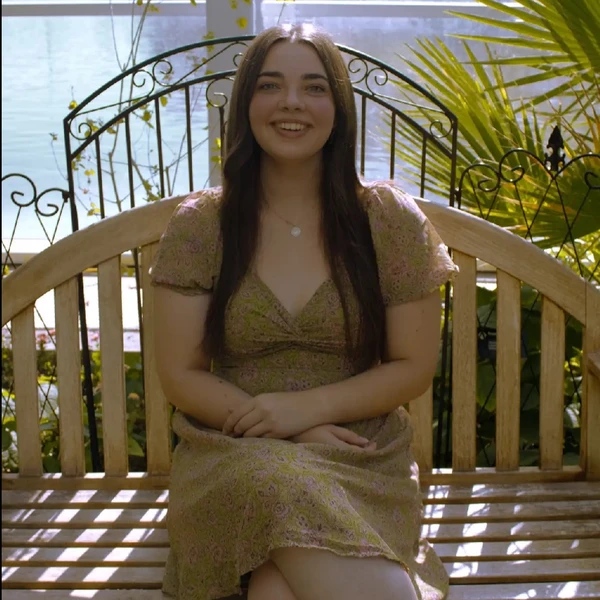
Julia Winkeler
1x
FinalistJulia Winkeler
1x
FinalistBio
I’m passionate about becoming a dentist because I love helping people feel confident and cared for. Community service has always been a big part of my life. It’s where I’ve learned the value of connection, empathy, and showing up for others. I’m hardworking, detail-oriented, and committed to using my strengths to make a real difference in people’s lives.
Education
Maryville University of Saint Louis
Bachelor's degree programMajors:
- Medicine
- Biological and Biomedical Sciences, Other
- Dentistry
Duchesne High School
High SchoolMiscellaneous
Desired degree level:
Doctoral degree program (PhD, MD, JD, etc.)
Majors of interest:
- Medicine
- Biological and Biomedical Sciences, Other
- Dentistry
Career
Dream career field:
Dentistry
Dream career goals:
Summer Camp Counselor—Special Ed
YMCA2025 – 2025Server
Friendship Village2025 – Present1 yearShift lead
Silky's Frozen Custard2022 – 20242 years
Sports
Bowling
Varsity2021 – 20243 years
Swimming
2023 – Present3 years
Arts
Duchesne Theatre
Acting2021 – 2024
Public services
Volunteering
Make-A-Wish, The Wings Program, Kids Rock Cancer, Gwendolyn's gifts (capstone project fundraising) — To organize the fundraiser and bake all the items2021 – Present
Future Interests
Advocacy
Volunteering
Philanthropy
Dorothy Walker Dearon Scholarship
My academic and career goals are rooted in a deep commitment to science, service, and improving quality of life through healthcare. I am currently pursuing a Bachelor’s degree in Biomedical Science, a field that allows me to understand the human body at its most fundamental level while preparing me to make a tangible impact on patient care. My long-term goal is to become a dentist, where I can combine scientific knowledge, precision, and compassion to promote both individual and community health.
My interest in biological sciences began early, shaped by personal experiences with medicine that were both inspiring and difficult. I grew up watching my cousin battle complex congenital heart disease, undergoing a heart transplant as an infant and spending much of her life in hospitals. Seeing the role science played in keeping her alive, and later, the devastating effects of post-transplant lymphoma, made biology feel deeply personal. I became fascinated by how cellular processes, immune responses, and medical innovation can both save and challenge lives. That fascination eventually grew into a calling to understand the science behind healthcare and use it to help others.
Academically, I am driven by curiosity and discipline. Biomedical science challenges me to think critically, connect concepts across systems, and stay resilient when material is difficult. Courses in biology, chemistry, and physiology have strengthened my appreciation for evidence-based practice and reinforced my desire to work in a healthcare field that prioritizes prevention, education, and long-term wellness. Dentistry aligns with these values, as it plays a vital role in public health by preventing disease, managing chronic conditions, and improving overall well-being.
Beyond the classroom, I have actively sought opportunities to serve my community through volunteer work. I have fundraised for pediatric-focused organizations such as Gwendolyn’s Gifts and currently volunteer with Kids Rock Cancer, supporting children undergoing cancer treatment through music-based healing. These experiences have shown me that healthcare extends beyond clinical settings; it includes emotional support, advocacy, and human connection. Working with vulnerable populations has strengthened my desire to enter a health profession where trust and empathy are just as important as scientific skill.
As someone managing Ehlers-Danlos syndrome, I have also experienced healthcare from the patient’s perspective. Navigating a difficult diagnostic process taught me the importance of listening to patients, validating their experiences, and approaching medicine with humility. This perspective will guide how I practice in the future, ensuring I contribute to a healthcare system that is not only effective, but compassionate and inclusive.
Looking ahead, my goal is to complete my undergraduate education, attend dental school, and eventually serve communities with limited access to care. I hope to be a healthcare professional who bridges science and service by using my education to improve public health outcomes, mentor future students, and advocate for patients who feel unseen. This scholarship would help remove financial barriers so I can remain focused on my education and continue building a future dedicated to advancing health through science.
Jim Maxwell Memorial Scholarship
This scholarship opportunity is meaningful to me because it reflects something I have relied on throughout my life: faith meeting action. As a financially underprivileged undergraduate student, pursuing higher education has required persistence, sacrifice, and trust, especially during seasons when the path forward felt uncertain. Receiving this scholarship would not only ease a financial burden, but affirm that faith, resilience, and service still matter in a world that often measures success by numbers alone.
I am a practicing Catholic, and my faith has been the foundation that has carried me through my most difficult moments. From a young age, Catholicism taught me that suffering is not meaningless and that perseverance, when rooted in faith, can lead to growth. During periods of grief, illness, and academic pressure, prayer became less of a routine and more of a lifeline. Attending Mass, spending time in quiet reflection, and leaning into prayer helped me find peace when answers were not clear and outcomes were out of my control.
In college, I have intentionally sought out Catholic and faith-based organizations on campus to remain spiritually grounded while navigating independence and responsibility. Through campus ministry, faith discussion groups, and service opportunities, I have found a community that challenges me to grow closer to God while living out my faith through action. These spaces have strengthened my spiritual discipline and reminded me that faith is not passive. It calls us to show up for others, especially in moments of struggle.
Some of the greatest challenges I have faced include enduring personal loss and learning to live with a chronic condition that has reshaped how I approach my future. There were moments when continuing my education felt overwhelming, both emotionally and physically. In those moments, my faith anchored me. I learned to trust that my worth was not defined by productivity alone, and that God’s plan for my life could still unfold, even if it looked different than I once imagined. Choosing to keep going, one step at a time, became an act of faith.
My accomplishments like continuing my studies in biomedical science, serving others through volunteer work with pediatric-focused organizations, and pursuing leadership roles are deeply connected to the values my faith instilled in me. Catholic teaching emphasizes compassion, dignity, and service, principles that guide both my academic path and my commitment to helping others. These experiences have shaped my desire to enter healthcare, where empathy and ethical responsibility are just as essential as technical skill.
Looking ahead, I plan to let my faith continue guiding my professional journey as I pursue a career in dentistry. I hope to create a space where patients feel seen, respected, and cared for, not just clinically, but personally. My faith calls me to serve with humility, patience, and integrity, especially those who may feel anxious or vulnerable in medical settings.
The Jim Maxwell Memorial Scholarship represents the kind of faith-driven support that changes lives. If awarded this opportunity, I would carry it forward by continuing to serve others with the same conviction, courage, and compassion that my faith has taught me. I hope to honor Jim Maxwell’s legacy by living out my calling with purpose, gratitude, and unwavering faith.
Bulkthreads.com's "Let's Aim Higher" Scholarship
When I think about what I want to build, I don’t picture a single object or title. I picture a future rooted in trust, something slower, steadier, and deeply human. I want to build a career, a practice, and a way of showing up for others that makes people feel safe, heard, and cared for, especially when they are vulnerable.
My desire to build this future comes from experiences that shaped me early. I grew up watching people I loved navigate hospitals, uncertainty, and loss. I learned quickly that healthcare is not just about treatments or outcomes; it’s about how people are treated when they are afraid, in pain, or overwhelmed. Those moments taught me that empathy is not optional but foundational. I want to build a life where that lesson guides every decision I make.
Professionally, I am working toward becoming a dentist, but what I hope to build goes beyond clinical skills. I want to create an environment where patients, especially children and those with chronic conditions, feel respected and believed. I know firsthand how damaging it can be when pain is dismissed or misunderstood. As someone who has had to advocate for myself, I hope to become the kind of provider who listens carefully and meets patients with patience instead of skepticism.
Personally, I am building resilience and balance. Living with a chronic condition has taught me how to pace myself, adapt, and value sustainability over burnout. I am learning that strength doesn’t always look like pushing through. It can also look like asking for help, setting boundaries, and choosing paths that allow for longevity. These lessons shape not only how I plan to practice healthcare, but how I plan to live.
The impact I hope to make extends into my community. Through volunteering, fundraising, and mentoring, I want to continue supporting families facing illness and uncertainty. By combining service with my education, I aim to contribute to a healthcare culture that values compassion as much as competence.
Ultimately, what I want to build is a future where care feels personal, where people feel seen, not rushed and not doubted. Building that future will change me by keeping me grounded in purpose, and it will strengthen my community by reminding people that care, at its best, is human.
Priscilla Shireen Luke Scholarship
Some of the most important lessons I've learned came not from classrooms, but from watching people fight battles they never chose. As a teenager, I saw how illness can reshape entire families and how moments of kindness, even small ones, can offer hope when everything else feels uncertain. Those experiences taught me that giving back isn't about grand gestures, but about showing up with empathy, consistency, and a good heart.
I currently give back through volunteer work and community involvement focused on children and families facing serious illness. Throughout high school, I organized and participated in bake sales as well as fundraising events for Gwendolyn’s Gifts, raising money to support pediatric patients and their families. What started as simple fundraising quickly became personal. Seeing how financial and emotional support could ease even a fraction of a family’s burden showed me how powerful community care can be.
Today, I volunteer with Kids Rock Cancer, an organization that provides free music therapy to children undergoing cancer treatment. Even when I’m not physically present with the children, I am proud to support a program that gives them moments of joy, creativity, and control in an environment where so much feels out of their hands. Knowing that something as simple as music can help a child feel less afraid has deeply influenced how I understand healing.
Another meaningful way I give back is through working as a summer camp counselor in a special education program. Supporting children with disabilities taught me patience, adaptability, and the importance of seeing each individual for who they are and not for their limitations. Helping campers feel safe, capable, and included reinforced my belief that care should always be rooted in dignity and understanding.
Looking toward the future, I plan to make a positive impact through a career in healthcare. I am studying biomedical science with the goal of becoming a dentist which is a path shaped by personal experiences with illness, loss, and chronic pain. I want to be the kind of provider who listens first and treats patients as whole people, not just diagnoses. Dentistry allows me to combine science with connection, prevention, and trust, particularly for children who may feel anxious or underserved.
Beyond my career, I plan to remain involved in community outreach, patient education, and volunteer initiatives that support medically vulnerable populations. Giving back will always be part of who I am. I believe that compassion practiced daily can change lives, and I am committed to carrying that belief forward in everything I do.
Learner Calculus Scholarship
Calculus is often described as the language of change, and in many ways it is the foundation upon which the modern STEM world stands. To me, its importance goes far beyond equations and derivatives on a page. Calculus is the bridge between what we can observe and what we can understand. It transforms intuition into prediction, and curiosity into innovation. As someone aspiring to become a dentist, I’ve learned that calculus shapes not only the technologies that define modern healthcare but also the way we learn to problem-solve, think critically, and care for others.
In the STEM field, calculus is vital because it allows us to model the complexity of the real world. Whether it’s measuring the rate at which a medicine is absorbed, predicting how a virus spreads, designing a bridge, or simulating the flow of electricity in a circuit, calculus gives us a structured way to understand dynamic systems. It provides the tools to break down constant change into something we can quantify, manipulate, and use to solve problems. Every major advancement, from physics to engineering to data science, rests on the ability to apply calculus to real-world situations.
In healthcare, especially dentistry, calculus shows up in ways many people never realize. It underlies imaging technologies that help dentists see beneath the surface, such as CT scans and digital radiographs, which rely on calculus-based algorithms to reconstruct detailed images from raw data. Even the design of dental materials, like adhesives, composites, and ceramics, involves calculus to model stress, force distribution, and wear over time. The biomechanics of jaw movement, the forces exerted on teeth, and the structural integrity of restorations all depend on the mathematical principles that calculus makes possible.
But beyond the technical applications, calculus has shaped my mindset in a way that feels even more meaningful. Learning calculus has taught me patience, resilience, and clarity of thought. It forced me to approach complex problems step by step, to trust the process even when the path forward felt uncertain, and to find satisfaction not just in the answer, but in the method. In many ways, math is like dentistry: each problem requires precision, attention to detail, and a steady sense of purpose. Calculus helped strengthen my belief that challenges are manageable when approached thoughtfully, and that progress is rarely linear.
My dream of becoming a dentist is rooted in a desire to serve my community, to build confidence in patients, and to restore health through skilled, compassionate care. Calculus, surprisingly, has been part of that journey. It has given me a stronger foundation in science, sharpened my critical-thinking skills, and shown me that hard work can turn something intimidating into something empowering. As I move forward in my STEM education, I know that calculus will continue to be not just a subject I once learned, but a lens through which I understand the world and my place in it.
Ultimately, calculus matters because it equips us to create, to solve, and to care. For me, that is exactly what becoming a dentist is all about.
Dr. Samuel Attoh Legacy Scholarship
Legacy, to me, is not measured in achievements or material accomplishments. It's measured in the quiet ways we touch others' lives and the values we leave behind. A legacy is built through small acts of strength, kindness, and resilience that echo long after someone is gone. I learned this because of the person who has shaped my life more than anyone: my cousin Elizabeth.
Elizabeth was born with hypo plastic left heart syndrome (HLHS) and received a heart transplant at just three months old. For most of her life, hospitals were familiar places, not because she was weak, but because she was unbelievably strong. She lived with a medical reality that most adults couldn't imagine, yet she remained joyful, curious, and endlessly loving. Before her diagnosis with post-transplant lymphoma, she even lived with my family for two months while her mom underwent cancer treatment. During that time, she became my closest friend. We baked together, had sleepovers, walked outside, and obsessed over Hamilton. We were just two kids imagining a future filled with possibility. We dreamed of becoming doctors together, even wanting to be surgeons. Losing her at sixteen changed everything. However, her courage left a legacy that continues to guide me.
My upbringing wasn't defined by ease, but defined by watching people I love fight through impossible circumstances. From Elizabeth's medical battles to my own struggle to be believed and properly diagnosed with Ehlers-Danlos syndrome, I grew up learning that resilience isn't option, but survival. Many doctors dismissed my pain or questioned whether my symptoms were real. That experience taught me a painful truth that healthcare professionals don't always listen. It also taught me the kind of provider I want to become. I want to be someone who believes patients the first time. Someone who validates, not dismisses. Someone who doesn't contribute to the cycle of misunderstanding that so many chronically ill patients face.
My upbringing pushed me toward a life of service, compassion, and advocacy. It inspired my years of fundraising for Gwendolyn's Gifts and my volunteer work with Kids Rock Cancer, both of which support children and families navigating fear, illness, and uncertainty. These experiences helped me understand what legacy truly is. It's the impact we make on others through empathy, presence, and the determination to make things better than we found them.
I plan to continue that legacy in the healthcare field, specifically dentistry. Dentistry gives me a meaningful way to provide care without the long surgeries my body cannot withstand. It allows me to combine science, hands-on healing, and human connection. I want to break cycles of medical dismissal, fear, and anxiety by creating a practice where every patient feels heard, understood, and safe. I want my legacy to be one of compassion that reaches beyond treatment rooms.
Elizabeth taught me that life is short, but impact is long. My upbringing taught me that breaking cycles is an act of courage. And my future in healthcare will be my way of carrying forward the legacies that shaped me while also building one of my own.
Begin Again Foundation Scholarship
The last thing I ever expected was to learn the power and danger of sepsis through the person I loved most in the world. I grew up believing my cousin Elizabeth was invincible. She had already survived what most people never face in a lifetime. She was diagnosed with HLHS at birth and had a heart transplant at just three months old. From the beginning, her life was threaded with medical uncertainty, yet she lived with a kind of lightness that made everyone around her believe she would always find a way to keep going. Maybe that’s why losing her still feels impossible to accept.
Elizabeth wasn’t just my cousin. She was my best friend, my anchor, and the person who made every ordinary day feel like something special. She lived with my family for two months when her mom was undergoing cancer treatment, and during that time she became the sister I never knew I needed. We spent our days baking cupcakes, walking around the neighborhood, playing Hamilton on repeat, and staying up too late talking about our huge, unrealistic dreams, like becoming surgeons together, side by side, saving lives the way doctors had saved hers. She made the world feel softer, kinder, and easier to hope in.
But life has a way of changing in an instant. When Elizabeth was sixteen, she was diagnosed with post-transplant lymphoma, which is a cruel, rare cancer caused by the very medications that had kept her alive all those years. I watched her fight through chemotherapy with the same fierce determination she brought to everything, even when she was too weak to stand. And then, suddenly, the word “sepsis” entered our vocabulary, not as a medical concept, but as a terrifying reality. The infection moved fast, too fast, overwhelming her body before any of us could comprehend what was happening. At sixteen years old, the girl who had once been my whole world was gone. I was fifteen, and nothing made sense anymore.
The grief hollowed me out. Hospitals, once symbols of hope in our childhood dreams, became places I could barely walk into without shaking. For a long time, I couldn’t imagine pursuing medicine without her, because the future we wanted had always been a future we were supposed to share. And yet, losing her didn’t push me away from healthcare, it reshaped the path I would eventually choose.
Today, I am a biomedical science major working toward becoming a dentist, a field that allows me to remain connected to patient care without the physical strain of long surgeries, especially important as someone living with Ehlers-Danlos syndrome. My body has its limits, but my commitment to helping others has never wavered. Elizabeth taught me what resilience looks like long before I knew the word.
Her death also taught me how overlooked conditions like sepsis truly are. Sepsis took her life quietly and violently, and too many families experience the same story without ever knowing what hit them. I want to carry her forward by advocating for better awareness, better conversations, and better empathy in healthcare.
I'm applying for the Begin Again Scholarship not just as someone affected by sepsis, but as someone determined to build a future in honor of the girl who changed my life. Elizabeth didn’t get the chance to begin again, but I do. And I carry her with me into every step of the life I’m building.
Learner Math Lover Scholarship
I love math because it has been one of the few constants in my life, something steady, something I could always return to when everything else felt chaotic. Math doesn’t judge or shift or change based on the day I’m having; it just is. Growing up, whenever I felt overwhelmed or unsure of myself, sitting down with a math problem forced my brain to slow down. It gave me something concrete to focus on, a puzzle I could untangle piece by piece. In a way, math became its own kind of self-care.
I also love the feeling of control that math gives me. Life is unpredictable, but math has structure. Even when I get a problem wrong, I know it’s not because the universe is unfair. It’s because there’s a step I missed or a connection I haven’t seen yet. That idea has helped shape how I approach challenges outside of the classroom. Math taught me to breathe, go back through the steps, and try again without giving up on myself.
Some of my favorite memories involve math, too. I think back to working through assignments late at night and suddenly having that “click” moment when everything snaps into place. Or the times I felt proud explaining a concept to someone else and seeing them understand it for the first time. Those moments reminded me that math isn’t just a subject I’m good at, it's something that genuinely brings me joy.
As someone interested in healthcare, I’ve grown to appreciate math even more. Whether it’s understanding data, interpreting risks, or simply paying attention to detail, math shows up in every part of caring for people. Loving math makes me feel prepared for the future I want.
Taylor Swift Fan Scholarship
Taylor Swift has created countless unforgettable moments throughout her career, but the performance that moves me the most is her acoustic rendition of “All Too Well (10 Minute Version)” during the Red (Taylor’s Version) release week. Even though she has performed on massive stages, broken global records, and filled stadiums with unbelievable energy, this stripped-down performance stands out to me because it captures something far more powerful than spectacle it reveals her vulnerability, her storytelling, and the emotional honesty that make her such a singular artist.
What moves me most about that performance is how simple it is. There are no fireworks, no dancers, no elaborate stage sets just Taylor, her guitar, and the weight of a story she has carried for years. The moment she begins to sing, it feels less like a performance and more like a confession. She doesn’t hide the cracks in her voice or the moments where emotion rises just enough to change her breath. Instead, she leans into them, letting the audience feel every word. It’s rare to watch a global superstar stand in front of millions of people and somehow make it feel like she’s talking directly to you.
“All Too Well” has always been a fan favorite, but the long version carries a depth that hits differently. When Taylor performs it acoustically, you can almost feel the timeline of her life folding in on itself, the young woman she was when she first wrote it, and the older, wiser woman she became when she finally reclaimed it. To me, that performance symbolizes growth, resilience, and the courage to revisit old pain with new strength. It shows that healing doesn’t always happen quietly or quickly; sometimes it’s a long, messy process that deserves to be honored.
Watching her sing that song also reminds me how much art can evolve alongside the person who created it. The way Taylor’s voice strains slightly on certain lines, or softens on others, feels like she is reinterpreting the song in real time. She isn’t just performing it, she’s reliving it, processing it, and transforming it into something empowering instead of heartbreaking. As a listener, you feel invited into that transformation, as if you’re watching someone sift through old memories and decide which ones still hold power.
What moves me most, though, is the bravery behind the performance. It takes strength to expose the most unguarded parts of yourself, especially to an audience that spans the entire world. Yet Taylor does it willingly. She shows that vulnerability isn’t a weakness; it’s a kind of connection that binds people across experiences, ages, and backgrounds. She gives permission for others to feel deeply, to be honest about their memories, and to reclaim their own stories.
That acoustic “All Too Well (10 Minute Version)” performance reminds me why Taylor Swift continues to matter after all these years. It’s not just her talent, or her ambition, or her success. It’s her humanity. In that moment, she isn’t just a showgirl, she’s a storyteller, a survivor, and someone who makes millions of people, including me, feel a little less alone.
Audra Dominguez "Be Brave" Scholarship
Adversity has shaped every part of my academic journey, especially as someone living with Ehlers-Danlos syndrome (EDS). For years, I struggled with unexplained joint pain, dislocations, fatigue, and mobility issues that made even routine tasks feel overwhelming. What made it harder was not just the physical pain, but the challenge of being believed. Before my diagnosis, I was repeatedly dismissed by doctors who told me my symptoms were “normal,” “stress-related,” or “in my head.” Trying to advocate for myself at such a young age felt like shouting into a void. Yet those years of uncertainty became some of the most defining experiences of my life and ultimately strengthened my commitment to pursuing a career in healthcare.
Living with a chronic condition while maintaining my academic goals has never been easy. There were days when my hips or knees hurt so badly that sitting through class felt like a marathon. Days when my joints slipped out of place or physical therapy left me exhausted. And days when the discouragement of not having a diagnosis made me question whether my dreams were still possible. But every time adversity pushed back, I pushed forward harder.
One of the most important steps I took was learning how to advocate for my own health. I became meticulous with tracking symptoms, researching my condition, and seeking specialists who took my concerns seriously. Self-advocacy transformed me from a passive patient into an informed, empowered one. It taught me persistence, communication, and how to navigate complex medical systems, all skills I know I will carry with me into my future career.
Managing EDS also forced me to rethink how I approach school and long-term goals. Instead of letting pain derail my progress, I learned to adapt. I built structured routines, incorporated modified exercises from physical therapy, and created study methods I could maintain even on flare days. I found small, practical ways to stay on track academically, like breaking assignments into manageable chunks, staying ahead when I felt well, and communicating openly with instructors when symptoms spiked. Every adaptation was a step toward proving to myself that my condition could shape me, but not limit me.
Despite the challenges, my passion for healthcare, specifically dentistry, only grew stronger. My experiences showed me exactly how deeply validation and compassion matter in medicine. I know what it feels like to sit in an exam room and hope someone will finally listen. I also know how transformative it can be when a provider treats you with empathy instead of doubt. I want to be that kind of provider for others, especially for patients with rare or misunderstood conditions.
Adversity has not deterred my ambitions; it has clarified them. Ehlers-Danlos syndrome taught me to be resilient, resourceful, and self-advocating. These qualities are not obstacles to my future, they are the foundation of it. Every challenge I’ve faced has strengthened my commitment to pursuing dentistry and making a positive impact on patients who, like me, need someone willing to truly hear them.
Shanique Gravely Scholarship
The person who has had the greatest impact on my life is my cousin Elizabeth, not because of the tragedy surrounding her loss, but because of the love, friendship, and joy she brought into my life long before I understood how temporary time can be. Elizabeth wasn’t just family; she was my best friend, my constant companion, and the person who taught me more about love, resilience, and gratitude than anyone else ever has.
When we were younger, Elizabeth came to live with my family for two months while her mom was undergoing cancer treatment. It was supposed to be a temporary arrangement, but to me, it felt like gaining a sister. Every day we spent together created memories that still live with me: singing Hamilton at the top of our lungs, going on long walks to nowhere in particular, baking messily in the kitchen, and staying up too late having sleepovers just because we could. We were kids, but our bond had a depth I didn’t yet understand, one built not just on fun, but on the comfort of truly being understood by someone your own age.
Elizabeth had been born with hypoplastic left heart syndrome, a condition that led to a heart transplant when she was just three months old. But to me, she wasn’t her diagnosis. She was bright, funny, stubborn, and full of life. She had a smile that could dissolve the worst day and a determination that made her seem unstoppable, even though her immune system meant constant doctor visits and stretches of time when she couldn’t do everything she wanted. She never let those limits dim her spirit.
When Elizabeth was diagnosed with post-transplant lymphoma at fifteen, I was fourteen. I remember feeling terrified, not just at the word “cancer,” but at how unfair it felt that someone so full of life could suddenly be thrust into something so heavy. Still, she fought with a strength that made me believe she would always somehow push through. Losing her at sixteen left a grief in me that reshaped my world. For months, everything felt muted. School, friendships, even the things I used to enjoy lost all light. Losing my best friend at such a young age forced me to confront the reality of loss long before most people my age ever have to.
But with time, something changed. Instead of being defined only by the grief, I began to understand the gift she left behind. Elizabeth taught me to value small moments, like walks, shared songs, and spontaneous laughter because those are the pieces of life that last. She taught me compassion, because I understood how fragile people can be beneath the surface. And most of all, she taught me to keep going, even when life feels impossible.
Elizabeth’s life was short, but her impact on mine is endless. Everything I dream of doing, especially my goal to work in healthcare, comes from wanting to honor her strength, her joy, and the love we shared. She shaped the lens through which I see the world, reminding me every day that even short lives can leave the longest shadows.
RELEVANCE Scholarship
Every experience, especially the painful, complicated ones, has shaped the person I am becoming and the career path I feel called to pursue. My decision to enter healthcare is not rooted in a single moment, but in a series of challenges that forced me to understand illness, loss, and resilience in ways I never expected at a young age.
One of the first experiences that shaped my understanding of medicine was losing my cousin Elizabeth. She was born with hypoplastic left heart syndrome and received a heart transplant at only three months old. Despite her incredible fight, she passed away from post-transplant lymphoma, a complication none of us could have imagined. I was young, but the shock of her loss left a permanent mark on me. It was the first time I realized how fragile life can be, but it also showed me the immense impact compassionate, skilled medical professionals can have on families walking through unthinkable circumstances. Even though Elizabeth’s life was short, the care she received mattered. Watching my family navigate that heartbreak planted a seed in me: I wanted to be someone who helps others through their hardest moments.
Years later, my own health challenges deepened that calling. Living with Ehlers-Danlos Syndrome has been one of the most defining experiences of my life. For years, I fought symptoms no one could see, like joint instability, chronic pain, fatigue, and for years, many medical professionals dismissed what I felt. I was told it was “normal,” that I was exaggerating, or that there was no explanation. It took persistence, courage, and self-advocacy to finally receive a diagnosis. That journey opened my eyes to how complex healthcare can be, especially for those with rare or invisible conditions. It showed me firsthand what it feels like to be unheard in a system that is supposed to help you.
But it also taught me something important: compassion in medicine is just as essential as knowledge.
My challenges have shaped my desire to pursue healthcare not out of convenience, but out of purpose. I want to be the kind of provider who listens the first time. I want to acknowledge pain even when it isn’t immediately visible. Most of all, I want to help patients feel safe, understood, and believed, especially those navigating uncertain diagnoses or rare conditions like Elizabeth and I both did in different ways.
These experiences will guide me throughout my future career. They have given me a unique perspective on suffering, resilience, and the emotional landscape of illness. I know what it feels like to sit in an exam room hoping someone will finally see the full picture of who you are. I know the fear and frustration of unanswered questions. And I know the power of a healthcare provider who takes the time to truly listen.
My challenges have not pushed me away from medicine, they have pulled me toward it. They have made me empathetic, determined, and deeply committed to advocating for patients who often fall through the cracks. I hope to turn what once felt like obstacles into the very experiences that allow me to make a meaningful, human-centered impact in healthcare.
Frank and Patty Skerl Educational Scholarship for the Physically Disabled
Living with Ehlers-Danlos Syndrome has shaped the way I see the world in ways I never expected. For years, I knew something was wrong with my body. There was pain that didn’t make sense, joints that moved in ways they shouldn’t, and a level of fatigue that felt far beyond what a “normal” day should bring. But the hardest part wasn’t the symptoms themselves. The hardest part was trying to convince medical professionals that what I was feeling was real. Appointment after appointment, I was told my pain was exaggerated, my symptoms were “normal for girls,” or that nothing serious was going on. It took years before I finally received a diagnosis, and although it brought clarity, it also made me painfully aware of how many people in the disabled community live unheard, dismissed, or misunderstood.
That experience fundamentally changed my view of the world. I learned that disability is not just about the condition itself, but also about navigating a society that often overlooks invisible illnesses. Before I was diagnosed, I didn’t fully understand how isolating it can feel when others doubt your pain simply because they cannot see it. Being part of the disabled community opened my eyes to the strength it takes to advocate for yourself, even when you are exhausted. I saw how many people face silent battles daily, fighting to be taken seriously, fighting to access care, and fighting to feel believed.
It also taught me compassion on a deeper level. I realized how quick people can be to judge, and how powerful it is when someone chooses instead to listen. When a doctor finally took my concerns seriously, it changed everything, not just for my health, but for my trust in the system. That one honest moment of validation is something I now carry with me, and it influences every dream I have for my future.
These experiences are exactly why I want to enter the healthcare field. I want to be the kind of provider who believes patients the first time they describe their pain, especially when their condition is complex or invisible. I know what it feels like to be dismissed, and I also know how life-changing it is to be heard. My goal is to use my education, along with my personal experience as a disabled woman, to advocate for patients who are often overlooked, especially those with rare disorders, chronic pain, or symptoms that fall outside the textbook definitions.
Being part of the disabled community has made me stronger, more empathetic, and more determined. It taught me that adversity can be a teacher, and that lived experience is powerful. Instead of viewing my condition as something that limits me, I see it as something that gives me perspective. It pushes me toward a future where I can create a positive impact in healthcare, where I can support others who feel invisible, and where I can help make the medical world more accessible, understanding, and compassionate. My goal is to be the provider I once needed and to make sure no patient feels the way I did while searching for answers.
Women in Healthcare Scholarship
I chose to pursue a degree in healthcare because, from a young age, I learned how deeply medical care can shape a family’s life. My cousin Elizabeth was born with Hypoplastic Left Heart Syndrome, a condition so severe that she required a heart transplant at just three months old. For years, she fought bravely through surgeries, hospital stays, and medications, and her strength made her the center of our family’s hope. Losing her to post-transplant lymphoma was the first loss that ever truly changed me. Even as a child, I felt the shock of watching someone so small face challenges that no one should ever have to face. Her life, and her passing, planted the seed that would eventually grow into my desire to work in healthcare.
What stayed with me most was not only the medical complexity of her condition, but the impact the healthcare team had on our entire family. The providers who cared for Elizabeth didn’t just treat her, they supported us, educated us, comforted us, and showed us what compassionate, human-centered care looks like. They demonstrated that healthcare is far more than diagnoses and procedures. It is a relationship built on trust, comfort, and dignity. That understanding is what ultimately led me toward dentistry.
Dentistry may seem unrelated to heart defects or rare conditions, but I learned that oral health is inseparable from overall health, especially for patients with complex medical needs. Many people with congenital heart defects, transplant histories, genetic conditions, and other rare diseases rely on dentists who understand their unique risks and who can coordinate care safely. I want to be one of those providers. The kind who looks at a patient not just as a mouth to treat, but as a whole person with fears, hopes, and a medical story that deserves respect. I want to be the dentist who makes a child with a rare condition feel safe in the chair, the dentist who reassures parents navigating complicated health challenges, and the dentist who uses empathy just as much as clinical skill.
As a woman entering the healthcare field, I hope to make a positive impact by helping redefine what leadership, compassion, and expertise look like. Women in healthcare often carry a unique blend of resilience and emotional intelligence, all of which are qualities that patients notice and trust. I want to use my voice to advocate for patients who are vulnerable, overlooked, or living with conditions that few people understand. I want to create an environment where my patients feel genuinely supported, especially those who may be navigating medical complexities similar to what my family faced with Elizabeth.
Her memory continues to guide me. Every step I take toward becoming a dentist is a step rooted in the belief that healing is not just physical, it is emotional, relational, and deeply meaningful. I hope to honor her by becoming the kind of healthcare provider who helps families feel seen and strengthened, even during their hardest moments. My goal is to build a career defined by compassion, skill, and the determination to make someone’s life a little brighter than it was before they walked into my office.
Brooks Martin Memorial Scholarship
The most significant loss I have experienced was the passing of my cousin, Elizabeth, whose life was shaped by both extraordinary struggle and extraordinary strength. Elizabeth was born with Hypoplastic Left Heart Syndrome (HLHS), a severe congenital heart defect that required her to undergo a heart transplant when she was just three months old. From the beginning, her life was a testament to resilience. Even as a baby, she had a brightness that drew people in and an ability to make everyone around her feel connected, hopeful, and grateful for the small moments. Losing her to post-transplant lymphoma years later was devastating in a way that continues to influence who I am today.
Her illness and passing left a mark on my family that will never fade. I was young, but I was old enough to understand that something profoundly unfair had happened. Elizabeth had already overcome more challenges in her 16 years than many adults face in a lifetime, and watching her fight taught me about both courage and fragility. When she died, the loss didn’t just break our hearts, it reshaped the way I viewed the world. It was my first experience with grief, and it came with the realization that life does not always make sense, no matter how much we wish it would.
After her passing, I found myself struggling to understand how to move forward. Nothing felt normal for a long time. I watched the people I loved break open under the weight of losing her, and I felt helpless in a way that changed me. But slowly, I began to understand that continuing to live, learn, and grow was a way of honoring her. I learned that resilience isn’t loud; sometimes it’s quiet, steady, and grounded in the decision to keep going even when your heart is heavy.
Elizabeth’s story has shaped the person I am becoming. Her life pushed me toward compassion, especially for children and families facing complex medical challenges. She taught me to pay attention to people who are struggling, to listen when someone is hurting, and to appreciate the strength it takes simply to show up each day. When I think about my goals now, especially my desire to work in healthcare, I feel her influence guiding me. Her experience opened my eyes to how deeply medical care can impact a family and how meaningful it is when healthcare professionals treat patients with both skill and humanity.
Her loss has also shaped my outlook on life. I am more aware of how precious time is and more motivated to pursue my dreams instead of waiting for the “right” moment. I strive to live in a way that reflects the love, fight, and light she carried throughout her short life. Even though she is no longer here, her impact continues. I carry her memory as motivation to build a future filled with purpose, compassion, and the determination to help others facing their own battles.
Losing Elizabeth will always be a part of my story, but so will the strength I found because of her.
Sammy Hason, Sr. Memorial Scholarship
My goal in healthcare is to become a dentist who provides compassionate, accessible care to patients who often feel unseen in the healthcare system, especially those living with lung disease or rare medical conditions. Oral health is deeply connected to overall health, yet it is frequently overlooked, even though it plays an essential role in quality of life, confidence, and daily functioning. Through dentistry, I hope to bridge this gap and serve patients whose complex medical needs require understanding, patience, and a human-centered approach.
People with chronic lung conditions or rare diseases often navigate a world full of uncertainty like frequent appointments, medication side effects, weakened immune systems, and higher vulnerability to infection. These challenges make oral care more complicated and sometimes even frightening. Many of these patients also experience dry mouth, increased decay, gum disease, and oral infections resulting from their treatments or conditions. Unfortunately, many families are not told how closely lung and oral health are linked. Poor oral health can worsen respiratory infections, and inflammation in the mouth can complicate systemic diseases.
As a future dentist, I want to be someone who makes these connections clear, supports families with compassion, and helps patients stay as healthy and comfortable as possible. I plan to work with medically complex patients, including those with rare immune deficiencies, genetic disorders, and chronic pulmonary conditions, by providing preventive care tailored to their needs. My goal is to create a dental environment where patients feel safe, respected, and understood. For immunocompromised patients or those with fragile lung health, that might mean offering alternative treatment plans, modifying procedures to reduce risk, or coordinating closely with their medical teams. Healthcare is strongest when it is collaborative, and I want my patients to feel that every provider they see is working together for their benefit.
Part of what draws me to this path is my own experience witnessing how rare conditions affect patients and families. I lost my cousin Elizabeth when she was sixteen. Born with hypoplastic left heart syndrome, she underwent a heart transplant at three months old. Her entire life included the challenges of immune suppression, countless hospital stays, and eventually a rare cancer caused by her transplant medications. Watching her resilience shaped the way I see healthcare. It showed me that behind every rare diagnosis is a person who deserves dignity, comfort, and a provider who truly sees them.
Her journey is why I have such a deep commitment to medically vulnerable patients. I want to make dental care more accessible for families like hers, like families who spend so much time fighting big medical battles that they need providers ready to help with the smaller ones. I hope to one day create programs or partnerships that offer low-cost preventive dental care to patients with chronic lung or rare conditions, reducing complications and improving everyday quality of life.
Through dentistry, I hope to carry forward the same compassion, curiosity, and purpose that defined Sammy Hason Sr.’s legacy. I want to devote my career to helping people breathe easier, smile brighter, and feel supported no matter how rare, complicated, or challenging their condition may be.
Eden Alaine Memorial Scholarship
The family member I lost was my cousin Elizabeth, someone whose strength shaped my childhood and whose absence shaped my future. Elizabeth was born with hypoplastic left heart syndrome and received a heart transplant at just three months old. From the very beginning, her life was marked by medical challenges, hospital stays, and uncertainty, but also by resilience. She grew up fighting battles most adults never face, yet she carried herself with a quiet bravery that made her seem invincible to me.
Because Elizabeth’s immune system was so fragile, she spent much of her childhood in and out of hospitals. Even so, she remained hopeful, funny, and full of life. I was fifteen when everything changed. She developed post-transplant lymphoma and fought through countless treatments, pushing forward with the same determination she had shown since birth. But cancer is cruel. Despite her strength, she passed away at sixteen. I was only a year younger.
Losing her shattered something inside me. When you are that young, you are not prepared to face the kind of grief that forces you to grow up overnight. The world suddenly felt unstable, unfair, and unpredictable. I remember feeling lost, angry, and confused by how someone who had already endured so much could be taken so soon. Watching her parents and brother grieve deepened the heartbreak even more. A piece of our family was missing, and nothing could replace it.
But as painful as that loss was, it changed the direction of my life. Elizabeth’s strength became a part of me. Instead of letting grief consume me, I decided to carry her with me into the future. Her courage pushed me to keep going in school during the times when focusing felt impossible. Her resilience inspired me to push through my own challenges. And her story opened my eyes to how deeply illness can shape a person’s life, dreams, and family.
Most importantly, losing her is what inspired my passion to pursue a career in healthcare. At first, I didn’t know what field I wanted to enter, I just knew I wanted to help people the way she was helped throughout her life. Over time, as I studied biology and learned more about health, I became drawn to dentistry. Oral health plays a huge role in confidence, wellbeing, and quality of life, yet so many people lack access to compassionate care. I want to change that. I want to build a career that blends science with empathy, and I want my patients, especially children who are scared, to feel the safety and comfort Elizabeth always deserved.
Her loss taught me that life is fragile, that people’s struggles often go unseen, and that kindness matters more than anything. It shaped my resilience, my purpose, and my commitment to making a positive impact. In every goal I pursue, I carry Elizabeth’s memory with me. She may be gone, but the way she shaped me will last a lifetime.
Dream BIG, Rise HIGHER Scholarship
Education has never been just a pathway for me. It has been a lifeline, a structure to hold onto during moments when life felt unpredictable, and a compass that brought direction at times I felt lost. My goals today, especially my dream of becoming a dentist, have been shaped not only by what I’ve learned in the classroom but by the hardships, losses, and turning points in my life that pushed me to grow. As I pursue my degree, I carry with me the belief that education can transform not only my future, but also the futures of the people I hope to serve one day.
My sense of direction shifted dramatically when I was fifteen. My cousin Elizabeth, who was born with hypoplastic left heart syndrome and received a heart transplant at just three months old, had always been part of my life. Growing up, she was often in and out of the hospital, her immune system too fragile to give her the carefree childhood she deserved. When she developed post-transplant lymphoma at fifteen, we were all devastated, but her strength never faltered. She fought harder than anyone I’ve ever known, but cancer took her life at sixteen. I was only a year younger, old enough to understand the permanence of what we’d lost but young enough that it cracked something inside me.
Losing Elizabeth made the world feel unsteady. I struggled emotionally, questioning fairness, purpose, and why some people’s lives were defined by battles they never chose. But it also became a turning point. It sparked the part of me that wanted to help others, especially kids and families who face health problems that reshape their daily lives. That was the moment I realized I wanted to build a future in healthcare. Over time, that future took clearer form: dentistry.
Most people don’t think of dentistry as a life-changing field, but for many, it is. Oral health touches confidence, nutrition, speech, social comfort, and overall well-being. I’ve seen how many families quietly struggle with dental care and how fear, cost, or lack of access keeps people from receiving help. I want to be someone who provides care that is kind, comforting, and accessible, especially for those who feel overlooked. My education is the first major step toward becoming that person.
But education didn’t only give me a career goal, it also gave me direction in my hardest moments. After Elizabeth passed, I poured myself into school because it was the one place where there were still answers, still steps to follow, still a sense of progress. Strengthening my academic foundation in biology and health sciences gave me something to work toward. Every class felt like one more step toward a life where I could turn my grief into purpose.
Around that time, I met my friend Maria, who became one of the biggest emotional supports in my life. We met in high school when everything felt overwhelming. Even though we go to different schools now, we still motivate each other through the hardest days. She reminds me of the importance of community, resilience, and showing up for the people you care about. Her support showed me that I didn’t have to carry everything alone, and that even on the days when doubts crowd in, having someone to believe in you can make all the difference. That lesson has shaped how I want to show up for future patients with empathy, encouragement, and understanding.
Volunteering also heavily shaped my direction. I spent time helping with fundraisers and community events, and the more I got involved, the more I realized how much I valued service. Whether I was helping organize donations or participating in school-led outreach, I saw how small acts can ripple outward and make someone’s day easier. Volunteering didn’t just strengthen my interest in healthcare; it strengthened my purpose. It reminded me that helping others isn’t just something I want to do in my future career, it’s something I want to do in every part of my life.
Of course, pursuing higher education comes with challenges. Like many students, I balance schoolwork, financial pressure, and the emotional weight of the past. There are days when imposter syndrome creeps in, when I wonder if my goals are too big or too distant. But I remind myself that every dentist, every doctor, every healthcare worker once stood exactly where I am: at the beginning, full of dreams but unsure how everything would unfold. I’m learning that perseverance is not about never feeling doubt, but about continuing forward despite it.
This scholarship would make a significant difference for me. Not only would it ease the financial stress of pursuing a demanding academic path, but it would also give me something harder to express which is encouragement. A reminder that people believe in students who are working hard to build better futures despite adversity. A reminder that who I am becoming matters.
My ultimate goal is to become a dentist who practices with compassion, inclusivity, and a patient-centered mindset. I want to open a practice that feels like a safe space, especially for children, those with anxiety, and families with limited access to care. I hope to use my education not only to treat oral health, but to uplift confidence, restore comfort, and support the well-being of the people who trust me with their care.
Education has shown me who I want to become. My challenges have taught me why that person matters. And my future, shaped by both, is one I intend to fill with service, empathy, and purpose.
Harvest Scholarship for Women Dreamers
My name is Julia and my “Pie in the Sky” dream is to become a dentist who provides compassionate, accessible care to communities that often feel overlooked. Dentistry may not seem like the flashiest corner of healthcare, but to me, it represents something deeply transformational. Confidence, dignity, prevention, and the chance to help people feel at home in their own smiles. It is a dream that feels both exciting and daunting, but it lights me up inside in a way that makes the long journey worth it.
This dream took shape slowly, but it became clear during high school, a period filled with both loss and new purpose. Around the time I lost Elizabeth, I met my friend Maria, who has remained one of the most constant sources of encouragement in my life. Even now, as we attend different schools, we support each other through hard days and celebrate each other’s progress. Being there for each other taught me what it means to care deeply, listen actively, and stay grounded in community, all qualities I know I want to bring into my future work as a dentist.
Volunteering also played a huge role in shaping my dream. I spent time helping with fundraisers, community events, and outreach efforts, and those experiences showed me how many families silently struggle with oral health because they lack resources, education, or access. I saw how something as simple as a dental visit could become a barrier for people and how profoundly it affects confidence, school performance, and overall well-being. Those moments stuck with me. They helped me realize I want to be someone who reduces fear, increases access, and provides care with empathy rather than judgment.
Dentistry became more than a field of study; it became a way to combine science, service, and compassion, three things that have always defined me. But becoming a dentist feels like a “Pie in the Sky” dream because it requires years of schooling, financial investment, and relentless dedication. Still, I’ve learned that dreams worth having rarely feel easy.
To reach this goal, I know I’ll need to continue my strong academic foundation in biology and health sciences. I plan to gain hands-on experience through shadowing, dental assisting, and continued volunteering so I can understand both the clinical and human sides of care. I’ll need mentors like dentists who can share their experience and guide me through the realities of the profession. And I’ll need to remain resilient, balancing coursework, service, and personal growth without losing sight of the long-term vision.
Most importantly, I’ll carry empathy with me every step of the way. Losing someone I loved and finding support in a friend like Maria has shown me how much people need kindness, patience, and understanding. Dentistry isn’t just about treating teeth; it’s about treating people. It’s about looking someone in the eyes and making them feel safe, valued, and heard. That’s the kind of dentist I want to become. One who builds trust, restores comfort, and helps people feel proud of their own smile.
My “Pie in the Sky” dream is to open a dental practice that blends excellent clinical care with a deeply human-centered approach. It feels big, but it feels right. With courage, community, and continued growth, I believe I can turn this dream into something real. One smile, one person, one act of care at a time.
Sabrina Carpenter Superfan Scholarship
I became a fan of Sabrina Carpenter during her “Girl Meets World” era, when she played Maya Hart who was bold, loyal, artistic, and unapologetically herself. At the time, I didn’t fully realize how meaningful her character would become to me. But looking back, Maya’s mix of humor and vulnerability helped me through moments when I felt unsure of who I was or whether I fit in. Sabrina’s performance captured the feeling of being a teenager trying to stay strong through difficult things, even when life felt overwhelming. That honesty stayed with me long after the show ended.
As Sabrina transitioned from Disney Channel into music and film, I found myself growing alongside her. Her career showed me what it looks like to evolve, embrace change, and trust your voice. Songs like “because i liked a boy,” “Feather,” “Nonsense,” and most recently “Espresso” reflect not just her musical talent, but her ability to blend humor, confidence, storytelling, and emotional truth. She takes real experiences like messy ones, funny ones, and painful ones and transforms them into something empowering. Watching her move past criticism, own her narrative, and find success on her own terms has encouraged me to do the same in my own life.
Her newer work, especially “Please Please Please,” resonates with me because of its honesty about wanting love and support while still demanding respect and self-worth. It’s playful, but it’s also sincere, reminding listeners that it’s okay to set boundaries, ask for more, and not settle for anything that diminishes your confidence. As someone navigating college, friendships, stress, and health challenges from Ehlers-Danlos syndrome, hearing those messages from an artist I admire has helped me feel less alone. Her music has often been background motivation during difficult flare-ups, long study sessions, and moments when I doubted myself.
I admire Sabrina because she balances lightness and depth so effortlessly. She can make a room laugh with an improvised “Nonsense” outro and then release a song that feels like it was written from someone’s diary. She reminds me that you can be strong and still have softness, ambitious and still have fun, hardworking and still playful. That balance is something I try to carry into my own life, especially as a biology student working toward becoming a dentist, a path that requires both determination and empathy.
Beyond her talent, Sabrina’s kindness toward fans stands out. Her interactions, whether online or in person, feel genuine. You can tell she truly values the people who support her, and that sincerity is part of what makes her impact so powerful. She doesn’t just entertain, she connects.
Sabrina Carpenter has influenced me by showing that growth is something to celebrate, confidence can be learned, and humor can coexist with healing. Her career has been a reminder to stay true to myself, pursue what I love wholeheartedly, and embrace the parts of me that are still evolving. Being her fan means feeling inspired, seen, motivated, and grateful for the joy she brings into the world.
Kalia D. Davis Memorial Scholarship
My name is Julia, and I am an undergraduate student studying biology with the goal of becoming a dentist. I have always been someone who balances academics, health challenges, family responsibilities, and community service with the determination to keep moving forward. When I learned about the life and legacy of Kalia D. Davis, I immediately felt inspired by her strength, compassion, and drive. Although her story is heartbreaking, the way she lived as a committed, joyful, hardworking, and uplifting person represents the kind of person I strive to be.
Sports have been a meaningful part of my life. I was part of the swim team and bowling team in high school, always valuing team spirit and the commitment it takes to show up even on difficult days. Living with Ehlers-Danlos syndrome means I deal with chronic knee and hip pain, which made athletics uniquely challenging. But instead of discouraging me, it taught me resilience, discipline, and how to push through physical discomfort with a positive attitude. Those lessons continue to shape me academically and personally.
Academics have always been important to me. I study biology not only because I enjoy science, but because I want to enter a healthcare field where I can help others feel safe, cared for, and understood. My cousin Elizabeth passed away from post-transplant lymphoma when she was sixteen, and witnessing her medical journey opened my eyes to the power of compassionate healthcare workers. Her experience is one of the biggest reasons I want to pursue dentistry, which is a career that combines science, service, and the ability to ease someone’s pain or fear.
Serving others is a central part of who I am. I volunteer with Kids Rock Cancer, where children facing cancer receive free music therapy. I have helped raise money for Gwendolyn’s Gifts, an organization that supports families experiencing childhood illness. I help in my community and my family however I can, whether it’s baking for fundraisers, crocheting items for donations, or simply cutting my 90-year-old grandfather’s hair every few months. Service is not something that feels like an obligation. It is something that brings purpose and joy to my life.
This scholarship would help me continue my education without placing additional financial strain on my family. Managing a chronic condition while working, volunteering, and staying committed to school can be overwhelming, and financial support would allow me to focus more fully on my studies and service work. It would bring me one step closer to becoming a healthcare professional who treats patients with empathy, respect, and kindness, all values Kalia clearly embodied.
The phrase “Living Loving Laughing Learning Legacy” describes the way I hope to live my life: with determination, compassion, curiosity, and joy. I want to honor Kalia’s legacy by working hard, uplifting others, and pursuing excellence in everything I do. This scholarship would not only support my educational goals, but also inspire me to continue carrying forward the spirit of service and resilience she left behind.
Leading Through Humanity & Heart Scholarship
My name is Julia Winkeler and I'm an undergraduate at Maryville University. I have always been drawn to human health because of how deeply it has shaped my life and the lives of the people I love. Losing my cousin Elizabeth at sixteen to post-transplant lymphoma was the moment that first pulled me toward healthcare. Watching her face surgeries, long hospital stays, and overwhelming uncertainty showed me how fragile life can be, but it also showed me the impact compassionate healthcare workers can have. Her journey sparked my passion for helping others and continues to guide my commitment to pursuing a career in dentistry, where I hope to blend science, service, and empathy every day.
Living with Ehlers-Danlos syndrome has also shaped my perspective. Managing chronic joint pain and navigating physical therapy has taught me the importance of patience, understanding, and listening. These are lessons I hope to carry forward in caring for patients who may be scared, hurting, or overlooked.
Service has always been part of my identity. I volunteer with Kids Rock Cancer, raise funds for Gwendolyn’s Gifts, support families experiencing childhood illness, and help in everyday ways, from baking for fundraisers to caring for my own family members. These experiences have grounded me in compassion and strengthened my belief that healthcare must always center people first.
To me, empathy means choosing to understand someone’s emotional reality, even when it looks different from your own. It is the ability to listen without judgment, respond with compassion, and see the human being before you see the diagnosis, chart, or procedure. Empathy is not about having all the answers, it is about being present, attentive, and willing to meet people where they are. In healthcare, this quality is not optiona. It is foundational to trust, healing, and dignity.
My desire to become a dentist is shaped by both personal experiences and the values I’ve learned through service. Dentistry is a field where fear, vulnerability, and discomfort are common, and many patients arrive feeling anxious or ashamed. As someone who has lived with chronic pain from Ehlers-Danlos syndrome, I understand how deeply physical discomfort can affect a person’s confidence and wellbeing. This makes me especially committed to delivering care in a way that reduces fear, respects individual challenges, and honors each patient’s emotional experience, not just their clinical needs.
Empathy in dentistry means taking the time to explain procedures, validating a patient’s fear, noticing when someone is overwhelmed, and adjusting your approach accordingly. It means remembering that behind every appointment is a whole person with a story, a family, responsibilities, and worries they may not voice out loud. My own experiences with healthcare providers who listened have shown me how powerful this can be, and I hope to offer the same comfort to others.
Volunteering has further deepened my understanding of human-centered care. Through Kids Rock Cancer, I’ve seen children use music therapy to express emotions they cannot always verbalize. Through fundraising for Gwendolyn’s Gifts, I’ve learned how families facing childhood illness carry invisible burdens that extend far beyond the hospital room. Service has taught me that empathy grows not just from emotion, but from action and showing up consistently, giving time, and offering support even when it’s not convenient.
A human-centered lens requires asking: What does this person need from me beyond the technical procedure? How can I make them feel seen, safe, and respected? In my future career, I plan to integrate this lens by maintaining open communication, tailoring care to each individual, and making my clinic a welcoming environment for all backgrounds and abilities. I want my patients to leave feeling cared for, not just treated.
Ultimately, empathy allows healthcare workers to heal on both a physical and emotional level. It transforms the clinical into the compassionate. It ensures that care is not just effective, but humane. And it is the quality I hope will define every part of my journey in health and wellness.
Christina Taylese Singh Memorial Scholarship
My name is Julia, and I am currently an undergraduate student at Maryville University pursuing a path in healthcare with the goal of becoming a dentist. I have always been drawn to the medical field because of how deeply it blends science, service, and hands-on problem-solving. Dentistry, in particular, feels like the perfect intersection of my strengths: a love for biology, a detail-oriented mindset, and a genuine desire to improve people’s daily lives. Oral health is often overlooked, yet it has a tremendous impact on overall well-being, confidence, and long-term health outcomes. Being able to provide that care, especially to underserved populations, is something I am determined to pursue.
My interest in healthcare began early, but it strengthened as I gained volunteer experience throughout high school and college. I have volunteered in multiple community service settings, including local food pantries, fundraising projects, and service-based school clubs. One of the most meaningful parts of my journey into healthcare has been my volunteer work, which has shaped my understanding of compassion and service. Throughout high school and college, I volunteered in several community and school-based organizations, including projects that supported medically fragile children and their families. I participated in fundraising events for pediatric patients, helped organize drives for families with children undergoing long-term treatment, and assisted with school service clubs that focused on supporting children facing health challenges. Even though I wasn’t caring for patients directly, I saw the emotional and financial strain families experience when illness becomes a central part of their lives. These volunteer experiences taught me empathy, responsibility, and the importance of treating every person with patience and respect and these values are what I hope to carry with me into my career in healthcare.
What drives me most is the idea that healthcare is a form of service, something Christina Singh embodied throughout her life. Her dedication to helping others, even while pursuing a demanding career, is deeply inspiring. Like Christina, I hope to build a career centered not just on scientific knowledge but on compassion and advocacy. Dentistry is challenging, but it is also incredibly rewarding, and I am committed to putting in the work to serve patients with the same kindness and generosity she demonstrated.
This scholarship would help support my journey toward becoming a dentist who leads with empathy, serves her community, and contributes meaningfully to the healthcare field. I hope to honor Christina’s legacy by continuing to work hard, volunteer generously, and use my career to make a difference in the lives of others.
Women in STEM Scholarship
From an early age, I have been drawn to science because it offers a way to understand the world while also giving us the tools to improve people’s lives. As I grew older, my interest in biology deepened into a passion for healthcare, anatomy, and the intricate systems that keep us alive. Today, I am pursuing a degree in biology with the goal of becoming a dentist, a career that perfectly blends science, technical skill, and compassionate care. Choosing STEM was not just an academic decision; it was a commitment to serving others through knowledge, precision, and innovation.
My path to STEM has been shaped by both personal experiences and my desire to make a meaningful impact. Watching family members face serious medical challenges, including the loss of my cousin to post-transplant lymphoma, opened my eyes to how deeply healthcare affects not only individuals but entire families. These experiences motivated me to learn more about the biological processes behind illness and healing, and they inspired my determination to enter a field where I can help others feel understood, supported, and cared for. Dentistry, in particular, stands out to me as a profession where science meets human connection where technical knowledge can directly transform someone’s health, confidence, and quality of life.
As a woman in STEM, I am also motivated by the reality that representation matters. The STEM fields have historically lacked diversity, especially in leadership and specialized roles. Women bring unique perspectives, strengths, and problem-solving approaches that the scientific community needs. Yet many young women still hesitate to pursue STEM because they don’t see enough people who look like them thriving in these careers. I hope to contribute to changing that narrative by building a career rooted in perseverance, empathy, intelligence, and by showing younger girls that they belong in these spaces too.
Throughout my academic journey, I have found joy in the challenges of STEM. I love studying the complexities of the human body, exploring how systems interact, and learning how evidence-based care can improve lives. But I’ve also learned resilience. STEM fields can be demanding, and as a woman, I have occasionally felt the pressure to prove myself. Instead of discouraging me, these experiences have strengthened my determination to excel academically and professionally. I want to help create a more inclusive environment where women feel supported, encouraged, and empowered to pursue scientific careers without hesitation.
In the future, I hope to make a difference not only as a dentist but also as someone who advocates for equity and compassion in healthcare. I want to serve my community, support patients who may feel overlooked or anxious, and contribute to a field that continuously evolves through research, innovation, and education. Most of all, I want to show that women in STEM are not exceptions, they are essential.
By supporting my education, this scholarship would help me continue moving forward in a field where I hope to make both scientific and human impact. I am excited to be part of the next generation of women shaping the future of STEM.
Emma Jane Hastie Scholarship
My name is Julia, and I am an undergraduate student passionate about pursuing a career in healthcare as a future dentist. Service has always been an important part of my life, shaped by both my family experiences and the values I was raised with. I believe deeply in choosing a path that supports others, brings comfort, and strengthens the community. These values guide both my volunteer work and my career goals.
One of the organizations closest to my heart is Kids Rock Cancer, which provides free music therapy to children undergoing cancer treatment. I became involved with this organization because of my cousin, who passed away from post-transplant lymphoma at sixteen years old. Watching her medical journey, and witnessing the emotional and financial toll illness can take on families, made me want to support children facing similar battles. While I’m not involved directly in the music therapy sessions, I have fundraised for the program to ensure that families never have to pay for these services.
Through bake sales, donation drives, and community outreach, I have helped raise money and awareness for Kids Rock Cancer and for Gwendolyn’s Gifts, another nonprofit supporting children with serious medical conditions. One of the most meaningful fundraising efforts I organized involved baking and selling dozens of homemade goods to raise money in honor of my cousin. I remember the organization reaching out to tell me that a child in the hospital had received a care package because of funds raised through my efforts. Knowing that something as small as a cupcake or an afternoon of baking could help brighten a child’s day showed me how even simple acts of service can ripple outward and make a difference.
Through these experiences, I’ve learned that servitude isn’t always loud or public. Sometimes it looks like staying up late baking, crocheting items for charity, or reaching out to community members to share why a cause matters. It means showing up consistently with empathy, humility, and a willingness to help however I can.
These values are also at the center of why I want to become a dentist. Dentistry is a field rooted in direct service and helping people feel comfortable, confident, and cared for. I hope to bring compassion, patience, and understanding into my future practice, especially for families navigating health challenges of their own.
This scholarship would support me as I continue pursuing a career dedicated to servitude, kindness, and uplifting my community, just as Emma Jane Hastie did throughout her life.
John Nathan Lee Foundation Heart Scholarship
Heart disease has shaped my life in ways that I never expected, not through my own diagnosis but through the journey of my cousin Elizabeth, whose strength and suffering left a permanent mark on my family and on the person I am today. Elizabeth was diagnosed in utero with hypoplastic left heart syndrome (HLHS), a severe congenital heart defect that requires immediate intervention after birth. At just three months old, she underwent a heart transplant, which saved her life but also placed enormous demands on her fragile immune system throughout childhood.
Growing up, I watched Elizabeth navigate a life filled with hospital stays, medications, procedures, and constant monitoring. While many kids her age were learning to ride bikes or running around playgrounds, she was learning how to manage a body that was constantly fighting to stay stable. Even her “healthy” periods weren't free from worry. Every cold, fever, or infection could escalate into something dangerous. My family lived with the ever-present tension of hope and fear, grateful for her second chance at life, yet always aware of the risks that came with it.
When I was fourteen, we experienced the outcome we had always feared but hoped would never come. At age fifteen, Elizabeth developed post-transplant lymphoma, a complication caused by the very medications that had protected her transplanted heart for so many years. Despite chemotherapy and the best efforts of her medical team, she passed away at just sixteen years old. Losing her was the most painful event I have ever lived through. I was only a year younger than she was, and her death shattered my understanding of what childhood, fairness, and life were supposed to look like.
The obstacle I had to overcome was learning how to live without my best friend. For a long time, I struggled with understanding why someone so young and full of love had to suffer so much. I had to work through feelings of helplessness, survivor’s guilt, and the sudden awareness of how fragile life really is. School became difficult not because of academics, but because my mind was elsewhere, caught between memories and questions I couldn’t answer.
Over time, though, Elizabeth’s journey became a source of strength rather than despair. Watching her fight through every challenge taught me what true resilience looks like. Her life, though short, was filled with courage, humor, and a desire to make the most of the time she had. I began to understand that honoring her meant living fully, serving others, and using my grief as motivation rather than a barrier.
Her experience has shaped my goals, my compassion, and my desire to help others facing medical challenges. I began volunteering with organizations that support children with cancer and other serious illnesses, hoping to give families the kind of comfort and understanding my own family needed during Elizabeth’s battle. I learned how to be present for others, how to listen, and how to show empathy even when words fall short.
Most importantly, I learned that heart disease affects more than the person diagnosed. It impacts families emotionally, financially, and spiritually. It forces everyone involved to grow stronger, more patient, and more aware of what truly matters.
The obstacles I have overcome because of Elizabeth’s journey have shaped me into someone who values resilience, compassion, and service. Her life taught me that even in the face of tremendous hardship, it is possible to find purpose and strength. This scholarship would not only support my education but also honor her legacy, allowing me to continue moving forward with the love, courage, and perspective she gave me.
Ed and Aline Patane Kind, Compassion, Joy and Generosity Memorial Scholarship
Dear Patane Family,
My name is Julia, and I want to thank you for the opportunity to apply for a scholarship that honors the beautiful legacy of Ed and Aline. Although I never had the chance to meet them, the values they lived by—faith, kindness, devotion to family, generosity, and joy—are qualities I admire deeply and strive to embody in my own life.
I was raised Catholic, and my faith has always been the foundation of who I am, but it became especially meaningful during some of the most difficult moments of my life. Losing my cousin and my aunt to cancer—my cousin to post-transplant lymphoma at just sixteen years old, and my aunt to glioblastoma—shaped me in ways I am still discovering. Their illnesses and passing left deep grief, but they also strengthened my faith. Prayer became my place of grounding, reminding me that love, hope, and community endure even through heartbreaking loss. My faith guided me through the confusion and pain of watching people I loved suffer, and it helped me choose compassion and service as ways to honor them. It taught me that faith in action is not passive, it is active love.
That belief is a major reason why service has become such an important part of my life. I volunteer with several organizations, but the one closest to my heart is Kids Rock Cancer, which provides free music therapy to children undergoing cancer treatment. Every time I see a child smile, laugh, or express themself through music, I feel connected to my cousin’s legacy. I want to ease the burden for families facing the unimaginable, even if only for a moment. I have also organized bake sales to raise money for Gwendolyn’s Gifts, a nonprofit supporting children with serious illnesses. I love giving back to the community through baking, which is why I also volunteer with For Goodness Cakes to bake birthday cakes for children in foster care. My motivation is simple because I know what it feels like to watch someone you love fight for their life. If I can lessen someone else’s pain, even in the smallest way, then I am fulfilling something meaningful and deeply personal.
Kindness, generosity, and compassion are values I try to express daily, not just in organized volunteering. At home, I help my 90-year-old grandfather by cutting his hair, which has become a special bonding ritual for us. Something that started as a practical task during covid quarantine but turned into a gesture of care and connection. At school and in my community, I try to be the person who checks in, listens, and shows up for others. Compassion does not have to be grand to make an impact. Often, it’s the quiet, consistent caring that means the most.
Family is one of the most important parts of my life. While loss has deeply affected us, it has also brought us closer together. Family, to me, means unconditional support, shared traditions, and being there for one another in both joy and hardship. Helping my family, whether it’s supporting my parents, honoring the memory of loved ones, or helping relatives with everyday tasks, gives me a sense of purpose. I also value the traditions we keep alive, from holiday gatherings to simple meals together, because they remind us of the love that has carried us through everything.
Even with all of life’s challenges, I believe deeply that joy is essential. Joy is what fuels resilience and keeps life balanced. I find joy in baking, crocheting, spending time with friends, and swimming whenever I can. These hobbies help me slow down, breathe, and feel connected to the world around me. Baking allows me to share something warm and comforting with others. Crocheting lets me create things that are both useful and heartfelt. And spending time with loved ones, laughing, talking, or just being together, reminds me that joy often lives in the simplest moments.
Looking ahead, I hope to build a future grounded in service, compassion, and faith. I am studying biology with the goal of becoming a dentist, a profession where science, technical skill, and patient care come together. My experiences have made me especially passionate about easing people’s pain and making healthcare more compassionate. I hope to serve families with the same empathy that has shaped my own life, and to continue volunteering in ways that honor my cousin’s memory.
Receiving this scholarship would support me not only financially but also spiritually, by affirming the values I strive to live out every day with faith, kindness, service, generosity, and joy. Ed and Aline Patane lived lives rooted in purpose and love, and it would be an honor to carry forward even a small part of their legacy through the work I hope to do in my future.
College Connect Resilience Award
To me, resilience means choosing growth in the face of limitation. It is the ability to keep moving toward the future I want, even when my body presents obstacles that I cannot control. Living with Ehlers-Danlos syndrome has taught me that resilience is not simply enduring pain, but learning to adapt, advocate for myself, and still pursue my goals with intention and pride.
One of the first and hardest tests of resilience came long before I had a name for my symptoms. Getting diagnosed with Ehlers-Danlos syndrome was a long, confusing process filled with referrals, uncertainty, and doctors who could not explain why my joints hurt so much. I often felt dismissed or misunderstood, which made the physical pain even more emotionally draining. Finally receiving a diagnosis was both validating and overwhelming, but it also marked the moment I decided to take ownership of my health and move forward with clarity.
My chronic knee and hip pain affects nearly every part of my daily routine. Some mornings I wake up already exhausted from discomfort, and long lectures or lab days can intensify the pain to the point where focusing becomes difficult. I have gone through multiple rounds of physical therapy, tried braces, had surgery, and have learned to listen carefully to the signals my joints give me. While not every treatment has brought relief, each attempt has helped me understand my body better and refine how I manage my condition.
Despite these challenges, I am deeply committed to my studies as a biology major. My condition has actually strengthened my dedication to science, especially the parts of biology that relate to human structure, healing, and patient care. My long-term goal is to become a dentist, a profession that blends hands-on problem solving, patient relationships, and a detailed understanding of anatomy, all of which inspire me. Navigating my own medical journey has made me empathetic, patient, and passionate about helping others feel understood in clinical settings.
Resilience shows up in how I plan my coursework, how I advocate for accusations, and how I approach each semester with determination. I organize my study sessions around pain cycles, take breaks during long labs when needed, and communicate openly with my professors. These habits have shaped me not just into a stronger student, but into someone who can lead with clarity and compassion.
I hope to use my experiences to advocate for accessibility and awareness of chronic illnesses within higher education and eventually in the dental field. Resilience, to me, is not just surviving the challenges of chronic illness, but transforming them into motivation, purpose, and the drive to create a future where others feel supported in pursuing their goals too.
Project Kennedy Fighting Cancers of All Colors Scholarship
I was never the biggest fan of family get-togethers. I was an introvert with a large family, so I never liked the idea of having 60 people, who were much older than me, come over to my house for parties. Because of that feeling, a select few of my cousins and I would hide away in my room and play childish games to make the chaos of the family events more bearable. Most times we would play school, house, or even create an original play. No matter the game, my cousin Elizabeth would always be the star of the show.
When COVID hit, I didn't miss the family events because I still got to see Elizabeth all the time, even more so when her mom, Vickie, found out she had terminal brain cancer. This was an extremely difficult diagnosis to deal with. At first, we had hope when my aunt Vickie started treatments and had brain surgery to remove part of the tumor. Soon after, her illness progressed and she had a stroke. The recovery from the stroke was very taxing on everyone in our family. It got hard to ignore the severity of the situation. Elizabeth stayed with my family and we shared a room for almost two months while her mom recovered. Both Vickie and Elizabeth were very strong during this time and I admired both of them for it. Elizabeth and I tried to make the most of our situation and did as many arts and crafts as we could to take our minds off of negative thoughts.
Life got better once Vickie recovered from the stroke and both she and Elizabeth moved back home. Although I missed my cousin, I was happy she was with her mom again. My mom, Vickie, Elizabeth, and I became our own little family because we spent so many nights at their house to help out. Our new normal was spending half of our time with them. Once we all adapted and accepted this new normal, our lives were changed once again.
Elizabeth began to feel very dizzy and ill, so my mom took her to the doctor. We thought it may just be something with her heart since she had a heart transplant at three months old. That thought was partially right. Elizabeth had developed post-transplant lymphoma. This was the worst news we could receive. Elizabeth went through one round of chemo, but it was too hard on her body. She had almost every complication that could arise from treatment. Even so, she kept fighting. She fought as hard as she could until she passed away. Five short weeks after her passing, Vickie died as well.
This altered any sense of normal that I had. I had dreams and a future planned with Elizabeth which all disappeared with her.
We had planned to be surgeons and further our education together. Once she passed, I realized I wasn't able to follow that dream on my own, so I changed my plan. I will still go into the medical field like we planned, but I'll work in a clinic instead of a hospital. I will most likely study heart conditions and probably spend a lot of time researching the kind Elizabeth had that caused her to have her heart transplant.
Although this wasn't my original plan for my life, I still believe it will be just as good. Elizabeth and Vickie keep me focused. They wouldn't want me to be sad and give up on my dreams, so I work very hard to do well in school and achieve my goals.