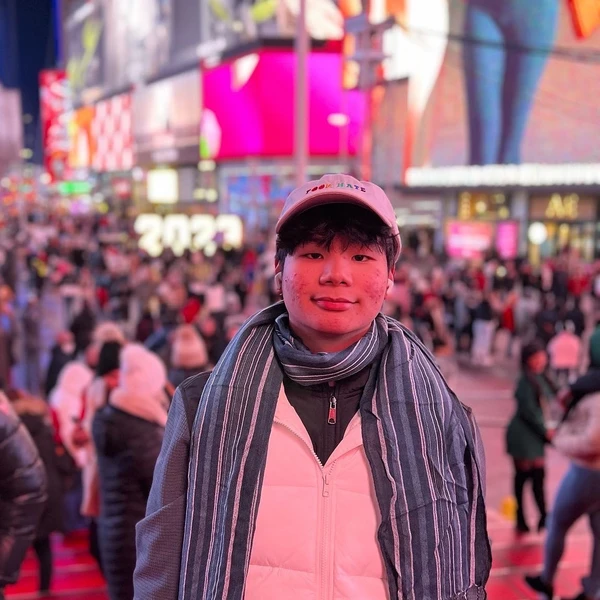
I was born in Quezon City and lived in East Fairview from 2006 to 2011, until I was five years old. What I remembered growing up there was simple: family gatherings, playing in the streets with the neighborhood kids, car rides packed with my parents and my two older sisters, running through the rain just because it felt good to. We had a coconut tree in front of our house, and people from the street used to climb it and take coconuts before we could. Instead of fighting that or fencing it off completely, my dad made a deal: if someone climbed up and harvested the coconuts, they could keep 40 percent and give us 60. It wasn't a perfect solution, and it wasn't generosity exactly, it was something closer to bayanihan without either of us having a word for it at the time: a recognition that a shared resource in a shared neighborhood works better as something negotiated together than something one family hoards alone.
It wasn't until years later, comparing that memory against life in the United States, that I understood East Fairview was genuinely low-income, prone to flooding, the kind of place where even coconuts were worth negotiating over. As a kid, I never knew that. I just knew I was happy, and I know now that the reason I was happy wasn't the absence of hardship, it was the presence of community holding that hardship together, quietly, in small decisions like my dad's deal with the neighborhood.
That value, bayanihan, showing up not as a grand gesture but as an ordinary way of solving an ordinary problem, has stayed with me longer than the memory of the tree itself. I see it now in how my family still operates, and in the choices I've made since. I currently volunteer with Christian Community Action, helping run their food market and warehouse, distributing food to families in my own community who are navigating instability, the same kind of instability my family understood firsthand back in East Fairview, even if I didn't have language for it as a child. I didn't start volunteering because I had extra time or resources to spare. I started because bayanihan, as I understood it from my dad's coconut tree, was never about having abundance before you give. It was about recognizing that a shared problem gets smaller when more people are willing to hold a piece of it.
I hope to honor my family's migration story by carrying that same instinct forward, concretely, not just as a value I hold personally but as something I actively build toward. I'm working toward a career in cybersecurity here in the United States, and part of what draws me to it is the same logic that shaped the coconut tree deal: protecting a shared resource means finding a fair, sustainable way to include everyone who depends on it, rather than building walls around what little you have. Long term, I want to use the stability I build here to give back directly to the community I came from, not as a distant gesture, but the same way my dad did it: practically, locally, and without waiting until I have more than enough before I start.