Hobbies and interests
Music Production
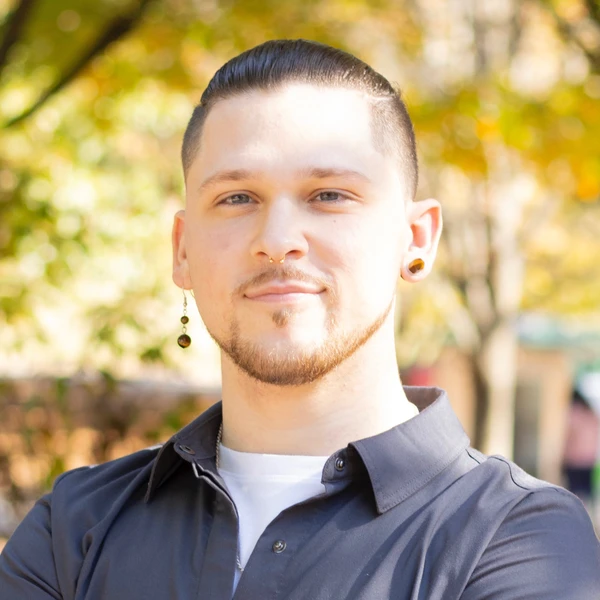
Joseph Lorenz
1x
FinalistJoseph Lorenz
1x
FinalistBio
I’m a licensed massage therapist and full-time Anatomy & Physiology student at Life University with a strong academic record and a deep commitment to hands-on healthcare. I graduated from the Atlanta School of Massage with a 4.0 GPA and currently maintain a 3.46 GPA while preparing for advanced study in chiropractic and integrative health. My goal is to serve patients through evidence-based, holistic care that reduces pain, restores function, and improves quality of life, especially for those who feel overlooked by the healthcare system.
Education
Life University
Bachelor's degree programMajors:
- Cell/Cellular Biology and Anatomical Sciences
Atlanta School of Massage
Trade SchoolMajors:
- Somatic Bodywork and Related Therapeutic Services
Miscellaneous
Desired degree level:
Doctoral degree program (PhD, MD, JD, etc.)
Graduate schools of interest:
Transfer schools of interest:
Majors of interest:
Career
Dream career field:
Health, Wellness, and Fitness
Dream career goals:
Company Owner
Vital Flow Therapies2024 – Present2 years
Sports
Swimming
Varsity2013 – 20152 years
Arts
Self Production
MusicAlbum2022 – 2023
Elizabeth Schalk Memorial Scholarship
Mental illness is not something that brushed past my family. It lived in our home, shaped our relationships, and quietly influenced every stage of my life long before I had words for it. Both of my grandparents suffered from severe mental illness. Two were diagnosed with schizophrenia, and one with schizoaffective disorder. Their struggles echoed through generations, settling into my family in ways that were often unspoken but always felt.
My mother and sisters have lived with depression for as long as I can remember. Pain was endured quietly. Survival was praised. Asking for help was not. Growing up in that environment, I learned early how to suppress emotion, how to function through suffering, and how to pretend that struggling was simply part of life. By the time I reached adulthood, I was carrying far more than I understood.
I was eventually diagnosed with bipolar disorder, though for most of my life I had no idea that my mind worked differently. I did not know that my risk of suicide was significantly higher, or that the cycles I experienced were not moral failures. When my post traumatic stress resurfaced in early adulthood, it nearly destroyed me. There were moments when I genuinely did not believe I would survive my own thoughts. The isolation was overwhelming, and I felt trapped inside a mind I could not escape.
During some of my darkest years, I lost my friend Joy to suicide. She was my first kiss, at the top of a Ferris wheel in sixth grade, laughing without fear or restraint. Losing her left a permanent imprint on my life. At my lowest moments, the memory of that loss was one of the only things that kept me alive. I knew what suicide leaves behind. I could not bring that pain to the people I loved.
In those years, I turned to substances to cope. I self medicated because I did not yet know how to ask for help, and because numbing the pain felt easier than facing it. Addiction took hold quietly. I lost friends to overdose. I lost pieces of myself. For a long time, I was surviving rather than living.
Everything began to change when I finally reached out for help. I committed to intensive EMDR therapy, spending nine months in two hour sessions confronting trauma I had spent my life avoiding. It was the hardest work I have ever done, but it saved my life. My PTSD is now in remission. With the right medication, long term sobriety, and consistent support, I began to heal in ways I once believed were impossible.
Today, I am five years sober, properly medicated, and genuinely happy. That does not mean life is easy, but it means it is honest. Mental illness no longer defines my limits, but it has shaped my purpose. I am pursuing a career in healthcare because I know what it feels like to be unseen, misunderstood, and desperate for relief.
If my story proves anything, it is that healing is possible, even when the odds are stacked against you. Reaching out for help does not make you weak. It makes you alive. I am here because I chose to believe things could get better, even when I could not yet see how. And they did.
Best Greens Powder Heroes’ Legacy Scholarship
Being the child of a parent in the military means growing up with two parallel realities: pride and absence. My mother served in the United States Air Force, and while her uniform represented strength, discipline, and service to the country, it also meant long hours, emotional distance, and a level of responsibility placed on me far earlier than most children experience. From a young age, I learned that love often looks like sacrifice.
My mother carried herself with a strict sense of duty. There were no excuses in our household. You showed up, you did the work, and you endured. That mindset was forged through her military training and carried into every aspect of our lives. She worked relentlessly to provide for us, often pushing her body beyond its limits. I watched her ignore pain, exhaustion, and her own needs because she believed providing was her mission. Even when she was home, the military never truly left. Order, resilience, and perseverance were constants.
That upbringing was not always easy. There were moments I wished for softness instead of structure, presence instead of responsibility. But looking back, I understand that those experiences shaped me in ways nothing else could have. I learned self-discipline, accountability, and grit not from lectures, but from example. When things became difficult, quitting was never an option because I had watched my mother push forward regardless of circumstance.
Military life also taught me the weight of service. Serving others is not glamorous. It is often quiet, unseen, and uncomfortable. But it matters. That belief has guided every major decision I’ve made as an adult. It is why I became a massage therapist, why I am pursuing a career in healthcare, and why I plan to continue my education to become a chiropractor and eventually a doctor of osteopathy. I want to serve people the way my mother served her country, with integrity, consistency, and compassion.
Pain is something I came to understand early, both emotional and physical. Watching my mother live with chronic pain while continuing to show up taught me how deeply pain can shape a person’s life. It also taught me empathy. I don’t see pain as weakness. I see it as something that deserves attention, respect, and care. That perspective defines how I work with others today.
I am also deeply influenced by another military family member, my aunt, who served in the Army and later became a public servant. Her humor, humanity, and commitment to community showed me that leadership can be strong and kind at the same time. Between the two of them, I learned that service does not end when a uniform comes off.
Now, as I prepare to become a father myself, the lessons of my upbringing feel more important than ever. I want to pass down resilience without hardness, discipline without fear, and service rooted in love. Being raised by a military parent taught me that impact is built over time, through consistency and sacrifice. It shaped who I am, who I am becoming, and how I intend to give back to the world.
Raise Me Up to DO GOOD Scholarship
Being raised in a single-parent household shaped my understanding of responsibility, sacrifice, and pain at an early age. My mother worked three jobs to keep a roof over our heads and food on the table. The cost of that effort was not abstract. It lived in her body. Years of physical labor left her with chronic pain that she carried quietly, never allowing it to slow her down or become an excuse. I watched her push through discomfort every day because she believed her children mattered more than her own suffering.
As a child, I did not have the words to describe what I was seeing, but I felt it deeply. Pain was part of our household, not spoken about, just endured. That experience planted a seed in me long before I knew what my future career might be. I learned that pain is often invisible and that many people live their lives functioning through it rather than being truly well.
Those early lessons are what led me to become a massage therapist and to pursue a future in healthcare. Through hands-on work, I have seen how profoundly pain can shape someone’s life, their mood, their relationships, and their sense of hope. I have also seen how powerful it can be when someone feels relief, even briefly. That moment of release, when tension softens and someone breathes more easily, is what confirms that this is the work I am meant to do.
My goal is to become a chiropractor and then continue my education to become a doctor of osteopathy. I want to treat the body as an integrated whole, not as isolated symptoms. I believe healthcare should focus not only on correcting dysfunction but on restoring quality of life. My mother’s experience taught me that pain management is not a luxury. It is foundational to dignity, productivity, and well-being.
Being raised by a single parent also taught me how deeply family matters. I am now preparing to become a father myself, and that reality has sharpened my sense of purpose. I want to be a provider, a protector, and a presence. I want my child to grow up in a world where healthcare feels human and where pain is taken seriously, not dismissed or normalized. My education is no longer just about personal success. It is about building a life rooted in service and responsibility.
I may not yet know every detail of where my career will lead, but I know the values that guide me. I want to help create a healthier, more pain-free world, one person at a time. I want to honor the sacrifices my mother made by using what I have learned to ease the burdens others carry. This scholarship would help me continue that journey, turning lived experience into meaningful impact and giving me the opportunity to serve families like my own.
James T. Godwin Memorial Scholarship
Some of the most important lessons I have learned did not come from classrooms, but from the women in my family who served. My aunt Michelle Salzman and my mother both wore uniforms at different points in their lives, and although their paths were different, the values they carried forward shaped the person I am becoming.
My Aunt Michelle is one of the most hilarious and lovable people I know. She has a way of walking into a room and instantly making people feel seen, heard, and comfortable. Her humor draws people in, but beneath it is a deep sense of responsibility and care for others. She served in the Army, and when her military service ended, she did not step away from service. Instead, she redirected it. Today, she serves as a House Representative for Escambia County, Florida, where she remains deeply involved in her community and committed to creating real change.
What has always stood out to me about Michelle is how personal her leadership feels. Whether she is helping a neighbor navigate a problem, attending local events, or advocating for policies she believes in, she carries herself with the same grounded presence she had while serving. Watching her taught me that leadership is not about recognition or titles. It is about consistently showing up for people, especially when it is inconvenient or difficult. She made public service feel human and rooted in genuine care.
My mother served in the Air Force, and while her approach was different, the lessons she instilled were just as impactful. She lived by one guiding principle: no excuses. To her, circumstances did not determine outcomes. Effort and accountability did. That mindset shaped my upbringing and later became essential during some of the most difficult periods of my life.
When I faced my own shortcomings, setbacks, and moments where it would have been easier to give up, her voice reminded me to take responsibility rather than hide behind explanations. The discipline she learned in the Air Force became the foundation that helped me push forward when things felt overwhelming. She taught me that accountability is not punishment. It is a tool for growth.
Together, my aunt and my mother showed me that service and strength can look different while coming from the same place. One taught me how to lead with warmth, humor, and connection while working to improve a community. The other taught me that resilience is built through consistency, discipline, and personal responsibility.
Their influence continues to guide my education and my goals. I carry their lessons with me as I work toward a future centered on service, integrity, and impact. Because of them, I understand that leadership is not about authority. It is about character. No matter where my path leads, I know that showing up, taking responsibility, and caring deeply for others will always matter.
Dr. Steve Aldana Memorial Scholarship
Dr. Steve Aldana’s work resonates deeply with me because it validates what I have seen firsthand in both my personal life and my professional path: lasting health is rarely the result of dramatic interventions, but of small, consistent choices practiced with intention and compassion. His belief that sustainable habits can quietly transform lives mirrors the philosophy that has guided my education, my work, and my vision for community health. It also echoes the ideas popularized in Atomic Habits, which emphasizes that meaningful change is built through small actions repeated daily rather than radical overhauls that rarely last.
I am currently pursuing my undergraduate education in the health sciences while working as a licensed massage therapist. Through this work, I have learned that wellness is not an abstract concept. It is built moment by moment through how people move, breathe, eat, sleep, and manage stress. Many of the individuals I serve are not looking for extreme solutions. They are looking for realistic ways to feel better within the demands of their daily lives. Dr. Aldana’s emphasis on evidence based, incremental change affirms that this approach is not only compassionate, but effective.
My education is preparing me to think systemically about health and how behavior, environment, and access intersect. I plan to continue into chiropractic and osteopathic training with the goal of working in integrative and community based settings. In these roles, I hope to apply Aldana’s philosophy by helping individuals and organizations focus on achievable health improvements rather than unsustainable perfection. Whether that means encouraging regular movement breaks in the workplace, supporting nervous system regulation through manual therapy, or helping people build routines that reduce chronic stress, my focus will remain on progress that lasts.
Employee wellness is an area where I see tremendous opportunity. I have worked with clients whose health challenges stem directly from sedentary work, burnout, and unmanaged stress. Inspired by both Dr. Aldana’s work and the principles of Atomic Habits, I aim to help workplaces adopt small changes that compound over time. Simple practices such as short daily walks, breathing resets between meetings, ergonomic awareness, or brief mobility routines can create measurable improvements when they become part of the culture rather than a temporary initiative.
I am also deeply aligned with Dr. Aldana’s values of empathy and integrity. Wellness work begins with listening and meeting people where they are. Health education should empower rather than shame, and compassion is just as important as data when creating meaningful change. My time outdoors, whether biking, hiking, or simply moving in nature, has reinforced this belief by reminding me that wellness is meant to support life, not dominate it.
Receiving this scholarship would allow me to continue my education with a deeper focus on community impact. I intend to carry forward Dr. Aldana’s mission by helping people make health improvements that feel doable, respectful, and sustainable. By staying rooted in evidence, consistency, and compassion, I hope to contribute to a future where wellness is not a trend, but a shared, everyday practice.
Kyla Jo Burridge Memorial Scholarship for Brain Cancer Awareness and Support
Brain cancer changed the way I understand healing. Not because I lost someone to it, but because I have worked with survivors who taught me that treatment does not end when surgery or chemotherapy is complete. Long after remission, many live with neurological symptoms, nervous system dysregulation, chronic pain, cognitive fatigue, and a sense that their body no longer feels like home. Witnessing this has shaped both my perspective on the disease and my commitment to supporting those affected by it.
My personal connection to brain cancer comes through my hands-on work as a licensed massage therapist specializing in craniosacral therapy–styled myofascial release and nervous system regulation. I have worked with clients who survived brain tumors and described feeling disconnected, overstimulated, or emotionally flattened after treatment. These experiences showed me that survivorship often includes invisible struggles that deserve just as much attention as the disease itself. It motivated me to raise awareness that healing is not only about survival, but about restoring safety, dignity, and quality of life.
My advocacy and support efforts are rooted in direct service. Through my practice, I educate clients and their families about how the nervous system is impacted by trauma, surgery, radiation, and prolonged stress. Gentle craniosacral and myofascial techniques help calm an overactive nervous system, support cerebrospinal fluid motion, and reduce symptoms such as headaches, jaw tension, dizziness, and emotional overwhelm. For many survivors, this work offers something rare: a space where the body is listened to instead of pushed.
The impact of this work has been deeply personal. I have seen survivors experience their first sense of calm in months, sleep more deeply, or feel present in their bodies again. These moments have reinforced my belief that awareness is not only raised through words or campaigns, but through showing up consistently for people who are often overlooked once treatment ends.
Receiving this scholarship would directly support my educational and career goals. I am currently studying anatomy and physiology with the intention of becoming a chiropractor and ultimately a doctor of osteopathy. My goal is to integrate manual therapy, nervous system care, and medical training into a trauma-informed, patient-centered practice that serves individuals recovering from neurological illness, including brain cancer survivors.
If awarded this scholarship, I am making a clear commitment: I will provide one full year of free craniosacral therapy–styled myofascial and nervous system sessions to survivors of brain cancer who are experiencing lingering neurological or emotional effects from treatment. As I progress toward becoming a physician, I also pledge to continue serving this community by offering affordable care so financial barriers do not prevent long-term healing.
I may not work in a research lab, but my path contributes to this cause by improving survivorship outcomes and raising awareness that recovery is ongoing. By combining education, hands-on care, and future medical training, I hope to honor Kyla Jo Burridge’s legacy by supporting survivors not just in living, but in truly healing.
Dr. Nova Grace Hinman Weinstein Triple Negative Breast Cancer Research Scholarship
Breast cancer treatment does not end when surgery or chemotherapy is complete. For many survivors, it is only the beginning of a new and often overlooked chapter of healing.
I do not conduct breast cancer research in a laboratory, but my work lives in the bodies and daily lives of those who survive it. I am a licensed massage therapist currently studying anatomy and physiology with the goal of becoming a chiropractor and osteopathic physician. My clinical focus is post-operative manual lymphatic drainage, specifically using the Vodder technique through ACOLS, and much of my work centers on supporting individuals whose lymphatic systems have been disrupted by breast cancer treatment.
Mastectomies, biopsies, lymph node removal, and radiation frequently compromise lymphatic flow. This disruption can lead to lymphedema in the arms, chest wall, and surrounding tissues, causing swelling, pain, heaviness, reduced mobility, and emotional distress. I have worked with breast cancer survivors who were never fully prepared for these outcomes and who were told that swelling and discomfort were simply things they would have to live with. In my experience, that is not true.
Manual lymphatic drainage is not elective care for these patients. It is essential therapeutic support that helps reduce inflammation, restore fluid movement, improve mobility, and prevent long-term complications. I have seen patients regain function in limbs they feared they would never use normally again. I have watched relief replace frustration and fear as their bodies responded to care that acknowledged the full impact of cancer treatment, not just the disease itself.
In honor of Dr. Nova Grace Hinman Weinstein and the mission of this scholarship, I am making a tangible commitment. If awarded this scholarship, I pledge to provide a full year of free manual lymphatic drainage sessions to breast cancer survivors experiencing lymphedema or post-surgical lymphatic complications. This is not a symbolic gesture. It is an expansion of work I already do, intentionally directed toward those who often fall into the gap between oncology and long-term recovery.
This scholarship would directly support my continued education and clinical development, allowing me to deepen my ability to serve cancer survivors with evidence-informed, compassionate care. My long-term goal is to integrate lymphatic therapy, structural medicine, and osteopathic principles into a practice dedicated to supporting patients through every phase of healing, especially after active cancer treatment has ended.
Research saves lives. So does ongoing care. While scientists work toward cures, survivors are living every day with the physical consequences of treatment. I work with them in that reality. Supporting my education is an investment in care that restores dignity, function, and hope long after the final treatment is complete.
Michael Valdivia Scholarship
Ethel Hayes Destigmatization of Mental Health Scholarship
Mental illness was never something my family talked about. It existed quietly in the background, woven into daily life through tension, volatility, and unspoken pain. Survival came before reflection, and emotions were something to manage privately, if at all. Growing up in that environment taught me endurance, but it also taught me silence. I learned early that expressing fear, sadness, or confusion only made things worse, so I internalized everything. I did not yet have language for trauma, mental illness, or emotional regulation—I only knew how to keep going.
My childhood was shaped by instability and abuse, the kind that teaches you to stay alert at all times. I carried that hypervigilance into adolescence and adulthood without understanding what it was doing to my body or my mind. I struggled deeply but believed my suffering was a personal weakness. For most of my life, I did not know I had bipolar disorder. I did not know that my emotional extremes, impulsivity, and despair were symptoms of an illness that significantly increases suicide risk. I simply thought something was wrong with me.
Loss forced me to confront what silence had cost. I lost my friend Joy to suicide. She was my first kiss in sixth grade, at the top of a Ferris wheel, when life still felt open and uncomplicated. Her death shattered that innocence. Years later, I lost my friend Travis to an overdose after watching him self-medicate to survive pain he never learned how to express. These losses left a permanent imprint on me. They taught me how heavy grief is for those left behind. In my own darkest moments, the memory of that weight became the reason I stayed. I could not bring that pain to the people I loved.
Despite that resolve, I still struggled. I searched for connection and relief in the wrong places, trying to fill an internal void with distraction, work, substances, or validation. Loneliness followed me everywhere, even when I was surrounded by people. I wanted peace, but I did not yet know how to ask for help or trust that it would work. For a long time, I believed endurance was the same thing as strength.
Everything changed when I finally reached out. I committed to intensive trauma treatment—nine months of twice-weekly EMDR therapy. Those sessions were exhausting and uncomfortable, but they gave me something I had never experienced before: relief. For the first time, my nervous system learned that the danger was over. My PTSD went into remission. Combined with the right medication and sobriety, therapy allowed me to rebuild my life from a place of clarity instead of survival. I began to understand myself with compassion rather than judgment.
Healing did not erase the past, but it gave me agency over my future. I learned that mental illness is not a moral failing, and asking for help is not weakness. It is courage. I learned that faith—whether in God, in healing, or simply in the belief that tomorrow can be different—can be enough to keep someone alive. If I had not reached out for help, if I had not believed that things could improve, I would not be here writing this today.
Now, I am living with intention. I am grounded, present, and deeply committed to becoming a healthcare provider who understands suffering not just clinically, but personally. My experiences have shaped my desire to serve others with empathy and integrity. I want to help people feel safe in their bodies and understood in their pain. I want to be the person I once needed—someone who listens without judgment and believes that healing is possible.
This scholarship matters to me because it represents more than financial support. It represents belief—belief in second chances, in growth, and in the power of honest stories. Mental health struggles thrive in isolation. Sharing my journey is my way of pushing back against that isolation and reminding others that they are not broken, and they are not alone.
I am not defined by what I survived, but I am shaped by it. Today, I carry my experiences with gratitude and responsibility. I live with faith—not faith in perfection, but faith in progress. Faith that healing is real. Faith that reaching out can change everything. If my story offers even one person hope, then every step of this journey has been worth it.
Redefining Victory Scholarship
Bick First Generation Scholarship
I didn’t grow up with a clear picture of what college looked like or how someone like me was supposed to get there. Being a first-generation student meant there was no roadmap, no inherited confidence that education was something I belonged in. For a long time, survival took priority over long-term plans, and I learned early how easy it is to fall into a mindset where you focus only on getting through the day.
As a young adult, I faced instability that forced me to grow up fast. I experienced periods of homelessness and lived out of a van with no electricity, working physically demanding jobs just to keep moving forward. During that time, school felt distant and unrealistic. Still, I carried a quiet belief that my life could become more than endurance. That belief, combined with a deep desire to be useful and dependable, pushed me toward a path of service.
Massage therapy was my first step. I enrolled, committed myself fully, and graduated from the Atlanta School of Massage with a 4.0 GPA. For the first time, I saw what discipline, focus, and belief could produce. Working with clients in pain showed me the power of hands-on care and human connection. I watched people regain mobility, confidence, and hope, and in the process, I found my own purpose.
That experience led me to continue my education at Life University, where I am studying anatomy and physiology with the goal of becoming a chiropractor and eventually pursuing osteopathic medicine. I currently hold a 3.46 GPA while balancing work and increasing academic demands. As a first-generation student, every step forward represents something new for my family and for myself. I am learning how to navigate higher education without a safety net, relying instead on persistence, mentorship, and faith.
This scholarship would directly support my transition into full-time study and allow me to focus more fully on becoming the kind of healthcare provider I once needed myself. My goal is not only personal success, but stability for my growing family and the ability to serve others with skill, integrity, and compassion. I plan to pay this opportunity forward by mentoring future students, serving underserved communities, and practicing medicine rooted in respect and care.
I came from very little, but I am building something meaningful. This scholarship would help me continue that work.
Second Chance Scholarship
I want to make a change in my life because I know, firsthand, what happens when pain goes untreated—physically, emotionally, and spiritually. There was a time when my life narrowed to survival. I was homeless, living out of a van without electricity, stability, or certainty about the future. Each day required grit just to endure, and each night forced me to confront the possibility that my life might never become more than struggle. What pulled me forward was not comfort, but conviction: a growing belief that my suffering was not meaningless, and that I was being shaped for something greater.
The first steps toward change came through responsibility and service. A mentor took a chance on me, offering not only a safe place to park my van, but a job as an HVAC technician when I had little to offer beyond effort and honesty. That opportunity restored dignity and structure to my life. At the same time, I recommitted myself to faith, discipline, and sobriety, choosing consistency over chaos. I enrolled in massage therapy school, where I discovered my calling to heal others through hands-on care. I graduated from the Atlanta School of Massage with a 4.0 GPA and built a small practice serving people in chronic pain—many of whom felt unseen or dismissed by the healthcare system.
Education became my way forward, not just out. I returned to school to strengthen my scientific foundation and am currently studying anatomy and physiology at Life University, maintaining a 3.46 GPA while preparing to transition into full-time study. Every class represents a deliberate step away from survival and toward service. My goal is to become a chiropractor and ultimately pursue osteopathic medicine so I can treat the body as an integrated whole—mind, structure, and nervous system—while honoring each patient’s humanity. I want to practice medicine with competence, compassion, and presence, especially for those who feel stuck in pain or overlooked by traditional systems.
This scholarship would make a tangible difference in my life by allowing me to reduce financial strain as I move into full-time study. With a child on the way, the pressure to provide is no longer abstract—it is immediate and motivating. Financial support would allow me to focus fully on my education and clinical development rather than dividing my energy between survival and success. It would accelerate my ability to become a stable provider, a dependable father, and a physician who leads with integrity.
I plan to pay this support forward through my work and my presence in the community. I already serve clients who cannot afford consistent care by offering sliding-scale sessions, education, and self-care tools. As a future chiropractor and osteopathic physician, I intend to continue this commitment by serving underserved populations, mentoring young men navigating instability, and practicing medicine rooted in dignity and respect. I believe service is joy, and that healing others is one of the highest responsibilities a person can accept.
I am not asking for help to escape hardship—I have already done that work. I am asking for help to multiply what I have built so far. This scholarship would not just support my education; it would invest in a life committed to healing, service, and paying forward the grace that once saved me.
Jim Maxwell Memorial Scholarship
There was a season in my life when faith was no longer a concept or a comfort, but the only thing keeping me anchored to the world. I was homeless, living out of my van with no electricity, no running water, and no certainty about what tomorrow would bring. Nights were long and cold, marked by silence and the steady question of whether my life still held meaning. I had endured years of poverty, instability, addiction, and trauma, but this period felt like the final test of whether I would survive or disappear quietly.
What saved me was not a sudden miracle, but divine love expressed through people who chose to show up. My mentor, Jason Grooms, embodied what Christians call agape, selfless, unconditional love rooted in action rather than words. He allowed me to park my van behind his HVAC company so I could sleep safely. He arranged for me to use his parents’ campground to shower, restoring dignity when I had very little left. More than shelter, Jason offered trust. He gave me a job as an HVAC technician, placing responsibility in my hands at a time when I was barely holding myself together. That act of faith in me was transformative. Work gave structure to my days, restored my confidence, and reminded me that I was capable of contributing something meaningful.
Through Jason’s example, Christ was reintroduced into my life in a way I had never experienced. This was not faith enforced by fear, but faith lived through consistency, accountability, and compassion. I began praying again, not eloquent prayers, but honest ones born from exhaustion and hope. I prayed for strength to endure, clarity to move forward, and purpose beyond survival. Those prayers were answered slowly, through sobriety, discipline, education, and a rediscovery of service as my calling. Agape taught me that love is not a feeling. It's commitment to remain present, even when it costs something.
Today, I live on the other side of that season, but I carry its lessons with me. I am a licensed massage therapist, a small business owner, and a student studying anatomy and physiology at Life University. I graduated from the Atlanta School of Massage with a 4.0 GPA and maintain a 3.46 GPA while preparing to transition into full-time study. My academic and professional goal is to become a chiropractor and ultimately pursue osteopathic medicine. I want to practice in a way that treats the body as an integrated whole and honors the humanity of each patient.
My desire to heal others is inseparable from what I have endured. I know what it feels like to live in pain, uncertainty, and fear about the future. I also know the power of being met with unconditional love when you have nothing left to prove. Faith now informs how I move through every part of my life, from how I care for clients, to how I study, to how I prepare for fatherhood. I have a child on the way, and agape challenges me daily to be a good man, a reliable provider, and a steady presence rooted in love rather than fear.
This opportunity matters to me because it supports more than an education. It supports a mission shaped by resilience, service, and responsibility. Divine love did not remove hardship from my life, but it gave meaning to it. I carry that understanding of agape into my work, my education, and my future, striving to live in a way that reflects gratitude for how far I have come and commitment to how many people I am called to help heal.
Dorothy Walker Dearon Scholarship
My academic and career goals are rooted in service, responsibility, and a commitment to healing others with skill and integrity. I am currently studying anatomy and physiology at Life University to deepen my understanding of the human body and prepare for advanced clinical practice. My goal is not simply to earn a degree, but to build the knowledge and credibility necessary to provide effective, ethical, and lasting care to the people who trust me with their health.
I am a licensed massage therapist and the owner of a small healthcare business, Vital Flow Therapies, where I work with individuals experiencing chronic pain, injuries, and trauma-related conditions. Through this work, I have seen how deeply pain can affect a person’s ability to function, work, and feel hopeful about their future. These experiences have shaped my academic focus. I want to understand anatomy, physiology, and biomechanics at a high level so I can continue integrating manual therapy with evidence-based principles and eventually pursue further clinical education. My academic goal is mastery, not shortcuts, because the quality of care I provide depends on it.
In the short term, my goal is to complete my undergraduate coursework with strong academic standing while transitioning into full-time study. Balancing school with operating a business has required discipline, time management, and focus, but it has also reinforced why education matters. Every course strengthens my ability to assess, treat, and educate clients safely. In the long term, I plan to continue advancing my education in health sciences and integrative care so I can expand access to effective, non-invasive pain management and preventative care within my community.
My career goal is to grow my practice into a sustainable healthcare service that prioritizes individualized treatment, education, and accessibility. I regularly participate in community pop-up events to offer low-cost or free bodywork to people who may not otherwise receive care. After completing my education, I intend to expand these efforts, mentor other practitioners, and contribute to a healthcare model that values prevention and human connection as much as treatment.
These goals carry added weight because I am preparing to become a father. Providing stability for my family means building a career grounded in competence, consistency, and service. Education is the foundation that allows me to do that responsibly. Being a good provider, to me, means being prepared, informed, and capable of showing up fully for others.
My academic and career goals are aligned by a single purpose: to use knowledge in service of healing. With continued education, I can increase my impact, strengthen my practice, and contribute meaningfully to the well-being of my community and my family.
Trees for Tuition Scholarship Fund
The first time I realized service could change a life, I was not the one being helped. I was the one helping, standing quietly beside someone in pain and watching their body soften as they finally felt safe enough to let go. In that moment, I understood something that has guided every decision I’ve made since: helping others heal is not just a job to me. It is joy. It is purpose. It is how I show up in the world.
I grew up in an environment shaped by instability, scarcity, and survival. Love was present, but so was stress, fear, and the weight of getting through the next day. Those early experiences taught me what it feels like to live without security, and they shaped my deep desire to become someone who provides it. As I got older, that desire evolved into a calling to help people carry less pain, both physically and emotionally. Becoming a massage therapist was not a fallback plan. It was a deliberate step toward service.
Today, I own and operate my own small healthcare business, Vital Flow Therapies, where I provide hands-on care to people living with chronic pain, trauma, and physical dysfunction. I regularly host community pop-ups to offer low-cost or free bodywork to individuals who otherwise would not have access to care. I see firsthand how pain can isolate people and how relief, even small relief, can restore hope. That is the work I want to dedicate my life to.
Returning to school to study anatomy and physiology at Life University was a natural extension of that mission. I want to understand the human body deeply and ethically so I can serve people with skill, integrity, and safety. I am preparing to transition into full-time studies while continuing to run my practice because I believe that knowledge multiplies impact. The more I learn, the more effectively I can help.
My motivation has recently taken on new meaning. I have a child on the way. That reality has sharpened my sense of responsibility and reaffirmed my values. To me, being a good man means being dependable, present, and capable of providing stability. Education is how I build that foundation. This scholarship would not only ease financial strain, it would allow me to focus fully on becoming the kind of healthcare provider and father my family and community deserve.
I am already working to make my community better through direct service, education, and compassionate care. After college, I plan to continue expanding access to integrative manual therapy, mentor other practitioners, and contribute to a healthcare culture that prioritizes prevention, dignity, and human connection. Healing is not just something I do. It is who I am becoming.