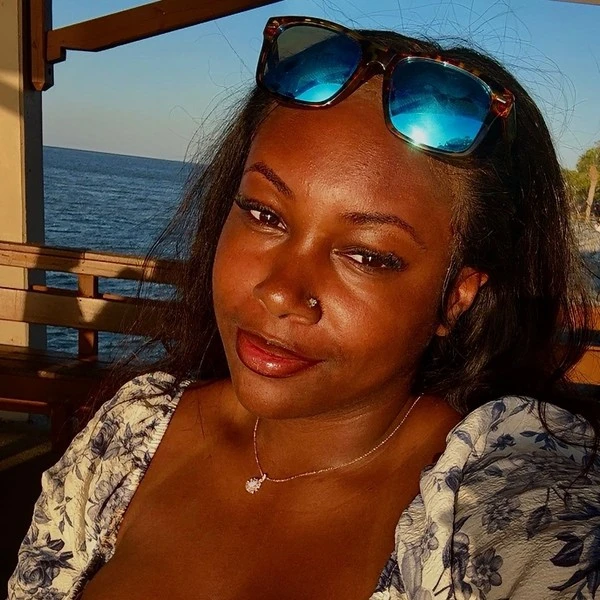
Growing up, I have always understood that representation matters. As an African American woman pursuing a career in medicine, I know firsthand how important it is for young girls to see someone who looks like them achieving goals they may have once thought were out of reach. My dream of becoming a cardiothoracic surgeon is not only about saving lives—it is about using my education, leadership, and compassion to empower BIPOC women and address the healthcare disparities that continue to affect our communities.
Throughout my academic journey, I have remained committed to serving others. Whether through leadership opportunities, mentoring, or simply encouraging those around me, I strive to lead by example. I believe that helping people extends far beyond the walls of a hospital. It means educating communities, advocating for equitable access to healthcare, and ensuring that every patient is treated with dignity, respect, and compassion regardless of their background.
As a future physician, I hope to use my degree to improve health outcomes for BIPOC women by promoting preventative care, increasing awareness of cardiovascular disease, and advocating for earlier diagnosis and treatment. Black women continue to experience disproportionately high rates of heart disease and often face barriers to receiving quality healthcare. By specializing in cardiothoracic surgery, I want to be part of the solution—not only by providing exceptional medical care but also by building trust with patients who have historically been underserved by the healthcare system.
I also plan to remain actively involved in my community through outreach programs, health fairs, mentorship initiatives, and partnerships with local organizations. I want to create spaces where all women feel comfortable asking questions about their health, learning about available resources, and receiving support without fear of judgment. Education is one of the most powerful tools for creating change, and I hope to use my knowledge to empower others to become advocates for their own health and well-being.
Beyond patient care, I hope to advocate for policies and initiatives that reduce disparities in healthcare access and improve health equity. I believe physicians have a responsibility to use their voices not only in operating rooms and clinics but also in conversations that influence public policy and community health. By collaborating with healthcare professionals, educators, and community leaders, I want to help develop solutions that address the root causes of inequities rather than simply treating their outcomes.
Above all, I want my life and career to reflect my belief that God has called me to serve others. Every patient I encounter deserves compassionate, high-quality care, and every young woman deserves to know that her dreams are attainable. I hope to inspire the next generation of BIPOC women to pursue careers in STEM and healthcare by showing them that perseverance, faith, and hard work can open doors that once seemed impossible.
Through medicine, advocacy, and service, I hope to create lasting change that extends beyond individual patients and strengthens entire communities. My goal is to leave a legacy of compassion, equity, and empowerment—one that helps ensure future generations of BIPOC women have the opportunities, resources, and support they need to thrive.