user profile avatar

Katherine Jones

1x

Finalist

Bio

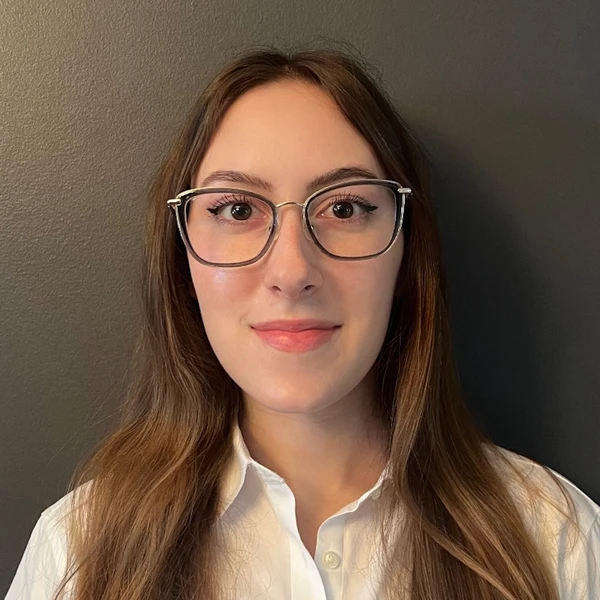
My name is Katherine Jones, and I am a first-year medical student at the Medical University of South Carolina. I intend to pursue Neurology, and am particularly interested in supporting patients with dementia and speech disorders, as my Grandmother was diagnosed with Alzheimer's Disease when I was very young. I am honored to study medicine, and I intend to dedicate my life to helping others.

Education

Medical University of South Carolina

Doctoral degree program (PhD, MD, JD, etc.)
2026 - 2030
  • Majors:
    • Medicine

Wake Forest University

Bachelor's degree program
2022 - 2026
  • Majors:
    • Health Professions and Related Clinical Sciences, Other
    • Health/Medical Preparatory Programs

Mayo High School

High School
2018 - 2022
  • Not planning to go to medical school
  • Career

    • Dream career field:

      • Medicine
    • Dream career goals:

    • Medical Assistant

      Mayo Clinic
      2025 – Present1 year
    • Research Assistant

      Mayo Clinic Alzheimer's Disease Research Center
      2023 – 2023

    Sports

    Tennis

    Junior Varsity
    2022 – 2022

    Research

    • Medicine

      Mayo Clinic — First author
      2023 – 2025
    • Medicine

      Mayo Clinic — First author
      2023 – 2025

    Public services

    • Volunteering

      Ronald McDonald House — Lead Organizer
      2018 – Present

    Future Interests

    Advocacy

    Volunteering

    Philanthropy

    Future Nonprofit Leaders Award
    My interest in pursuing a career in the nonprofit sector comes from the belief that healthcare should extend beyond diagnosis and treatment alone. Throughout my academic and clinical experiences, I have become increasingly aware that many of the factors shaping health outcomes are rooted in broader social systems, including access to education, community support, healthcare literacy, economic stability, and representation in medicine and research. I want my career to exist at the intersection of medicine, research, advocacy, and public service, and the nonprofit sector offers a unique opportunity to create meaningful change in each of those areas simultaneously. My long-term goal is to become a physician-scientist specializing in neurology, particularly in neurodegenerative disease and cognitive aging. During my internship with the Mayo Clinic Alzheimer’s Disease Research Center, I worked on research involving progressive apraxia of speech and donanemab eligibility through the Mayo Clinic Study of Aging. Conducting cognitive interviews with participants gave me a much deeper understanding of how neurological disease affects not only patients themselves, but also their families, independence, communication, and quality of life. Many individuals facing cognitive decline experience fear, confusion, and isolation long before they receive formal support. That experience showed me how important community-centered healthcare initiatives are, especially for aging populations and individuals navigating chronic neurological conditions. The nonprofit sector appeals to me because it often fills critical gaps that traditional healthcare systems cannot fully address on their own. Nonprofit organizations are able to focus directly on patient education, caregiver support, outreach, advocacy, and equitable access to resources. In Neurology, there is an enormous need for organizations that can connect scientific advancement with real-world patient support. Research breakthroughs are only meaningful if communities can actually access and benefit from them. I hope to contribute to organizations that improve awareness of neurological disease, expand participation in research among underrepresented populations, and provide support systems for patients and caregivers who are often overwhelmed by the complexity of these conditions. My background in neuroscience, health and exercise science, and service has also shaped how I think about community impact. Through my volunteering and research experiences, I have learned that health disparities are rarely the result of individual choices alone. Structural barriers, social determinants of health, and unequal access to care play major roles in determining long-term outcomes. This understanding has strengthened my desire to work in spaces that prioritize prevention, education, and accessibility alongside clinical treatment. I am particularly interested in nonprofit initiatives focused on aging populations, cognitive health, health literacy, and increasing access to medical research opportunities for historically underserved communities. In addition to my scientific interests, I value communication and human connection very deeply. Some of the most meaningful experiences I have had in healthcare settings involved simply listening to patients describe their fears, frustrations, and personal experiences. Those moments reinforced the importance of empathy and trust in medicine. Nonprofit work often allows for stronger direct engagement with communities and provides opportunities to build relationships that are centered on advocacy and service rather than efficiency alone. I hope to be part of organizations that make people feel seen, informed, and supported during some of the most difficult periods of their lives. I want my career to contribute to a healthcare system that is more compassionate, accessible, and equitable. Whether through neurological research, patient advocacy, community education, or mentorship, I hope my work will help bridge the gap between scientific progress and the individuals who need that progress most. The nonprofit sector represents an opportunity to combine medicine with service in a way that creates lasting impact at both the individual and community level.