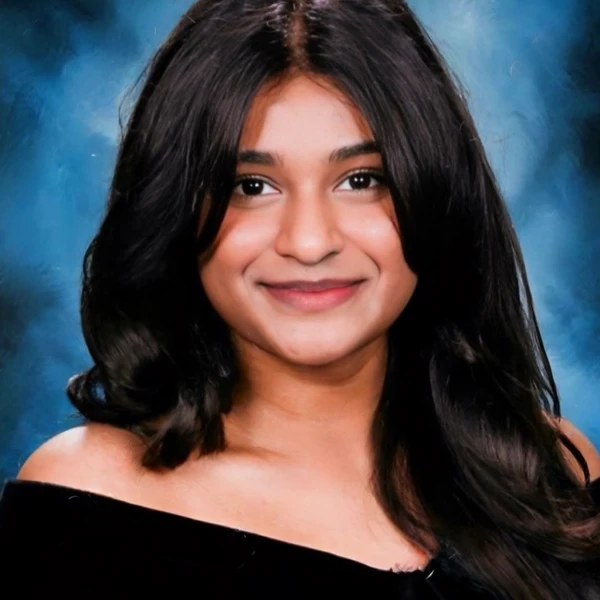
Growing up as a South Indian, second-generation child in a predominantly white suburban town, I became painfully aware of my difference before I fully understood who I was. My traditional lunches were met with wrinkled noses and mocking comments. Classmates teased my language when I spoke with family in public and questioned why my skin was darker. The bullying didn’t always sound like slurs; it was often the offhand comments, the subtle exclusions, the stares that lingered a second too long. These microaggressions were frequent and isolating, slowly chipping away at my self-esteem.
In those early years, I didn’t have the tools or words to name what I was experiencing. All I knew was that I didn’t belong. The cafeteria, the playground, even the classroom; all spaces where other kids found joy were constant reminders of how out of place I felt. But amid the rejection and confusion, I found one place where I could breathe: school. My textbooks didn’t judge me. Math problems didn’t mock me. Science labs didn’t care what I looked like. In learning, I found refuge. I wasn’t just a student; I was someone with purpose, structure, and potential. The classroom was the first place I ever felt in control, and I clung to it as a lifeline.
As I grew older, I carried that sense of isolation with me, even when the bullying became more subtle. I developed insecurities about my body and appearance, struggling to meet an impossible standard that didn't reflect my cultural background or reality. It wasn’t until I moved away from my hometown for college that I began to feel any real sense of belonging. The change in environment, the exposure to diverse peers, and the focus on my health and self-care allowed me to regain confidence and, more importantly, reclaim my identity. I lost weight, yes, but I gained clarity. I stopped trying to shrink myself and started stepping into who I was with pride. I began embracing my culture rather than hiding it, learning to cook family recipes, speaking Malayalam more confidently, and celebrating my heritage without apology.
Even as I became more self-assured, the microaggressions didn’t disappear. But I had grown. I learned to challenge ignorance with patience or distance, depending on the situation. I became more vocal, more aware, and more compassionate, not just toward others, but toward myself. And somewhere along this journey of healing, a new purpose began to emerge: I wanted to help others heal, too.
That desire brought me to medicine. At first, I was drawn to the science of it; the complexity of the human body, the problem-solving, the incredible potential to restore life. But as I volunteered at community health clinics and shadowed physicians, I realized what truly captivated me was the human connection. I watched as doctors not only treated patients but listened to them, advocated for them, and educated them. I saw how much power there was in simply making someone feel seen and heard. And I remembered all the times I had felt invisible. That’s when I knew I didn’t just want to study medicine. I wanted to practice it with empathy and cultural sensitivity at its core.
I am currently pursuing a degree in Biology on the pre-medical track. I’ve chosen this field because it allows me to marry scientific inquiry with compassionate care. My academic interests lie in adolescent medicine and pediatrics, with a particular focus on the intersection of physical and mental health. Young people today are navigating an overwhelming world; social media, academic pressure, identity crises, and systemic inequalities all impact their well-being. I want to be a doctor who addresses not just physical symptoms but also the emotional and psychological weight that so many young people carry, often silently.
My long-term goal is to become a physician who serves underrepresented and underserved populations. I hope to open a community-based clinic that integrates physical healthcare, mental health services, and educational programming. This clinic wouldn’t just be a place to get vaccinations or annual checkups. It would be a sanctuary for healing, growth, and empowerment. I envision culturally competent staff, multilingual resources, peer mentorship programs, and workshops for families that demystify medical care and promote wellness. My dream is to create a space where no child feels the way I once did: unwelcome, unheard, and unseen.
Along the way, I also want to mentor students who, like me, come from immigrant families and feel out of place in academic or professional spaces. Representation matters, and it’s difficult to aspire to careers you’ve never seen someone like you pursue. I want to help break those barriers not only by becoming a physician but by helping others do the same.
This vision is ambitious, and I know that realizing it will take years of hard work, study, and sacrifice. That’s why receiving this scholarship would be so meaningful to me. As the child of immigrants, I’ve watched my parents work long hours and make countless sacrifices to give me an education they never had access to. Our financial situation has always been modest, and while my parents have never let that stop them from supporting my goals, the burden of higher education is significant. Tuition, textbooks, exam fees, and application costs add up quickly and those financial concerns often dictate how many opportunities I can say yes to.
This scholarship would allow me to fully invest in my education and pre-medical journey without the constant anxiety of financial limitations. It would give me the flexibility to pursue research, internships, and volunteer work that I might otherwise have to forgo in order to work part-time jobs. It would allow me to attend conferences, connect with mentors, and prepare for the MCAT with the resources I need to succeed. But more than anything, this scholarship would be an affirmation, a reminder that my story, my struggle, and my goals matter.
I know I still have a long way to go. The path to becoming a physician is challenging, and I’m prepared for that. But I also know that everything I’ve experienced so far: every moment of doubt, every lesson in resilience, every academic hurdle and cultural roadblock, has prepared me for this journey. I am not just pursuing medicine because it’s a respected profession. I am pursuing it because I want to change lives, starting with my own.
My story is not unique, and that’s exactly why it matters. There are so many young people who have been made to feel small, unworthy, or invisible simply because of who they are or where they come from. I want to be a reminder that they are capable, deserving, and powerful. I want to be the kind of doctor who listens deeply, speaks truthfully, and heals completely.
With your support, I will continue forward; rooted in my identity, driven by purpose, and committed to building a future in medicine that is as inclusive, compassionate, and transformative as it is scientific. This scholarship is not just a financial gift; it is a partnership in my mission to bring healing where it’s needed most. And I will carry that mission with me every step of the way.