Hobbies and interests
Reading
Painting and Studio Art
Gaming
Crocheting
Reading
Fantasy
Science Fiction
Adult Fiction
Adventure
Historical
Horror
I read books daily
Jessica Avery
1x
Nominee1x
FinalistJessica Avery
1x
Nominee1x
FinalistBio
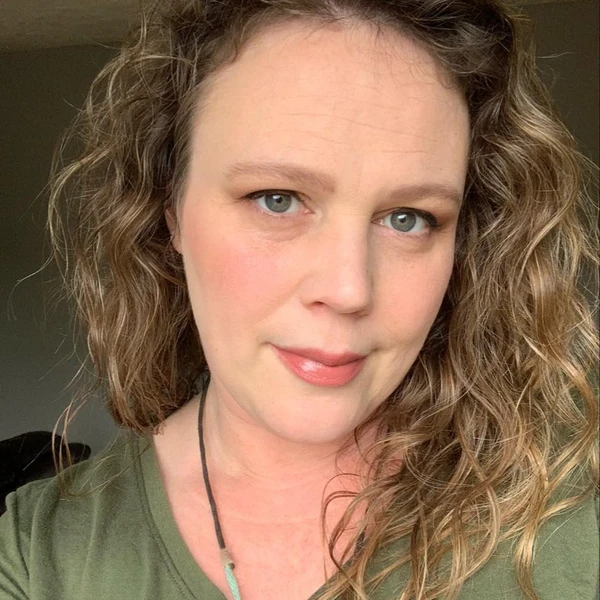
I’m a non-traditional student returning to complete my bachelor’s degree in psychology after raising a family and reentering the workforce. I’m passionate about community mental health and plan to earn my Master’s in Social Work to become a licensed therapist. As a full-time student balancing work and life responsibilities, I’m committed to using my education to make a lasting impact in underserved communities. Scholarships will help me reach this goal without taking on more student loan debt.
Education
Arizona State University Online
Bachelor's degree programMajors:
- Psychology, General
Lane Community College
Associate's degree programMajors:
- Physical Sciences, General
Miscellaneous
Desired degree level:
Master's degree program
Graduate schools of interest:
Transfer schools of interest:
Majors of interest:
Career
Dream career field:
Mental Health Care
Dream career goals:
Peer Support Specialist Certified
Kitsap Mental Health Services2024 – Present2 years
Autumn Davis Memorial Scholarship
My experiences with mental health have shaped how I see the world, how I relate to others, and why I am committed to a career in mental health care. Mental health is not an abstract concept in my life; it has been present in my experiences as a parent, a student, and a professional working with individuals navigating complex psychological and social challenges.
As a young adult, I raised five children while living in poverty and navigating systems that were often confusing, under-resourced, and emotionally overwhelming. During this time, I learned firsthand how deeply access to mental health care is tied to knowledge, advocacy, and privilege. Simply knowing how to ask the right questions or where to seek support made a meaningful difference for my family—an advantage many others do not have. That awareness stayed with me and shaped my belief that mental health care should be accessible, compassionate, and grounded in respect rather than judgment or bureaucracy.
These experiences also transformed my relationships. Supporting loved ones through emotional distress taught me that people do not always need solutions—they need to be heard, believed, and met with patience. I learned how powerful it can be to sit with someone in discomfort without trying to rush their healing. This understanding continues to guide how I show up in both my personal life and professional roles, with empathy, humility, and curiosity.
My professional experiences in peer-centered competency restoration settings further solidified my commitment to this field. I have worked with individuals who are often marginalized by both the mental health and legal systems, and I have seen how untreated mental illness can lead to devastating outcomes when care is inaccessible or impersonal. At the same time, I have witnessed the profound impact of education, therapeutic support, and genuine human connection in restoring dignity, autonomy, and hope.
These experiences led me to pursue a degree in psychology and aspire to become a therapist. My goal is to provide trauma-informed, client-centered care that acknowledges the broader social and systemic factors influencing mental health. I am especially interested in working with individuals affected by poverty, legal involvement, and limited access to care.
Through my mental health career, I hope to create spaces where people feel safe, respected, and empowered to heal. I want to help individuals recognize their strengths, build coping skills, and reclaim their sense of agency. Ultimately, my belief that people are not defined by their circumstances, but by their capacity for growth when given the right support, continues to guide my education, my relationships, and my commitment to this field.
Susie Green Scholarship for Women Pursuing Education
For most of my adult life, courage looked like endurance. It meant staying steady for my family, putting my own aspirations on hold, and doing what was necessary rather than what felt possible. I married my high school sweetheart young, became a mother early, and centered my life around supporting my family’s stability. College was always a dream I carried quietly, but it remained on the back burner while I focused on caregiving, survival, and responsibility.
The turning point came with my divorce.
Ending a marriage that had defined my entire adult life required a kind of courage I had never practiced before, the courage to acknowledge that staying was no longer the bravest option. I was forced to rebuild my identity while navigating single parenthood and financial uncertainty. That process was painful and destabilizing, but it revealed something essential. If I could survive the collapse of the life I had carefully constructed, I was capable of building something new on my own terms.
As I began rebuilding, I reflected on the work I was already doing. In my current role within the competency restoration system, I work with individuals involved in the legal system who are navigating severe mental illness, trauma, and systemic barriers. Every day, I witness how mental health and justice intersect and how often people fall through the cracks when systems prioritize efficiency over humanity. I often find myself serving as a steady point of support, helping clients understand unfamiliar legal processes while advocating for patience, clarity, and humane treatment. This work reawakened a long standing desire to serve in a deeper, more impactful way. I realized that my lived experience, combined with my professional exposure to marginalized populations, uniquely positioned me for a career in counseling and public service.
Returning to school became less about ambition and more about responsibility. If I wanted to serve individuals ethically and effectively, particularly those entangled in systems that are not designed to support healing, I needed the education and credentials to do so. I no longer saw my age or life history as obstacles, but as assets that gave meaning to this second career.
Fear was very present when I made the decision to return to school, fear of failure, fear of financial strain, fear that it was too late. Courage did not replace that fear. It existed alongside it. Courage was choosing to move forward anyway, trusting that growth does not require certainty, only commitment. Each class completed and each milestone reached affirms that choosing education later in life is not a risk born of impulse, but a decision shaped by resilience.
Susie Green’s story reflects what I now believe deeply, that reinvention is an act of public service when it is guided by purpose. The courage to return to school came from recognizing that I had already endured my hardest chapters. Education is not my escape. It is my way forward, and my commitment to serving others with competence, compassion, and integrity.
Mental Health Profession Scholarship
My journey with mental health challenges began in my late twenties, at a time when my life was already full of responsibility. I was raising five children, managing a household, and trying to meet the expectations placed on me as a parent and provider. When my mental health began to decline, it felt as though everything I had worked to hold together was suddenly at risk. I experienced a deep sense of hopelessness and believed that my future had narrowed permanently. I could not imagine returning to school, pursuing a meaningful career, or even sustaining full-time work. At that stage of my life, survival, not aspiration, was my focus.
Living with mental illness during those years required constant effort. I learned how to function while struggling internally, often pushing myself forward out of necessity rather than confidence. Over time, through persistence, self-education, and appropriate support, I began to understand my mental health rather than feel defined by it. Progress was not linear, but each step forward challenged the belief that my life would always be limited by my diagnosis. Slowly, I rebuilt trust in my own capacity—to work consistently, to show up for others, and eventually, to envision a future that included higher education.
Many years later, I am working steadily and have returned to school to complete my bachelor’s degree. This achievement represents far more than academic progress; it is evidence that recovery and growth are possible even after long periods of struggle. I am now moving toward a master’s degree in counseling because I want to support others who feel the same despair I once did, those who believe their mental health challenges have permanently closed doors to opportunity, stability, or purpose.
My lived experience allows me to support others with empathy and authenticity. I understand what it feels like to function outwardly while struggling inwardly, and how isolating that experience can be. In both personal and professional settings, I strive to offer validation, encouragement, and practical guidance to individuals navigating mental health challenges. I believe support begins with listening, without judgment, and continues through consistent presence and resource-sharing.
Looking forward, I plan to raise awareness for mental health challenges by normalizing conversations about long-term recovery and nontraditional paths to success. Mental illness does not disappear simply because time passes, nor does it prevent individuals from contributing meaningfully to their communities. Through my education and future work as a counselor, I hope to advocate for compassionate, accessible care and to help reduce the stigma that keeps so many people from seeking support.
Pursuing a career in mental health is both personal and purposeful for me. I am living proof that perseverance through mental health struggles builds strength, insight, and compassion. This scholarship would support my continued education and help me transform lived experience into professional impact, allowing me to stand alongside others as they work toward hope, healing, and possibility.
Debra S. Jackson New Horizons Scholarship
My journey to higher education has not followed a traditional timeline. In my early adulthood, my priorities were shaped by raising children, maintaining financial stability, and ensuring my family’s basic needs were met. Education remained important to me, but it was often deferred in favor of caregiving responsibilities. Now in my late forties, with my children grown, I am returning to complete my bachelor’s degree with clarity of purpose, life experience, and a deep commitment to serving others through the mental health field.
One of the most influential experiences shaping my values occurred during a period of crisis within my family. When my son nearly lost his life to suicide, I encountered firsthand the fragmentation of the mental health system. While support technically existed, meaningful access did not. Resources were difficult to locate, coordination between providers was minimal, and families were often expected to navigate complex systems while in acute emotional distress. Through persistence, research, and advocacy, I was ultimately able to connect my son with quality care—but the experience revealed how many families are left without guidance, advocacy, or follow-through.
This experience strengthened my belief that mental health care must be humane, accessible, and relational. It also reinforced values I have carried throughout my life: perseverance, accountability, compassion, and service. Rather than leaving me discouraged, it clarified my direction. I want to be the person who helps others find their way through systems that often feel overwhelming and impersonal.
Returning to school later in life has also shaped my career aspirations. As a nontraditional student, I bring maturity, discipline, and perspective that enrich my academic experience. I am pursuing a degree in mental health with the goal of becoming a counselor who not only provides therapeutic support, but also helps individuals and families connect to appropriate resources, understand their options, and feel less alone in moments of vulnerability. My interest lies especially in supporting underserved populations who face barriers due to socioeconomic status, stigma, or lack of system literacy.
Community service has been a consistent thread throughout my life, whether through caregiving, advocacy, or professional roles that prioritize support and education. My education will allow me to formalize this work, strengthen my clinical skills, and expand my capacity to serve my community effectively. I envision working in settings where collaboration, education, and continuity of care are prioritized—helping reduce crisis-driven interventions and promoting long-term stability.
This scholarship would provide critical financial support as I complete my degree, allowing me to focus more fully on my studies while balancing work and living expenses. More importantly, it represents an investment in a student who is committed to using education as a tool for meaningful, community-centered change. At this stage in my life, higher education is not just a personal achievement—it is a pathway toward service, advocacy, and lasting impact.
Brian J Boley Memorial Scholarship
My decision to pursue a degree in the mental health field is grounded in both professional commitment and deeply personal experience. I am drawn to this work not only because of my academic interests in psychology and counseling, but because I have witnessed firsthand how devastating the consequences can be when mental health systems fail to respond with accessibility, compassion, and continuity of care.
As a parent, one of the most formative experiences of my life was surviving my son’s near loss to suicide. That moment shattered any remaining illusion that mental illness exists in isolation or that access to care alone guarantees safety. What became painfully clear was how easily individuals and families fall through the cracks—particularly when mental health struggles are compounded by stigma, limited resources, or co-occurring challenges such as substance use. Like Brian J. Boley, my son was young, vulnerable, and navigating a system that often prioritizes crisis response over long-term, relational support. That experience transformed my empathy into resolve.
Professionally, I have spent years working alongside individuals who are marginalized by poverty, systemic inequity, and involvement in the legal system. In my current work within competency restoration and outpatient mental health programs, I see daily how untreated mental illness and substance use disorders are intertwined, misunderstood, and frequently criminalized rather than compassionately addressed. Many of the individuals I serve did not lack motivation to get better—they lacked consistent advocates, trauma-informed care, and providers who treated them as whole human beings rather than diagnoses or risks to be managed.
My goal is to become a licensed therapist who serves underserved populations, particularly individuals impacted by severe mental illness, substance use, and system involvement. I am committed to practicing in a way that centers dignity, autonomy, and cultural humility. I believe effective mental health care must be relational, collaborative, and grounded in trust—especially for those who have been repeatedly failed by institutions meant to help them.
To make a meaningful difference, I plan to work at the intersection of clinical care and systemic advocacy. This includes expanding access to therapy for individuals with co-occurring disorders, integrating psychoeducation to empower clients and families, and supporting diversion-focused approaches that prioritize treatment over punishment. I also hope to contribute to training and education efforts that reduce stigma among providers and increase understanding of how trauma, addiction, and mental illness interact.
Brian's story represents far too many young lives lost to a system that did not respond with the depth of care required. Honoring his memory means committing to change—not only through policy, but through daily, human interactions that convey hope and worth. I am pursuing a career in mental health so that fewer families have to endure the fear of losing a child, and more individuals can experience care that sees them, supports them, and refuses to give up on them.
Johnna's Legacy Memorial Scholarship
Scholarship Essay for Johnna’s Legacy Memorial Scholarship
by Jessica Avery
Living with or supporting someone through a chronic illness can shape every aspect of life. For me, this experience has been both personal and transformative. I’ve stood beside someone I love while navigating a fragmented mental health system, advocating fiercely for care, stability, and hope. The emotional toll of this journey was immense, and at times, the dream of completing my education felt far away. Yet in the midst of the challenges, I found my purpose.
I am currently studying psychology at Arizona State University, working toward a future where I can be a compassionate and knowledgeable support to others. Returning to school as an adult, especially while managing the ripple effects of medical and emotional crises, has required determination and adaptability. There have been times when I have felt stretched thin, but I never lost sight of my goal. I want to become a licensed therapist who not only understands the science of healing, but who also brings lived experience, empathy, and patience into every session.
My professional path has been deeply influenced by the barriers I’ve encountered. I know what it feels like to be overwhelmed by a system that doesn't always offer clear answers or timely help. These experiences inspired me to step into the mental health field myself. Today, I work in community behavioral health, helping individuals who are often navigating mental health challenges, legal issues, and trauma. It is deeply rewarding work that fuels my commitment to finish my degree and expand my ability to serve others.
What motivates me to excel, despite the limitations and detours I’ve faced, is the belief that people can recover, grow, and thrive with the right support. I’ve seen how connection, compassion, and knowledge can empower someone to reclaim their life. I carry that belief into every part of my work and education.
My long-term goal is to open a private therapy practice that allows me to work from home, support my family, and create a peaceful life surrounded by nature. I want to offer a safe and welcoming space where clients feel heard and understood. Beyond clinical work, I hope to mentor others who have faced similar struggles, showing them that their past does not define their potential.
This scholarship would ease the financial pressures of my journey and help me stay focused on what matters most, building a life of purpose and service. I am committed to transforming my experiences into something meaningful and lasting. Thank you for the opportunity to be considered.
Catrina Celestine Aquilino Memorial Scholarship
Jessica Avery
Catrina Celestine Aquilino Memorial Scholarship Essay
My name is Jessica Avery, and I am a first-generation college student pursuing a degree in psychology at Arizona State University. I am deeply committed to improving mental health access, especially for individuals and families who also have contact with the legal system. Although I am not studying law or medicine in the traditional sense, I work in a field where those disciplines meet. My professional and lived experiences place me within the realm of healthcare and justice, both of which were central to Catrina Celestine Aquilino’s mission.
My passion for mental health work comes from both personal and professional experiences. As the parent of a child with severe mental illness, I know what it feels like to fight for care in a system that often feels cold and broken. After a suicide attempt, my son was nearly lost to us. Finding him the right care was a long, confusing, and deeply painful process. That experience changed me. It made me want to make the system better for others. No one should have to fight so hard to get the help they need.
Today, I work in an outpatient competency restoration program in Washington State. I support individuals who have been found incompetent to stand trial, many of whom have severe mental illness, developmental delays, or significant trauma histories. My job involves teaching basic legal concepts like courtroom roles and plea bargaining, along with coping skills such as grounding, journaling, and emotion regulation. Because many of my clients read at an elementary level or struggle with comprehension, I design all materials to be accessible and respectful of their needs.
Through this work, I have come to understand that individuals at the intersection of mental illness and the criminal legal system are often the most invisible. They are overlooked in conversations about justice and underserved in mental health spaces. I believe they deserve better. My work is focused on helping them feel heard, supported, and capable of participating in their own defense and care.
In the next ten years, I see myself continuing to work in community mental health, likely serving the same population I support now. I plan to complete my psychology degree and become licensed so I can offer therapy, advocacy, and direct support to people with complex needs. I want to be a stable, informed, and compassionate presence in a system that too often lacks those qualities.
As a first-generation student, I have had to navigate every step of higher education without a roadmap. I have balanced school with raising children, working full-time, and healing from my own personal experiences. These challenges have made me determined and resilient. I understand what it means to feel lost, and I want to be someone who helps others find their way.
Receiving this scholarship would allow me to continue my education with fewer financial barriers. More importantly, it would allow me to honor the legacy of someone who believed that care and justice should be available to everyone, regardless of where they were born or what challenges they face. I carry that same belief into every room I work in.
Brian J Boley Memorial Scholarship
My path to a career in mental health has been shaped by both personal pain and a profound sense of purpose. Years ago, I was a full-time community college student and a mother of five young children. I maintained a 4.0 GPA while juggling family and coursework, but the pressure eventually led to a complete mental health breakdown. I had to step away from school and spend years rebuilding my own well-being.
That experience gave me deep insight into the challenges people face when trying to access mental health care, an insight that has only grown with time. I eventually returned to the workforce as a Peer Support Specialist at my local community mental health organization. In that role, I supported individuals navigating the same kinds of struggles I once faced, and I saw just how broken and under-resourced our system can be.
But I’ve also seen the system from another angle—perhaps the hardest one—as a parent. One of my children lives with severe mental illness, and our family has faced immense challenges trying to access compassionate, coordinated care. We’ve experienced the fear, confusion, and heartbreak of trying to get help while navigating stigma, long waitlists, and fragmented services. At one point, we nearly lost my child to a suicide attempt. That moment changed me forever.
I now understand the mental health system not only as a consumer and professional, but as a parent who has lived the fear of losing her child. That pain fuels my commitment to changing the system from the inside out. I never want another family to go through what we did. I want to be a voice of empathy, a source of hope, and a skilled professional who can bridge the gap between services and the people who need them most.
That’s why I returned to school to complete my bachelor’s degree in psychology. My goal is to become a licensed therapist and work in community mental health, particularly with families and individuals facing co-occurring mental illness and substance use. I believe in treating the whole person with dignity, trauma-informed care, and compassion, and in ensuring that no one feels invisible within the very system meant to help them.
This scholarship would ease the financial burden of returning to school as a non-traditional student and a parent. But more than that, it would help me continue this work in honor of those we’ve lost, like Brian, and those we’re still fighting for, like my own son. I carry my lived experience into every class, every client interaction, and every step of this journey. And I will keep going, because every person deserves to be seen, heard, and supported in their darkest moments.
Debra S. Jackson New Horizons Scholarship
Reflecting on my life journey, I see a path shaped by both hardship and healing. Years ago, I was juggling full-time community college while raising five young children. Despite the immense demands on my time and energy, I maintained a 4.0 GPA. But eventually, the stress took its toll. I experienced a mental health crisis that forced me to leave school and focus entirely on restoring my well-being.
Those years were incredibly difficult, but they also became the foundation for the life I live now. As I worked to heal, I gained deep insight into the importance of mental health, compassion, and community. Once I was well enough, I knew I wanted to use my experience to help others going through the same struggles I had faced. I began working as a Peer Support Specialist at my local community mental health organization, the same type of place I once turned to when I was poor, desperate, and in need of hope.
Through this work, I realized that supporting others in their recovery was more than a job, it was my calling. I felt deeply connected to the clients I served, and I knew I wanted to do more. I wanted to offer not just peer support, but clinical guidance. I wanted to learn how to better help individuals navigate trauma, grief, and mental illness in meaningful, evidence-based ways. That is what led me back to school to complete my bachelor’s degree in psychology.
My goal is to become a licensed therapist working in a community mental health setting, where I can provide accessible, empathetic, and culturally responsive care. I want to serve individuals who, like me, may not have the resources to access private therapy or who feel lost in a system that often overlooks them. My lived experience gives me a unique perspective that I bring to every classroom discussion and every client interaction because I understand what it feels like to be on both sides of the recovery journey.
These experiences have shaped my personal values: resilience, empathy, and service. I value the power of second chances, the importance of mental health advocacy, and the necessity of showing up for people in need. My commitment to community service is rooted in gratitude, for the support I once received, and for the opportunity to now be that support for others. Every class I take, every skill I develop, brings me closer to fulfilling that mission.
This scholarship would be life-changing for me. As a non-traditional student returning to school after years away, I face unique financial challenges. I am balancing school with work and family responsibilities, and the cost of tuition, books, and basic living expenses adds up quickly. Receiving this scholarship would ease that burden and allow me to focus more fully on my education and clinical training. It would bring me one step closer to becoming the therapist I am meant to be—one who uplifts, supports, and empowers the community that raised her.
With your support, I will continue turning my lived experience into a meaningful career of service. I will give back to the communities that once held me up. And I will do everything I can to ensure that no one facing mental health challenges feels alone, unseen, or without hope.